Marathon & trail runners
- ·Built-in GPS
- ·Long rated battery
- ·Structured workouts
- ·Light case
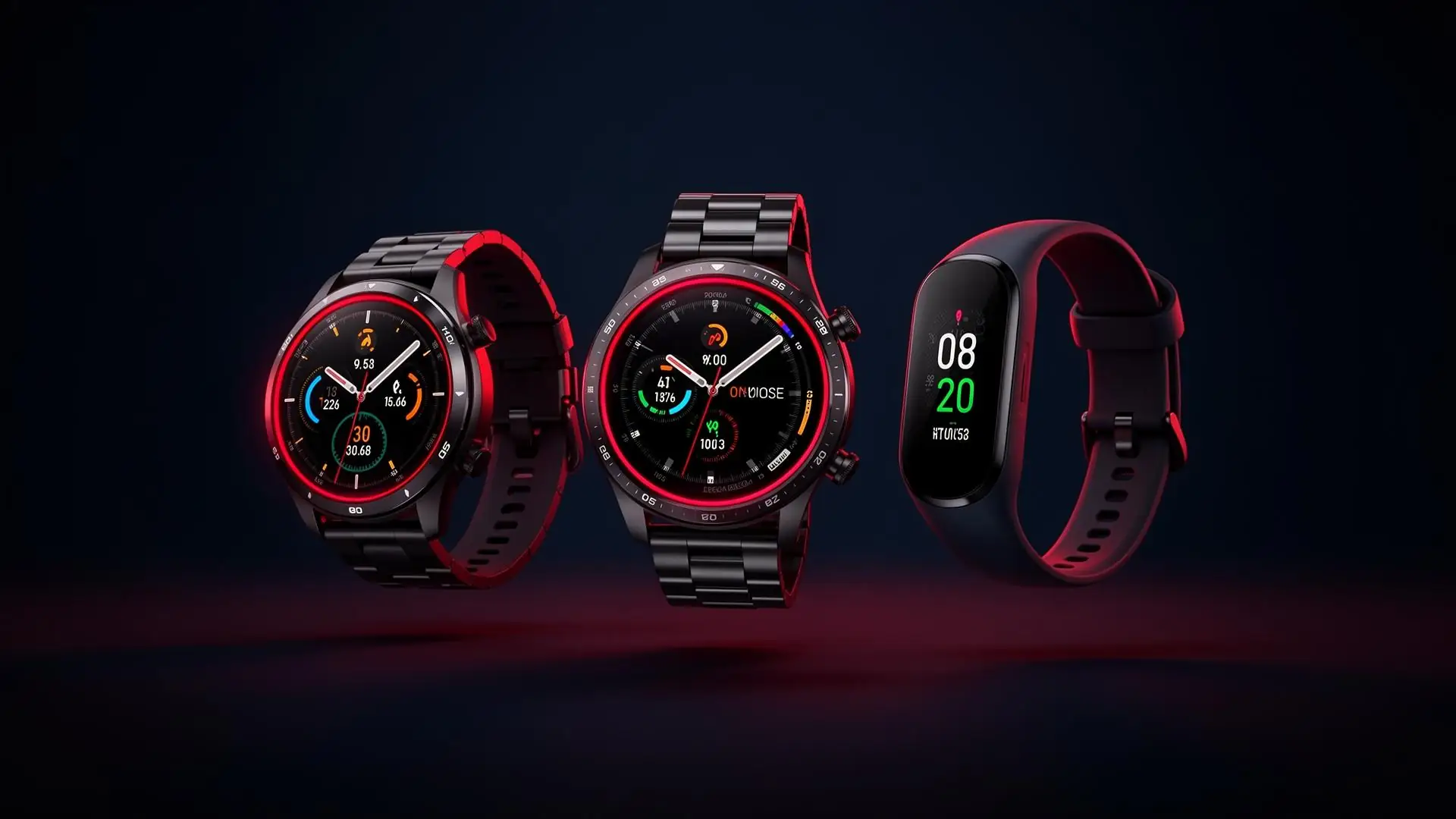
Compare fitness watches by GPS accuracy, battery life, heart-rate features, training metrics, recovery insights, mapping, comfort, phone compatibility, and budget.
Skip the quiz
The top-scoring watch for six common profiles, using the same scoring as the quiz. Price and stock are Amazon's own, re-checked every few hours.
Amazon links are affiliate links: we may earn a commission at no cost to you. It never changes a ranking.
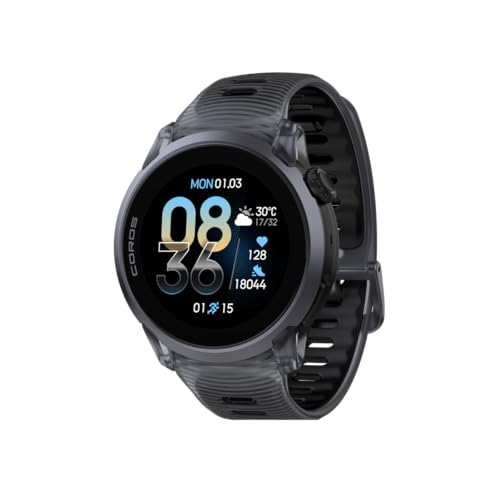
Best Running Sport Watch for iPhone
Ultralight 1.2-inch AMOLED runner at 33 g with the nylon band: dual-frequency GPS, offline music and maps, voice notes and up to 19 days of daily use.

Best Running Smartwatch for iPhone
Apple's 2026 all-rounder: 46 mm LTPO OLED at 2,000 nits, ECG, blood-oxygen and temperature sensing, and up to 24 hours per charge.

Best Outdoor Sport Watch for iPhone & Android
Solar-charging rugged AMOLED: titanium bezel, sapphire glass, 10 ATM, dual-band GPS with offline maps, a flashlight and up to 25 days of typical use.

Best Gym & Strength Smartwatch for Android
Galaxy AI on the wrist — antioxidant index, vascular load, brighter 3,000-nit AMOLED.

Best Health-Tracking Smartwatch for Android
Android-only Wear OS 7 watch: 3,000-nit domed AMOLED, ECG and SpO2 sensors, dual-frequency GPS, 64 GB and NFC payments; the 45 mm lasts up to 40 hours.
Best Everyday Fitness Band for iPhone & Android
Apple-Watch-style aluminum chassis under $200 — 1.82" AMOLED, GPS and 100+ workout modes.
How it works
A transparent, spec-based way to pick a fitness watch: no guesswork, no commission-weighted nudges.
Tell us how you train, which phone you carry, your wrist size, the features you actually use, and your budget. No email required.
Your answers run through a fixed scoring formula that compares them with the published specs of 88 watches from 17 brands, including Apple, Garmin, Polar, Coros, Suunto, Samsung, Google and Fitbit.
You see why each watch matched, where it falls short, who should skip it, and links to compare specs side by side. The same answers always produce the same ranking.
Scoring inputs
Nine criteria with fixed weights. Every result shows the points each one earned, and the methodology page explains exactly how each fit is calculated.
Is the watch built for the sport or activity you chose?
Does it pair fully with your iPhone or Android phone?
Smartwatch, sport watch, band or hybrid: the shape you asked for.
GPS, ECG, SpO₂, maps, music, payments, LTE, swim-proofing: the ones you ticked.
The manufacturer's rated battery life against the days you want between charges.
Minimal, rugged, luxury or sporty.
A small nudge towards the brands you like.
Case size against your wrist circumference.
List price against your budget, plus a hard ceiling so a $700 watch never shows up for a $200 budget.
Read the full formula on the methodology page, including what the score cannot tell you.
Ready-made results
Skip the quiz for a standard profile. Each page ranks all watches for that profile and shows the scoring behind it.
Head to head
Each comparison has the spec table, a plain verdict, who should pick each watch and who should skip it.
The database
Specs last updated October 2026. Open any watch for its strengths, who should skip it and its closest rivals.
By user type
The features that matter depend on how you train. Here is what to prioritise.
FAQ
9 questions. One spec-based match. Free, no signup required.
As an Amazon Associate, GearUpToFit earns from qualifying purchases. Affiliate links never change a ranking.