...
Updated Aug 2026 · Reviewed vs published methodology
Independent · Evidence-aware · 150+ tests

Run far. Run smart. Never guess.

Running shoe reviews, GPS watch tests and 16+ free science-based calculators — built on a published methodology. Every pick names its trade-off. Zero paid placements.

Trail runners testing shoes on mountain terrain
Currently on the test bench

Brooks Ghost Max 3 — the 2026 daily-trainer pick

146HR · BPM (Zone 2)
4:48PACE / KM
+340mELEV GAIN
150+Hands-on gear tests
16+Calculators w/ open formulas
200+Evidence training guides
0.Paid placements · ever
KM 01 · Primary tool portals

Pick your path.

Six working tools, not six landing pages. Each one asks what it needs to know, shows the reasoning, and sends you somewhere specific.

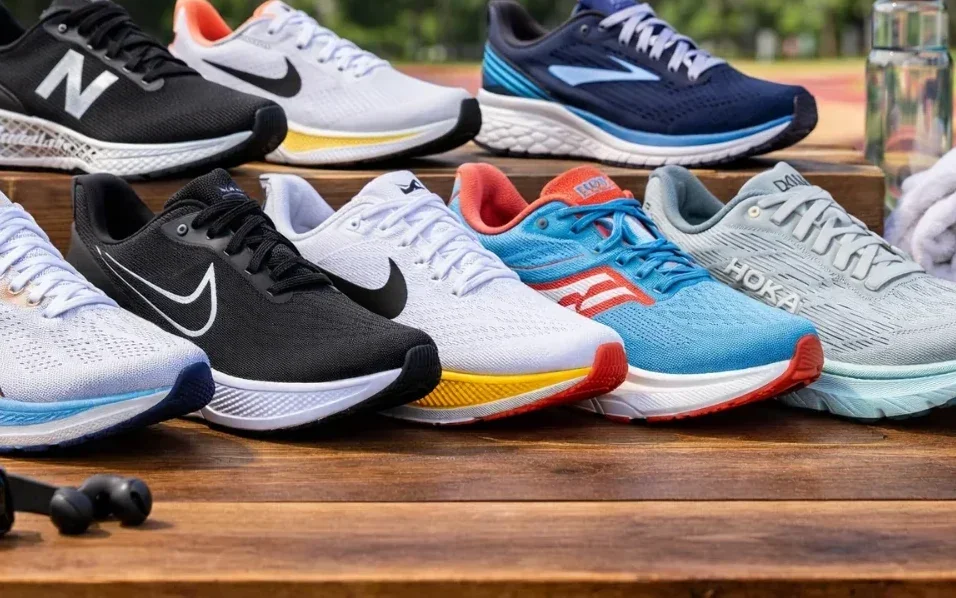
Lineup of 2026 daily running trainers from New Balance, Nike, Brooks, Saucony and HOKA on a wooden bench 01

I need running shoes — matched to my foot, not the marketing.

Nine questions on fit, surface, mileage and injury history. It returns shoes that suit you, not the shoes with the biggest affiliate payout.

Try two of the nine questions

Matched archetype: Stable neutral daily trainer (e.g. Brooks Ghost Max 3 / ASICS Cumulus 26)

Open the RunMatch shoe finder 9 questions · about 60 seconds

Open the RunMatch shoe finder
Runner holding an easy aerobic Zone 2 pace on a shaded park path 02

I want the numbers.

TDEE, macros, pace, VDOT, heart-rate zones. Every calculator prints the exact formula it used, so you can check the maths yourself.

Open the calculators 16+ tools · formulas shown
Open the fitness calculators
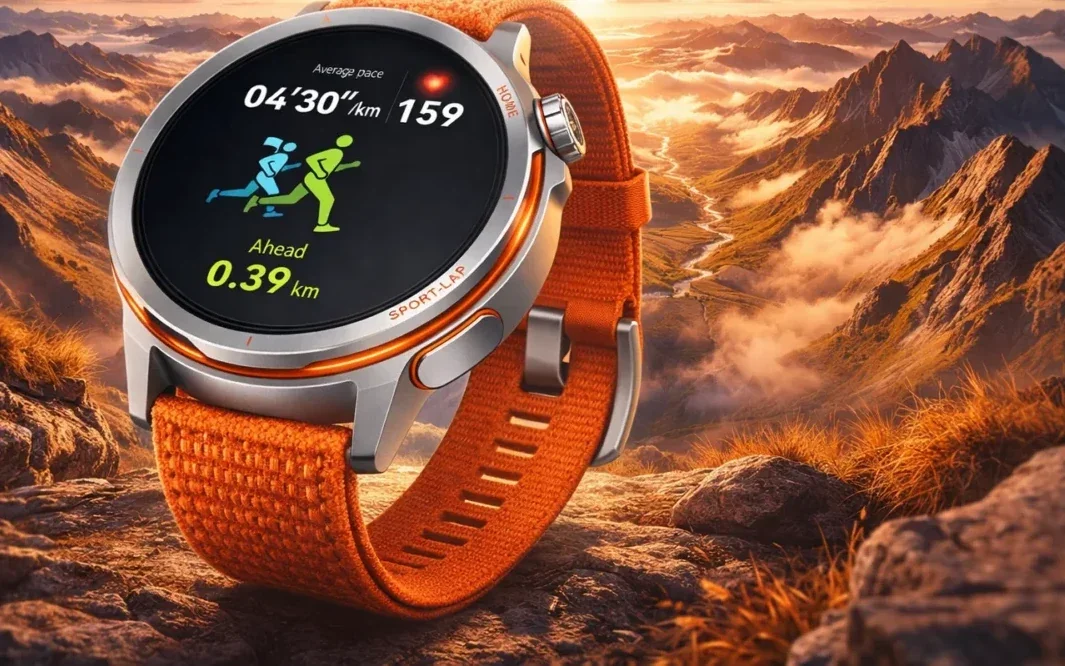
GPS running watch showing pace and heart rate against an alpine sunset 03

I need a running watch.

GPS accuracy, real battery life and wrist heart-rate reliability, ranked against the budget you actually have.

Match my watch Budget-first ranking
Match my running watch
Runner on a park path at golden hour with a city skyline behind 04

I want to train smarter.

Zone 2, heart-rate zones, and marathon build-ups explained without the mysticism.

Running hub Guides · plans
Open the running hub
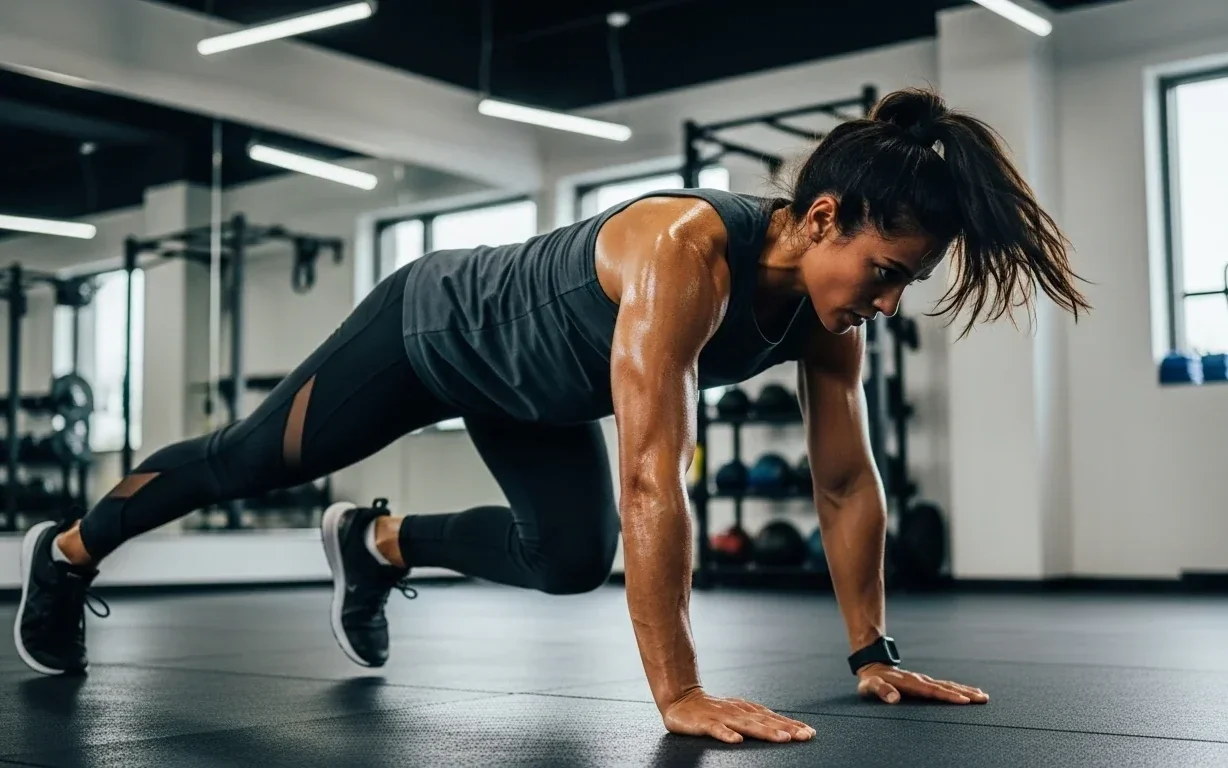
Athlete holding a plank-to-mountain-climber position during a full-body training session 05

I want a plan.

A free eight-week block that adapts to the days and equipment you actually have.

Build my plan 8 weeks · free
Build my 8-week fitness plan
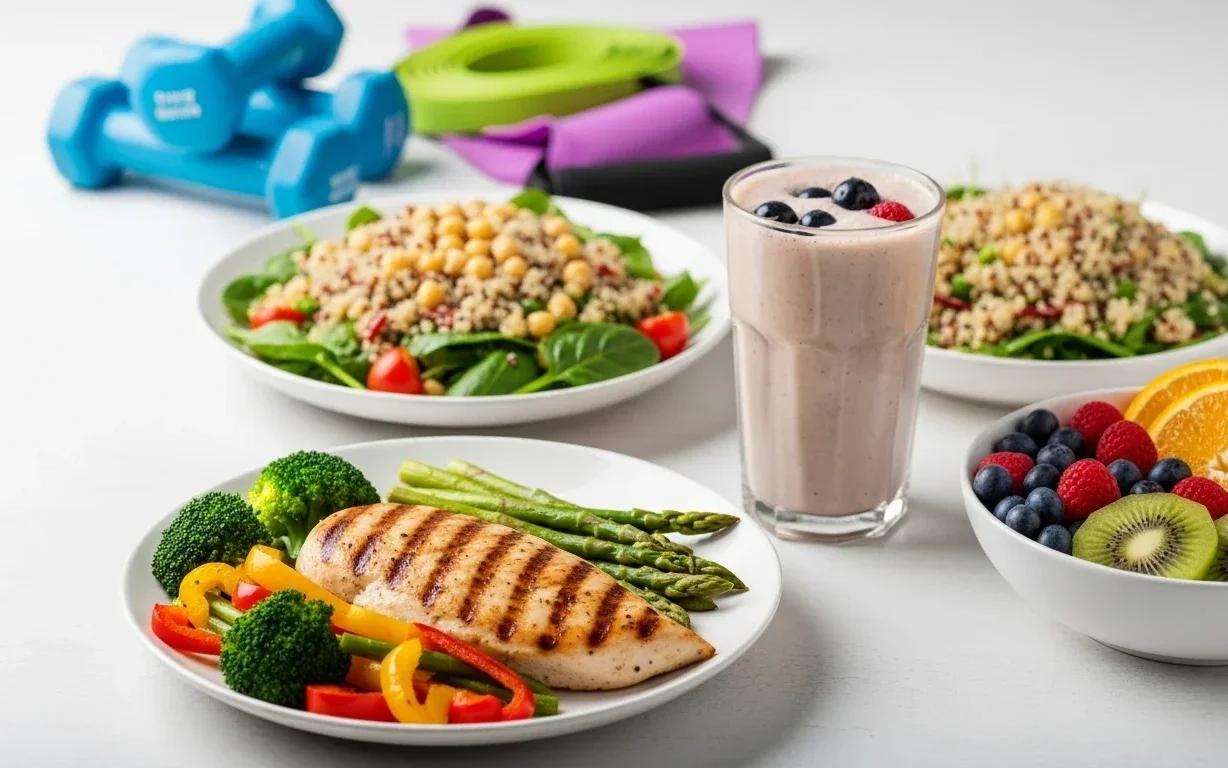
Post-workout meal of grilled chicken, grain salad, fruit and a protein shake beside dumbbells 06

I want a stack that is worth the money.

What the evidence supports, what it does not, and which supplements you can skip.

Supplement match Evidence-graded
Open supplement match
KM 02 · Runner DNA diagnostic

Five questions. Your actual numbers.

Most “what runner are you” quizzes hand back a personality label. This one hands back a heart-rate band, a shoe category, a weekly structure and a four-week mileage ceiling — calculated from published formulas, with the formulas named.

Question 1 of 5 · Physiology

How old are you?

This sets your estimated maximum heart rate using the Tanaka formula: 208 − (0.7 × age).

35years
Question 2 of 5 · Intent

What are you actually training for?

Question 3 of 5 · Current load

How much are you running right now?

Question 4 of 5 · Surface

Where do most of your kilometres happen?

Question 5 of 5 · Mechanics

What does your foot and injury history look like?

KM 02 · The method

Anatomy of a verdict.

01Shoe fit assessment
Fit · First

Fit beats every spec

Length, width, arch under load, heel lock. Two runners with the same size often need different shoes. We measure late in the day, both feet, thumbnail of space.

02Cushioning assessment
Comfort · under load

Cushioning is a preference

Soft ≠ better. We test rebound, fatigue over 20km, and whether the foam collapses under heavier loads. Comfort is a function of your weight, pace and weekly volume.

03Durability test
Durability · 150mi+

Outsole and midsole wear

We log every mile. Outsole abrasion, midsole compression lines, upper deformation. A 300-mile shoe that dies at 180 isn’t value — it’s a warranty claim.

04Value assessment
Value · not price

Price per useful mile

A €140 shoe that lasts 500 miles beats a €90 shoe that dies at 250. We compute cost-per-mile, not RRP. Budget picks must clear the same bar as flagships.

05Safety assessment
Safety · last

Who should not buy it

Every verdict ends with the trade-off and the “skip if” line. If a shoe encourages bad mechanics for your foot, that’s a safety call — and we say so plainly.

KM 03 · The test bench

Tested in the wild. Judged on paper.

Mud, scree, wet rock, treadmill hum. Every verdict below survived real miles before it survived editing.

  • MethodPublished criteria — fit, comfort, durability, value, safety. Judge the judgement.
  • Trade-offsEvery pick names what it’s worse at. Nothing scores well on everything.
  • DataNo fake prices, no invented stars. Manufacturer specs labelled as such.
  • MoneyAffiliate links disclosed. Commission never decides a ranking.

Read the methodology

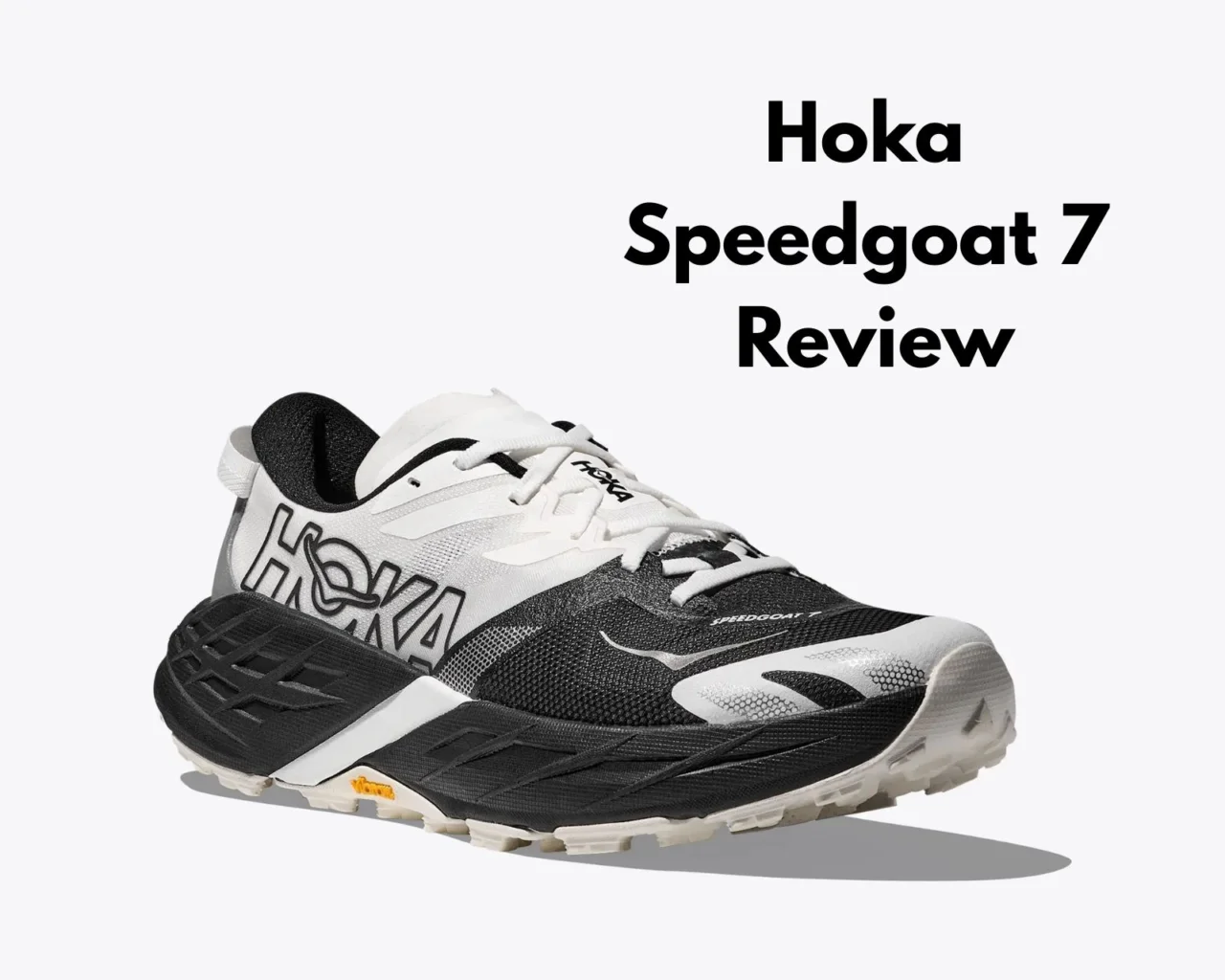
Trail · 150-mile testHOKA Speedgoat 7 trail running shoe

HOKA Speedgoat 7

“Grip you can argue with on mud, scree and wet rock.”
Trade-off: heavy on road — keep it for the mountains.
Updated Aug 2026Hands-on
HOKA Speedgoat 7
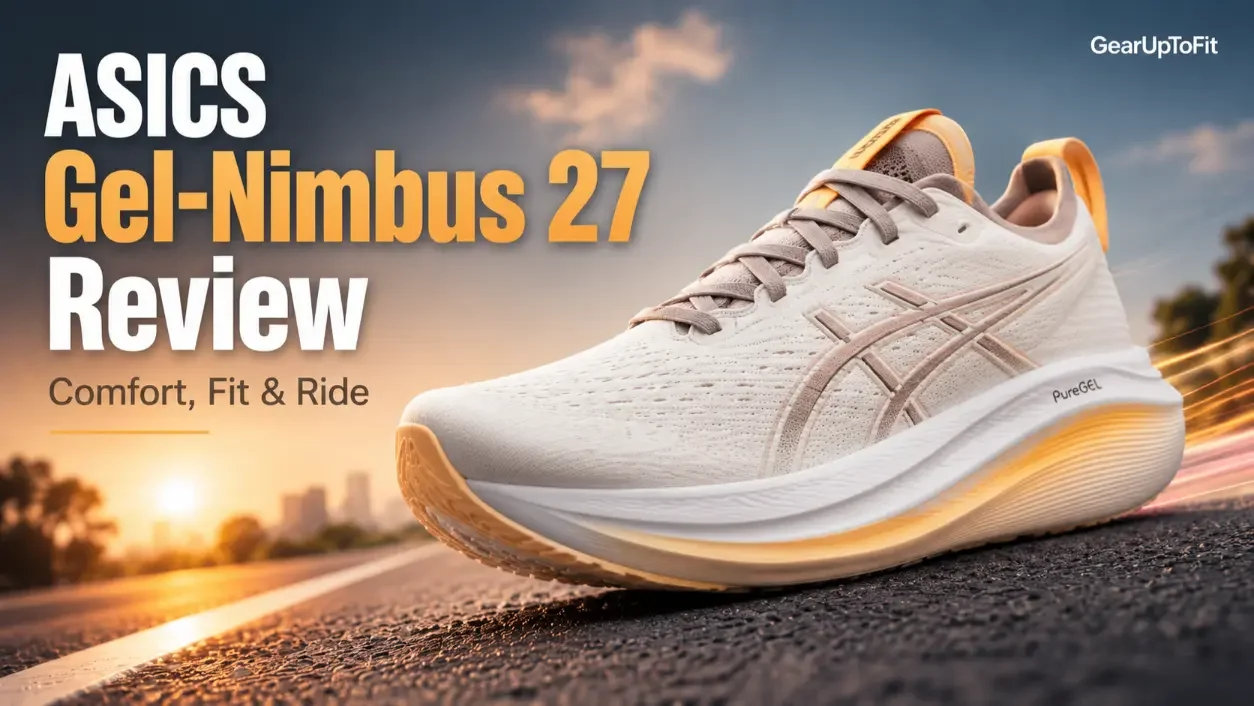
Road · Max cushionASICS Gel-Nimbus 27 cushioned road shoe

ASICS Gel-Nimbus 27

“The comfort king — measured against the Bondi 9.”
Trade-off: soft enough that speed work feels mushy.
Updated Aug 2026Head-to-head
ASICS Gel-Nimbus 27
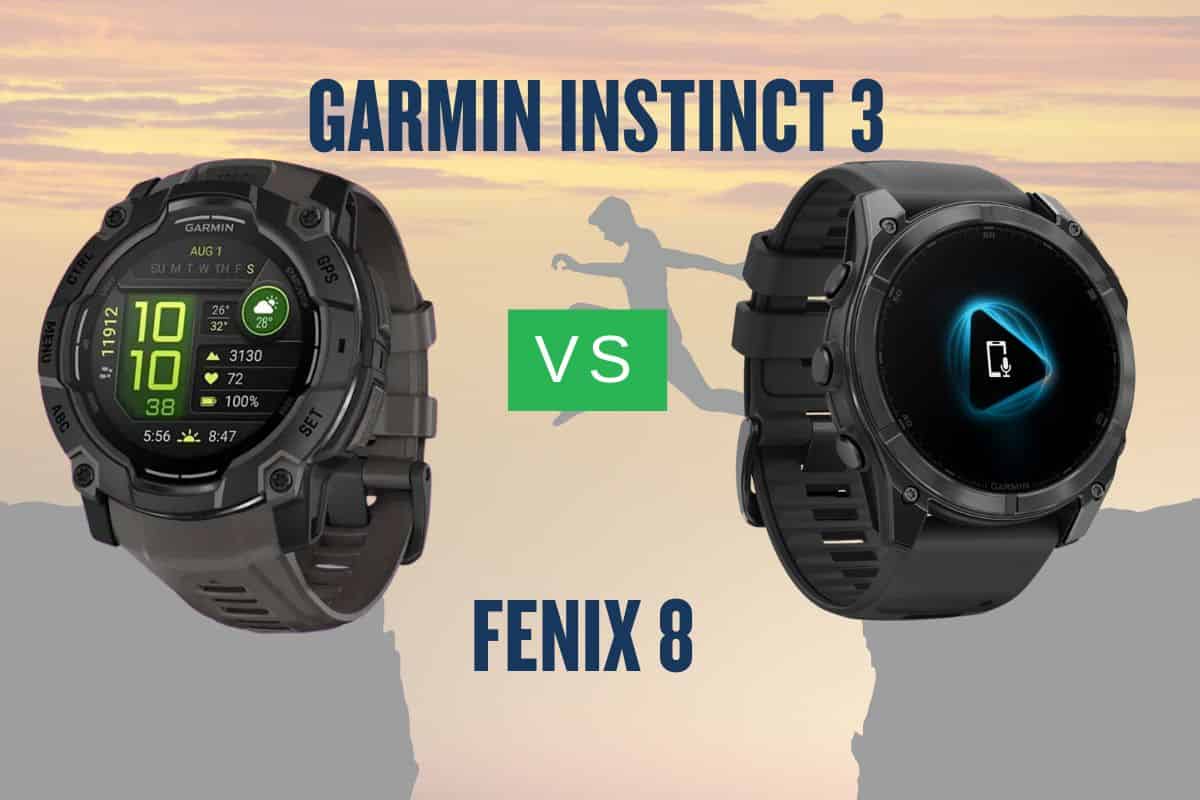
Watches · €500 gapGarmin Instinct 3 versus Fenix 8 comparison

Instinct 3 vs Fenix 8

“Where the €500 gap is real — and where it’s marketing.”
Trade-off: Instinct skips maps; Fenix skips your excuse.
Updated Aug 2026Head-to-head
Instinct 3 vs Fenix 8
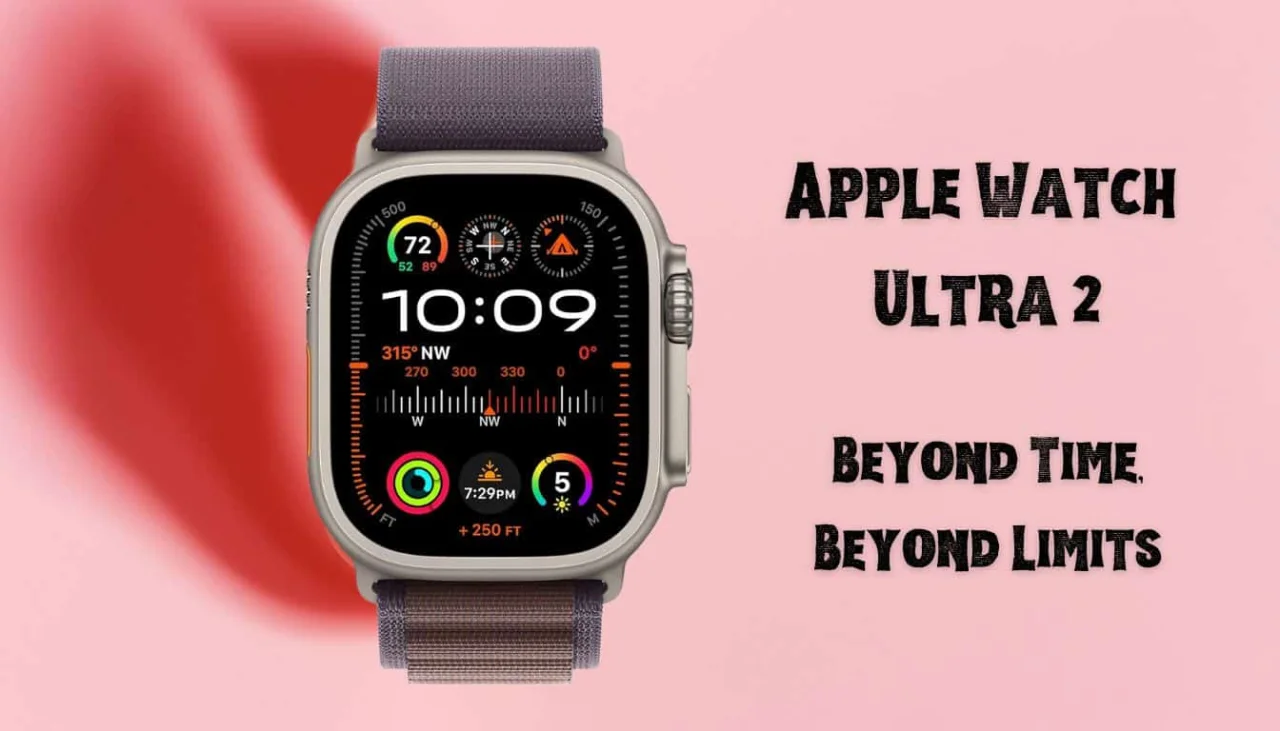
iOS athletesApple Watch Series 11 for runners

Apple Watch Series 11

“Brilliant for iOS athletes — with two real training gaps.”
Trade-off: battery won’t survive your ultra weekend.
Updated Aug 2026Hands-on
Apple Watch Series 11
Plate-freeBest running shoes without a carbon plate

Best plate-free trainers

“Modern foams, natural ride, lower injury risk, real value.”
Trade-off: no race-day pop — that’s the point.
10 picksBuying guide
Best plate-free trainers
KM 04 · See the difference

Not all “best” lists are equal.

Drag the handle horizontally or click the preset modes. Most buying guides rank by affiliate payout. Ours rank by biomechanical use case.

Comparison Split:
GearUpToFit Standard

Best Running Shoes 2026

Daily TrainerScore 9.4
Brooks Ghost Max 3
Best for 30–60 km/week.
Trade-off: Heavy on intervals.
Recovery LongScore 9.2
ASICS Nimbus 27
Max cushion joint protection.
Trade-off: Mushy for speed work.
Race Day PRScore 9.6
Nike Vaporfly 3
4% metabolic energy return.
Trade-off: Stiff under 4:30/km.
Mountain TrailScore 9.5
HOKA Speedgoat 7
Vibram Megagrip on wet rock.
Trade-off: Clunky on tarmac.
Typical Buying Guide

Top 10 Running Shoes 2026

#1 Pick★★★★★
Shoe with 35% Payout
“The absolute best for every runner!”
Flaw: None mentioned.
#2 Pick★★★★★
Sponsor Brand Model
“Must-have shoe of the year!”
Flaw: None mentioned.
#3 Pick★★★★☆
Clearance Overstock
“Unbelievable discount today only!”
Flaw: None mentioned.
#4 Pick★★★★☆
Rehashed Press Release
“Revolutionary foam technology!”
Flaw: None mentioned.
⇄
KM 05 · Dial in your numbers

Try it right here.

A live slice of the calculator library. Drag the sliders — the gauge updates instantly, and the formula is printed below.

Metabolic Expenditure.

Calculate your exact Total Daily Energy Expenditure via Mifflin-St Jeor to anchor training nutrition, fat loss, or endurance refueling.

2,548 kcal / day (TDEE)
Mild Deficit (-300 kcal)2,248 kcal
Target Deficit (-500 kcal)2,048 kcal
Protein Target (1.8g/kg)133 g / day

Pace & Split Matrix.

Convert min/km to min/mile and preview projected finish times across standard race distances.

Imperial Equivalent8:03 min/mi
Speed12.0 km/h
5K Projected25:00
10K Projected50:00
Half Marathon Projected1:45:29
Marathon Projected3:30:58

Jack Daniels VDOT Engine.

Estimate your functional aerobic capacity (VO2 Max equivalent) from a recent 5K test time.

45.2 Estimated VDOT
Easy / Zone 2 Pace5:35 – 6:05 /km
Threshold / Tempo Pace4:38 /km
Interval / VO2 Pace4:14 /km

Target Heart Rate Zones.

Calculate your 5 aerobic training zones using the Karvonen Heart Rate Reserve formula for Zone 2 endurance base building.

Estimated Max HR190 bpm
Zone 1 · Recovery (50-60%)123–136 bpm
Zone 2 · Aerobic Base (60-70%)136–150 bpm
Zone 3 · Tempo (70-80%)150–163 bpm
Zone 4 · Threshold (80-90%)163–177 bpm
Zone 5 · VO2 Max (90-100%)177–190 bpm
KM 06 · Train in the right zone

Find your heart-rate zones.

Five zones from recovery to VO2 max, based on your estimated maximum heart rate (220 minus age). Drag to match your age — every bar updates live.

HRmax (220−age)185 bpm

Most of your weekly volume belongs in Z2 — conversational, aerobic, sustainable. Hard sessions live in Z4–Z5. Use these ranges to keep easy days easy and hard days hard.

Open the Zone 2 calculator

Z1 · Recovery93–111bpm
Z2 · Aerobic111–130bpm
Z3 · Tempo130–148bpm
Z4 · Threshold148–167bpm
Z5 · VO2 max167–185bpm
KM 07 · Fresh off the bench

Latest verdicts.

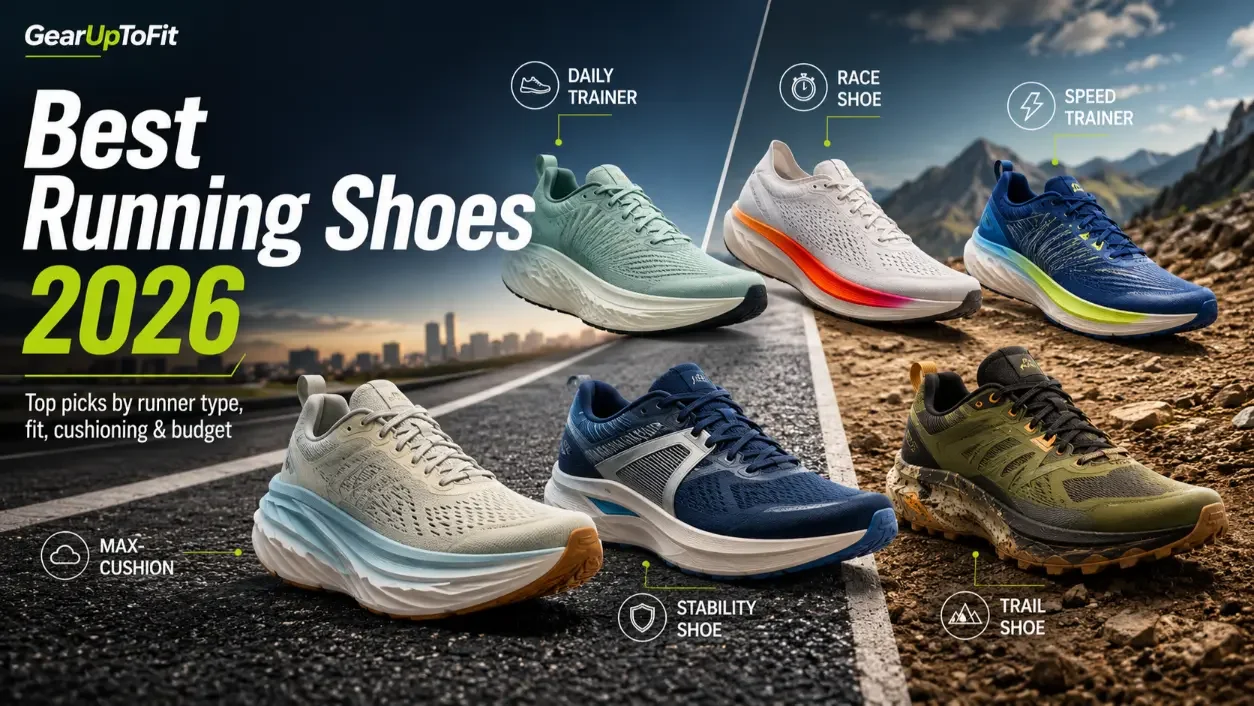
Guide · 25 Tested Best running shoes 2026

Best Running Shoes 2026

Comprehensive categorization across daily miles, speedwork, and long-run recovery.

Best Running Shoes 2026
Trail · 150mi HOKA Speedgoat 7

HOKA Speedgoat 7

Mountain scree and technical descent durability tested across 150 rugged trail miles.

HOKA Speedgoat 7
Road · Max cushion ASICS Gel-Nimbus 27

ASICS Gel-Nimbus 27

Premium cushioning and joint preservation evaluated over high-mileage blocks.

ASICS Gel-Nimbus 27
Flagship watch Garmin Forerunner 970

Garmin Forerunner 970

Multi-band GPS accuracy benchmarks and battery metrics under full offline mapping loads.

Garmin Forerunner 970
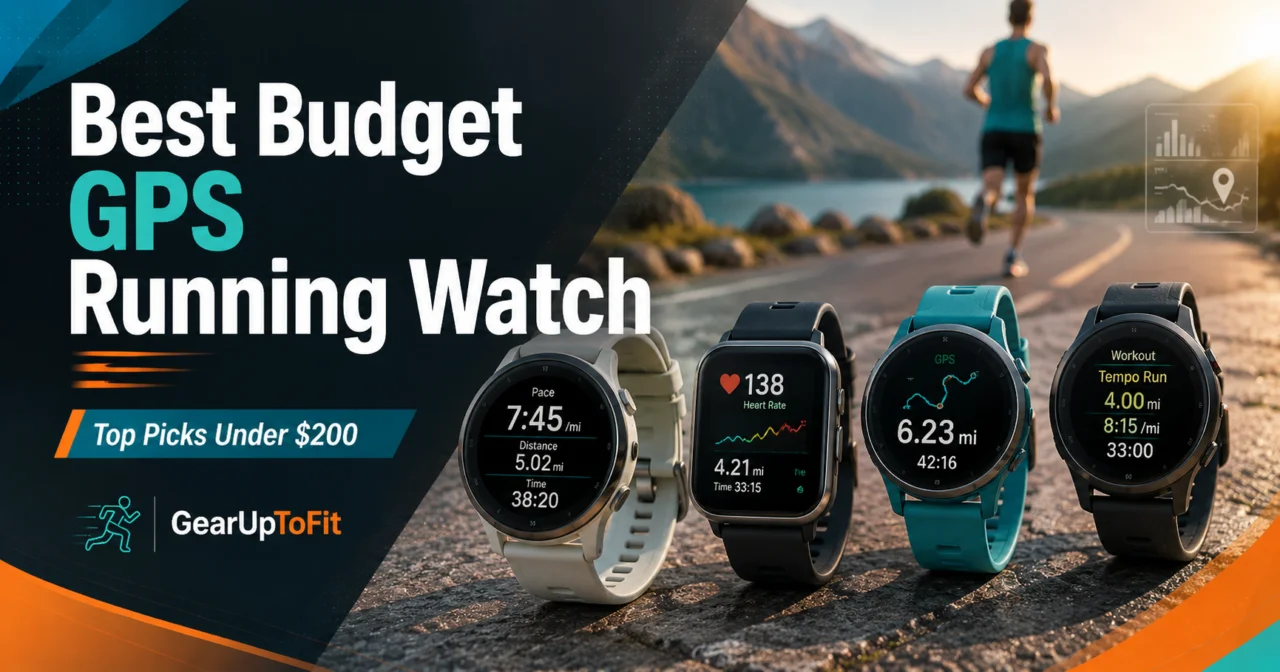
Under $200 Budget GPS watches

Best GPS Watch Under $200

What to buy, what to skip, and when spending more pays off.

Best GPS Watch Under $200
Plate-free · 10 picks Plate-free trainers

Best Shoes Without a Carbon Plate

Modern supercritical foams that strengthen natural foot architecture without plates.

Best Shoes Without a Carbon Plate
KM 08 · The free toolkit

Four tools that answer a real question.

No sign-up, no email wall. Each takes under two minutes and links straight to the guide behind the recommendation.

01

RunMatch Shoe Finder

Nine questions on fit, surface, mileage and injury history. Returns shoes that suit your foot — not this season’s marketing push.

Find my shoe →
Shoe finder
02

Watch Match

Rank GPS accuracy, battery life and training features against your budget — then see which watches genuinely clear the bar.

Match my watch →
Watch match
03

Fitness Calculators

Sixteen-plus calculators for TDEE, BMR, macros, body fat, pace and heart-rate zones — each showing the formula it uses.

Open calculators →
Fitness calculators
04

8-Week Fitness Plan

A structured body-recomposition plan built on progressive overload, realistic recovery and training you will actually finish.

Build my plan →
8-week plan
KM 09 · Short answers

The questions runners actually ask.

Q · Fit

How do I choose running shoes in 2026?

Start with fit, not features. Measure both feet late in the day, leave a thumbnail of space, check width. Then match the shoe to surface and weekly mileage.

Full guide →
Q · Replacement

How often should I replace my running shoes?

300–500 miles — but feel beats mileage. Replace when the midsole stops rebounding or new aches appear in shins, knees or hips.

When to retire a shoe →
Q · Carbon

Do I need carbon-plated shoes?

Almost certainly not for everyday running. Carbon is for race-day efficiency at faster paces; it rides firm on easy miles and costs more.

Best plate-free →
Q · Calories

How many calories to lose weight while running?

TDEE minus 300–500, protein high. Aggressive deficits damage performance and recovery before they speed fat loss.

TDEE guide →
How do I choose running shoes in 2026?
Start with fit, not features. Measure both feet late in the day when they are swollen, allow roughly a thumbnail of space beyond your longest toe, and check width as well as length — width is the most ignored cause of black toenails and hot spots. Then match the shoe to your main surface and weekly mileage. Full detail in how to choose running shoes.
How often should I replace my running shoes?
Most shoes last roughly 300 to 500 miles, but feel is a better signal than mileage. Replace them when the midsole stops rebounding, when new aches appear in your shins, knees or hips after normal runs, or when the outsole has worn through to the foam. Heavier runners and rougher surfaces shorten that window.
Do I need carbon-plated running shoes?
Almost certainly not for everyday running. Carbon plates are built for race-day efficiency at faster paces, cost considerably more, and ride firmer on easy miles. Most runners are better served by a comfortable daily trainer — see the best shoes without a carbon plate.
What is Zone 2 running and why does it matter?
Zone 2 is a conversational aerobic effort, usually around 60 to 70 percent of maximum heart rate, where you could still hold a conversation. Training there builds aerobic capacity with far less fatigue cost than hard sessions, which is why most endurance plans keep the majority of weekly volume easy. Work out your ranges with the Zone 2 calculator.
How do I calculate my heart-rate zones?
Estimate your maximum heart rate as 220 minus your age, then apply five zones: Z1 50–60% for recovery, Z2 60–70% for aerobic base, Z3 70–80% for tempo, Z4 80–90% for threshold, Z5 90–100% for VO2 work. Use the live Pace Zones calculator above on this page.
How many calories should I eat to lose weight while running?
Start from your total daily energy expenditure and subtract roughly 300 to 500 calories, keeping protein high enough to protect muscle. Aggressive deficits usually damage running performance and recovery before they accelerate fat loss. Use the calculator above, or the full TDEE and calorie guide.
Is an expensive GPS watch worth it for a beginner?
No. Under $200 you already get accurate pace and distance, heart rate, intervals and app syncing — everything needed to train from 5K to marathon. Maps, multi-day battery and advanced load analytics matter for trail, ultra and structured training. Watch Match narrows it in a minute.
What is VO2 max and how is it measured?
VO2 max is the maximum volume of oxygen your body can use per minute per kilogram of body weight, expressed in ml/kg/min. It is the gold-standard measure of aerobic capacity. Lab-tested on a treadmill with a mask; field-estimated from a 1.5-mile or Cooper test, or from GPS watch algorithms.
KM 10 · How we work

Why you can act on what you read here.

01

Published methodology

Every review follows criteria we publish openly, so you can judge the judgement.

Read the methodology →
02

Trade-offs, always

Each recommendation names what the product is worse at. Nothing scores well on everything.

How we score →
03

No invented data

No fake live prices, no invented star ratings, no testing we did not do. Manufacturer specs labelled as such.

Data policy →
04

Independent

No paid placements and no brand approval over verdicts. Edited by Alexios Papaioannou.

About us →

Affiliate disclosure: GearUpToFit may earn a commission from qualifying purchases, at no extra cost to you. Commission never determines a verdict or a ranking. Read the full affiliate disclosure.

Choose your next fitness move

Use the tools, plans, and evidence-led gear guides to make your next decision easier.

How GearUpToFit earns trust

Evidence-aware running gear reviews, fitness tools, and safety-first guidance

GearUpToFit is reader-supported. Our reviews and tools prioritize fit, use case, training context, label accuracy, source-backed claims, and clear disclosure. We avoid hardcoded prices when retailer availability changes and we separate educational fitness guidance from medical advice.

Editorial standardsAffiliate disclosureMedical fitness disclaimerContact / corrections

Featured 2026 Gear & Tools

Best Running Shoes 2026Garmin Forerunner 970 ReviewHOKA Speedgoat 7 ReviewBest GPS Watch Under $200Best Shoes Without a Carbon PlateHow to Choose Running ShoesCalorie Calculation ToolWeight Loss Macro CalculatorAll Fitness CalculatorsShoe Finder, Watch Match & More Tools