Skip to content
 Updated June 18, 2026Medically cautiousEvidence-based guide
Quick answer: Yes, proteins can help you lose weight, mainly by increasing fullness, preserving lean muscle during a calorie deficit, and slightly raising calorie burn through digestion. Protein does not directly burn belly fat, and it cannot override excess calories, but a protein-forward diet usually makes sustainable fat loss easier.
Editorial note: This article is educational and does not replace advice from a qualified healthcare professional, registered dietitian, physical therapist, or coach. Some links may be affiliate links; GearUpToFit may earn a commission at no extra cost to you.
Start here
Use this guide to make one clear decision today, not to collect random tips. Read the quick answer, choose the situation that matches you, follow the step-by-step method, and use the FAQ only for specific doubts.
Who this is for / not for
Best for
- People who get hungry quickly during diets.
- Runners, lifters, and active adults cutting weight.
- Older adults protecting muscle while losing fat.
- GLP-1 users struggling to eat enough protein.
Not for
- People with kidney disease or prescribed protein restriction.
- Anyone expecting protein to erase calorie surplus.
- Readers replacing balanced meals with shakes only.
Clear definition
Protein is a macronutrient made of amino acids. During weight loss, protein matters because it helps preserve lean mass, increases satiety hormones, supports recovery, and has a higher thermic effect than carbohydrates or fats. But protein is a tool, not magic. Fat loss still requires a sustainable calorie deficit.
| Mechanism | What it does | Practical takeaway |
|---|---|---|
| Satiety | Helps you feel fuller for longer. | Put 25–40g protein in meals. |
| Lean-mass retention | Protects muscle while calories are lower. | Combine protein with strength training. |
| Thermic effect | Costs more energy to digest than fat or carbs. | Helpful, but not enough alone. |
| Blood-sugar stability | Slows mixed-meal digestion and reduces snack swings for many people. | Pair protein with fiber-rich carbs. |
Practical framework: protein pacing
Protein pacing means spreading protein across the day instead of saving most of it for dinner. A simple target is 25–40g protein per meal, three to four times daily. This improves fullness and makes it easier to reach daily targets without a giant late-night meal.
Step-by-step method
- Choose a target. Active fat-loss target: roughly 1.6–2.2g/kg/day unless medically inappropriate.
- Anchor breakfast. Start with eggs, Greek yogurt, cottage cheese, tofu, turkey, or a protein smoothie.
- Use lean staples. Chicken, fish, lean beef, turkey, eggs, Greek yogurt, tofu, tempeh, lentils, and edamame.
- Add fiber. Vegetables, beans, oats, potatoes, berries, and whole grains improve fullness.
- Lift or resist. Protein preserves muscle better when muscles receive a training signal.
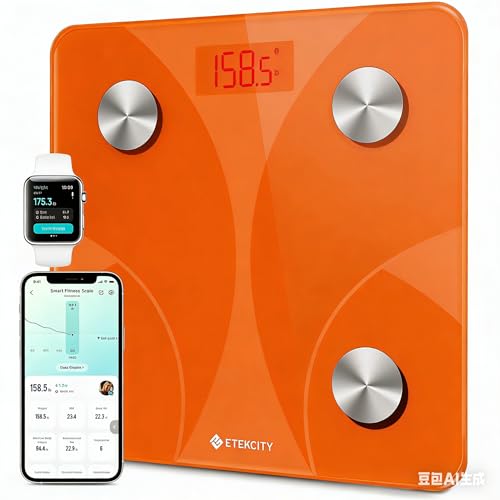
Etekcity Digital Kitchen Food Scale
Useful for learning protein portions and calorie-dense add-ons. Weigh cooked protein, oats, rice, oils, nut butter, and snacks until your eye becomes reliable.
Examples by situation
Low-protein breakfast fix
Replace toast-only breakfast with Greek yogurt, berries, oats, and chia; or eggs with fruit and potatoes.
Plant-based fat loss
Use tofu, tempeh, seitan, edamame, lentils, beans, soy yogurt, pea protein, and high-protein grains.
Busy professional
Pre-cook two proteins each week. Keep Greek yogurt, tuna packets, boiled eggs, or tofu ready.
Older adult
Prioritize protein at breakfast and strength train to counter anabolic resistance and preserve function.
Step-by-step practical instructions
- List your current protein at each meal.
- Upgrade the lowest-protein meal first.
- Add a palm-sized protein serving to lunch and dinner.
- Track hunger for 7 days after the change.
- Adjust calories if weight trend stalls.
Why protein helps weight loss
Protein helps fat loss through four practical mechanisms: it makes meals more filling, costs more energy to digest than carbs or fats, helps preserve lean mass during a calorie deficit, and gives meals structure so snacking becomes easier to control. It does not burn belly fat directly, and it does not override calories, sleep, or consistency.
| Mechanism | What it means | How to apply it | Common mistake |
|---|---|---|---|
| Satiety | Protein-rich meals are often more filling | Start breakfast with 25–40 g protein | Eating only carbs early, then craving later |
| Thermic effect | Digestion uses more energy | Choose whole-food proteins often | Thinking TEF cancels overeating |
| Muscle retention | Protein supports lean mass in a deficit | Combine with resistance training | Dieting without lifting |
| Meal structure | Protein anchors the plate | Plan protein first, then carbs/fats | Snacking through the protein target |
How much protein should you eat for weight loss?
A useful target for many active adults is roughly 1.6–2.2 grams of protein per kilogram of body weight per day. People with obesity may prefer using goal body weight or lean-mass estimates instead of current body weight so targets stay realistic. People with kidney disease or medical protein restrictions should follow clinician guidance.
- 70 kg active adult: about 112–154 g/day.
- 90 kg active adult: about 144–198 g/day.
- Older adult dieting: spread protein across meals and lift weights to protect muscle.
- Plant-based eater: use tofu, tempeh, seitan, lentils, beans, soy milk, pea protein, and complementary grains.
The high-protein plate method
- Choose a palm or two of lean protein.
- Add a high-fiber carb if training or active: potatoes, rice, oats, beans, fruit, or whole grains.
- Add vegetables for volume and micronutrients.
- Add a thumb-sized fat source if the protein is lean.
- Repeat across three or four meals instead of trying to force all protein at night.
This method is easier for real readers than macro perfection. It works in restaurants, travel days, family meals, and meal prep.
Common mistakes / troubleshooting
Helpful YouTube walkthrough
Use the embedded YouTube player below for a visual explanation of this topic. If your browser, privacy plugin, or WordPress theme blocks embedded search players, open the fallback YouTube search link below the player.
High-protein food examples readers can actually use
| Food | Typical serving idea | Why it helps | Watch-out |
|---|---|---|---|
| Greek yogurt | Bowl with berries and oats | Fast breakfast protein | Choose lower-sugar options if calories matter |
| Eggs and egg whites | Omelet with vegetables | High satiety | Whole eggs add fats too |
| Chicken or turkey | Rice bowl, wrap, salad | Lean and flexible | Dry prep reduces adherence |
| Tofu or tempeh | Stir-fry or bowl | Plant-based complete protein | Sauces can add calories quickly |
| Whey or plant protein | Shake with fruit | Convenient when appetite is low | Less filling than whole food for some people |
Daily protein templates
120 grams per day
Breakfast: Greek yogurt bowl. Lunch: chicken salad wrap. Snack: protein shake and fruit. Dinner: salmon, potatoes, and vegetables.
150 grams per day
Breakfast: egg-white omelet with whole eggs. Lunch: turkey rice bowl. Snack: cottage cheese or protein shake. Dinner: lean beef or tofu stir-fry.
Plant-based version
Breakfast: soy yogurt with protein powder. Lunch: tofu bowl. Snack: roasted edamame or pea-protein smoothie. Dinner: lentil pasta or tempeh with rice and vegetables.
What to do if protein is high but weight is not changing
Protein helps, but it is not magic. Check cooking oils, nuts, dressings, restaurant portions, weekend alcohol, liquid calories, and snacks. Also check steps and sleep. Many people improve protein but unconsciously add enough calories from fats and extras to erase the deficit.
The fix is not always more protein. Sometimes the fix is more vegetables, better portion awareness, more walking, a consistent bedtime, or a smaller calorie target that still supports training.
Hunger troubleshooting with protein
If you are eating more protein but still hungry, look at the rest of the meal. Protein works best with fiber, fluid, and enough total food volume. A scoop of whey in water may hit the protein number but may not feel as satisfying as Greek yogurt with berries and oats, eggs with vegetables and potatoes, or tofu with rice and stir-fried vegetables.
- Hungry one hour after breakfast: add fiber or a slower-digesting carb, not only more caffeine.
- Cravings at night: distribute protein earlier and eat a more complete dinner.
- Low energy during training: protein may be fine, but carbs may be too low.
- Digestive discomfort: spread protein across more meals and increase fiber gradually.
- No weight change: audit calories from oils, nuts, drinks, dressings, and weekend meals.
Protein is a lever, not the whole machine. It works best with resistance training, sleep, walking, and a sustainable calorie deficit.
FAQ
Do proteins help you lose weight?
Yes. Protein helps most by increasing fullness, preserving lean mass, supporting recovery, and making a calorie deficit easier to maintain.
How much protein should I eat to lose weight?
Many active adults use about 1.6–2.2 g/kg/day, but needs vary. Sedentary people may need less, and people with kidney disease need medical guidance.
Does protein burn belly fat?
Protein does not target belly fat. It supports overall fat loss when total calories, movement, sleep, and consistency are aligned.
Is protein powder necessary for weight loss?
No. Whole foods work well. Protein powder is only a convenience tool when you struggle to hit targets with food.
Can too much protein stop weight loss?
Yes, if total calories are too high. Protein calories still count.
Frequently Asked Questions
Does protein help you lose belly fat?
Protein does not target belly fat specifically, but it supports overall fat loss by increasing satiety and preserving muscle. To maximize results, combine high-protein intake with core exercises for beginners and a consistent calorie deficit.
How much protein do I need for weight loss?
Most active adults benefit from 1.6–2.2g of protein per kilogram of body weight. For specific meal ideas, see our 40-40-20 diet meal plan.
Frequently Asked Questions: Protein and Fat Loss
Does protein help you lose belly fat?
How much protein do I need for weight loss?
Frequently Asked Questions: Protein and Weight Loss
Does protein directly burn belly fat?
No, protein does not target belly fat specifically. However, a high-protein diet helps reduce overall body fat by increasing satiety and maintaining metabolic rate through muscle preservation.
How much protein do I need to lose weight?
Most active adults benefit from 1.6 to 2.2 grams of protein per kilogram of body weight daily to maximize fat loss while protecting lean muscle mass.
Can you eat too much protein?
While generally safe for healthy individuals, excessive protein can still lead to weight gain if it causes a calorie surplus. Those with kidney disease should consult a doctor before increasing intake.
Frequently Asked Questions
Does protein burn belly fat?
Protein does not target fat in specific areas like the belly. However, it supports overall fat loss by increasing satiety and maintaining muscle, which helps reveal a leaner physique when combined with a calorie deficit.
Can you eat too much protein while trying to lose weight?
While protein is filling, it still contains calories. If your total caloric intake exceeds your expenditure, you will not lose weight. Balance protein with fiber and healthy fats for the best results.
Frequently Asked Questions
Does protein burn belly fat directly?
No, protein does not specifically target belly fat. However, it supports fat loss by increasing satiety and preserving muscle mass while you maintain a calorie deficit.
How much protein do I need for fat loss?
Most active adults benefit from 1.6 to 2.2 grams of protein per kilogram of body weight daily to optimize muscle retention and metabolic health.
Can I eat too much protein?
While generally safe for healthy individuals, excessive protein can still lead to weight gain if it causes you to exceed your daily calorie needs. Those with kidney conditions should consult a doctor.
Frequently Asked Questions
Do proteins help you lose weight without exercise?
Yes, protein increases satiety and metabolic rate through the thermic effect of food. However, combining intake with strength training prevents muscle loss, which is vital for long-term metabolic health.
Is a high-protein diet safe for everyone?
Most healthy individuals can benefit, but those with pre-existing kidney conditions should consult a professional. High-protein diets work best when balanced with fiber and healthy fats.