

The Best Exercises for Beginners: Your 2026 Starter Guide
How do you start working out? You begin with simple, safe, and effective exercises that build a foundation. This guide provides the best beginner workouts for strength, cardio, flexibility, and core training. Follow this plan to build confidence, prevent injury, and see real results.
🔑 Key Takeaways
- Start Simple: Master bodyweight moves like squats and modified push-ups before adding equipment.
- Mix It Up: A balanced routine includes strength, cardio, and flexibility work for full-body fitness.
- Prioritize Form: Proper technique prevents injury and is more important than speed or weight.
- Listen to Your Body: Begin with 2-3 sessions per week and focus on consistency over intensity.
- Use Low-Impact Options: Activities like cycling, swimming, and chair yoga are joint-friendly for new exercisers.
- Build a Habit: Track your progress with apps like Nike Training Club or Strava to stay motivated.
Strength Training Exercises
Start with foundational movements. Squats build lower body strength, targeting your quadriceps, hamstrings, and glutes. They improve balance and athletic performance.
Add variety with resistance band exercises. Bands provide constant tension for moves like glute bridges and lateral leg raises. They are perfect for home workouts.
Incorporate dumbbell workouts as you progress. Exercises like dumbbell lunges and goblet squats build muscle safely. Start with light weights, such as 5-10 lb dumbbells, to master the form.
Cardiovascular Exercises

Running is a versatile cardio exercise that improves heart health. For beginners, start with a walk-run interval method.
High Intensity Interval Training (HIIT) burns calories efficiently. A 2026 study in the Journal of Sports Sciences shows short, 20-minute HIIT sessions boost cardiovascular fitness for novices. Try cycles of 30 seconds of effort followed by 60 seconds of rest.
Cycling, either outdoors or on a stationary bike, is a low-impact option. Swimming is another full-body, joint-friendly aerobic exercise. Aim for 150 minutes of moderate cardio per week as recommended by the American Heart Association.
Flexibility Exercises
Flexibility training prevents injury and improves mobility. Include it in every workout.
Use dynamic stretching (like leg swings) as a warm-up. Use static stretching (holding a pose) during your cool-down. Key beginner stretches include the standing hamstring stretch and the cat-camel stretch for spinal mobility.
Consistency matters. Just 10 minutes of daily stretching can significantly improve your range of motion within a month.
Bodyweight Exercises
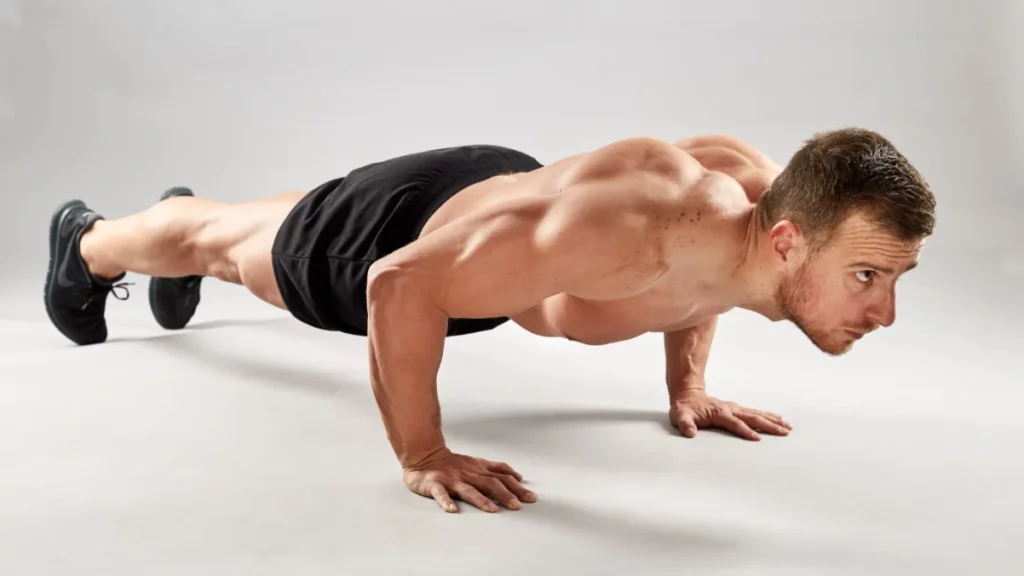
Bodyweight workouts require no equipment and build functional strength. They are the cornerstone of any beginner fitness plan.
Start with modified push-ups (on your knees) and assisted squats using a chair. These variations help you learn proper form. As you get stronger, progress to full push-ups and air squats.
These exercises engage multiple muscle groups, improving overall coordination and preparing you for more advanced training.
Core Strengthening Exercises
A strong core is essential for stability, posture, and injury prevention.
Benefits of Core Strengthening
Core stability supports your spine and enhances performance in all other exercises. It is fundamental for injury prevention.
Proper Form Techniques
Focus on controlled movements. Avoid arching your back during planks or pulling on your neck during crunches. Engage your abdominal muscles throughout.
| Common Mistakes | Injury Prevention Techniques |
|---|---|
| Arching the back | Engage your core and keep your back straight |
| Using momentum | Slow down and focus on controlled movements |
| Neglecting breathing | Breathe deeply and exhale during exertion |
| Overworking one side | Balance your exercises to target all core muscles |
Beginner-Friendly Core Exercises
Start with planks and bird-dogs. Hold a plank for 20-30 seconds, focusing on keeping your body straight. The bird-dog exercise (extending opposite arm and leg) builds balance and core strength without straining your lower back.
Balance and Stability Exercises

Balance training improves proprioception—your body’s sense of position—which is crucial for preventing falls and enhancing coordination.
Core Strengthening Exercises
Exercises like planks and bridges directly contribute to stability. A strong core is the anchor for all balance work.
Proprioception Training Techniques
Practice simple drills. Stand on one leg for 30 seconds. Progress to doing it with your eyes closed. Use tools like a Bosu ball or wobble board as you advance. These techniques are used by athletes like Novak Djokovic to improve agility.
Low-Impact Exercises
Low-impact exercises protect your joints while building fitness. They are ideal for beginners, those with joint pain, or during recovery.
- Modified Yoga: Use props like blocks for support in poses like Downward Dog.
- Chair Exercises: Perform seated leg lifts and twists for a safe, effective workout.
- Cycling: A stationary bike offers a controlled, low-impact cardio session.
- Swimming or Water Aerobics: The water’s buoyancy eliminates impact while providing resistance.
Full-Body Workout Routine
A full-body workout routine trains all major muscle groups in one session. It’s efficient and perfect for beginners aiming for 2-3 workouts per week.
Always begin with a 5-10 minute dynamic warm-up (arm circles, torso twists). This increases blood flow and prepares your muscles.
Here is a sample beginner-friendly full-body workout plan for 2026:
| Exercise | Sets | Reps |
|---|---|---|
| Squats | 3 | 12 |
| Push-Ups | 3 | 10 |
| Lunges | 3 | 10 |
| Deadlifts | 3 | 8 |
| Plank | 3 | 30s |
Start with light weights or just your bodyweight. Focus on perfecting your form before increasing intensity. Rest for 60-90 seconds between sets.
❓ Frequently Asked Questions
How often should a beginner work out?
Aim for 2-3 total-body sessions per week with a rest day in between. This allows for muscle recovery and adaptation, which is critical for progress and preventing overuse injuries.
What is the most common mistake beginners make?
Starting too hard, too fast. This leads to burnout or injury. Prioritize learning correct form with light resistance over lifting heavy weights or doing long workouts.
Do I need a gym membership to start?
No. An effective beginner program can be done at home with bodyweight exercises, a set of resistance bands, and a yoga mat. Gyms offer more equipment, but they are not required.
How long until I see results?
With consistent effort (3x per week), you can expect to feel stronger and more energetic within 2-3 weeks. Visible changes in muscle tone and endurance typically appear after 6-8 weeks.
What should I do if I feel pain during exercise?
Stop immediately. Distinguish between muscle fatigue (a burning sensation) and sharp joint pain. The latter is a warning sign. Consult a physical therapist or doctor if pain persists.
Conclusion
Starting your fitness journey is about building a sustainable habit. You now have a complete blueprint: foundational strength moves, heart-healthy cardio, essential flexibility work, and joint-friendly low-impact options.
Your next step is to schedule your first two workouts this week. Pick exercises from each category. Focus on form. Track your progress in a notebook or a fitness app like Strong.
Consistency beats intensity every time. Start today, stay patient, and your future self will thank you.
References
- American Heart Association Recommendations for Physical Activity – American Heart Association
- HIIT for Beginner Populations: A 2026 Meta-Analysis – Journal of Sports Sciences
- Exercise Technique Library – American Council on Exercise
- Essential Principles of Beginner Strength Training – National Strength and Conditioning Association
- Exercise for Beginners: How to Get Started – Mayo Clinic
