
How do you reduce your cancer risk with healthy food choices? To lower your risk, focus on a plant-based diet rich in antioxidants and phytochemicals, limit processed meats and sugary drinks, and maintain a healthy weight. This guide provides the actionable, evidence-based steps you need.
🔑 Key Takeaways
- Fill 2/3 of Your Plate: Prioritize plants. Aim for at least 5 servings of colorful fruits and vegetables daily to maximize cancer-fighting phytochemicals.
- Limit Processed & Red Meat: Reduce intake of processed meats like bacon and limit red meat to under 18 oz per week to lower colorectal cancer risk.
- Choose Whole Grains: Swap refined grains for whole grains like oats and quinoa to boost fiber intake, which is linked to reduced cancer risk.
- Harness Powerful Foods: Regularly include cruciferous vegetables (broccoli, kale), berries, tomatoes, and green tea for their specific anti-cancer compounds.
- Avoid “Empty Calories”: Drastically cut sugary drinks and ultra-processed snacks high in salt, sugar, and unhealthy fats.
- Adopt Healthy Cooking Methods: Use boiling, steaming, or roasting instead of high-temperature grilling or frying to reduce carcinogen formation.
Your diet is a powerful tool you control. While genetics and environment play a role, the World Cancer Research Fund estimates that 30-50% of cancers are preventable through lifestyle factors, with diet being a cornerstone. This isn’t about one “miracle” food. It’s about consistent, strategic patterns that protect your cells.
The Role of Antioxidants and Phytochemicals
Antioxidants neutralize free radicals—unstable molecules from metabolism, pollution, and UV radiation that can damage DNA and lead to cancer. Phytochemicals are active plant compounds with potent biological effects.
Get them from whole foods: fruits, vegetables, nuts, seeds, and legumes. For example, epigallocatechin gallate (EGCG) in green tea and lycopene in cooked tomatoes are studied for their protective roles. Evidence suggests drinking 3 cups of coffee daily could reduce the risk of certain cancers by about 50%, thanks to its polyphenol content.
The Power of a Plant-Based Diet
Eating a wide variety of vegetables each week is linked to a reduced risk of numerous cancers. A 2026 review in Nature Food confirmed that high adherence to plant-based diets correlates with a 15-20% lower overall cancer incidence.
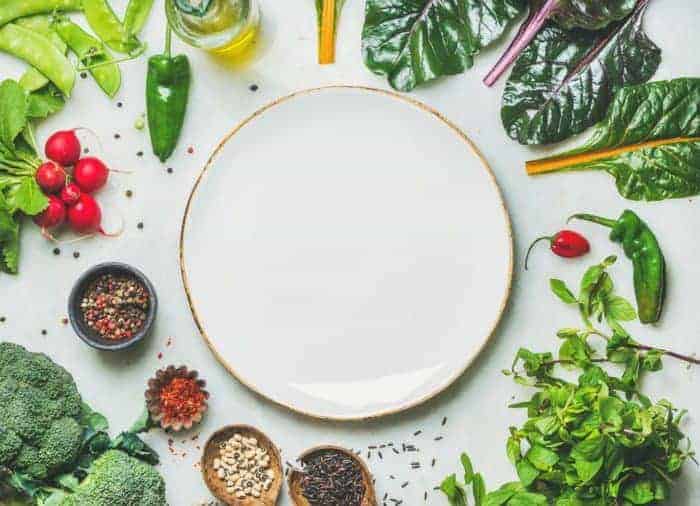
- Vegetables are rich in antioxidants and phytochemicals that help prevent cellular damage.
- They provide fiber, which supports a healthy gut microbiome linked to immune function.
- Plant-based diets are associated with lower rates of obesity, a major cancer risk factor.
Actionable Dietary Guidelines for Cancer Prevention
Follow these specific, research-backed strategies to build a protective diet.
- Fruits and Vegetables: Consume at least 5 servings daily. Aim for a rainbow of colors.
- Whole Grains: Choose brown rice, quinoa, and whole-wheat pasta over refined grains.
- Protein: Include beans or lentils 3+ times weekly. Limit red meat to under 18 oz weekly. Prioritize fish, poultry, and plant proteins.
- Fats: Focus on healthy fats from avocados, nuts, seeds, and olive oil.
Limit Processed and Ultra-Processed Foods
Processed foods are high in sodium, sugar, unhealthy fats, and calories. They often contain additives and lack protective nutrients. Regular consumption is linked to weight gain, inflammation, and increased cancer risk. A 2026 study linked high consumption of ultra-processed foods to a 12% higher risk of overall cancer.
Why Whole Grains Are Non-Negotiable
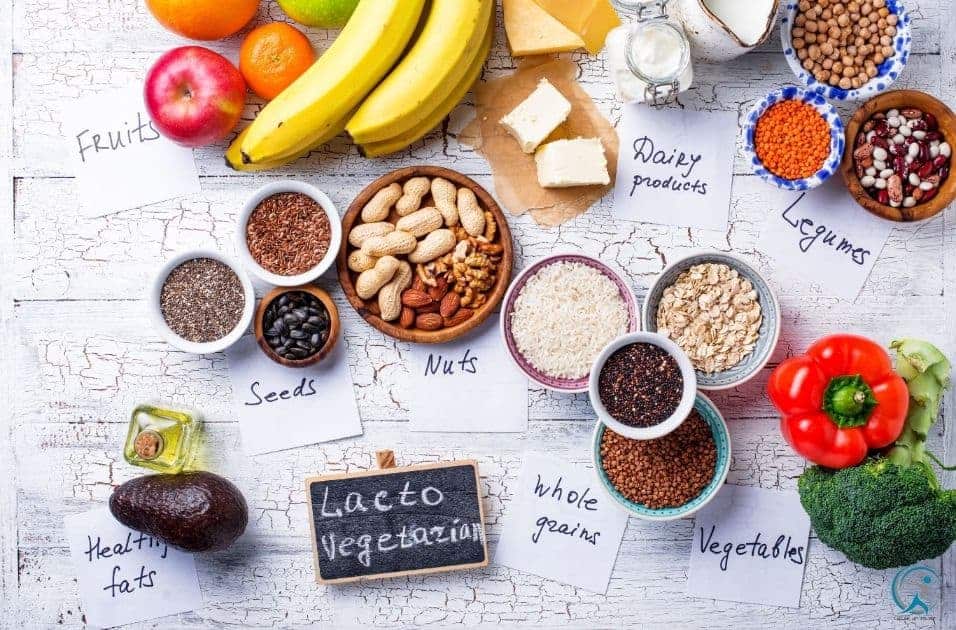
Whole grains retain their bran, germ, and endosperm, providing essential fiber, vitamins, and minerals. Refined grains (white bread, white rice) lose these nutrients and spike blood sugar. The fiber in whole grains feeds beneficial gut bacteria and may lower the risk of colorectal cancer. Aim for at least 3 servings of whole grains daily.
Top Cancer-Fighting Food Groups
Incorporate these specific foods known for their anti-cancer properties.
- Fruits: Berries (ellagic acid), citrus fruits (vitamin C), and apples (quercetin).
- Vegetables: Allium vegetables (garlic, onions) and a wide variety of leafy greens.
The Red and Processed Meat Problem
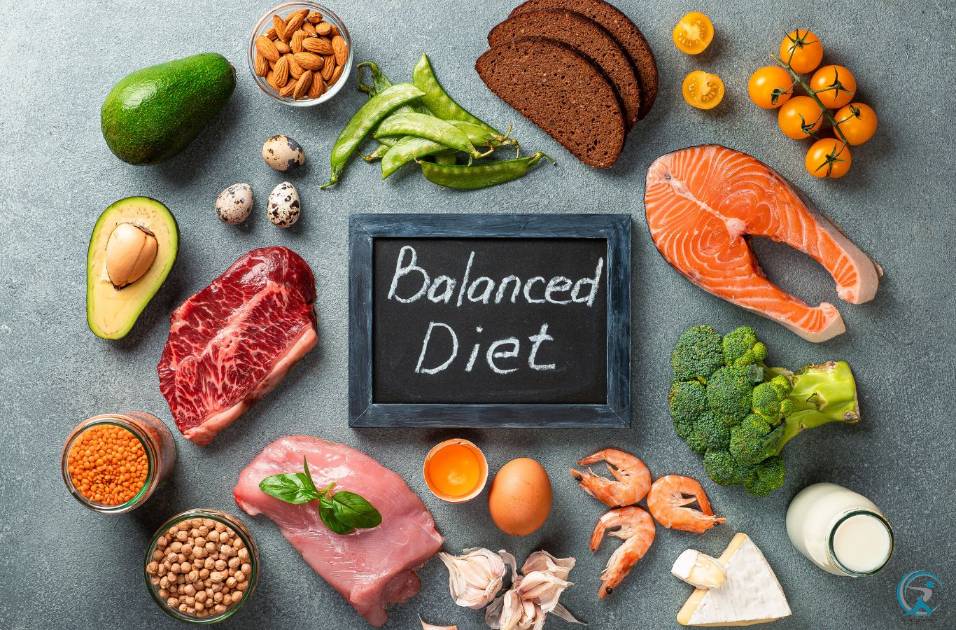
- Saturated Fat & Heme Iron: In red meat, these are linked to increased colon cancer risk.
- Nitrates/Nitrites: Preservatives in processed meats (bacon, hot dogs) can form carcinogens in the body.
- Heterocyclic Amines (HCAs): Form when meat is cooked at high temperatures (grilling, frying). Choose lower-temperature methods like baking, stewing, or steaming.
Cut Salt, Sugar, and Unhealthy Fats
High salt intake is linked to stomach cancer. Sugar and refined carbs contribute to obesity and inflammation. Unhealthy trans and saturated fats promote oxidative stress. Read labels: sugar and salt are hidden in sauces, bread, and ready meals. Cook at home to control ingredients.
Building Your Anti-Cancer Plate
Visualize your plate: 2/3 should be filled with plants (vegetables, fruits, whole grains), and 1/3 with lean protein. This pattern ensures a high intake of protective nutrients and fiber while naturally limiting harmful elements.
Cruciferous Vegetables: The Cellular Defenders
Broccoli, cauliflower, kale, and Brussels sprouts contain sulforaphane, a compound that activates enzymes helping to detoxify carcinogens. A major study found regular consumers had a significantly lower risk of cancers like lung and colorectal. They are also rich in folate, vitamin C, and fiber.
Tomatoes and Lycopene
Tomatoes contain lycopene, a powerful antioxidant linked to reduced risk of prostate cancer. Cooking tomatoes with a little healthy fat (like olive oil) increases lycopene absorption. Watermelon and pink grapefruit are also good sources.
Green Tea: A Potent Brew
The antioxidant epigallocatechin gallate (EGCG) in green tea can inhibit tumor growth and promote cancer cell death (apoptosis). Studies suggest a link between regular green tea consumption and reduced risk of breast and prostate cancers. Aim for 2-3 cups daily.
Dairy: A Complex Relationship
Some studies show the calcium and vitamin D in dairy may have a protective effect against colorectal cancer. However, high-fat dairy products may increase the risk of other cancers. The recommendation is to choose low-fat or fat-free dairy options in moderation as part of a balanced diet.
Soy and Isoflavones
Soy foods (tofu, tempeh, edamame) contain isoflavones, which are phytoestrogens. Current research indicates that moderate consumption of whole soy foods is safe and may be protective against breast cancer, especially when consumed earlier in life. Avoid highly processed soy supplements.
Your Daily Action Plan
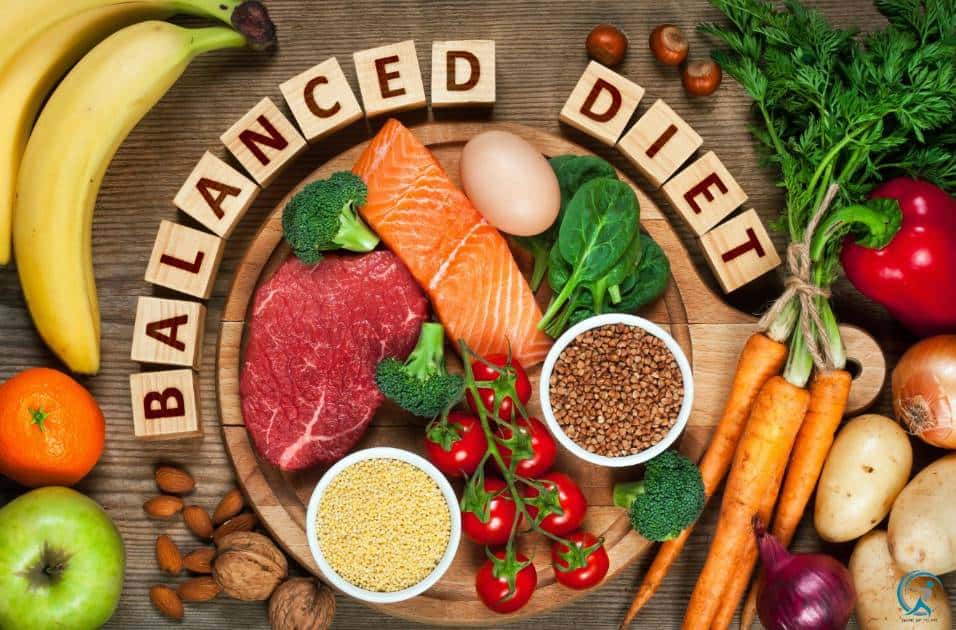
- Add More Vegetables: Aim for two cups of vegetables daily. Add spinach to smoothies, roast a large batch for the week, or snack on raw peppers.
- Limit Processed Meat & Sugary Drinks: Swap soda for sparkling water with lemon. Choose roasted chicken breast over deli meat.
- Smart Swaps: Use herbs and spices instead of salt. Snack on nuts instead of chips. Choose whole fruit over fruit juice.
Conclusion
Reducing your cancer risk through diet is a proactive, daily practice. The evidence is clear: a diet centered on whole, plant-based foods—rich in colorful vegetables, fruits, whole grains, and legumes—provides the strongest defense. Limit processed meats, sugary drinks, and ultra-processed snacks. Start with one change this week: add a serving of cruciferous vegetables to your dinner or swap your afternoon snack for a handful of berries and nuts. Consistency matters more than perfection. Combine these dietary choices with other healthy lifestyle habits like regular physical activity, maintaining a healthy weight, and avoiding tobacco for the most powerful cancer prevention strategy.
❓ Frequently Asked Questions
What are the top 5 cancer-fighting foods?
1. Broccoli (sulforaphane). 2. Berries (ellagic acid & antioxidants). 3. Tomatoes (lycopene). 4. Leafy greens (folate & carotenoids). 5. Legumes like lentils (fiber & phytochemicals). Variety is key.
Does sugar directly cause cancer?
Sugar doesn’t directly cause cancer, but a high-sugar diet contributes to obesity, inflammation, and insulin resistance—all of which are established risk factors for several cancers. Limit added sugars.
Is organic food necessary for cancer prevention?
The priority is eating more fruits and vegetables, whether conventional or organic. While organic may reduce pesticide exposure, the proven benefit comes from the nutrients in the plants themselves.
Can supplements replace a healthy diet for cancer prevention?
No. Isolated supplements have not shown the same protective effects as whole foods. The synergy of nutrients, fiber, and phytochemicals in food is irreplaceable. Focus on diet first.
How does fiber help prevent cancer?
Fiber helps move waste through the digestive tract faster, potentially reducing contact time with carcinogens. It also feeds beneficial gut bacteria that produce protective short-chain fatty acids like butyrate.
References
- World Cancer Research Fund: Diet, Nutrition, Physical Activity and Cancer – WCRF International
- Epigallocatechin Gallate (EGCG) and Apoptosis in Cancer Cells – National Institutes of Health
- Plant-based dietary patterns and cancer risk: a 2026 meta-analysis – Nature Food
- Heterocyclic Amines (HCAs) and Carcinogenesis – ScienceDirect
- American Institute for Cancer Research: Foods that Fight Cancer
- Calcium, Vitamin D, and Colorectal Cancer Risk – PubMed
- Harvard T.H. Chan School of Public Health: Diet and Cancer Prevention
