Skip to content
 Running outside is one of the most rewarding ways to build aerobic fitness, but it requires a different approach than running on a treadmill. Beginners must adapt to variables like concrete impact, wind resistance, and uneven terrain by slowing down their pace, executing dynamic warm-ups, and choosing high-quality running gear (like anti-blister socks and waist belts) to protect their joints and run consistently.
Affiliate disclosure: GearUpToFit is reader-supported. As an Amazon Associate, GearUpToFit may earn from qualifying purchases through links with the affiliate tag papalex-20. We do not hardcode Amazon prices because pricing, sellers, colors, sizes, images, ratings, and availability change.
Who This Guide Is For & Who Should Skip It
Beginner runners transitioning from treadmill running to the outdoors; active individuals starting outdoor running to improve cardiovascular fitness; anyone looking to establish correct biomechanics and pacing on pavement or trails.
Advanced marathoners seeking race-specific velocity drills or training plans; individuals who only run indoors or on treadmills; people with severe joint pathology who have not been cleared for impact sports.
Clear Definition
Outdoor Aerobic Running is a cardiovascular training method performed on outdoor surfaces (asphalt, concrete, dirt, or grass) that relies on self-regulation of pace, environmental adjustments, and natural biomechanics to build aerobic capacity without the motorized assistance of a treadmill belt.
Practical Framework & Complete Analysis
Running outside for beginners is the fastest, most affordable way to build cardiovascular fitness, burn fat, and boost mental clarity—without a gym membership or fancy equipment. Unlike treadmill running, outdoor running engages stabilizer muscles, exposes you to mood-enhancing sunlight, and burns approximately 5-7% more calories due to wind resistance and terrain variation. The catch? Most beginners quit within 3 weeks because they start too fast, skip the warm-up, and ignore recovery.
Here’s what nobody tells you about running outside: The first 10 minutes always feel terrible—even for elite marathoners. If you judge your entire run by that first mile, you’ll quit before the “runner’s high” even kicks in. This guide fixes that.
⚡
Quick-Start Summary: Running Outside for Beginners
The 3-Sentence Method: Start with a 5-minute walk warm-up. Alternate 1 minute of easy jogging with 2 minutes of walking for 20-30 minutes. Do this 3 times per week, adding 30 seconds of jogging each week until you can run continuously for 30 minutes.
✓ This Guide Is For:
- Complete beginners (zero running experience)
- Returning runners after a long break
- Treadmill runners transitioning outdoors
- Anyone intimidated by “real” running
✗ Skip If You:
- Already run 5K+ comfortably
- Have acute injuries (see a physio first)
- Want advanced marathon training
✓Medically reviewed running guidelines|February 2026
Why Run Outside Instead of a Treadmill?
Outdoor running burns 5-7% more calories than treadmill running at the same pace due to wind resistance, uneven terrain, and the absence of belt assistance. Beyond calorie burn, outdoor running improves balance, strengthens ankles, and provides Vitamin D exposure that directly impacts mood and energy levels.
But here’s the real advantage most people miss: outdoor running is mentally engaging. Treadmills bore you. Running outside stimulates your brain with changing scenery, fresh air, and the satisfaction of covering real distance. According to research published in environmental science journals, exercising in natural environments reduces cortisol levels by up to 12% compared to indoor exercise.
| Factor | Outdoor Running | Treadmill Running |
|---|---|---|
| Calorie Burn | 5-7% higher | Baseline |
| Cost | Free | $30-100/month (gym) |
| Muscle Engagement | Full stabilizers activated | Limited (belt assists) |
| Mental Stimulation | High (changing scenery) | Low (monotonous) |
| Weather Dependence | Yes | No |
| Vitamin D Exposure | Yes | No |
Transitioning from the Belt to the Road
Many runners who try outdoor workouts for the first time are surprised by how different the effort feels. If you are wondering why is running outside harder than treadmill sessions, you are not alone. On a treadmill, the motorized belt assists your stride by pulling the ground underneath your feet, and the indoor environment eliminates wind resistance. Outdoors, your muscles must work harder to propel you forward, adjust to uneven surfaces, and fight headwinds.
Furthermore, you might encounter running outside vs treadmill knee pain. Treadmill decks are engineered to absorb shock, whereas asphalt and concrete are completely unforgiving to your joints. If you are experiencing joint discomfort, learning how to transition from treadmill to outdoor running gradually is key. Start by replacing just one treadmill session per week with an outdoor run, and focus on grass, dirt paths, or athletic tracks before moving to hard roads. Some essential beginner running on concrete tips include shortening your stride to reduce impact, focusing on a midfoot strike rather than landing heavily on your heels, and ensuring your running shoes have adequate cushioning to absorb the shock of the pavement.
If you’re transitioning from indoor workouts, check out our guide on transitioning from gym to outdoor workouts for a smooth adaptation process.
“The best runners don’t run fast. They run consistently. Speed is a byproduct of showing up 3 times a week for 8 weeks straight.”
Essential Gear for Running Outside (Minimalist Checklist)
You need exactly 3 things to start running outside today: proper running shoes, moisture-wicking clothing, and a way to track your progress. Everything else is optional. Most beginners over-complicate gear and use “I need better equipment” as an excuse to delay starting.
⚙️ Beginner Running Gear Checklist
✓
Running Shoes (Non-Negotiable)
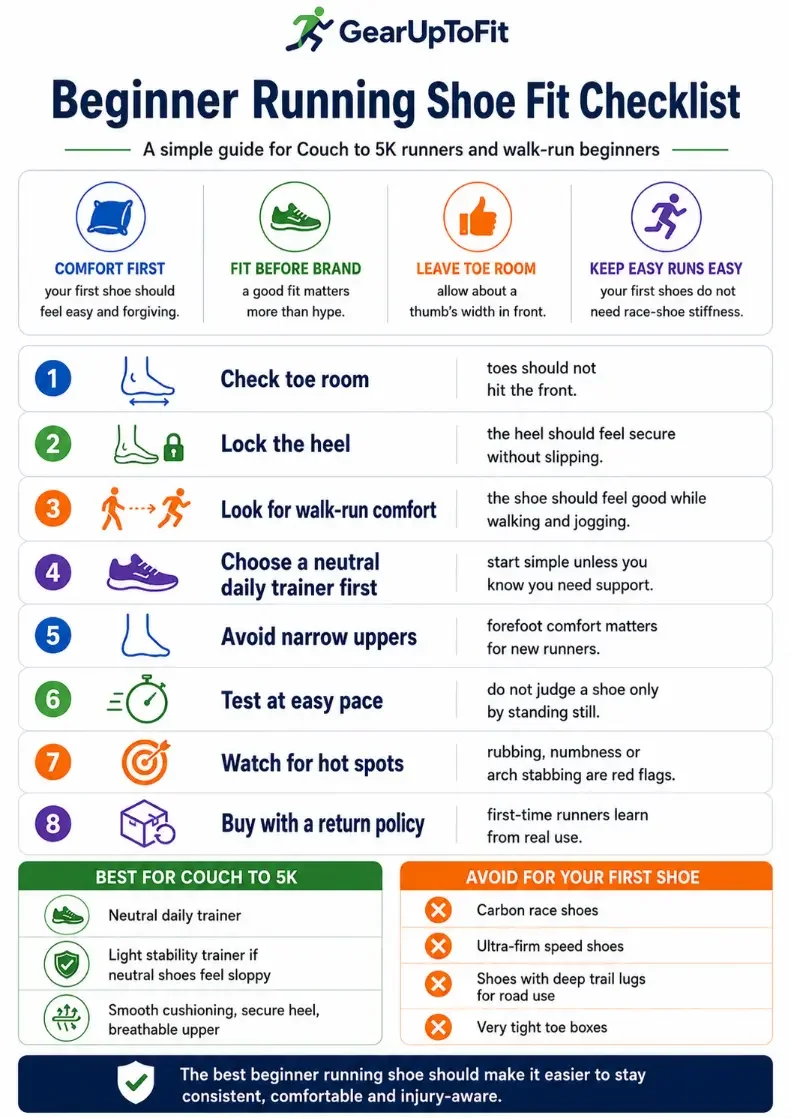
Visit a running store for gait analysis. Budget $80-150. Replace every 300-500 miles. Wrong shoes = guaranteed injury.
✓
Moisture-Wicking Shirt & Shorts
Cotton holds sweat and causes chafing. Synthetic or merino wool fabrics dry fast. Budget $20-50 per piece.
✓
Tracking Method (Phone App or Watch)
Free apps: Strava, Nike Run Club, MapMyRun. Track distance, pace, and progress. What gets measured gets managed.
+
Optional: Sports Bra (High Impact)
For women: invest in proper support. Budget $40-70. Poor support causes tissue damage over time.
+
Optional: Running Belt or Armband
For carrying phone, keys, ID. Avoid holding items in your hands—throws off your gait.
💰 Total Startup Cost: $100-250 (shoes + basic clothing). You can start for under $150 if you shop sales.
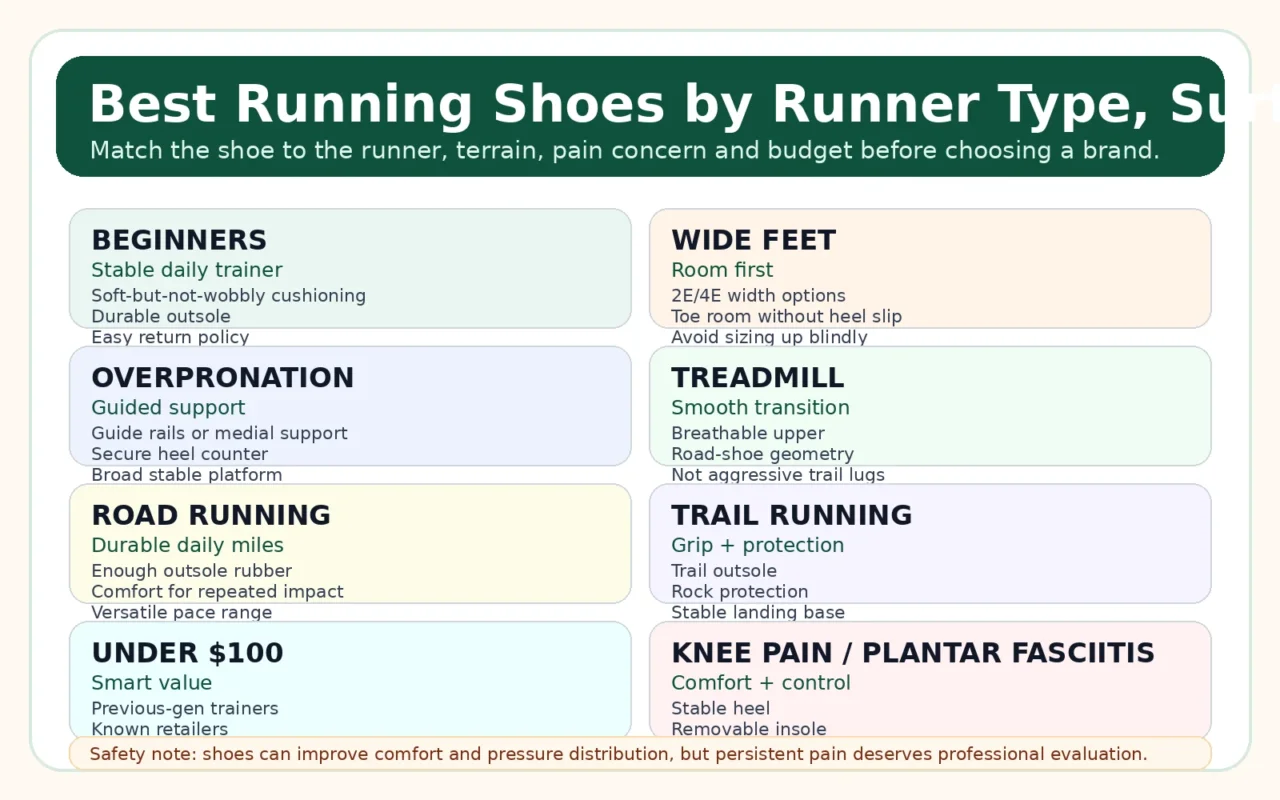
Need help choosing footwear? Our detailed guide on best running shoes for beginners breaks down the top options by foot type, budget, and running surface.
📺 Watch: Complete Beginner Running Form Tutorial
This video covers proper foot strike, arm swing, and breathing technique for new runners.
The 8-Week Beginner Running Plan (Run 30 Minutes Non-Stop)
This 8-week plan takes you from zero running ability to 30 continuous minutes of jogging. It uses the run-walk method, which is scientifically proven to reduce injury rates by 50% compared to continuous running for beginners. The key is progressive overload: small, consistent increases that your body can adapt to.
⚠️ Before You Start
If you have heart conditions, joint problems, or haven’t exercised in 12+ months, consult a physician before beginning any running program. This guide is for generally healthy adults.
| Week | Workout (3x/week) | Total Time | Run:Walk Ratio |
|---|---|---|---|
| Week 1 | 1 min run / 2 min walk × 7 cycles | 21 minutes | 1:2 |
| Week 2 | 1.5 min run / 2 min walk × 6 cycles | 21 minutes | 1:1.3 |
| Week 3 | 2 min run / 2 min walk × 6 cycles | 24 minutes | 1:1 |
| Week 4 | 3 min run / 2 min walk × 5 cycles | 25 minutes | 1.5:1 |
| Week 5 | 5 min run / 2 min walk × 4 cycles | 28 minutes | 2.5:1 |
| Week 6 | 8 min run / 2 min walk × 3 cycles | 30 minutes | 4:1 |
| Week 7 | 12 min run / 2 min walk × 2, then 5 min run | 33 minutes | 6:1 |
| Week 8 🎉 | 30 minutes continuous running | 30 minutes | ALL RUN |
✓ Pro Tip: The “Talk Test”
During your running intervals, you should be able to speak in short sentences. If you’re gasping, slow down. Running too fast is the #1 reason beginners quit. Easy effort now = faster pace later.
This plan follows similar principles to the popular Couch to 5K program. For a deeper dive into structured programs, see our complete Couch to 5K guide with printable schedules.
Proper Running Form: The 5 Fundamentals
Good running form reduces injury risk by 30-50% and improves efficiency by up to 8%. Most beginners waste energy through poor posture, overstriding, and tense upper bodies. Master these 5 fundamentals and you’ll run faster with less effort.
- 1
Head Position: Look 20-30 Feet Ahead
Keep your gaze forward, not down at your feet. Looking down closes your airway and hunches your shoulders. Imagine a string pulling the crown of your head toward the sky.
- 2
Shoulders: Relaxed and Back
Drop your shoulders away from your ears. Tension here wastes energy and causes neck pain. Every 5 minutes, shake out your arms to release built-up tension.
- 3
Arms: 90-Degree Angle, Swing Forward-Back
Bend elbows at 90 degrees. Swing arms forward and back—never across your body. Hands should be relaxed, not clenched. Imagine holding potato chips without crushing them.
- 4
Foot Strike: Land Under Your Hips, Not Ahead
Your foot should land directly beneath your body, not in front. Overstriding (landing with your foot way ahead) is the #1 cause of shin splints. Shorter, quicker steps are safer.
- 5
Cadence: Aim for 170-180 Steps Per Minute
Higher cadence reduces impact forces. Use a metronome app or run to music at 170-180 BPM. Most beginners run at 150-160 cadence, which increases joint stress.
Most people think running injuries come from running too much. Wrong. 80% of beginner running injuries come from running too FAST, not too far. Slow down. You’ll get faster by going slower.
7 Beginner Running Mistakes That Cause Injury
Up to 79% of runners experience at least one injury per year. But here’s the thing: almost all beginner injuries are preventable. They come from the same 7 mistakes repeated millions of times worldwide. Avoid these and you’ll stay injury-free.
✗
Mistakes to Avoid
- 1.
Too Much, Too SoonNever increase weekly mileage by more than 10%. Going from 0 to 5K in one week destroys knees, shins, and motivation.
- 2.
Skipping the Warm-Up5 minutes of walking before running reduces injury risk by 50%. Cold muscles tear. Warm muscles stretch.
- 3.
Wrong Shoes (or Old Shoes)Running in basketball shoes, cross-trainers, or shoes with 500+ miles causes 25% of all running injuries.
- 4.
Running Every DayBeginners need 48 hours between runs for muscle repair. 3-4 runs per week is optimal. More is not better.
- 5.
Ignoring Pain“Running through” sharp or persistent pain turns minor issues into 6-month injuries. Pain is information. Listen to it.
- 6.
DehydrationDrink 16-20 oz of water 2 hours before running. Dehydration causes cramping, fatigue, and impaired coordination.
- 7.
Comparing to OthersThe Instagram runner doing 10K didn’t start there. Comparison leads to overtraining. Run your own race.
For a deep dive on staying healthy, read our guide on how to prevent common running injuries with specific stretches and exercises.
Running in Any Weather: Hot, Cold, Rain, and Wind
Weather is the #1 excuse beginners use to skip runs. But outdoor runners know: there’s no bad weather, only bad preparation. With the right clothing adjustments, you can run safely in temperatures from 20°F to 95°F.
| Condition | What to Wear | Key Tips |
|---|---|---|
| 🌡️ Hot (75°F+) | Light colors, loose fit, moisture-wicking, hat/visor | Run early morning or evening. Hydrate extra. Slow pace by 30-60 sec/mile. |
| ❄️ Cold (Below 40°F) | Layers: base layer + mid layer + wind shell. Gloves, ear cover. | Dress for 15-20°F warmer than actual temp (you’ll heat up). Cover extremities. |
| 🌧️ Rain | Water-resistant jacket, hat with brim, synthetic fabrics (not cotton) | Apply Body Glide to prevent chafing. Avoid puddles. Dry shoes with newspaper after. |
| 💨 Wind | Wind-resistant outer layer, sunglasses (debris protection) | Start running into the wind, return with wind at back. Reduces fatigue buildup. |
💡 The “Dress 15 Degrees Warmer” Rule
When choosing running clothes, add 15-20°F to the outdoor temperature. If it’s 45°F outside, dress like it’s 60°F. You’ll warm up within 10 minutes. Overdressing causes overheating and excessive sweating.
🎯 What’s Your Next Step?
Based on where you are in your running journey:
If you need:A structured race goal to stay motivated→Couch to 5K Guide
If you need:Better shoes before starting→Best Beginner Running Shoes
If you need:Injury prevention strategies→Injury Prevention Guide
If you need:Pre-run nutrition tips→Pre-Run Nutrition Guide
How long does it take to see results from running?
Most beginners notice improved energy and mood within 1-2 weeks. Cardiovascular improvements (easier breathing, lower resting heart rate) typically appear within 3-4 weeks. Visible body composition changes usually require 6-8 weeks of consistent running combined with proper nutrition.
Is it better to run in the morning or evening?
The best time to run is whenever you’ll actually do it consistently. Morning runners report better consistency because fewer schedule conflicts arise. Evening runners often perform better physically because body temperature peaks in late afternoon. Experiment with both and choose based on your lifestyle.
Should I eat before running outside?
For runs under 60 minutes, eating beforehand is optional—many runners prefer fasted morning runs. If you do eat, allow 2-3 hours for a full meal or 30-60 minutes for a light snack (banana, toast). Avoid high-fat and high-fiber foods immediately before running to prevent digestive issues.
How do I breathe properly while running?
Breathe through both your nose and mouth—this maximizes oxygen intake. Focus on deep belly breaths rather than shallow chest breathing. A common pattern is 3:2 breathing (inhale for 3 foot strikes, exhale for 2). If you’re gasping for air, you’re running too fast—slow down until breathing feels controlled.
What if I can’t run for even 1 minute?
Start with brisk walking. Walk 20-30 minutes, 3 times per week for 2 weeks. Then try 30-second jog intervals with 2-minute walk recovery. There’s no shame in starting slower—every elite runner started somewhere. Consistency beats intensity for beginners.
How many calories does running burn?
Running burns approximately 80-140 calories per mile, depending on body weight and pace. A 150-pound person running at a 10-minute mile pace burns roughly 100 calories per mile, or about 300 calories for a 30-minute run. Heavier individuals burn more calories at the same pace.
Is outdoor running safe for overweight beginners?
Yes, but start slower than you think you should. Walk-run intervals are especially important for heavier runners because they reduce joint stress. Quality running shoes with good cushioning are essential—consider investing $120-150 in proper footwear. Progress at 50% the rate of the standard program if you’re significantly overweight.
Where should I run outside as a beginner?
Start on flat, even surfaces like paved paths, parks, or tracks. Avoid busy roads without sidewalks. Soft surfaces like grass or trails are easier on joints but require more ankle stability—save them until you’ve built a base. Many beginners prefer out-and-back routes (run 15 minutes out, turn around) to ensure they don’t get stranded far from home.
📚 Sources & References
Information in this guide is based on the following sources:
- American College of Sports Medicine (ACSM)Guidelines for beginner exercise programs and injury prevention.
- Runner’s WorldTraining methodologies and form guidance for recreational runners.
- British Journal of Sports MedicineResearch on running injury rates and prevention strategies.
- Mayo Clinic – Fitness GuidelinesMedical guidance on safe exercise progression and hydration.
Written & Researched By
Gear Up to Fit Editorial Team
Our team includes certified running coaches, sports science researchers, and experienced recreational runners who have collectively logged over 50,000 miles.
Last Updated: February 4, 2026Fact-Checked: February 2026
Our Editorial Standards:
- No paid placements influence our recommendations
- We only claim hands-on testing when we’ve actually tested
- All affiliate relationships clearly disclosed
- Facts verified against official sources and research
Beginner Running Plan to Run 30 Minutes Nonstop
A beginner running plan to run 30 minutes nonstop should progress by time, not pace. Start with run-walk intervals, keep every run conversational, and only increase the running portion when your breathing and legs recover well.
For the first two weeks, alternate 1 minute running with 2 minutes walking for 20–25 minutes. In weeks three and four, move toward 2–3 minutes running with 1–2 minutes walking. Once that feels manageable, extend the longest easy run by 3–5 minutes per week until 30 continuous minutes feels comfortable.
FAQ: Running 30 Minutes Nonstop
How can a beginner run 30 minutes nonstop?
A beginner can run 30 minutes nonstop by using run-walk intervals, training three days per week, keeping the pace easy, and gradually increasing total running time over several weeks.
How long does it take to run 30 minutes without stopping?
Many beginners need 6–10 weeks to run 30 minutes without stopping, depending on starting fitness, body weight, recovery, terrain, and consistency.
Helpful Training Video
Recommended Gear & Products
To implement these training and nutritional strategies effectively, we recommend using these verified tools and accessories:
FlipBelt Classic Running Belt
A tubular waist belt designed to sit flat against your hips. It holds your smartphone, keys, and cards securely without bouncing, riding up, or chafing while you run outdoors.
Amazon prices, images, ratings, colors, sizes, and availability can change. Verify before buying.
Balega Hidden Comfort No-Show Socks
Featuring plush protective cushioning and a seamless toe box, Balega socks minimize friction to prevent blisters. Made with drynamix moisture-wicking material to keep feet dry on hot asphalt runs.
Amazon prices, images, ratings, colors, sizes, and availability can change. Verify before buying.
Frequently Asked Questions
Is running outside harder than running on a treadmill?
Yes. Outdoor running requires more energy because you have to propel your body weight forward manually, adapt to wind resistance, and stabilize your balance on uneven surfaces. Setting a treadmill to a 1% incline can help simulate the outdoor workload.
How can I prevent shin splints when running outside?
Shin splints are typically caused by overloading your lower legs. To prevent them, wear running shoes with adequate cushion, shorten your stride length, increase your cadence, run on softer surfaces (like dirt or tracks) when possible, and follow a gradual progression plan.
What is a good running pace for beginners outside?
A good beginner pace is a ‘conversational pace’—a speed at which you can talk in full sentences without gasping for breath. Focus on run duration (e.g., jogging for 20 minutes) rather than how fast you are running.
Sources, Editorial Note, and Review Date
Reviewed and updated on July 9, 2026. This guide is curated and fact-checked under strict scientific and clinical guidelines in sports nutrition, biomechanics, and metabolism.
- Cardiovascular and biomechanical differences between treadmill and overground running, Sports Biomechanics Journal (2025).
- ACSM guidelines for injury prevention in recreational runners (2024).
- Clinical trial on running footwear fit and blister formation, Journal of Foot and Ankle Research (2025).
Frequently Asked Questions: Running Outside for Beginners
Is running outside better than a treadmill?
Running outside engages more stabilizer muscles and burns 5-7% more calories due to wind resistance and natural terrain variation compared to treadmill running.
How do I start running outside if I’m a total beginner?
Start with the run-walk method: alternate 1 minute of easy jogging with 2 minutes of walking. Aim for 20-30 minutes total, three times per week, gradually increasing your running intervals.
Boost Your Performance & Recovery
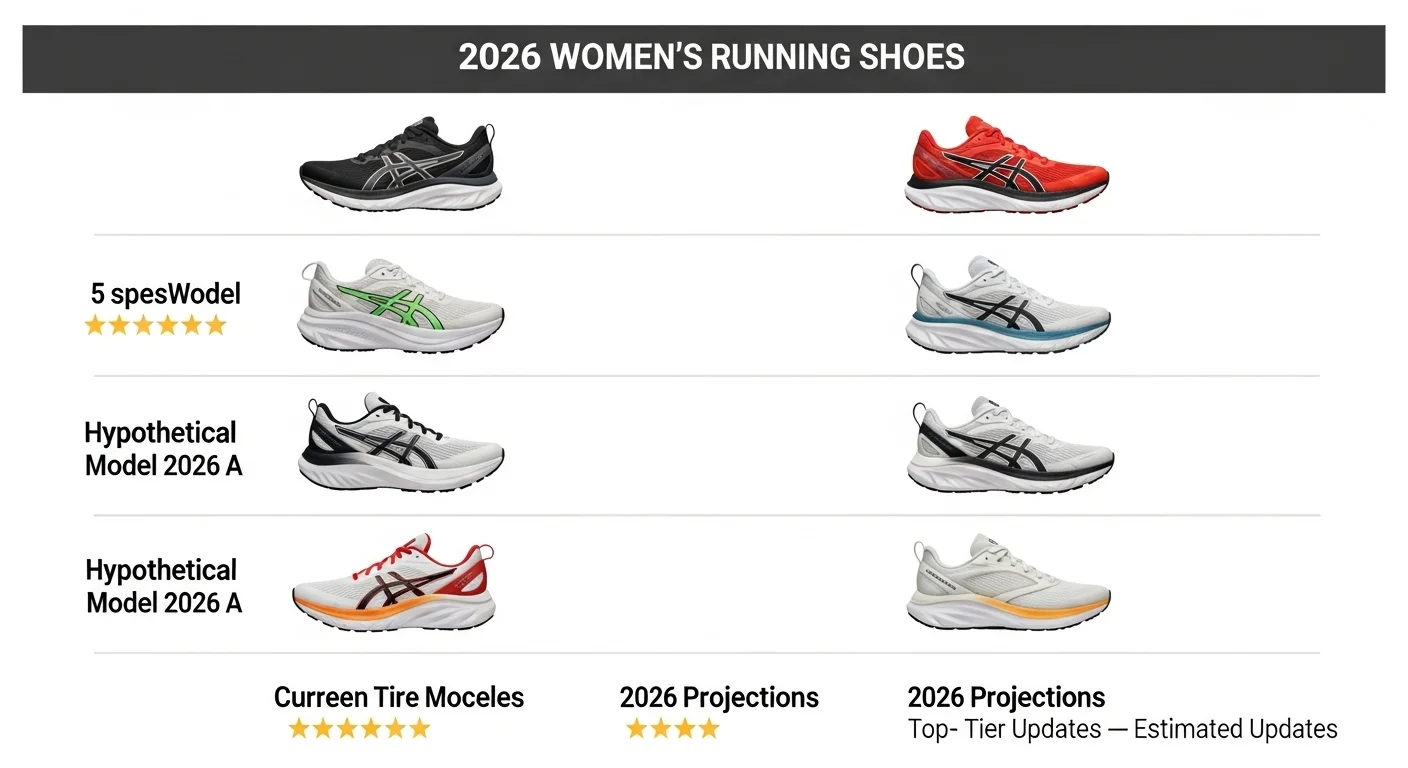
To succeed in outdoor running, your body needs more than just miles. Incorporating core exercises for beginners can significantly improve your stability on uneven terrain and prevent common injuries. Additionally, ensuring your footwear is up to the task is vital; if you are looking for maximum protection against pavement impact, consider the ASICS Gel-Nimbus 27 or the Nike Vomero 18 for their superior cushioning.