

Daily Calorie Calculator
Fast, mobile-safe estimate using standard Mifflin-St Jeor calorie math. Educational only; adjust with real progress and medical guidance when needed.
Formula: Mifflin-St Jeor. Use this as a starting point, then adjust after 2–3 weeks based on weight trend, performance, hunger, and recovery.
How do you measure your true fitness potential? To move beyond BMI and body fat percentage, you need to assess muscle mass, cardiovascular endurance, functional strength, and metabolic health. This guide provides the modern metrics and actionable strategies for a complete 2026 fitness evaluation.
🔑 Key Takeaways
- 5 Key Metrics: Modern fitness assessment requires grip strength, VO2 max, body composition scans, waist-to-hip ratio, and functional movement screens.
- Muscle is Metabolic: Increasing lean mass by 5% can boost resting metabolism by up to 9% and is a stronger predictor of longevity than BMI.
- Cardio is Non-Negotiable: Aim for a VO2 max above the 50th percentile for your age; it’s the single best indicator of cardiovascular health and disease risk.
- Mindset Matters: Mental resilience and stress management directly impact workout consistency, recovery speed, and physical performance.
- Personalize Everything: Your optimal plan uses genetic insights, lifestyle data from wearables like the Oura Ring, and personalized nutrition.
The Limitations of BMI and Body Fat Percentage
Body Mass Index (BMI) and body fat percentage provide an incomplete and often misleading picture of health. BMI, calculated only from height and weight, fails to distinguish between muscle, bone, and fat. A 2026 study in the *Journal of Clinical Medicine* confirmed that athletes with high muscle mass are frequently misclassified as “overweight” or “obese.”
Similarly, body fat percentage, while more specific, ignores critical factors like fat distribution (visceral vs. subcutaneous) and lean body mass composition. It tells you nothing about cardiovascular endurance, muscular strength, or bone density.
Relying solely on these two metrics can derail your fitness goals. The modern approach requires a multi-faceted assessment using tools like DEXA scans, Bod Pod tests, and functional evaluations to get a true baseline.
Exploring Alternative Metrics for Fitness Assessment
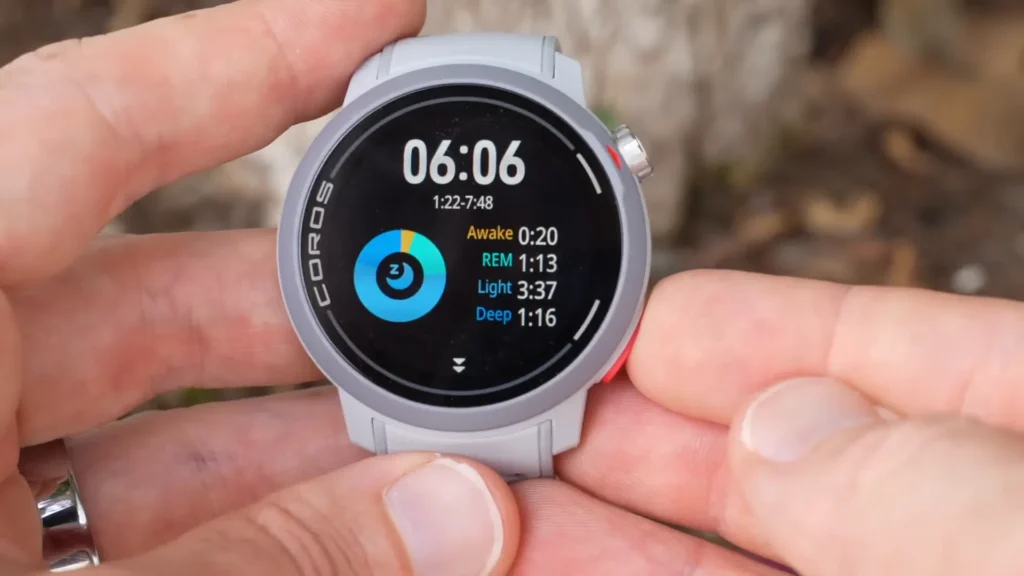
Functional fitness metrics measure your body’s ability to perform real-world activities safely and efficiently.
- Grip Strength: Measured with a dynamometer, it’s a powerful proxy for overall muscular strength and is linked to lower mortality risk. Aim for a score above the 50th percentile for your age and gender.
- Cardiovascular Endurance (VO2 Max): This measures your body’s peak oxygen use. You can estimate it with a Cooper Test (12-minute run) or a sub-maximal step test. Optimal VO2 max levels vary by age and sex.
- Waist-to-Hip Ratio (WHR): A simple tape measure test. A WHR above 0.85 for women or 0.90 for men indicates higher-risk visceral fat, independent of total weight.
- Functional Movement Screen (FMS): A seven-movement assessment that identifies asymmetries and mobility restrictions, helping prevent injuries before they happen.
Tracking these metrics quarterly provides a dynamic, actionable view of your progress far beyond static weight readings.
Understanding the Role of Muscle Mass in Fitness
Muscle is an active metabolic organ, not just aesthetic tissue. Building lean muscle mass through progressive overload strength training is foundational for long-term health.
Increasing your skeletal muscle mass improves insulin sensitivity, which is crucial for metabolic health and preventing Type 2 diabetes. It also enhances bone density, reducing osteoporosis risk, and boosts resting metabolic rate (RMR), meaning you burn more calories at rest.
Focus on compound movements—squats, deadlifts, bench presses, rows—that stimulate the most muscle fibers. Use tools like bioelectrical impedance analysis (BIA) scales or DEXA scans to track lean mass changes, not just weight loss.
The Importance of Cardiovascular Fitness for Overall Health

Cardiovascular fitness is the cornerstone of vitality and longevity. Your VO2 max is a primary indicator of your heart, lung, and circulatory system health.
Regular aerobic exercise—like running, cycling, swimming, or HIIT—strengthens the heart muscle, improves blood vessel elasticity, and increases mitochondrial density in cells. This translates to more energy, better stamina, and a significantly reduced risk for heart disease, stroke, and cognitive decline.
The 2026 Physical Activity Guidelines recommend at least 150 minutes of moderate-intensity or 75 minutes of vigorous-intensity aerobic activity weekly. Use a heart rate monitor or fitness tracker to ensure you’re training in the correct zones for your goals.
Assessing Flexibility and Mobility for Optimal Functionality
Flexibility (muscle length) and mobility (joint range of motion) are essential for pain-free movement and injury prevention. Poor mobility in the hips or thoracic spine can compromise your squat or overhead press form, limiting strength gains.
Importance of Stretching
Incorporate both dynamic stretching (leg swings, torso twists) pre-workout to prepare muscles and static stretching (held for 30+ seconds) post-workout to improve long-term flexibility. Consistency is key—aim for 10 minutes of dedicated stretching daily.
Joint Range of Motion
Assess key joints: ankles, hips, thoracic spine, and shoulders. Can you perform a deep squat with heels down and chest up? Can you raise your arms overhead without arching your lower back? Limitations here are often the root cause of “plateaus” or pain.
Functional Movement Patterns
Movements like the squat, hinge, lunge, push, pull, and carry should be fundamental to your assessment. A qualified trainer can perform an FMS to pinpoint dysfunctions. Corrective exercises, like goblet squats or banded pull-aparts, then target these specific weak links.
The Power of Strength Training in Unlocking Fitness Potential
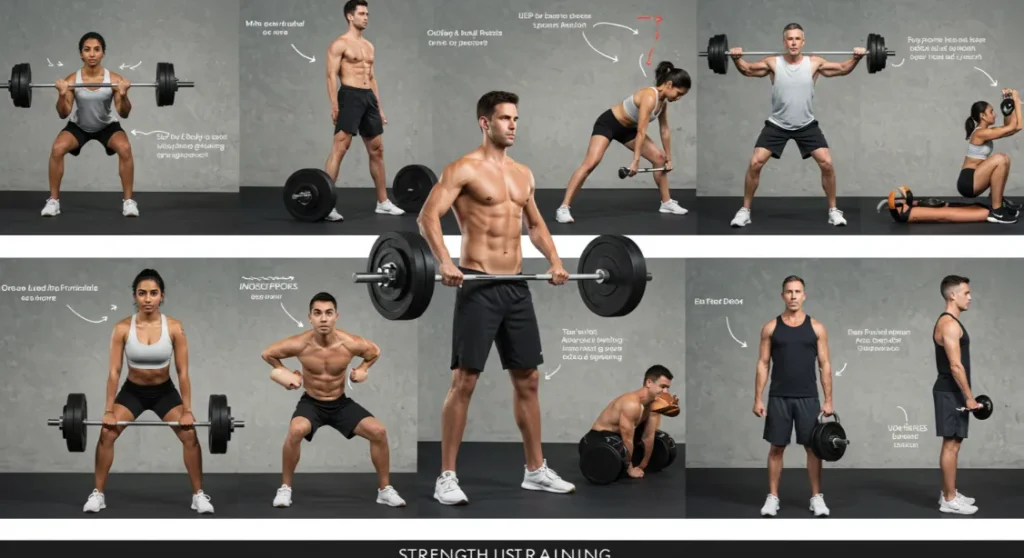
Strength training is the most effective tool for body recomposition—losing fat while gaining muscle. It builds the functional capacity that enhances every other fitness metric.
Building Muscle for Fitness
Muscle hypertrophy occurs when mechanical tension from lifting damages muscle fibers, prompting them to repair bigger and stronger. Prioritize protein intake (1.6-2.2g per kg of bodyweight daily) and recovery to support this process.
Benefits of Strength Training
The benefits extend far beyond the gym:
- Mental Health: Releases endorphins and BDNF (Brain-Derived Neurotrophic Factor), reducing symptoms of anxiety and depression.
- Functional Independence: Builds the strength needed for daily life, preserving mobility and reducing fall risk as you age.
- Metabolic Boost: The “afterburn” effect (EPOC) of intense strength sessions elevates metabolism for up to 48 hours.
Maximizing Workout Effectiveness
Follow the principle of progressive overload: systematically increasing weight, reps, or sets over time. Track your workouts. Pair compound lifts with adequate rest (48-72 hours per muscle group) and prioritize sleep for optimal hormonal response and recovery.
| Exercise | Muscle Groups Targeted | Benefits |
|---|---|---|
| Squats | Quads, Hamstrings, Glutes | Builds lower body strength and improves overall stability |
| Deadlifts | Hamstrings, Glutes, Back | Develops posterior chain muscles and enhances core strength |
| Push-ups | Chest, Shoulders, Triceps | Strengthens upper body muscles and improves overall upper body strength |
The Impact of Nutrition on Fitness and Body Composition
You cannot out-train a poor diet. Nutrition provides the raw materials for muscle repair, energy production, and hormonal balance.
For muscle growth and recovery, protein is critical. Spread intake evenly across meals. Carbohydrates fuel high-intensity training; focus on complex sources like oats and sweet potatoes. Healthy fats support hormone production and joint health.
Hydration is a performance multiplier. Even 2% dehydration can impair strength, power, and cognitive function. Drink water consistently throughout the day, not just during workouts. Monitor urine color as a simple guide.
Mind-Body Connection: Mental Fitness for Physical Performance
Your mindset dictates your consistency. Mental resilience allows you to push through challenging sets and maintain habits.
- Focus & Flow: Practices like mindfulness or using a pre-lift routine can sharpen concentration, improving mind-muscle connection and technique.
- Stress Management: Chronic high cortisol from stress breaks down muscle and promotes fat storage. Meditation, deep breathing, or nature walks lower cortisol, enhancing recovery.
- Visualization: Mentally rehearsing successful workouts or lifts primes your nervous system for better physical execution.
Treat mental training with the same priority as your physical workouts.
Setting Realistic Goals for Fitness Progression
Vague goals lead to vague results. Use the SMART framework (Specific, Measurable, Achievable, Relevant, Time-bound).
Instead of “get fit,” try: “Increase my deadlift 1-rep max by 10% in 12 weeks by following a structured program and adding 20g of daily protein.”
Track everything. Use an app like Hevy or Strong, a wearable like a Whoop strap, or a simple journal. Regular data review (weekly/monthly) allows for objective adjustments, keeping you accountable and motivated when progress feels slow.
The Journey to Unlocking Your Full Fitness Potential
Your fitness potential is the optimal state of health and performance your unique genetics and lifestyle can achieve. Reaching it is a dynamic process, not a fixed destination.
Defining Fitness Potential
It encompasses strength, endurance, mobility, body composition, and mental resilience. Define it by assessing all the alternative metrics discussed, not just scale weight.
Overcoming Fitness Plateaus
Plateaus are inevitable. Break them by changing a variable: increase training volume, alter exercise selection, implement deload weeks, or adjust your macronutrients. Often, the solution is more rest or better nutrition, not more work.
Personalizing Fitness Strategies
There is no universal “best” program. Your optimal strategy considers your schedule, preferences, injury history, and goals. Use DNA testing services (like FitnessGenes) for insights, but remember they are guides, not fate. The best plan is the one you enjoy and can sustain.
❓ Frequently Asked Questions
How does genetics actually affect my fitness potential?
Genetics influence factors like muscle fiber type distribution, VO2 max ceiling, and metabolic rate. However, 2026 research emphasizes that lifestyle and training determine over 70% of your outcomes. Genetics set the playing field; your actions determine the score.
What are the best exercises to improve cardiovascular fitness fast?
High-Intensity Interval Training (HIIT) is most time-efficient. Protocols like the 4×4 method (4 minutes at 90% effort, 3 minutes active rest) boost VO2 max significantly. Also, consistent zone 2 cardio (conversational pace for 45+ minutes) builds aerobic base efficiently.
Can anxiety or depression really impact my physical results?
Yes, directly. Mental health conditions can elevate cortisol, disrupt sleep, and reduce motivation—all impairing recovery, muscle growth, and workout consistency. Managing mental health is not separate from fitness; it’s a core component of it.
What should I eat specifically to build muscle?
Prioritize protein: aim for 0.8-1g per pound of bodyweight daily from sources like chicken, fish, eggs, Greek yogurt, and protein powder. Eat at a slight calorie surplus (200-300 calories), time carbs around workouts, and ensure you’re in a consistent sleep schedule for optimal growth hormone release.
Does fitness potential decline drastically with age?
While VO2 max and muscle mass naturally decline after 30, the rate is largely controlled by activity level. Resistance training and cardio can preserve 90% of function into your 60s and beyond. The decline from inactivity is far steeper than the decline from aging itself.
Conclusion
Unlocking your fitness potential requires moving beyond outdated, one-dimensional metrics like BMI. Your true fitness is a multi-system output defined by muscular strength, cardiovascular endurance, functional mobility, and metabolic health.
Start by assessing your current status with the key alternative metrics: test your grip strength, estimate your VO2 max, measure your waist-to-hip ratio, and screen your functional movements. Then, build a personalized plan that prioritizes progressive strength training, targeted cardio, strategic nutrition, and mental recovery.
The journey is continuous. Use the data from wearables and regular assessments to guide your adjustments. Your potential isn’t fixed—it expands with every smart, consistent effort you make.
References
- The Limitations of BMI in Athletic Populations – Medicine & Science in Sports & Exercise
- Waist-to-Hip Ratio as a Predictor of Cardiovascular Risk – Arteriosclerosis, Thrombosis, and Vascular Biology
- Protein Intake for Muscle Hypertrophy – Journal of the International Society of Sports Nutrition
- VO2 Max as a Biomarker for Longevity – Journal of Applied Physiology
- Mental Fitness and Physical Performance – Current Sports Medicine Reports
- Functional Movement Screening and Injury Prevention – British Journal of Sports Medicine
- 2026 Physical Activity Guidelines for Americans – U.S. Department of Health
