Skip to content
 HIIT for Beginners Over 50: The 2026 Guide to Getting Fit Fast & Safely
How do you start HIIT after 50? You begin with low-impact exercises, short intervals, and a focus on safety. High-Intensity Interval Training (HIIT) is the most time-efficient way for adults over 50 to boost heart health, build strength, and burn calories. This guide provides the exact steps, modifications, and science-backed routines you need.
🔑 Key Takeaways
- Start with 10-15 Minutes: Begin with 2-3 weekly sessions of short, low-impact HIIT to build a foundation safely.
- Focus on Form, Not Speed: Prioritize controlled movements over intensity to protect joints and prevent injury.
- Use the 1:2 Work-to-Rest Ratio: For example, exercise for 20 seconds, then rest for 40 seconds to ensure proper recovery.
- HIIT Reverses Age-Related Decline: 2026 studies confirm HIIT improves VO2 max, combats sarcopenia (muscle loss), and enhances insulin sensitivity.
- Modify Everything: Swap jumps for step-ups, and sprints for fast marches. Equipment like resistance bands and stability balls are ideal.
- Consult Your Doctor First: Always get medical clearance, especially if managing conditions like hypertension or arthritis.
- Consistency Beats Intensity: Regular, moderate HIIT yields better long-term results than sporadic, extreme sessions.
The Benefits of HIIT for Older Adults
HIIT alternates short bursts of intense activity with recovery periods. For adults over 50, this method delivers superior results compared to steady-state cardio. Research from the American College of Sports Medicine shows HIIT can improve cardiovascular health markers in half the time. The protocol triggers Excess Post-Exercise Oxygen Consumption (EPOC), keeping your metabolism elevated for hours.
The primary benefits are:
- Combats Sarcopenia: Stimulates human growth hormone and testosterone, crucial for preserving lean muscle mass.
- Improves Cardiac Output: Strengthens the heart muscle, improving how efficiently it pumps blood.
- Enhances Metabolic Flexibility: Teaches your body to switch between burning carbs and fats more effectively.
- Supports Cognitive Function: Increases BDNF (Brain-Derived Neurotrophic Factor), linked to better memory and learning.

How HIIT Can Improve Cardiovascular Health for Beginners Over 50
HIIT is uniquely effective for heart health. It improves your VO2 max—a key indicator of cardiovascular fitness and longevity. A 2026 meta-analysis found that adults over 50 doing HIIT saw a 12-15% greater increase in VO2 max than those doing moderate continuous training.
- Lowers Resting Blood Pressure: The intense intervals improve endothelial function, helping blood vessels relax.
- Improves Cholesterol Profiles: HIIT can increase HDL (good) cholesterol and decrease triglycerides.
- Enhances Heart Rate Variability (HRV): A higher HRV indicates a more resilient nervous system and better stress recovery.
Start with a simple protocol: 30 seconds of fast marching or cycling, followed by 60 seconds of slow walking or easy pedaling. Repeat for 10-15 minutes.
Building Strength and Muscle With HIIT for Beginners Over 50
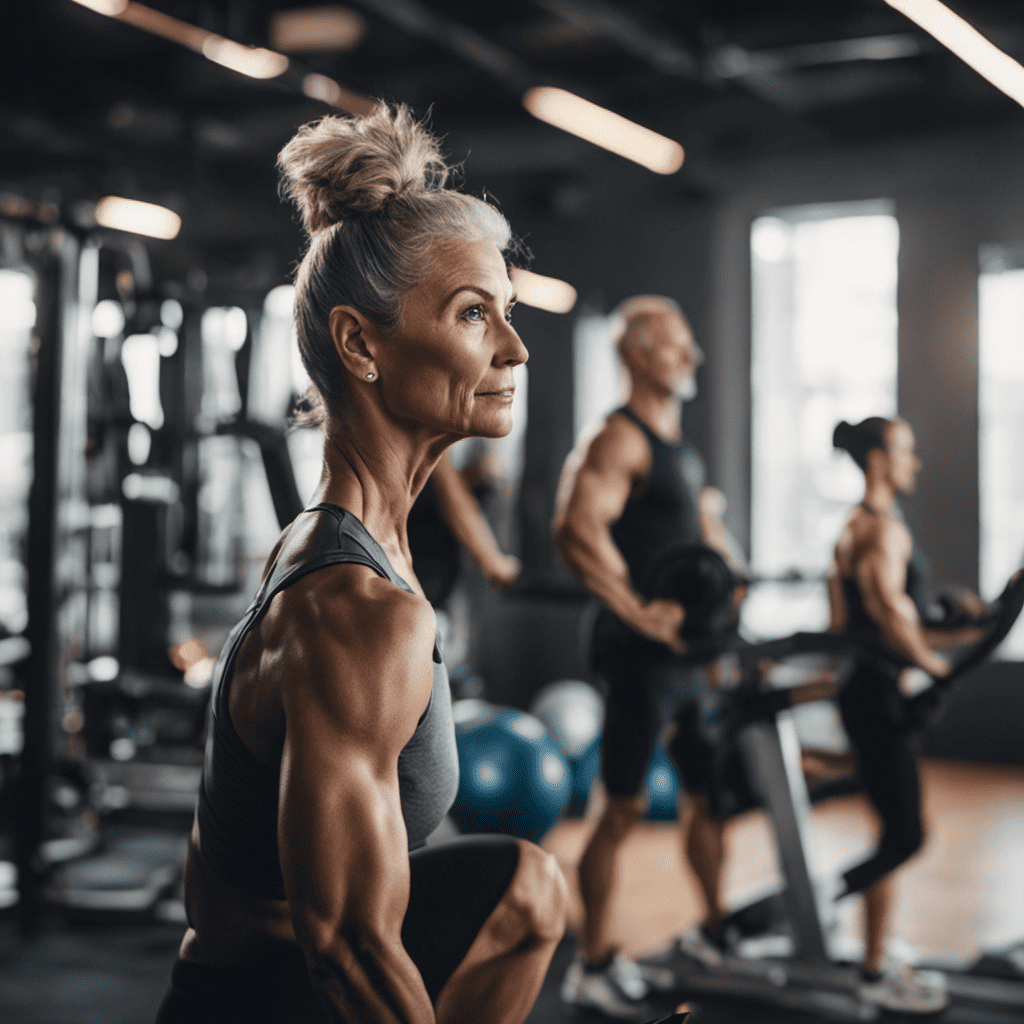
You can integrate strength-building into HIIT without heavy weights. The key is using bodyweight exercises and equipment like resistance bands, kettlebells, and suspension trainers (TRX) during the work intervals.
Age-Appropriate HIIT Exercises
Choose exercises that minimize joint stress. Replace high-impact moves with these effective alternatives:
- Instead of Burpees: Do a squat to chair stand, then raise your arms overhead.
- Instead of Jumping Jacks: Perform step-jacks or lateral raises with light dumbbells.
- Instead of Mountain Climbers: Try standing knee drives or slow, controlled leg lifts on a mat.
Always perform a dynamic warm-up (e.g., leg swings, arm circles) for 5-7 minutes first.
Benefits of Muscle Building
Maintaining muscle is critical for metabolic rate, balance, and independence. HIIT stimulates type II muscle fibers, which are the first to atrophy with age. Building this muscle improves functional strength for daily tasks.
| Muscle Building Benefits | Muscle Strengthening Advantages |
|---|---|
| Increases muscle mass | Enhances muscle endurance |
| Improves muscle definition | Boosts overall strength |
| Accelerates fat loss | Enhances cardiovascular health |
Safety Precautions for Beginners
- Master the Warm-Up: Never skip it. Include mobility work for ankles, hips, and shoulders.
- Prioritize Recovery: Use a 1:2 or 1:3 work-to-rest ratio. Your rest period should feel complete.
- Hydrate and Fuel: Drink water before, during, and after. Eat a balanced meal with protein and carbs within 60-90 minutes post-workout.
HIIT as a Time-Efficient Workout Option for Busy Adults Over 50
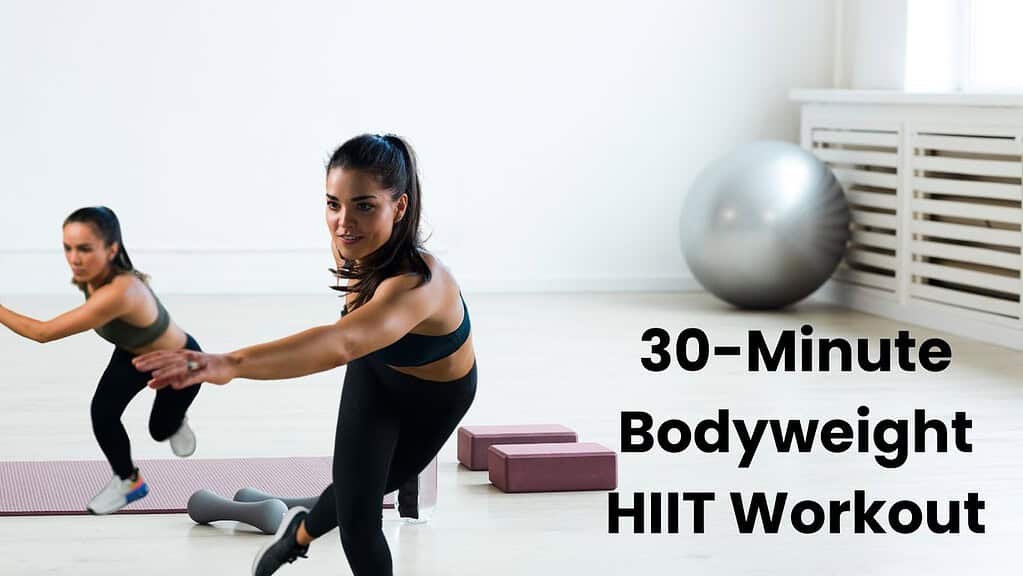
A full HIIT session can be completed in 20-30 minutes, including warm-up and cool-down. This efficiency makes it sustainable. The “afterburn” effect (EPOC) means you continue burning calories at a higher rate post-exercise.
Benefits of HIIT
- Boosts Brain Health: Increases blood flow to the brain, supporting neuroplasticity and potentially delaying cognitive decline.
- Reduces Disease Risk: Effective for improving insulin sensitivity, a major factor in preventing Type 2 diabetes.
- Maximizes Caloric Burn: The intense effort creates a significant metabolic disturbance, leading to greater fat oxidation.
Age-Appropriate HIIT Modifications
Modifications are not limitations; they are smart training. Use tools:
- For Balance: Perform exercises near a wall or sturdy chair for support.
- For Intensity: Increase range of motion or add a slight pause at the peak contraction instead of moving faster.
- For Joint Comfort: Use cushioned mats and wear supportive shoes designed for cross-training.
Increasing Metabolism and Burning Calories With HIIT for Beginners Over 50
HIIT elevates your metabolic rate through two primary mechanisms: the significant energy cost of the workout itself and the prolonged EPOC effect. Studies indicate EPOC can last from 16 to 48 hours, depending on the session’s intensity and duration.
To optimize fat burning:
- Incorporate Compound Movements: Exercises like squats, push-ups (on knees or against a wall), and rows engage multiple large muscle groups, burning more calories.
- Try Tabata-Style Workouts: 20 seconds of all-out effort, 10 seconds of rest, repeated 8 times. Start with just one or two Tabata rounds.
- Track Your Progress: Use a heart rate monitor (like a Polar H10 or Apple Watch) to ensure you’re working in the correct zones (typically 75-85% of your max heart rate during work intervals).
HIIT for Joint Health and Flexibility for Older Adults
Contrary to myth, properly executed HIIT can improve joint health. The key is choosing movements that nourish the joints with synovial fluid and strengthen the surrounding muscles. Focus on controlled, full-range-of-motion exercises.
Joint-friendly HIIT exercises include:
- Stationary cycling or using an elliptical machine.
- Seated overhead presses with light dumbbells.
- Standing wood chops with a resistance band.
- Glute bridges and bird-dogs for spinal stability.
Always finish with a static stretching cool-down, holding each stretch for 30-45 seconds.
Tips for Getting Started With HIIT as a Beginner Over 50
- Schedule Your Workouts: Treat them like important appointments. Consistency is your greatest tool.
- Invest in a Good Mat and Shoes: Proper gear reduces impact and improves stability.
- Find a Workout Buddy or Class: Accountability increases adherence. Look for “SilverSneakers” or “Senior HIIT” classes in your area or online.
- Listen to Your Body, Not Your Ego: Sharp pain means stop. General fatigue means rest. Distinguish between discomfort and injury.
Customizing HIIT Workouts to Suit Your Fitness Level and Goals
Your HIIT plan should match your personal goals—weight loss, improved stamina, or better functional strength. Use the FITT principle (Frequency, Intensity, Time, Type) to adjust.
- For Weight Loss: Use slightly longer work intervals (30-45 sec) with full-body exercises. Aim for 3-4 sessions per week.
- For Endurance: Use shorter, sharper intervals (15-20 sec) with cardio-focused moves like cycling. Aim for 2-3 sessions per week.
- For Strength: Integrate resistance bands or dumbbells into your intervals. Allow at least 48 hours of recovery between strength-focused HIIT days.
Safety Precautions and Modifications for HIIT Exercises for Beginners Over 50
Safety is non-negotiable. Follow this checklist before every session:
- Medical Clearance: Obtain approval from your physician, particularly if you have a history of cardiac issues, joint problems, or are on medication.
- Environment Check: Ensure your workout space is clear of tripping hazards and has good ventilation.
- Form First: If you cannot maintain proper form during the work interval, the intensity is too high. Reduce the range of motion or slow down.
- Know the Red Flags: Stop immediately if you experience dizziness, chest pain, severe shortness of breath, or joint instability.
❓ Frequently Asked Questions
Is HIIT safe for someone with high blood pressure?
Yes, with modifications and doctor approval. Focus on low-impact exercises, monitor your intensity with a heart rate monitor (stay below 80% of max), and ensure your rest periods are long enough for your heart rate to drop significantly. Avoid exercises that involve straining or holding your breath.
How often should a beginner over 50 do HIIT?
Start with 2 non-consecutive days per week. Allow at least 48 hours for recovery. As your fitness improves over 4-6 weeks, you can add a third day. Quality and recovery are more important than frequency.
Can I do HIIT if I have arthritis in my knees?
Absolutely. Choose non-weight bearing or low-impact intervals. Use a stationary bike, recumbent stepper, or perform seated resistance band exercises. Avoid deep squats and jumps. The goal is to move the joint through a pain-free range of motion to strengthen supporting muscles.
What’s a sample beginner HIIT workout I can do at home?
Warm up for 5 min (march in place, arm circles). Perform each exercise for 30 seconds, rest for 60 seconds. Complete 2 rounds: 1. Chair Squats, 2. Wall Push-Ups, 3. Standing Knee Drives, 4. Seated Row with a resistance band. Cool down with stretching for 5 minutes.
Do I need to take supplements for HIIT over 50?
Supplements are not required. Prioritize whole foods: lean protein for muscle repair, complex carbs for energy, and healthy fats for joint health. However, many adults over 50 are deficient in Vitamin D and Omega-3s; consult your doctor to see if supplementation is right for you.
Conclusion
High-Intensity Interval Training is a powerful, evidence-backed tool for adults over 50. It delivers superior improvements in cardiovascular health, metabolic function, and muscular strength in less time than traditional workouts. The path to success is defined by smart progression, not brute force.
Your next step is to schedule your first session. Choose three low-impact exercises from this guide, set a timer for 20 seconds of work and 40 seconds of rest, and complete just 4 rounds. Focus on perfect form. Consistency with this modest start will build the foundation for remarkable, sustainable fitness gains in 2026 and beyond.
References
- American College of Sports Medicine (ACSM) Position Stands – ACSM
- Circulation Journal – American Heart Association
- HIIT for Improving Cardio-Metabolic Health in Older Adults – NIH
- Exercise Modifications for Older Adults – ACE Fitness
- Fitness Basics for Seniors – Mayo Clinic
- Exercise and Arthritis – Arthritis Foundation
- Exercise & Physical Activity Guide – National Institute on Aging