Skip to content
 Riding a bike is great fun and great exercise—that’s why you took it up. With much less impact on the joints, cycling allows us to get our cardio in without beating ourselves up the same way we would if we were distance running. But the best-laid plans of brand-new cycling enthusiasts can still go awry. Waking up the next morning as achy as you’ve ever felt, you ask yourself, “Why am I so sore after riding my bicycle? Wasn’t the point of all this to avoid all that?” We’ll help you stay in the saddle and keep riding—and recuperating—in comfort.
Too Much, Too Soon?

Riding a bike can be so much fun that you forget how many miles you’re pedaling. It’s not uncommon for novices to get so caught up in the thrill of it all that they complete a 30-mile circuit without realizing it. That’s a lot of work, and your body knows it better than your brain might. You may have some long trips and steep climbs in you—one day. In the meantime, try to gradually work your way up to more challenging treks.
Back in the Faulty Saddle Again
A bicycle is a relatively simple machine. This means each part of the bike is of high importance. Just as important as your bike’s wheels and gears is its saddle, which bears the brunt of your weight as you ride. A misaligned saddle, whether it’s too far forward, crooked, or incorrectly pivoted, is a leading cause of unbearable soreness for riders. New owners of bicycles sometimes make mistakes when fitting their saddles, and these mistakes wind up having significant consequences. Take care to properly install your saddle and avoid the next-day pain.
The Dreaded Death Grip
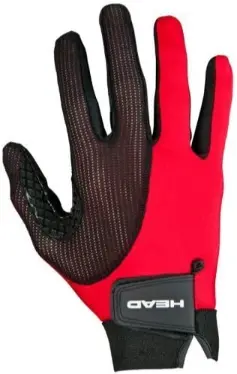
It’s not just your legs that can experience serious soreness after a ride. Your hands, arms, and back can take the toll of a long ride if you tend to grip the handlebars too hard. The tightest of clutches can even lead to a condition called ulnar neuropathy, in which one experiences numbness in the hands and fingers due to too much strain over the length of a bike ride. Take the pressure off your hands and arms and distribute more weight to the bike’s saddle—as long as you have properly installed it, that should be a piece of cake.
Delayed-Onset Muscle Soreness
Even if you’re following best practices on your bike, you can still experience some late-arriving pain. One reason why you’re so sore after riding your bicycle may be a case of delayed-onset muscle soreness, or DOMS. Pedaling hard does some tiny damage to your muscles—tiny tears which your body must repair. Around 48 to 72 hours after a ride, your body starts making those repairs, and the DOMS is a symptom of that work. Be careful about taking NSAIDs to reduce the inflammation that attends DOMS: this inflammation is part of a recovery process you don’t want to impede, or else this soreness will only persist.
Frequently Asked Questions About Cycling Soreness
How can I prevent soreness while cycling?
Ensure a proper bike fit, gradually increase your distance, and incorporate
cross training to balance muscle development.
Should I track my recovery?
Monitoring your heart rate and sleep with the
best fitness tracking watches can help you identify when your body needs more rest between rides.
Cycling Recovery FAQ
How long does cycling soreness last?
Typically, DOMS peaks around 48-72 hours post-ride. Light activity and proper nutrition help speed up the process.
How can I prevent back pain while cycling?
Strengthening your stabilizer muscles is key. Try a core exercises for beginners routine to improve posture and reduce strain on your spine.
Should I cycle every day?
If you are a beginner, rest days are vital. Consider cross training with low-impact activities to maintain fitness without overtaxing specific muscle groups.
Frequently Asked Questions: Cycling Recovery
How long does cycling soreness last?
Typical muscle soreness, or DOMS, usually peaks 48 to 72 hours after your ride and should subside within 3 to 5 days. If pain persists longer, it may be related to bike fit or injury.
Can cross-training help reduce bike soreness?
Yes. Engaging in mobility work and varied activities can improve your resilience in the saddle.
Frequently Asked Questions: Cycling Soreness
Is it normal to be sore after a bike ride?
Yes, especially if you are a beginner or increasing intensity. Soreness often stems from DOMS (Delayed Onset Muscle Soreness) or improper bike fit.
How do I stop my legs from hurting after cycling?
Focus on active recovery, proper hydration, and ensuring your saddle height is correct to prevent overstraining specific muscle groups.
Frequently Asked Questions: Cycling Recovery
How can I speed up recovery after a long bike ride?
Is cycling better than running for joint pain?
Frequently Asked Questions About Cycling Soreness
- How long should I be sore after cycling? Most soreness (DOMS) peaks at 48-72 hours. If pain persists beyond a week, check your bike fit.
- How do I stop my legs from hurting after cycling? Ensure proper hydration, focus on a high-protein diet for muscle repair, and include mobility drills to maintain range of motion.