Skip to content
 Most people buy protein powder based on Instagram ads and influencer codes. That’s why they end up with 5-pound tubs of chalky garbage sitting in their pantry. Here’s the truth: the “best” protein powder doesn’t exist universally—only the best protein powder for your goals, budget, and dietary restrictions. This guide eliminates confusion and gives you a decision framework that actually works.


⚡ Quick Verdict
- You struggle to hit 0.7-1g protein per pound of bodyweight daily
- You need convenient post-workout nutrition
- Whole food protein sources are impractical for your schedule
- You already hit protein targets through whole foods
- You have undiagnosed dairy sensitivities (try isolate or plant-based first)
- You think protein powder is “magic”—it’s just convenient food
- Protein content per serving (aim for 20-30g)
- Third-party testing for quality assurance
🔍 Decision Filter: 5 Questions Before You Buy
- Do you have dairy sensitivities?→ Yes = Choose whey isolate or plant-based. Casein is relatively low in lactose and may work for mild sensitivities.
- What’s your primary goal?→ Muscle gain = Higher protein, lower carbs. Weight gain = Higher calories. Cutting = Lean macros.
- When will you consume it?→ Post-workout = Fast-absorbing whey. Before bed = Slow-digesting casein.
- What’s your budget per serving?→ Budget: $0.80-1.20. Mid-range: $1.20-1.80. Premium: $1.80+
- Do you need additional nutrients?→ Some plant proteins include fiber, iron, B12, and calcium for those with dietary gaps.
Understanding your protein requirements is foundational. If you’re unsure whether supplementation is necessary, check out our guide on whether you’re actually getting enough protein from your current diet.
🏆 Top 7 Protein Powders for Muscle Gain in 2026
1. Optimum Nutrition Gold Standard 100% Whey
Calories: 120
Type: Whey Blend (Isolate + Concentrate)
Price Range: Mid-range
Third-Party Tested: Yes (Informed Sport)
Consistently ranked as the best protein powder for most people by nutrition experts and testing publications. Solid amino acid profile with 5.5g BCAAs per serving.
✓ 20+ flavors
✓ Industry standard
2. Transparent Labs 100% Grass-Fed Whey Isolate
Calories: 120
Type: Whey Isolate
Price Range: Premium
Third-Party Tested: Yes
No artificial sweeteners, colors, or preservatives. Ideal for those who prioritize ingredient transparency and clean labels.
✓ No artificial ingredients
⚠ Higher price point
3. Myprotein Impact Whey Protein
Calories: 103
Type: Whey Concentrate
Price Range: Budget
Third-Party Tested: Yes (Informed Sport)
Excellent value with frequent sales. Over 40 flavor options. Slightly higher carbs than isolates but exceptional cost-per-gram of protein.
4. Garden of Life Sport Organic Plant-Based Protein
Calories: 160
Type: Pea + Sprouted Grains
Price Range: Premium
Third-Party Tested: Yes (NSF Certified)
Pea-based proteins can deliver 20g protein along with 10g of fiber and helpful amounts of calcium, zinc, iron, and B12—making them a smart option for vegans looking to fill common nutrient gaps [[3]].
For more plant-based options, explore our comprehensive guide on vegetarian protein sources and how to get protein from vegetables.
5. Dymatize ISO100 Hydrolyzed
Calories: 110
Type: Hydrolyzed Whey Isolate
Price Range: Premium
Third-Party Tested: Yes (Informed Sport)
Hydrolyzed for faster digestion. Zero lactose, less than 1g carbs and fat. The Gourmet Chocolate flavor consistently wins taste tests.
6. Optimum Nutrition Gold Standard 100% Casein
Calories: 120
Type: Micellar Casein
Price Range: Mid-range
Third-Party Tested: Yes
Casein protein is found in milk-based products but is relatively low in lactose, making it suitable for those with mild lactose intolerance. It dissolves quickly in cold water, making it an ideal slow-release option [[9]].

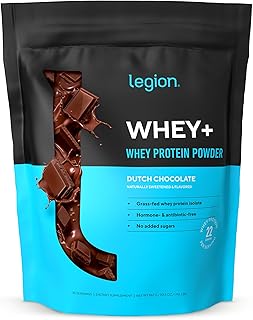
7. Legion Whey+ Protein Powder
Calories: 110
Type: Whey Isolate
Price Range: Premium
Third-Party Tested: Yes (Labdoor verified)
100% whey isolate with no artificial sweeteners (uses stevia). Lecithin included for improved mixability—products with lecithin typically mix smoothly after 60 seconds [[4]].
📊 Specs That Matter (Translated)
| Spec | What It Means | Who Cares | Dealbreaker If… |
|---|---|---|---|
| Protein per serving | Grams of actual protein you get | Everyone | Below 20g per serving |
| Protein type | Isolate = purer, Concentrate = cheaper, Casein = slow | Lactose intolerant, budget-conscious | You’re dairy-free but bought whey |
| BCAAs | Branch-chain amino acids for muscle synthesis | Serious lifters | Below 4g per serving |
| Carbs/Fats | Extra macros beyond protein | Those cutting or on keto | Over 5g carbs if you’re cutting |
| Third-party testing | Independent verification of contents | Everyone (seriously) | No certification at all |
| Mixability | How smoothly it blends | Those mixing with just water | Clumps remain after 60 seconds of shaking |
🎯 Real-World Use Cases
Needs 25-30g protein post-workout, values fast absorption. → BUY: Dymatize ISO100 or Transparent Labs Isolate. Hydrolyzed whey gets to your muscles faster.
Needs protein plus some carbs for glycogen replenishment. → BUY: Optimum Nutrition Gold Standard (has 3g carbs). Pair with your post-workout meal strategy.
Needs complete amino acid profile without dairy. → BUY: Garden of Life Sport or Vega Sport Premium. Look for blends (pea + rice) for complete amino profiles.
Needs solid protein without premium pricing. → BUY: Myprotein Impact Whey. Wait for sales (they’re frequent) and buy in bulk.
Wants slow-release protein before bed for overnight recovery. → BUY: ON Gold Standard Casein. Take 30-60 minutes before sleep.
Avoids artificial sweeteners and fillers. → BUY: Legion Whey+ or Transparent Labs. Both use natural sweeteners and publish full ingredient testing.
Needs fast recovery between intense sessions. → BUY: Dymatize ISO100. See our dedicated guide on the best protein for CrossFit athletes.
✅ What Protein Powder Nails vs. ❌ Where It Falls Short
✅ What It Nails
- Convenience: 30 seconds to consume 25g protein
- Cost efficiency: Cheaper per gram than most whole food sources
- Portability: Shake and go, anywhere
- Precise tracking: Exact macros for calorie counters
- Absorption speed: Faster than chicken breast post-workout
- Taste variety: 20+ flavors beat plain eggs every time
❌ Where It Breaks
- Not a complete meal: Missing micronutrients, fiber, fats
- Satiety: Liquid calories don’t fill you up like solid food
- Digestive issues: Some people bloat from whey concentrate
- Quality variance: Not all brands are third-party tested
- Artificial ingredients: Many budget options use fillers
- Overreliance risk: Can replace whole foods if not careful
Remember: protein powder supplements your diet—it doesn’t replace it. For a complete understanding of why protein is the key to optimal health, focus on whole food sources first.
🥤 How to Use Protein Powder (Without Wasting It)
⏰ Timing Matters (But Not As Much As You Think)
- Post-workout: Within 2 hours (not 30 minutes—that’s a myth)
- Morning: If you skip breakfast, a shake prevents muscle breakdown
- Before bed: Casein only—whey digests too fast
- Between meals: When whole food isn’t practical
📐 Dosage Guidelines
| Body Weight | Daily Protein Target | Supplement Amount |
| 150 lbs (68 kg) | 105-150g | 1-2 scoops (25-50g) |
| 180 lbs (82 kg) | 126-180g | 1-2 scoops (25-50g) |
| 200+ lbs (91+ kg) | 140-200g | 2 scoops (50g) |
🔄 Alternatives (Don’t Waste Your Money)
Simple decision tree:
- If you want weight gain + muscle: Consider our bulking stack guide for mass gainers
- If you want ready-to-drink convenience: Check our ranking of the best protein shakes
- If you want better taste over everything: See the best tasting protein powders ranked
- If you’re on keto: Look at our keto protein powder rankings
- If you’re paleo: Check the best paleo-friendly protein powders
- If you prefer whole foods: Read our guide on surprising good sources of protein
❓ Frequently Asked Questions
Is whey protein better than plant protein for muscle gain?
For most people, whey has a slight edge due to its complete amino acid profile and faster absorption. However, plant proteins (especially pea + rice blends) can match whey’s muscle-building effects when total daily protein is equalized. Choose based on dietary restrictions, not perceived superiority.
How much protein powder should I take per day?
1-2 scoops (25-50g) maximum. Protein powder should supplement your diet, not dominate it. Aim to get 70%+ of your protein from whole foods. If you need more than 50g from powder daily, reassess your meal planning.
What’s the difference between whey isolate and concentrate?
Isolate: 90%+ protein, minimal lactose/fat, higher price. Concentrate: 70-80% protein, more lactose/fat, budget-friendly. If you’re lactose sensitive or cutting, choose isolate. Otherwise, concentrate offers better value.
Does protein powder expire or go bad?
Yes. Most protein powders last 12-24 months unopened. Once opened, use within 3-6 months. Store in a cool, dry place. If it smells off, clumps excessively, or changes color—toss it.
Can I take protein powder without working out?
Yes, but it’s just food. Without resistance training, extra protein won’t build muscle—it’ll either be used for other bodily functions or converted to energy. If you’re sedentary, focus on whole food protein sources instead.
Why does my protein powder make me bloated?
Usually lactose intolerance (switch to isolate or plant-based), drinking too fast, or artificial sweeteners. Try a different type or brand. If bloating persists across all proteins, consult a healthcare provider.
Is it better to take protein before or after a workout?
Total daily protein matters more than timing. That said, consuming protein within 2-3 hours post-workout is optimal for muscle protein synthesis. The “30-minute anabolic window” is largely a myth.
What should I look for on a protein powder label?
Protein per serving (20g+), third-party testing certification (NSF, Informed Sport), ingredient transparency, and protein source listed first. Avoid proprietary blends that hide exact amounts.
📚 References & Resources
- Optimum Nutrition Official Website
- Transparent Labs Official Website
- Myprotein Official Website
- Garden of Life Official Website
- Dymatize Official Website
- Legion Athletics Official Website
- ConsumerLab Protein Powder Testing
- NSF Certified for Sport
- Informed Sport Certification
- Labdoor Protein Rankings
About the Author
Alexios Papaioannou
Fitness & Nutrition Editor at GearUpToFit
Certified personal trainer with 8+ years of experience in sports nutrition. Former competitive athlete. Focuses on evidence-based recommendations without industry hype.
Editorial Standards
- No paid rankings or sponsored placements
- No fake “testing” claims without verification
- All affiliate relationships disclosed
- Recommendations based on third-party data and expert consensus
Last Updated: December 23, 2025 | Medical Disclaimer: This content is for informational purposes only and does not constitute medical advice. Consult a healthcare professional before starting any supplement regimen.
FAQ
What will I learn?
This guide covers 2026’s Best Protein Powder for Muscle Gain: Top 7 Proven Picks.