
Nutrition guide • Low-calorie swaps • Updated May 2026
Juice does not burn fat. But a small, vegetable-forward homemade juice can help weight loss when it replaces a higher-calorie drink or snack and fits into a balanced eating plan. Use these 10 healthy juice recipes as smart swaps, not meal replacements.
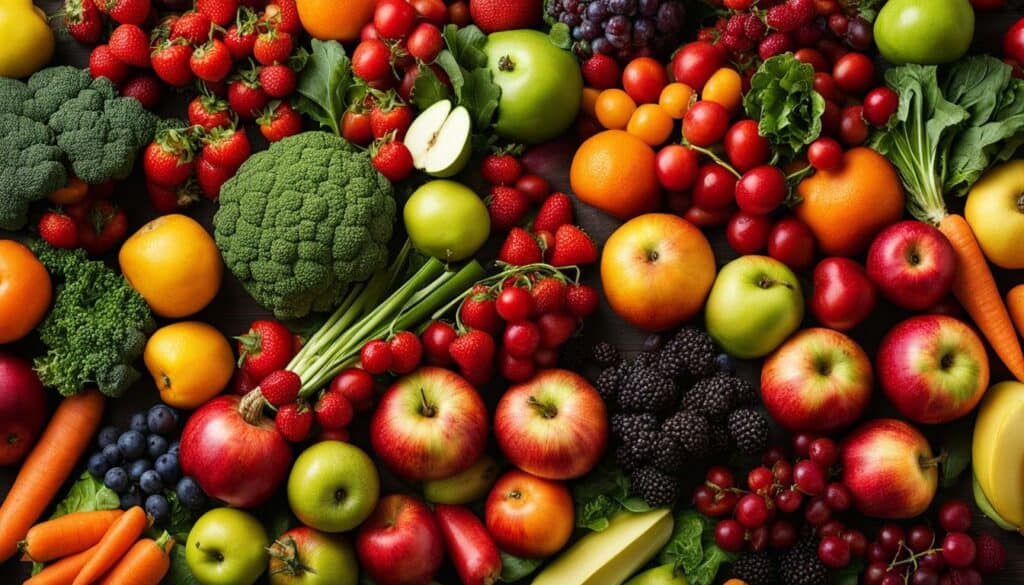
The best low-calorie juices for weight loss are vegetable-heavy drinks that replace higher-calorie beverages, not “fat-burning” drinks. Keep most servings to 8-12 ounces, use mostly cucumber, celery, leafy greens, tomato, citrus, herbs, and a small amount of fruit for flavor. For fullness, pair juice with protein or choose a blended smoothie that keeps the pulp and fiber.
Think of these recipes as a simple swap: instead of soda, sweet tea, a large bottled juice, or a high-calorie coffee drink, make a fresh juice with vegetables, herbs, citrus, and limited fruit. That can lower your calorie intake while still giving you flavor, hydration, potassium, vitamin C, and plant compounds from produce.
This page deliberately avoids “detox,” “rapid fat loss,” and “metabolism booster” promises. Your body does not need juice to detox, and a drink cannot override total calories, protein intake, sleep, training, or consistency. The goal is safer and more useful: make a drink you enjoy, keep calories reasonable, and avoid turning juice into a sugar-heavy health halo.
For sustainable fat loss, build meals around protein, high-fiber carbohydrates, vegetables, healthy fats, and calorie awareness. Juice can be part of that pattern, but it should not replace meals. For a fuller framework, read GearUpToFit’s guide to sustainable healthy eating for weight loss.
Can juice help with weight loss?
Yes, but only in one practical way: it may help you reduce calories when it replaces something higher in calories. Juice itself does not force fat loss. Fat loss still depends on your overall calorie intake, food quality, activity, sleep, and adherence.
Replace a sugary drink or snack with a 60-130 calorie vegetable-based juice.
Juice is usually low in protein and low in fiber after straining, so it is rarely filling enough.
Fruit is nutritious, but juice concentrates sugars and removes much of the fiber-rich pulp.
The NIH/NIDDK weight-management guidance emphasizes healthy eating patterns that include vegetables, whole grains, protein foods, and fruits, especially whole fruits rather than fruit juices. It also notes that adults trying to lose weight should reduce calories from foods and beverages. That is exactly why this guide frames juice as a lower-calorie drink swap rather than a shortcut.
Each recipe includes calories, protein and fiber notes, and a higher-fiber option.
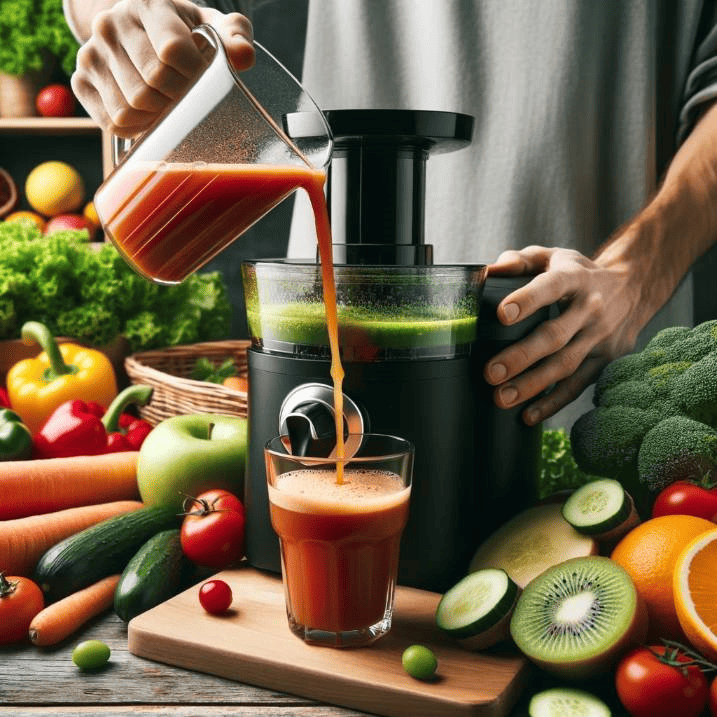
Calories, protein, fiber, and best use for each juice
These nutrition numbers are estimates for one 8-12 ounce serving. Actual calories vary by produce size, ripeness, juicer yield, and how much pulp you strain out. In general, most strained juices are low in protein and low in fiber, while smoothies keep more fiber.
| Recipe | Approx. calories | Protein / fiber note | Best lower-calorie swap | Higher-fiber option |
|---|---|---|---|---|
| Cucumber-Celery Green Juice | About 100 | About 2g protein; usually less than 1g fiber if strained | Sweet tea, lemonade, or soda | Blend with ice and keep pulp; add chia separately if making a smoothie |
| Cucumber Mint Lime Cooler | About 60 without apple; about 105 with apple | Very low protein; low fiber if strained | Flavored bottled drinks | Use a whole cucumber smoothie with mint and lime |
| Beet Berry Citrus Juice | About 130 | About 3g protein; 1-2g fiber depending on pulp | Pre-workout sugary drinks | Blend berries instead of juicing them |
| Carrot Orange Ginger Juice | About 120 | About 2g protein; low fiber if strained | Orange soda or large orange juice | Use half an orange and blend with Greek yogurt for a snack |
| Watermelon Lime Refresher | About 115 | About 2g protein; low fiber if strained | Sports drinks outside hard training sessions | Eat watermelon cubes with a protein-rich meal |
| Grapefruit Celery Splash | About 90 | About 2g protein; low fiber if strained | Bottled citrus drinks | Eat grapefruit segments instead of juicing when hunger matters |
| Tomato Red Pepper Garden Juice | About 75 | About 3g protein; can keep more pulp than fruit juices | Bloody Mary mix or salty vegetable cocktails | Blend as a cold gazpacho-style smoothie |
| Parsley Apple Lemon Juice | About 95 | About 2g protein; low fiber if strained | Sweet green bottled juices | Use only half an apple and keep the pulp |
| Pineapple Spinach Green Juice | About 90 | About 2g protein; low fiber if strained | Tropical juice blends | Blend with spinach and water instead of straining |
| Cabbage Apple Ginger Juice | About 95 | About 2g protein; about 1g fiber if lightly strained | Sweet bottled wellness shots | Blend with extra cucumber for more volume |
For the strongest satiety effect, pair one juice with a protein-rich food. Good examples include eggs, Greek yogurt, cottage cheese, tofu, tempeh, lean meat, fish, or a protein smoothie. GearUpToFit’s guide to high-protein breakfasts that support satiety is a helpful companion to this juice guide.
10 low-calorie juice recipes for weight loss swaps
Each recipe makes one serving. Wash all produce well, remove inedible peels and pits, juice the ingredients, stir, and drink fresh. If using a blender, add 1/4 to 1/2 cup cold water, blend until smooth, and strain only if you truly want a thinner juice.
Homemade juice is fresh and unpasteurized. Wash hands, wash produce under running water, clean your juicer or blender immediately, refrigerate leftovers quickly, and drink within 24 hours for best quality. Children, older adults, pregnant people, and people with weakened immune systems should be extra cautious with untreated juices.
1. Cucumber-Celery Green Juice
Ingredients
- 1/2 large cucumber
- 3 celery stalks
- 2 cups spinach
- 1/2 green apple
- 1/2 lemon, peeled
- Small piece of ginger, optional
Method
- Wash the cucumber, celery, spinach, apple, lemon, and ginger.
- Juice the cucumber and celery first, then spinach, apple, lemon, and ginger.
- Stir well and serve over ice.
2. Cucumber Mint Lime Cooler
Ingredients
- 1 large cucumber
- 1 lime, peeled
- 10 fresh mint leaves
- 1/2 green apple, optional
- Ice and cold water, as needed
Method
- Juice cucumber, lime, mint, and optional apple.
- Add ice and dilute with cold water if the flavor is too strong.
- Drink immediately for the freshest taste.
3. Beet Berry Citrus Juice
Ingredients
- 1 small beet, scrubbed
- 1 cup strawberries
- 1/2 cup blueberries
- 1/2 lemon, peeled
- 1/2 cucumber
Method
- Juice the beet, cucumber, lemon, strawberries, and blueberries.
- Stir and add ice.
- If using a blender, keep the berry pulp for more fiber.
4. Carrot Orange Ginger Juice
Ingredients
- 2 medium carrots
- 1 small orange, peeled
- 1/2 lemon, peeled
- Small piece of fresh ginger
- 1/4 cucumber, optional for dilution
Method
- Juice carrots first, then orange, lemon, ginger, and optional cucumber.
- Stir and taste.
- Add cold water if you want a lighter drink.
5. Watermelon Lime Refresher
Ingredients
- 2 cups watermelon cubes
- 1/2 cucumber
- 1 lime, peeled
- Fresh mint, optional
- Pinch of salt, optional after sweaty training
Method
- Juice or blend watermelon, cucumber, lime, and mint.
- Serve cold over ice.
- Use the pinch of salt only when it fits your sodium needs.
6. Grapefruit Celery Splash
Ingredients
- 1/2 grapefruit, peeled
- 3 celery stalks
- 1/2 cucumber
- 1/2 lime, peeled
- Mint or basil, optional
Method
- Juice celery and cucumber first.
- Add grapefruit, lime, and herbs.
- Stir and serve chilled.
7. Tomato Red Pepper Garden Juice
Ingredients
- 2 medium tomatoes
- 1 red bell pepper
- 1 celery stalk
- 1/2 lemon, peeled
- Black pepper, parsley, or basil to taste
Method
- Juice tomatoes, bell pepper, celery, and lemon.
- Stir in black pepper and herbs.
- Serve cold, or blend with ice for a thicker gazpacho-style drink.
8. Parsley Apple Lemon Juice
Ingredients
- 1 packed cup parsley
- 1/2 green apple
- 1/2 cucumber
- 2 celery stalks
- 1/2 lemon, peeled
Method
- Juice cucumber and celery first to help pull parsley through the juicer.
- Add parsley, apple, and lemon.
- Stir and drink fresh.
9. Pineapple Spinach Green Juice
Ingredients
- 1/2 cup pineapple chunks
- 2 cups spinach
- 1/2 cucumber
- 1 celery stalk
- 1/2 lime, peeled
Method
- Juice cucumber and celery first.
- Add spinach, pineapple, and lime.
- Stir, add ice, and serve.
10. Cabbage Apple Ginger Juice
Ingredients
- 1 cup chopped green cabbage
- 1/2 green apple
- 1/2 cucumber
- 1/2 lemon, peeled
- Small piece of ginger
Method
- Juice cucumber first, then cabbage, apple, lemon, and ginger.
- Stir well because cabbage juice can separate.
- Serve cold.
If you want a drink that keeps you full longer, make a smoothie instead of a strained juice. GearUpToFit has a full guide to low-sugar green smoothie ingredients for weight loss, plus a separate guide to fiber-rich smoothies for gut health.
Whole fruit vs juice vs smoothie: which is best for weight loss?
For everyday weight management, whole fruit usually wins because it keeps the fiber, chewing, water volume, and natural structure of the food. Smoothies are usually next best because they keep the pulp. Juice can still fit, but it is easier to drink quickly and is usually less filling.
| Option | Fiber | Fullness | Best use | Watch-out |
|---|---|---|---|---|
| Whole fruit | Highest | Highest | Daily snacks, dessert swap, breakfast side | Portion still matters if you count carbs |
| Smoothie | Moderate to high | Moderate to high when protein is added | Breakfast or post-workout snack | Can become high calorie with nut butter, juice bases, honey, or large fruit portions |
| Juice | Low after straining | Lowest | Lower-calorie drink swap | Easy to overdrink; fruit-heavy versions can add carbs quickly |
Use this simple rule: eat fruit when hunger matters, blend when fullness matters, juice when you want a lower-calorie beverage swap. For weekly structure, pair these recipes with meal planning for weight loss so your drinks support your meals instead of replacing them.
Diabetes and blood sugar cautions
If you have diabetes, prediabetes, insulin resistance, reactive hypoglycemia, or you use medication that can affect blood sugar, treat juice as a carbohydrate-containing drink. The American Diabetes Association notes that fruit juice portions can be small for the same carbohydrate amount, and small portions may not be as filling as other fruit choices.
Do not use these juices to “control blood sugar.” They are recipes, not medical treatment. Consider smaller 4-8 ounce servings, choose the lower-fruit recipes, drink juice with a balanced meal rather than alone, and monitor your own glucose response if you have been advised to do so.
Best lower-sugar choices from this list
- Tomato Red Pepper Garden Juice because it is savory and lower in fruit sugar.
- Cucumber Mint Lime Cooler without apple because it is mostly cucumber, lime, and herbs.
- Grapefruit Celery Splash only if grapefruit is safe with your medications.
- Cucumber-Celery Green Juice with extra cucumber and no apple if you want it less sweet.
When in doubt, choose whole fruit or a smoothie with protein and fiber instead of juice. This is especially important if liquid carbs tend to raise your blood glucose quickly.
How to prep these juices without turning them into a calorie bomb
Aim for roughly 80% vegetables and 20% fruit by volume. Lemon, lime, mint, parsley, basil, and ginger add flavor without needing extra fruit.
Avoid honey, agave, table sugar, fruit juice concentrate, sweetened coconut water, or sweetened protein drinks as juice bases.
Most people do best with 8-12 ounces. More is not automatically better, especially with fruit-forward recipes.
Juice is not a protein source. Pair it with eggs, Greek yogurt, tofu, cottage cheese, lean meat, fish, or legumes.
Need more juicer technique, storage, and equipment basics? Read GearUpToFit’s guide to proper juicing technique and juicer-vs-blender tips.
Helpful video: beginner juicing tips
This video is useful for seeing ingredient prep and beginner-friendly juice workflow. Use the recipes on this page as the nutrition framework: keep the fruit portion modest, avoid added sugar, and choose a smoothie when you need more fiber.
Frequently asked questions
What is the best juice for weight loss?
The best juice for weight loss is a low-calorie, vegetable-forward juice that replaces a higher-calorie drink. Cucumber, celery, tomato, leafy greens, lemon, lime, ginger, and herbs are good base ingredients. The best recipe from this list for most beginners is the Cucumber-Celery Green Juice because it is simple, refreshing, and not overly sweet.
Can juice burn belly fat?
No. Juice does not target belly fat or burn fat by itself. A juice can support weight loss only if it helps you maintain a calorie deficit over time. For belly fat, the bigger priorities are total diet quality, calorie intake, protein, strength training, walking or cardio, sleep, and consistency.
Is juicing or blending better for weight loss?
Blending is usually better for fullness because it keeps the pulp and fiber. Juicing can be useful as a lower-calorie beverage swap, but it is less filling. If you are hungry soon after juice, switch to a smoothie or pair the juice with a protein-rich food.
How much juice should I drink per day for weight loss?
Most people should keep juice to one small 8-12 ounce serving and use it as a drink swap, not as a meal replacement. If you have diabetes or monitor carbs, a smaller 4-8 ounce portion may be more appropriate.
Should I do a juice cleanse to lose weight quickly?
A juice cleanse is not recommended for sustainable weight loss. Juice-only diets are usually low in protein, low in fiber, and hard to maintain. They may also increase hunger and make it harder to preserve muscle. Use these juices alongside balanced meals instead.
Which juice recipe has the least sugar?
The Tomato Red Pepper Garden Juice and the Cucumber Mint Lime Cooler without apple are the least sweet options in this guide. Fruit-heavy juices such as watermelon, carrot-orange, and beet-berry have more natural sugars and should be portioned more carefully.
Can people with diabetes drink these juices?
Some people with diabetes may fit small portions of juice into their meal plan, but juice can raise blood glucose quickly and is not as filling as whole fruit. Choose lower-fruit recipes, use smaller servings, drink with a balanced meal, and follow your clinician’s carbohydrate guidance.
How long does homemade juice last?
Fresh homemade juice tastes best immediately. If you need to store it, refrigerate it in a clean, airtight container and drink it within 24 hours for best quality and safety. Discard juice that smells off, tastes fermented, or was left at room temperature too long.
References and editorial sources
- NIDDK/NIH: Eating & Physical Activity to Lose or Maintain Weight
- American Diabetes Association: Best Fruit Choices for Diabetes
- FDA: What You Need to Know About Juice Safety
- Dietary Guidelines for Americans
Medical and nutrition content is educational only and is not a substitute for personal advice from a registered dietitian, physician, or qualified healthcare professional.
Juicing for Weight Loss: Quick Facts
- Is juice a meal replacement? No. For sustainable results, pair juice with a 40-40-20 diet meal plan.
- What is the best type? Vegetable-heavy juices (cucumber, celery, greens) serve as the best low-calorie swaps.
- How to stay full? Keep the fiber by blending instead of straining, or follow a structured weight loss plan for active people.
