


The Puma MagMax 2 lands as Puma’s refined answer to the high-stack, long-run shoe market. I put this one through weeks of steady miles to see whether the changes from the original are meaningful and who should choose the Puma MagMax 2 over its closest rivals. If you want a high-stack daily that can swallow marathon miles and still feel lively, this review covers specs, fit, ride, comparisons, pros, cons and my honest recommendation.
Quick overview and what changed
Puma took a popular first attempt with the original MagMax and returned with the Puma MagMax 2. The brief was clear: keep the plush, durable mileage platform but make it lighter and a touch more responsive. The headline changes are substantial enough to matter in everyday training.
- Weight reduction: My UK size 12 sample dropped from 366g to 324g — a 42g reduction that translates to a noticeably nimbler feel on faster efforts.
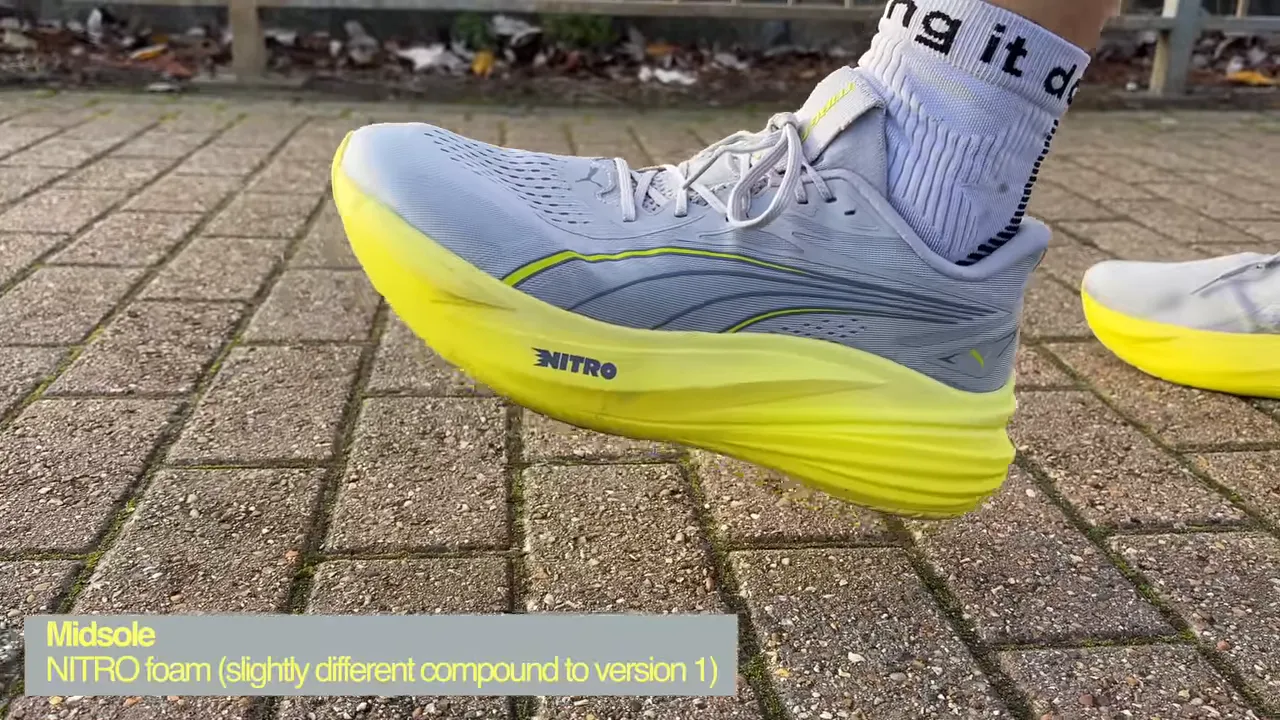
- Updated midsole foam: Puma’s Nitrofoam has been retuned. It still delivers generous cushioning, but with more bounce and slightly improved responsiveness.
- Roomier toe box: The upper is more accommodating up front, which helps wider-footed runners or anyone who hated the snug front of version one.
- Same stack and drop: 46mm heel, 8mm drop — unchanged, so you still get the same high-stack ride but with reduced mass.
- Price: RRP stayed the same as the original, which I’ll discuss later when comparing value against competitors.
Key specifications
- Model: Puma MagMax 2
- Purpose: Easy runs, long runs, daily mileage — especially suited to heavier runners and high-mileage training.
- Stack height: 46mm heel / 38mm forefoot (8mm drop)
- Weight: 324g (UK size 12 sample)
- Midsole: Nitrofoam (nitrogen-infused compound, tuned for more bounce)
- Upper: Engineered knit with a stretchy woven tongue for comfort and lockdown
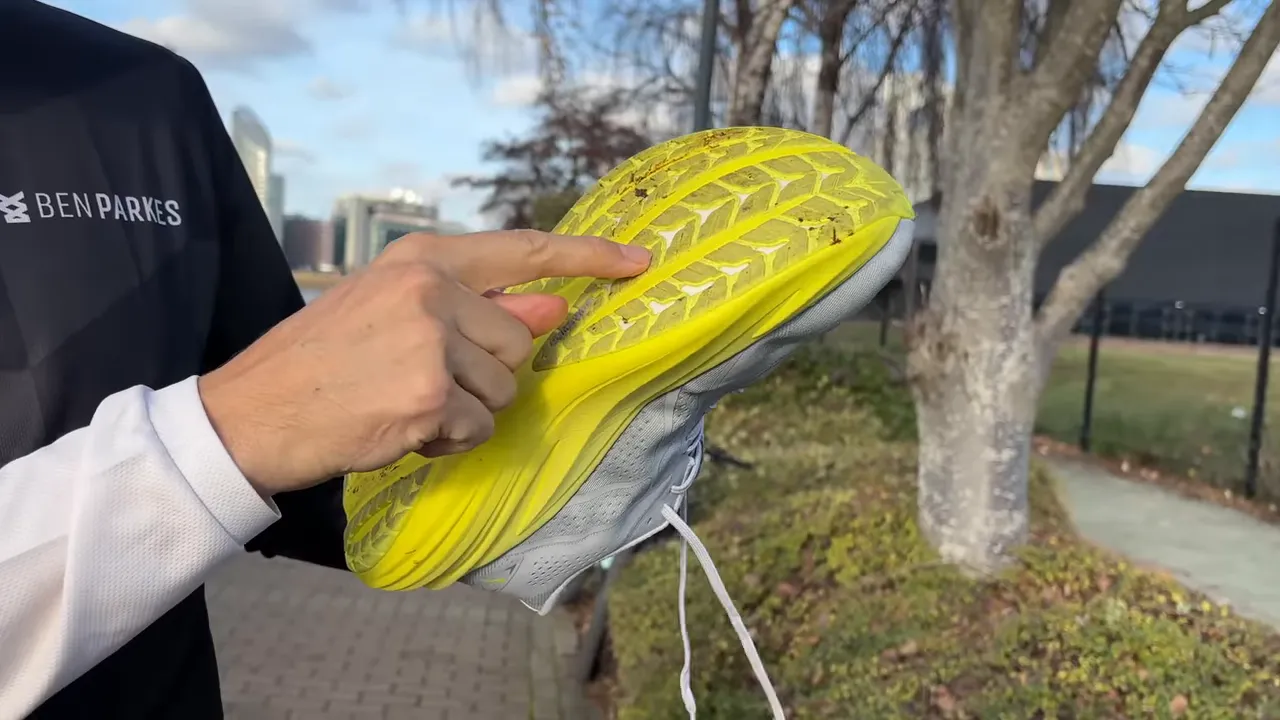
- Outsole: Puma Grip rubber coverage — slightly reduced to save weight but still grippy
- Pricing: £170 RRP

PUMA Men’s Magmax Nitro Running Shoes
How it fits and feels on the run
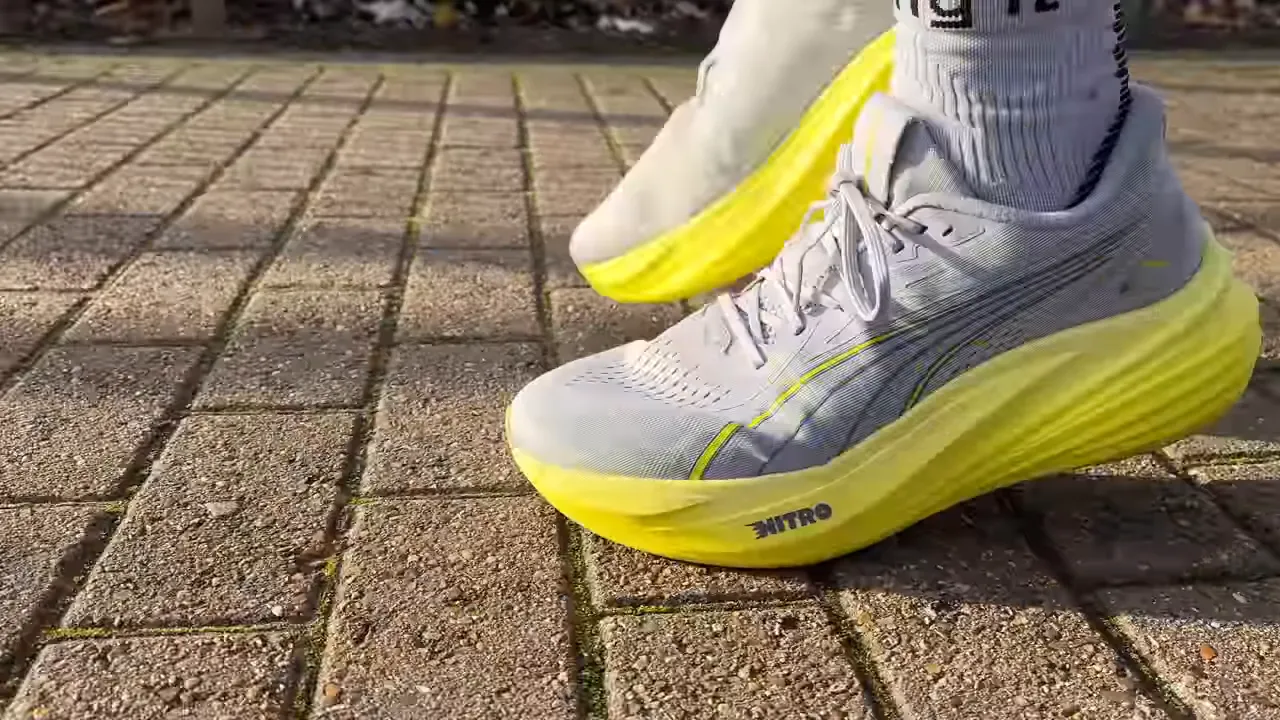
The Puma MagMax 2 is a plush, high-stack shoe that surprises you with how lively it can feel. Because the team reduced weight and tweaked the Nitrofoam, the shoe doesn’t feel like a brick on your feet. Instead it moves with a sense of buoyancy that makes steady long miles feel less fatiguing and allows you to push into marathon pace efforts without the shoe feeling sluggish.
The engineered knit upper and the stretchy, woven tongue offer a comfortable, sock-like wrap. If you have wider feet, the Puma MagMax 2 will be a relief — there’s more room in the toe box than before and the knit stretches nicely. If you have narrow feet, expect a little giveaway at the front; I noticed some minor bunching on longer runs, but it didn’t affect performance.
Ride characteristics — what to expect
The Nitrofoam tuning on the Puma MagMax 2 gives a lively, bouncy sensation without turning the shoe into a carbon-plate race shoe. The rocker geometry is moderate; transitions feel smooth rather than aggressively propelled. That means you get:
- Comfort-forward cushioning that still allows for tempo or 10K-pace efforts.
- Responsive rebound that helps roll you forward through long repeats and marathon-paced runs.
- Secure upper that keeps the foot stable despite the high stack, aided by the knit and tongue combination.
What I liked
- Improved weight and nimbleness — The 42g drop in my size made a real difference. The MagMax 2 feels more versatile for training where you might want to pick up the pace occasionally.
- Springy, responsive midsole — It still prioritises comfort but now rewards a harder effort with a livelier rebound.
- Comfortable upper — The engineered knit and woven tongue equal a plush fit and good lockdown for long miles.
- Puma Grip outsole — Even with less rubber coverage than version one, grip on wet roads is excellent. That’s a standout for UK conditions.
- Durability — The first MagMax was famously long-lasting and the MagMax 2 looks and feels built to the same standard.
What I didn’t like
- Toe box width for narrow feet — The extra room is great for wide-footed runners, but if you’re narrow you might experience toe-box bunching.
- Price — At £170 it’s a premium ask. Puma usually leans good value, so this sits a little higher than I expected given close alternatives.
- Stability at corners — Max-stack shoes can feel slightly unsure through tight turns; Puma trimmed outsole coverage to save weight, and that reduces lateral stability a touch compared with shoes with full-length rubber.
Puma MagMax 2 vs main alternatives
When you’re choosing a high-stack daily you’re often weighing cushioning, responsiveness, durability and price. Two clear rivals for the Puma MagMax 2 are the Asics MetaRacer-style offering in the Megablast and Nike’s Vomero Plus. Both approach this market differently.

Nike Vomero Plus (Black)
Puma MagMax 2 vs Asics Megablast
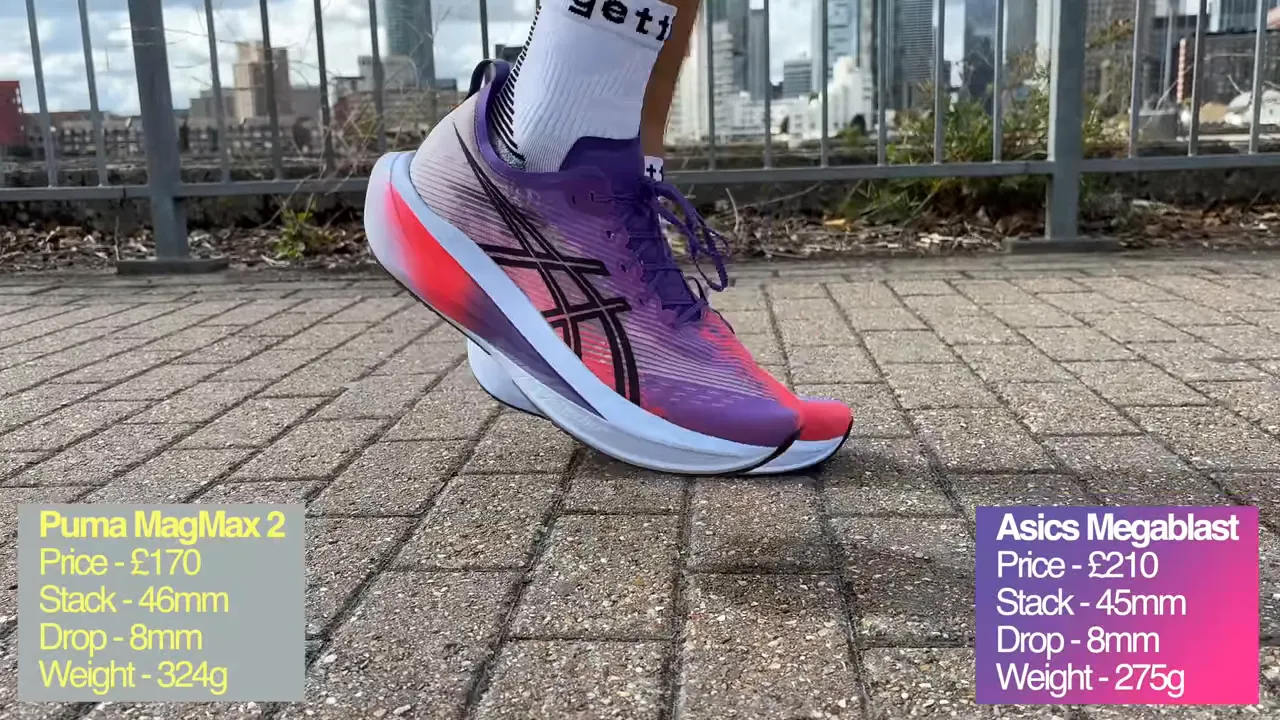
The Asics Megablast is lighter and uses a higher-end foam that feels more race-oriented. It will carry you faster on tempo sessions and key workouts because it offers a quicker turn of pace. The Megablast is less soft and plush than the Puma but more responsive at speed. If you want one shoe for race day or fast thresholds, the Megablast is closer to that. If you want a durable mileage monster that you can bank long runs in week after week, the Puma MagMax 2 has the edge.

ASICS Unisex MEGABLAST Running Shoes
Puma MagMax 2 vs Nike Vomero Plus
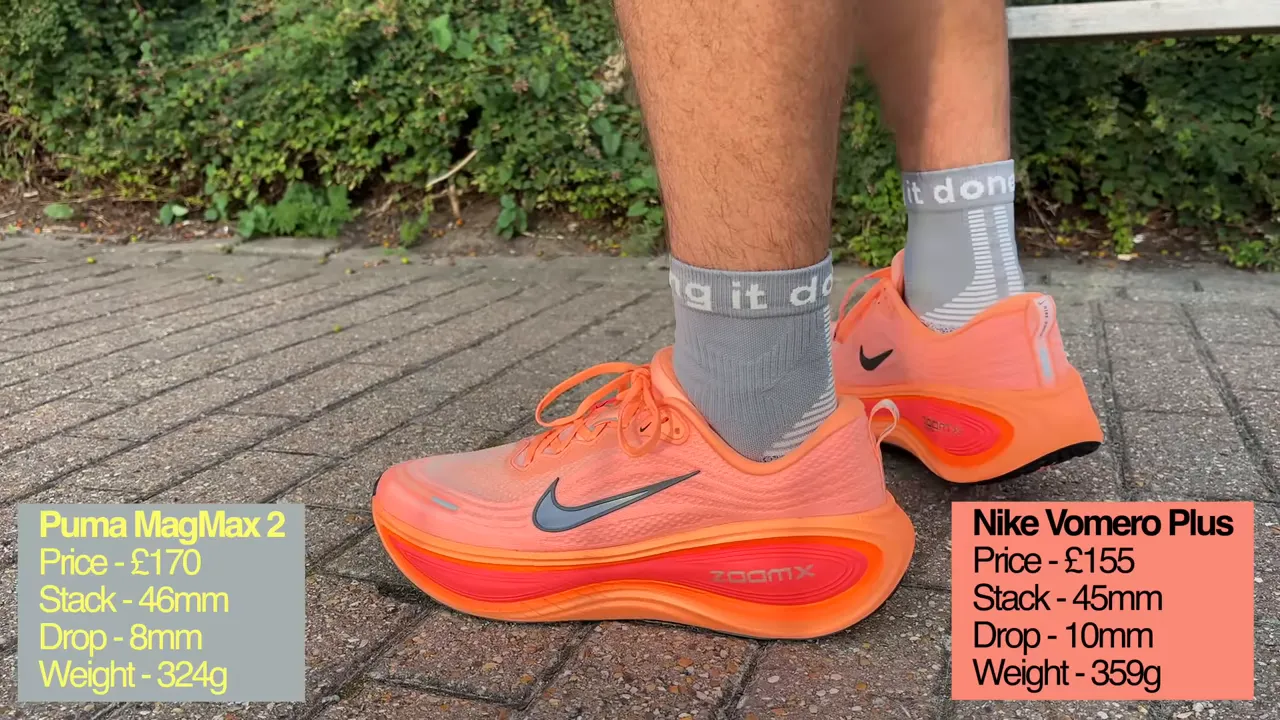
The Nike Vomero Plus is slightly cheaper and a little heavier — mostly due to a full-length outsole that adds stability. It feels firmer and a touch more reactive on quicker efforts than the Puma, while the Puma is softer and more comfort-driven. If you want a do-it-all high-stack daily that leans toward stability and slightly better quickness, the Nike Vomero Plus is a sensible pick. If your priority is long-run plushness, soft midsole comfort and durability, the Puma MagMax 2 is the better long-distance companion.
Who the Puma MagMax 2 is for
This shoe hits a specific sweet spot. Pick the Puma MagMax 2 if you:
- Log long miles regularly — marathon training, long runs and recovery days.
- Are a heavier runner who needs substantial cushion and durable construction.
- Want a high-stack shoe that still feels lively for tempo work and faster segments within training runs.
- Prefer a slightly roomier toe box and a comfortable knit upper.
Consider other options if you:
- Need a race-day, speed-first shoe — the Megablast or other race-oriented trainers will suit better.
- Prefer a narrow fit — you might find the Puma toe box a little loose.
- Are on a strict budget — the Vomero Plus offers close performance for less money in many markets.
Durability and real-world mileage
One of the original MagMax’s strongest traits was longevity. I put many happy kilometres on my version one pair and the Puma MagMax 2 looks built the same way. The Nitrofoam feels resilient and the outsole rubber, although reduced in coverage, uses Puma Grip in the right places. Expect this to hold up well over time compared with softer, faster foams that can compress more quickly.
Colors and aesthetics
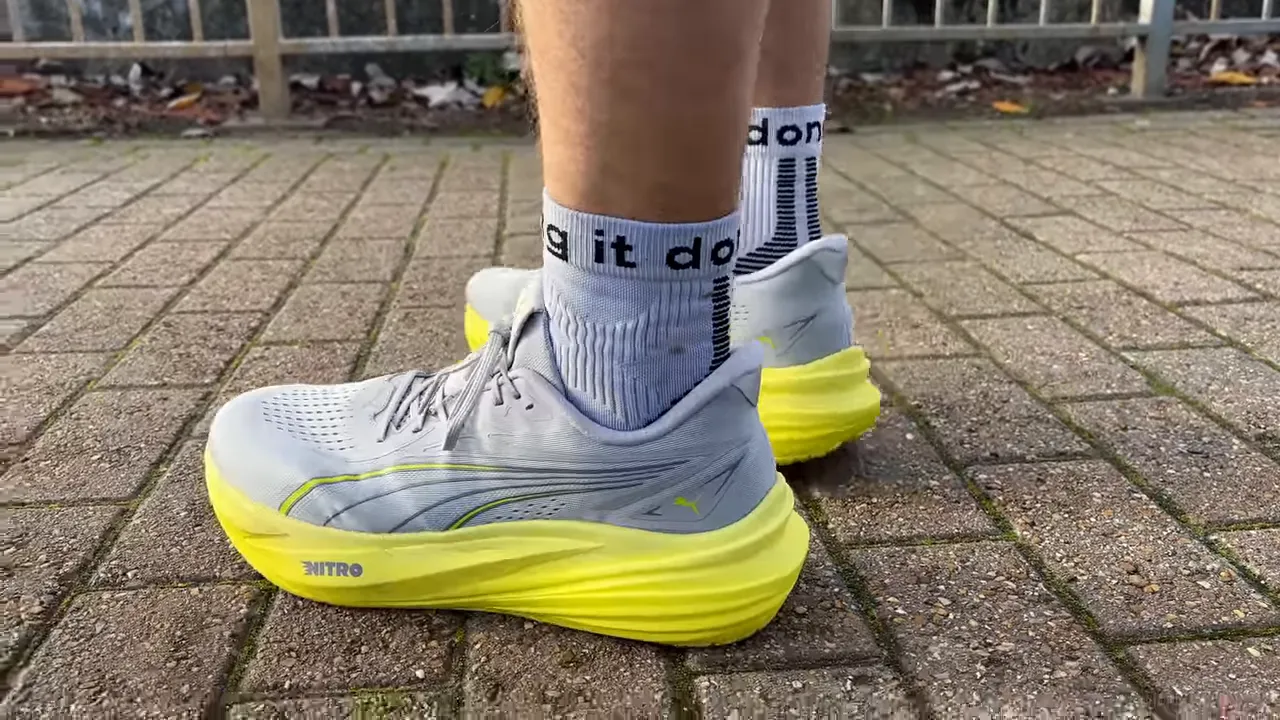
Puma’s colour choices are bold. I particularly like the yellowway — it pops on the road and looks great with casual running layers. The modern knit upper gives the Puma MagMax 2 a contemporary silhouette that works both on long runs and in the gym when you need an all-day trainer.
Price and value
At £170 the Puma MagMax 2 is priced at the premium end of the daily trainer market. Puma often provides strong value, but here the price sits close to rivals with similar capabilities. If you can find the original MagMax discounted, it remains an excellent buy. But if you want the lighter, slightly bouncier ride and the updated fit, the Puma MagMax 2 justifies the premium for serious mileage runners who want comfort and durability.
Final verdict
Puma set out to make the Puma MagMax 2 lighter and more responsive while keeping everything runners loved about the original. Mission accomplished. The shoe feels less ponderous, more versatile, and retains the long-run comfort and durability that made the first MagMax stand out.
If you loved the original, you will likely love this one. If you find a version one on a deep discount, it is still a fantastic option. For runners building marathon mileage or anyone who wants a long-run workhorse that still reacts when you step on the gas, the Puma MagMax 2 is a top pick. If you need something more race-focused or prefer firmer reactivity for faster sessions, look at the Asics Megablast or the Nike Vomero Plus instead.
Does the Puma MagMax 2 run true to size?
The Puma MagMax 2 fits true to size in my experience. The upper is slightly more spacious in the toe box than the original, so if you are between sizes and prefer a snug fit you might consider sizing carefully, but standard sizing works well for most runners.
How much lighter is the Puma MagMax 2 compared to version one?
My UK size 12 sample weighed 324 grams versus 366 grams for version one, a drop of 42 grams. That reduction is noticeable and makes the shoe feel more nimble in training.
Is the Puma MagMax 2 good for marathon training?
Yes. The Puma MagMax 2 is built for long miles and durable enough for marathon training. Its cushioning and more responsive Nitrofoam make it comfortable for long runs while still allowing sustained efforts at marathon pace.
How does Puma MagMax 2 compare to the Nike Vomero Plus?
The Puma MagMax 2 is softer, slightly more comfortable and roomier, while the Nike Vomero Plus is firmer, a little more reactive and includes a full-length outsole for added stability. Price-wise the Vomero Plus is often cheaper; choose the Puma for plush long runs and the Vomero Plus for a slightly stabler, quicker-feeling daily trainer.
Will the outsole reduce durability because there is less rubber coverage?
Although the Puma MagMax 2 has slightly reduced outsole coverage compared with the original, the strategic placement of Puma Grip rubber preserves traction and should not significantly compromise overall durability. The midsole and upper construction still signal long-term resilience.
Closing thoughts
The Puma MagMax 2 is a refined mileage shoe that keeps the strengths of its predecessor while addressing weight and responsiveness — a combination that matters when you’re logging weekly long runs or training for a marathon. It is not a race-day rocket, but it is a durable, comfy and surprisingly lively workhorse that deserves serious consideration if you prioritize cushion and longevity.
If you want to compare options, test the Puma MagMax 2 against the Asics Megablast for faster, race-oriented foam, and the Nike Vomero Plus for a slightly firmer, stabler daily. For long distances and heavy mileage, the Puma MagMax 2 earns a strong recommendation from me.