
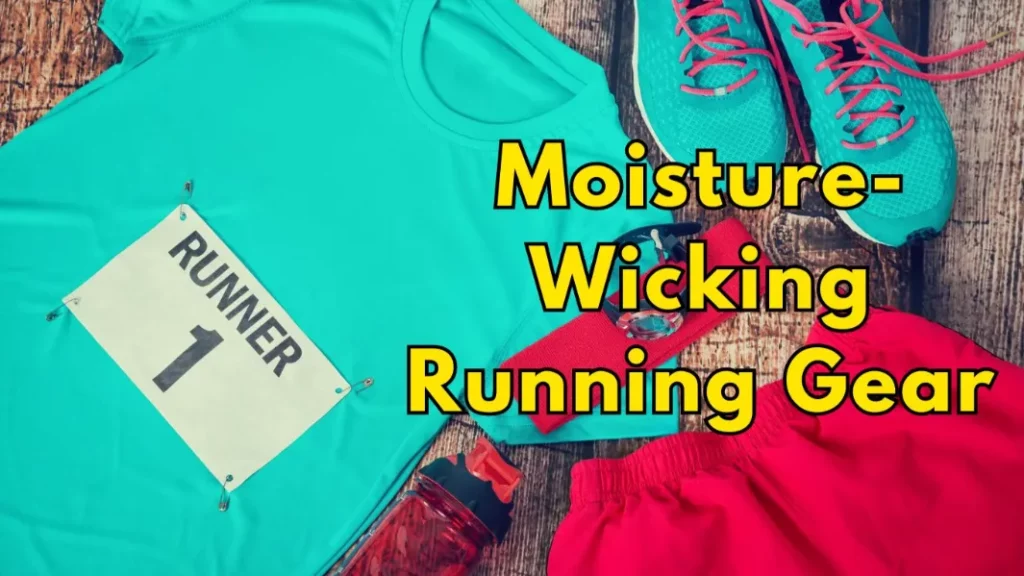
How do moisture-wicking running clothes work? They use synthetic or technical natural fibers to pull sweat away from your skin to the fabric’s outer layer, where it evaporates quickly. This keeps you dry, regulates temperature, and prevents chafing.
🔑 Key Takeaways
- Avoid Cotton: It absorbs sweat, becomes heavy, and causes chafing.
- Choose Synthetics: Polyester and nylon are the top-performing, most durable moisture-wicking materials.
- Layer Smartly: Use a moisture-wicking base layer, an insulating mid-layer, and a weather-protective outer shell.
- Prioritize Fit: Technical fabrics need to be snug but not restrictive to function correctly.
- Wash Cold, Air Dry: Heat from dryers and hot water damages the fabric’s moisture-wicking capabilities.
- Invest in Socks: Merino wool or synthetic running socks are essential for blister prevention.
Picture this: It’s a sweltering summer day in 2005, and I’m about to embark on my first 10K race. Feeling confident in my cotton t-shirt, I set off. By mile 3, I’ve transformed into a human sponge, my shirt so heavy with sweat it could irrigate a small garden. Post-race, I look like I’ve gone for an impromptu swim, fully clothed. Lesson learned: cotton and running don’t mix.
This sweaty catastrophe led me to discover moisture-wicking running gear. This technology has transformed the running experience.
Premium Sports & Fitness Apparel

Pros
- Dri-FIT technology for moisture-wicking
- Comfortable and breathable
- Stylish design
Cons
- May run slightly small

Pros
- Dri-FIT technology for sweat management
- Side pockets for convenience
- Lightweight and comfortable
Cons
- Limited color options

Pros
- Soft and comfortable fabric
- Classic fit for a relaxed feel
- Versatile for various activities
Cons
- May shrink slightly after washing

Pros
- HeatGear fabric for superior moisture management
- Compression fit for muscle support
- UPF 30+ sun protection
Cons
- Tight fit may not be suitable for everyone

Pros
- HeatGear fabric keeps you cool and dry
- Compression fit for support and comfort
- Ergonomic design for enhanced mobility
Cons
- May feel tight for some users

Pros
- Wirefree design for comfort
- Medium support for various activities
- Longline style for added coverage
Cons
- Padding may shift during washing

Pros
- Lightweight and breathable fabric
- Tapered design for a flattering fit
How Moisture-Wicking Technology Works
Moisture-wicking fabrics function like a personal climate control system. The process is simple:
- You sweat during your run.
- The technical fabric pulls sweat droplets away from your skin.
- It spreads the moisture across a larger surface area.
- The sweat evaporates faster due to increased air exposure.
- You stay dry, cool, and comfortable.
The Science Explained
Fabrics like polyester and nylon have a dual-structure engineered for capillary action:
- Hydrophobic interior: Repels water, pushing sweat away from your skin.
- Hydrophilic exterior: Attracts water, pulling sweat to the outer layer for rapid evaporation.
This creates microscopic channels that move moisture efficiently.
The Benefits of Moisture-Wicking Running Apparel
- Enhanced Comfort: Eliminates the heavy, soggy feeling of wet cotton.
- Temperature Regulation: Keeps you cooler in summer and helps retain warmth in winter by keeping your skin dry.
- Lightweight Performance: Dry fabrics weigh less, reducing drag and fatigue.
- Odor Control: Many fabrics, like those treated with Polygiene or containing Merino wool, have natural antimicrobial properties.
- Chafe Prevention: Dry skin drastically reduces friction, preventing painful blisters and rashes.
Choosing Your Moisture-Wicking Gear
Material Comparison Guide
| Material | Pros | Cons | Best For |
|---|---|---|---|
| Polyester | Durable, quick-drying, affordable | Can retain odors | Everyday runs, warm weather |
| Nylon | Strong, stretchy, abrasion-resistant | Less breathable than polyester | High-intensity workouts, running tights |
| Merino Wool | Natural, odor-resistant, temperature-regulating | More expensive, slower to dry | Cold weather runs, long-distance training |
| Bamboo | Eco-friendly, soft, naturally antimicrobial | Less durable, more expensive | Sensitive skin, casual running |
Weather-Specific Recommendations
| Weather | Top | Bottom | Accessories |
|---|---|---|---|
| Hot & Sunny | Lightweight polyester tank (Nike Dri-FIT) | Short shorts or split shorts (New Balance Impact) | UV-protective running cap (Buff Pack Run Cap) |
| Cool & Breezy | Long-sleeve 1/4 zip (Under Armour ColdGear) | Capri tights (Lululemon Fast and Free) | Lightweight gloves (Brooks Dash Glove) |
| Cold & Wet | Merino wool base layer (Icebreaker BodyfitZONE) | Water-resistant running pants (Columbia Titan Wind Block II) | Waterproof running jacket (Patagonia Storm Racer) |
| Night Running | Reflective long-sleeve shirt (Asics Lite-Show 2) | High-visibility tights (Ron Hill Life Night Runner) | LED running vest (Noxgear Tracer360) |
Pro Tip: Use the layering system. Start with a moisture-wicking base layer (like Under Armour HeatGear), add an insulating mid-layer if cold, and finish with a wind/rain-resistant shell.
How to Care for Your Technical Running Clothes
Proper care maintains fabric performance and longevity. Follow these 2026 guidelines:
| Do’s | Don’ts |
|---|---|
| Wash in cold water | Use fabric softener |
| Turn clothes inside out before washing | Wash with cotton items |
| Use gentle, sports-specific detergent | Put in the dryer on high heat |
| Air dry or tumble dry on low heat | Iron directly on printed logos |
| Wash after every use to prevent odor buildup | Use bleach or harsh chemicals |
Bonus Tip: Add a half-cup of white vinegar to the rinse cycle monthly to eliminate stubborn odors without damaging fabrics.
The Future of Sweat Management Technology
Innovation continues to accelerate. Expect to see more of these advancements by 2026:
- Phase-Change Materials (PCMs): Fabrics that absorb, store, and release heat to maintain an optimal microclimate.
- Biometric Monitoring: Smart fabrics with integrated sensors to track heart rate, muscle exertion, and hydration levels.
- Enhanced Sustainability: Increased use of bio-based polymers and closed-loop recycling for synthetic fabrics.
Brands like Columbia Sportswear (Omni-Freeze ZERO) and Lululemon (Silverescent) are at the forefront of these developments.
Eco-Friendly and Sustainable Options
For the environmentally conscious runner, excellent sustainable performance gear exists:
- Recycled Materials: Brands like Patagonia and Girlfriend Collective make high-performance gear from recycled polyester and nylon.
- Natural Technical Fibers: Tencel (from eucalyptus) and responsibly sourced Merino wool offer great moisture management with a lower environmental footprint.
- Circular Economy Brands: Companies like For Days and tentree focus on take-back programs and regenerative practices.
❓ Frequently Asked Questions
Is cotton really that bad for running?
Yes. Cotton absorbs and retains sweat, becoming heavy, causing chafing, and losing its insulating properties. It’s the worst common fabric for performance running. Always choose technical, moisture-wicking materials.
What’s better: polyester or merino wool?
It depends. Polyester (like Nike Dri-FIT) is more durable, faster-drying, and better for intense sweat. Merino wool (from brands like Smartwool) regulates temperature exceptionally well, resists odors naturally, and is great for variable conditions and longer, less intense runs.
How tight should moisture-wicking clothes be?
They should be snug but not restrictive. The fabric needs to be in close contact with your skin to pull moisture away effectively. Look for terms like “fitted,” “athletic cut,” or “compression.” Avoid baggy fits.
Why do my technical clothes still smell after washing?
Body oils and bacteria get trapped in synthetic fibers. Wash them inside out in cold water. Use a sports detergent (like WIN or Nathan) and avoid fabric softener. Monthly vinegar soaks or enzymatic cleaners break down stubborn residues.
Are expensive brands always better?
Not always. While brands like Lululemon and Arc’teryx offer premium features and durability, excellent performance can be found from value-oriented brands like BALEAF or CRZ Yoga. Focus on the fabric composition (look for polyester, nylon, or merino wool) and fit over the logo.
Conclusion
Investing in quality moisture-wicking running clothes is a non-negotiable upgrade. It directly impacts comfort, performance, and enjoyment. The core principle is simple: move sweat away from your skin to evaporate quickly.
Start by replacing your cotton t-shirt with a polyester or merino wool top. Then, address your shorts, socks, and sports bra. Remember the care instructions—wash cold, air dry, skip the softener. Your gear will last longer and perform better.
Now, lace up, put on your technical gear, and hit the road. Run happy. Run dry.
References
- ASTM Standard for Moisture Wicking Fabrics – ASTM International
- The Impact of Clothing on Thermoregulation During Exercise – National Institutes of Health
- 2026 Running Apparel Review and Guide – Outside Magazine
- How to Properly Care for Technical Running Fabrics – Runner’s World
- Recycled Materials in Performance Apparel – Patagonia
- The Performance Benefits of Merino Wool – The Merino Company
Disclosure: This article contains affiliate links. We may earn a commission if you make a purchase through these links, at no extra cost to you. We only recommend products we believe will enhance your running experience.