
The best healthy weight loss foods are high in protein, fiber, water, and micronutrients while being relatively low in calories. They help you feel full, protect muscle during a calorie deficit, and make meals easier to repeat without feeling deprived.
If you want sustainable fat loss, build most meals around lean protein, vegetables, fruit, legumes, whole grains, Greek yogurt or other high-protein dairy, and small amounts of healthy fats. These foods do not “melt fat” by themselves, but they make the habits that create weight loss much easier to maintain.
Quick answer: the 7 best foods for healthy weight loss
- Eggs — high-protein, nutrient-dense, and filling.
- Greek yogurt or skyr — protein-rich, convenient, and easy to pair with fruit.
- Beans and lentils — fiber plus plant protein for long-lasting fullness.
- Leafy greens and cruciferous vegetables — high-volume foods with very low calorie density.
- Chicken breast, turkey, fish, tofu, or tempeh — lean protein anchors for meals.
- Oats and intact whole grains — slow-digesting carbohydrates that support training and satiety.
- Berries, apples, and citrus fruit — sweet, high-fiber options that can replace higher-calorie snacks.
Simple plate formula
For most weight-loss meals, aim for ½ plate non-starchy vegetables, ¼ plate lean protein, ¼ plate high-fiber carbohydrate, plus a small serving of healthy fat. This keeps the meal satisfying without making calorie tracking complicated.
1. Eggs
Eggs are one of the simplest weight-loss foods because they combine complete protein, fat, and key nutrients in a small, affordable package. A breakfast built around eggs often keeps hunger lower than a refined-carb breakfast because protein slows digestion and supports satiety.
Use eggs as the protein base, then add volume with vegetables: spinach, mushrooms, peppers, onions, tomatoes, zucchini, or broccoli. If you need fewer calories, combine one or two whole eggs with extra egg whites.
Try: a vegetable omelet with berries on the side, or boiled eggs with Greek yogurt and fruit for a fast high-protein breakfast.
2. Greek yogurt or skyr
Plain Greek yogurt and skyr are excellent for weight management because they deliver a lot of protein with minimal preparation. They work as breakfast, a snack, a dessert replacement, or a creamy base for sauces and dressings.
Choose plain versions most of the time and add your own sweetness with berries, cinnamon, or a small drizzle of honey. This keeps added sugar under control while still making the meal enjoyable.
3. Beans and lentils
Beans, lentils, chickpeas, and split peas are high-fiber foods that deserve a permanent place in a fat-loss meal plan. They add bulk, texture, and slow-digesting carbohydrates, which helps you feel satisfied for longer.
They are especially useful when you want a meal that feels substantial without relying on large servings of oil, cheese, or refined grains. Add lentils to soups, chickpeas to salads, black beans to bowls, and white beans to stews.
4. Leafy greens and cruciferous vegetables
Leafy greens, broccoli, cauliflower, cabbage, Brussels sprouts, bok choy, kale, and spinach are weight-loss staples because they increase meal volume for very few calories. They also bring potassium, folate, vitamin C, vitamin K, and other micronutrients that support overall health.
The practical advantage is simple: a large bowl of vegetables makes meals visually and physically bigger. This can reduce the need for large portions of calorie-dense sides while keeping the plate satisfying.
5. Lean protein: chicken, fish, turkey, tofu, and tempeh
Protein is one of the most important nutrients during weight loss because it supports satiety and helps protect lean mass while calories are lower. Lean proteins make it easier to hit a useful protein target without overshooting calories.
Good options include chicken breast, turkey breast, tuna, salmon, cod, shrimp, lean beef, tofu, tempeh, seitan, and low-fat cottage cheese. Rotate animal and plant proteins based on preference, budget, digestion, and training needs.
🏆 Top-Rated Protein Supplements
We independently research and recommend the best products. If you buy through our links, we may earn a commission at no extra cost to you.

Transparent Labs Whey Protein Isolate
28g grass-fed whey protein isolate — 0g sugar, 100% natural flavors
on Amazon
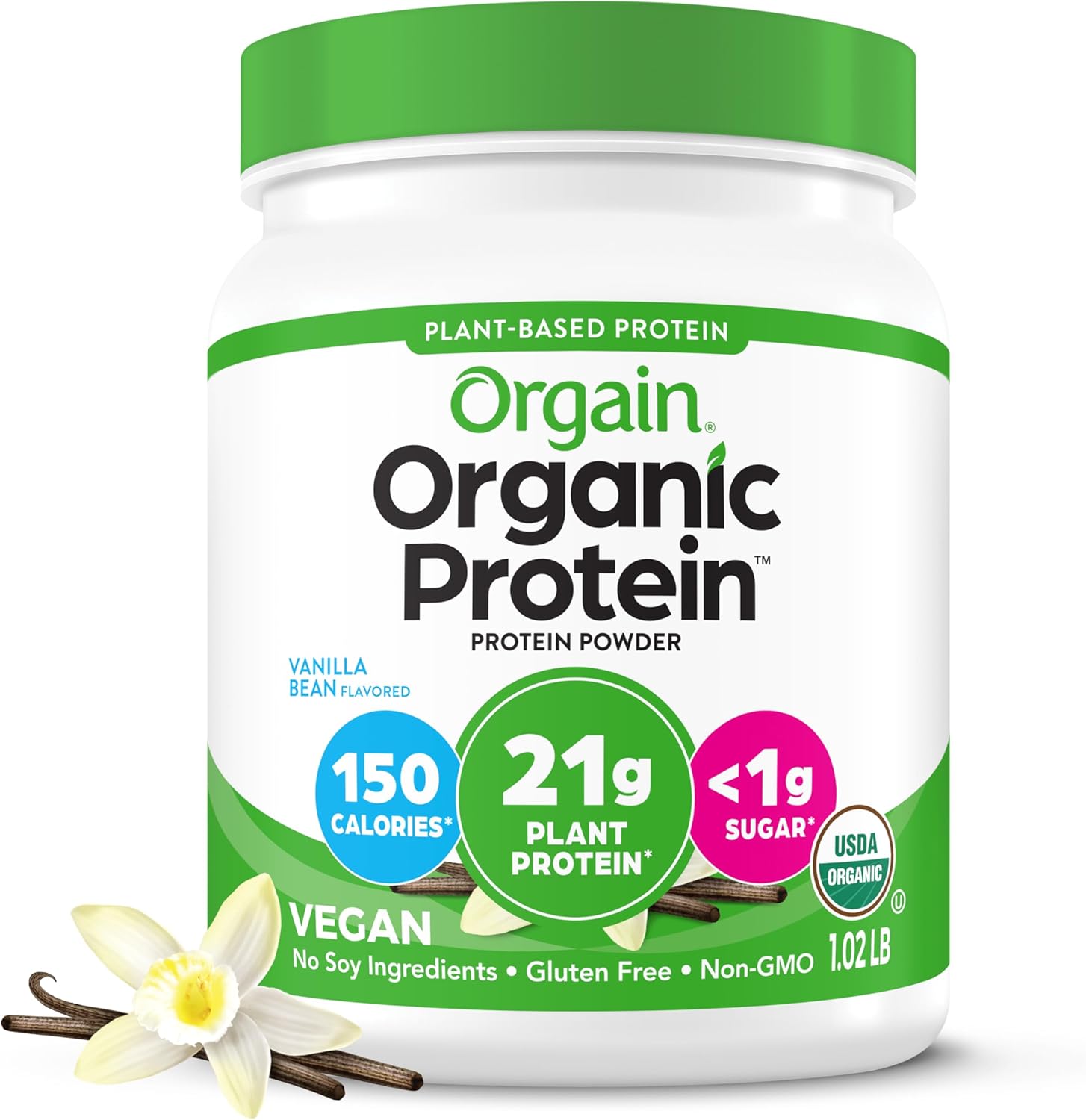
Orgain Organic Vegan Protein
21g organic plant-based protein with 50 superfoods — creamy chocolate fudge
on Amazon

Vital Proteins Collagen Peptides
20g collagen protein per serving — supports hair, skin, nails, and joints
on Amazon
6. Oats and intact whole grains
Carbohydrates are not the enemy of weight loss. The key is choosing options that are filling, minimally processed, and easy to portion. Oats, quinoa, barley, brown rice, farro, and potatoes can all fit well in a fat-loss diet when portions match your activity level.
Oats are especially useful because they are cheap, high in soluble fiber, and easy to combine with protein. Add Greek yogurt, protein powder, cottage cheese, chia seeds, or berries to make oats more balanced.
7. Berries, apples, and citrus fruit
Fruit helps weight loss when it replaces ultra-processed snacks and desserts. Berries, apples, oranges, grapefruit, kiwi, and pears provide fiber, water, and sweetness with a much better fullness-to-calorie ratio than cookies, candy, or pastries.
Keep fruit visible and easy to grab. Pair it with protein when you want a more complete snack: Greek yogurt with berries, cottage cheese with pineapple, an apple with a boiled egg, or orange slices after a meal.
Best healthy weight loss foods by goal
| Goal | Best food choices | Why it works |
|---|---|---|
| Stay full longer | Eggs, Greek yogurt, lentils, chicken, tofu | Higher protein and fiber improve satiety. |
| Reduce snack cravings | Berries, apples, citrus, air-popped popcorn, yogurt | Sweetness and volume with fewer calories than desserts. |
| Meal prep | Chicken, turkey, beans, rice, potatoes, roasted vegetables | Easy to batch cook and portion. |
| Plant-based weight loss | Lentils, tofu, tempeh, edamame, beans, seitan | Protein and fiber without relying on meat. |
| Training support | Oats, potatoes, rice, fruit, fish, lean meat | Carbs fuel workouts; protein supports recovery. |
Foods that make weight loss harder
You do not need to ban any food, but some foods are easy to overeat because they combine high calories, low protein, low fiber, and strong reward value. Common examples include chips, pastries, sugary drinks, candy, fried fast food, creamy coffee drinks, and large portions of alcohol.
The best approach is not perfection. Keep these foods intentional, portioned, and less frequent while making high-protein, high-fiber foods the default.
A one-day healthy weight loss meal example
Simple high-satiety day
- Breakfast: Greek yogurt with oats, berries, chia seeds, and cinnamon.
- Lunch: chicken or tofu bowl with greens, roasted vegetables, beans, salsa, and avocado.
- Snack: apple with cottage cheese, or boiled eggs with fruit.
- Dinner: salmon or tempeh with potatoes, broccoli, salad, and olive-oil vinaigrette.
How to use these foods without tracking everything
If you do not want to count calories, use a repeatable structure. Eat protein at each meal, add at least one high-fiber plant food, drink mostly water, and keep calorie-dense extras measured instead of poured freely.
- Start meals with protein and vegetables.
- Use fruit or yogurt for sweet cravings.
- Batch cook two proteins and two vegetables each week.
- Keep sauces, oils, nut butters, and alcohol portion-aware.
- Adjust portions based on progress every 2–3 weeks.
FAQ
What foods burn belly fat?
No food targets belly fat directly. Belly fat decreases when overall body fat decreases. High-protein, high-fiber foods such as eggs, Greek yogurt, beans, lentils, vegetables, and fruit can make a calorie deficit easier to maintain.
What should I eat every day to lose weight?
Most days, include lean protein, non-starchy vegetables, fruit, beans or whole grains, and a small amount of healthy fats. Consistency matters more than any single “superfood.”
Are carbs bad for weight loss?
No. Carbs can fit well when they come from high-fiber foods such as oats, potatoes, beans, fruit, and whole grains. Refined, low-fiber carbs are easier to overeat, so portion them more carefully.
Is protein powder necessary?
No. Protein powder is optional. It can be convenient if you struggle to reach protein targets with whole foods, but eggs, yogurt, fish, poultry, tofu, tempeh, beans, and cottage cheese can all work.
How fast should I lose weight?
A moderate pace is usually easier to maintain than an extreme diet. Many people aim for gradual progress while monitoring energy, training performance, hunger, sleep, and adherence.
Bottom line
The healthiest weight-loss foods are not exotic. They are repeatable staples that keep you full: protein-rich foods, high-fiber plants, whole-food carbohydrates, and smart portions of healthy fats. Build meals around those foods, keep ultra-processed snacks less frequent, and adjust portions based on real progress.
Optimizing Your Results
While nutrition is the foundation, integrating these food choices into a broader lifestyle plan ensures long-term success. For those focusing on activity, choosing the best running shoes or following a running for weight loss schedule can significantly boost your calorie deficit while improving cardiovascular health.
