Skip to content
 2026 running shoe guide
Supinators need cushioned neutral shoes — not stability shoes. This guide compares the best max-cushion, daily-trainer, and wide-foot options for runners with high arches and outward foot roll, with real Amazon links and product images.

Infographic: Key features to look for in running shoes for supination.
Best picks at a glance
Start here. For most supinators with high arches, the safest choice is a max-cushion neutral shoe with a broad, stable platform.
A cushioned neutral shoe that hits the sweet spot for supinators.
The most cushioned shoe in ASICS neutral lineup.
The everyday workhorse for supinators who want cushioning without bulk.
A max-cushion neutral trainer using PWRRUN PB foam.
Quick comparison
| Best for | Shoe | Why it works | Skip it if | Amazon |
|---|---|---|---|---|
| Best overall | Brooks Ghost Max 3 | A cushioned neutral shoe that hits the sweet spot for supinators. | Not enough support for overpronators | Check Amazon |
| Best max cushion | ASICS Gel-Nimbus 27 | The most cushioned shoe in ASICS neutral lineup. | Premium pricing | Check Amazon |
| Best daily trainer | HOKA Clifton 10 | The everyday workhorse for supinators who want cushioning without bulk. | EVA compresses faster than premium foam | Check Amazon |
| Best for long runs | Saucony Triumph 23 | A max-cushion neutral trainer using PWRRUN PB foam. | May feel too soft for tempo | Check Amazon |
| Best for wide feet | New Balance 1080v14 | Fresh Foam X 1080v14 is New Balance softest shoe and a top pick for supinators with wide feet. | Heavier than lighter trainers | Check Amazon |
| Best for beginners | Brooks Glycerin 23 | The Glycerin 23 is Brooks traditional max-cushion neutral shoe, ideal for beginners with high arches who are building mileage. | Heavier than daily trainers | Check Amazon |
| Best for outer-foot pain | Brooks Glycerin Max | The Glycerin Max uses nitrogen-infused DNA Tuned cushioning with a broad platform that is ideal for supinators who experience pain on the outer edge of the foot. | Expensive retail price | Check Amazon |
Detailed shoe reviews
Each shoe is evaluated for its ability to absorb impact, accommodate high arches, and avoid the medial posting that supinators should avoid.
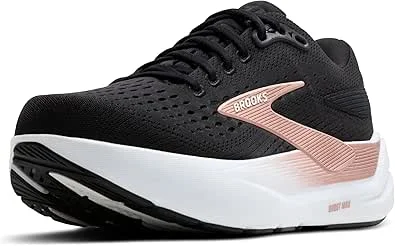
Brooks Ghost Max 3
A cushioned neutral shoe that hits the sweet spot for supinators. DNA Loft v3 foam absorbs the impact that high-arched underpronating feet cannot. The wide stable base prevents lateral rolling while the subtle rocker smooths transitions without medial posting that high arches find uncomfortable.
Buy it if
- Soft cushioning for rigid supinating feet
- Wide stable base prevents lateral wobble
- Smooth transition without medial posting
- Versatile daily and long runs
Skip it if
- Not enough support for overpronators
- May feel firm vs max-stack
- Less energetic than lighter trainers
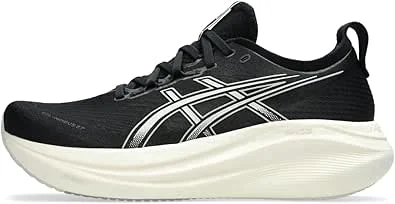
ASICS Gel-Nimbus 27
The most cushioned shoe in ASICS neutral lineup. FF Blast Plus Sky foam is ASICS softest, paired with PureGel in the heel for impact absorption at landing. The broad platform gives high-arched runners the protection they need on long road runs.
Buy it if
- Softest ASICS foam for max absorption
- PureGel in heel absorbs landing shock
- Broad platform for stability
- Excellent for long mileage
Skip it if
- Premium pricing
- May feel too soft for tempo
- Heavier than daily trainers
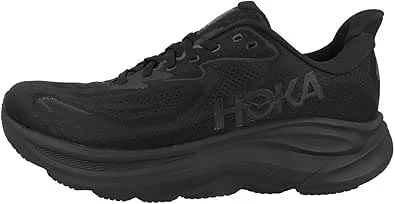
HOKA Clifton 10
The everyday workhorse for supinators who want cushioning without bulk. The MetaRocker encourages a smooth forward roll, helping supinators who land on the outer edge and struggle to transition weight across the foot. Best value cushioned neutral shoe for high-arched runners.
Buy it if
- Lightweight for its cushioning
- MetaRocker smooths outer-edge landing
- Best price-to-cushioning ratio
- Ideal daily workhorse
Skip it if
- EVA compresses faster than premium foam
- 5 mm drop lower than some expect
- Not for runners needing max cushion
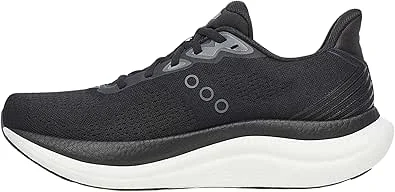
Saucony Triumph 23
A max-cushion neutral trainer using PWRRUN PB foam. The Triumph 23 absorbs impact beautifully on long runs where supinators need the most protection. The center of pressure is shifted forward to reduce heel-strike braking, and the 8 mm drop suits runners transitioning from traditional shoes.
Buy it if
- Springy PWRRUN PB foam
- Forward-shifted pressure reduces braking
- Less bulky than other max-cushion
- Durable for high mileage
Skip it if
- May feel too soft for tempo
- Premium pricing
- Less rocker than HOKA options
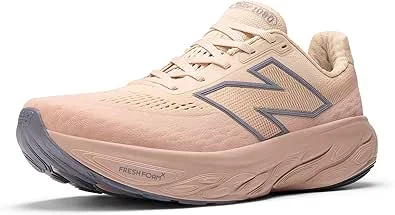
New Balance 1080v14
Fresh Foam X 1080v14 is New Balance softest shoe and a top pick for supinators with wide feet. The plush Fresh Foam X cushioning absorbs impact while the wide toe box accommodates high-volume feet. Available in multiple widths (D, 2E, 4E) which is critical for supinators who need room to splay.
Buy it if
- Available in multiple widths
- Plush Fresh Foam X cushioning
- Wide toe box for foot splay
- Excellent for high-volume feet
Skip it if
- Heavier than lighter trainers
- May feel too plush for speed
- Limited color options in wide sizes
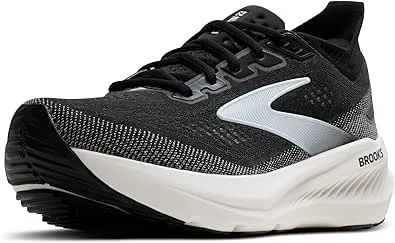
Brooks Glycerin 23
The Glycerin 23 is Brooks traditional max-cushion neutral shoe, ideal for beginners with high arches who are building mileage. DNA Loft v3 cushioning is soft and protective, and the 10 mm drop suits runners transitioning from everyday sneakers. A reliable, comfortable entry into cushioned running.
Buy it if
- Soft protective cushioning
- Higher drop suits beginners
- Reliable and durable
- Comfortable from day one
Skip it if
- Heavier than daily trainers
- 10 mm drop may not suit midfoot strikers
- Less rocker than HOKA options
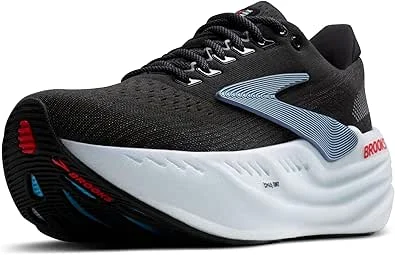
Brooks Glycerin Max
The Glycerin Max uses nitrogen-infused DNA Tuned cushioning with a broad platform that is ideal for supinators who experience pain on the outer edge of the foot. The dual-layer foam absorbs lateral impact while the wide base distributes pressure evenly, reducing the concentrated outer-edge loading that causes pain.
Buy it if
- Broad platform reduces lateral loading
- Dual-layer foam absorbs outer-edge impact
- Smooth rocker for transitions
- Excellent for outer-foot pain sufferers
Skip it if
- Expensive retail price
- Tall stack may feel unstable
- Not ideal for speed work
Who this guide is for
This guide is for runners who supinate (underpronate) and have high arches. You will benefit most if you:
- Notice excessive wear on the outer edge of your running shoe outsoles
- Have high arches that feel rigid and do not absorb shock well
- Experience outer-foot or outer-ankle pain during or after runs
- Feel uncomfortable in stability or motion-control shoes
- Have been told by a running store or podiatrist that you underpronate
Who should skip this: If you overpronate (flat feet, inward ankle roll), this guide is not for you. If you have severe foot pain or a structural deformity, see a podiatrist before buying shoes.
What is supination and why does shoe choice matter?
Supination — also called underpronation — is when the foot rolls outward during the running gait cycle instead of inward. The foot lands on the outer edge and stays there, failing to roll inward to absorb shock. This means the impact of each step travels directly up the leg rather than being distributed through the foot’s natural shock-absorption mechanism.
Supination is strongly associated with high arches. High-arched feet are rigid — they do not flatten enough during the gait cycle to absorb impact. The result is that more shock reaches the shins, knees, hips, and lower back, increasing injury risk. Live Science notes that supination contributes to injury risk because the foot cannot adequately absorb the forces of running.
How to check your outsole wear pattern
The easiest way to determine if you supinate is to examine the wear pattern on your current running shoes:
- Supination: Excessive wear on the outer edge of the heel and forefoot. The shoe may tilt outward when placed on a flat surface.
- Neutral gait: Even wear across the ball of the foot with slight concentration on the outer heel and inner forefoot.
- Overpronation: Excessive wear on the inner edge of the heel and forefoot. The shoe may tilt inward.
If your shoes show supination wear, cushioned neutral shoes are the right category. Stability shoes with medial posting will not help and may feel uncomfortable or increase injury risk.
Key shoe features for supination and high arches
- Maximum cushioning: Since supinators cannot absorb shock naturally, the shoe must do it. Look for high-stack shoes (30+ mm) with soft foams.
- Neutral support (no medial posting): Supinators need neutral shoes. Stability shoes are designed for overpronators and can push a supinating foot further outward.
- Flexible forefoot: A shoe that bends naturally encourages the foot to pronate slightly during push-off, improving shock distribution.
- Broad, stable platform: A wide base prevents lateral rolling and distributes pressure evenly.
- Rocker geometry (optional): A subtle rocker can help supinators who struggle to transition weight from the outer edge across the foot.
- Wide toe box (if needed): High arches are sometimes accompanied by wider feet. Look for brands that offer multiple widths.
Shoes to avoid if you supinate
- Stability shoes with medial posting: Shoes designed for overpronators add medial support that pushes the foot further outward — the opposite of what supinators need.
- Aggressive motion-control shoes: The most rigid stability shoes, designed for severe overpronation. They will feel uncomfortable and potentially harmful for supinators.
- Firm, low-cushion trainers: Racing flats and minimalist shoes provide almost no shock absorption, which supinators need most.
- Narrow toe box shoes: If your high arches come with wider feet, narrow shoes compress the toes and alter natural foot mechanics.
Common mistakes supinators make
- Buying stability shoes by mistake: Many runners assume more support is better. For supinators, stability shoes are counterproductive.
- Choosing shoes that are too narrow: High arches often come with wider feet. A narrow shoe compresses the arch and worsens supination.
- Ignoring cushioning degradation: Supinators are harder on cushioning because all impact concentrates on the outer edge. Replace shoes at 350-400 miles.
- Not strengthening the foot and ankle: Cushioned shoes help, but strengthening ankle stabilizers and improving foot mobility can reduce supination over time.
Frequently asked questions
What are the best running shoes for supination and high arches?
The best running shoes for supination and high arches are cushioned neutral shoes with maximum shock absorption. Top picks include the Brooks Ghost Max 3 (best overall), ASICS Gel-Nimbus 27 (best max cushion), and HOKA Clifton 10 (best daily trainer). Avoid stability shoes with medial posting — they are designed for overpronators and can worsen supination.
Can supination be corrected with running shoes?
Running shoes cannot change your foot structure, but cushioned neutral shoes compensate for the lack of natural shock absorption in supinators. This reduces injury risk and makes running more comfortable. Custom orthotics from a podiatrist can further improve foot mechanics if needed.
Should supinators wear stability shoes?
No. Supinators should wear neutral cushioned shoes, not stability shoes. Stability shoes have medial posting designed to slow inward rolling (overpronation). For a supinator who rolls outward, these features are counterproductive and can push the foot further outward, increasing injury risk.
How do I know if I supinate?
Check the wear pattern on your current running shoes. If the outer edge of the heel and forefoot shows excessive wear while the inner edge looks new, you likely supinate. A gait analysis at a running store or a visit to a podiatrist can confirm this. High arches are also a strong indicator.
What drop is best for supinators?
Most supinators do well with a 6-10 mm heel-to-toe drop. Higher drops suit heel strikers by reducing Achilles load. Lower drops encourage midfoot striking. Start with what feels comfortable and avoid extreme changes. Zero-drop shoes require a transition period.
- Live Science. “Best running shoes for supination.” livescience.com
- NIH/PMC. “Foot type and lower extremity injury.” PubMed
- Mayo Clinic. “High arches.” mayoclinic.org
Related reading
This article is educational, not medical advice. Consult a qualified physician or podiatrist for persistent foot pain. As an Amazon Associate, GearUpToFit earns from qualifying purchases.
Frequently Asked Questions
Should supinators wear stability shoes?
No. Runners with high arches and supination should avoid stability shoes, as these are designed to correct inward roll (overpronation). Supinators need neutral, cushioned shoes to allow for natural foot movement and impact absorption.
How often should I replace shoes for high arches?
Most cushioned trainers last 300–500 miles. Because supinators put excessive pressure on the outer edge, the foam may compress unevenly, necessitating replacement sooner to avoid injury.
Recovery and Cross-Training for High Arches
While choosing the right cushioned neutral shoes is critical for supinators, long-term health also depends on proper recovery and supplemental training. To prevent common injuries associated with rigid arcs, consider a structured return to running plan if you’ve been sidelined by outer-foot pain. Additionally, incorporating mobility training can help improve the range of motion in stiff ankles, reducing the impact of underpronation.
High Arch Running FAQ
Should supinators use stability shoes? No. Runners with high arches and supination need neutral cushioned shoes. Stability shoes are designed for overpronation and can actually increase the risk of injury for supinators by pushing the foot further outward.
How do I prevent injuries while supinating? Proper footwear is the first step. Additionally, incorporating mobility training and calf stretches can help manage the rigidity of high arches.
Frequently Asked Questions: Running with Supination
What type of shoe is best for supination and high arches?
Supinators should look for neutral cushioned shoes. Avoid stability or motion-control shoes, as they are designed for overpronation and can worsen the outward roll of a high-arched foot.
Can the right shoes help with outer-foot pain?
Yes. Shoes with a broad base and max cushioning, like the ASICS Gel-Nimbus 27, help redistribute pressure away from the lateral edge of the foot.
Related Resources for Healthy Running
- Daily Training: Check out our top picks for the Best Daily Running Shoes of the year.
- Injury Prevention: Complement your footwear with core stability exercises to improve your gait.
- Recovery: If you’re coming back from foot pain, follow our 8-week return to running guide.
Frequently Asked Questions About Running Shoes for Supination
What type of shoe is best for supination and high arches?
Supinators require neutral cushioned shoes. Avoid stability or motion-control shoes, as these are designed for overpronation and can worsen the outward roll of a high-arched foot.
Do high arches need more cushioning?
Yes. High arches are typically more rigid and less effective at natural shock absorption. Max-cushion foam helps mimic the impact protection your foot lacks.
How often should I replace shoes if I supinate?
Because supinators put excessive pressure on the outer edge, the foam may compress unevenly. Check your outsoles every 300-500 miles for significant lateral wear.