Skip to content
 2026 running shoe guide
The right shoe for shin splints should feel highly cushioned, properly supported for your foot type, and smooth from heel strike to toe-off. This guide compares the best max-cushion neutral shoes, stability shoes for overpronators, beginner-friendly daily trainers, and hard-pavement protectors — all with real Amazon links and product images.

Infographic: Key features to look for in running shoes for shin splints.
Best picks at a glance
Start here. For most runners with shin splints, the safest choice is a max-cushion daily trainer with a broad, stable platform and rocker geometry. Choose a stability shoe only if you overpronate.
Brooks Glycerin Max
The safest first choice if shin pain has made running uncomfortable.
HOKA Clifton 10
The shoe we recommend most for new runners with shin splints.
ASICS Gel-Kayano 32
The stability shoe we recommend most for flat-footed overpronators with shin splints.
Brooks Adrenaline GTS 24
Delivers stability in a lighter, more flexible package.
Quick comparison
| Best for | Shoe | Why it works | Skip it if | Amazon |
|---|---|---|---|---|
| Best overall | Brooks Glycerin Max | The safest first choice if shin pain has made running uncomfortable. | Expensive retail price | Check Amazon |
| Best for beginners | HOKA Clifton 10 | The shoe we recommend most for new runners with shin splints. | May compress faster than premium foams | Check Amazon |
| Best for flat feet | ASICS Gel-Kayano 32 | The stability shoe we recommend most for flat-footed overpronators with shin splints. | Heavier than neutral alternatives | Check Amazon |
| Best lightweight stability | Brooks Adrenaline GTS 24 | Delivers stability in a lighter, more flexible package. | Less cushioning than max-stack options | Check Amazon |
| Best for hard pavement | HOKA Bondi 9 | The most cushioned road shoe in HOKA lineup, ideal for runners whose shin splints flare on hard surfaces. | Bulky appearance | Check Amazon |
| Best for high arches | Brooks Ghost Max 3 | A cushioned neutral shoe ideal for high-arched runners with shin splints. | Not enough support for overpronators | Check Amazon |
| Best max cushion alt | Saucony Triumph 23 | A max-cushion neutral trainer using PWRRUN PB foam, Saucony softest and most resilient. | May feel too soft for tempo runs | Check Amazon |
Detailed shoe reviews
Each shoe below is evaluated for its ability to reduce tibial stress, absorb impact, and match the needs of runners with shin splints. All Amazon links use our affiliate tag and open in a new tab.
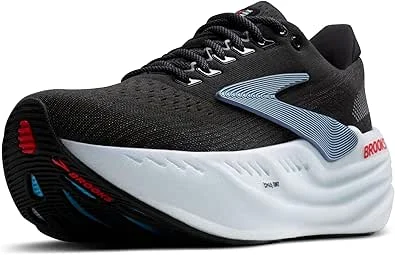
Brooks Glycerin Max
The safest first choice if shin pain has made running uncomfortable. Nitrogen-infused DNA Tuned cushioning absorbs tibial loading without feeling like a marshmallow. The broad platform and smooth heel-to-toe rocker reduce braking forces at heel strike — a leading cause of shin splints.
Buy it if
- Maximum impact absorption reduces tibial stress
- Smooth rocker reduces braking forces
- Broad stable platform
- Comfortable long-run protection
Skip it if
- Expensive retail price
- Tall stack may feel unstable
- Not ideal for speed work
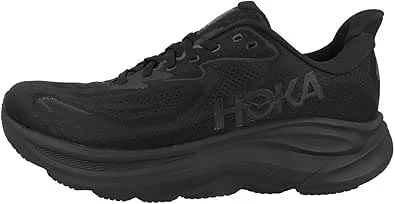
HOKA Clifton 10
The shoe we recommend most for new runners with shin splints. Generous cushioning in a lighter package, with HOKA’s MetaRocker that encourages a smooth heel-to-toe transition. Beginners who overstride benefit from the rocker’s forward roll, which reduces the braking force at heel strike.
Buy it if
- Lightweight for its cushioning level
- MetaRocker smooths heel strike
- Forgiving for new runners
- Good price-to-cushioning ratio
Skip it if
- May compress faster than premium foams
- 5 mm drop is lower than some expect
- Not enough structure for severe overpronation

ASICS Gel-Kayano 32
The stability shoe we recommend most for flat-footed overpronators with shin splints. The 4D Guidance System adaptively slows inward roll without rigid posting. FF Blast Plus Eco cushioning absorbs impact while guiding the foot through a more neutral path, reducing the rotational tibial stress that overpronation creates.
Buy it if
- Adaptive stability without rigidity
- High cushioning for a stability shoe
- Durable for high mileage
- Excellent guidance for overpronators
Skip it if
- Heavier than neutral alternatives
- 10 mm drop may not suit midfoot strikers
- Premium price

Brooks Adrenaline GTS 24
Delivers stability in a lighter, more flexible package. The GuideRails system lets your joints move naturally while providing support only when your foot collapses inward. Ideal for mild to moderate overpronation — enough guidance to reduce tibial stress without the heavy feel of traditional motion-control shoes.
Buy it if
- Lighter and more flexible than traditional stability
- Non-intrusive GuideRails support
- Versatile for daily and tempo
- Excellent value
Skip it if
- Less cushioning than max-stack options
- May not support severe overpronation
- Not ideal for max cushion seekers
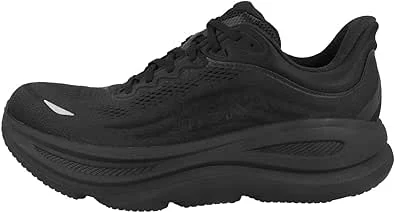
HOKA Bondi 9
The most cushioned road shoe in HOKA’s lineup, ideal for runners whose shin splints flare on hard surfaces. The massive stack of super-soft EVA absorbs the repetitive impact of concrete that travels directly up the tibia. The MetaRocker and broad base keep it stable despite its height.
Buy it if
- Most cushioning in HOKA road lineup
- Excellent for concrete and pavement
- Smooth rocker transition
- Great walking crossover
Skip it if
- Bulky appearance
- Heavier than daily trainers
- Too soft for faster efforts
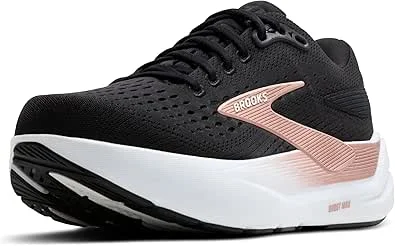
Brooks Ghost Max 3
A cushioned neutral shoe ideal for high-arched runners with shin splints. High arches are rigid and absorb shock poorly, directing more impact up the tibia. DNA Loft v3 cushioning absorbs that impact while the wider base adds stability without medial posting that high-arched runners find uncomfortable.
Buy it if
- Soft cushioning for rigid high arches
- Wide stable base
- Smooth transition
- Versatile daily and long runs
Skip it if
- Not enough support for overpronators
- May feel firm vs max-stack
- Less energetic than lighter trainers
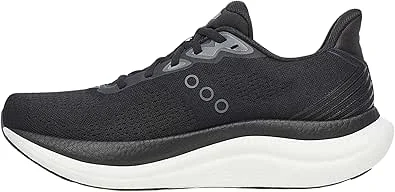
Saucony Triumph 23
A max-cushion neutral trainer using PWRRUN PB foam — Saucony’s softest and most resilient. The Triumph 23 absorbs impact like the Glycerin Max and Bondi 9 but with a slightly springier feel. The center of pressure is shifted forward to reduce heel-strike braking, a key factor in tibial stress. Excellent for runners who want max cushioning without the bulky feel.
Buy it if
- Springy PWRRUN PB foam
- Forward-shifted pressure reduces braking
- Less bulky than other max-cushion shoes
- Durable for high mileage
Skip it if
- May feel too soft for tempo runs
- Premium pricing
- Less rocker than HOKA options
Who this guide is for
This guide is for runners who experience shin pain — a dull, aching sensation along the front or inside of the lower leg — and want a shoe that helps reduce that pain. You will benefit most if you:
- Are a beginner or returning runner building mileage
- Run on hard surfaces (concrete, asphalt, treadmill)
- Have flat feet and overpronate, or high arches that absorb shock poorly
- Recently increased your training volume, intensity, or frequency
- Wear running shoes with more than 350–500 miles on them
Who should skip this: If your shin pain is sharp, localized to a small spot, worsens with each step, or hurts at rest, you may have a stress fracture — not shin splints. Stop running and see a sports medicine physician or orthopedist. Shoes alone will not fix a stress fracture.
What causes shin splints in runners?
Shin splints — medically termed medial tibial stress syndrome — occur when the muscles, tendons, and bone tissue around the tibia become overloaded. The pain typically develops along the inner edge of the shinbone, where the posterior tibial muscle attaches.
The Mayo Clinic identifies several factors that increase the risk of shin splints in runners:
- Starting or increasing a running program too quickly — bone and connective tissue need time to adapt to impact forces
- Running on hard surfaces — concrete and asphalt transmit more shock up the leg than trails or tracks
- Flat feet or high arches — both foot types alter shock absorption and distribute impact unevenly along the tibia
- Worn-out running shoes — the Mayo Clinic specifically recommends replacing running shoes every 350–500 miles
- Overstriding — landing with the foot too far in front of the body increases braking forces and tibial loading
Shin splints are not a single injury but a spectrum — from mild inflammation of the muscle-tendon unit to microdamage of the tibial bone itself. Left untreated, medial tibial stress syndrome can progress to a tibial stress fracture, which requires weeks of rest and sometimes a walking boot.
What to look for in running shoes for shin splints
No shoe will magically cure shin splints — but the right shoe addresses the mechanical factors that cause and worsen them. Here is what matters most:
- Maximum cushioning: Soft, thick foam absorbs impact forces before they reach the tibia. Look for shoes with 30+ mm of stack height and high-energy-return foams (DNA Tuned, PWRRUN PB, FF Blast Plus, super-soft EVA).
- Rocker geometry: A curved sole (MetaRocker, GlideRoll, heel-to-toe rocker) encourages a smoother transition and reduces the braking force at heel strike — one of the primary causes of tibial stress.
- Correct support for your foot type: Overpronators (flat feet) need stability shoes with medial support (GuideRails, 4D Guidance, medial posts). Neutral runners with high arches need cushioned neutral shoes — stability posting can feel uncomfortable and is unnecessary.
- Broad, stable platform: A wide base prevents lateral wobbling and distributes pressure more evenly across the foot, reducing concentrated stress on the tibia.
- Reasonable weight: Heavier shoes absorb more impact but can fatigue the leg. Aim for 9–11 oz for men, 7–9 oz for women — heavy enough for protection, light enough for efficiency.
- Fresh cushioning: Even the best shoe loses 30–40% of its shock absorption after 350–500 miles. Track your mileage and replace before the foam compresses permanently.
Shoes to avoid if you have shin splints
Not every running shoe is appropriate when you are dealing with shin pain. Avoid:
- Race flats and carbon-plated super shoes: These are designed for speed, not protection. Their firm plates and thin foam transmit impact directly to the tibia.
- Minimalist shoes (zero cushioning): Unless you have spent months transitioning to barefoot-style running, minimalist shoes increase tibial loading significantly.
- Worn-out trainers: If your current shoes have visible creasing in the midsole, uneven wear patterns, or more than 350 miles, they are not protecting your shins.
- Wrong support type: Putting a high-arched runner in a stability shoe, or an overpronator in a soft neutral shoe, can both worsen shin splints by altering natural gait mechanics.
Running shoe replacement checklist
Worn-out shoes are one of the most common — and most fixable — causes of shin splints. The Mayo Clinic recommends replacing running shoes every 350–500 miles. Use this checklist:
- Track your mileage per shoe (use a running app or a simple spreadsheet)
- Check for visible creases or wrinkles in the midsole foam
- Press the midsole with your thumb — if it feels firm and does not spring back, the foam is dead
- Look for uneven wear on the outsole (excessive wear on the medial edge suggests overpronation)
- Notice if your legs feel more fatigued or sore after runs in the same shoes — this often signals foam compression before visible signs appear
- Rotate two pairs if you run daily — this extends the life of each pair and gives foam time to recover between runs
Common mistakes runners make with shin splints
- Buying shoes that are too small: Feet swell during running. Buy a half size up from your street shoe size and ensure a thumb’s width of space at the toe box.
- Choosing shoes based on brand loyalty, not foot type: A great shoe for your friend’s flat feet may be wrong for your high arches. Match the shoe to your gait, not your friend’s recommendation.
- Ignoring strength and flexibility: Shoes help, but calf strength, ankle mobility, and progressive load management are equally important. Strengthen your calves with heel raises and improve ankle dorsiflexion with wall stretches.
- Running through the pain: Shin splints that are ignored can become stress fractures. Reduce mileage, ice after runs, and gradually rebuild only when pain-free.
- Only changing shoes: If you develop shin splints in fresh, appropriate shoes, the problem is likely training load — not footwear. Reduce volume by 50% for two weeks, then rebuild gradually.
Frequently asked questions
Can running shoes help prevent shin splints?
Yes. Well-cushioned running shoes with appropriate support for your foot type can reduce the impact forces and tibial loading that cause shin splints. However, shoes are one factor among several — training volume, running surface, calf strength, and gait mechanics also play major roles. No shoe alone will prevent shin splints if you increase mileage too quickly.
What type of running shoe is best for shin splints?
The best running shoes for shin splints have maximum cushioning (30+ mm stack height), a broad stable platform, and rocker geometry that smooths heel-to-toe transition. Overpronators should choose stability shoes with medial support (like the ASICS Gel-Kayano 32 or Brooks Adrenaline GTS 24). Neutral runners with high arches should choose cushioned neutral shoes (like the Brooks Glycerin Max or HOKA Clifton 10).
How often should I replace running shoes to prevent shin splints?
The Mayo Clinic recommends replacing running shoes every 350–500 miles. Foam compresses over time and loses 30–40% of its shock absorption capacity. Track your mileage per pair and replace before visible wear appears — your legs will often feel the difference before your eyes see it.
Are stability shoes or neutral shoes better for shin splints?
It depends on your foot type. If you have flat feet and overpronate, stability shoes with medial support (GuideRails, 4D Guidance) reduce the inward roll that increases tibial stress. If you have high arches and supinate, neutral cushioned shoes are better — stability posting is unnecessary and may feel uncomfortable. A gait analysis at a running store can help determine your foot type.
Can I keep running with shin splints?
If the pain is mild and resolves with rest, you can often continue running at reduced volume and intensity. Reduce mileage by 50%, avoid hard surfaces, and ice after runs. If the pain is sharp, localized, worsens during the run, or persists after running, stop and see a sports medicine physician — these may indicate a stress fracture.
- Mayo Clinic. “Shin splints.” Mayo Clinic Patient Care & Health Information. mayoclinic.org
- NIH/PMC. “Medial tibial stress syndrome: a systematic review of risk factors.” Journal of Athletic Training. PubMed
- American Academy of Orthopaedic Surgeons (AAOS). “Shin Splints.” OrthoInfo. orthoinfo.aaos.org
- Johns Hopkins Medicine. “Shin Splints.” Sports Medicine. hopkinsmedicine.org
Related reading
This article is educational, not medical advice. If you experience persistent or worsening shin pain, consult a qualified sports medicine physician or physical therapist. Running shoe recommendations are based on publicly available product specifications and medical references. Individual results may vary based on foot type, gait, and running mechanics. As an Amazon Associate, GearUpToFit earns from qualifying purchases.