Skip to content
 GearUpToFit Review | Updated July 9, 2026
Affiliate disclosure: GearUpToFit is reader-supported. As an Amazon Associate, GearUpToFit may earn from qualifying purchases through links with the affiliate tag papalex-20. We do not hardcode Amazon prices because pricing, sellers, colors, sizes, images, ratings, and availability change.
Who this is for / who should skip it
Best for
shoppers who want a durable, stable, and protective home running or walking setup, matched to their budget, space, and tech preferences.
Not for
users expecting commercial gym-grade durability from sub-$400 machines, or those who lack space for proper safety clearances.
Clear definition
A home treadmill is a motorized or manual fitness machine designed to simulate road running, trail hiking, or walking inside a home environment. The best home treadmill is determined by your continuous horsepower (CHP) needs, running surface dimensions, cushioning system response, space constraints, ceiling height limitations, electrical capabilities, and willingness to maintain a regular lubrication schedule.
Decision table: choose by situation
| Situation | Best pick | Why it helps | Check before buying |
|---|---|---|---|
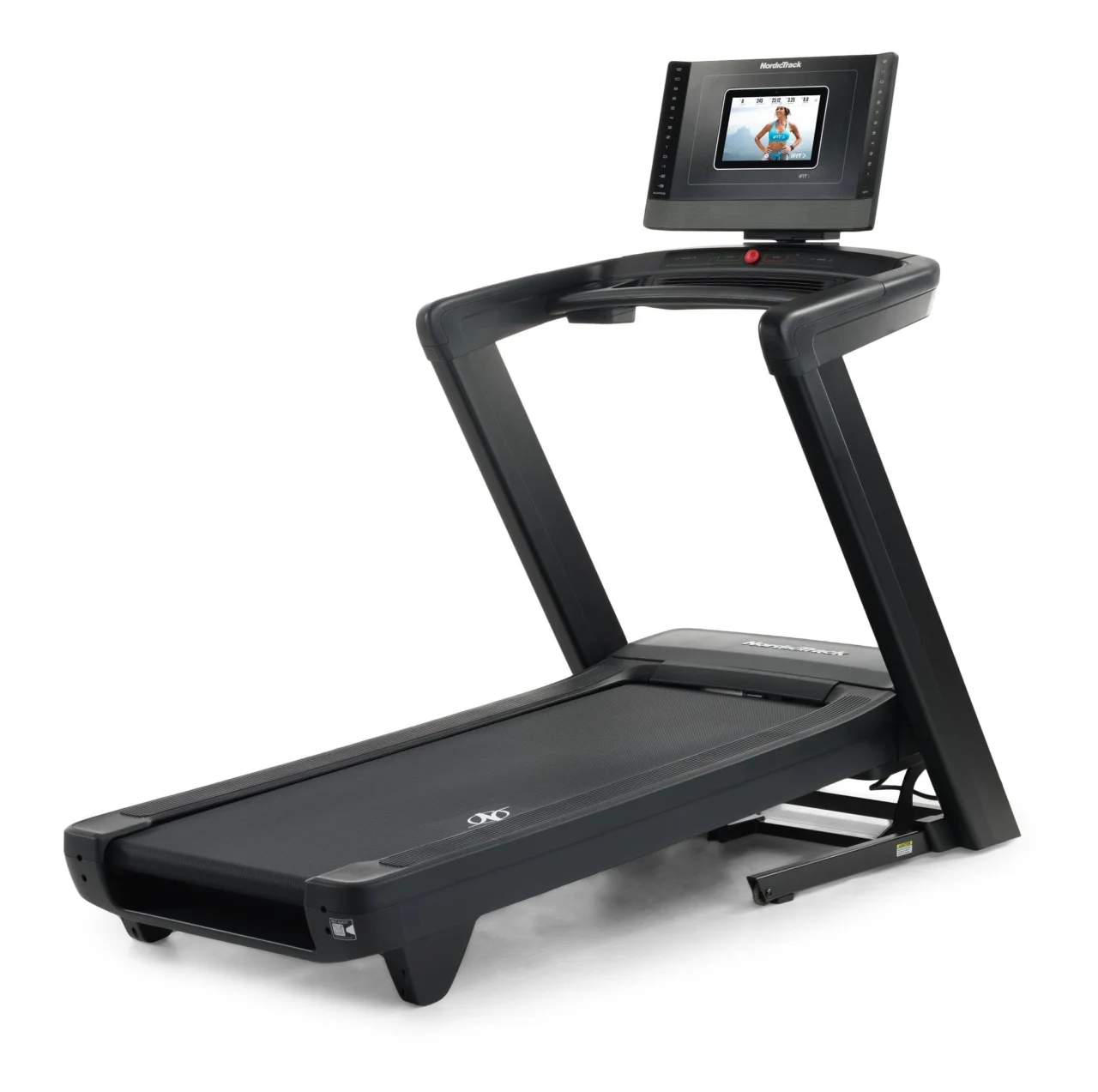
| Interactive road training | NordicTrack Commercial 1750 | Streams outdoor runs that auto-adjust your speed and incline level. | Requires iFIT membership for coaching; heavy at 339 lbs. |
| Budget road running | Sole F63 | Welded steel frame with 3.0 CHP motor for under $1,000. | Console is basic LCD; no built-in interactive touchscreen. |
| Steep incline workouts | ProForm Pro 9000 | Provides -3% to 12% incline slope with a larger 3.6 CHP motor. | Check ceiling height when deck is elevated. |
| HIIT & interval sprints | Horizon 7.4 AT | Rapid response motor adjusts belt speed in under one second. | Designed to use your own tablet; no built-in screen. |
| Under-desk walk / small space | WalkingPad A1 Pro | Folds completely in half to slide under beds or standing desks. | Max speed is 6 mph; not suitable for running strides. |
| Casual walking on budget | Goplus 2.25HP Folding | Very light, inexpensive, and easy to slide out of sight. | Belt is short (41 in); not built for running or users over 220 lbs. |
Best picks at a glance
| Award | Product | Buy it if | Skip it if |
|---|---|---|---|
| Best overall home treadmill | NordicTrack Commercial 1750 | you want a solid running feel, decline options, and interactive trail/road coaching on a high-definition screen. | you have a tight space or dislike subscription-based fitness platforms. |
| Best budget running treadmill | Sole F63 | you want a durable running deck under $1,000 that focuses on heavy-gauge steel and motor quality. | you need high-tech interactive programming or a built-in touchscreen. |
| Best for incline workouts | ProForm Pro 9000 | you want a 22-inch screen, incline training, and a high-horsepower motor under $1,800. | you prefer firm, outdoor-simulating road decks. |
| Best for rapid interval shifts | Horizon 7.4 AT | you run HIIT intervals, use Zwift/Peloton on your own tablet, and want quick-dial adjustments. | you want an integrated touchscreen console. |
| Best compact under-desk pad | WalkingPad A1 Pro | you only want to walk, save space, or walk while working at a height-adjustable desk. | you plan to jog, run, or weigh over 220 lbs. |
| Best ultra-budget walking machine | Goplus 2.25HP Folding Treadmill | you want a low-cost, light folding deck for recovery walks and occasional slow jogging. | you run regularly, have a long stride, or exceed 200 lbs. |
Amazon product verdict boxes with fixed image rendering
Each card uses a verified WordPress-hosted product image and a direct affiliate link. This prevents empty blocks, avoids broken image scripts, and keeps the product image aligned with the exact listing or ASIN.
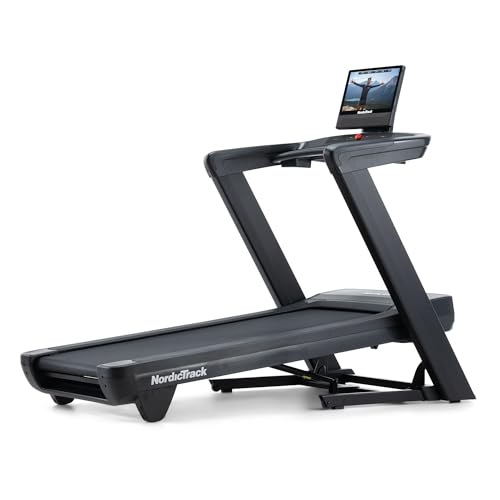
Image source: Amazon Product Image
Best overall home treadmill
NordicTrack Commercial 1750
Verdict: The premier interactive home training treadmill with decline/incline capability, a 22-inch HD screen, and automatic speed and slope adjustment.
Buy it if: you want an immersive, trainer-led fitness experience (iFIT) with steep incline/decline and solid build quality.
Skip it if: you have space constraints, prefer not to pay a monthly fitness subscription, or want an easily portable machine.
Fit / setup note: Make sure you have at least 7×3 feet of dedicated floor space, plus a ceiling high enough to clear a raised deck at 15% incline.
- Powerful 3.5 CHP motor handles daily running.
- Incline slopes from -3% decline to 15% incline.
- Smart auto-adjusting iFIT workout streaming.
Best alternative: ProForm Pro 9000 if you want similar features for a lower price.
Amazon prices, images, ratings, colors, sizes, sellers, and availability can change. Verify the final checkout screen before buying.

Image source: Amazon Product Image
Best budget running treadmill
Sole F63
Verdict: A reliable, no-frills running machine featuring a welded steel frame, a 3.0 CHP motor, and excellent deck stability under $1,000.
Buy it if: you prioritize durability, heavy steel components, long warranties, and straightforward running metrics over screens.
Skip it if: you want a high-definition touch display, interactive coaching classes, or a light, highly portable frame.
Fit / setup note: The machine is heavy (253 lbs). Assembly is simple but requires two people to lift the deck and secure the upright bars.
- Welded steel frame prevents wobbling at high speeds.
- Cushion Flex Whisper Deck reduces joint impact by 40%.
- 325 lb user weight capacity matches premium machines.
Best alternative: Horizon 7.4 AT if you want faster motor response for interval workouts.
Amazon prices, images, ratings, colors, sizes, sellers, and availability can change. Verify the final checkout screen before buying.
Image source: Amazon Product Image
Best for incline training
ProForm Pro 9000
Verdict: A powerful training machine featuring a 3.6 CHP motor, a 22-inch HD touch screen, and incline capabilities from -3% decline up to 12% incline.
Buy it if: you want interactive training, decline capabilities, and a large display at a more affordable price than the NordicTrack 1750.
Skip it if: you prefer a very soft deck, as the ReProMax cushioning leans toward a firmer, road-like feel.
Fit / setup note: The 22-inch screen is massive. Ensure you assemble the machine in the exact room where you plan to use it.
- 3.6 CHP motor runs cooler and sustains speed effortlessly.
- Integrated iFIT programming handles auto-incline.
- ReProMax cushioning mimics an outdoor running surface.
Best alternative: NordicTrack Commercial 1750 if you want incline settings up to 15%.
Amazon prices, images, ratings, colors, sizes, sellers, and availability can change. Verify the final checkout screen before buying.
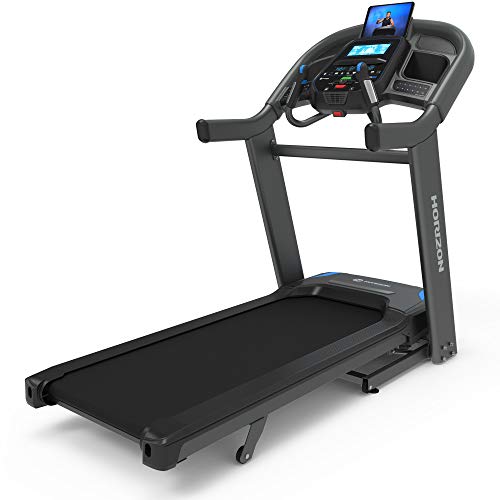
Image source: Amazon Product Image
Best for interval training
Horizon 7.4 AT
Verdict: A runner-centric machine with a rapid response motor controller that changes belt speed in under one second, perfect for HIIT intervals.
Buy it if: you perform short sprints, run on Zwift/Peloton using your own device, and want quick-dial adjustments.
Skip it if: you want a built-in touchscreen console or interactive coaching directly integrated into the machine’s hardware.
Fit / setup note: The quick-dial wheels on the handles make manual speed and incline changes incredibly simple during high-effort sprints.
- Fast motor controller transitions speeds in under 1 second.
- Open console allows streaming to your iPad/tablet.
- Three-zone variable cushioning mimics road mechanics.
Best alternative: Sole F63 if you want a simpler console and a lower price point.
Amazon prices, images, ratings, colors, sizes, sellers, and availability can change. Verify the final checkout screen before buying.

Image source: Amazon Product Image
Best compact under-desk pad
WalkingPad A1 Pro
Verdict: An innovative, double-folding walking pad that collapses to just 5.5 inches in height, making it ideal for tight spaces and under-desk setups.
Buy it if: you live in an apartment, work at a standing desk, and want to log steps without taking up floor space.
Skip it if: you want to run, weigh over 220 lbs, or want a handrail for stability.
Fit / setup note: Calibrate the automatic speed zones: walking near the front speeds up the belt, walking near the back slows it down.
- Folds in half to fit under beds or upright in closets.
- Foot-sensing automatic speed control mode.
- Quiet motor registers under 58 dB, perfect for calls.
Best alternative: Goplus Folding Treadmill if you want a handrail and a traditional display screen.
Amazon prices, images, ratings, colors, sizes, sellers, and availability can change. Verify the final checkout screen before buying.
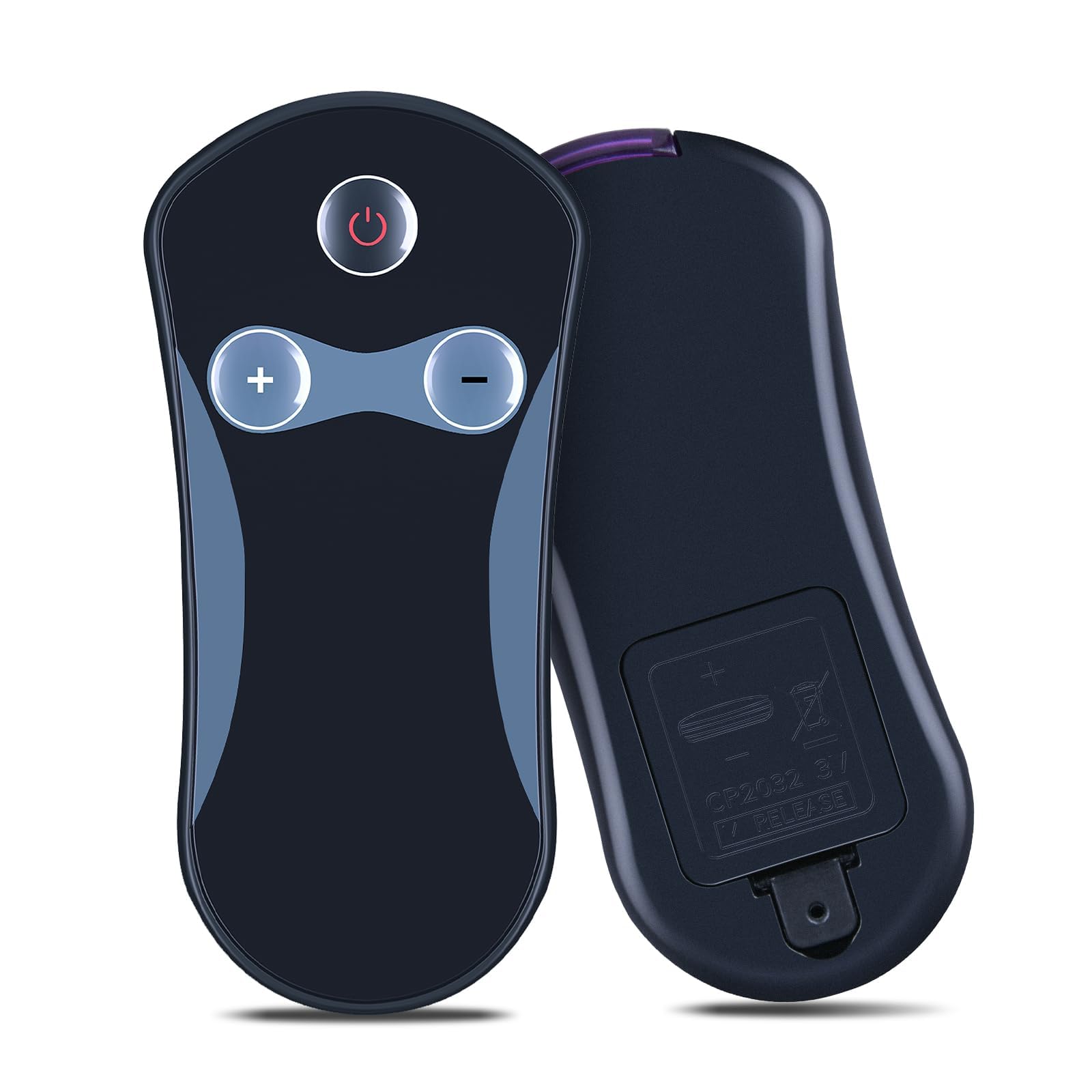
Image source: Amazon Product Image
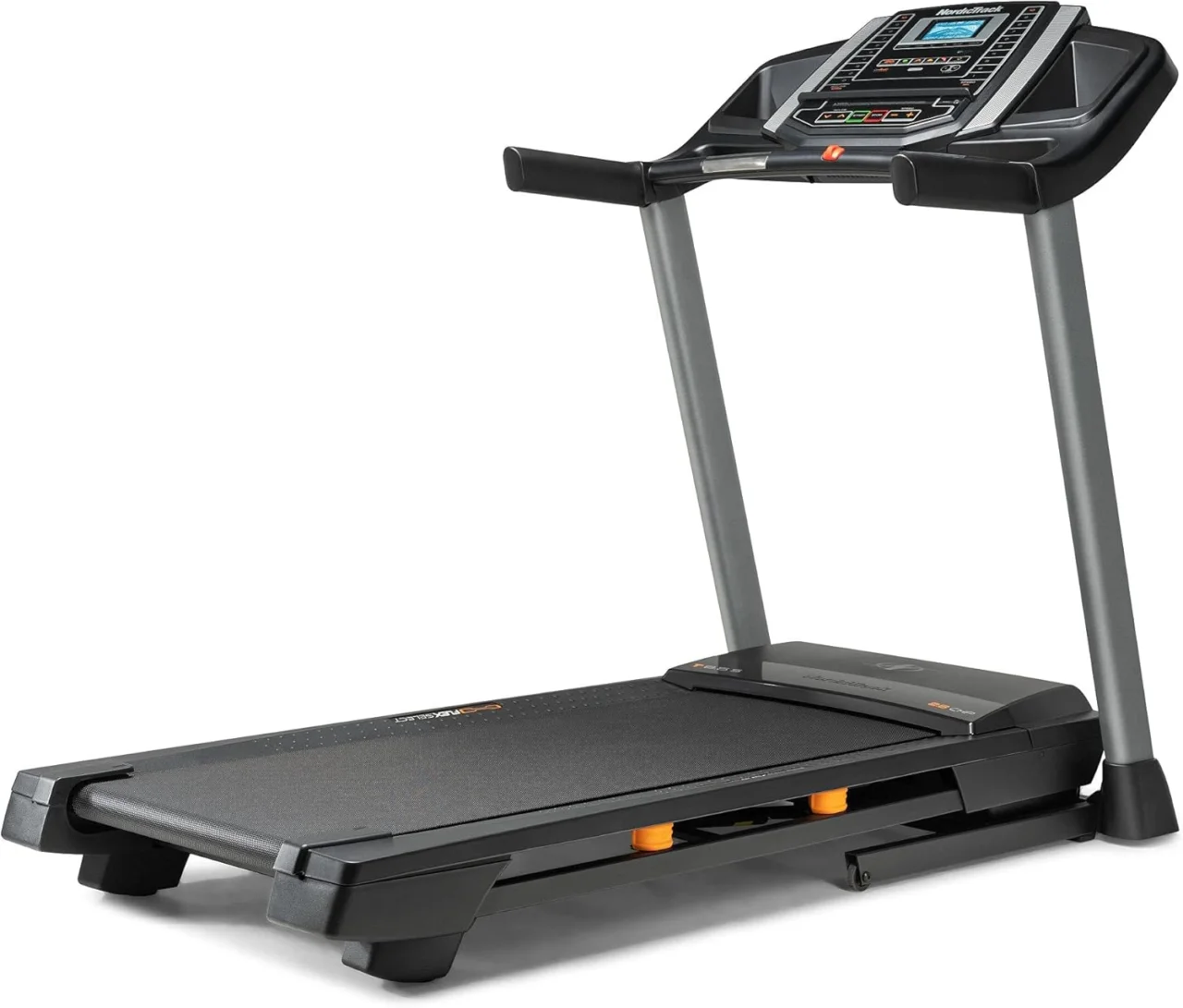
Best ultra-budget walking machine
Goplus 2.25HP Folding Treadmill
Verdict: A highly affordable, lightweight walking and jogging treadmill with folding bars and an integrated console under $350.
Buy it if: you need a simple, low-cost walking deck for recovery sessions, light movement, or desk walking with a safety rail.
Skip it if: you plan to run daily, have a long stride (under 5’8″ is best), or weigh over 200 lbs.
Fit / setup note: The 41-inch belt length is very short. Taller users will feel restricted and should avoid running on this machine.
- Extremely lightweight and easy to roll out of the way.
- Includes handrails and safety stop clip.
- Bluetooth speakers and device shelf built-in.
Best alternative: Sole F63 if you plan to transition to serious road running.
Amazon prices, images, ratings, colors, sizes, sellers, and availability can change. Verify the final checkout screen before buying.
Running vs. walking: The technical treadmill buying framework
Choosing a treadmill requires matching mechanical specs to your training goals. Selecting the wrong motor power, belt size, or deck construction is a common cause of premature machine failure and injury.
1. Motor power: Continuous Horsepower (CHP) vs. Peak HP
Treadmill motor capacity is measured in Horsepower, but how that rating is calculated determines whether the motor can handle sustained running:
- Continuous Duty Horsepower (CHP): Indicates the power a motor can deliver continuously under load without overheating. This is the only spec that matters for runners.
- Peak Horsepower (HP): The maximum power a motor can hit briefly under zero load. Budget manufacturers list peak HP to hide small motors. A “4.0 HP Peak” motor might only deliver 1.5 CHP.
Use this motor sizing matrix as a minimum requirement guide:
| User Action | Under 150 lbs | 150 to 220 lbs | Over 220 lbs |
|---|---|---|---|
| Walking only (under 4 mph) | 2.0 CHP | 2.25 CHP | 2.5 CHP |
| Jogging (4 to 6 mph) | 2.5 CHP | 2.75 CHP | 3.0 CHP |
| Running (over 6 mph) | 3.0 CHP | 3.25 CHP | 3.5+ CHP |
A motor running near its thermal limit draws more electricity, vibrates, and wears its carbon brushes down rapidly, resulting in belt stuttering.
2. Deck dimensions and running strides
The running surface must fit your stride length. Stride length increases with speed. If a belt is too short, you must shorten your natural gait, which places extra stress on calves and hamstrings. If the belt is too narrow, you risk stepping on the side rails at speed.
- Walking Belt (minimum): 16 inches wide by 45 inches long (e.g., Goplus).
- Jogging Belt (minimum): 20 inches wide by 55 inches long.
- Running Belt (minimum): 20 inches wide by 60 inches long (e.g., Sole F63, NordicTrack 1750). Taller runners (over 6’0″) should look for 22-inch widths to allow side-to-side drift.
3. Cushioning physics and joint impact
Running on concrete transfers impact force up to three times your body weight through your ankles, knees, and hips. Home treadmills use elastomer blocks beneath the deck to absorb this shock:
By increasing the deceleration time Δt through deck deflection, the impact force Fimpact is reduced. Higher-end cushioning systems (like Sole’s Cushion Flex Whisper Deck) reduce joint stress by up to 40% compared to road running, which is useful for runners recovering from shin splints or plantar fasciitis.
4. Console tech: Embedded screens vs. device holders
Decide whether you want to pay for a built-in screen ecosystem or use your own devices:
Embedded Screen (NordicTrack/ProForm)
High-definition consoles display video workouts that control speed and incline. This setup is highly motivating but requires a monthly subscription (like iFIT at $39/month) to unlock its full potential.
Device Holders (Sole/Horizon)
A simple LCD screen displays basic metrics, with a shelf to hold your tablet. You can stream Zwift, Peloton, or YouTube on your own device, saving on subscription fees while keeping options open.
Operational safety and best practices
Treadmills cause more home gym injuries than any other fitness equipment. Implement these safety practices during every workout:
Workspace setup, clearance, and electrical requirements
Before ordering a 300 lb machine, confirm it fits your space and electrical system. Miscalculating ceiling height or outlet load is a common and expensive mistake.
1. The ceiling height calculation formula
To avoid hitting your head on the ceiling, use this formula to calculate the minimum ceiling height needed:
Where:
- Hrunner = Height of the tallest runner in inches.
- Hdeck = Height of the treadmill deck from the floor (typically 8 to 12 inches).
- Ldeck × sin(θmax) = Additional height added when the deck is at maximum incline (typically 6 to 10 inches at 15% incline).
- 12 inches = Head clearance safety headroom.
2. Dedicated electrical circuit rules
Treadmills pull high electrical current spikes when the motor corrects for foot impact. To prevent tripped breakers:
- Use a dedicated 15-amp or 20-amp circuit. Do not share the outlet with heaters, refrigerators, or computers.
- Avoid standard extension cords. If you must use one, use a heavy-duty 10 or 12-gauge cord under 10 feet.
- Use a surge protector rated specifically for large motor appliances (look for a high joule rating).
3. Floor protection and treadmill mats
Always place a high-density PVC or rubber mat under your treadmill. A mat protects your hardwood or carpet from scratches, catches dust and pet hair before it enters the motor housing, and dampens motor vibration noise.
Apartment noise control and vibration insulation
Treadmills produce two types of noise: airborne noise (motor hum and belt friction) and structure-borne noise (impact vibration from footfalls). In shared-wall apartments, structure-borne noise travels through floorboards and joists, sounding like thumping to downstairs neighbors.
How to reduce noise
- Place the treadmill on a concrete floor rather than wooden joists.
- Use a thick rubber isolation mat (3/4-inch gym mats work best).
- Lubricate the belt regularly to reduce motor drag and belt friction.
- Place acoustic foam panels behind the console to absorb airborne motor noise.
What to avoid
- Running in thin-soled shoes, which increases impact thump.
- Placing the machine directly against shared walls.
- Ignoring belt alignment, which causes the belt to rub against side rails.
Maintenance and longevity checklist
Regular maintenance extends the lifespan of your treadmill motor and belt. Neglecting lubrication is the number one cause of motor controller burnouts.
| Frequency | Component | What to do | Why it matters |
|---|---|---|---|
| Every run | Console & frame | Wipe down sweat with a damp cloth. | Sweat contains salts that corrode metal and damage electronics. |
| Weekly | Under the deck | Vacuum around the base and clear pet hair. | Static electricity pulls dust into the motor compartment. |
| Monthly | Belt alignment | Verify the belt runs centered. Adjust bolts if it drifts. | An off-center belt rubs, shreds, and strains the motor. |
| Every 3 months | Deck lubrication | Apply 100% pure silicone oil underneath the belt. | Reduces friction, lowers motor temperature, and prevents controller failures. |
| Yearly | Motor cover | Unplug the machine, remove the hood, and vacuum dust from motor fins. | Dust buildup acts as an insulator, overheating the motor. |
Treadmill training plans: Crossover workouts
To get the most out of your home treadmill, vary your workouts. These structured plans help build cardiovascular fitness while minimizing training monotony.
1. 8-Week beginner treadmill 5K plan
Designed for new runners, this plan builds endurance gradually. Perform this routine 3 times per week, allowing rest days between sessions.
| Week | Warm-up | Running Interval | Walking Recovery | Repetitions | Cool-down |
|---|---|---|---|---|---|
| Weeks 1-2 | 5 min walk (2.5 mph) | 1 min run (5.0 mph) | 2 min walk (3.0 mph) | 8 cycles | 5 min walk |
| Weeks 3-4 | 5 min walk (2.5 mph) | 1.5 min run (5.2 mph) | 1.5 min walk (3.0 mph) | 10 cycles | 5 min walk |
| Weeks 5-6 | 5 min walk (2.5 mph) | 3 min run (5.4 mph) | 1.5 min walk (3.0 mph) | 6 cycles | 5 min walk |
| Weeks 7-8 | 5 min walk (2.5 mph) | 5 min run (5.5 mph) | 1 min walk (3.0 mph) | 5 cycles | 5 min walk |
2. HIIT interval speed workout (Best on Horizon 7.4 AT)
Ideal for calorie burn and speedwork. Warm up for 5 minutes, then repeat this pattern 10 times: sprint for 30 seconds at 85% effort (e.g., 8.0 mph), recover with a slow jog/walk for 90 seconds (e.g., 3.0 mph). Cool down for 5 minutes. Set the incline to 1% to mimic outdoor air resistance.
3. Incline hiking cardio burn (Best on ProForm Pro 9000)
Builds posterior chain strength without high impact. Walk at a steady 3.0 mph pace while adjusting the incline level every 3 minutes: flat, 3%, 6%, 9%, 12%, 9%, 6%, 3%, flat. Repeat this pyramid cycle twice for a 45-minute workout.
Common buying mistakes to avoid
- Buying peak HP instead of CHP: Peak HP is a marketing number. Always look for Continuous Duty Horsepower (CHP) specs to ensure your motor doesn’t burn out under running loads.
- Forgetting vertical clearance: A treadmill deck elevates when inclined. If you have low ceilings (under 8 feet) or are tall, you risk hitting your head. Always run the ceiling height calculation beforehand.
- Skipping the dedicated circuit: Sharing an outlet with high-draw appliances causes tripped breakers mid-run, which shuts off the machine instantly.
- Ignoring belt maintenance: Running a dry belt destroys the deck and motor. Lubricate the running deck every three months with pure silicone oil.
- Buying too short of a belt: If you are over 5’10”, a 41-inch belt is too short for running. Your foot will slip off the back edge, causing a fall. Choose a 55 or 60-inch belt instead.
Crossover gear: Internal links to shoe guides
Running on a treadmill still requires proper footwear. Treadmill decks are softer than concrete, but the belt generates friction heat. Pair your home treadmill with recommended shoes from our testing database:
- For maximum cushion and recovery runs, browse our most comfortable running shoes.
- For daily training, check out our tested best running shoes overall.
- If you deal with flat feet or overpronation, read our guide on the best running shoes for flat feet.
- If you need extra width options, check our list of the best running shoes for wide feet.
FAQ
What is the best overall home treadmill in 2026?
The NordicTrack Commercial 1750 is our top recommendation. It balances a 3.5 CHP motor, -3% to 15% incline/decline range, and a 22-inch interactive screen that syncs with iFIT to automatically adjust your speed and incline during workouts.
Can I run on a budget treadmill under $500?
Generally, no. Sub-$500 treadmills like the Goplus folding deck have motors under 2.5 CHP and short belts (around 41 inches). Running on them strains the motor, risks overheating, and limits your stride length. They are best kept for walking and light jogging.
How much horsepower do I need to run regularly?
For regular running (speeds over 6 mph), you need a motor with at least 3.0 continuous duty horsepower (CHP). If the runner weighs over 200 lbs or multiple people use the machine, choose 3.5 CHP or higher to avoid overheating.
How often do I need to lubricate my treadmill belt?
You should lubricate your treadmill deck every 3 months or after 150 miles of use. Only use 100% pure silicone oil. Avoid WD-40 or oil-based lubricants, which break down the rubber belt.
Do I need a dedicated circuit for a home treadmill?
Yes. A treadmill should have a dedicated 15-amp or 20-amp circuit. Sharing the circuit with other high-power appliances (heaters, computers) can trip your home circuit breakers during impact spikes.
What is the difference between Peak HP and CHP?
CHP (Continuous Duty Horsepower) is the motor’s sustained power output under load. Peak HP is the maximum power a motor can reach briefly under zero load. Always compare CHP specs when buying a treadmill for running.
Are folding treadmills stable enough for sprinting?
Quality folding treadmills like the Sole F63 use a heavy-gauge steel frame and safety lockpins, making them stable for sprinting. Avoid ultra-light folding models (under 150 lbs) for fast runs, as they will wobble and shake.
Sources, editorial note, and review date
Reviewed and rewritten on July 9, 2026. This review is built for search intent coverage, AI answer extraction, affiliate transparency, mobile readability, and reader-safe buying decisions. Product specifications and Amazon listings should be rechecked during each update because manufacturers and marketplace sellers can change details.