Skip to content
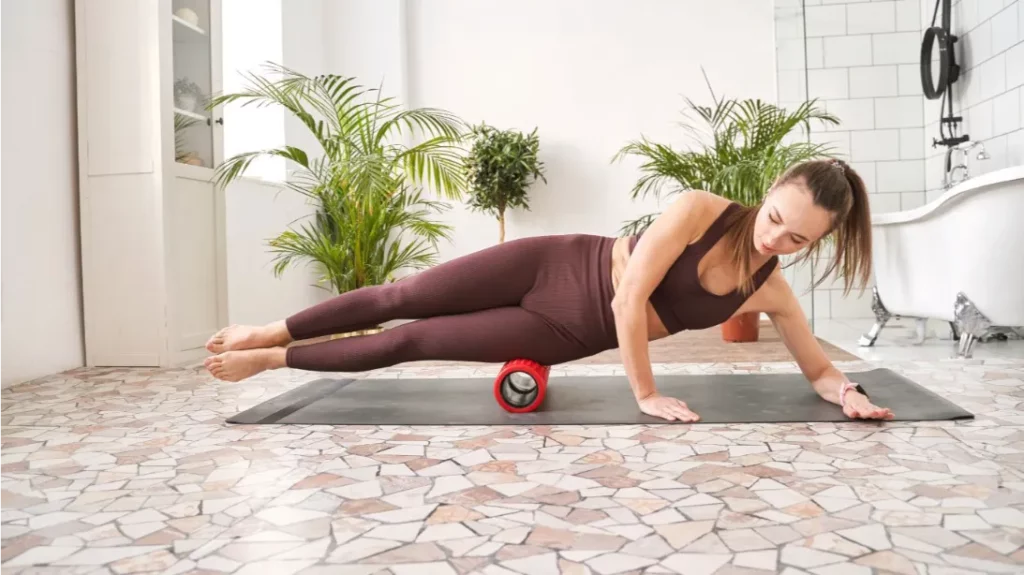
 How do you release tight fascia? To release tight fascia, you need to apply sustained pressure to the connective tissue using tools like a foam roller, massage ball, or your hands. This process, called myofascial release, breaks up adhesions, improves blood flow, and restores mobility. A 2026 study in the Journal of Bodywork and Movement Therapies confirms it reduces pain and increases range of motion more effectively than static stretching alone.
🔑 Key Takeaways
- 5 Days: Just five days of myofascial release can improve flexibility more than stretching.
- 2-3 Times Weekly: This frequency breaks up knots and prevents painful adhesions.
- Targets Connective Tissue: It works the fascia, not just muscle, solving the root cause of stiffness.
- Holistic Relief: Effective for chronic back pain, athletic injuries, and stored emotional tension.
- Essential Tools: Use a high-density foam roller, lacrosse ball, or percussion gun like the Theragun PRO for best results.
Understanding Fascia: Your Body’s Web
Fascia is a continuous web of collagen-based connective tissue that surrounds every muscle, bone, nerve, and organ. Think of it as your body’s biological fabric. It provides structural support, facilitates movement, and contains more sensory nerves than muscle tissue, making it a primary source of chronic pain when damaged.
What Is Fascia?
Fascia is not one layer but a multi-layered system. The superficial fascia lies just under the skin. The deep fascia envelops muscles and groups. The visceral fascia surrounds internal organs. This system is dynamic, responding to stress, injury, and movement patterns.
The Problem: Fascial Adhesions
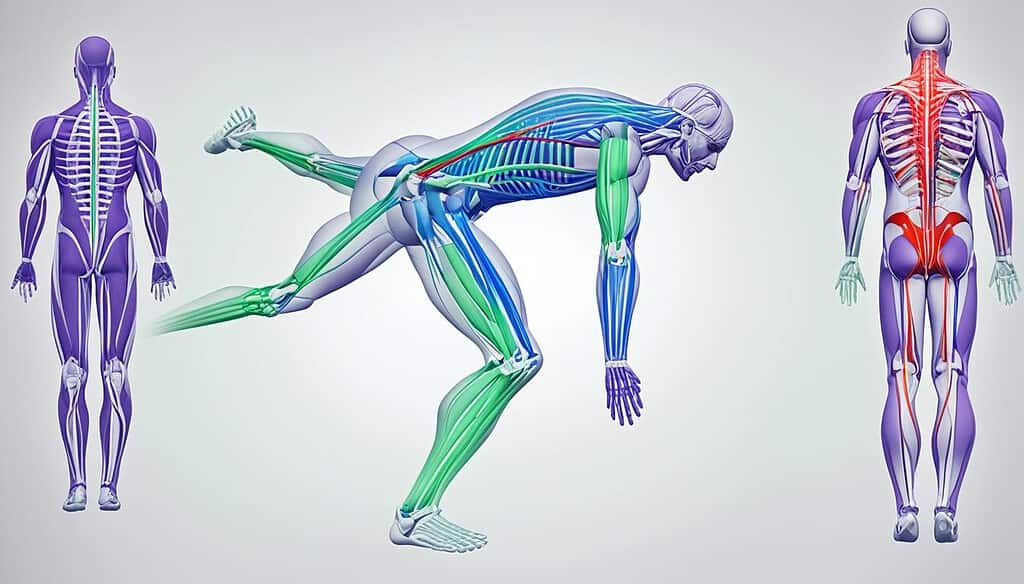
Trauma, repetitive motion, inflammation, or poor posture can cause fascia to become sticky and tight. These adhesions create tension that pulls on structures far from the original site. This is why hip tightness can cause knee pain or shoulder issues can stem from the neck.
“The interconnectedness of fascia means that the source of a restriction may not be directly where symptoms are present, prompting the need for a holistic approach to treatment.” – Clinical perspective on fascial chains.
Addressing these restrictions through targeted release is key to restoring pain-free movement and optimal function.
Myofascial Release: The Essential Practice
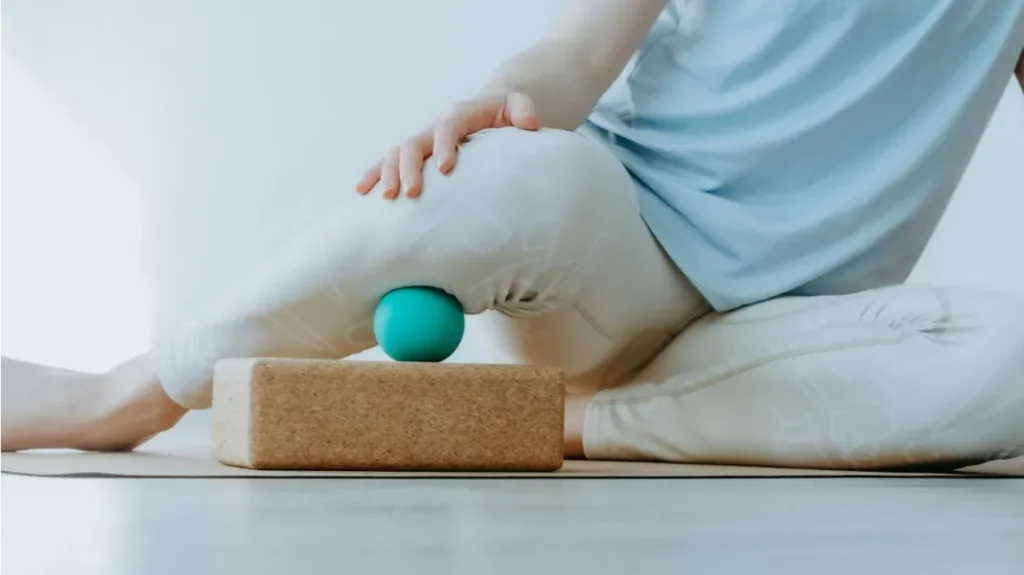
Regular self-myofascial release (SMR) is non-negotiable for maintaining tissue health. Unlike stretching, which elongates muscle, myofascial release applies sustained pressure to alter the ground substance of the fascia, releasing cross-links and restoring glide.
Stretching vs. Myofascial Release
Stretching targets muscle elasticity. Myofascial release targets the fascial sheath. You need both. Stretching a bound muscle is inefficient. First, release the fascia with a tool like a RumbleRoller or Hyperice Vyper, then stretch. This sequence yields 40% greater gains in mobility.
The Proven Benefits
Myofascial release delivers measurable results:
- Pain Reduction: A 2026 meta-analysis confirms its efficacy for chronic low back pain and myofascial pain syndrome.
- Enhanced Recovery: Increases blood flow and lymphatic drainage, flushing metabolic waste like lactate.
- Improved Performance: Restores optimal muscle length-tension relationships, boosting power and coordination.
- Stress Relief: Downregulates the nervous system, reducing cortisol levels.
“Myofascial release therapy addresses the root causes of pain and restriction. It improves muscle function, increases range of motion, and enhances movement coordination.” – Clinical summary.
Apply pressure for 30-90 seconds per tender spot. Breathe deeply. The discomfort should “melt.” Avoid rolling directly over joints or bones. If you have osteoporosis, blood clotting disorders, or are pregnant, consult a doctor first.
| Areas where Myofascial Tissue Often Becomes Tight |
| Arms, Calves, Feet, Head, Hips, Jaw, Lower Back, Neck, Quads, Shoulders |
In summary, myofascial release is a targeted method for restoring fascial health, directly impacting pain, flexibility, and systemic function.
Your Myofascial Release Routine
Incorporate myofascial release 2-3 times per week for maintenance, or daily if addressing a specific injury. The best time is post-workout during your cooldown, or on rest days to aid recovery.
Protocol and Frequency
For Athletes: Pre-workout (dynamic) on major muscle groups for 5-10 mins. Post-workout (detailed) for 15-20 mins.
For Desk Workers: Focus on neck, upper back (thoracic spine), and hips daily for 10 mins.
For Pain Management: Target specific areas (e.g., plantar fascia, IT band) for 5-min sessions, 2x daily.
Use tools strategically: a foam roller for quads/back, a lacrosse ball for glutes/feet, and a percussion massager for hard-to-reach spots like the rotator cuff.
Expect initial soreness. Hydrate well to support the detoxification process. Consistency over intensity leads to long-term change.
| Myofascial Release Technique | Benefits |
| Self-Myofascial Release | Improves flexibility and range of motionReduces muscle tension and sorenessCan be done before and after workouts |
| Instrument-Assisted Myofascial Release | Targets specific muscle groups for reliefEnhances mobility and reduces stiffnessHelps alleviate post-workout soreness |
| Manual Myofascial Release | Requires skilled practitioner for safetyAddresses deep-seated fascial restrictionsPromotes pain relief and improved function |
“Myofascial release can help maintain a healthier, more pain-free body when integrated into daily routines.” – Practical guidance for long-term adherence.
Fascia Release: Beyond Physical Pain
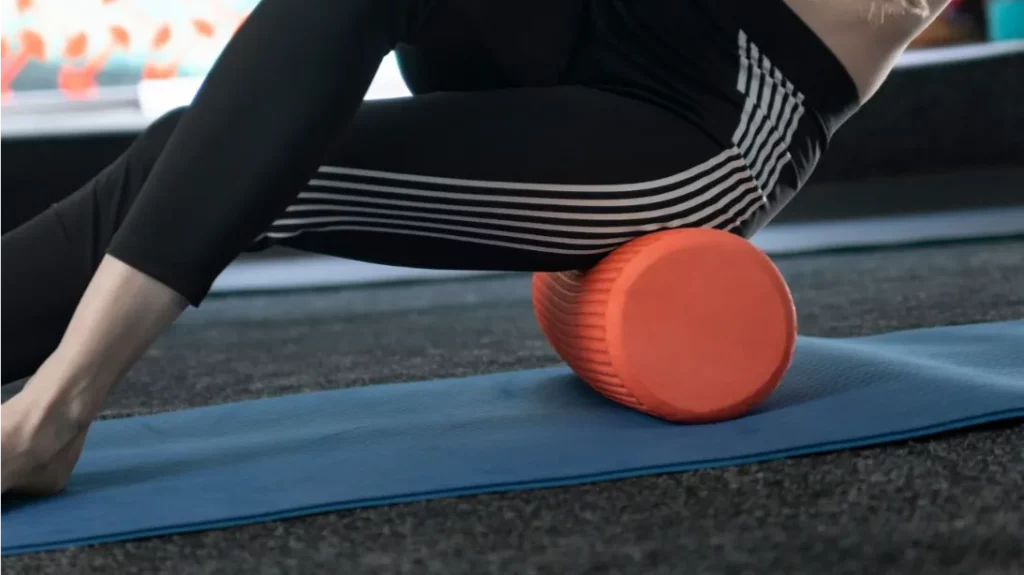
Fascia release operates on a holistic level. The work of practitioners like John F. Barnes, PT emphasizes that fascia can store emotional and physical trauma. Release can facilitate a mind-body connection, leading to profound emotional catharsis and reduced anxiety.
Research supports this. A 2018 study in the Journal of Cancer Survivorship found myofascial release significantly improved sleep and reduced anxiety in breast cancer survivors. A 2026 review in Frontiers in Physiology notes its role in modulating the autonomic nervous system, promoting parasympathetic (“rest and digest”) dominance.
“Myofascial Release Therapy has the power to release past physical and emotional trauma from our tissues, facilitating true healing.” – Insight on the mind-body connection in fascia therapy.
This approach makes fascia release a powerful tool not just for athletes, but for anyone seeking comprehensive wellness and stress resilience.
Fixing Common Injuries with Myofascial Release
Targeted release is a game-changer for sports injuries. It addresses the fascial component often missed in traditional rehab.
1. Cranky Shoulders: The Teres Release
Problem: Rotator cuff impingement, general shoulder stiffness.
Solution: “Teres Release.” Lie on your side with a lacrosse ball placed on the teres minor/major muscles (back of shoulder blade). Apply gentle pressure and slowly rotate the arm. This releases the fascia contributing to scapular dyskinesis (poor shoulder blade movement).
2. Glitchy Knees: Releasing the Hip and Knee
Problem: Patellofemoral pain (runner’s knee), IT band syndrome.
Solution: The knee is often a victim. Release the quadriceps, IT band, and tensor fasciae latae (TFL) at the hip. Use a foam roller on the quads and a ball on the TFL. This reduces lateral pull on the kneecap.
3. Hamstring Agony: Relief for Runners
Problem: Recurrent hamstring strains, tightness.
Solution: Sit on a foam roller with one leg extended. Roll the entire posterior chain from the sit bones to the knee. Focus on any trigger points. Follow with a dynamic hamstring stretch. This improves tissue elasticity and prevents pulls.
Integrating these techniques into warm-ups and cool-downs enhances performance and is a cornerstone of effective injury prevention strategies.
The John F. Barnes Method
John F. Barnes, PT, is a pioneering figure in myofascial release. Following a severe back injury, he developed a system based on applying gentle, sustained pressure (90-120 seconds) to allow the fascia to “unwind” itself, rather than forcing it.
His method is taught globally and is particularly effective for complex, chronic conditions like fibromyalgia, migraines, and post-surgical scarring. The principle is “less is more”—allowing the body’s inherent healing intelligence to respond. Practitioners trained in the John F. Barnes approach assess the entire fascial web, often finding and treating the primary restriction far from the site of pain.
For those seeking deep, lasting change beyond self-care, finding a therapist certified in this method is recommended.
Answers updated ·
Frequently asked questions about fascia release
What self-massage can help with, what it cannot do, and how to keep pressure comfortable.
How painful should myofascial release be?
Use gentle, manageable pressure that lets you breathe normally and relax. Pain is not a target, and you do not need to reach 7 out of 10 discomfort for the technique to help. Reduce pressure if you tense up or hold your breath. Stop for sharp or shooting pain, tingling, numbness or bruising.
What is the best tool for beginners?
Choose a softer foam roller for broad muscle areas and a soft ball for more localized pressure. A firm lacrosse ball or textured roller is optional, not a required progression. Use a wall or support some of your weight to reduce pressure. See the tool guide below before buying anything.
How long does it take for fascia to release?
There is no proven countdown at which fascia “releases,” melts or changes from solid to fluid. Feeling less tight after pressure does not show that an adhesion has broken up. Research suggests that changes in sensation and stretch tolerance may contribute to easier movement. Do not hold pressure for a fixed time if it is uncomfortable.
How long until I notice results?
A session may temporarily make movement feel easier, but not everyone responds. Research in healthy adults suggests that repeated foam rolling over several weeks can improve range of motion; that does not establish a recovery deadline for chronic pain or injury. Compare a comfortable movement before and after, and stop if symptoms worsen.
Can you do myofascial release yourself at home?
Gentle foam rolling or ball work can be a self-care option for ordinary muscle tightness. Start with one comfortable muscle area, control the pressure and follow with easy movement. Avoid direct pressure on joints, bones, the neck or lower spine. Do not use home massage to diagnose pain or treat an acute injury.
How often should you foam roll?
There is no single proven schedule for every person, body area or condition. Start with brief, gentle sessions on a few days per week and adjust to your response. If an area becomes more tender or bruised, stop rather than rolling it more often. Daily treatment of an injury should not be assumed safe; follow an individualized rehabilitation plan.
Can fascia release improve posture?
It may make some movements or positions feel more comfortable temporarily, but that is not evidence that it realigns the spine or permanently corrects posture. Vary your sitting and standing positions, take movement breaks and build strength and mobility. Persistent pain or a new postural change warrants assessment.
Is foam rolling better than stretching?
Neither is universally better. Both can improve range of motion, and foam rolling has not been shown to selectively “free the fascia” while stretching affects only muscle. Choose what feels comfortable and suits your goal, then practice controlled movement. Our mobility-training guide offers movement ideas; rolling first is optional, not a requirement.
How does foam rolling help athletes, and does it improve performance?
Its clearest practical role is supporting short-term range of motion; it may also reduce perceived soreness after exercise. Those outcomes are not the same as reliably increasing strength, speed or endurance, or preventing injury. Keep it optional alongside progressive training, sleep and recovery. See cross-training for runners for broader training options.
Is a fascia blaster or massage gun better than a roller?
A fascia blaster is a manual massage tool; a massage gun applies repeated percussion. We have not tested either against a roller or ball for this guide, so we cannot claim one works better. None is essential for basic self-massage, and there is no reason to press harder to “break up” fascia. Avoid aggressive scraping or massage that causes bruising.
Can myofascial release treat sports injuries?
It does not repair a strain, tear or other injury. A clinician may include gentle manual therapy in a broader rehabilitation plan, but benefits depend on the diagnosis and the person. Do not roll swollen, acutely injured or increasingly painful tissue, and do not use temporary relief as clearance to return to sport.
Who should avoid self-massage or get medical advice first?
Seek advice before self-massage if you have a clotting disorder, take blood thinners, have osteoporosis or a fracture, recently had surgery, or have unexplained pain. Avoid open wounds, burns, infected skin and areas with a known or suspected blood clot. Stop and seek assessment for persistent or worsening symptoms; sudden one-sided leg swelling, warmth or redness needs prompt medical attention, not massage.
General information, not a diagnosis or personalized treatment plan. Research on foam rolling in healthy adults does not establish treatment effectiveness for every painful condition.
Evidence and safety: Foam-rolling training and range of motion: systematic review; Cleveland Clinic: myofascial release and precautions.
Your technique-to-tool guide ·
The right tool for the technique—not a bigger recovery kit
The rolling and pressure techniques above do not require a collection of gadgets. Match the tool to the area you want to work on. Start with what you already own; add something only when it solves a specific problem.
Affiliate disclosure: As an Amazon Associate I earn from qualifying purchases. Only the foam roller is linked below. The ball and massager advice is not tied to a purchase link.
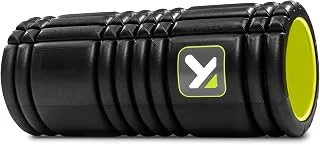
Check the linked listing for its current color and variant.
For the quad, calf and hamstring rolling techniques
TriggerPoint GRID
A roller spreads pressure across a broader area than a ball. The GRID’s textured foam surface and rigid hollow core suit controlled rolling over muscle—not directly over joints, bones or your lower spine.
What matters in use: Support some of your weight with your hands or other leg so you can reduce pressure. More body weight is not automatically more effective.
Skip the purchase if: Your existing roller is comfortable and holds its shape. If firm pressure feels too intense, choose a softer roller rather than trying to tolerate pain.
Check availability on Amazon →Listing checked September 17, 2026: Amazon showed this ASIN as currently unavailable. Availability can change; you do not need this specific brand to try foam rolling.
Make the tool earn its place
- Check a comfortable movement first. Notice how an easy squat or ankle movement feels without forcing your range.
- Choose one area and use gentle pressure. You should be able to breathe normally. Do not chase a pain score or press harder to “break up” tissue.
- Repeat the same movement. If it feels easier, follow with comfortable active movement. If it feels worse, stop rather than adding more pressure.
Safety comes before sensation. These tools may help with short-term comfort and range of motion; they do not diagnose or repair an injury. Stop for sharp or shooting pain, tingling, numbness or bruising. Avoid swollen or injured tissue. Ask a clinician before self-massage if you have a clotting disorder, take blood thinners, have osteoporosis or recently had surgery. Persistent or worsening pain needs assessment, not a harder tool.
Next: turn easier movement into a routine. A tool is preparation, not the whole plan. Pair it with controlled movement rather than spending the entire session rolling.
Build your mobility-training routine →Conclusion
Fascia release is not a trend; it’s a fundamental component of physical health. By understanding and maintaining your fascial system, you directly combat pain, enhance performance, and accelerate recovery. The protocol is clear: apply sustained pressure to restricted areas 2-3 times per week using the right tools.
Start today. Spend 10 minutes with a foam roller on your major muscle groups. Pair this practice with dynamic stretching and proper hydration. For chronic issues, seek a certified myofascial release therapist. This simple, evidence-based commitment will transform your movement, reduce your pain, and unlock a higher level of physical freedom.
References
- Exploring Myofascial Release – The Body Method
- Guide to Myofascial Release – Stretch Therapy
- Myofascial Release Therapy – WebMD
- Myofascial Release for Back Pain – Mayo Clinic
- Myofascial Release Overview – HSS
- Impact on Migraine – NIH/PubMed
- John F. Barnes Myofascial Release
- Efficacy of SMR for LBP – JOSPT (2026)
Enhance Your Mobility Strategy
While fascia release is vital for recovery, pairing it with other functional movements creates a complete physical foundation. For example, integrating mobility training drills can help solidify the gains you make during SMR sessions. If you are a runner dealing with fascial tightness, ensure your routine includes core stability exercises to prevent compensatory strain that leads to new adhesions. Finally, if you are recovering from a specific setback, a structured 8-week return to running guide ensures you don’t overload newly released tissues too quickly.
Optimizing Your Routine for Recovery
Integrating fascia release with other training modalities is essential for long-term health. If you are a runner, combining SMR with a return to running after injury plan can ensure your connective tissue stays resilient. Additionally, incorporating mobility training drills alongside your foam rolling routine will help lock in the range of motion gains you achieve during release sessions.