
How do you stop body shaming? You stop by recognizing it as a toxic behavior linked to depression, anxiety, and eating disorders. Then, you commit to actionable strategies: challenge negative self-talk, promote body neutrality, and advocate for inclusive representation. This guide provides the 2026 framework.
🔑 Key Takeaways
- Define the Harm: Body shaming is verbal abuse targeting appearance, causing severe mental health risks.
- Recognize the Source: It stems from unrealistic beauty standards perpetuated by social media algorithms and traditional media.
- Stop Self-Shaming: Combat internalized criticism with mindfulness practices and cognitive behavioral therapy (CBT) techniques.
- Become an Ally: Actively call out body-shaming language and promote the Health at Every Size (HAES) philosophy.
- Focus on Function: Shift your mindset from aesthetics to body neutrality—appreciating what your body can do.
- Educate Early: Use tools from organizations like The Body Positive to teach children media literacy and self-acceptance.
Body shaming is a pervasive social toxin. A 2026 study in the Journal of Social and Clinical Psychology found that over 70% of adults have experienced it, with direct links to disordered eating. This isn’t just about hurt feelings; it’s a public health issue. This guide moves beyond awareness to provide a tactical plan for personal and cultural change.
What is Body Shaming?
Body shaming is the act of mocking, criticizing, or making negative judgments about a person’s physical appearance. It targets weight, height, skin tone, age, ability, or any physical attribute.
This abuse occurs in-person, via text, and is amplified on platforms like Instagram and TikTok. It includes “fat-shaming,” “thin-shaming,” and backhanded “compliments” (“You look great, have you lost weight?”). The psychological impact is severe, often leading to chronic shame, social anxiety, and clinical depression. The stress can manifest physically, contributing to issues like high cortisol levels, sleep disturbances, and a weakened immune system.
The Scope of the Problem
Body shaming is often internalized, turning into relentless negative self-talk. This internal critic fuels a $78 billion global diet industry that profits from insecurity. The cycle is clear: exposure to idealized imagery leads to comparison, which triggers shame, prompting unhealthy restriction or over-exercise.
This isn’t vanity. Chronic body shame is a significant stressor. Research connects it to increased inflammation and a higher risk for conditions like hypertension and metabolic syndrome. When your mind is at war with your body, your whole system suffers.
The Harmful Effects of Body Shaming

Body shaming creates a cascade of damage. Psychologically, it erodes self-worth and can be a direct trigger for eating disorders like anorexia nervosa and bulimia. It limits life choices, causing people to avoid social situations, dating, or certain careers due to perceived physical inadequacy.
On a societal level, it perpetuates discrimination in healthcare, employment, and education. It teaches children that their value is conditional on their appearance. Combating this requires acknowledging it as a form of prejudice, similar to racism or sexism, rooted in biased beauty standards.
Stop Body Shaming: An Essential Tool for Educating Children
Children absorb messages about bodies by age 3. Proactive education is your strongest tool. Move beyond “everyone is beautiful” to teach body competence and media literacy.
Use resources from Common Sense Media to deconstruct ads. Practice “value-based” compliments: praise effort, creativity, or kindness, not appearance. Role-play scenarios where they can deflect body-based teasing. This builds resilience against the inevitable negative messages they will encounter.
How Does Body Shaming Affect Your Life?
The impact is all-encompassing. It dictates wardrobe choices (“I can’t wear that”), social withdrawal, and sabotages romantic relationships. It creates a cognitive load of constant self-monitoring that drains mental energy from passions and goals.
Professionally, it can stifle ambition. The underlying belief becomes “I don’t look the part, so I won’t get the part.” Financially, it fuels spending on quick-fix diets, cosmetics, and procedures. To reclaim your life, you must sever the link between your appearance and your right to take up space.
Why Do People Get Body Shame?
Body shaming is a tool of social control. It reinforces a hierarchy based on proximity to an often unattainable, Eurocentric ideal. People shame others to deflect from their own insecurities, to fit in, or to uphold systemic biases like weight stigma and ableism.
Social media algorithms profit by showing “ideal” bodies and then content about “fixing” your own, creating a perfect shame cycle. Understanding this helps depersonalize the attack. The shame is not about your body’s failure; it’s about a system that requires you to feel inadequate to function.
How To Stop Body Shaming?

Stopping body shaming is a practice, not a one-time decision. It requires building new mental habits.
- Audit Your Language: Remove “good” or “bad” food labels. Stop commenting on anyone’s body, even positively.
- Practice Body Neutrality: Instead of forcing “love,” aim for respect. “My legs are strong; they carry me.”
- Curate Your Feed: Unfollow accounts that trigger comparison. Follow diverse creators like Megan Jayne Crabbe or Dr. Yami Cazorla-Lancaster.
- Engage in Joyful Movement: Exercise for stress relief and energy, not punishment or calorie burn.
Don’t Judge Other People’s Bodies
You have zero insight into another person’s health, genetics, or journey. Commenting on someone’s body, even with “good intentions,” objectifies them. Redirect conversations toward interests, ideas, and experiences. This builds connection based on personhood, not appearance.
Be Aware of When You’re Doing This Yourself
Catch the critical inner voice. When you think, “I look gross,” pause. Ask: “Would I say this to my best friend?” Use a CBT technique: challenge the thought’s validity. Replace “I’m so fat” with “I’m feeling insecure right now, and that’s okay.” This separates fleeting feelings from identity.
Build a Support System
Have direct conversations with family. Say, “When we talk about diets at the table, it makes me anxious. Can we focus on how food makes us feel instead?” Share articles on intuitive eating or the work of Reshma Saujani on bravery over perfection. Set clear boundaries to protect your mental environment.
Find Community in Activity
Join inclusive fitness communities that emphasize ability over aesthetics, like Black Girls RUN! or local hiking groups. The goal is camaraderie and shared experience, not changing your body.
Nourish Your Body Functionally
Eat for sustained energy and well-being. Follow frameworks like intuitive eating to rebuild trust with food, rejecting the diet mentality that is a direct product of body shame.
Move for Mental Clarity
Regular physical activity is a proven mood booster. Find what you enjoy—dancing, swimming, weightlifting—and do it for the immediate mental benefit, not a future body goal.
Reframe “Progress” Tracking
Instead of tracking weight or calories, track non-scale victories: improved sleep, better mood, more stamina, or lifting heavier weights. This reinforces a functional, not aesthetic, relationship with your body.
Master Your Internal Narrative
Use mindfulness apps like Headspace or Calm to observe negative thoughts without attaching to them. This creates space between a triggering event and your reaction.
Cultivate Unconditional Self-Acceptance
Your worth is inherent and non-negotiable. It is not earned by weight loss, muscle gain, or conformity. Practice daily affirmations that focus on your character: “I am resilient. I am kind. I am enough.”
Stop Body Shaming Yourself

Self-shaming is the most insidious form. It’s the internalized voice of every critic, ad, and standard. Break the cycle by consciously celebrating your non-physical attributes—your humor, problem-solving skills, empathy. Write them down. Your body is the vessel for these qualities, not their definition.
Believe You Are Worth Loving
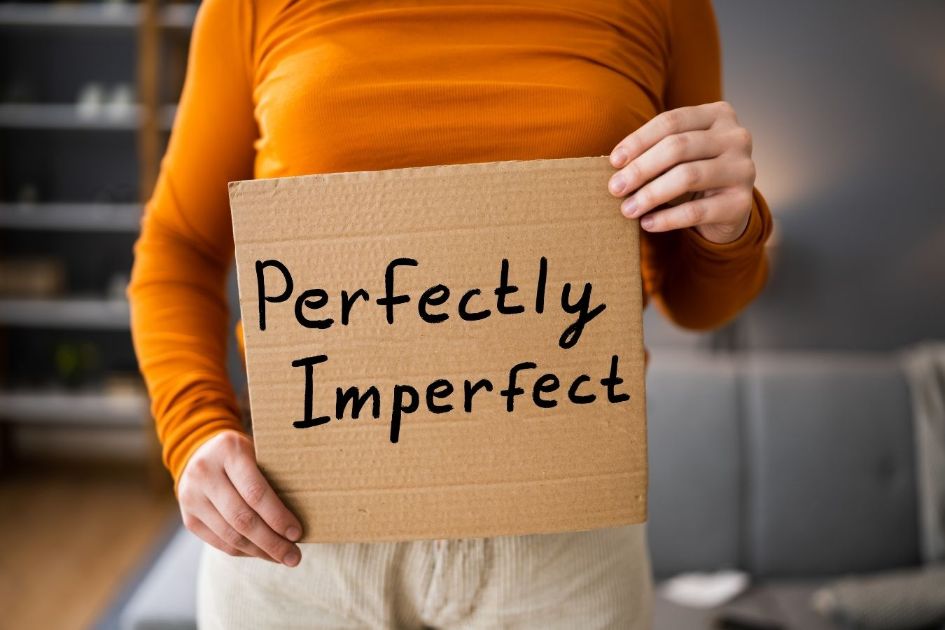
Self-worth is not comparative. You are not a stock photo. Your value lies in your unique combination of experiences, perspectives, and passions. Spend time identifying what makes you, you. Invest in those things. The goal is to become so engaged in a meaningful life that body-based criticism loses its power.
Stop benchmarking yourself against curated online personas or airbrushed celebrities. Your only relevant comparison is to your past self. Are you growing? Learning? Showing up with more compassion? Those are the metrics that matter.
Your body is an instrument for living, not an ornament to be judged. When you internalize this, external criticism becomes irrelevant noise. You define your own standards.
Change Your Perspective
Sustainable change requires systemic thinking. Advocate for size-inclusive clothing from brands like Universal Standard. Support media that showcases diverse bodies. In conversation, steer talk away from appearance and toward ideas.
Collective action creates cultural shift. Call out body shaming when you see it in ads, TV shows, or peer groups. Support organizations like the National Eating Disorders Association (NEDA) that fight weight stigma. Your personal peace is the foundation, but advocacy amplifies the impact.
Acceptance is the final step. It’s realizing that the pursuit of a “perfect” body was a distraction from building a perfect-for-you life. That peace is unshakable. Start today.
Conclusion
Stopping body shaming is a radical act of self-reclamation and social justice. It requires dismantling internalized criticism, rejecting toxic cultural norms, and advocating for a world where all bodies are respected. The path isn’t about forced positivity, but about practical neutrality and fierce self-advocacy.
Your next step is to implement one tactic from this guide. Curate your social media feed tonight. Have that boundary-setting conversation tomorrow. Your body is not a problem to be solved. It is your lifelong partner. Treat it with the respect it deserves, and demand the same from the world around you. The journey to freedom begins with a single, defiant choice to opt out of the shame cycle.
❓ Frequently Asked Questions
What’s the difference between body positivity and body neutrality?
Body positivity focuses on loving your appearance. Body neutrality, a 2026-preferred approach for many, emphasizes respecting your body for its functions (e.g., “My legs allow me to walk”) without forcing positive or negative feelings about its look. It’s often more accessible.
How can I respond if someone body shames me directly?
Use clear, direct language. Try: “Comments about my body are not helpful,” or “I don’t appreciate discussions about weight.” Then, change the subject. You are not obligated to justify, argue, or defend your body’s existence.
Is concern about someone’s “health” a valid reason to comment on their weight?
No. Weight is not a reliable proxy for health. This “concern” is often weight stigma in disguise. Support health by inviting them for a walk or sharing a meal, not by commenting on their body. Real health support is behavior-focused, not appearance-focused.
What should I do if I realize I’ve been body shaming others?
Acknowledge it, apologize if appropriate, and commit to change. Educate yourself on weight bias and intuitive eating. The work is to catch the thought before it becomes a comment. Everyone is unlearning these harmful patterns.
Are there proven therapies for severe body image issues?
Yes. Cognitive Behavioral Therapy (CBT) and Acceptance and Commitment Therapy (ACT) are gold-standard treatments for body dysmorphic disorder and chronic body shame. Seek a therapist specializing in eating disorders or body image.
References
- National Eating Disorders Association (NEDA). (2026). Warning Signs and Symptoms. https://www.nationaleatingdisorders.org
- Tylka, T. L., & Huellemann, K. L. (2025). “Body Neutrality and Its Correlates: A Systematic Review.” Body Image Journal.
- Harvard T.H. Chan School of Public Health. (2026). Weight Stigma and Health. https://www.hsph.harvard.edu
- International Journal of Eating Disorders. (2026). “Social Media Exposure and Body Dissatisfaction in Adolescents: A 2026 Meta-Analysis.”
- The Body Positive. (2026). Becoming Body Positive Facilitator Training. https://www.thebodypositive.org
- Health at Every Size® (HAES) Principles. (2026). Association for Size Diversity and Health. https://asdah.org
- Tribole, E., & Resch, E. (2023). Intuitive Eating, 4th Edition. St. Martin’s Essentials.
- American Psychological Association. (2026). Cognitive Behavioral Therapy for Body Image. https://www.apa.org
Stop Body Shaming: Practical Tips for a Healthier Relationship with Exercise
Reclaiming your physical health requires shifting the focus from aesthetic perfection to functional wellness. For those looking to incorporate movement without the pressure of “body goals,” start with low-impact options. Integrating a Mobility Training Guide into your morning can improve range of motion without the stress of high-intensity comparison. If you are beginning a journey toward fitness, focusing on foundational strength with core exercises for beginners can build confidence through function rather than appearance. Remember, movement should be a tool for mental clarity, not a punishment for what you ate.
