
Performance nutrition • Updated July 12, 2026
A practical athlete nutrition plan starts with training demands, not a generic meal chart
An effective athlete nutrition plan matches calories, carbohydrates, protein, fluids, and meal timing to the sport, training load, body size, and recovery window. Endurance, strength, team-sport, and weight-class athletes need different fuel strategies, so the plan should adjust by training day.
| Need | High-leverage target | Why it matters |
|---|---|---|
| Carbohydrates | Scale up on long or intense training days. | Supports glycogen and high-output sessions. |
| Protein | Distribute across 3–5 feedings. | Improves muscle repair and adaptation. |
| Hydration | Start hydrated; replace sweat losses. | Protects performance, focus, and recovery. |
Carb-focused meal 2–4 hours before, with easy digestion.
Fluids and carbs for longer or repeated high-intensity sessions.
Protein plus carbs within the recovery window.
Common planning mistakes
- Eating the same on rest days and two-a-day training days.
- Under-fueling carbohydrates, then blaming “motivation” for poor sessions.
- Adding supplements before the basic meal structure is consistent.
Safety note: athletes with medical conditions, disordered-eating history, or weight-class pressure should work with a qualified sports dietitian.
FAQ
What should an athlete eat every day? Most athletes need a foundation of minimally processed carbs, lean protein, healthy fats, colorful produce, and enough fluids — adjusted to training volume.
Is protein or carbs more important? Both matter. Protein repairs tissue; carbs fuel the work that drives adaptation.
How do you build a nutrition plan for an athlete? Start with the sport, weekly training load, session intensity, body size, recovery window, and competition schedule. Then adjust calories, carbohydrates, protein, fats, fluids, electrolytes, and meal timing so the athlete can train hard, recover well, and avoid under-fueling. This guide gives a practical framework for building a performance-focused athlete meal plan in 2026.
🔑 Key Takeaways
- Fuel for Demand: Caloric and macronutrient needs scale directly with training volume and intensity.
- Timing is Everything: Pre- and post-workout nutrition windows are critical for performance and muscle protein synthesis.
- Hydration is Non-Negotiable: Fluid losses of about 2% of body mass can impair endurance, heat tolerance, focus, and perceived effort, especially during long or hot sessions.
- Individualize Your Plan: Needs vary by sport, gender, age, and goals—copying another athlete’s diet fails.
- Food First, Supplements Second: Whole foods provide a complex matrix of nutrients that isolated supplements cannot match.
- Recovery is Part of Training: The meal after your workout is as important as the workout itself for adaptation.
Athlete Nutrition Targets by Body Weight, Training Load, and Sport Type
The most useful athlete nutrition plan is not a fixed meal chart. It is a repeatable decision system: estimate the day’s training demand, choose carbohydrate availability, set protein distribution, keep fats adequate, then adjust hydration and recovery meals around the hardest sessions.
Macro targets by training demand
| Nutrition variable | Useful starting range | When to move higher | How to use it |
|---|---|---|---|
| Carbohydrate | About 3–5 g/kg/day on light or skill-focused days; 5–7 g/kg/day on moderate training days; 6–10+ g/kg/day during heavy endurance blocks. | Long runs, intervals, tournaments, two-a-days, race week, high-volume cycling/swimming, or repeated high-intensity team practices. | Put most carbs before, during, and after hard sessions instead of spreading them randomly. |
| Protein | About 1.2–2.0 g/kg/day for many training athletes, divided across 3–5 meals/snacks. | Strength blocks, calorie deficits, injury recovery, older athletes, or athletes struggling with soreness and recovery. | Aim for a protein serving at breakfast, lunch, dinner, and post-workout rather than one huge dinner-only serving. |
| Fat | Usually 20–35% of total calories, with emphasis on olive oil, nuts, seeds, avocado, eggs, dairy, and fatty fish when tolerated. | Lower-volume days, athletes needing calorie density, or those struggling to maintain weight. | Keep fat lower immediately before hard sessions if it causes stomach discomfort. |
| Fluids and sodium | Start sessions hydrated, then replace fluid and sodium according to sweat rate, heat, session duration, and body-size changes. | Hot weather, heavy sweaters, salty sweaters, long endurance events, repeated games, or cramping history. | Practice your hydration plan during training; never test a new drink strategy on race day. |
Example: a 70 kg endurance athlete doing a long run may need a very different carbohydrate target than the same athlete on a recovery day. The plan should flex with the session instead of forcing identical meals every day.
Build the plan in 5 minutes
- Classify the day: recovery, easy, moderate, hard, long, race, tournament, or two-a-day.
- Set carbohydrates first: lower on rest/easy days, higher around intense or long work.
- Lock protein distribution: include protein in 3–5 feedings, especially after training.
- Add colorful plants: berries, citrus, leafy greens, beans, peppers, potatoes, whole grains, herbs, and fermented foods support micronutrients and gut health.
- Plan fluids and electrolytes: match heat, sweat rate, body size, and session length.
- Check recovery: energy, sleep, mood, soreness, appetite, menstrual regularity, and performance trends tell you whether the plan is working.
Training-day plate templates
| Day type | Plate emphasis | Example meal structure | Best use case |
|---|---|---|---|
| Recovery or rest day | Protein + plants + moderate carbs + healthy fats | Greek yogurt with berries; chicken or tofu salad with potatoes; salmon, rice, vegetables, olive oil. | Maintain nutrients without over-fueling a low-output day. |
| Moderate training day | Balanced carbs, protein, fats, and fluids | Oats and eggs; turkey or bean wrap with fruit; lean protein, quinoa, vegetables, yogurt. | Standard gym, practice, lifting, or steady endurance day. |
| Hard interval / heavy lift day | More pre- and post-workout carbs, steady protein | Rice bowl 2–4 hours pre-workout; banana or sports drink if needed; protein + carbs after. | High-intensity output, muscle repair, and glycogen restoration. |
| Long endurance or race day | Carb-forward, gut-tested, hydration planned | Low-fiber carb meal before; practiced fluids/carbs during; recovery meal with carbs, protein, sodium, and fluids. | Long runs, rides, races, triathlon, long practices, or tournaments. |
Pre-, during-, and post-workout fueling protocol
| Timing | Primary goal | What to eat or drink | Common mistake |
|---|---|---|---|
| 2–4 hours before | Top off glycogen and avoid stomach issues | Carb-focused meal with moderate protein and familiar low-irritation foods. | Eating too much fat/fiber immediately before intense work. |
| 30–60 minutes before | Quick energy if needed | Banana, toast, applesauce, dates, sports drink, or another familiar easy carb. | Trying a new pre-workout food on competition day. |
| During sessions over ~60–90 minutes | Maintain output and delay fatigue | Fluids plus carbohydrate and sodium as session length, heat, and sweat rate increase. | Waiting until energy crashes or thirst is severe. |
| Within the recovery window | Repair muscle and refill glycogen | Protein plus carbohydrates, then a complete meal when appetite returns. | Only taking protein and forgetting carbohydrate after glycogen-depleting work. |
Supplement hierarchy for athletes
Supplements should support a strong food plan, not replace it. Athletes who compete should choose third-party-tested products and check sport rules before using any supplement.
| Tier | Examples | When it may help | Important caution |
|---|---|---|---|
| Foundation | Carbohydrate foods, protein-rich foods, fluids, sodium, vitamin- and mineral-rich meals | Every athlete, every season | This is where most performance nutrition gains come from. |
| Practical support | Whey or plant protein, electrolyte drink, sports drink, gels/chews for endurance | Convenience, travel, long sessions, tournaments, or appetite limits | Use only products that fit digestion and training context. |
| Evidence-informed ergogenic aids | Caffeine, creatine monohydrate, beta-alanine, nitrate/beetroot in the right sport context | Specific goals such as power output, repeated high-intensity work, or endurance performance | Dose, timing, tolerance, and rules matter; test in training first. |
| Medical or deficiency-based | Iron, vitamin D, B12, calcium, omega-3, electrolytes for heavy sweaters | Only when intake, labs, symptoms, or clinician guidance support it | Do not self-prescribe high-dose micronutrients blindly. |
Red flags that the nutrition plan is not working
- Performance drops despite consistent training.
- Persistent soreness, frequent illness, stress fractures, or recurring injuries.
- Low mood, poor sleep, irritability, or loss of motivation.
- Constant hunger, food preoccupation, or binge/restrict cycles.
- Missed or irregular periods in female athletes.
- Large body-weight swings around training that are not planned or explained.
If these signs appear, the next step is not a stricter diet. It is a review of energy availability, recovery, training load, and medical risk with a qualified professional.
Athlete’s Diet Basics
An athlete’s diet is built on three pillars: macronutrients for fuel and repair, micronutrients for metabolic function, and consistent healthy eating habits. It’s not just about eating more. It’s about eating smarter—prioritizing quality protein, strategic carbohydrate intake, and essential fats to power the body and mind.
Macronutrient Breakdown for Athletes
Each macronutrient has a specific role. Proteins (like whey, casein, and plant-based blends) are for muscle repair. Carbohydrates are the primary fuel for high-intensity work. Fats support hormone production and long-term energy. The ratio changes based on the sport. A strength athlete’s plan differs from an endurance runner’s.
The Role of Healthy Fats in an Athlete’s Diet
Focus on monounsaturated and polyunsaturated fats. Sources like avocados, walnuts, chia seeds, and olive oil provide sustained energy. They aid in reducing inflammation and supporting cardiovascular health, which is crucial for athletic longevity and consistent training.
Importance of Carbohydrates for Athletic Performance
Carbs are essential fuel. For intense training, Carbs replenish muscle glycogen. Prioritize complex carbohydrates like sweet potatoes, oats, and quinoa. They provide a steady glucose release. Simple carbs from fruits or sports drinks are best immediately around workouts for quick energy.
Optimizing gut health is also key. A diverse microbiome, supported by probiotic foods (like kefir) and prebiotic fiber, enhances nutrient absorption and immune function. This directly impacts recovery and performance consistency.
This table shows a sample daily macronutrient distribution for a high-performance athlete:
| Meal | Protein Sources | Carbohydrate Sources | Fat Sources |
|---|---|---|---|
| Breakfast | Scrambled eggs, Greek yogurt | Oatmeal with berries | Chia seeds, almond butter |
| Lunch | Grilled chicken, quinoa | Sweet potato, mixed greens | Avocado, olive oil dressing |
| Snack | Protein shake, cottage cheese | Whole-grain crackers | Nuts, sunflower seeds |
| Dinner | Baked salmon, lentils | Steamed broccoli, brown rice | Coconut oil (for cooking), olives |
Do not eliminate macronutrient groups. Embrace each for its function. With knowledge and discipline, proper nutrition becomes automatic, unlocking full physical potential.
Creating an Effective Nutrition Meal Plan for an Athlete
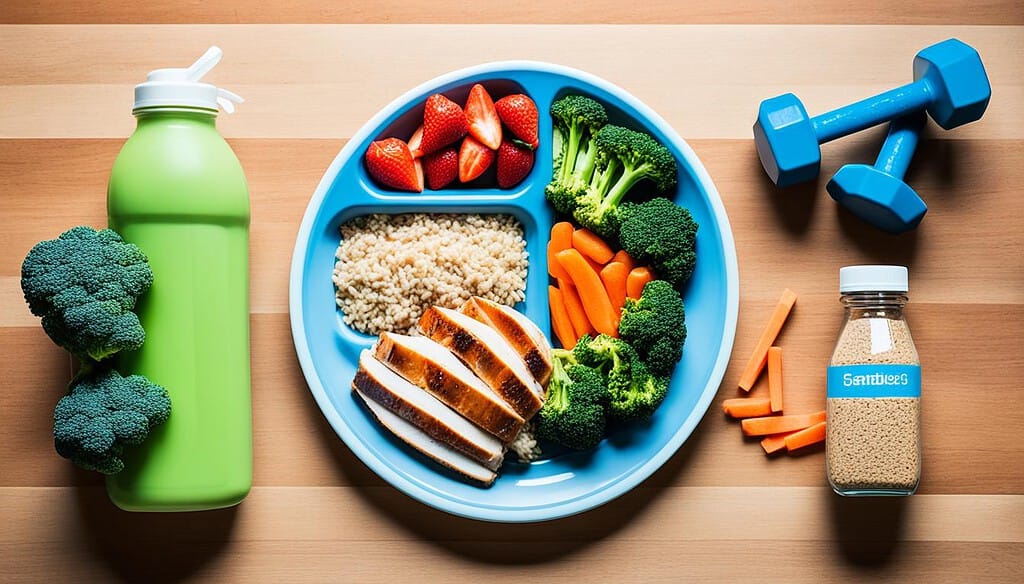
A structured meal plan supports rigorous training. It maximizes nutrient intake for performance and recovery. Use individualized nutrition plans tailored to your energy expenditure, body composition goals, and sport. Below is a framework for creating a winning athlete food plan with balanced macros and practical recipe ideas.
Weekly Athlete Meal Plan Suggestions
Build your athlete meal plan weekly with variety. Breakfast: oatmeal with almonds and eggs. Lunch: quinoa salad with grilled chicken and mixed greens. Snacks: Greek yogurt with berries. Dinner: lean protein with a large portion of vegetables. Adjust portions based on daily activity.
Designing a 7-Day Athlete Diet Plan
Every meal is a chance to optimize. A 7-day athlete diet plan provides structure:
- Monday: Baked salmon, sweet potato, steamed broccoli.
- Tuesday: Turkey and vegetable stir-fry with brown rice.
- Wednesday: Grilled chicken Caesar salad (light dressing).
- Thursday: Lean beef and vegetable kabobs with quinoa.
- Friday: Shrimp and whole-wheat pasta with marinara.
- Saturday: Homemade pizza on whole wheat crust with veggies.
- Sunday: Slow-cooked turkey chili with beans.
Adjust portions based on workout intensity and rest days. Listen to your body’s hunger and energy cues for the best results.
Integrating Lean Proteins into the Diet
Lean proteins are vital for muscle repair. Include skinless poultry, fish (tuna, cod), eggs, and plant-based options like tofu or tempeh at every meal. Combine them with complex carbs to sustain energy levels throughout the day and support training adaptations.
A good athlete food plan blends flavor and nutrition. It must be sustainable and enjoyable to fuel long-term athletic success.
Nutrition Strategies for Endurance Athletes
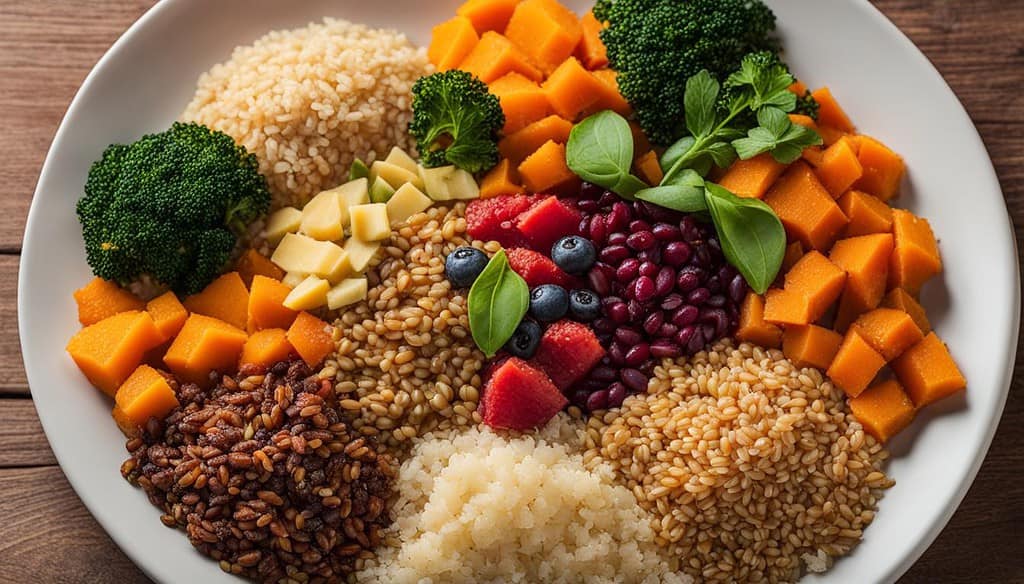
For endurance athletes, nutrition timing is critical. Carbohydrate loading is a proven strategy to maximize performance. In sports performance nutrition, knowing when to eat is as important as what you eat.
Optimizing Glycogen Levels for Endurance Events
Nutrient timing for athletes focuses on glycogen. Glycogen is your primary fuel for long efforts. Carbohydrate loading—increasing intake to 8-10g per kg of body weight for 3 days pre-event—tops off muscle glycogen stores. Use complex carbohydrates like rice, pasta, and oats.
Incorporating Whole Grain Foods for Sustained Energy
Whole grains provide sustained energy. Oats, brown rice, and whole-wheat bread offer complex carbs and fiber. This leads to a gradual glucose release, maintaining stable energy levels during long training sessions or competitions.
Importance of Vitamin and Mineral Intake for Endurance
Vitamins and minerals support endurance. Vitamins like B-complex aid energy production. Minerals like iron (for oxygen transport) and magnesium (for muscle function) are crucial. A deficiency can severely limit performance and recovery.
Fueling Targets by Training Session
Use the workout type to decide how aggressive the fueling strategy should be. Easy recovery sessions can use normal balanced meals. Long endurance workouts, intervals, races, tournaments, and two-a-day training blocks need more deliberate carbohydrate availability, sodium replacement, and recovery nutrition.
| Session type | Fueling priority | Practical action |
|---|---|---|
| Easy or recovery day | Micronutrients, protein, normal hydration | Keep meals colorful and protein-balanced; do not force race-day carbohydrate intake. |
| Intervals, tempo, heavy lifting, or team practice | Carbohydrate availability and post-session recovery | Eat a carb-focused meal 2–4 hours before and include protein plus carbs afterward. |
| Long endurance session or race | Glycogen, fluids, sodium, gut tolerance | Practice the same carbohydrate and hydration plan in training before using it in competition. |
| Two-a-day training | Rapid refueling between sessions | Prioritize easy-to-digest carbs, fluids, electrolytes, and 20–40 g protein after the first session. |
For endurance athletes, connect this plan with glycogen metabolism and carbohydrate fueling for runners. Athletes experimenting with low-carbohydrate approaches should also understand the trade-offs in keto and endurance sports.
Special Considerations for Female Athletes

Female athletes have unique nutritional needs. Addressing the female athlete triad (low energy availability, menstrual dysfunction, low bone density) requires a specialized approach. Work with a sports dietitian to prioritize injury prevention and strong immune function.
Balancing Macronutrients for Female Athletes
Macronutrient balance is key. Ensure sufficient caloric intake to support training and metabolic health. Carbohydrates fuel training, proteins support repair, and healthy fats regulate hormones. Do not under-eat.
Meeting Protein Intake Requirements for Muscle Repair
Protein for muscle building is critical. Female athletes need 1.4-2.0g of protein per kg of body weight daily. Distribute intake across meals. Sources like Greek yogurt, chicken, fish, lentils, and eggs provide essential amino acids for optimal recovery nutrition for athletes.
Managing Body Weight Effectively for Female Athletes
Important: body-composition goals should never come at the cost of chronic low energy availability. Missed periods, recurring injuries, unusual fatigue, mood changes, and stalled performance are signals to involve a qualified sports dietitian or clinician rather than cutting calories further.
Weight management must support performance and health. Avoid drastic cuts. A sports dietitian can create a plan that maintains energy for training while achieving body composition goals safely, mitigating risks associated with the female athlete triad.
| Nutrient Group | Benefits | Recommended Foods |
|---|---|---|
| Proteins | Muscle repair and growth | Chicken breast, Greek yogurt, Lentils |
| Carbohydrates | Energy source for workouts | Sweet potatoes, Quinoa, Oats |
| Fats | Hormone production, energy | Avocado, Nuts, Olive oil |
Regular consultation with a professional, a diet rich in quality protein, and a focus on recovery nutrition are foundational for female athlete health and excellence.
Meal Planning for Young Athletes

Young athletes need nutrition for both growth and sport. Creating healthy meal plans for athletes in this group requires balancing high energy needs with nutrient density to support development.
Understanding Energy Needs of Young Athletes
Energy needs are high due to growth and activity. Caloric intake must match output to avoid deficits that stunt growth or hurt athlete performance. A structured 4-week nutrition plan for athletes developed with a nutritionist can ensure needs are met.
Providing Nutrient-Dense Foods for Growing Bodies
Focus on nutrient-dense foods. Include colorful fruits and vegetables, whole grains, lean proteins, and healthy fats. Prioritize iron, calcium, vitamin D, and omega-3 fatty acids. This supports their active lifestyle and long-term gut health.
Developing Long-Term Nutrition Plans for Young Athletes
The goal is to instill healthy eating habits for life. Education is key. Teach them about meal timing, hydration, and choosing whole foods over processed snacks. This sets the foundation for a lifetime of health and fitness.
- Energy-dense snacks: trail mix, nut butter on whole-grain toast.
- Hydration: water is primary; sports drinks only for intense, long sessions.
- Meal timing: eat every 3-4 hours to support youth metabolism.
- Supplements: generally not needed unless a specific deficiency is diagnosed.
Empower young athletes with knowledge. The right nutritional path supports both sports and life.
Athlete Nutrition Plan FAQ
How many meals should an athlete eat per day?
Most athletes do best with 3 main meals plus 1–3 performance snacks, but the exact number depends on training time, appetite, school/work schedule, and total energy needs. The more demanding the training day, the more useful planned snacks become.
Should athletes count calories?
Some athletes benefit from short-term tracking to learn portion sizes, but long-term performance usually depends more on consistent fueling patterns, body-weight stability, training quality, recovery, and healthy lab markers than on obsessing over exact calories.
What is the best breakfast for an athlete?
A strong athlete breakfast combines carbohydrate for fuel, protein for repair, fluids for hydration, and micronutrients from fruit or vegetables. Oats with Greek yogurt and berries, eggs with toast and fruit, or a smoothie with milk, banana, oats, and protein can all work.
What should athletes avoid eating before competition?
Athletes should avoid unfamiliar foods, very high-fat meals, large fiber loads, excessive alcohol, and untested supplements before competition. The safest competition meal is one that has already worked in training.
❓ Frequently Asked Questions
What’s the most important meal for an athlete?
The post-workout meal. Consuming a mix of protein (20-40g) and carbohydrates (0.8g per kg) within 60 minutes of training maximizes muscle protein synthesis and glycogen replenishment, accelerating recovery.
Should athletes follow a gluten-free or keto diet?
Only if medically necessary (e.g., celiac disease). For most, these diets restrict crucial energy sources like carbohydrates, which can impair high-intensity performance. Focus on whole-food, balanced eating instead.
How much water should an athlete drink daily?
Base needs are ~3.7L for men and ~2.7L for women. Add 0.5-1L per hour of exercise. Weigh yourself before and after training; drink 1.5L of fluid for every kilogram of weight lost.
Are sports supplements necessary?
Not for everyone. Creatine monohydrate and caffeine have strong evidence for performance. Protein powder is convenient. However, a solid whole-food diet is the foundation. Supplements fill gaps; they don’t replace meals.
How do I know if my nutrition plan is working?
Track performance metrics (strength, endurance, speed), recovery rate, body composition, and energy levels. If these improve and you feel consistent energy, your plan is effective. If you’re constantly fatigued, reassess your calorie and carb intake.
Conclusion
A high-performance nutrition plan for an athlete is a strategic tool. It balances precise macronutrient ratios, times nutrients for maximum effect, and prioritizes hydration and recovery. This is not about short-term diets but a sustainable lifestyle that fuels your sport.
The next step is to personalize this framework. Calculate your specific caloric and macronutrient needs based on your sport, training phase, and body composition goals. Use the meal examples as a template. Consider a consultation with a sports dietitian for a custom plan.
Your training provides the stimulus. Your nutrition provides the building blocks. Master both to unlock your full athletic potential in 2026 and beyond.
References
- Nutrition and Athletic Performance — Academy of Nutrition and Dietetics, Dietitians of Canada, and American College of Sports Medicine
- International Society of Sports Nutrition Position Stands
- Dietary Reference Intakes for Energy, Carbohydrate, Fiber, Fat, Fatty Acids, Cholesterol, Protein, and Amino Acids — National Academies
- Nutritional Considerations for the Strength Athlete — NSCA
- Sports Dietitians Australia — Athlete Nutrition Fact Sheets
- Academy of Nutrition and Dietetics — Fitness and Sports Nutrition
Related Performance Guides
- Optimize your intake with our Science-Backed Protein Guide.
- Refine your racing strategy using the Fueling Guide for Runners.
- Calculate your baseline energy needs with our RMR Calculator.
