Skip to content
 Did you know that over 70% of Americans have trouble with their weight because of portion sizes? This fact shows how important it is to watch what you’re eating and how much. Exploring portion control is a key step in managing your weight, right? It helps make sure we eat what our body really needs. This can lead to us feeling better and living healthier.
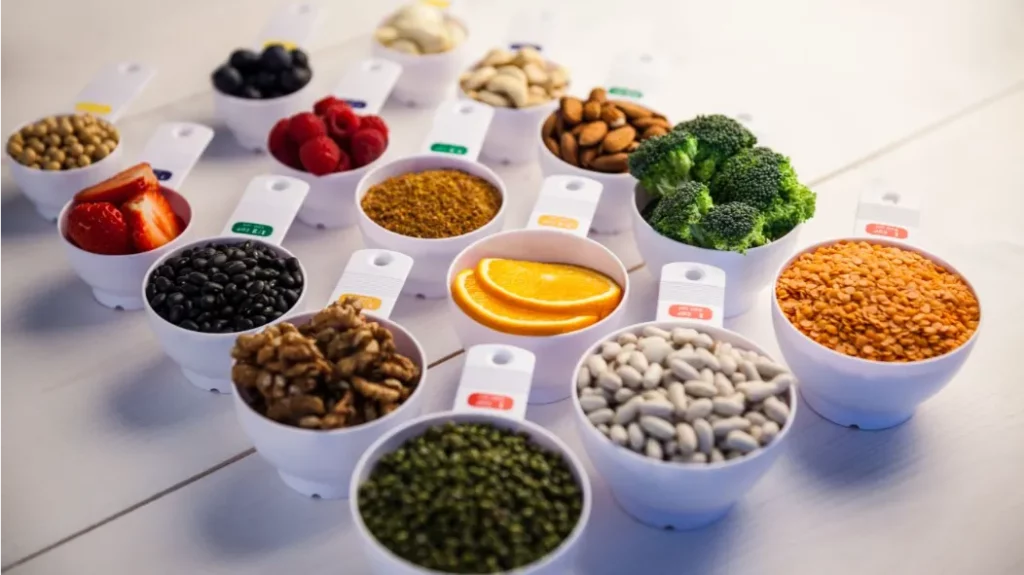
Key Takeaways:
- Portion control for weight management begins with understanding the quantity of food intake.
- Balancing calorie intake and portion sizes is essential for weight loss.
- Healthy eating is the key to weight management. habits include being mindful of how much we eat.
- Psychological benefits come from controlling portions and preventing overeating.
- Adopting portion control as part of your lifestyle leads to long-term wellness and happiness.
- Regulating food intake can help maintain a balance of macronutrients.
Understanding the Importance of Portion Control
Portion control is key for a balanced diet and weight management. By watching how much we eat, we get the nutrients we need. We also avoid eating too much. This keeps us at a healthy weight. It makes our bodies and minds feel good, too.
What is Portion Control?
Dialing back how much food you eat at once is portion control. It means knowing how much to eat to stop from overdoing it. You get the right mix of nutrients this way. This way of eating helps you stay healthy.
The Psychological Benefits of Portion Control
Controlling portions can really help your mind. Eating with attention to your body’s hunger and fullness cues is key. It makes food a good thing in your life. You’ll worry less about eating too much. And every bite will be more enjoyable when you eat smaller portions. This is how it guides you towards smart eating habits.
Preventing Overeating
Keeping portion sizes small is great for stopping overeating. It keeps you from taking in too many calories. This way of eating lets you enjoy a wide range of foods. But it’s all about staying in control.
How Portion Control Affects Weight Management
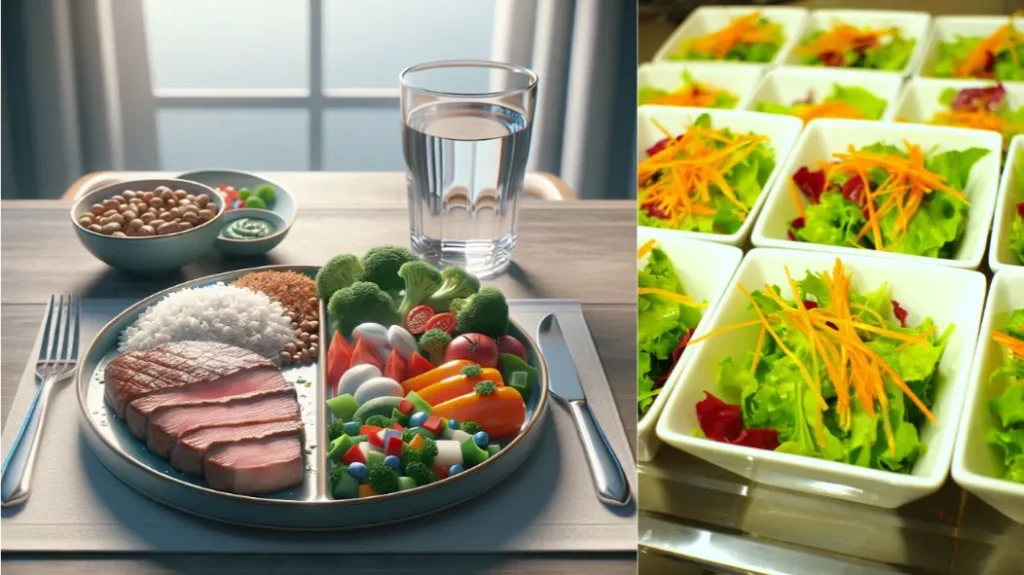
Learning about portion control is key for those wanting to be healthier. It’s all about balancing the food you eat with the energy you use. This balance is essential for meeting your fitness objectives. Now, let’s look at how it all fits together.
Why Portion Control Rocks:
Imagine your body’s a superhero. It needs fuel (calories) to fight off yucky stuff (illness). Portion control helps you find the perfect balance between the food you eat (fuel) and the energy you burn (fighting yuck). Eating too much fuel can make you gain weight, but portion control keeps you healthy and strong!
Mindful Munching:
Ever mindlessly devour a whole bag of chips? Mindful eating is the opposite! It’s about paying attention to your body’s hunger signals and the amount of food you consume. Ask yourself, “Am I truly hungry or just bored?”. By listening to your body, you’ll avoid overeating and manage your weight naturally.
Nutrient Champs:
Not all foods are created equal. Nutrient-dense foods, like fruits, veggies, lean meats, and whole grains, are like healthy superheroes. They fill you up with vitamins and minerals without overloading you with calories. Think of them as keeping you satisfied and helping you control portions naturally!
Portion Control Hacks:
Ready to be a portion control pro and avoid weight gain? Here are some easy tricks:
- The Plate Method: Imagine your plate is a superhero team. Half is for veggie sidekicks (spinach, anyone? ), a quarter is for lean protein heroes (grilled chicken! ), and the last quarter is for whole grain or starchy veggie allies (brown rice, assemble!). This keeps your meal balanced and portion-controlled.
- Real-Life Guides: Confused about serving sizes? Use everyday objects! A deck of cards is about the size of a healthy protein serving, and a cupped hand is roughly a serving of fruit.
- Downsize Your Dishes: Bigger plates can trick you into eating more. Use smaller plates and bowls to control portions automatically—no deprivation needed!
Effective Strategies for Practicing Portion Control
Practicing portion control is easy with different techniques. This helps you have a healthy diet and manage your weight. We’ll look at using the plate method, visual cues, and smaller plates and bowls.
The Plate Method
The plate method is great for controlling portions. It splits your plate into parts for a good mix.
- Half of the plate: Put non-starchy vegetables here, like spinach or bell peppers.
- Quarter of the plate: This part is for lean proteins, such as grilled chicken or tofu.
- Final quarter: Add whole grains or starchy vegetables, like brown rice or sweet potatoes, here.
This method makes it simple to plan meals. It stops you from eating too much of one kind of food. That way, you keep your portions right and your diet balanced.
Using Visual Cues
Visual cues can help you estimate portion sizes more effectively. are a good way to control how much you eat. You can look at your food and compare it to common things. It helps you know how much food you should serve yourself. For example:
- Protein servings: Your portion should be the size of your palm.
- Vegetables: About a fistful of veggies is enough.
- Grains and starchy foods: Keep these to the size of a tennis ball to estimate portion accurately.
This makes portion control easy, even without measuring tools. It helps you eat right, whether at a restaurant or on the move.
The Role of Smaller Plates and Bowls
Using smaller plates and bowls is a smart portion control strategy. It fools your mind into thinking you’re eating more by filling your plate with smaller portions. A smaller plate makes a little food look bigger. Studies show people eat less on small plates. This helps cut down how much you eat without feeling like you’re missing out.
To sum up, using the plate method, visual cues, and smaller dishes can really help. These strategies are simple, making controlling your food portions easier every day. They are good steps for keeping your eating habits healthy.
Optimal Portion Sizes for Different Food Groups
Understanding the optimal portion sizes for different food groups is essential for effective portion control. By visualizing and practicing portion control based on these recommended sizes, you can manage your food intake more effectively. Here are some examples of recommended portion sizes for different food groups:
| Food Group | Recommended Portion Size |
|---|---|
| Vegetables | A medium-sized pepper (about the size of a baseball) (Mayo Clinic) |
| Fruits | A small apple or a medium orange (about the size of a tennis ball) (Mayo Clinic) |
| Carbohydrates | Cooked pasta or whole-grain bread (about the size of a deck of cards) is a good guideline to control portion sizes.Mayo Clinic) |
| Fats | Regular mayonnaise (2 teaspoons) or trans fat-free light margarine (1 tablespoon) (about the size of a pair of dice) (Mayo Clinic) |
These portion sizes can serve as visual cues to help you understand appropriate serving sizes and practice portion control effectively.
By incorporating these strategies into your daily routine, you can cultivate healthier eating habits and maintain proper portion control. Remember, portion control is an essential aspect of healthy eating for weight management. By using smaller plates and bowls, utilizing measuring cups and food scales, and understanding optimal portion sizes for different food groups, you can make informed choices about your food intake and support your overall health and wellness journey.
Practical Tips for Portion Control at Home
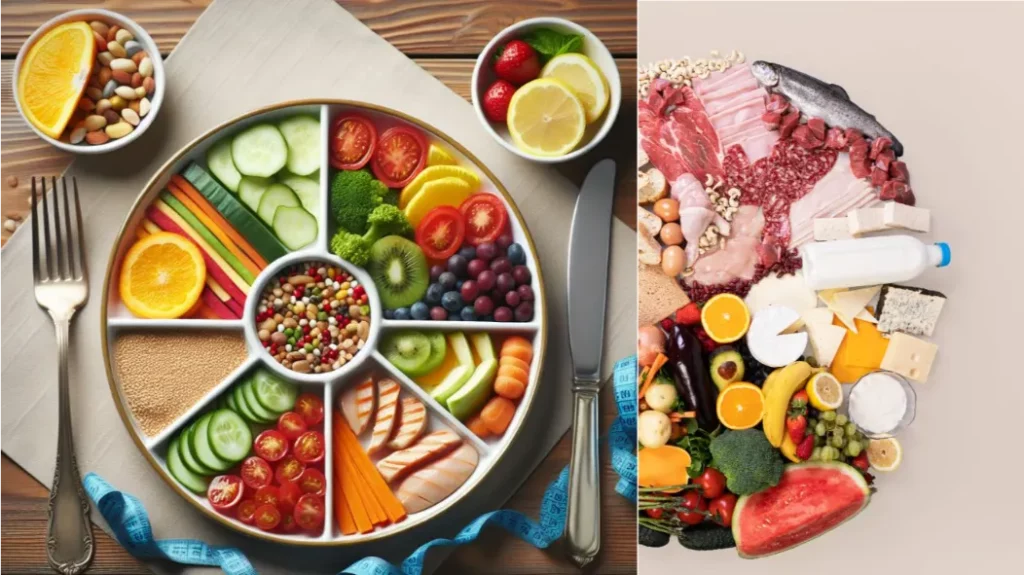
Portion control at home can be easy when you control portion sizes. You just need a few tricks. These will help you eat the right amount and keep a healthy weight. Let’s look into some ways to eat right.
Pre-portioned Meals and Snacks
One great tip is to make pre-portioned meals and snacks. Doing this makes it hard to overeat. You know exactly how much you should eat. Plus, it’s hard to eat too much when meals are already set in smaller portions. Using special containers or plates can also be good for this.
Measuring Cups and Food Scales
Using measuring cups and food scales is key to determining the right portion sizes. With these, you can be exact. You won’t need to guess if you’re eating the right amount. They are great for cooking or preparing meals.
Putting these tips into your daily life will help with weight control. Remember, portion control means you can enjoy different foods. It’s all about eating smart and staying healthy. Keep these habits, and you’re on your way to a healthier you.
Choosing Half Portions or Starter Dishes
Restaurants often serve oversized portions, up to eight times the recommended size. To avoid overeating, request a half portion or order a starter instead of a main course. This lets you enjoy the restaurant’s offerings without consuming too many calories, aiding in healthy healthy weight management.
Avoiding Buffet-Style Restaurants
Buffet-style restaurants often lead to overeating due to their all-you-can-eat concept and variety of food options. To avoid excessive consumption, it’s better to choose restaurants with individual servings or a la carte options. This helps in making healthier choices and managing food intake. For more tips on healthy eating and weight management, check out healthy eating for weight management.
Overcoming Challenges in Portion Control
Portion control is tough in a world of oversized servings. To help, try three techniques: keep a food diary, recognize portion distortion, and monitor serving sizes on labels to control portion sizes.
Keeping a Food Diary
Portion distortion refers to the misperception of portion sizes. Our visual cues can mislead us, causing us to misjudge appropriate amounts. To combat this, it’s crucial to learn what proper portion sizes are and be aware of our tendencies.
Using measuring cups and food scales can help. These tools offer precise measurements, allowing accurate portioning of meals and snacks. Incorporating them into meal prep helps train your eye to recognize the correct portion sizes.
Recognizing Portion Distortion
Portion distortion refers to the misperception of portion sizes. Visual cues can mislead us to underestimate or overestimate them. Educating ourselves on proper portion sizes and being mindful helps overcome this distortion.
Using measuring cups and food scales is an effective strategy. These tools ensure precise measurements, helping you accurately portion out meals and snacks. Incorporating them into meal prep trains your eye to recognize and adjust to appropriate portion sizes.
Monitoring Serving Sizes on Food Labels
Food labels are key for understanding portion sizes and managing calorie intake. The Nutrition Facts label shows calories and nutrients based on a typical serving size, but this may not match individual calorie needs, which vary by activity level. Adjusting portion sizes to your needs is essential.
Familiarize yourself with serving size information on labels and compare it to what you eat. The FDA has updated serving sizes to better match typical consumption. This helps in maintaining better portion control and making informed food choices.
Techniques like keeping a food diary, recognizing portion distortion, and monitoring food labels can aid in portion control and weight management. Mindful attention to portion sizes is crucial for a balanced, healthy eating for weight management.
Portion Control and Healthy Eating
Portion control is essential for a balanced diet and healthy weight management. By understanding portion sizes and nutrient balance, individuals can make informed health choices. Implementing specific portion strategies for different food groups can enhance a healthy eating plan’s benefits.
The Role of Portion Control in a Balanced Diet
In a balanced diet, portion control ensures appropriate consumption of food groups. The American Heart Association recommends a diet rich in vegetables, fruits, whole grains, legumes, nuts, fish, fat-free and low-fat dairy, and plant-based oils, balancing energy intake to maintain a healthy weight (American Heart Association).
Practicing portion control helps align food intake with recommended servings. It’s not about measuring everything but meeting the recommended amounts over a few days.
Balancing Portions and Nutrient Intake
Portion control helps balance food portions and nutrient intake, which are essential for optimal health. For instance, one cup of 100% juice counts as a fruit serving, but whole fruits and vegetables, richer in fiber, are more filling and may aid better in portion control due to their lower calorie content (American Heart Association).
Practicing portion control allows individuals to manage calorie-dense foods while ensuring adequate nutrients from various food groups, promoting a balanced diet and healthy weight management.
Remember, portion control is just one aspect of healthy eating for weight management. Combine portion control with other healthy weight management strategies. Regular physical activity is essential. Eating healthy weight loss foods helps too. All these steps contribute to maintaining a healthy lifestyle.
Source Links
- https://medium.com/@monroe.larry101/unlocking-the-magic-of-managing-portions-a-key-ingredient-for-successful-weight-loss-638dd8453d5c
- https://fastercapital.com/content/Portion-control–Mastering-Portion-Control–The-Key-to-Weight-Management.html
- https://noohu2k14.medium.com/mastering-portion-control-your-key-to-sustainable-weight-loss-f8fbae9df230
FAQ: Mastering Portion Control for Weight Loss
What is the difference between a portion and a serving?
A serving is a measured amount of food (like 1 cup), while a portion is the amount you choose to eat at once.
How can I control portions without counting calories?
Use the “Plate Method” or visual cues like your palm for protein and a fist for vegetables to manage intake naturally.
Does drinking water help with portion control?
Yes, drinking water before meals can improve satiety, making it easier to stick to smaller portion sizes.
Frequently Asked Questions About Portion Control
How can I manage weight through portion control?
Weight management involves balancing caloric intake with energy expenditure. Using methods like the plate method, visual cues, and smaller dinnerware helps reduce total calorie intake without feelings of deprivation.
What is the best way to estimate portion sizes without a scale?
You can use visual cues: a palm-sized portion for protein, a fist for vegetables, and a tennis ball size for grains or starches.
Portion Control FAQ
How does portion control help weight loss?
It creates a sustainable calorie deficit by managing energy intake without requiring restrictive dieting.
What is the easiest way to measure portions?
Using visual cues like your palm for protein or a fist for vegetables is the most practical method for daily life.
Integrating Portion Control with Your Fitness Routine
Mastering portion control is only one piece of the puzzle. To see the best results, combine these nutritional habits with an active lifestyle. If you’re just starting, a running for weight loss program can significantly boost your calorie deficit. For those focused on metabolic health, understanding your RMR (Resting Metabolic Rate) is crucial to determining exactly how many calories your body needs at rest.
Enhancing Your Weight Management Journey
While mastering portion control is a cornerstone of nutrition, combining it with the right activity level yields the best results. For those balancing a busy schedule, a 7 HIIT weight loss technique can maximize fat burn in minimal time. If you prefer steady-state cardio to complement your new eating habits, following a running for weight loss plan can help maintain your calorie deficit while improving cardiovascular health.
FAQ: Portion Control & Metabolism
How does portion control affect metabolic health?
Managing your intake prevents caloric surplus, which can lead to insulin resistance. Maintaining a healthy weight through portion control is a pillar of metabolic health.
Can I lose weight by just changing portions?
Yes, but combining it with activity is more effective. For example, many people use running for weight loss alongside the plate method to create a sustainable calorie deficit.