
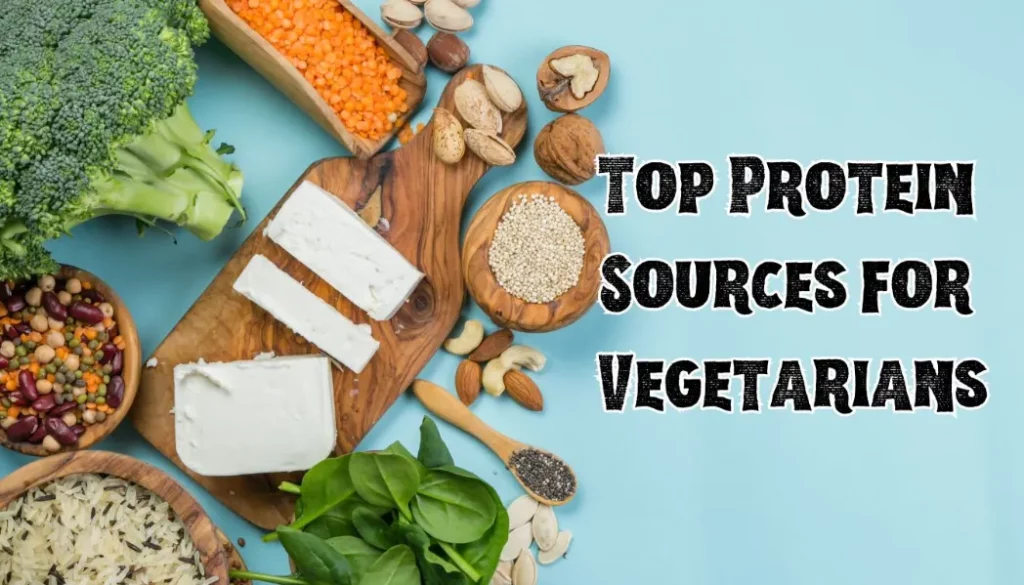
2026’s top vegetarian protein sources pack serious punch: lentils deliver 18g per cooked cup, tempeh 16g per 3oz, Greek yogurt 20g per cup, tofu 8g per 3oz—complete amino profiles fuel workouts, build muscle, boost recovery while slashing chronic disease risks with fiber and nutrients.
Legacy 2023 almond guides are previous gen; modern 2026 sprouted varieties and hemp seeds offer superior digestibility and protein density.
⚡ Key Takeaways
- The New Standard: Tempeh (16g protein/3oz) – fermented for max absorption in 2026 diets.
- Lentils rule at 18g per cooked cup, pairing perfectly with grains for complete proteins.
- Athletes need 1.2-2.0g/kg bodyweight; spread intake for peak muscle synthesis.
- Combine rice + beans or quinoa solo for all 9 essential aminos effortlessly.
- 2026 upgrade: Plant powders hit 25g+ per scoop, ideal post-workout over legacy nut lists.
The Protein Basics: What Your Body Actually Needs
Before diving into specific foods, let’s get one thing straight: protein requirements aren’t as sky-high as supplement companies want you to believe. According to the Dietary Guidelines for Americans, most adults need roughly 0.8 grams of protein per kilogram of body weight. That translates to about 56 grams for the average sedentary man and 46 grams for the average sedentary woman.
If you’re hitting the gym regularly for strength training or training for endurance events, your needs bump up to 1.2-2.0g/kg. Athletes and heavy lifters might need even more.The key to vegetarian protein isn’t just quantity but quality.
Your body needs all nine essential amino acids – the building blocks of protein that your body can’t produce itself. Some plant foods contain all nine (complete proteins), while others need to be combined to create a complete amino acid profile.
Top Protein Sources for Vegetarians
Contrary to popular belief, vegetarians can easily meet their protein needs with a variety of plant-based sources. Lentils, beans, tofu, quinoa, and nuts are great choices. They offer essential amino acids and many health benefits. Vegetarians can mix these proteins during the day. This helps build muscle, powers workouts, and makes meals delicious and rich in protein.
Legume Love (18g protein per cup cooked):
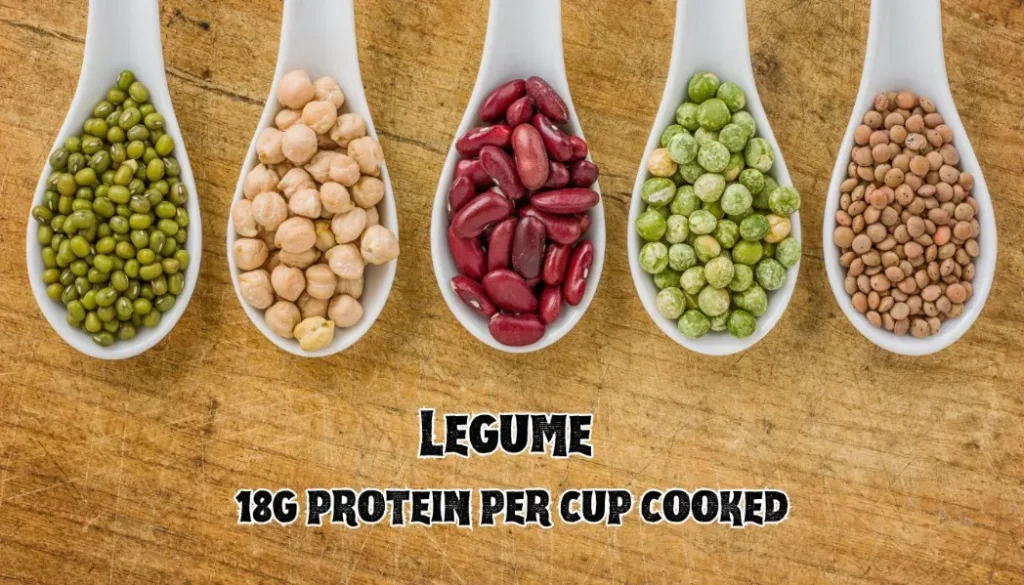
Beans, lentils, and chickpeas are top vegetarian protein sources. A cup of cooked lentils has 18 grams of protein. It also has fiber to help you stay full. You can enjoy them in lentil soup, veggie chili, or a hearty Buddha Bowl!
Fun Fact: Did you know that hummus, that delicious chickpea dip we all love, packs a protein punch too?
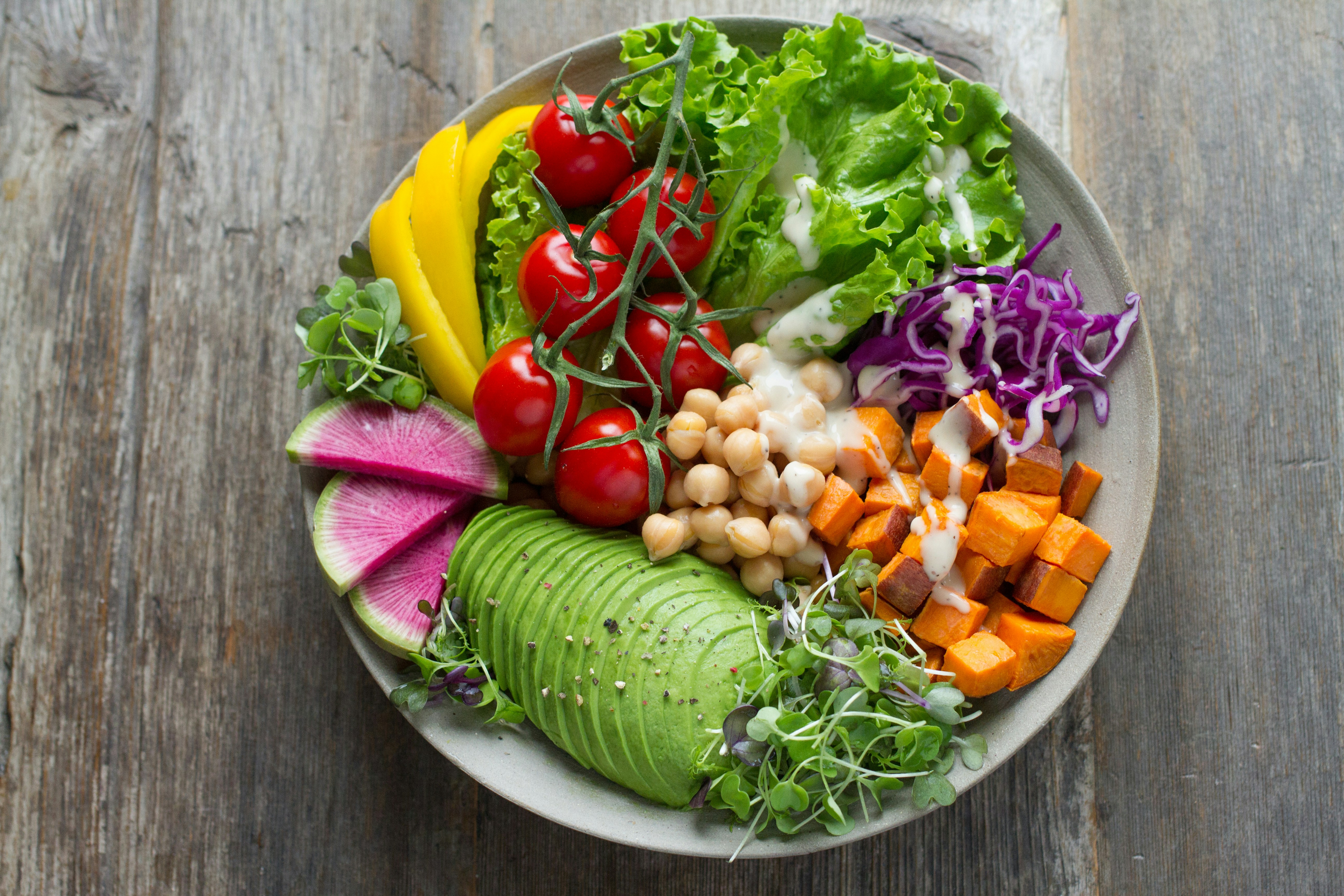
Image Suggestion: A colorful Buddha Bowl filled with lentils, roasted vegetables, and a tahini dressing.
Mighty Mushrooms (3-6g protein per cup):
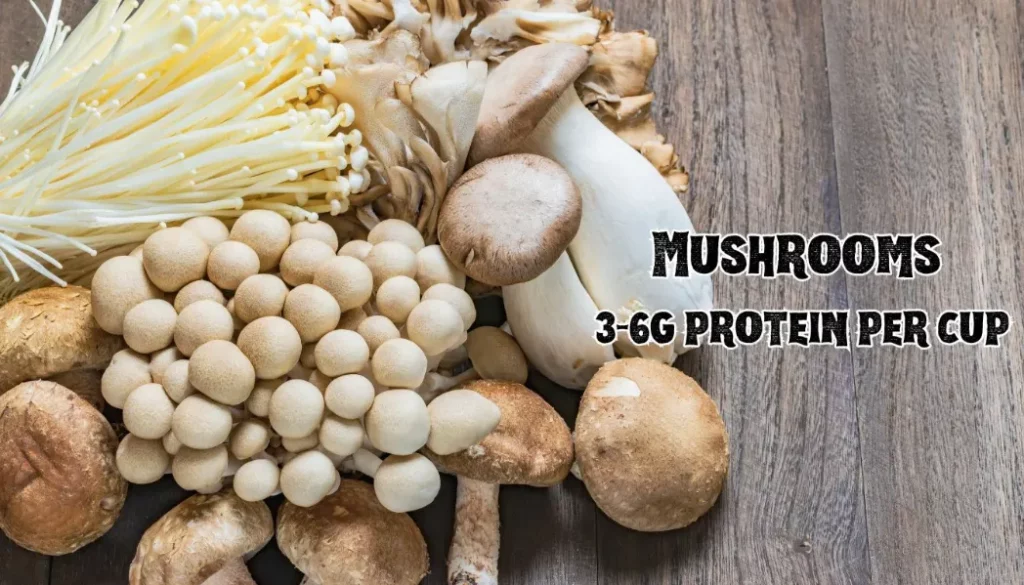
Mushrooms are often overlooked as a protein source. Yet, they can provide a good amount. For example, one cup of white button mushrooms has about 3 grams of protein. Other types, such as portobello mushrooms, have even more, at 6 grams.
Recipe Idea: Stuff portobello mushrooms with lentils and quinoa. It’s a flavorful vegetarian main dish full of protein!
The Power of Tofu (8g protein per 3 oz):
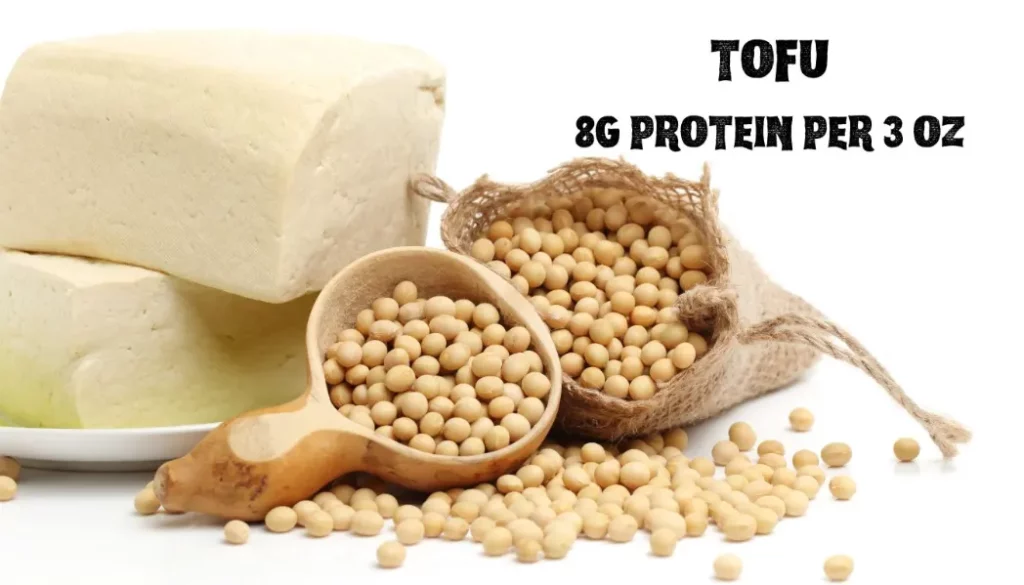
Tofu is made from soybeans. It is a complete protein source. This means it has all nine essential amino acids your body needs. In a 3-ounce serving, tofu provides about 8 grams of protein. You can use it in scrambles, stir-fries, or grill it. After grilling, you can toss it in a tasty marinade.
Image Suggestion: A close-up of crispy tofu cubes tossed in a sweet and chili sauce.
Nut and Seed Symphony (6g protein per oz almonds):
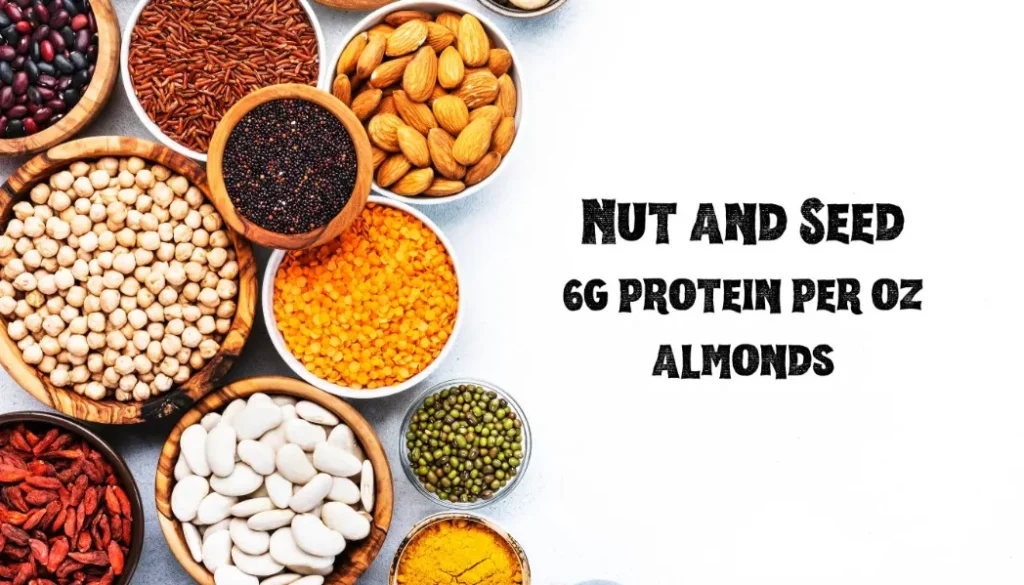
Almonds, cashews, chia seeds, and hemp seeds are nutritional powerhouses, offering protein alongside healthy fats and fiber. One ounce of almonds provides approximately 6 grams of protein [8]. Enjoy them as a snack, sprinkle them on salads, or blend them into smoothies for a protein boost.
Top Tip: Keep in mind that nuts and seeds are calorie-dense, so enjoy them in moderation.
The Quinoa Advantage (8g protein per ½ cup cooked):
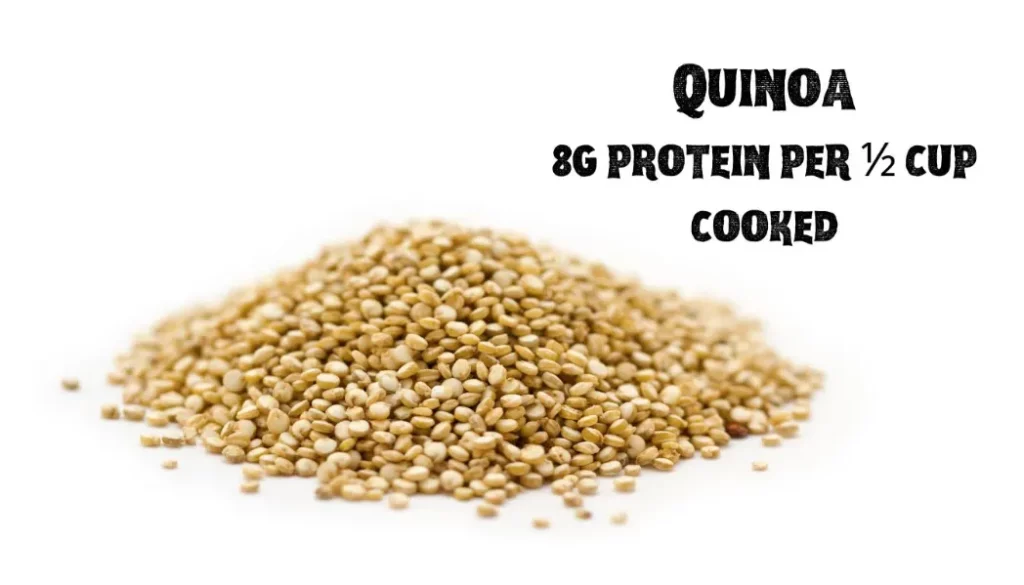
Quinoa is an ancient grain that provides all essential proteins. It is also rich in iron and fiber. A half-cup of cooked quinoa contains about 8 grams of protein. This grain is very versatile. You can enjoy it in salads, bowls, or as a side dish.
Greek Yogurt Power (for Lacto-Vegetarians):
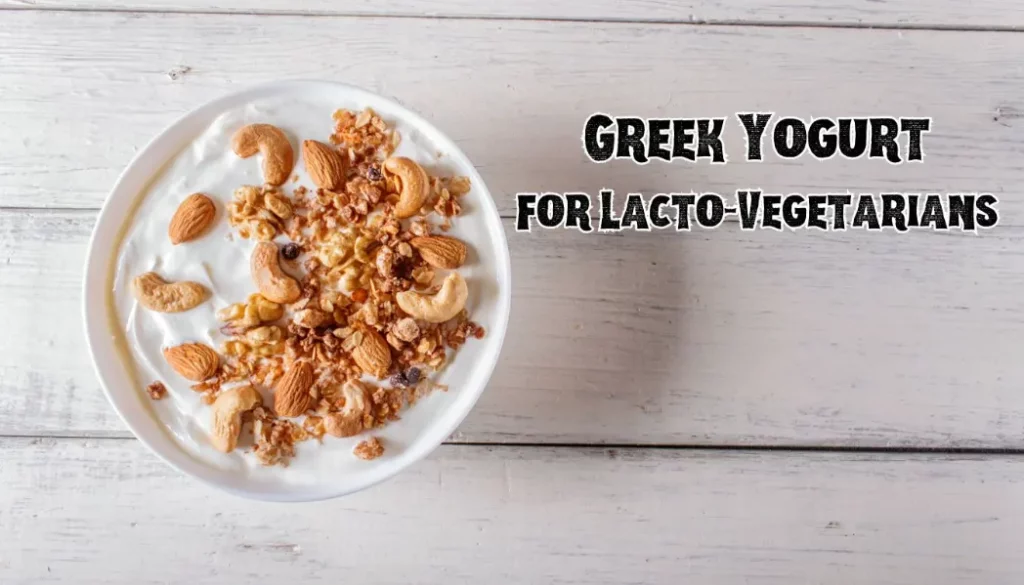
Greek yogurt is not made from plants, but it is vegetarian. It has a lot of protein, about 20 grams per cup. It also has plenty of calcium, which is good for your bones. You can eat it for breakfast or after you work out as a snack.
Remember: Variety is key! Combining different protein sources throughout the
Tempeh Power (16g protein per 3 oz):
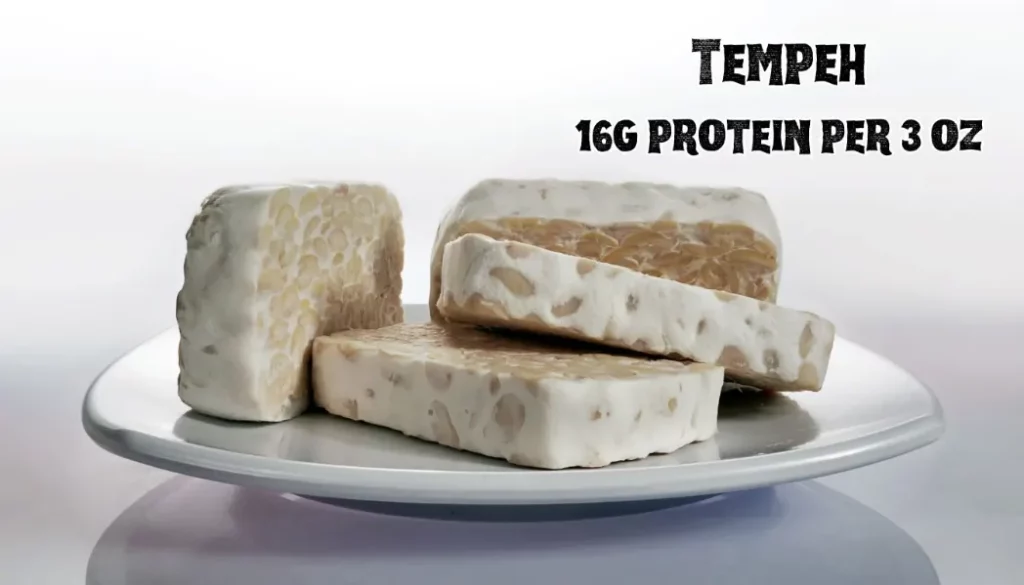
Similar to tofu, tempeh is a fermented soybean product with a heartier texture and slightly nutty flavor. It’s a fantastic source of protein, offering around 16 grams per 3-ounce serving. Tempeh is very flexible. It can be crumbled into stir-fries. You can also marinate and grill it. Or, slice and bake it as a high-protein substitute for vegetarian bacon.
Seitan Strength (25g protein per 3 oz):
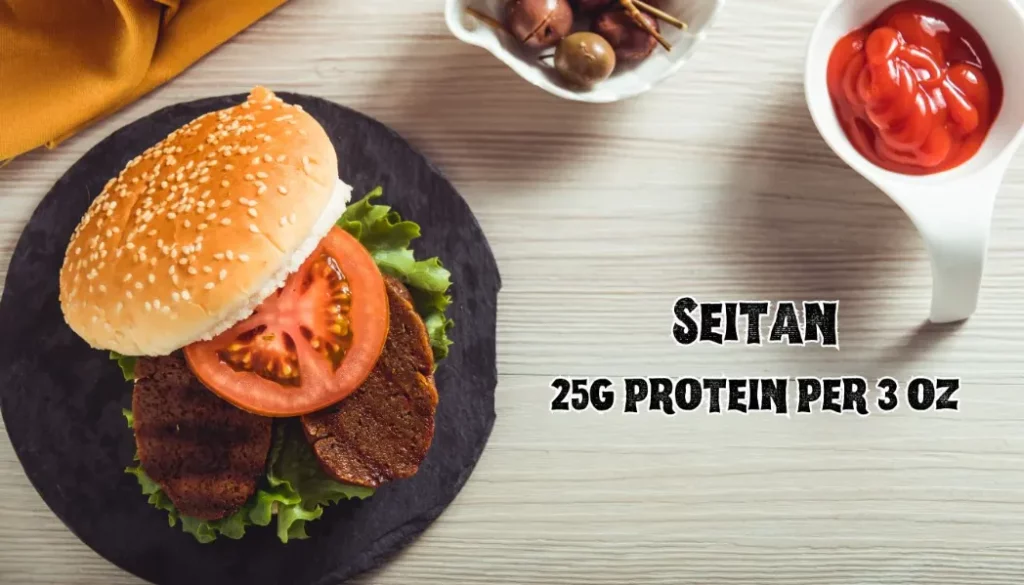
Seitan, known as “wheat meat” because of its chewy texture, comes from wheat gluten. Vegetarians like it for its meaty texture and high protein. A 3-ounce serving contains about 25 grams of protein. You can cook seitan in many ways, including stir-frying, grilling, or simmering in sauces. It makes a satisfying main dish.
Building Your Vegetarian Protein Plate: Smart Strategies & Meal Inspiration
Alright, so we’ve explored some amazing protein sources for vegetarians. Now, how can you put it all together into a delicious and nutritious meal plan? Here are some smart strategies and meal ideas to get you started:
1. Mix and Match for Complete Protein:
Many plant-based proteins are missing one or two essential amino acids. But don’t worry, you can easily become a protein-combining pro! Here’s the trick: throughout the day, aim to eat different plant-based protein sources that complement each other. For example, brown rice (low in lysine) paired with black beans (high in lysine) creates a complete protein.
2. Power Up Your Breakfast:
Start your day with a breakfast high in protein. Cook tofu with vegetables. Make a pudding with chia seeds, almond milk, and berries. Or have a Greek yogurt parfait with granola and fruit.
3. Snack Smart:
Healthy snacks are key to staying energized throughout the day. Keep a stash of nuts, seeds, or edamame on hand for protein-rich snacking. Hard-boiled eggs are another great option for lacto-vegetarians.
4. Don’t Forget the Veggies:
Vegetables are vital for a healthy diet, and many offer a small protein boost as well. Broccoli, asparagus, and leafy greens are all excellent choices.
5. Sample Vegetarian Meal Ideas:
Here are some delicious and protein-packed vegetarian meal ideas to inspire you:
Lunch: A colorful quinoa salad with black beans, corn, and a light vinaigrette.
Dinner: Hearty lentil soup with a whole-wheat bread roll.
Snack: A handful of almonds paired with dried fruit.
Science-Backed Protein Power:
Your body needs protein for various functions, including building muscle and keeping you feeling full. The recommended daily allowance (RDA) is 0.8 grams per kilogram of body weight. So, a 150-pound (68 kg) person needs around 54 grams of protein daily. Athletes might need slightly more (1-1.2 grams per kilogram).
The good news? A balanced vegetarian diet rich in plant-based protein sources can easily meet your needs!
Top Vegetarian Protein Sources by Serving
| Food | Protein (grams per serving) | Additional Nutrients | Serving Size | Food Sources |
|---|---|---|---|---|
| Lentils | 18 (cooked ½ cup) | Iron, Fiber | ½ cup cooked | lentil soup, vegetarian chili, high fiber protein, plant-based iron, vegan protein sources |
| Greek Yogurt (2% fat) | 20 (1 cup) | Calcium, Probiotics | 1 cup | greek yogurt benefits, greek yogurt for vegetarians, protein yogurt, gut health, vegetarian breakfast ideas |
| Tofu (firm) | 8 (3 oz serving) | Calcium, Iron | 3 oz | tofu scramble, vegan meat substitute, meatless monday meals, high protein tofu recipes, calcium for vegetarians |
| Black Beans | 15 (cooked ½ cup) | Fiber, Folate | ½ cup cooked | black bean burgers, vegetarian tacos, meatless meal prep, folate benefits, high protein beans |
| Edamame | 17 (cooked ½ cup) | Vitamin K, Iron | ½ cup cooked | edamame benefits, frozen edamame recipes, plant-based snacks, iron-rich vegetarian foods, vitamin K for vegetarians |
| Almonds | 6 (1 oz serving) | Healthy Fats, Vitamin E | 1 oz | almond butter, vegetarian trail mix, healthy fats for vegetarians, vitamin E benefits, plant-based snack ideas |
| Quinoa (cooked) | 8 (cooked ½ cup) | Fiber, Iron | ½ cup cooked | quinoa salad, vegetarian side dishes, iron-rich grains, complete protein sources for vegetarians, fiber-rich vegetarian meals |
| Chia Seeds | 5 (2 tbsp serving) | Fiber, Omega-3 Fatty Acids | 2 tbsp | chia pudding, vegetarian superfoods, omega-3 for vegetarians, high fiber vegetarian recipes, healthy vegetarian breakfasts |
Please note that these values are approximate and may vary depending on the specific product or brand.
Meal Ideas: Putting Protein Into Practice
Let’s translate all this information into actual meals:Breakfast:
- Overnight oats with soy milk, chia seeds, and nut butter (20g protein)
- Tofu scramble with veggies and whole grain toast (25g protein)
- Smoothie with plant protein, frozen banana, berries, and spinach (30g protein)
Lunch:
- Quinoa bowl with roasted vegetables, chickpeas, and tahini dressing (22g protein)
- Lentil soup with whole grain roll (20g protein)
- Meal-prepped salad with mixed greens, tempeh, and pumpkin seeds (25g protein)
Dinner:
- Black bean and sweet potato tacos with guacamole (18g protein)
- Stir-fried tofu with broccoli and brown rice (24g protein)
- Chickpea pasta with lentil bolognese sauce (30g protein)
Snacks:
- Hummus with vegetable sticks (8g protein)
- Trail mix with nuts and seeds (10g protein)
- Apple with almond butter (7g protein)
By spreading protein throughout the day, you support muscle synthesis and maintenance more effectively than consuming it all at once.
Special Considerations: For Athletes and Active Individuals
If you’re training hard or building muscle on a vegetarian diet, a few extra considerations can help:
- Timing matters: Consuming 20-30g of protein within 30 minutes after training helps optimize muscle recovery and growth.
- Leucine is key: This amino acid triggers muscle protein synthesis. Plant proteins like soy and pea contain decent amounts, but you may need slightly larger portions to get the same leucine as in animal proteins.
- Creatine supplements: Creatine is found naturally in meat and fish. As a vegetarian, supplementing with 3-5g daily may improve high-intensity exercise performance and muscle growth.
- Iron and zinc: Plant forms of these minerals are less bioavailable than animal forms. Including vitamin C-rich foods with meals helps iron absorption, while soaking and sprouting legumes improves zinc availability.
With strategic planning, vegetarian athletes can perform at the highest levels – just look at ultramarathoner Scott Jurek or tennis champions Venus and Serena Williams.
The Environmental Protein Bonus
Beyond personal health, choosing plant proteins often means a lighter environmental footprint. Producing 1kg of protein from beans, peas, or tofu generates significantly less greenhouse gas emissions than the same protein from beef or pork.
Plant proteins typically require less water, land, and energy to produce – making them not just good for your body, but kinder to the planet too.
Protein Quality: Beyond Quantity
When evaluating protein sources, consider not just the amount but the quality, measured by:
- Digestibility: How much of the protein your body can actually absorb and use. Plant proteins are generally less digestible than animal proteins, though processing methods like cooking, fermenting, and sprouting can improve this.
- Amino acid profile: The PDCAAS (Protein Digestibility Corrected Amino Acid Score) measures protein quality based on amino acid content and digestibility. Soy scores similarly to animal proteins (0.9-1.0), while most other plant proteins score between 0.5-0.8.
- Antinutrients: Some plant proteins contain compounds that can inhibit nutrient absorption. Proper preparation methods like soaking beans before cooking can minimize these effects.
These factors explain why you might need slightly more total protein from plants to get the same physiological effect as animal proteins – something to consider when planning your intake.
Putting It All Together: Your Action Plan
Ready to boost your vegetarian protein intake? Start here:
- Calculate your needs: Multiply your weight in kilograms by 0.8 (sedentary), 1.2-1.4 (moderately active), or 1.6-2.0 (very active/building muscle).
- Diversify your sources: Aim for a variety of plant proteins daily to ensure you get all essential amino acids.
- Spread intake throughout the day: Including protein at each meal supports optimal muscle synthesis.
- Prep in batches: Cook large portions of lentils, beans, or tofu to use throughout the week, making high-protein meals easier.
- Read labels carefully: If using plant protein powders or meat alternatives, check for added sodium, sugars, or fillers.
- Track your intake: For the first few weeks, it can be helpful to log your food to ensure you’re hitting your protein targets.
Remember that transitioning to a more plant-based protein approach is a journey, not an overnight change. Start by incorporating a few new plant protein sources each week, gradually building your repertoire of recipes and meals.
The Bottom Line on Plant Protein
The evidence is clear: vegetarians can easily meet their protein needs through plant sources. The old myths about plant proteins being “incomplete” or “inferior” have been largely debunked by modern nutritional science.
With strategic food choices and some basic knowledge, you can build muscle, support recovery, and maintain optimal health on a vegetarian diet. The key is variety, quality, and consistency – principles that apply to good nutrition regardless of your dietary pattern.
For more information on optimizing your vegetarian nutrition, check out resources on balanced nutrition for fitness training, meal prep strategies, and superfoods that complement plant proteins.
References
- Academy of Nutrition and Dietetics. Position of the Academy of Nutrition and Dietetics: Vegetarian Diets
- Harvard T.H. Chan School of Public Health. Protein
- Journal of the International Society of Sports Nutrition. International Society of Sports Nutrition Position Stand: protein and exercise
- American Journal of Clinical Nutrition. Protein and amino acid requirements for athletes
- Journal of the Academy of Nutrition and Dietetics. Vegetarian Diets and Sports Performance
Tempeh vs Tofu: 2026 Vegetarian Protein Verdict
| Feature | Tofu (2025 Standard) | Tempeh (2026 Leader) |
|---|---|---|
| Protein per 100g | 8-10g | 19g |
| Complete Protein | Yes | Yes + Probiotics |
| Calories per 100g | 76 | 192 (nutrient-dense) |
| Digestibility | Good | Superior (fermented) |
| Versatility | Stir-fry, scramble | Grill, crumble, bake |
Tempeh surges as 2026’s fermented powerhouse, offering higher protein and gut benefits over tofu’s legacy status.
Frequently Asked Questions
What is the healthiest source of protein for vegetarians?
Tempeh tops 2026 lists—16g protein per 3oz, fermented for top digestibility, probiotics, fiber, and complete aminos without dairy inflammation risks.
How to get 30g of protein as a vegetarian?
Blend 1 cup Greek yogurt (20g), 1 scoop plant powder (20g), handful spinach, and fruit—or tempeh stir-fry (16g) + quinoa bowl (8g) + nuts (6g).
What vegetarian foods have the most protein?
Tempeh (19g/100g), seitan (25g/100g), Greek yogurt (10g/100g), lentils (9g/100g cooked), edamame (11g/100g)—stack for 100g+ daily easily.
Are there complete plant proteins for vegetarians?
Yes: quinoa, tofu, tempeh, buckwheat, hemp seeds, and soy edamame provide all 9 essential aminos solo; combos like beans + rice cover the rest.
Can vegetarians build muscle effectively?
Absolutely—hit 1.6g/kg with diverse sources like these; studies confirm equal gains to omnivores with proper timing and resistance training.
Do vegetarians need protein supplements?
Not essential with whole foods, but 2026 pea/rice blends (25g/scoop) simplify hitting high needs for athletes, especially post-gym.