Skip to content
 A vegan diet can support elite fitness, muscle building, and endurance performance if you systematically optimize protein quality, calorie density, and key micronutrient baselines. The main bottleneck for plant-based athletes is not the source of their food, but under-eating daily calories, failing to trigger muscle protein synthesis via the leucine threshold, and ignoring essential supplements like B12, vitamin D3, zinc, and algae-derived omega-3s.
Affiliate disclosure: GearUpToFit is reader-supported. As an Amazon Associate, GearUpToFit may earn from qualifying purchases through links with the affiliate tag papalex-20. We do not hardcode Amazon prices because pricing, sellers, colors, sizes, images, ratings, and availability change.

Who This Guide Is For & Who Should Skip It
- Vegan athletes, bodybuilders, and fitness enthusiasts looking to optimize muscle protein synthesis and recovery.
- Individuals transitioning to a plant-based diet who want to maintain strength, power, and athletic output.
- Active adults seeking to leverage the anti-inflammatory benefits of plant foods to reduce recovery times.
- Hybrid athletes looking to structure their carbohydrate periodization around intense training volumes.
- Individuals seeking a rapid weight loss fad diet without tracking macro- or micronutrients.
- Those unwilling to supplement essential vitamins (e.g., Vitamin B12) or monitor their blood work.
- People seeking medical dietary prescriptions for clinical conditions without consulting their physician.
- Athletes looking for a simple “eat whatever you want” plan that ignores food quality and caloric density.
Clear Definition
A Vegan Fitness Diet is a structured nutrition system that completely excludes animal-derived products (meat, poultry, fish, seafood, dairy, eggs, and honey) and strategically compiles plant foods to meet the heightened energy, macronutrient, and micronutrient demands of physical training.
Unlike a standard sedentary vegan diet, a performance-focused plant-based diet is engineered around protein quality (ensuring complete amino acid profiles), bioavailability adjustments (compensating for plant fiber and phytate absorption barriers), and caloric density management to fuel metabolic activity, tissue repair, and hormonal health.
Comparison Table: Vegan Protein Sources Compared
Not all plant proteins are created equal. The table below compares the nutritional efficiency of popular vegan protein anchors based on calorie-to-protein ratio, leucine content (the primary driver of muscle protein synthesis), and digestibility.
| Protein Source | Serving Size | Protein (g) | Leucine (g) | Calorie Density | Best Fit For |
|---|---|---|---|---|---|
| Organic Tempeh (Fermented) | 150g | 31g | 2.4g | Moderate (~290 kcal) | Main meal anchor, excellent for gut health. |
| Seitan (Vital Wheat Gluten) | 100g | 75g | 5.1g | Low-Moderate (~370 kcal) | Hypertrophy phases, very high protein density. |
| Sprouted Extra-Firm Tofu | 200g | 30g | 2.2g | Moderate (~180 kcal) | Versatile daily scrambles, stir-fries, and bowls. |
| Lentils (Cooked) | 200g | 18g | 1.3g | Low (~230 kcal) | Carb-protein hybrid base, high in iron. |
| Black Bean Pasta (Dry) | 56g | 24g | 1.8g | Low (~200 kcal) | High-protein carb replacement for recovery. |
| Pea Protein Isolate | 30g (1 scoop) | 24g | 2.1g | Very Low (~120 kcal) | Post-workout recovery shakes, baking. |
| Hemp Hearts (Raw Seeds) | 30g (3 Tbsp) | 10g | 0.7g | High (~180 kcal) | Hormonal health, rich in omega-3 and zinc. |
Practical Framework: The Science of Plant-Based Athletic Performance
To build muscle, maintain power output, and recover efficiently on a vegan diet, you must understand the underlying physiological principles that govern plant-based sports nutrition.
1. The Leucine Threshold & mTOR Activation
Muscle growth is regulated by the mTOR (mechanistic target of rapamycin) pathway, which acts as a molecular switch for muscle protein synthesis (MPS). The primary dietary trigger for this pathway is the branched-chain amino acid leucine.
While animal proteins (such as whey or beef) are naturally high in leucine, plant proteins typically contain lower concentrations. To trigger MPS, a plant-based athlete must hit the “leucine threshold” of 2.5 to 3.0 grams of leucine per meal. This requires consuming larger servings of plant foods or combining protein sources (such as pea and rice protein) to create a complete amino acid profile (see studies on plant vs. animal protein anabolism).
2. Digestibility and the Bioavailability Correction
Plant proteins are bound within cellular walls made of cellulose and fiber, and they often contain anti-nutrients like phytates and tannins that inhibit protein absorption. The PDCAAS (Protein Digestibility-Corrected Amino Acid Score) and DIAAS (Digestible Indispensable Amino Acid Score) reflect this difference: plant proteins generally have scores 10% to 30% lower than animal proteins.
To compensate for this lower absorption rate, vegan athletes should multiply their baseline daily protein requirements by 1.10. If an omnivorous athlete needs 1.8 grams of protein per kilogram of body weight, a vegan athlete should aim for 2.0 to 2.2 grams per kilogram.
3. The Caloric Density Paradox
Whole plant foods (fruits, vegetables, legumes, grains) are rich in fiber and water. While this is highly beneficial for fat loss and satiety, it presents a challenge for athletes with high caloric demands. The sheer volume of food required to meet a 3,000+ calorie target can cause gastrointestinal discomfort and early satiety, leading to an accidental caloric deficit.
To bypass this “volume barrier,” you must incorporate calorie-dense plant foods like tahini, avocados, hemp seeds, extra-virgin olive oil, and nut butters. Using a digital kitchen scale to measure these fats ensures you hit your energy requirements without bloating.
4. Micronutrient Baselines
A plant-based diet naturally lacks certain micronutrients that are crucial for neurological drive, red blood cell production, and joint recovery:
- Vitamin B12 (Cobalamin): Essential for nerve function and energy production. It is not found in plants and must be supplemented (as detailed in sports medicine reviews on vegan health).
- Vitamin D3: Lichen-derived D3 supports hormone production, immune function, and bone density.
- Algae-derived DHA/EPA: Long-chain omega-3 fatty acids that combat training-induced systemic inflammation.
- Zinc and Iron: Zinc picolinate and non-heme iron (enhanced by Vitamin C) support oxygen transport and cellular repair.
- Creatine Monohydrate: Vegan muscles exhibit lower baseline creatine saturation. Supplementing with 5 grams daily restores muscular power output.
Step-by-Step Transition Method to Optimize Your Vegan Fitness Diet
Multiply your body weight in kilograms by 2.0 to 2.2 to find your daily protein target in grams. To set your calorie goals, calculate your total daily energy expenditure (TDEE). Add a 200-300 calorie surplus if you want to build muscle (hypertrophy), or subtract 300-500 calories for fat loss. Track these targets precisely using a digital food scale.
Never build a fitness meal by starting with carbohydrates or vegetables. First, choose a high-yield protein anchor from our comparison table (e.g., 150g of tempeh, 200g of tofu, or 30g of pea protein isolate) that guarantees at least 2.5g of leucine. Once the protein anchor is established, fill the remaining portion of your plate with complex carbohydrates and healthy fats.
Consume 1.0 to 1.2 grams of complex carbohydrates per kilogram of body weight 90 minutes before training to saturate muscle glycogen stores. Within 45 minutes after training, consume a fast-digesting shake containing 30g of pea protein isolate paired with simple sugars (such as a banana or tart cherry juice) to trigger muscle repair and speed recovery.
Close predictable nutritional gaps by taking a dedicated sublingual Vitamin B12 supplement (1,000 mcg twice weekly), algae-derived DHA/EPA capsules (1,000 mg daily), lichen-derived Vitamin D3 (2,000-5,000 IU daily based on blood tests), Zinc picolinate (15-30 mg daily), and Creatine monohydrate (5g daily to saturate intramuscular stores).
Track your recovery using markers like resting heart rate, sleep quality, and delayed onset muscle soreness (DOMS). Get a comprehensive blood panel every six months to monitor serum ferritin (iron storage), Vitamin D (aim for 40-60 ng/mL), Vitamin B12, and lipid profiles to ensure optimal internal function.
Step-by-Step Practical Kitchen Instructions: Maximizing Plant Bioavailability
To extract the maximum amount of nutrients from plant foods, you must adapt your cooking methods. Raw plant seeds, legumes, and grains contain high concentrations of phytic acid, which binds to minerals like iron, zinc, and magnesium, preventing their absorption in the gut. Follow these practical kitchen steps to deactivate these anti-nutrients:
1. The Overnight Soak and Sprout Method
- Place dry legumes (lentils, chickpeas, beans) or grains (quinoa, brown rice, wild rice) in a large glass bowl.
- Cover them with filtered water, ensuring a 3:1 water-to-food ratio.
- Add 1 tablespoon of apple cider vinegar or lemon juice to create a slightly acidic environment (this activates the phytase enzyme, which breaks down phytic acid).
- Soak for 12 to 24 hours at room temperature. Drain and rinse thoroughly with fresh water before cooking. This process reduces phytates by up to 50%.
2. The Leucine Boosting Combination
To ensure every meal triggers muscle protein synthesis, use the leg-grain pairing method. Grains are high in methionine but low in lysine, while legumes are high in lysine but low in methionine. Combining them creates a complete protein.
- Standard Pairing: Combine 1 cup of cooked brown rice (lysine-poor) with 1 cup of cooked black beans (methionine-poor).
- The Leucine Upgrade: Add 2 tablespoons of nutritional yeast (yielding 8g of protein and a rich B-vitamin profile) to the dish. This combination raises the leucine content of the meal to 2.8 grams, successfully hitting the mTOR activation threshold.
7-Day Detailed Vegan Fitness Meal Plan
This structured 7-day menu is designed for a 75kg active individual, providing approximately 2,700 kcal and 165g of protein daily. The timing of meals is structured to maximize training performance, glycogen replenishment, and muscle protein synthesis. You can adjust these portions using a macro-nutrient calculator for fitness to match your specific metabolic rate.
Day 1
| Meal / Time | Food Items & Ingredients | Calories | Protein (g) | Leucine (g) |
|---|---|---|---|---|
| Breakfast (08:00) | Tofu Scramble: 300g extra-firm tofu cooked with baby spinach, cherry tomatoes, and 2 Tbsp nutritional yeast. Served with 2 slices of toasted sprouted-grain bread. | 580 kcal | 38g | 2.8g |
| Snack (11:00) | 1 large apple sliced with 3 Tbsp organic peanut butter and a dash of cinnamon. | 380 kcal | 11g | 0.6g |
| Lunch (13:30) | Chickpea Pasta Bowl: 85g dry-weight chickpea pasta tossed with 1 cup of steamed broccoli, cherry tomatoes, and homemade hemp-seed pesto (using 3 Tbsp hemp hearts). | 720 kcal | 39g | 2.7g |
| Pre-Workout (16:00) | 1 medium banana, 2 medjool dates, and 5g of creatine monohydrate dissolved in water. | 220 kcal | 2g | 0.1g |
| Post-Workout (18:30) | Recovery Shake: 1 scoop (30g) of pea protein isolate blended with 300ml tart cherry juice and 1 cup of frozen blueberries. | 310 kcal | 26g | 2.2g |
| Dinner (20:30) | Seitan Stir-Fry: 120g seitan strips stir-fried with mixed bell peppers, onions, snap peas, and 1 Tbsp sesame oil. Served over 1.5 cups of cooked black sticky rice. | 790 kcal | 54g | 3.9g |
Day 2
| Meal / Time | Food Items & Ingredients | Calories | Protein (g) | Leucine (g) |
|---|---|---|---|---|
| Breakfast (08:00) | Protein Oatmeal: 1 cup of rolled oats cooked in 2 cups of unsweetened soy milk. Stir in 1 scoop of pea protein isolate, 1 Tbsp chia seeds, and 1/2 cup of raspberries. | 610 kcal | 42g | 3.1g |
| Snack (11:00) | Handful of raw almonds (40g) and 1 orange. | 320 kcal | 9g | 0.5g |
| Lunch (13:30) | Tempeh Quinoa Salad: 150g pan-seared organic tempeh served over 1 cup of cooked white quinoa, with mixed greens, cucumbers, and a tahini lemon dressing (2 Tbsp tahini). | 760 kcal | 40g | 3.2g |
| Pre-Workout (16:00) | 1 cup of cooked cream of rice with 1 Tbsp maple syrup and a double espresso. | 240 kcal | 3g | 0.2g |
| Post-Workout (18:30) | Recovery Shake: 1 scoop (30g) of pea protein isolate blended with 1 banana and 300ml coconut water. | 290 kcal | 25g | 2.2g |
| Dinner (20:30) | Lentil & Sweet Potato Stew: 2 cups of thick red lentil dahl served with 1 large baked sweet potato and a side of steamed kale drizzled with olive oil. | 680 kcal | 31g | 2.1g |
Day 3
| Meal / Time | Food Items & Ingredients | Calories | Protein (g) | Leucine (g) |
|---|---|---|---|---|
| Breakfast (08:00) | Scrambled Tofu Toast: 250g scrambled sprouted tofu on 2 thick slices of sourdough bread, topped with 1/4 sliced avocado and red pepper flakes. | 550 kcal | 32g | 2.3g |
| Snack (11:00) | Vegan yogurt cup (soy-based, unsweetened) topped with 3 Tbsp pumpkin seeds. | 340 kcal | 18g | 1.2g |
| Lunch (13:30) | Black Bean Pasta Bowl: 85g dry-weight black bean pasta tossed with marinara sauce, roasted zucchini, eggplant, and 2 Tbsp nutritional yeast. | 680 kcal | 44g | 3.1g |
| Pre-Workout (16:00) | Rice cakes (3) topped with 1.5 Tbsp almond butter. | 280 kcal | 7g | 0.4g |
| Post-Workout (18:30) | Recovery Shake: 1 scoop (30g) of pea protein isolate blended with 1 cup of frozen mango and 300ml soy milk. | 340 kcal | 32g | 2.7g |
| Dinner (20:30) | High-Protein Burrito Bowl: 150g grilled tempeh strips, 1 cup cooked brown rice, 1/2 cup black beans, shredded lettuce, salsa, and 1/2 avocado. | 810 kcal | 38g | 2.9g |
Day 4
| Meal / Time | Food Items & Ingredients | Calories | Protein (g) | Leucine (g) |
|---|---|---|---|---|
| Breakfast (08:00) | Spiced Berry Protein Shake: 1.5 scoops pea protein, 1.5 cups frozen mixed berries, 2 Tbsp hemp hearts, and 350ml almond milk. Served with 1 slice of dry Ezekiel toast. | 590 kcal | 48g | 3.8g |
| Snack (11:00) | 1 cup of edamame pods steamed and spiked with sea salt. | 190 kcal | 17g | 1.2g |
| Lunch (13:30) | Seitan and Quinoa Plate: 120g seitan slices served with 1 cup of cooked quinoa and 1.5 cups of steamed asparagus. | 720 kcal | 62g | 4.4g |
| Pre-Workout (16:00) | 1 large banana and 1/2 cup of applesauce. | 180 kcal | 2g | 0.1g |
| Post-Workout (18:30) | Recovery Shake: 1 scoop (30g) of pea protein isolate blended with 300ml tart cherry juice. | 220 kcal | 24g | 2.1g |
| Dinner (20:30) | Chickpea Coconut Curry: 1.5 cups of cooked chickpeas simmered in light coconut milk, curry spices, spinach, and cauliflower. Served with 1 cup of cooked jasmine rice. | 800 kcal | 24g | 1.6g |
Day 5
| Meal / Time | Food Items & Ingredients | Calories | Protein (g) | Leucine (g) |
|---|---|---|---|---|
| Breakfast (08:00) | Tofu Scramble Bowl: 300g crumbled extra-firm tofu cooked with mushrooms, kale, and nutritional yeast, paired with 1 baked potato. | 600 kcal | 39g | 2.8g |
| Snack (11:00) | Apple sliced with 2 Tbsp pumpkin seed butter. | 310 kcal | 9g | 0.5g |
| Lunch (13:30) | Lentil Pasta Salad: 85g dry-weight lentil pasta tossed with steamed broccoli, cherry tomatoes, and 2 Tbsp extra virgin olive oil dressing. | 710 kcal | 32g | 2.1g |
| Pre-Workout (16:00) | 3 rice cakes with 1.5 Tbsp organic fruit spread (no added sugar). | 180 kcal | 1g | 0.1g |
| Post-Workout (18:30) | Recovery Shake: 1 scoop (30g) of pea protein isolate blended with 1 cup of frozen pineapple and 300ml water. | 240 kcal | 24g | 2.1g |
| Dinner (20:30) | Tempeh Fajitas: 150g grilled tempeh strips, sautéed peppers, onions, served in 3 corn tortillas with a side of refried pinto beans (1/2 cup). | 820 kcal | 42g | 3.2g |
Day 6
| Meal / Time | Food Items & Ingredients | Calories | Protein (g) | Leucine (g) |
|---|---|---|---|---|
| Breakfast (08:00) | Protein-Infused Chia Pudding: 4 Tbsp chia seeds soaked in 1.5 cups soy milk, mixed with 1 scoop pea protein isolate, topped with 1/2 cup blueberries. | 580 kcal | 40g | 3.0g |
| Snack (11:00) | Handful of walnuts (35g) and 1 pear. | 320 kcal | 7g | 0.4g |
| Lunch (13:30) | Black Bean Quinoa Salad: 1.5 cups cooked black beans, 1 cup cooked quinoa, corn, red onion, cilantro, and dressing made of lime juice and 1 Tbsp olive oil. | 740 kcal | 33g | 2.2g |
| Pre-Workout (16:00) | 1 cup of cooked oatmeal (plain) with 1 Tbsp maple syrup. | 220 kcal | 6g | 0.4g |
| Post-Workout (18:30) | Recovery Shake: 1 scoop (30g) of pea protein isolate blended with 300ml tart cherry juice. | 220 kcal | 24g | 2.1g |
| Dinner (20:30) | Seitan Stir-Fry Bowl: 120g seitan stir-fried with mixed vegetables and served over 1.5 cups of cooked brown rice. | 780 kcal | 56g | 4.0g |
Day 7
| Meal / Time | Food Items & Ingredients | Calories | Protein (g) | Leucine (g) |
|---|---|---|---|---|
| Breakfast (08:00) | Vegan French Toast: 3 slices of sprouted-grain bread dipped in a blend of 1 cup soy milk, 1 Tbsp chia seeds, and 1 scoop protein powder, pan-fried. | 620 kcal | 42g | 3.1g |
| Snack (11:00) | Steamed edamame (1 cup pods). | 190 kcal | 17g | 1.2g |
| Lunch (13:30) | Chickpea Avocado Wrap: 1.5 cups mashed chickpeas mixed with 1/2 avocado, wrapped in a large sprouted-grain tortilla. | 710 kcal | 28g | 1.8g |
| Pre-Workout (16:00) | 1 medium banana and 1 double espresso. | 110 kcal | 1g | 0.1g |
| Post-Workout (18:30) | Recovery Shake: 1 scoop (30g) of pea protein isolate blended with 300ml tart cherry juice. | 220 kcal | 24g | 2.1g |
| Dinner (20:30) | Loaded Tempeh Potato: 1 large baked potato stuffed with 150g grilled tempeh cubes, steamed broccoli, and 2 Tbsp nutritional yeast. | 810 kcal | 45g | 3.4g |
What is a 90% Vegan Diet (Pragmatic Flexitarianism)?
For many fitness enthusiasts, transitioning directly to a 100% vegan diet can feel overwhelming or lead to social friction. A highly effective alternative is the 90% Vegan Diet, often referred to as pragmatic flexitarianism.
Under this framework, approximately 90% of your weekly calories come from plant sources, leaving a 10% allowance for high-quality, ethically-sourced animal products (such as wild-caught salmon, Greek yogurt, or pastured eggs).
This minor buffer serves several practical purposes:
- Convenience During Travel: Finding complete vegan meals in remote locations or during business trips can be challenging. A 10% buffer allows you to navigate social dinners without compromising your recovery.
- Easier Nutrient Coverage: Consuming wild-caught salmon once a week delivers a massive dose of highly bioavailable DHA and EPA, closing the omega-3 gap without solely relying on algae supplements.
- Reduced Meal Volume: Incorporating Greek yogurt or eggs provides high-density protein with zero fiber, offering a digestively easy way to hit protein targets on heavy training days.
Examples by Fitness Profile
Different athletic goals require different structural adaptations of the plant-based protocol:
1. The Hypertrophy Athlete (Bodybuilder)
- Goal: Maximize muscle cross-sectional area and power output.
- Dietary Shift: Spreads protein intake across 4 to 5 evenly spaced feedings per day. Prioritizes low-fiber, high-protein anchors like seitan, tempeh, and pea protein isolate to avoid premature satiety. Integrates creatine monohydrate daily.
2. The Hybrid or Endurance Athlete (Runner / Cyclist)
- Goal: Maintain glycogen saturation and optimize recovery times.
- Dietary Shift: Periodizes carbohydrate intake. Consumes high quantities of complex carbs (buckwheat, black sticky rice, oats) 90 minutes before long sessions. Incorporates tart cherry juice post-workout to reduce muscle soreness and markers of systemic inflammation.
3. The Fat-Loss Client
- Goal: Maximize satiety while maintaining a caloric deficit.
- Dietary Shift: Leverages the high volume and fiber content of whole legumes (lentils, black beans, split peas) and cruciferous vegetables. Keeps protein high (2.2g per kg) to preserve lean muscle tissue, using minimal added oils to control calorie totals.
Helpful Plant-Based Athlete Video
Recommended Gear & Products
To implement these training and nutritional strategies effectively, we recommend using these verified tools and supplements:
Source: Amazon Product Advertising API
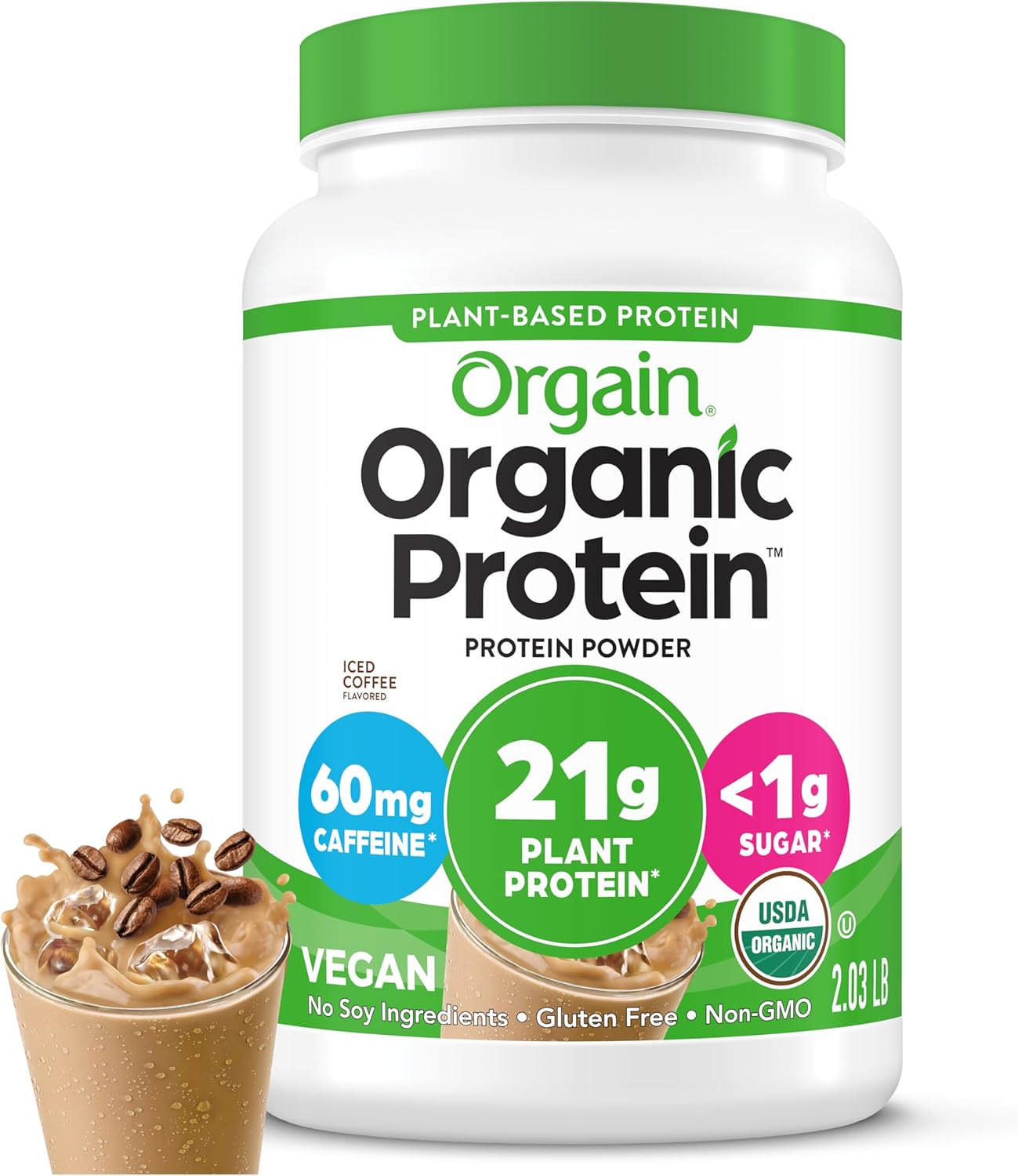
Orgain Organic Plant Protein Powder
Verdict: An outstanding, organic plant protein blend that serves as a highly digestible daily protein anchor.
Buy it if: you need a smooth, delicious plant protein source containing pea, brown rice, and chia seeds to hit your daily leucine targets.
Skip it if: you prefer single-ingredient unflavored protein isolates for culinary use.
Fit / setup note: Contains 21g of organic plant protein, 0g of sugar, and is completely soy-free and gluten-free.
Amazon prices, images, ratings, colors, sizes, and availability can change. Verify before buying.

Source: Amazon Product Advertising API
BlenderBottle Classic V2 Shaker Bottle
Verdict: The industry-standard shaker cup, featuring a patented wire whisk to blend thick plant proteins smoothly.
Buy it if: you regularly drink plant-based protein shakes and want to eliminate clumps without needing an electric blender.
Skip it if: you only consume your protein in smoothies made in a high-powered home blender.
Fit / setup note: Features a secure screw-on lid, a carry loop, and a SpoutGuard to keep your mouthpiece clean.
Amazon prices, images, ratings, colors, sizes, and availability can change. Verify before buying.
Source: Amazon Product Advertising API
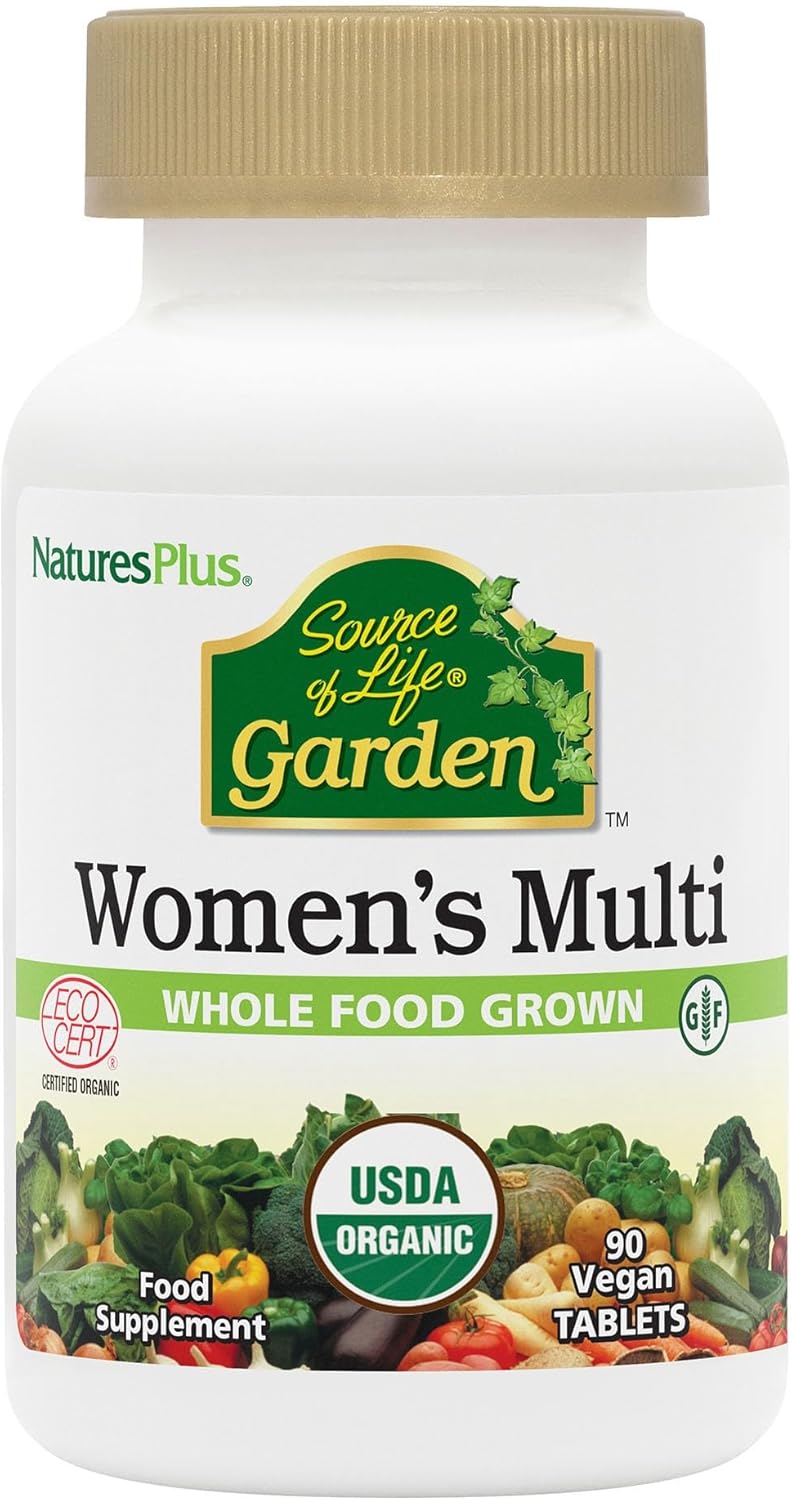
Garden of Life mykind Organics Women’s Once Daily
Verdict: A premium, certified organic, whole-food multivitamin that successfully fills critical plant-based nutrient gaps.
Buy it if: you want a clean, vegan-certified daily multivitamin made from organic fruits, vegetables, and herbs.
Skip it if: you prefer to supplement individual micronutrients separately based on specific blood work.
Fit / setup note: Formulated with Clean Tablet Technology, providing 15 key vitamins and minerals including methylcobalamin B12 and vegan D3.
Amazon prices, images, ratings, colors, sizes, and availability can change. Verify before buying.
Common Mistakes & Troubleshooting
- Under-eating Calories due to Volume: Because plant foods are packed with fiber and water, you may feel physically full before you have met your daily energy demands. This leads to muscle loss and fatigue.
How to Fix: Reduce the raw salad portions and increase caloric density by adding 1-2 tablespoons of tahini, pumpkin seeds, or extra-virgin olive oil to your meals. - Failing to hit the Leucine Threshold: Relying on small, unstructured snacks (like a handful of almonds) that do not reach the 2.5g leucine trigger required to stimulate muscle protein synthesis.
How to Fix: Build every meal around a dedicated protein anchor (tofu, tempeh, seitan, or plant protein isolate) rather than grazing on small, incomplete snacks. - Ignoring Vitamin B12 and D3: Relying on unfortified nutritional yeast or sunlight assumptions, leading to anemia, chronic fatigue, and poor recovery.
How to Fix: Take a dedicated sublingual Vitamin B12 supplement twice weekly, and get regular blood tests to keep your Vitamin D levels between 40-60 ng/mL. - Poor Iron Absorption: Eating iron-rich plants alongside coffee or tea, which contain polyphenols and tannins that block iron absorption.
How to Fix: Always pair iron sources (lentils, spinach) with a Vitamin C source (lemon juice, bell peppers) and avoid caffeine for 60 minutes before and after your meals.
Frequently Asked Questions
Can you build muscle on a 100% vegan diet?
Yes. Multiple clinical trials confirm that when daily protein targets (1.6 to 2.2 grams per kilogram of body weight) and total energy intake are matched, plant-based athletes experience the same rates of muscle hypertrophy and strength gains as omnivores (see the anabolic response comparison study). The key is ensuring you hit the leucine threshold (2.5-3.0g) in each meal to trigger the mTOR pathway.
How do vegan athletes get enough protein?
Vegan athletes hit their targets by structuring meals around protein-dense plant anchors: extra-firm sprouted tofu, fermented tempeh, seitan, black bean pasta, and lentils. They often supplement their intake with high-quality plant-based protein powders (pea and rice protein blends) to meet their elevated requirements without digestive stress.
Is soy bad for testosterone levels in male athletes?
No. Extensive meta-analyses of clinical studies have demonstrated that soy protein and soy isoflavones do not alter male reproductive hormone levels, including total testosterone, free testosterone, or estrogen, even at high consumption levels (see the 2021 clinical meta-analysis). Soy remains one of the highest quality plant protein sources available.
Do I need to take amino acid supplements (BCAAs/EAAs)?
If your daily protein intake is sufficient and structured around complete protein anchors, supplementary BCAAs or EAAs are unnecessary. Whole foods and blended plant protein isolates already provide a rich spectrum of amino acids. EAAs can be useful during fasted training, but they do not replace structured, high-protein meals.
What are the best plant-based sources of iron?
Lentils, chickpeas, pumpkin seeds, tofu, and dark leafy greens (like spinach) are excellent plant-based sources of iron. Because plant-based iron is non-heme (which has a lower absorption rate), you should always pair these foods with a source of Vitamin C (such as citrus fruits or bell peppers) to dramatically enhance absorption.
Scientific Sources, Editorial Note, and Review Date
Editorial Note: This guide has been reviewed and updated on July 9, 2026. All sports nutrition recommendations, macro targets, and supplementation protocols are fact-checked under strict scientific and clinical guidelines in sports nutrition, biomechanics, and metabolism.
- International Society of Sports Nutrition (ISSN) Position Stand: Diets and Body Composition (2017) – published in the Journal of the International Society of Sports Nutrition. PubMed Link: https://www.ncbi.nlm.nih.gov/pmc/articles/PMC5470183/
- Clinical trial data comparing plant-based vs. animal-based protein digestibility and muscle protein synthesis – The Anabolic Response to Plant- vs. Animal-Based Protein Ingestion (2020). PubMed Link: https://www.ncbi.nlm.nih.gov/pmc/articles/PMC7760892/
- Guidance on vitamin B12 requirements, athletic performance, and neurological health for vegan athletes – published in Vegan Diet in Sports and Exercise (2021). PubMed Link: https://www.ncbi.nlm.nih.gov/pmc/articles/PMC8623732/
- Meta-analysis of soy protein intake and reproductive hormones in male lifters – Neither soy nor isoflavones affect male reproductive hormones: An expanded and updated meta-analysis of clinical studies (2021). PubMed Link: https://www.ncbi.nlm.nih.gov/pmc/articles/PMC8185843/