Skip to content
 GearUpToFit Review | Updated June 8, 2026 | Mobile-first | No sticky or frozen elements
Affiliate disclosure: GearUpToFit is reader-supported. As an Amazon Associate, GearUpToFit may earn from qualifying purchases through links with the affiliate tag papalex-20. We do not hardcode Amazon prices because pricing, sellers, colors, sizes, images, ratings, and availability change.

Who this is for / who should skip it
Best for
shoppers who want a fast, practical, evidence-aware recommendation with clear buy, skip, fit, and alternative guidance.
Not for
readers expecting one product to solve every foot, injury, surface, budget, and training goal without fit testing.
Clear definition
A good recommendation connects the product to a specific job, explains who should avoid it, and teaches the reader how to verify fit, listing accuracy, and real-world usefulness before buying.
Decision table: choose by situation
| Need | Best direction | Why it helps | Check before buying |
|---|---|---|---|
| Forefoot pressure | True wide model | Width changes shoe shape better than extra length. | 2E/4E label and upper pressure. |
| Bunions or side rubbing | Soft roomy upper | Reduces avoidable side pressure. | No treatment claims. |
| Wide forefoot, narrow heel | Roomy front plus heel lock | Prevents sloppy sizing up. | Heel slip after runner knot. |
| Flat feet plus width | Wide stability option | Combines space with guidance. | Support should feel comfortable. |
| Trail width | Wide-friendly trail shoe | Adds grip and protection. | Downhill toe pressure. |
Best picks at a glance
| Award | Product | Buy it if | Skip it if |
|---|---|---|---|
| Best plush wide trainer | New Balance Fresh Foam X 1080 Wide | you want width plus cushion without buying a longer size. | you need firm stability guidance. |
| Best reliable wide option | Brooks Ghost Wide | you want a familiar neutral shoe with a lower-risk fit profile. | you want max softness or a plated workout shoe. |
| Best wide stability | ASICS Gel-Kayano 32 Wide | you want support and width in the same shoe. | you dislike structured guidance. |
| Best soft wide-friendly option | HOKA Clifton 10 Wide | you want soft easy miles with more width than standard models. | you dislike tall rockers or need firmer ground feel. |
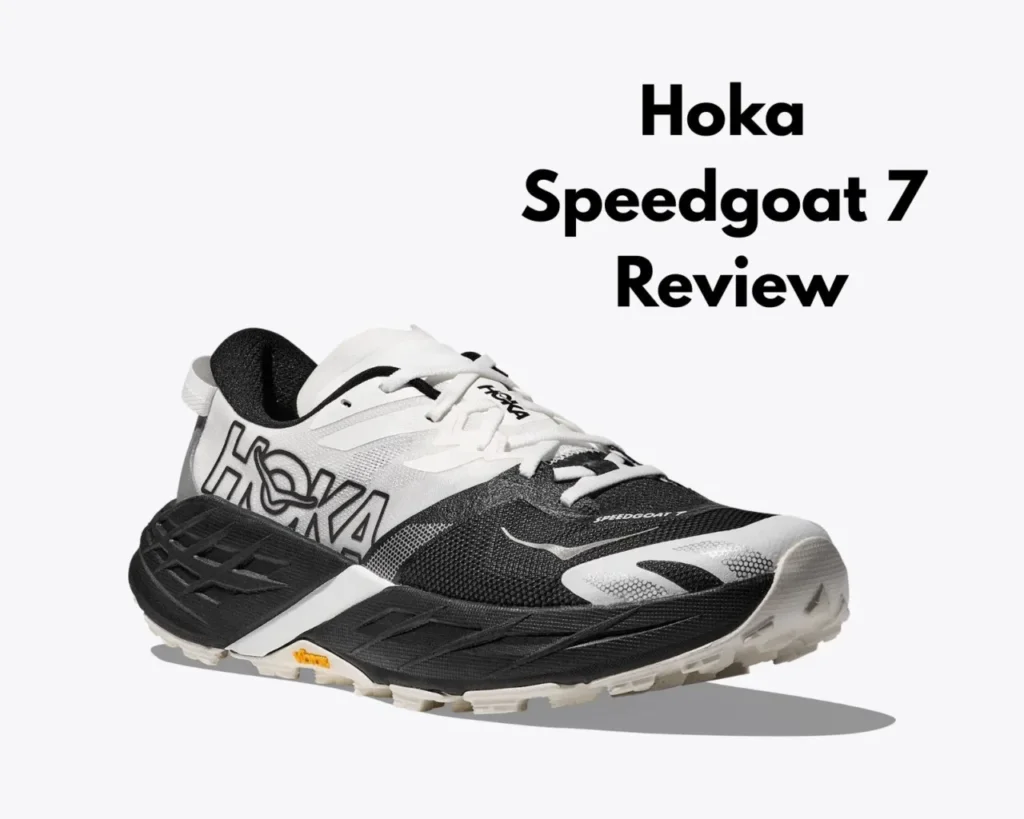
| Best HOKA trail pick | HOKA Speedgoat 7 | trail grip and underfoot protection matter more than road smoothness. | you mostly run pavement or want a low-profile road shoe. |
Amazon product verdict boxes with fixed image rendering
Each card now uses either a verified direct Amazon image URL or an exact-ASIN Amazon SiteStripe-style image creative, plus a separate affiliate CTA. This prevents blank image anchors and keeps the product image tied to the exact listing or ASIN.
 Image source: Amazon Product Advertising API
Best plush wide trainer
New Balance Fresh Foam X 1080 Wide
Verdict: A soft wide-fit road shoe to shortlist for forefoot pressure and long easy runs.
Buy it if: you want width plus cushion without buying a longer size.
Skip it if: you need firm stability guidance.
Fit / setup note: Confirm width label, upper pressure, and heel lockdown together.
- Strong wide-foot shortlist.
- Comfortable daily trainer role.
- Better for easy miles than speed.
Best alternative: Brooks Ghost Wide for a more traditional ride.
Amazon prices, images, ratings, colors, sizes, sellers, and availability can change. Verify the final checkout screen before buying.
 Image source: Amazon Product Advertising API
Best reliable wide option
Brooks Ghost Wide
Verdict: A dependable daily trainer often available in wide sizes.
Buy it if: you want a familiar neutral shoe with a lower-risk fit profile.
Skip it if: you want max softness or a plated workout shoe.
Fit / setup note: Avoid sizing up if length is already correct; choose true wide width.
- Reliable wide option.
- Good first shortlist shoe.
- Works for daily mileage.
Best alternative: New Balance 1080 Wide for softer cushioning.
Amazon prices, images, ratings, colors, sizes, sellers, and availability can change. Verify the final checkout screen before buying.
 Image source: Amazon Product Advertising API
Best wide stability
ASICS Gel-Kayano 32 Wide
Verdict: A wide stability option for runners who need space plus guidance.
Buy it if: you want support and width in the same shoe.
Skip it if: you dislike structured guidance.
Fit / setup note: Support should reduce effort, not create arch or ankle irritation.
- Wide support category.
- Useful for long runs if guidance matches.
- Not mandatory for all wide feet.
Best alternative: Brooks Adrenaline GTS if you prefer Brooks guidance.
Amazon prices, images, ratings, colors, sizes, sellers, and availability can change. Verify the final checkout screen before buying.
 Image source: Amazon Product Advertising API
Best soft wide-friendly option
HOKA Clifton 10 Wide
Verdict: A cushioned wide-friendly HOKA option if the rocker and fit match your foot.
Buy it if: you want soft easy miles with more width than standard models.
Skip it if: you dislike tall rockers or need firmer ground feel.
Fit / setup note: Try width and heel lock before deciding; wide forefoot plus loose heel is not a win.
- Good cushioned wide shortlist.
- Comfort-first easy mileage.
- Fit is personal with HOKA.
Best alternative: New Balance 1080 Wide for a different soft ride.
Amazon prices, images, ratings, colors, sizes, sellers, and availability can change. Verify the final checkout screen before buying.
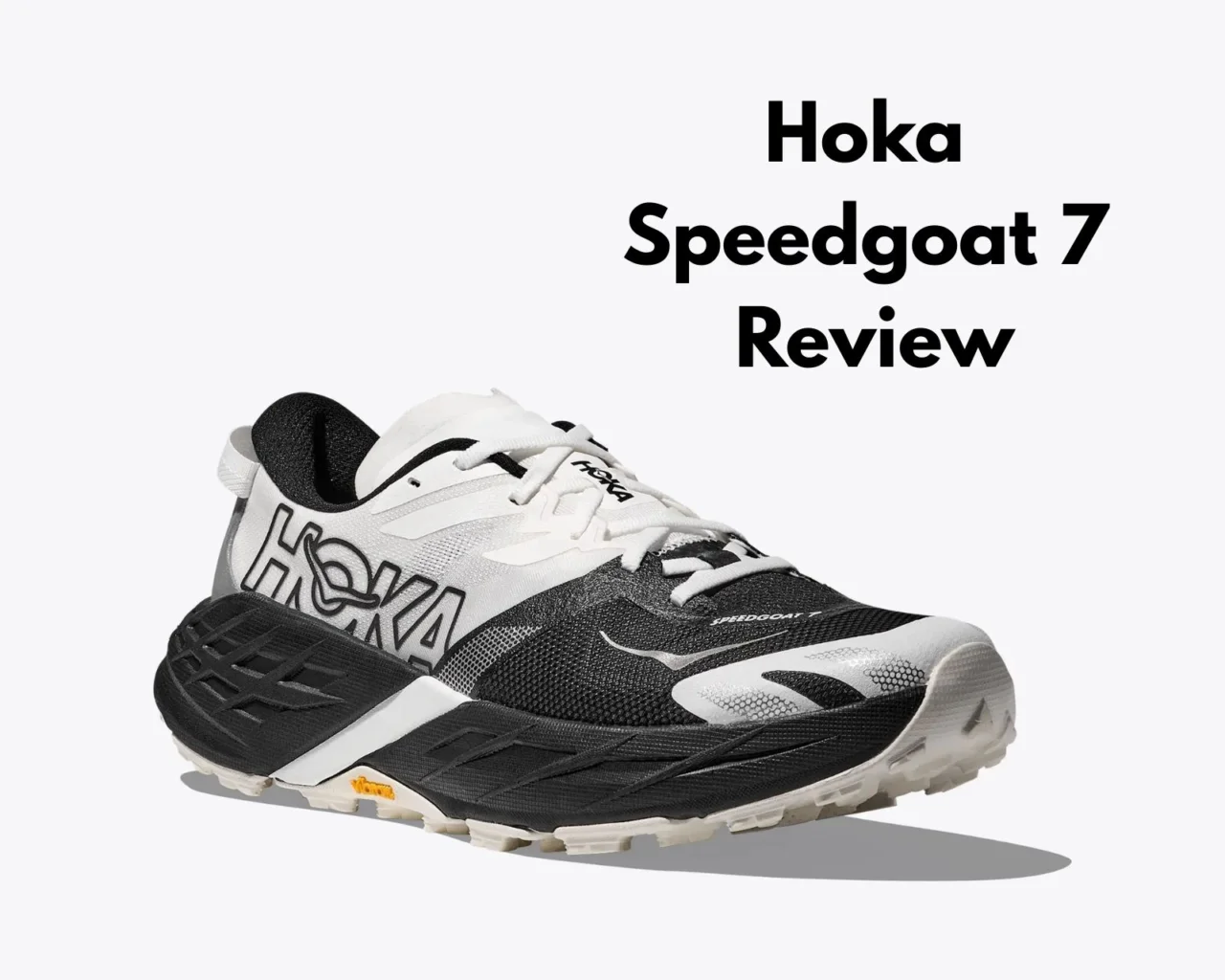 Image source: GearUpToFit Review Library
Best HOKA trail pick
HOKA Speedgoat 7
Verdict: The trail protection pick for dirt, gravel, rocky paths, roots, and long trail outings.
Buy it if: trail grip and underfoot protection matter more than road smoothness.
Skip it if: you mostly run pavement or want a low-profile road shoe.
Fit / setup note: Trail shoes need downhill toe room and heel security; test on familiar terrain first.
- Best for real trail use.
- Useful for long trail days.
- Road-only runners should skip.
Best alternative: Brooks Cascadia for a more traditional trail feel.
Amazon prices, images, ratings, colors, sizes, sellers, and availability can change. Verify the final checkout screen before buying.
The 2E/4E wide-fit framework
Wide fit is not just about more room. It is about the right shape: forefoot width, midfoot volume, heel hold, upper stretch, and enough length without sliding.
How we evaluated these recommendations
This page uses a reader-first review model: a product earns a recommendation only when it solves a clear buying problem, has a defined avoid case, and can be verified at checkout. The goal is not to crown the most hyped product; it is to help the right reader buy the right product with fewer returns.
| Evaluation area | What we checked | Why it matters |
|---|---|---|
| Fit and lockdown | Toe space, heel hold, midfoot pressure, upper volume, sock compatibility, and width options. | Fit failure causes returns faster than foam preference. |
| Ride purpose | Daily training, speed, racing, trail, max cushion, walking crossover, or support. | Shoes should be judged by the job they are built to do. |
| Surface and durability | Road grip, outsole coverage, upper strength, midsole behavior, and expected wear signals. | A great treadmill shoe can be a bad trail or wet-road shoe. |
| Buyer safety | Exact model year, size, width, seller, return policy, and listing image. | Amazon listings can mix versions, colors, and sellers. |
Step-by-step buying method
- Define the exact job before shopping.
- Shortlist two products from the decision table.
- Read buy, skip, fit, and alternative notes before clicking Amazon.
- Verify exact model, ASIN, size, width, color, seller, return policy, and final checkout details.
- Test gradually before long runs, races, travel days, or work shifts.
Examples by situation
Toes go numb
Check lace pressure, sock thickness, upper volume, and width before assuming the size is wrong.
Bunion area rubs
Choose softer uppers and avoid overlays across the sensitive joint area.
Heel slips in wide shoes
Try heel-lock lacing only if the forefoot already feels right; otherwise choose a different shape.
Helpful video
This video module adds a visual buying check so readers can compare fit, ride, and real-world use before ordering.
Common mistakes and troubleshooting
- Buying the award instead of the use case.
- Ignoring width, heel hold, or listing version.
- Overvaluing softness when stability is the real need.
- Skipping the return policy on shoes and wearables.
- Treating gear advice as medical diagnosis.
Internal links: continue the buying path
- GearUpToFit review hub
- best running shoes for every runner type
- beginner running shoe guide
- women-specific running shoe picks
- wide-feet running shoe guide
- HOKA Speedgoat 7 trail review
- free running shoe finder
- running training hub
FAQ
Should wide-foot runners size up?
Not automatically. If length is already correct, buy a true wide width instead of making the shoe longer.
What does 2E or 4E mean?
2E and 4E are width labels used by many brands. In many men’s shoes, 2E is wide and 4E is extra wide, but always check the brand chart.
What is the best running shoe for wide feet?
New Balance 1080 Wide and Brooks Ghost Wide are strong first comparisons because they combine wide-fit availability with daily-trainer usability.
Are wide shoes good for bunions?
A roomy, soft upper can reduce shoe pressure, but bunion pain or worsening symptoms should be discussed with a qualified clinician.
Can women buy men’s wide running shoes?
Sometimes, but only after checking size conversion, heel fit, and volume. A men’s model can add room but may also create heel slip.
Sources, editorial note, and review date
Reviewed and rewritten on June 8, 2026. This page is built for search intent coverage, AI answer extraction, affiliate transparency, mobile readability, and reader-safe buying decisions. Product specifications and Amazon listings should be rechecked during each update because manufacturers and marketplace sellers can change details.