
Keto weight-loss results: clear answer, buying logic, and mistakes to avoid
Best fit
- Beginners: expect early water-weight changes, then slower fat-loss trends.
- Plateaus: review calories, protein, hidden carbs, sleep, sodium, and weekend eating before changing everything.
- Active users: protect strength with enough protein and progressive training.
Do not make these mistakes
- Calling the first week “pure fat loss.”
- Chasing ketone numbers while calories, protein, and adherence are poor.
- Using aggressive deficits that make training, sleep, and hunger worse.
How to use this guide: start with the reader-first summary above, scan the fit and mistake checks, then use the detailed comparisons, product notes, FAQs, and original review sections below. Existing tested product boxes, images, affiliate buttons, and deeper analysis are preserved instead of being overwritten by generic rewrite content.
Wondering how much weight you can lose on keto? Here is the realistic, science-aware timeline: what happens in week one, how much is water weight, when fat loss begins, how to avoid keto flu, and what to change when results slow down.
how fast do you lose weight on keto?
Most people see the scale drop fastest in the first 1–2 weeks of keto because carbohydrate restriction reduces stored glycogen and the water stored with it. After that, a realistic fat-loss pace is usually slower: about 0.5–2 pounds per week depending on your starting weight, calorie intake, protein, activity, sleep, and adherence.
The best keto results come from a well-formulated plan: low enough carbs to enter ketosis, enough protein to preserve muscle, enough electrolytes to feel normal, and enough vegetables, fiber, and healthy fats to make the diet sustainable.
What is the keto diet?
The ketogenic diet is a very-low-carbohydrate, higher-fat eating pattern designed to shift your body from relying mostly on glucose to producing ketones from fat.
In practical terms, most keto plans keep net carbs around 20–50 grams per day, prioritize moderate protein, and use fat as the main energy source. This is why keto is different from a generic “low-carb” diet. Low-carb can simply mean eating fewer carbs. Keto has a specific metabolic target: nutritional ketosis.
New to keto? Start with GearUpToFit’s beginner-friendly keto diet guide before attempting aggressive carb restriction.
Keto weight loss timeline: what to expect week by week
| Timeframe | What usually happens | What the scale means | What to focus on |
|---|---|---|---|
| Days 1–3 | Carbs drop, glycogen starts falling, hunger may fluctuate. | Scale may move quickly or not at all yet. | Hit carbs, protein, water, sodium, and sleep. |
| Days 4–14 | Many people lose several pounds from water and glycogen changes. | Fast loss is encouraging, but not all fat loss. | Prevent keto flu with electrolytes and enough food. |
| Weeks 3–4 | Energy often stabilizes; workouts may still feel different. | Fat loss becomes easier to judge from weekly averages. | Track waist, photos, protein, and calorie intake. |
| Weeks 5–8 | Appetite may decrease; routine matters more than motivation. | Loss may slow to a steadier 0.5–2 lb/week pace. | Strength train, walk, and avoid “keto snack creep.” |
| Weeks 9–12+ | Plateaus become more common as body weight drops. | A flat scale can hide fat loss if waist or photos improve. | Recalculate macros, audit portions, and improve recovery. |
For a faster transition into ketosis, read how to get into ketosis quickly. For a broader low-carb comparison, see Keto vs. Atkins and low-carb diet strategies.
Why keto weight loss looks dramatic at first
The first week of keto can feel almost magical because the scale often moves quickly. But the reason is not magic. When you reduce carbs, your body uses stored glycogen. Glycogen is stored with water, so losing glycogen also releases water. That can make the first 5–10 pounds appear quickly for some people, especially those starting at a higher body weight or eating a high-carb diet before keto.
This is useful, but it can also create unrealistic expectations. The goal is not to keep losing water forever. The goal is to transition from early scale loss to steady fat loss.
When does actual fat loss start on keto?
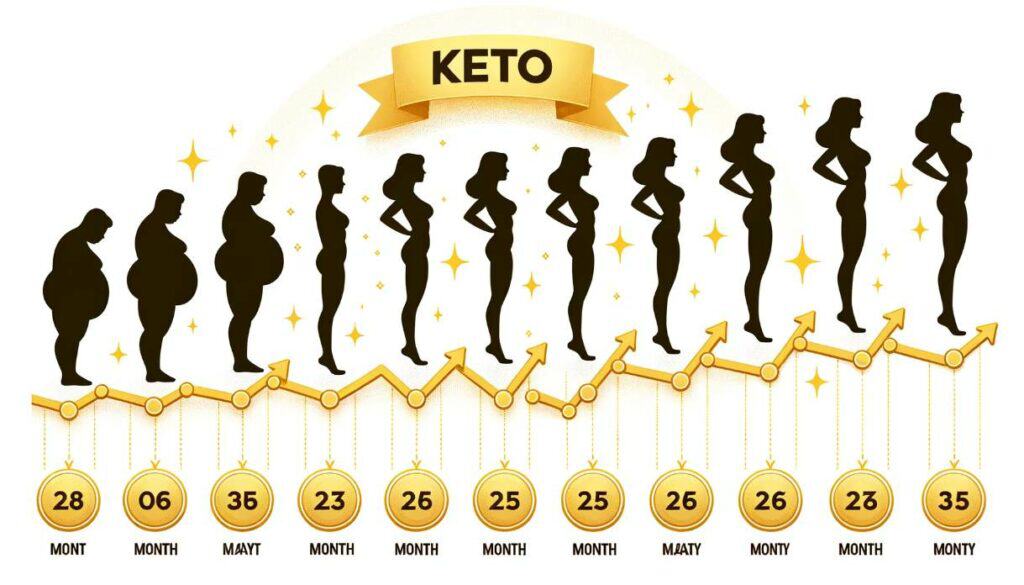
Fat loss can begin immediately if you are in an energy deficit, but it becomes easier to identify after the first 1–2 weeks once water-weight changes slow down. This is why the best way to judge keto progress is not one morning weigh-in. Use a 7-day average, waist measurement, photos, gym performance, appetite, and energy.
What drives fat loss on keto?
- Carb control: low enough to support ketosis for your body.
- Calorie control: keto can reduce hunger, but calories still matter.
- Protein: enough to preserve lean mass during weight loss.
- Food quality: whole foods beat keto cookies, bars, and “fat bombs.”
- Activity: walking and resistance training improve results and body composition.
- Recovery: poor sleep and high stress can increase hunger and reduce adherence.
To combine nutrition with activity, use the GearUpToFit running for weight loss plan or generate a broader baseline with the free personalized fitness plan.
A simple keto diet plan for weight loss
A strong keto plan should not be built around butter coffee and processed snacks. Build meals from protein, low-carb plants, and healthy fats.
| Meal component | Best options | Why it helps |
|---|---|---|
| Protein | Eggs, chicken, turkey, beef, salmon, tuna, Greek yogurt, tofu, tempeh | Preserves muscle, improves fullness, supports training recovery. |
| Low-carb vegetables | Spinach, kale, zucchini, broccoli, cucumber, lettuce, mushrooms, asparagus | Adds volume, fiber, potassium, magnesium, and micronutrients. |
| Fats | Olive oil, avocado, nuts, seeds, fatty fish, olives, small amounts of butter | Makes meals satisfying, but portions still matter. |
| Electrolytes | Salted broth, mineral water, leafy greens, avocado, magnesium if appropriate | Helps reduce headaches, cramps, fatigue, and early keto discomfort. |
Sample day
- Breakfast: 3 eggs with spinach, mushrooms, and feta cooked in olive oil.
- Lunch: grilled chicken salad with avocado, cucumber, olives, greens, and olive-oil vinaigrette.
- Dinner: salmon with roasted broccoli and zucchini.
- Snack if needed: Greek yogurt, boiled eggs, or a measured portion of nuts.
Want a structured food framework? Adapt the 7-day weight loss diet plan by replacing starch-heavy meals with low-carb vegetables and keto-friendly fats.
Keto flu: why it happens and how to reduce it
“Keto flu” is a nickname for early symptoms some people feel when they cut carbs quickly: fatigue, headaches, cramps, dizziness, irritability, and low exercise performance. It is often related to fluid and electrolyte shifts, not an actual flu.
People taking diabetes or blood-pressure medication should speak with a healthcare professional before starting keto because carbohydrate restriction can change blood glucose and blood pressure needs.
Helpful video: a balanced medical view of keto
This Mayo Clinic video is useful because it gives a cautious, health-first perspective rather than promising miracle results.
What to do when keto weight loss stalls
A plateau does not mean keto stopped working. It usually means your current intake and activity now match your smaller body, or hidden calories have crept in.
Use this 7-step plateau audit
- Use a weekly average: compare this week’s average weight to last week’s, not Monday to Tuesday.
- Recalculate calories: a lighter body burns fewer calories.
- Track fats honestly: oils, nuts, cheese, cream, and dressings add up fast.
- Raise protein if low: many keto dieters undereat protein and overeat fat.
- Walk daily: steps are a low-stress way to increase energy expenditure.
- Strength train: muscle retention improves body composition.
- Improve sleep: poor sleep increases cravings and makes adherence harder.
For a deeper troubleshooting process, read how to overcome a weight loss plateau.
Is keto safe for long-term weight loss?
Keto can work well for some people, especially those who feel less hungry on lower carbs. But it is not the best diet for everyone, and it should not be treated like a universal cure.
Healthier keto beats “dirty keto”
A healthier keto approach emphasizes minimally processed foods, unsaturated fats, fiber-rich low-carb vegetables, adequate protein, and regular lab monitoring when appropriate. A lower-quality keto approach built on processed meats, very high saturated fat, and almost no plants may be harder to sustain and may not support long-term health.
Related GearUpToFit guides
Keto diet for beginners
Start here if you need the basics before tracking macros.
Beginner’s guide to keto
A practical keto overview with food ideas and beginner tips.
How to get into ketosis quickly
Best for readers who want a focused 24–72 hour transition plan.
Glycogen metabolism explained
Understand why early keto weight loss includes water weight.
Keto diet results FAQs
How much weight can I lose in the first week of keto?
Some people lose several pounds in the first week, but much of that early loss is water and glycogen. A smaller first-week drop is also normal, especially if you were already eating lower carb before starting keto.
How much weight can I lose in one month on keto?
A realistic one-month result varies widely. Many beginners see a fast early drop followed by slower fat loss. Instead of chasing a fixed number, aim for consistent weekly averages, better waist measurements, and improved adherence.
Do I need to be in ketosis to lose fat?
No. Fat loss requires an energy deficit. Ketosis can make that deficit easier for some people by reducing hunger and simplifying food choices, but ketosis alone does not override total intake.
Can I do keto without exercise?
Yes, weight loss can happen through diet alone. However, walking and strength training improve body composition, cardiovascular health, glucose control, mood, and long-term maintenance.
Why did I stop losing weight after the first two weeks?
The early water-weight drop has likely slowed. After that, progress depends more on calories, protein, movement, sleep, and consistency. Audit portions of oils, nuts, cheese, cream, keto snacks, and restaurant meals.
What is the biggest keto mistake?
The biggest mistake is focusing only on carbs while ignoring protein, calories, electrolytes, fiber, and food quality. A well-formulated keto diet is not just “eat fat and avoid bread.”
Will I regain weight if I stop keto?
You may regain some water weight when you add carbs back. That is not the same as regaining fat. To maintain results, increase carbs gradually, keep protein high, continue strength training, and monitor weekly trends.
The bottom line
Keto can be an effective weight-loss tool when it helps you control hunger, reduce ultra-processed foods, and stay consistent. The first scale drop is often water. The real win is building a repeatable system that supports steady fat loss: low enough carbs, adequate protein, mostly whole foods, daily movement, resistance training, good sleep, and realistic expectations.
Start simple. Track for two weeks. Judge progress by weekly averages, waist measurements, energy, and adherence. Then adjust one variable at a time.
Medical disclaimer: This article is for educational purposes only and is not a substitute for diagnosis, treatment, or individualized advice from your physician, registered dietitian, or qualified healthcare professional.
Keto Weight Loss Results: Key Takeaways
- Weeks 1-2: Rapid weight loss (2-10 lbs) primarily from glycogen and water shifts.
- Weeks 3-4: Fat loss becomes the primary driver; scale progress may slow to 1-2 lbs per week.
- Month 2+: Metabolic adaptation begins; results depend on calorie control and protein intake.
- Success Tip: Monitor your Resting Metabolic Rate (RMR) to ensure an appropriate calorie deficit.
