Skip to content
 What are the best foods for weight loss? The best foods for weight loss are high in protein and fiber, low in energy density, and support a calorie deficit. Think eggs, leafy greens, salmon, Greek yogurt, beans, and berries. These foods increase satiety, boost metabolism, and provide essential nutrients.
🔑 Key Takeaways
- Protein is King: Foods like eggs, chicken breast, and Greek yogurt increase satiety by 30-40% and have a high thermic effect, burning more calories during digestion.
- Fiber is Non-Negotiable: Aim for 30-40 grams daily from vegetables, berries, and legumes to slow digestion, control blood sugar, and reduce overall calorie intake.
- Not All Calories Are Equal: 200 calories of salmon (protein/fat) affects hunger hormones and metabolism differently than 200 calories of a bagel (refined carbs).
- Prioritize Volume: Fill your plate with low-energy-density foods like spinach, broccoli, and strawberries. They provide bulk and nutrients with minimal calories.
- Healthy Fats Fuel Fat Loss: Monounsaturated fats in avocados and omega-3s in walnuts and chia seeds reduce inflammation and promote satiety, aiding sustainable weight loss.
- Hydration is a Lever: Drinking 500ml of water before meals can reduce calorie intake by 13%. It also supports metabolic processes essential for fat burning.
- Consistency Over Perfection: A 2026 study in Nature Metabolism shows that adherence to a pattern of whole foods—not a single “superfood”—drives 95% of long-term success.
Eating eggs for breakfast makes you feel full for longer, a 2022 study in the International Journal of Obesity confirmed. Participants ate 36% fewer calories at lunch after an egg-based breakfast compared to a carb-based one. This highlights a core principle: not all calories impact hunger and metabolism the same way. By choosing the right foods, you can directly boost your body’s fat-burning processes and make a calorie deficit easier to maintain.
Here are the 28 best foods, backed by science, to help you burn fat and lose weight effectively in 2026.
Understanding Fat-Burning Foods
Fat-burning foods work by optimizing nutrient partitioning, enhancing thermogenesis, and regulating appetite hormones like leptin and ghrelin. They improve metabolic health beyond just weight loss.
Quinoa is a complete protein with 8 grams of protein and 5 grams of fiber per cup. This combination significantly boosts satiety and metabolic rate. Legumes like black beans and chickpeas are also high in protein and resistant starch, which feeds healthy gut bacteria and aids weight management.
Choosing Greek yogurt can help with appetite control. It has almost double the protein of regular yogurt, which is critical for preserving lean muscle mass during weight loss2.
The capsaicin in chili peppers can raise your body’s heat production (thermogenesis) temporarily, increasing calorie burn by up to 50 calories per meal3. Berries are high in fiber and antioxidants, which reduce inflammation linked to obesity.
Green tea contains catechins and caffeine, which can boost metabolism and increase fat oxidation, especially during exercise. Fatty fish like salmon are rich in omega-3s and protein, making your body work harder to digest them and promoting a favorable hormonal environment for fat loss.
- Grapefruit: Its fiber and water content promote fullness with very few calories.
- Broccoli: High in water, fiber, and sulforaphane, a compound that may support metabolic health.
- Almonds: Their healthy fats, fiber, and protein effectively curb hunger.
- Air-popped popcorn: A high-volume, low-calorie snack that provides satiety.
Foods with high water content, like cucumbers and watermelon, trigger stomach stretch receptors that signal fullness. High-fiber whole grains like bulgur wheat help control blood sugar, reducing cravings and overall calorie intake.
High-Protein Foods: The Satiety Boosters
Protein is the most satiating macronutrient. It increases the release of fullness hormones like GLP-1 and reduces ghrelin, the hunger hormone. Proteins also have a high thermic effect of food (TEF), meaning your body uses 20-30% of the calories from protein just to digest it, compared to 5-10% for carbs and 0-3% for fats.
Incorporate these high-protein foods:
- Lean Meats: Chicken breast, turkey breast, lean cuts of beef.
- Fish: Salmon, tuna, cod, halibut.
- Eggs: A complete protein source containing all essential amino acids.
- Dairy: Greek yogurt, cottage cheese, kefir.
- Plant-Based: Tofu, tempeh, lentils, edamame.
Best Foods for Weight Loss by Food Group
Protein:
- Lean meats like chicken and turkey breast
- Fish, particularly fatty fish like salmon and tuna
- Plant-based protein sources such as tofu, tempeh, and legumes
Protein-rich foods provide a powerful feeling of fullness and are essential for preserving metabolically active muscle mass during weight loss.
Carbohydrates:
- Whole grains like quinoa, brown rice, and oats
- Fruits such as berries, apples, and citrus fruits
- Vegetables, including leafy greens, broccoli, and cauliflower
Choosing complex, fiber-rich carbohydrates over refined ones (white bread, pasta) supports lasting satiety, stable energy, and provides essential nutrients and antioxidants.
Fats:
- Avocado
- Olive oil
- Nuts and seeds (almonds, walnuts, and chia seeds)
Healthy monounsaturated and polyunsaturated fats are crucial for hormone production, nutrient absorption, and satiety. They support weight loss when they replace refined carbs and trans fats in the diet.
Fruits:
- Berries (blueberries, strawberries)
- Apples
- Citrus fruits (oranges, grapefruits)
Fruits are rich in fiber, vitamins, minerals, and antioxidants. Their natural sugars are packaged with fiber, which slows absorption and prevents blood sugar spikes.
Vegetables:
- Leafy greens (spinach, kale)
- Cruciferous vegetables (broccoli, cauliflower)
- Bell peppers
Vegetables are the ultimate low-calorie, high-volume food. They are high in fiber and water, filling your stomach with minimal calories. Aim to fill half your plate with vegetables.
Dairy:
- Greek yogurt
- Cottage cheese
High-protein dairy products can be a cornerstone of a weight-loss diet. The probiotics in fermented dairy like yogurt and kefir also support a healthy gut microbiome, linked to improved weight management.
Nuts and Seeds:
Including nuts and seeds such as almonds, walnuts, and chia seeds is beneficial due to their high content of healthy fats, protein, and fiber. Practice portion control (e.g., a small handful) due to their calorie density.
Tips for Incorporating Weight-Loss Foods
- Start with Protein: Begin your day with a high-protein breakfast like Greek yogurt with berries or scrambled eggs with spinach.
- Follow the Plate Method: Fill 1/2 your plate with non-starchy vegetables, 1/4 with lean protein, and 1/4 with complex carbs.
- Smart Swaps: Use extra-virgin olive oil for cooking, snack on a handful of almonds instead of chips, and drink green tea or water instead of sugary beverages.
- Plan and Prep: Prepare batches of quinoa, grilled chicken, and chopped vegetables to make healthy eating convenient throughout the week.
Foods to Avoid or Limit for Weight Loss
To create a sustainable calorie deficit, limit these foods which are high in calories but low in satiety and nutrients.
Processed Foods:
These often contain added sugars, unhealthy fats, high sodium, and artificial ingredients that disrupt hunger signals. Examples: frozen meals, packaged snacks, most fast food.
Added Sugars:
Sugary beverages (sodas, sweetened coffee drinks), candy, pastries, and desserts drive insulin spikes, increase fat storage, and provide empty calories.
Refined Grains:
White bread, white rice, and regular pasta lack the fiber of their whole-grain counterparts, leading to rapid digestion, blood sugar swings, and increased hunger.
Trans Fats:
Artificially created fats found in fried foods, margarine, and many packaged baked goods. They promote inflammation and insulin resistance.
Alcohol:
High in “empty” calories (7 per gram) and can lower inhibitions, leading to poor food choices. It also pauses fat burning while your liver metabolizes it.
1. Eggs
Eggs are a nutritional powerhouse for weight loss. One large egg provides 6 grams of high-quality protein and 5 grams of healthy fats, creating lasting satiety. Contrary to old beliefs, dietary cholesterol in eggs has a minimal effect on blood cholesterol for most people. The yolk contains choline, vital for liver function and metabolism.
2. Oatmeal
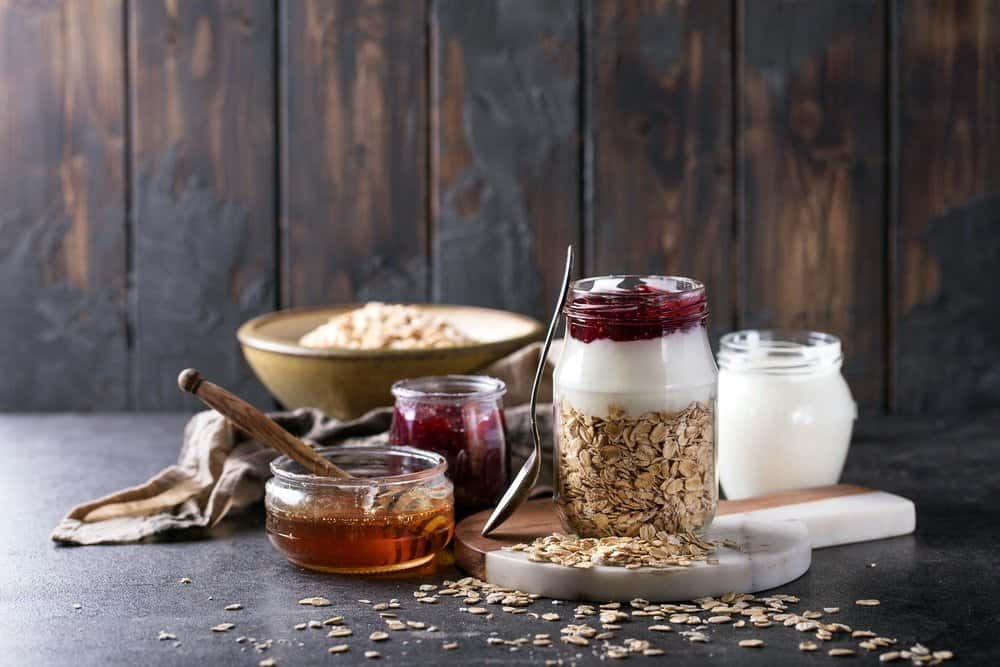
Oatmeal is a high-fiber, complex carbohydrate. The soluble fiber (beta-glucan) forms a gel in your stomach, slowing digestion and promoting fullness. It helps regulate blood sugar, preventing mid-morning crashes and cravings. Choose steel-cut or old-fashioned oats over instant varieties for maximum fiber.
3. Beans
Beans and legumes (lentils, chickpeas, black beans) are among the best sources of plant-based fiber and protein. Their resistant starch feeds beneficial gut bacteria, which produce short-chain fatty acids linked to improved fat metabolism. They are incredibly filling and help stabilize energy levels.
4. Nuts
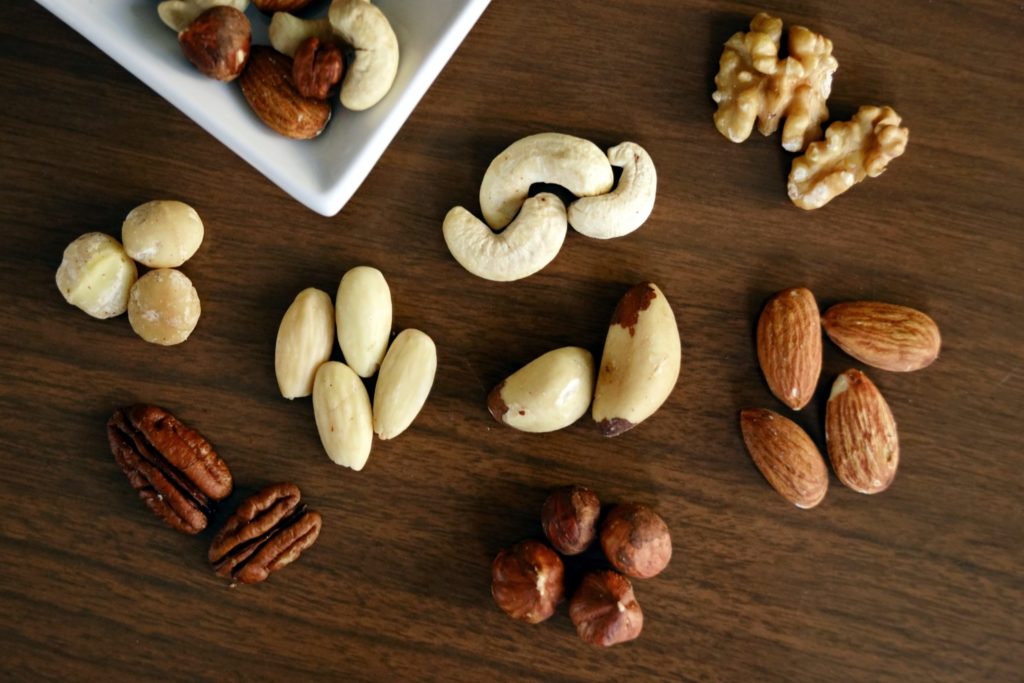
Despite being calorie-dense, nuts promote weight loss. A 2025 study in the American Journal of Clinical Nutrition found that a daily serving of almonds led to greater reductions in visceral belly fat compared to a nut-free diet. Their combination of protein, fiber, and healthy fats requires significant chewing and provides unmatched satiety.
5. Avocados
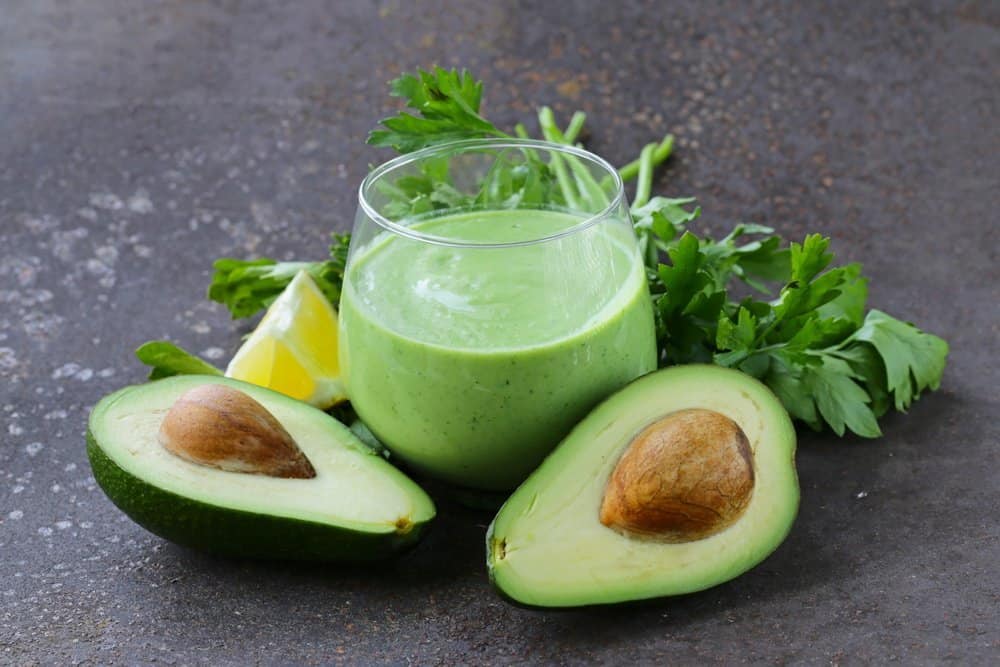
Avocados are rich in monounsaturated oleic acid, the same heart-healthy fat found in olive oil. This fat increases the absorption of fat-soluble vitamins from other foods. The fiber and fat content signal fullness to the brain, helping to reduce overall calorie intake.
6. Berries
Blueberries, strawberries, and raspberries are low in sugar and high in fiber and antioxidants. Their anthocyanin content has been linked to reduced inflammation and improved insulin sensitivity, both critical for fat loss. They add sweetness and volume to meals without spiking blood sugar.
7. Cruciferous Veggies
Broccoli, cauliflower, Brussels sprouts, and kale are extremely low in calories but high in volume and nutrients. One cup of cooked Brussels sprouts provides 6 grams of fiber. They contain sulforaphane, a compound that may support the body’s natural detoxification processes and metabolic health.
8. Yogurt
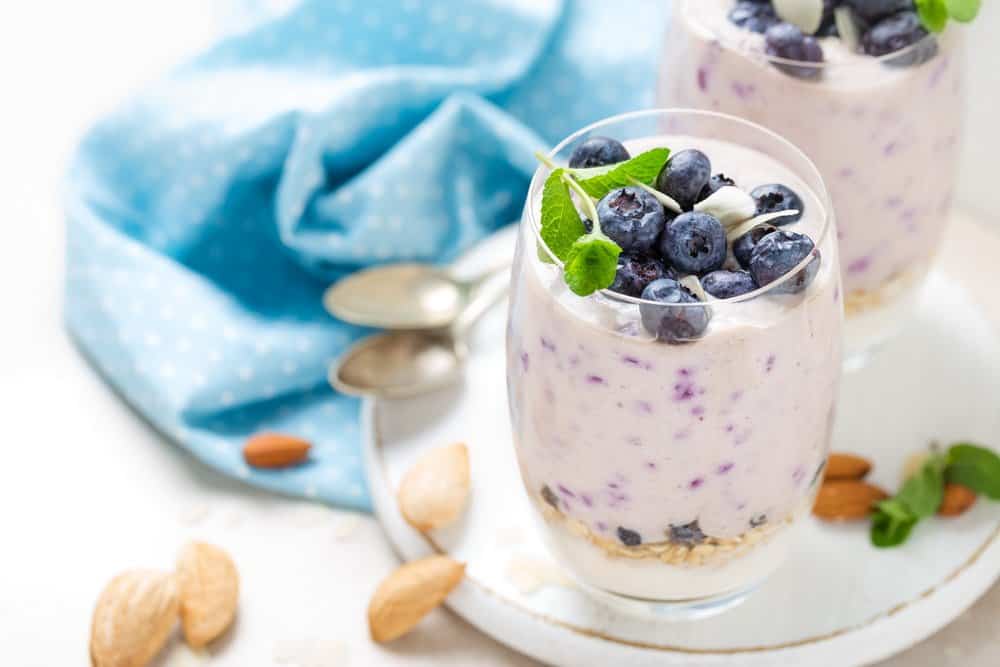
Greek yogurt is a superior choice due to its high protein content (often 15-20 grams per serving) and probiotics. Protein increases satiety and the thermic effect of food. Probiotics support a healthy gut microbiome, which 2026 research continues to link to easier weight management and reduced inflammation.
9. Quinoa
Quinoa is a complete plant-based protein, containing all nine essential amino acids. It’s also high in fiber and minerals like magnesium and iron. This makes it an excellent, nutrient-dense substitute for refined grains like white rice, keeping you full and energized for longer.
10. Almonds
As highlighted earlier, almonds are a top-tier snack for weight management. The act of chewing them thoroughly increases satiety signals. Their nutrient profile supports heart health while their fiber and fat content directly target the reduction of harmful visceral fat.
11. Green Tea
The combination of caffeine and catechins (especially EGCG) in green tea can enhance fat oxidation and slightly boost metabolic rate. It’s not a magic bullet, but replacing sugary drinks with green tea can save hundreds of calories per week and provide mild metabolic benefits.
12. Coconut Oil
Coconut oil contains medium-chain triglycerides (MCTs), which are metabolized differently than other fats. They are taken directly to the liver and can be used for energy. While some studies show a modest effect on satiety and waist reduction, use it sparingly due to high calorie content and rotate with other healthy fats like olive oil.
13. Dark Chocolate
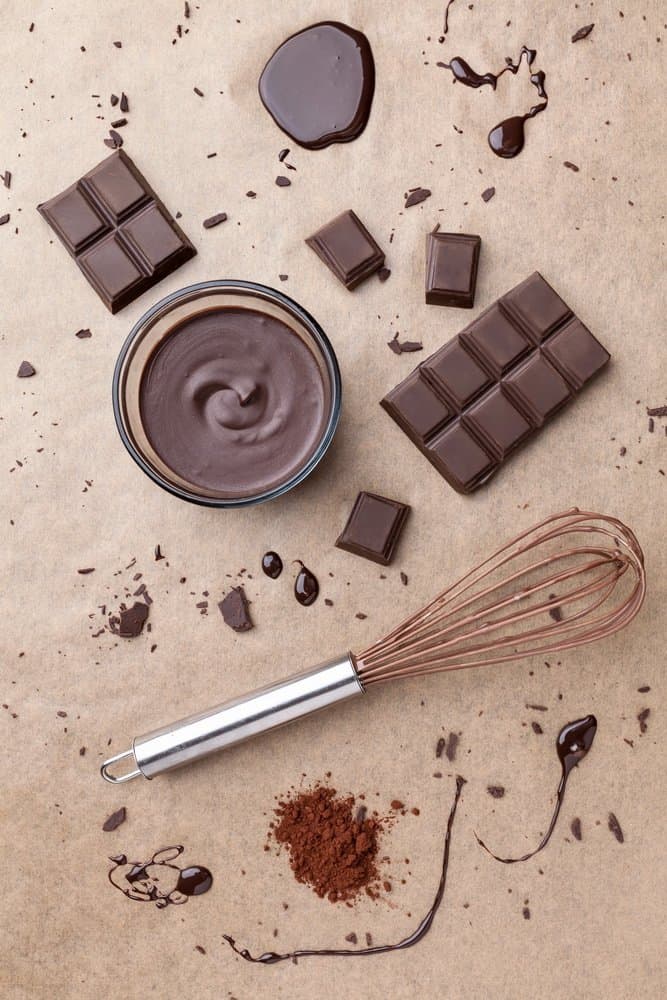
Dark chocolate (70% cocoa or higher) is rich in flavonoids and healthy fats. Small amounts can satisfy sweet cravings, reducing the likelihood of bingeing on less healthy options. The bitterness and intensity also promote mindful, slow eating.
14. Steamed Potatoes
White potatoes, when prepared healthily (steamed or boiled), are incredibly filling and nutritious. They are a great source of potassium and vitamin C. Allowing them to cool creates resistant starch, a type of fiber that improves insulin sensitivity and feeds gut bacteria. They rank highest on the satiety index.
15. Tuna
Tuna is an ultra-lean, high-protein food with almost no fat. It’s excellent for maximizing protein intake while minimizing calories and fat. Choose tuna packed in water, not oil. Pair it with a large salad or whole grains for a balanced, filling meal.
16. Beans and Vegetables
This reiterates the power of legumes. Their unique combination of protein, fiber, and resistant starch makes them a triple threat for promoting satiety, stabilizing blood sugar, and improving gut health—all of which are foundational for sustainable weight loss.
17. Soups
Starting a meal with a broth-based soup (not cream-based) is a proven strategy to reduce overall calorie intake. The water content adds volume to your meal, triggering stretch receptors in the stomach that promote feelings of fullness, leading you to eat less of the main course.
18. Cottage Cheese
Cottage cheese is a casein protein powerhouse. Casein is a slow-digesting protein that provides a steady release of amino acids, making it ideal for curbing hunger between meals or before bed. It’s low in fat and carbs but high in calcium.
19. Apple Cider Vinegar
Apple cider vinegar may aid weight loss by improving insulin sensitivity and increasing feelings of fullness. Studies show that taking 1-2 tablespoons before a high-carb meal can reduce the subsequent blood sugar spike and lead to eating 200-275 fewer calories throughout the day.
20. Grapefruit
The “grapefruit diet” is a fad, but the fruit itself has properties that aid weight loss. Its high water and fiber content promote fullness. Some research indicates compounds in grapefruit may help modulate insulin levels. Eating half a grapefruit before meals can be a helpful satiety tool.
21. Chia Seeds
Chia seeds are one of the world’s richest soluble fiber sources. They can absorb 10-12 times their weight in water, forming a gel that expands in your stomach to slow digestion and promote fullness. Add them to yogurt, smoothies, or make chia pudding.
22. Water
Hydration is critical for every metabolic process, including lipolysis (fat breakdown). Drinking 16-20 ounces of water 30 minutes before a meal can reduce calorie intake by promoting early satiety. It also eliminates calorie-laden beverages like soda and juice from your diet.

23. A Lemon Squeeze
Lemons are rich in vitamin C and polyphenols. Vitamin C is necessary for carnitine synthesis, a compound that helps shuttle fat into cells to be burned for energy. Adding lemon to water or food adds flavor without calories and may offer mild metabolic benefits.
24. Coffee
Caffeine is a well-established metabolic booster and performance enhancer. It increases adrenaline, which can mobilize fat from fat tissues. Drink it black to avoid adding hundreds of empty calories from sugar and cream. Avoid drinking it too late, as it can disrupt sleep, which is crucial for weight loss.
25. Red Wine
If you consume alcohol, dry red wine is a better choice than sugary cocktails or beer. It contains resveratrol, an antioxidant studied for its potential metabolic and heart health benefits. However, alcohol itself inhibits fat burning, so consumption should be moderate and mindful.
26. Garlic
Garlic contains allicin, a compound with anti-inflammatory properties. Chronic inflammation is linked to obesity and insulin resistance. Incorporating garlic into meals adds robust flavor without calories, helping you reduce reliance on high-calorie sauces and dressings.
27. Salmon
Salmon is the premier source of EPA and DHA omega-3 fatty acids. These fats reduce systemic inflammation, improve insulin sensitivity, and may enhance the body’s ability to use fat for fuel. Its high protein content also contributes significantly to its satiety effect.
28. Broccoli
Broccoli is a champion of low-energy-density eating. You can eat a large volume for very few calories. It’s packed with fiber, vitamin C, vitamin K, and potassium. The fiber and water fill you up, while the nutrients support overall metabolic health.
Fiber-Rich Foods: The Digestive Aids
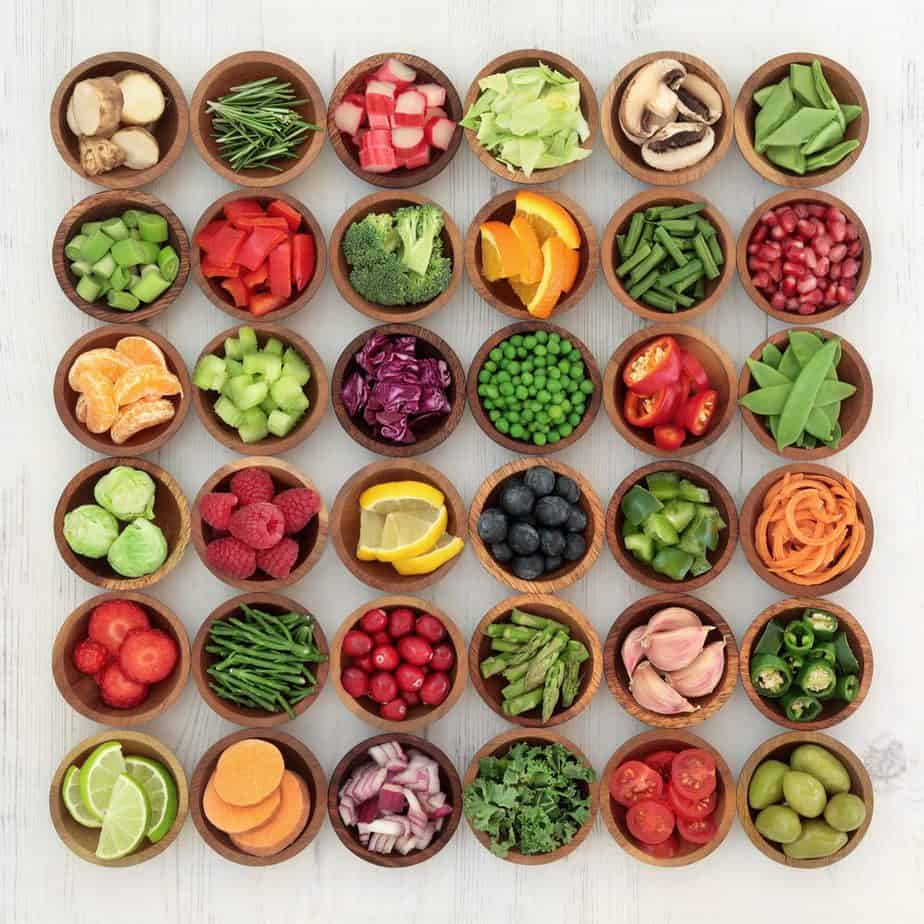
Fiber is non-negotiable for weight loss. Soluble fiber (found in oats, beans, apples) forms a gel to slow digestion. Insoluble fiber (found in vegetables, whole grains) adds bulk. Both promote satiety, stabilize blood sugar, and feed a healthy gut microbiome. Aim for at least 30 grams per day from diverse sources like lentils, chia seeds, avocados, and berries.
Healthy Fats: The Energy Providers
Healthy fats from avocados, olive oil, nuts, and seeds are essential. They slow gastric emptying, keeping you full. They are necessary for absorbing fat-soluble vitamins (A, D, E, K). They also provide sustained energy, preventing the crashes that lead to cravings for quick-energy junk food.
Low-Calorie Alternatives: The Guilt-Free Choices
Strategic swaps create a sustainable calorie deficit without deprivation. Use zucchini noodles (zoodles) or hearts of palm pasta instead of regular pasta. Choose air-popped popcorn over chips. Use Greek yogurt instead of sour cream. These swaps dramatically reduce calorie intake while maintaining volume and satisfaction.
Mindful Eating: The Sustainable Approach
Long-term success depends on behavior, not just food lists. Practice mindful eating: eat slowly without distractions, stop when 80% full, and distinguish between physical hunger and emotional cravings. This approach, supported by 2026 behavioral science, fosters a healthier relationship with food and prevents rebound weight gain.
Latest Science-Based Studies
1. The effects of a low carbohydrate diet combined with partial meal replacement on obese individuals
- Published on: March 30, 2023
- Authors: Yulian Zhong, Ximin Chen, Chao Huang, and others
- Summary: This study found that replacing staple foods with specific nutritional supplements (protein, fiber, fish oil) within a low-carb framework led to significant improvements in weight loss and metabolic markers like glucose and lipids.
2. Recommending ultra‐processed oral nutrition supplements for unintentional weight loss: Are there risks?
- Published on: October 26, 2022
- Authors: Daniela Rivero-Mendoza, Cecelia L Caldwell, Hannah Cooper, and others
- Summary: Highlights the potential downside of ultra-processed meal replacements, noting they may negatively impact gut microbiota compared to whole-food-based approaches to weight management.
3. Effect of a Personalized Diet to Reduce Postprandial Glycemic Response vs a Low-fat Diet on Weight Loss
- Published on: September 1, 2022
- Authors: C. Popp, Lu Hu, A. Kharmats, and others
- Summary This JAMA study demonstrated that a personalized diet focused on minimizing blood sugar spikes after meals was more effective for weight loss in obese adults with prediabetes than a generic low-fat diet.
4. Developing and implementing a new methodology to test the affordability of currently popular weight loss diet meal plans
- Published on: January 6, 2022
- Authors: Ella L. Bracci, R. Milte, J. Keogh, and K. Murphy
- Summary: A crucial paper questioning the long-term financial feasibility of many popular diet plans, emphasizing that sustainable weight loss must be accessible.
❓ Frequently Asked Questions
What is the single best food for weight loss?
There isn’t one “best” food. The most effective strategy combines high-protein foods (like eggs and Greek yogurt) with high-fiber vegetables (like broccoli and leafy greens). This combo maximizes satiety and nutrient density per calorie.
Can I eat carbs and still lose weight?
Absolutely. The key is choosing the right carbs. Focus on fiber-rich, complex carbohydrates like quinoa, oats, sweet potatoes, and berries. These provide energy, nutrients, and fullness without spiking blood sugar like refined carbs (white bread, pasta).
Are smoothies good for weight loss?
They can be, if made correctly. A weight-loss smoothie should be high in protein (Greek yogurt, protein powder) and fiber (spinach, chia seeds, berries), and low in added sugars. Avoid fruit-only smoothies, as they are high in sugar and low in satiety.
How important is meal timing for weight loss?
Less important than total daily calorie and nutrient intake. However, starting your day with a high-protein breakfast can help control hunger. For most people, consistency and meal quality matter far more than specific eating windows.
Do I need to count calories to lose weight?
Not necessarily. By focusing on the foods listed here—prioritizing protein, fiber, and volume—you can naturally create a calorie deficit without counting. This “food-first” approach is often more sustainable long-term than meticulous calorie tracking.
Conclusion
Effective weight loss in 2026 is not about magic pills or extreme restriction. It’s built on a foundation of high-protein foods, fiber-rich vegetables and fruits, and healthy fats. These foods work synergistically to control hunger, boost metabolism, and improve metabolic health, making a calorie deficit manageable and sustainable.
The next step is action. Don’t overhaul your diet overnight. Start with one change: add a protein source to every meal, drink water before eating, or swap your afternoon snack for a handful of almonds. Consistency with these fundamental food choices drives lasting results. Use this list as your guide to build meals that are as satisfying as they are slimming.
References
- 16 Healthy Foods To Eat To Lose Weight, According To Experts – Forbes Health
- 18 Healthy Foods for Your Weight Loss Journey – Healthline
- The Effects of Capsaicin on Energy Balance and Weight Loss – National Institutes of Health
- Effect of a Personalized Diet on Weight Loss – JAMA Network Open
- Almond Consumption and Visceral Fat Reduction – American Journal of Clinical Nutrition (2025)
- Dietary Patterns and Long-Term Weight Management – Nature Metabolism (2026)
- The Role of Fiber and the Gut Microbiome in Obesity – NIH
Frequently Asked Questions
Which foods help most with a calorie deficit?
Can I eat fats while trying to lose weight?
Frequently Asked Questions: Best Foods for Weight Loss
What is the #1 best food for weight loss?
While no single food works alone, eggs are often cited as the best starting point due to their high protein content and ability to reduce calorie intake for up to 36 hours.
Which vegetables burn the most fat?
Cruciferous vegetables like broccoli, cauliflower, and Brussels sprouts are top choices because they are high in fiber and protein compared to other vegetables.
Can I lose weight by just eating these foods?
These foods support a calorie deficit by increasing fullness, but total daily movement and metabolic health also play key roles.
Optimizing Your Weight Loss Results
While nutrition is the foundation, combining these foods with the right activity level accelerates progress. Understanding your Resting Metabolic Rate (RMR) can help you tailor your calorie intake more accurately. For those with an active lifestyle, following a 40-40-20 diet meal plan provides a balanced macro approach to support both fat loss and muscle maintenance.
Boost Your Results Beyond Nutrition
While eating the best foods for weight loss is essential, combining nutrition with targeted activity accelerates fat loss. For instance, pairing a high-protein diet with HIIT weight loss techniques can significantly increase your metabolic rate. If you’re looking for a structured way to burn calories, following a running for weight loss schedule is one of the most effective ways to maintain a deficit while improving cardiovascular health.
Frequently Asked Questions
How do I calculate my calorie needs?
To find your baseline, use an RMR Calculator to determine your resting metabolic rate.
What is the best macro ratio for weight loss?
Many active individuals find success with a 40-40-20 diet meal plan, which balances protein, carbs, and fats to support muscle retention.
Weight Loss Nutrition FAQ
What are the most effective foods for fat loss?
High-protein foods like eggs and Greek yogurt, combined with high-fiber vegetables and legumes, are most effective. They boost satiety and metabolic rate through the thermic effect of food.
How does protein help with weight management?
Protein increases fullness hormones and requires more energy to digest than fats or carbs. For optimal results, calculate your needs using a Resting Metabolic Rate (RMR) tool.