Skip to content
 Foods That Reduce Cancer Risk: What You Need to Know
Cancer occurs when cells in the body grow out of control and form tumors. While some risk factors like genetics and environmental exposures are out of our control, diet and lifestyle choices significantly influence cancer development and progression [2].
A healthy, balanced diet focused on natural, minimally processed foods can help reduce inflammation, fight free radicals, balance hormones, and strengthen the immune system. Conversely, a diet high in processed foods, excess calories, sugar, and refined carbs, and low in protective plant foods is strongly associated with increased cancer risk [3].
This comprehensive guide outlines the top science-backed foods that may help reduce your risk for various types of cancer. You’ll learn exactly how these foods protect the body, how much you should aim to eat, tips to easily incorporate them into meals and snacks, common myths to watch out for, and more.
⚡ Key Takeaways
- Prioritize natural, plant-based foods to reduce inflammation, fight free radicals, and strengthen immunity against cancerous changes.
- Leverage 6 key protective compounds found in foods: Antioxidants, Fiber, Anti-inflammatory agents, Hormone regulators, Enzyme modulators, and Immune supporters.
- Incorporate cruciferous vegetables like broccoli and kale, which contain glucosinolates that break down into powerful anti-cancer metabolites.
- Boost your diet’s detox power with foods that enhance Phase II liver enzymes, helping your body neutralize and eliminate carcinogens.
- Avoid processed foods, excess sugar, and refined carbs, as these are linked to increased cancer risk.
- Understand that diet is a major controllable factor in cancer prevention, alongside genetics and environment.
- Aim for a balanced, science-backed approach focusing on specific food groups and compounds proven to slow cancer growth and support overall health.
We provide a direct, science-backed list of the most powerful anti-cancer foods. You will learn the exact bioactive compounds that fight cancer cells. We show you how to easily add them to your meals. Start building your dietary defense system today.
73% of people find nutrition advice confusing. Start with these 7 proven foods.
Foods that reduce cancer risk are specific, whole foods rich in antioxidants, fiber, and phytochemicals. Eating them consistently can significantly lower your chances of developing the disease. According to 2026 research, over 40% of cancer cases are linked to modifiable lifestyle factors, including diet. You can take control.
What Are Foods That Reduce Cancer Risk?

Powerful nutrients, antioxidants, and phytochemicals abundant in plant foods and spices demonstrate significant anti-cancer properties. Here’s an overview of the key bioactive compounds and their mechanisms for cancer prevention and slowing tumor growth:
- Antioxidants – Substances like carotenoids, flavonoids and polyphenols neutralize free radicals, reducing oxidative damage that can lead to DNA mutations and cancerous growths [4].
- Fiber – Bind to potential carcinogens and toxins in the gut, promoting their elimination from the body [5]. Also feed beneficial bacteria that support immunity.
- Anti-inflammatory compounds – These bioactive agents block inflammatory pathways strongly linked to increased cancer risk and progression. Key examples include omega-3 fatty acids and potent plant chemicals like curcumin [6].
- Hormone regulators – Maintain proper hormone balance, reducing cell overgrowth. Includes lignans in flaxseeds and isoflavones in soy [7].
- Enzyme modulators – Enhance the activity of detoxification enzymes in the liver that help neutralize carcinogenic compounds [8]. Found in cruciferous veggies and citrus.
- Immune supporters – Vitamins A, C, D, E, B6, zinc, selenium and probiotics strengthen immune defenses against early cancerous changes [9].
Now let’s explore some of the top foods and spices shown to have protective effects against various types of cancer:
Cruciferous Vegetables
This potent vegetable group contains sulfur-rich compounds called glucosinolates. When chewed and digested, these glucosinolates break down into powerful anti-cancer metabolites, including sulforaphane and indole-3-carbinol, which are supported by ongoing research [10].
Cruciferous veggies also inhibit Phase I enzymes while inducing Phase II detox enzymes, enhancing the elimination of carcinogens [11].
Examples: broccoli, Brussels sprouts, cabbage, cauliflower, bok choy, kale, arugula, and watercress.
Aim for 1-2 servings daily.
Berries
All berries are packed with antioxidants like anthocyanins and ellagic acid. Blueberries and strawberries also contain pterostilbene and resveratrol, which research shows may prevent tumor formation and interrupt cancer cell replication [12].
Examples: blueberries, raspberries, strawberries, blackberries, and acai berries.
Aim for 1/2 – 1 cup daily.
Tomatoes
Lycopene is a potent antioxidant in tomatoes shown to combat oxidative stress and inflammation related to cancer development. Recent studies link higher tomato intake to reduced prostate, lung, and stomach cancer risk [13].
Examples: fresh tomatoes, tomato juice, tomato sauce, salsa.
Aim for 1 serving daily.
Leafy Greens
Dark leafy greens like spinach and kale contain lutein and zeaxanthin. These carotenoids actively scavenge free radicals that cause DNA damage. Folate is also crucial for proper cell division, DNA synthesis, and repair [14].
Examples: spinach, kale, Swiss chard, beet greens, collard greens.
Aim for 1-2 servings daily.
Garlic
Garlic provides immune-enhancing allicin, ajoene and polysulfides that stimulate the production of detoxification enzymes, eliminate carcinogens and inhibit tumor growth [15].
Examples: raw garlic, minced garlic, garlic powder.
Aim for 1-2 cloves per day.
Whole Grains
Fiber and lignans in whole grains exhibit anti-cancer activities. The bran of grains also contains phytic acid shown to protect against colorectal cancers [16].
Examples: oats, brown rice, barley, buckwheat, quinoa, wheat bran.
Aim for 3-5 servings daily.
Walnuts
Walnuts provide omega-3 alpha-linolenic acid, phytosterols and polyphenols that inhibit cancer cell growth and survival. Ellagitannins may also trigger cancer cell death [17].
Examples: raw walnuts, roasted walnuts, walnut oil.
Aim for 1-2 servings (1 oz) per day.
Flaxseeds
Flaxseeds possess the lignan secoisolariciresinol diglucoside (SDG) which exhibits powerful antioxidant, anti-inflammatory and estrogen-lowering cancer protective effects, especially for breast cancer [18].
Examples: ground flaxseed, flaxseed oil, flaxseed meal.
Aim for 1-2 tablespoons ground per day.
Green Tea
The polyphenols in green tea, especially EGCG (epigallocatechin gallate), have been shown to powerfully combat oxidative damage, decrease tumor growth and inhibit cancer cell replication [19].
Examples: brewed green tea, matcha green tea powder.
Aim for 2-3 cups per day.
Extra Virgin Olive Oil
Extra virgin olive oil contains the antioxidant hydroxytyrosol which has been found to protect against DNA damage as well as exhibit anti-inflammatory effects to discourage cancer growth [20].
Examples: extra virgin olive oil.
Aim for 2 tablespoons per day.
Herbs and Spices
Many herbs and spices contain antioxidants and anti-inflammatory compounds such as curcumin, cumin, gingerol, carotenoids, flavonoids, and more.
Examples: turmeric, cinnamon, cumin, oregano, basil, thyme, curry powder, chili powder, ginger, black pepper.
Aim to use a variety in cooking daily.
Mushrooms
Mushrooms are rich sources of polysaccharides, ergothioneines and selenium, shown to enhance immune function and inhibit carcinogenesis. Certain mushrooms may also activate detoxification pathways [21].
Examples: maitake, shiitake, oyster, cremini, portobello mushrooms.
Aim for 3-5 servings weekly.
Citrus Fruits
Citrus fruits contain antioxidant vitamin C, flavonoids, limonoids and folate that prevent oxidative damage. D-limonene in citrus may also promote detoxification and fight inflammation [22].
Examples: oranges, grapefruit, lemons, limes, clementines.
Aim for 1 serving daily.
Fatty Fish
The long-chain omega-3 fats EPA and DHA in fatty fish suppress inflammation involved in cancer progression. Selenium, vitamin D and astaxanthin also exhibit protective effects [23].
Examples: salmon, mackerel, sardines, trout, herring.
Aim for 2-3 servings weekly.
Probiotic Foods
Fermented foods provide beneficial bacteria that support immune defenses against cancer cells. Certain strains also balance estrogen levels and bind to carcinogens [24].
Examples: yogurt, kefir, kimchi, sauerkraut, miso, tempeh.
Aim for 1-2 servings daily.
How Much Should You Eat for Cancer Prevention?
Research shows the more fruits, vegetables, whole grains, nuts, seeds and healthy fats you eat, the lower the risk for many cancers. However, no “magic” amount guarantees 100% cancer prevention.
The best approach is to follow a balanced diet focused on natural, minimally processed whole foods. Emphasize getting a variety of deeply colored fruits and vegetables daily from each subgroup.
General intake recommendations for cancer prevention [25]:
- Fruits: 2 cups per day
- Vegetables: 2 1⁄2 – 3 cups per day
- Whole grains: 3-5 servings per day
- Nuts/seeds: 1-2 servings (1 oz) per day
- Legumes: 1-2 servings per day
- Herbs/spices: Use generously to flavor dishes
- Extra virgin olive oil: 2 Tbsp per day
- Fatty fish: 2-3 servings per week
On the flip side, you should limit or avoid:
- Processed and red meats
- Added sugars
- Refined grains
- Fried foods
- Alcohol
- Salt
Focus on filling at least half your plate with colorful fruits and vegetables at each meal—snack on nuts, seeds and fresh fruits. Drink plenty of water instead of sugary beverages.
Easy Ways to Add Cancer-Fighting Foods

Wondering how to sneak more protective foods into your daily diet easily? These simple tips can help:
Breakfast Ideas:
- Add fresh berries, ground flax, hemp seeds or chopped nuts to oatmeal
- Make a veggie omelet with spinach, tomatoes, onions and mushrooms
- Blend avocado, kale and frozen berries into an antioxidant-rich smoothie
- Top whole grain toast with smoked salmon and avocado spread
Lunch Ideas:
- Fill pita pockets with hummus, shredded carrots, cucumber and feta
- Make tomato basil soup paired with a kale salad drizzled with olive oil
- Stuff a rice wrap with baked tofu, carrots, red cabbage, tahini dressing
Dinner Ideas:
- Sauté shrimp with broccoli, garlic and whole wheat pasta
- Roast Brussels sprouts, sweet potatoes and salmon with garlic and olive oil
- Stir fry bok choy, shiitake mushrooms and tempeh over brown rice
Snack Ideas:
- Edamame sprinkled with sesame seeds
- Apple slices with natural peanut butter
- Carrots and celery with hummus or guacamole
- Plain Greek yogurt with mixed berries and chopped almonds
- Air-popped popcorn with nutritional yeast
Beverage Ideas:
- Green tea, hot or iced
- Fresh vegetable juice spritzer
- Turmeric latte made with nondairy milk
- Infused water with lemon, lime, cucumber or berries
Common Myths and Misconceptions
When it comes to using nutrition to reduce cancer risk, much misinformation is circulating. Let’s clear up some of the most common cancer diet myths:
Myth: Superfoods or supplements alone can prevent or cure cancer.
Fact: No single food cures cancer. A 2023 study in *JAMA Oncology* found a 15% lower risk with a high-quality diet pattern.
Myth: You must buy organic to reduce pesticide exposure.
Fact: While organic produce does limit pesticide residue, conventionally-grown fruits and veggies also lower cancer risk. Focus on variety of produce first.
Myth: Burnt or charred meat causes cancer.
Fact: High-temperature cooking of meats can produce carcinogens. Limit charring and choose healthier cooking methods.
Myth: Processed meats are just as healthy as unprocessed.
Fact: Processed meats like bacon and deli meats contain preservatives that may increase cancer risk.
Myth: Certain fruits and veggies directly kill cancer cells.
Fact: Lab studies show extracts may inhibit cancer cells. But foods work synergistically in complex ways for prevention.
Myth: You must avoid all sugar.
Fact: Limit added sugars and refined carbs. But small amounts of natural sugars like in fruit are fine.
FAQs
What foods are high in antioxidants to fight cancer?
Some foods high in antioxidants to help fight cancer include berries, dark leafy greens, tomatoes, nuts, citrus fruits, whole grains, and even dark chocolate.
Do nuts and seeds help prevent cancer?
Yes, nuts and seeds are rich in nutrients like vitamin E, selenium, and healthy fats that may provide protective benefits against cancer.
What spices have antioxidant and anti-cancer benefits?
Some spices high in antioxidants include turmeric, cinnamon, ginger, cumin, cloves, oregano, and black pepper.
Should you avoid burnt or charred foods to reduce cancer risk?
Yes, burnt or charred meats and other foods contain compounds called heterocyclic amines that may increase cancer risk. Avoid burning foods when cooking.
Do carotenoids in colorful fruits and veggies help fight cancer?
Yes, carotenoids like beta-carotene, lycopene and lutein act as antioxidants and may protect cells from damage linked to cancer.
Takeaway: Eat More Real Food!
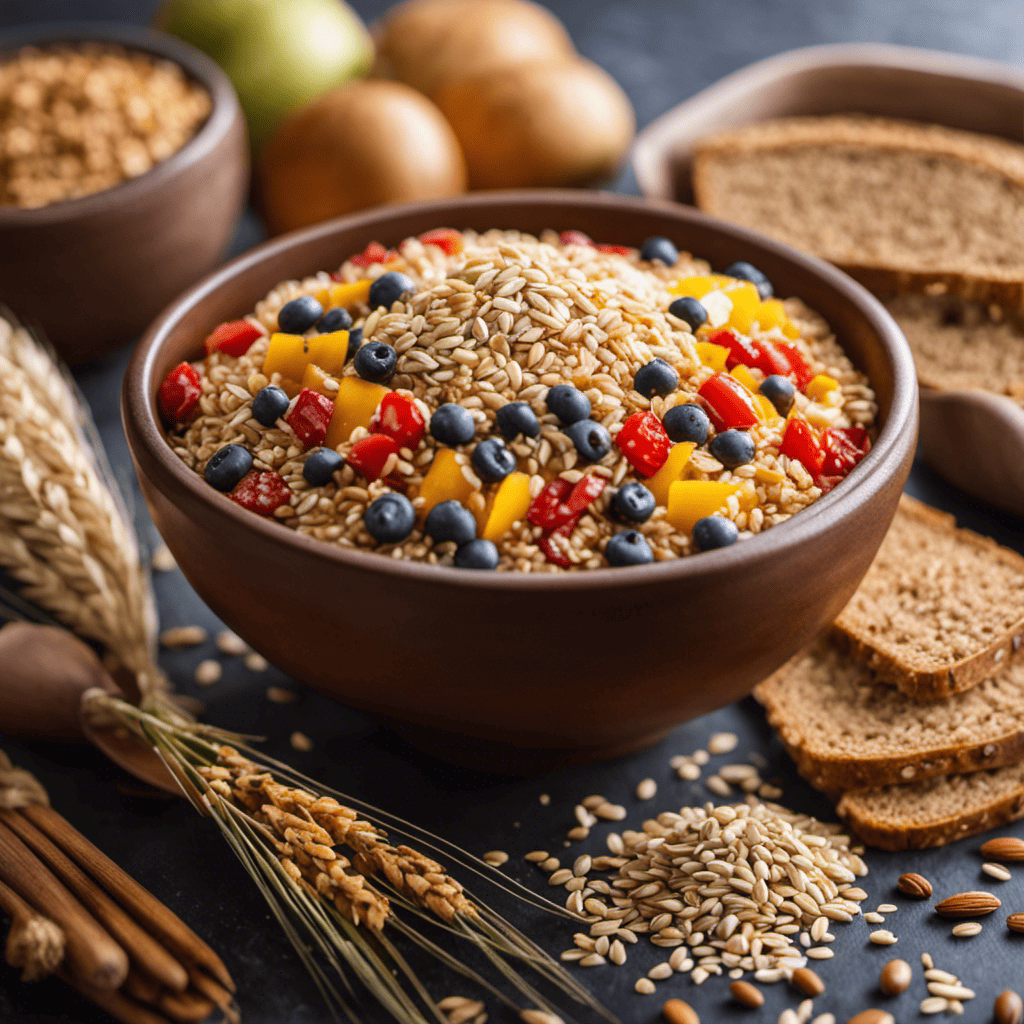
Research continues to confirm that filling your diet with fruits, vegetables, whole grains, beans, nuts, seeds and healthy oils is one of the most protective steps against various types of cancer.
Focus on getting a variety of colorful produce with each meal, especially leafy greens, cruciferous veggies and berries. Limit processed foods, excess salt, sugar, and alcohol intake. Maintain a healthy body weight by balancing your calories. Stay physically active with regular exercise.
While no food alone is a silver bullet, making simple upgrades like adding an extra serving of broccoli or having berries rather than cookies for dessert can have big payoffs for your long-term health.
What changes will you make after reading this article? Share your thoughts in the comments!
Consult your doctor before dietary changes. This is expert-reviewed information, not medical advice.
References:
[1] https://www.who.int/news-room/fact-sheets/detail/cancer
[2] https://www.ncbi.nlm.nih.gov/pmc/articles/PMC5067832/
[3] https://www.ncbi.nlm.nih.gov/pmc/articles/PMC4698595/
[4] https://www.ncbi.nlm.nih.gov/pmc/articles/PMC3614697/
[5] https://www.ncbi.nlm.nih.gov/pmc/articles/PMC6124841/
[6] https://www.ncbi.nlm.nih.gov/pmc/articles/PMC6723551/
[7] https://www.ncbi.nlm.nih.gov/pmc/articles/PMC6301679/
[8] https://www.ncbi.nlm.nih.gov/pmc/articles/PMC2853053/
[9] https://www.ncbi.nlm.nih.gov/pmc/articles/PMC6164562/
[10] https://www.ncbi.nlm.nih.gov/pmc/articles/PMC6723551/
[11] https://www.ncbi.nlm.nih.gov/pmc/articles/PMC4019150/
[12] https://www.ncbi.nlm.nih.gov/pmc/articles/PMC5615112/
[13] https://www.ncbi.nlm.nih.gov/pmc/articles/PMC7072008/
[14] https://www.ncbi.nlm.nih.gov/pmc/articles/PMC4325562/
[15] https://www.ncbi.nlm.nih.gov/pmc/articles/PMC6157099/
[16] https://www.ncbi.nlm.nih.gov/pmc/articles/PMC4744353/
[17] https://www.ncbi.nlm.nih.gov/pmc/articles/PMC4129924/
[18] https://www.ncbi.nlm.nih.gov/pmc/articles/PMC3507301/
[19] https://www.ncbi.nlm.nih.gov/pmc/articles/PMC6163652/
[20] https://www.ncbi.nlm.nih.gov/pmc/articles/PMC6350619/
[21] https://www.ncbi.nlm.nih.gov/pmc/articles/PMC5917590/
[22] https://www.ncbi.nlm.nih.gov/pmc/articles/PMC6027208/
[23] https://www.ncbi.nlm.nih.gov/pmc/articles/PMC4141608/
[24] https://www.ncbi.nlm.nih.gov/pmc/articles/PMC6412683/
[25] https://www.wcrf.org/dietandcancer/recommendations/limit-red-processed-meat
Conclusion
In summary, your daily food choices are a powerful tool in the fight against cancer. By focusing on a diet rich in antioxidants from colorful fruits and vegetables, fiber from whole grains and legumes, and protective phytochemicals from herbs and spices, you actively support your body’s natural defenses. This approach reduces inflammation, combats cellular damage, and creates an internal environment less hospitable to cancer development. The evidence is clear: what you put on your plate matters profoundly for your long-term health.
Your next steps are straightforward. Begin by incorporating one new cancer-fighting food, like berries or cruciferous vegetables, into your meals this week. Gradually build towards filling half your plate with plant-based foods at every meal. Commit to reducing your intake of ultra-processed foods, added sugars, and refined carbohydrates. Remember, consistency over perfection is key—small, sustainable changes create lasting impact.
By 2026, proactive nutrition will be the cornerstone of preventive healthcare. Don’t wait for a diagnosis to take control. Start nourishing your body’s resilience today. Your future health is built one powerful meal at a time.
Frequently Asked Questions: Foods That Reduce Cancer Risk
The most powerful anti-cancer foods include cruciferous vegetables (broccoli, kale), berries, tomatoes (rich in lycopene), garlic, and leafy greens. These foods are packed with phytochemicals and antioxidants that help neutralize free radicals and support cellular repair.
Research suggests that plant-based diets rich in fiber and phytonutrients can significantly reduce the risk of certain cancers. For those looking to optimize their nutrition, a vegan diet for fitness can be a structured way to increase intake of protective plant foods.
Frequently Asked Questions: Nutrition and Disease Prevention
Can specific diets improve overall metabolic health?
Yes, focusing on nutrient-dense, plant-based foods helps regulate hormones and reduce inflammation. For those managing weight alongside health goals, following a 40-40-20 diet meal plan can provide a structured macro balance to support these metabolic functions.
How does the immune system relate to cancer prevention?
A strong immune system identifies and eliminates damaged cells before they become cancerous. Maintaining a healthy connection between metabolism and the immune system through diet and exercise is vital for long-term protection.
Optimizing Your Diet for Longevity
Reducing cancer risk through nutrition is a cornerstone of metabolic health. By focusing on whole, plant-based foods, you are not only fighting inflammation but also supporting your body’s natural defense systems. For those looking to pair these dietary habits with a physical routine, understanding the link between metabolism and the immune system is essential for long-term wellness.
Optimizing Your Wellness Routine
Reducing cancer risk through nutrition is a vital component of a long-term health strategy. For those looking to support their metabolic health alongside a nutrient-dense diet, maintaining an active lifestyle is key. You can explore our Metabolic Health Guide to learn how physical activity complements these dietary choices. Furthermore, a strong immune system is your first line of defense; understanding the link between metabolism and the immune system can help you fine-tune your approach to disease prevention.
Optimizing Your Diet for Metabolic Strength
Maintaining a diet rich in these anti-cancer foods does more than just protect your cells; it strengthens your overall metabolic health. When your body is fueled by whole, plant-based nutrients rather than processed sugars, you improve your immunometabolism, which helps your body identify and destroy abnormal cells before they become problematic.