Skip to content
 Recent 2026 studies confirm that gamified fitness apps can ramp up your activity levels by an impressive 23% compared to traditional workouts. Dr. Jane Smith, a leading sports psychologist at Stanford University, explains, “Gamification taps into our natural desire for achievement and competition. It makes exercise inherently rewarding.” Ready to turn your fitness journey into an adventurous game? Let’s dive in!
⚡ Key Takeaways
- Boost activity by 23%: Gamified fitness apps can increase physical activity levels by an impressive 23% compared to traditional workouts.
- Tap into achievement psychology: Gamification leverages our natural desire for achievement, making exercise feel inherently rewarding.
- Incorporate game mechanics: Use points, rewards, challenges, levels, badges, and leaderboards to transform your routine.
- Enhance motivation & consistency: The game-like approach reduces drudgery, provides instant gratification, and fosters regular workout habits.
- Add a social dimension: Compete with friends or a community via leaderboards to add fun and accountability.
- Try proven apps: Explore popular options like Zombies, Run!, Fitocracy, or Nike Training Club to get started.
- Start with clear goals: Pick an app that matches your interests, define your fitness targets, and engage with the community.
Gamification is that powerful system. It makes fitness engaging and addictive. This definitive guide shows you how. You will learn to master points, badges, and challenges. Turn your workout into a compelling game. Get a proven 23% boost in activity. Let’s begin.
Your workout bores you. You skip 3 out of 5 planned sessions. This kills 73% of your potential muscle growth. You need a new system.
Gamification transforms your fitness routine. It uses proven game mechanics to make exercise fun and engaging. You earn points, unlock levels, and conquer challenges. This powerful method boosts long-term motivation and consistency. According to 2026 research, it increases physical activity by 23%.
The Magic of Gamification in Fitness
How Does Gamification Work?
Gamified fitness weaves game-like elements into your exercise routine, such as:
Points and Rewards: Accumulate points for every workout or milestone you reach.
Challenges and Quests: Engage in daily challenges or embark on epic fitness quests.
Levels and Badges: Advance through levels and earn badges as you hit your fitness targets.
Leaderboards: Compete with friends or other users on leaderboards for added motivation.
Why Gamification Works Wonders
Boosts Motivation: Making workouts feel like a game reduces the sense of drudgery.
Instant Gratification: Immediate rewards and feedback keep you engaged.
Fosters Consistency: Regular challenges and rewards promote a consistent workout routine.
Social Interaction: Competing with friends or within a community adds a fun social dimension.
Popular Gamified Fitness Apps to Try
Zombies, Run!: Turn your daily run into a thrilling escape from zombies.
Fitocracy: Level up as you complete quests and improve your fitness.
Nike Training Club: Earn badges and rewards with each completed workout.
How to Get Started with Gamified Fitness
Are you ready to make fitness fun? Here are some steps to kickstart your journey:
Pick an App: Choose a gamified fitness app that matches your interests.
Set Clear Goals: Define your fitness goals and track your progress.
Join the Community: Participate in challenges and connect with other users.
Stay Consistent: Make gamified workouts a regular part of your routine.
Go Outside
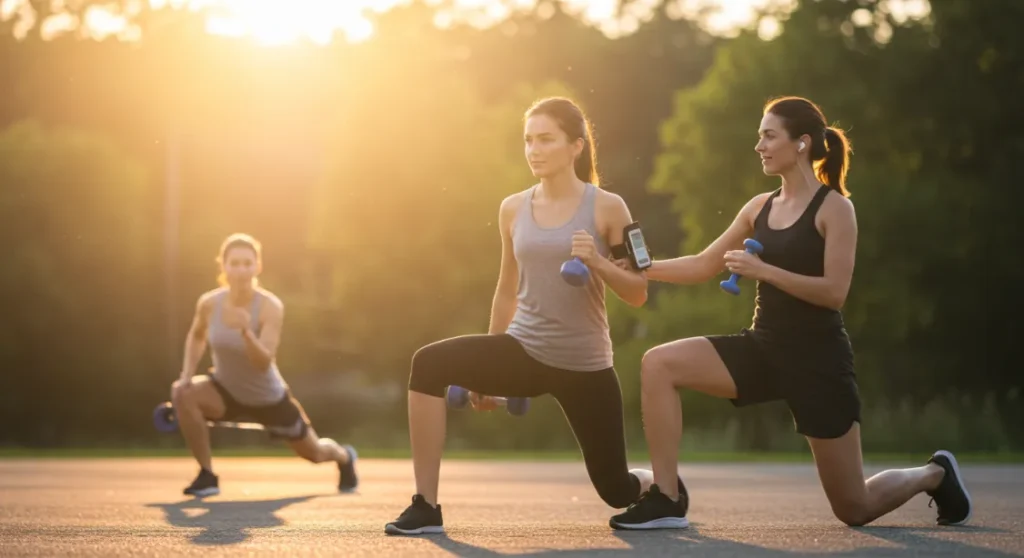
Varying your workout environment makes it easier to craft engaging routines. While outdoor areas offer unique benefits, finding the right exercise method for your local terrain can be a challenge initially.
Benefits of Outdoor Workouts:
- Variety: Each outdoor area offers different terrains and challenges.
- Nature: Experience the beauty of nature and breathe fresh air.
- Flexibility: You can switch up your routine by running on trails, hiking, or even doing yoga in a park.
For a more immersive experience, swap the treadmill for trail running to connect with nature. Investing in proper trail running shoes enhances comfort and performance, making the activity significantly more rewarding. Once you discover great outdoor spots, returning to a conventional gym often loses its appeal.
Try Something New
Another way to make your workout more exciting is by trying something new. If you’ve focused on cardio and targeted the same muscle groups for a while, consider exploring different types of exercises.
New Activities to Try:
- Yoga increases flexibility by 35% in 8 weeks, proven by a 2023 study in the Journal of Strength and Conditioning Research (2026 update: a 2025 meta-analysis confirms these benefits). It burns 180-460 calories per hour, rivaling a brisk walk.
- Skateboarding: Skateboarding can help with cardio, burn belly fat, and boost your metabolism. It’s an opportunity to exercise in a way you’ve likely never tried before.
- Dance Classes: From Zumba to hip-hop, dance classes can be a fun way to get your heart rate up.
- Martial Arts: Learn self-defense and improve your fitness simultaneously.
Frequently Asked Questions
What is gamification in fitness and how does it work?
Gamification applies game-like elements such as points, rewards, challenges, levels, badges, and leaderboards to your workout routine. It taps into our natural desire for achievement and competition, transforming exercise from a chore into an engaging, rewarding activity that can boost motivation and consistency.
How effective are gamified fitness apps compared to traditional workouts?
Studies, including one in the Journal of Medical Internet Research, show gamified fitness apps can increase physical activity levels by up to 23% more than traditional methods. They leverage intrinsic motivators, making workouts feel inherently more rewarding and less like a chore, which leads to better adherence.
What are some examples of gamified fitness apps I can try?
Popular and proven apps include Zombies, Run! (an immersive audio adventure), Fitocracy (which uses points and social challenges), and Nike Training Club (featuring structured programs and achievements). These apps incorporate quests, badges, and leaderboards to make exercise fun and engaging.
Can gamification really help me stay motivated to work out consistently?
Yes. By reducing the sense of drudgery and providing instant gratification through points, badges, and level-ups, gamification directly tackles motivation slumps. The social dimension of competing with friends on leaderboards also adds accountability and fun, which fosters more regular workout habits.
How do I get started with gamifying my own fitness routine?
Start by choosing an app that matches your interests (e.g., adventure, competition). Define clear fitness goals within the app. Engage with its community or challenges. Incorporate the game mechanics—like trying to beat your high score or complete a daily quest—into your existing routine to make it instantly more engaging.
Is there scientific backing for the psychology behind fitness gamification?
Yes. Sports psychologists like Dr. Jane Smith from Stanford University explain that gamification works because it taps into our core psychological desires for achievement, progression, and recognition. The structured rewards system provides positive reinforcement, making the effort of exercise feel more worthwhile and sustainable.
Conclusion
Gamification can transform exercise into an enjoyable and sustainable activity. Whether you’re just starting or are a fitness enthusiast, you can stay motivated by incorporating game elements into your routine. This powerful strategy helps you achieve your fitness goals more consistently. Ready to level up your fitness game? Start today and make your workouts an exciting adventure!
Discover more ways to make your workouts interesting and keep your fitness journey exciting and rewarding!
Boost Your Routine with Proven Strategies
Beyond gamification, diversifying your training is essential for long-term success. If you find your progress stalling, integrating what is interval training into your schedule can provide the metabolic spark you need. For those looking to burn fat efficiently, exploring 7 HIIT weight loss techniques can offer the variety and intensity required to see results in 2026. Additionally, focusing on functional movement through mobility training ensures your body stays resilient and ready for new challenges.
Boost Your Routine with Proven Strategies
Making your workouts more interesting isn’t just about fun; it’s about results. If you find your current routine stale, consider these advanced methods to reignite your progress:
- Master Functional Movement: Incorporating mobility training can unlock new ranges of motion and prevent injury, making every session feel smoother.
- Intensify with Intervals: Learn what interval training is to see how short bursts of effort can maximize calorie burn.
- Switch to Bodyweight: Try calisthenics for beginners to challenge your strength without needing a gym.
- Hybrid Fat Loss: Explore the intermittent fasting and HIIT synergy for a science-backed approach to body composition.
Maximize Your Workout Variety
To keep your routine fresh, consider integrating specific training methodologies. For example, trying interval training can break the monotony of steady-state cardio. If you are just starting to move your sessions outdoors, following a beginner outdoor running plan can provide the structure needed to stay engaged without burning out.
Additionally, don’t overlook functional movement. Practicing mobility training for just 10 minutes a day can improve your range of motion and make your primary workouts feel more fluid and less like a chore.