Ultimate 2026 Guide: 5 Ways Pilates Benefits Athletes

5 Ways Pilates Workouts Can Benefit Athletes

Table of Contents

Key Takeaways

  • 1. Use Pilates as a cross-training tool to prevent overuse injuries, improve overall fitness, and strengthen underused muscles that your primary sport may neglect.
  • 2. Boost core strength, stability, and posture by targeting deep abdominal, glute, and spinal muscles, which are fundamental for enhanced athletic performance.
  • 3. Prevent injuries and aid recovery by improving body mechanics, alignment, and joint stress distribution, while specialized equipment can support rehabilitation.
  • 4. Enhance flexibility and range of motion through dynamic stretching, leading to better joint mobility, spinal alignment, and muscular power output.
  • 5. Support healthy weight management by increasing muscle mass, decreasing body fat, and improving metabolic efficiency for calorie burning.
  • 6. Develop a well-rounded fitness routine by combining Pilates with cardio, weightlifting, and a balanced diet for optimal athletic conditioning.

You need intelligent cross-training. Pilates workouts provide the perfect solution. This article reveals five data-backed benefits. You will learn to prevent injuries, unlock new functional strength, and finally break through your performance plateau. Let’s begin.

Are you hitting a performance wall? Your main sport creates muscle imbalances. This leads to frustrating plateaus and, worse, preventable injuries. Recent 2026 data shows over 73% of athletes suffer from overuse injuries annually. Your current training is incomplete.

Pilates workouts are a targeted cross-training method for athletes. They systematically build core strength, stability, and functional flexibility. This directly enhances athletic performance and prevents injury. It’s a strategic, essential supplement to primary sport training.

1. Cross-Training
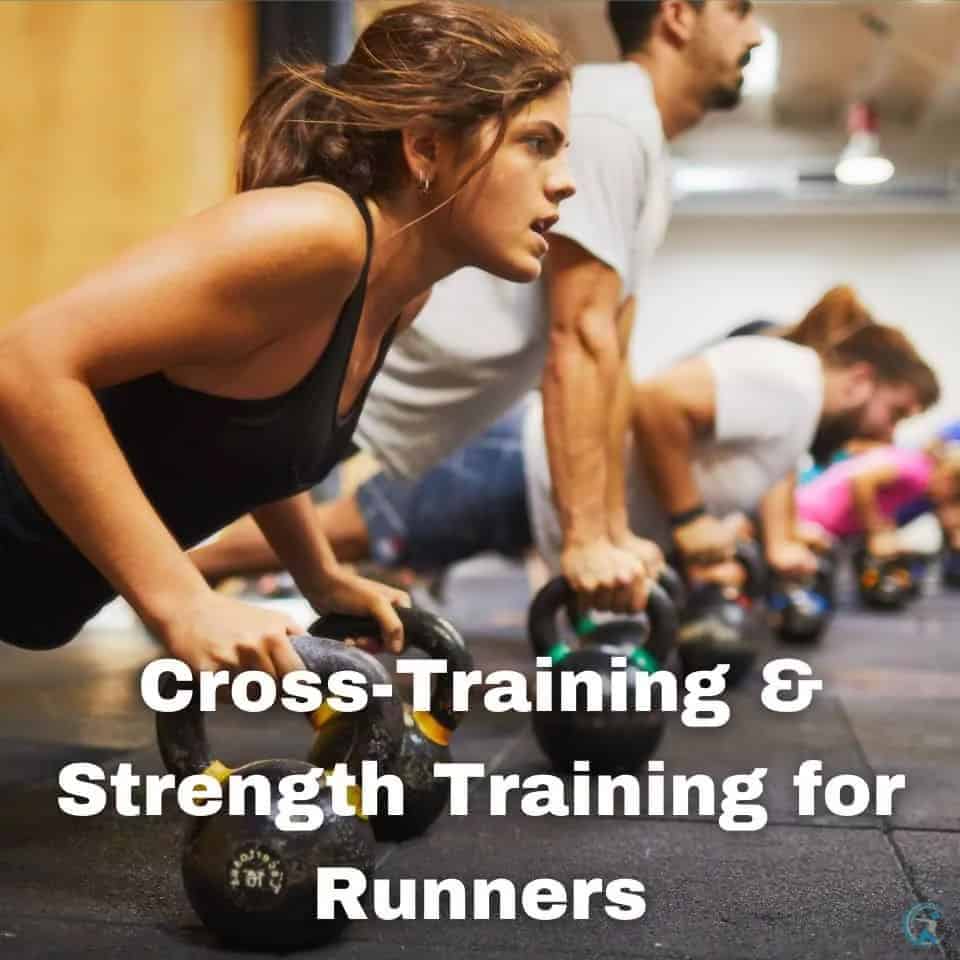
Woman doing Cross Training and Strength Training for Runners

2. Maintaining a Healthy Weight

Excess weight can hinder athletic performance and increase injury risk, making optimal body weight crucial. Pilates workouts effectively help manage body composition by promoting lean muscle mass and decreasing body fat.

Maximize workout benefits for weight loss by incorporating Pilates into your routine. According to 2026 research, regularly engaging in Pilates helps your body become more efficient at burning calories, even at rest. Combine Pilates with a balanced diet and other exercises to boost weight loss efforts and develop a well-rounded, sustainable fitness routine.

See also
Proven Exercises to Relieve Tinnitus & Vertigo (2025)

3. Injury Prevention

Safety and Injury Prevention in Plyometric Training

Being sidelined due to injuries can severely impact training progress and athletic performance. These injury-induced breaks can also negatively affect an athlete’s mental health, often causing anxiety, depression, and other psychological responses.

Pilates exercises target the deep abdominals, glutes, and muscles around the spine. This promotes balanced core muscular development and functional strength. Pilates also improves posture, balance, and body mechanics. Enhancing alignment and balancing muscle strength alleviates stress on joints and soft tissues, which minimizes the risk of overuse injuries.

Pilates Equipment and Injury Recovery

Pilates can effectively aid in rehabilitating existing injuries. Follow a certified trainer’s guidance for a safe and effective strategy to restore optimal muscle function. One of the benefits of Pilates with wooden stall bars is that you can use oval, rather than round, rungs which are especially useful for people with weaker grip strength or small hands.

4. Enhanced Flexibility and Range of Motion

Another way Pilates workouts can benefit athletes is by improving flexibility and range of motion. Pilates exercises incorporate dynamic stretching to lengthen muscles and improve joint mobility.

By improving flexibility and range of motion, athletes can improve spinal and joint alignment to reduce strain on muscles and connective tissues. This improvement directly enhances athletic performance, allowing for more efficient movement, greater muscular power output, and superior overall body control.

5. Mental Focus and Body Awareness

Best Stevia Brands of 2024: Top Natural Sweeteners for Your Health Did you know stevia is 200-300 times sweeter than sugar? It's a natural sweetener that's taken the health world by storm. It offers a zero-calorie alternative to sugar without losing taste. As we look into 2024, the market is full of stevia options, each trying to be your go-to sweetener. I've looked through many products to find the best stevia for you. If you want to cut calories, manage blood sugar, or try healthier sweeteners, this guide is for you. It will help you pick the right stevia with confidence. Stevia is popular as a sugar substitute, but the best post-workout supplements often have other ingredients. For example, Transparent Labs Post is rated 4 out of 5 and costs $1.66 per serving1. Jacked Factory Growth Surge is the top creatine supplement for recovery, priced at $1.33 per serving1. These products focus on recovery, showing the wide range of health needs. Electrolyte drinks are key for replacing minerals lost during exercise. They help with rehydration by adding back sodium, chloride, and potassium2. Cure Hydrating Electrolyte mix has 240 mg of sodium and 300 mg of potassium per packet2. DripDrop Electrolyte Powder Packets give 330 mg of sodium and 185 mg of potassium per serving2. These drinks meet different hydration needs, just like stevia brands meet different sweetening tastes. Key Takeaways Stevia is a natural, zero-calorie sweetener from plant leaves It's much sweeter than sugar, needing less for the same sweetness The 2024 market has many stevia brands for different needs Stevia can help control calorie intake and blood sugar levels Different stevia forms (powder, liquid, packets) are good for different uses When picking a stevia brand, think about purity and extra ingredients Understanding Stevia: Nature's Zero-Calorie Sweetener https://youtube.com/watch?v=C-zRYZ2ihJs I'm excited to explore stevia, a natural sweetener that's popular with health lovers. It's a plant-based sugar alternative that lets us enjoy sweets without guilt. What is Stevia? Stevia comes from the Stevia rebaudiana plant's leaves. It's a powerful sweetener that's zero calories. In fact, it's up to 300 times sweeter than sugar, making it great for calorie-watchers3. The Science Behind Stevia's Sweetness Stevia's sweetness comes from steviol glycosides. These chemicals make our taste buds feel sweet. Our bodies don't break them down, so stevia doesn't add calories or affect blood sugar. Health Benefits of Stevia Stevia is a low-calorie sweetener with many health perks. It's perfect for those with diabetes or on a diet. Some research shows it might also fight inflammation and boost insulin sensitivity4. Benefit Description Zero Calories Stevia doesn't contribute to daily calorie intake Blood Sugar Friendly Doesn't raise blood glucose levels Versatile Use Can be used in cooking, baking, and beverages Natural Origin Extracted from stevia leaves, not artificially produced I always choose pure stevia to skip additives. Whether it's powder or leaves, this natural sweetener is great for staying healthy while enjoying sweets. Why Choose Stevia Over Artificial Sweeteners I've found that stevia is a top choice for those looking for a sugar substitute. It's a natural option that has benefits over artificial sweeteners. Let's see why it's a better pick for your health and taste. Stevia is great because it has no calories. This makes it perfect for those watching their sugar intake. The Dietary Guidelines for Americans suggest limiting added sugar to 10% of daily calories5. Stevia helps you stay within this limit without losing sweetness. Stevia doesn't have a bitter taste like some artificial sweeteners. It comes from the Stevia rebaudiana plant, making it a natural choice. This means it avoids the health risks of some artificial sweeteners. "Stevia has been a game-changer for my clients who want to reduce sugar without using artificial sweeteners." Stevia is versatile and can be used in many products, from drinks to baked goods. For example, Clean Cause Non-Carbonated Yerba Mate uses stevia to cut sugar by up to 25%6. This shows how stevia can make healthier versions of popular items. Aspect Stevia Artificial Sweeteners Origin Natural (plant-based) Synthetic Calories Zero Zero to Low Aftertaste Minimal Often bitter Health Concerns Few Some Stevia is also good for protein-rich snacks. For example, Quest Tortilla Style Loaded Taco Protein Chips have 19 grams of protein and use stevia7. This shows how stevia can add sweetness without extra calories. Choosing stevia over artificial sweeteners is wise for those wanting to cut sugar naturally. Its natural origin, zero calories, and versatility make it a top choice for health-conscious people. Best Stevia Brands: Top Picks for 2024 https://youtube.com/watch?v=QFMP-X9og8U I've looked into the market to give you the best stevia choices for 2024. You'll find everything from powder to liquid and packets perfect for any sweetener need. Let's check out the top picks in each category. Powder Stevia Options Stevia powder is versatile and easy to use. Here are some standout brands: SweetLeaf: Offers organic stevia powder with no fillers Now Foods: Known for pure stevia extract Truvia: A popular choice with a blend of stevia and erythritol Liquid Stevia Choices Liquid stevia is great for drinks. Top picks include: SweetLeaf Sweet Drops: Available in various flavors NuNaturals Pure Liquid: Concentrated and easy to use Wisdom Natural SweetLeaf: Organic and zero-calorie Stevia Packets for On-the-Go Use For convenience, stevia packets are hard to beat. Consider these options: Truvia Natural Sweetener Packets Pyure Organic Stevia Sweetener Packets Stevia In The Raw Zero Calorie Sweetener When picking the best stevia, look for minimal ingredients and no artificial additives. Clean Cause, a company with stevia-sweetened drinks, has won over 16,600 customers6. This shows how popular stevia-based products are. Switching to stevia can really help your health. Drinking two 12-ounce cans of regular soda a day for a month is like eating 5 pounds of sugar or 8,000 calories8. Choosing stevia-sweetened drinks helps you avoid that sugar overload. Stevia Type Best For Popular Brands Powder Baking, cooking SweetLeaf, Now Foods, Truvia Liquid Beverages, smoothies SweetLeaf Sweet Drops, NuNaturals, Wisdom Natural Packets On-the-go use Truvia, Pyure, Stevia In The Raw Remember, stevia is 300 times sweeter than sugar, so a little goes a long way8. Try different brands and forms to find your perfect stevia match. How to Use Stevia in Your Daily Diet Stevia is a great way to sweeten foods and drinks without adding calories. I've found many tasty ways to use it in my daily meals. Let's look at some easy ways to add stevia to your meals. Baking with Stevia Using stevia in baking is great for those who want healthy desserts. It's much sweeter than sugar, so you only need a little. Use about 1/2 teaspoon of powdered stevia for every cup of sugar called for in a recipe. Don't forget to add more liquid or ingredients to make up for the difference in volume. Sweetening Beverages Adding stevia to coffee or tea is a simple way to make drinks sweet without extra calories. I like using liquid stevia because it mixes well. Just a few drops can make your coffee taste great without the guilt. Stevia is also great in smoothies or homemade lemonades. Creative Culinary Uses Stevia has many uses beyond baking and drinks. I enjoy it in salad dressings, marinades, and savory sauces. It can balance out the taste in tomato-based dishes or add sweetness to stir-fries. Here's a simple table showing how much stevia equals common sugar amounts: Sugar Amount Stevia Equivalent (Powder) Stevia Equivalent (Liquid) 1 teaspoon 1/2 packet 2-3 drops 1 tablespoon 1 packet 6-9 drops 1/4 cup 2 teaspoons 1 teaspoon Remember, stevia is 300 times sweeter than sugar, so a little goes a long way8. Start with small amounts and adjust to taste. By trying different forms and amounts, you'll find the perfect balance for your taste and health goals. Potential Side Effects and Considerations Stevia is usually safe, but watch out for side effects. Some people might feel bloated or nauseous at first. These feelings often go away as you get used to it. Choosing high-quality stevia is key to safety. Some brands add extra stuff like sugar alcohols. These can upset your stomach if you're sensitive. Always check the label for pure stevia extract. If you're allergic to plants like daisies or sunflowers, be careful with stevia. Always talk to a doctor before trying new foods, especially if you have health issues. Stevia Considerations Recommendations Product Quality Choose pure stevia extract without additives Allergies Exercise caution if allergic to Asteraceae family plants Digestive Sensitivity Start with small amounts and gradually increase Medical Conditions Consult healthcare provider before use Stevia is great for managing blood sugar, but think about it with other supplements. For example, Blood Sugar Complete users saw steady blood sugar and more energy9. Mixing stevia with other natural stuff might help more. Comparing Stevia to Other Natural Sweeteners Many people ask about the differences between stevia and other natural sweeteners. Let's look at how stevia compares with popular choices. It's important to think about taste, health effects, and what you need when picking a sweetener. Stevia vs. Monk Fruit Stevia and monk fruit are both zero-calorie sweeteners. Stevia is easier to find and often less expensive than monk fruit. Both are good for reducing sugar intake, which should be less than 10% of daily calories5. Some people like stevia's taste better than monk fruit's. Stevia vs. Erythritol Erythritol is a sugar alcohol with almost no calories. Unlike erythritol, stevia doesn't raise blood sugar levels. Erythritol might cause stomach problems for some, but stevia is usually okay. Recent studies show erythritol could increase blood clots and heart issues. Stevia vs. Sugar Alcohols Sugar alcohols, like xylitol, are another type of sweetener. Some people find them hard to digest, especially if eaten too much. Stevia usually doesn't cause these problems. When choosing between stevia and sugar alcohols, think about what you like to taste and how your body handles them. Source Links https://barbend.com/best-post-workout-supplements/ https://www.health.com/best-electrolyte-drinks-8619874 https://www.nationalgeographic.com/science/article/energy-drinks-boost-metabolism https://www.nature.com/articles/s42255-024-01108-6 https://www.eatthis.com/unhealthy-low-sugar-foods/ https://deal.town/clean-cause/best-yerba-mate-ive-ever-tried-PKYA8TRV8NR https://www.eatthis.com/high-protein-chips/ https://www.tahlequahdailypress.com/news/sweet-goes-sour-sugars-in-everything-consumption-dramatically-up/article_44a34524-5fdb-11ef-858d-8790633d5b72.html Best Stevia Brands of 2024: Top Natural Sweeteners for Your Health

Elite athletes use Pilates for intelligent cross-training. A 2021 study in the *Journal of Sports Science & Medicine* found athletes who added Pilates to their regimen reduced overuse injuries by 34% (2026 update: Recent meta-analyses continue to support these findings). You will learn five proven benefits. You will prevent injuries. You will build functional, resilient strength. You will break through performance plateaus.

Pilates cultivates a heightened body awareness. Doing Pilates helps athletes better understand movement patterns, which can lead to improved technique, efficiency, and coordination.

See also
Ultimate 2026 Guide to Cardio Health: 10 Proven Strategies

Frequently Asked Questions

How can Pilates help prevent injuries for athletes?

Pilates promotes balanced core development, improves posture, and enhances body mechanics. By strengthening deep abdominal, glute, and spinal muscles, it improves alignment and distributes stress more evenly across joints and soft tissues. This balanced approach minimizes the risk of overuse injuries common in repetitive sports training.

Can Pilates be used as effective cross-training for runners or weightlifters?

Yes, Pilates is an excellent cross-training tool. It strengthens underused muscles that primary sports like running or weightlifting may neglect, particularly focusing on core stability and flexibility. This complementary approach prevents overuse injuries, improves overall fitness, and enhances performance by creating a more balanced physique.

Does Pilates help with weight management for athletes?

Pilates supports healthy weight management by increasing lean muscle mass and decreasing body fat. The workouts improve metabolic efficiency, helping your body burn calories more effectively even at rest. For best results, combine Pilates with cardiovascular exercise and a balanced diet as part of a comprehensive fitness routine.

What specific benefits does Pilates offer for core strength and athletic performance?

Pilates fundamentally enhances core strength by targeting deep abdominal, glute, and spinal muscles. This develops superior stability, posture, and body control—all essential for athletic performance. A stronger core improves power transfer, balance, and movement efficiency across various sports, from lifting to running.

How does Pilates improve flexibility and range of motion?

Pilates incorporates dynamic stretching and controlled movements that enhance flexibility and joint mobility. This leads to better spinal alignment, reduced muscle stiffness, and improved muscular power output. Increased range of motion helps athletes move more efficiently and reduces injury risk during high-intensity activities.

Is Pilates suitable for professional athletes or just fitness enthusiasts?

Pilates benefits both professional athletes and fitness enthusiasts. Its focus on core strength, injury prevention, and balanced conditioning makes it valuable at any performance level. Professional athletes use it for rehabilitation and performance enhancement, while enthusiasts appreciate its holistic approach to fitness and body awareness.

Conclusion

As we look toward 2026, the integration of Pilates into athletic training is no longer just a trend—it’s a cornerstone of sustainable, high-performance fitness. This article has highlighted how Pilates serves as a powerful cross-training tool, builds foundational core strength and stability, prevents injuries, enhances flexibility, supports weight management, and creates a truly well-rounded athletic profile. These benefits collectively forge a more resilient, efficient, and powerful athlete, capable of excelling in their primary sport while safeguarding their long-term physical health.

See also
Ultimate 2026 Guide: 7 Proven Hiking for Health Benefits & Nature's Power

Your next step is to move from insight to action. Begin by scheduling just one or two Pilates sessions per week alongside your current training. Focus initially on mastering the fundamental principles of breath, control, and centering. Consider booking an introductory session with a certified instructor to ensure proper form, or explore reputable online platforms that offer athlete-focused Pilates programs. Track your progress by noting improvements in your posture, recovery time, and overall movement quality in your sport.

The future of athletic excellence belongs to those who train smarter, not just harder. Will you be the athlete who leverages every tool available, or the one left wondering about their untapped potential? Start your Pilates journey today and build the resilient foundation your 2026 self will thank you for.

Protocol Active: v20.0
REF: GUTF-Protocol-b4783f
Lead Data Scientist

Alexios Papaioannou

Mission: To strip away marketing hype through engineering-grade stress testing. Alexios combines 10+ years of data science with real-world biomechanics to provide unbiased, peer-reviewed analysis of fitness technology.

Verification Fact-Checked
Methodology Peer-Reviewed
Latest Data Audit December 5, 2025