

Strength after 60
A practical, safety-first guide to the few supplements that can support strength training after 60 without turning the routine into a medicine cabinet.
Quick answer
For most healthy adults over 60, the highest-value supplement stack is simple: enough protein, creatine monohydrate if cleared by a clinician, vitamin D if intake or labs are low, and electrolytes when training in heat or sweating heavily. Supplements work only when the base routine includes progressive resistance training, adequate calories, sleep, and consistency.
This guide is built for active adults over 60, caregivers comparing safe options, and lifters rebuilding muscle after a long break. It keeps the recommendation logic simple: choose products only when they remove friction, improve consistency, or solve a real gap.
Important safety note
If you use blood thinners, kidney medication, diabetes medication, blood-pressure medication, or have kidney disease, do not add creatine, high-dose vitamins, or herbal formulas without medical clearance.
Best Amazon product shortcuts for this guide
These boxes are not random ads. They match the buying criteria in this article and give you a fast way to compare current Amazon availability, images, labels, reviews, and pricing.

Relevant Amazon pick
BulkSupplements.com Grass Fed Whey Protein Powder – Whey Protein Concentrate Powder – Unflavored & Gluten Free, 30g per Se…
Chosen to match this guide’s buying criteria. Check the current label, sizing, ingredients, warranty, and seller details before ordering.
Check Amazon price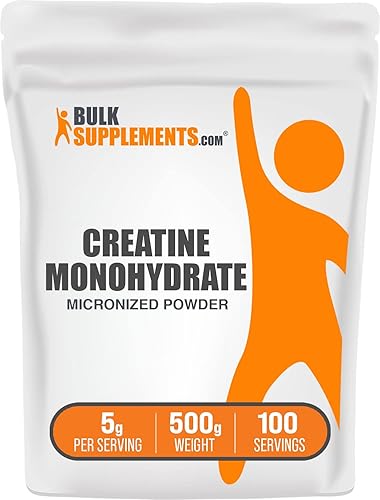
Relevant Amazon pick
BulkSupplements.com Creatine Monohydrate Powder – Micronized Creatine Powder, Unflavored – Pure & Gluten Free, 5g per Serv…
Chosen to match this guide’s buying criteria. Check the current label, sizing, ingredients, warranty, and seller details before ordering.
Check Amazon price
Relevant Amazon pick
Nature Made Vitamin D3 K2, 5000 IU (125 mcg) Vitamin D, Dietary Supplement for Bone, Teeth, Muscle and Immune Health Suppo…
Chosen to match this guide’s buying criteria. Check the current label, sizing, ingredients, warranty, and seller details before ordering.
Check Amazon price
Relevant Amazon pick
Micro Ingredients Hydration Electrolyte Powder, 2 lb (139 Servings) | Concord Grape Flavor | High Potassium (1,000mg) + Co…
Chosen to match this guide’s buying criteria. Check the current label, sizing, ingredients, warranty, and seller details before ordering.
Check Amazon priceWhat actually matters before you buy
- Prioritize protein first; muscle cannot be built without enough amino acids.
- Choose single-ingredient formulas before complicated blends.
- Avoid testosterone-booster hype and “senior miracle” claims.
- Look for third-party testing when the product is used daily.
How to decide without overbuying
Start with the bottleneck
If the real problem is inconsistent training, poor sleep, low protein, bad fit, or heat management, fix that bottleneck first. The right product should make the behavior easier, not distract from it.
Read the boring details
Serving size, return policy, sizing chart, warranty, third-party testing, ingredient amounts, and seller reputation matter more than a dramatic product name.
Avoid miracle language
Be skeptical of products promising instant fat loss, cure-level results, detox transformations, or guaranteed performance jumps. Real improvements are usually cumulative.
Buy for repeat use
The best choice is the one you will actually use every week. Comfort, taste, fit, storage, and simplicity often decide long-term results.
Product role comparison
| Product type | Why it belongs here |
|---|---|
| whey protein powder for seniors | Best when it solves a real gap in the routine instead of adding another random purchase. |
| creatine monohydrate powder | Useful for comparison shoppers who want a simple, repeatable buying shortcut. |
| vitamin D3 K2 supplement | Worth checking when quality signals, serving size, materials, or warranty matter. |
| electrolyte powder sugar free | A supporting item that improves consistency, comfort, storage, or daily use. |
Recommended buying process
- Define the use case. Decide whether you need performance, recovery, convenience, safety, comfort, or nutrition support.
- Compare two or three options. Do not let the Amazon results page push you into the first sponsored-looking product.
- Check the label or sizing chart. Most bad purchases happen because the buyer skipped the details.
- Start conservatively. With supplements, start low and verify tolerance. With gear, test it on short sessions before relying on it.
- Reassess after two weeks. Keep products that improve consistency. Return or stop using anything that adds friction.
Where this fits inside your bigger fitness plan
This article should support the fundamentals: training consistency, enough protein and fiber, progressive overload, hydration, sleep, and realistic recovery. Products can help, but they should never become the plan itself.
Useful next references on Gear Up to Fit: health guides nutrition library review methodology editorial policy.
FAQ
What supplement helps older adults build muscle fastest?
Protein plus resistance training is the biggest lever. Creatine monohydrate may help strength and power for some older adults, but it should be cleared with a clinician when kidney or medication issues exist.
Is creatine safe after 60?
Creatine is widely studied, but “safe” depends on kidney health, medications, and dose. Older adults should treat it as a clinician-cleared supplement, not a casual add-on.
Do seniors need protein powder?
Not always. Protein powder is useful when meals fall short, appetite is low, or a post-workout meal is inconvenient.
Bottom line
For most healthy adults over 60, the highest-value supplement stack is simple: enough protein, creatine monohydrate if cleared by a clinician, vitamin D if intake or labs are low, and electrolytes when training in heat or sweating heavily. Supplements work only when the base routine includes progressive resistance training, adequate calories, sleep, and consistency.
Use the Amazon boxes above as a fast comparison layer, then make the final decision based on your body, routine, budget, and the product details in front of you.
