Skip to content
 Quick answer: The best iron supplement for women is the one that matches your lab results, tolerance, diet, and life stage. For most women who need a gentle daily option, iron bisglycinate is usually the most practical first choice because it provides meaningful elemental iron with fewer stomach complaints than many traditional high-dose iron salts. For diagnosed iron deficiency or iron-deficiency anemia, follow your clinician’s dosage plan instead of guessing.
Affiliate disclosure: GearUpToFit is reader-supported. When you buy through our Amazon links, we may earn a commission at no extra cost to you. Product availability, labels, and formulas can change, so always check the Supplement Facts panel before purchasing.
Best Iron Supplements for Women in 2026
Iron is essential for making hemoglobin, the protein in red blood cells that carries oxygen. Low iron can contribute to fatigue, weakness, shortness of breath, dizziness, poor exercise tolerance, and eventually iron-deficiency anemia. But more iron is not always better. Adult women need different amounts depending on age, menstruation, pregnancy, diet, blood loss, and medical history.
Use this ranking as a buying guide, not a diagnosis. If you suspect low iron, ask your doctor about labs such as CBC, ferritin, transferrin saturation, serum iron, and TIBC. Ferritin is commonly used to assess iron stores, but inflammation can affect results, so interpretation matters.
| Best for | Product | Iron form | Elemental iron | Best use case |
|---|---|---|---|---|
| Best overall gentle iron | Thorne Iron Bisglycinate | Iron bisglycinate chelate | 25 mg | Women who need a gentle, simple capsule |
| Best food-based style | MegaFood Blood Builder | Iron with vitamin C, B12, folate | 26 mg | Women who want added blood-support nutrients |
| Best budget gentle option | NOW Iron 18 mg | Ferrochel iron bisglycinate | 18 mg | Lower-dose daily support |
| Best high-dose option | Vitron-C | Carbonyl iron + vitamin C | 65 mg | Clinician-directed repletion |
| Best liquid iron | Floradix Iron & Herbs | Ferrous gluconate liquid | 10 mg | Women who dislike pills or want a lower dose |
| Best vegan whole-food style | Garden of Life Vitamin Code RAW Iron | Whole-food iron blend | 22 mg | Vegan users who want cofactors |
1. Thorne Iron Bisglycinate — Best Overall Gentle Iron Supplement for Women

Thorne Iron Bisglycinate — 25 mg
Thorne is the strongest overall pick because it keeps the formula simple: 25 mg elemental iron as iron bisglycinate. This is a good fit for women who need iron but struggle with nausea or constipation from traditional ferrous sulfate.
- Iron form: iron bisglycinate chelate
- Elemental iron: 25 mg per capsule
- Best for: menstruating women, active women, vegetarians, and athletes with confirmed low intake or low stores
- Watch out: 25 mg is above the daily RDA for many non-pregnant women, so do not stack it with an iron-containing multivitamin unless advised
2. MegaFood Blood Builder — Best Food-Based Style Iron Supplement

MegaFood Blood Builder — 26 mg
MegaFood Blood Builder is a strong choice for women who want iron plus vitamin C, folate, and vitamin B12 in one tablet. It is especially relevant for menstruating women, plant-forward eaters, and people who prefer a “food-based” style formula.
- Iron: 26 mg per tablet
- Added nutrients: vitamin C, folate, and B12
- Best for: women who want a complete blood-support formula
- Watch out: not ideal if you already take a prenatal or multivitamin with iron, folate, and B12
3. NOW Iron 18 mg — Best Budget Gentle Iron

NOW Iron 18 mg — Ferrochel Iron Bisglycinate
NOW Iron is a practical lower-dose option. The 18 mg dose matches the RDA for many menstruating adult women, and the bisglycinate form is designed to be easier on the stomach than many conventional iron salts.
- Iron form: Ferrochel iron bisglycinate
- Elemental iron: 18 mg
- Best for: women who want a lower-dose, affordable, vegan-friendly capsule
- Watch out: may be too low for clinician-directed anemia treatment
4. Vitron-C — Best High-Dose Iron with Vitamin C

Vitron-C High Potency Iron — 65 mg Iron + Vitamin C
Vitron-C is a higher-dose iron supplement that combines carbonyl iron with vitamin C. This can be useful when a clinician recommends stronger repletion, but it is not a casual daily wellness supplement.
- Iron form: carbonyl iron
- Elemental iron: 65 mg
- Added nutrient: 125 mg vitamin C
- Best for: women following a clinician’s iron-deficiency plan
- Watch out: 65 mg exceeds the adult upper intake level for routine self-supplementation
5. Floradix Iron & Herbs — Best Liquid Iron Supplement
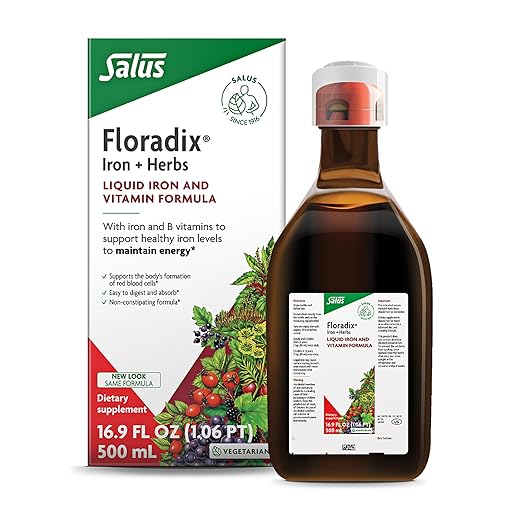
Floradix Iron & Herbs Liquid — 10 mg
Floradix is useful for women who dislike capsules or prefer a lower-dose liquid. It contains iron from ferrous gluconate plus vitamin C and B vitamins. The lower dose may be easier to tolerate, but it may not be enough for diagnosed deficiency.
- Iron form: ferrous gluconate
- Elemental iron: 10 mg per serving
- Best for: pill fatigue, lower-dose maintenance, gentle daily use
- Watch out: liquid formulas can contain sweeteners or fruit concentrates; check the label if you monitor sugar intake
6. Garden of Life Vitamin Code RAW Iron — Best Vegan Whole-Food Style Iron

Garden of Life Vitamin Code RAW Iron — 22 mg
This is a vegan-friendly iron formula with vitamin C, B12, folate, probiotics, enzymes, and a fruit-and-vegetable blend. It is best for users who want a broader nutrient formula rather than plain iron.
- Iron: 22 mg
- Added nutrients: vitamin C, B12, folate, probiotics, enzymes
- Best for: vegan users who want multiple cofactors
- Watch out: complex formulas are not always ideal if you are sensitive to added blends
How to Choose the Best Iron Supplement for Women
The best iron supplement is not automatically the strongest one. Choose based on elemental iron dose, iron form, stomach tolerance, lab results, diet, pregnancy status, and whether you already take a multivitamin or prenatal.
1. Check elemental iron, not just total compound weight
Supplement labels should list elemental iron. That is the number that matters. For example, ferrous sulfate 325 mg typically provides 65 mg elemental iron. This is a high supplemental dose and should usually be used when deficiency has been identified, not as a casual daily add-on.
2. Pick the form that fits your tolerance
- Iron bisglycinate: often chosen for gentler daily use.
- Ferrous sulfate: inexpensive and effective, but more likely to cause nausea or constipation in some users.
- Ferrous gluconate: usually lower elemental iron per dose and often used in liquid formulas.
- Carbonyl iron: common in high-dose products and may be tolerated better by some people.
3. Do not double up without realizing it
Many women’s multivitamins, prenatal vitamins, and hair-skin-nails products contain iron. Before adding a separate iron pill, check your full supplement stack. For broader nutrient support, compare this guide with our best multivitamins for women. For postmenopausal women, our guide to multivitamins for women over 50 explains why iron-free formulas are often more appropriate after menstruation stops.
How Much Iron Do Women Need?
Healthy women do not all need the same iron intake. Menstruation, pregnancy, age, and diet change the target.
| Group | Recommended daily iron intake |
|---|---|
| Women 19–50 | 18 mg/day |
| Pregnant women | 27 mg/day |
| Lactating women 19–50 | 9 mg/day |
| Women 51+ | 8 mg/day |
| Vegetarian or vegan women | May need about 1.8x more dietary iron because non-heme iron is less bioavailable |
The adult upper intake level is 45 mg/day from food and supplements combined for routine use. Clinicians may prescribe more than this for iron-deficiency anemia, but that should be monitored.
Who Is Most Likely to Need an Iron Supplement?
You may be more likely to need extra iron if you have heavy periods, are pregnant, recently gave birth, donate blood frequently, follow a vegan or vegetarian diet, do endurance training, have a history of low ferritin, or have digestive conditions that affect absorption.
Active women and runners should pay special attention because low iron can affect energy, recovery, and performance. For a broader performance-nutrition foundation, read our guide to essential nutrients for athletes.
How to Take Iron for Better Absorption
Iron is usually absorbed best away from calcium-heavy meals, coffee, tea, and high-fiber bran. Taking iron with vitamin C-rich foods such as citrus, kiwi, strawberries, bell peppers, or orange juice may help non-heme iron absorption.
Simple timing plan
- Take iron with water or a vitamin C-rich food or drink.
- Separate iron from calcium supplements, dairy-heavy meals, coffee, and tea when possible.
- If iron upsets your stomach, take it with a small meal rather than stopping immediately.
- Separate iron from thyroid medication, certain antibiotics, antacids, and other medications as directed by your clinician or pharmacist.
If you want to improve iron intake through meals first, start with our balanced whole-food diet guide. If you are pregnant or planning pregnancy, pair this with our pregnancy nutrition guide.
Iron Supplement Side Effects and Safety
The most common iron supplement side effects are constipation, nausea, stomach pain, dark stools, and diarrhea. These are more common with higher doses and some traditional iron salts.
Do not take iron without medical guidance if you:
- Have hemochromatosis or a history of iron overload
- Are postmenopausal and have not confirmed low iron
- Take thyroid medication, levodopa, certain antibiotics, antacids, or proton pump inhibitors
- Have unexplained fatigue without lab testing
- Are pregnant and unsure how much iron is already in your prenatal vitamin
Iron is helpful when you need it and harmful when you do not. This is why lab testing matters.
Food Sources of Iron
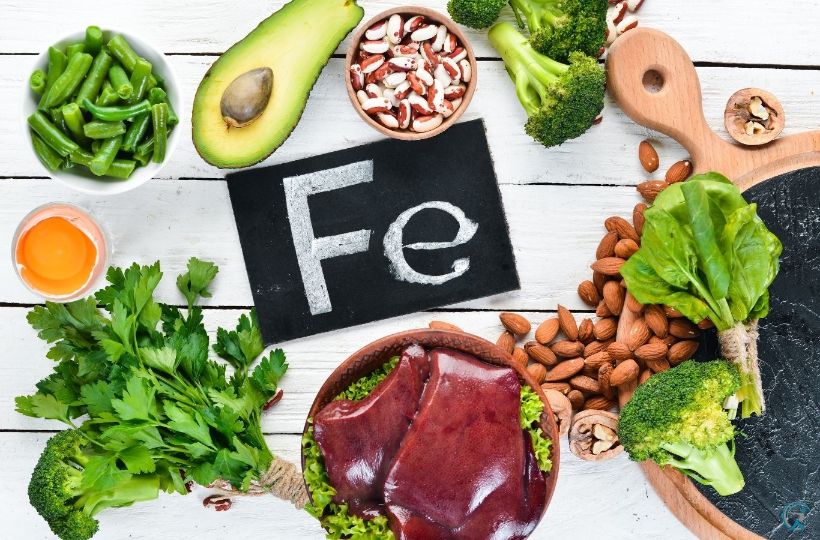
Iron comes in two main food forms. Heme iron is found in animal foods such as meat, poultry, and seafood and is more bioavailable. Non-heme iron is found in plant foods such as beans, lentils, tofu, spinach, pumpkin seeds, fortified cereals, and whole grains.
Easy iron-rich meal ideas
- Lean beef or turkey with roasted potatoes and bell peppers
- Lentil soup with tomatoes and lemon
- Tofu stir-fry with broccoli and citrus dressing
- Fortified oatmeal with strawberries
- Bean chili with peppers and a side of fruit
For plant-based eaters, combining beans, lentils, tofu, or fortified grains with vitamin C-rich produce is especially useful. Our guide to vegetarian protein sources also covers important minerals for plant-based fitness nutrition.
Best Iron Supplement by Goal
| Your goal | Best match | Why |
|---|---|---|
| Gentle daily support | Thorne Iron Bisglycinate or NOW Iron | Simple bisglycinate formulas with moderate doses |
| High-dose repletion | Vitron-C | 65 mg iron, best used with clinician guidance |
| Liquid format | Floradix Iron & Herbs | Lower-dose liquid option for people who dislike pills |
| Food-based style formula | MegaFood Blood Builder | Iron plus vitamin C, folate, and B12 |
| Vegan whole-food style | Garden of Life Vitamin Code RAW Iron | Vegan formula with added cofactors |
| Women over 50 | Usually test first | Iron needs often drop after menopause |
FAQs About Iron Supplements for Women
What is the best iron supplement for women?
For many women who need a gentle option, iron bisglycinate is a smart first choice. Thorne Iron Bisglycinate is the best overall pick in this guide, while NOW Iron is the best budget gentle option.
Should women take iron every day?
Not automatically. Menstruating women, pregnant women, vegans, vegetarians, frequent blood donors, and women with low ferritin may need more iron. Postmenopausal women often need less. Testing is the safest way to decide.
What iron supplement is easiest on the stomach?
Iron bisglycinate, ferrous gluconate, carbonyl iron, and some food-based formulas may be easier to tolerate than traditional ferrous sulfate, though individual response varies.
How much iron should women take?
Women ages 19–50 generally need 18 mg/day from food and supplements combined. Pregnant women need 27 mg/day. Women 51+ generally need 8 mg/day. Treatment doses for deficiency can be higher but should be clinician-directed.
Can iron supplements help with fatigue?
Iron can help fatigue when fatigue is caused by iron deficiency or iron-deficiency anemia. If your iron status is normal, taking more iron is unlikely to solve fatigue and can create side effects.
Can I take iron with coffee?
It is better not to. Coffee and tea can reduce iron absorption. Take iron away from coffee or tea when possible.
Can I take iron with calcium?
It is better to separate them. Calcium can interfere with iron absorption, so avoid taking an iron pill at the same time as a calcium supplement or calcium-heavy meal.
Is 65 mg of iron too much?
For routine self-supplementation, 65 mg is high and exceeds the adult upper intake level. It may be appropriate for diagnosed deficiency when a clinician recommends it.
Should women over 50 take iron?
Women over 50 should usually test first. After menopause, iron requirements often drop because monthly blood loss stops. Taking iron unnecessarily can increase the risk of excess iron.
Final Verdict
Thorne Iron Bisglycinate is the best overall iron supplement for women who need a gentle, straightforward, moderate-dose product. NOW Iron 18 mg is the best budget-friendly gentle option. Vitron-C is best reserved for higher-dose repletion when a clinician recommends it. Floradix is the best liquid option, while MegaFood Blood Builder and Garden of Life RAW Iron are better for women who want added cofactors.
The most important rule: do not treat iron like a general energy supplement. Treat it like a targeted mineral. Test, choose the right dose, avoid unnecessary stacking, and use food habits that support absorption.