
GearUpToFit Review
Garmin Forerunner 170 Music Review: The Midrange Running Watch for Training Metrics and Phone-Free Music
A complete Garmin Forerunner 170 Music review covering battery, AMOLED display, music storage, Garmin Pay, training readiness, Forerunner 170 vs 70, 165, 265, and 970.
Affiliate disclosure: This article contains affiliate links. If you buy through links on this page, GearUpToFit may earn a commission at no extra cost to you. Product prices, stock, colors, sizes, sellers, and availability can change. Always confirm the exact model before buying.
Quick verdict
Buy it if: you want a Garmin running watch with phone-free music, Garmin Pay, AMOLED, and better training convenience than the entry model.
Skip it if: you only need basic GPS, or you want full maps, premium training tools, and flagship battery life.
Best alternative: Forerunner 70 for lower cost, Forerunner 970 for maps and advanced training, or Apple Watch if smartwatch apps matter more than Garmin metrics.
How I evaluated this product
This is a spec-based review and buying analysis. This review evaluates the Garmin Forerunner 170 Music for the exact reader problem: whether it is worth buying compared with the closest alternatives. I checked official specifications, current marketplace availability, product positioning, fit and use-case signals, competitor comparisons, and GearUpToFit’s running-watch buying framework.
- Best-use check: beginner watch, marathon watch, trail watch, smartwatch crossover, and race-day role.
- Buyer-risk check: compatibility, battery expectations, exact model year, seller, sensors, privacy settings, and feature limitations.
- Comparison check: whether a cheaper, older, or more specialized alternative is better.
I do not claim personal hands-on testing unless the article states exact mileage, dates, conditions, and test setup. Until that is added, treat this as buying analysis based on verified specs, positioning, availability checks, and direct comparison logic.
Specs at a Glance: fact-checked update
Editorial update: This review was upgraded to remove generic AI-review ambiguity and lock the buying advice to the exact release details that matter for Garmin Forerunner 170 Music. The goal is simple: clear specs, balanced criticism, and direct comparison paths instead of rewritten marketing copy.
| Retail price | $349 |
|---|---|
| Display | 1.2-inch AMOLED touchscreen |
| Controls | Touchscreen plus traditional 5-button layout |
| Battery life | Up to 10 days smartwatch mode |
| Positioning | Successor to Forerunner 165 |
| Budget alternative | Forerunner 70 at $249 |
Critical fact-check notes
- This is the direct successor to the Garmin Forerunner 165.
- It has a 1.2-inch AMOLED touchscreen plus the traditional 5-button Garmin layout.
- Battery target is 10 days, shorter than the Forerunner 70’s 13 days.
- The important buying split is convenience and display quality versus the cheaper, stripped-back FR70.
Who is this for?
Runners who want AMOLED clarity, music convenience, and real button control in a mid-tier watch without jumping to Garmin’s premium pricing.
Who should skip it?
Skip it if you mainly want the cheapest Garmin running watch and can live without music/payment/sensor extras. In that case, read the more affordable, stripped-back Garmin Forerunner 70 alternative.
The verdict
The Verdict: The Garmin Forerunner 170 Music is the best $350-class running watch here for athletes who want a 1.2-inch AMOLED touchscreen, traditional 5-button control, and offline music convenience without paying for a premium multi-band device. It is the direct successor to the Forerunner 165, while the Forerunner 70 is the stripped-back budget alternative.
Pros
- AMOLED display makes workouts and daily use easier to read.
- Five physical buttons preserve Garmin’s runner-friendly control system.
- Better lifestyle/training convenience than the FR70.
Cons
- 10-day battery trails the cheaper FR70’s 13-day rating.
- $349 is a major jump if you only need basic run tracking.
Where it fits in the GearUpToFit review cluster
Budget alternative link: compare this with the more affordable, stripped-back Garmin Forerunner 70 alternative. Wearable cluster: compare against the Suunto Race 2 if battery and maps matter more.
Quick verdict
Bottom line: Buy the Forerunner 170 Music if you want structured Garmin training plus phone-free music without jumping to the bigger and more expensive Forerunner 970.
Do not buy it if: Skip it if you need full mapping, longest GPS battery life, dual-frequency GNSS, or Apple Music support as your main music requirement.
Direct product link
Garmin Forerunner 170 Music
Best reason to buy: Buy the Forerunner 170 Music if you want structured Garmin training plus phone-free music without jumping to the bigger and more expensive Forerunner 970.
- Category: Midrange GPS running smartwatch with music
- Best for: Runners who want Garmin training tools, offline music, Garmin Pay, and a lighter watch than premium models
- Display: 1.2-inch AMOLED touchscreen reported in current reviews
- Battery: Up to 10 days in smartwatch mode reported in current reviews
- Storage: 4 GB storage reported for Music edition
- Training: Training Readiness, VO2 Max, Recovery Time, Garmin Coach, HRV and training-load features
- Smart features: Garmin Pay and offline audio from supported services; no offline maps
Price and availability: Reported launch price around $349 for Music edition and $299 for non-music model; verify live retailer price before publishing. Amazon stock, colorways, sizing, sellers, and delivery windows can change.
Check Garmin Forerunner 170 Music on AmazonView official product page
Buying check: confirm the exact model name, size/case size, color, seller, return policy, and whether the listing is new current-season stock before purchasing.
Garmin Forerunner 170 Music should be judged by how well it supports your actual training, not by how long the spec sheet looks. A runner’s watch needs to start quickly, show readable data, track GPS accurately enough for your routes, survive your battery routine, and give coaching information you can understand.
This review focuses on running use first, then daily smartwatch value. It covers battery life, GPS and heart-rate expectations, display readability, controls, app ecosystem, health features, training metrics, and the closest alternatives so you can choose the right watch without paying for features you will not use.
Buy Garmin Forerunner 170 Music if…
- you want a watch that makes runs easier to plan, track, and review
- you care about readable workout data, reliable syncing, and useful recovery guidance
- the phone ecosystem and app support match the device you already use every day
- you want a current model with enough features to stay useful for several seasons
Buy the Forerunner 170 Music if you want structured Garmin training plus phone-free music without jumping to the bigger and more expensive Forerunner 970.
Skip Garmin Forerunner 170 Music if…
- you need multi-day expedition navigation or ultra-specific mapping tools the watch does not offer
- you want the absolute longest battery life above all smartwatch features
- your phone ecosystem is not compatible or would limit key features
- you only need basic step tracking and would be better served by a cheaper fitness tracker
Skip it if you need full mapping, longest GPS battery life, dual-frequency GNSS, or Apple Music support as your main music requirement.
Fast facts
- Current reviews say Forerunner 170 Music launched in May 2026 as a mid-tier GPS running watch.
- Reported features include 1.2-inch AMOLED, up to 10 days battery, Garmin Pay, 4 GB storage, and offline music support.
- Reviews highlight that it lacks offline maps and dual-frequency GNSS compared with more expensive models.
Specifications
| Category | Midrange GPS running smartwatch with music |
|---|---|
| Best for | Runners who want Garmin training tools, offline music, Garmin Pay, and a lighter watch than premium models |
| Display | 1.2-inch AMOLED touchscreen reported in current reviews |
| Battery | Up to 10 days in smartwatch mode reported in current reviews |
| Storage | 4 GB storage reported for Music edition |
| Training | Training Readiness, VO2 Max, Recovery Time, Garmin Coach, HRV and training-load features |
| Smart features | Garmin Pay and offline audio from supported services; no offline maps |
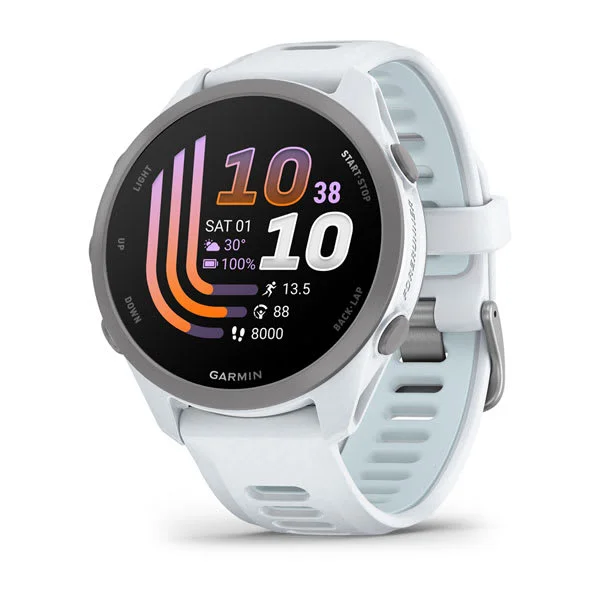
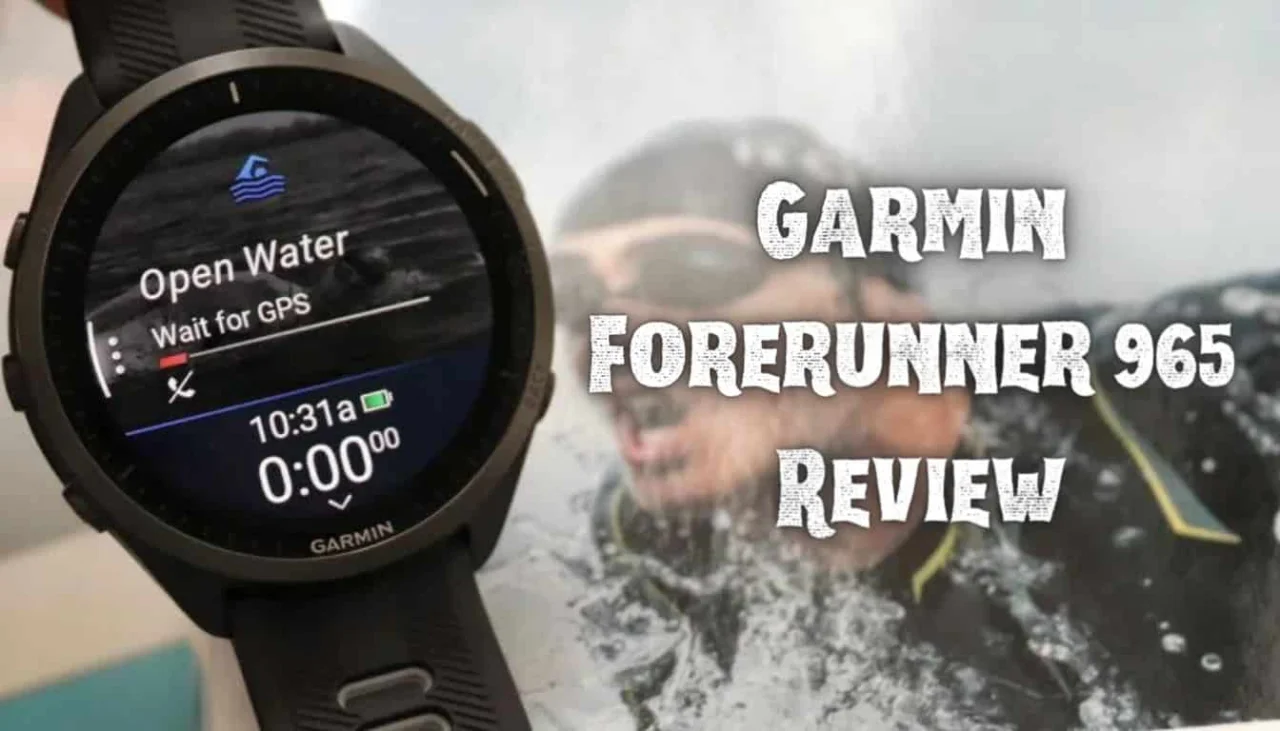
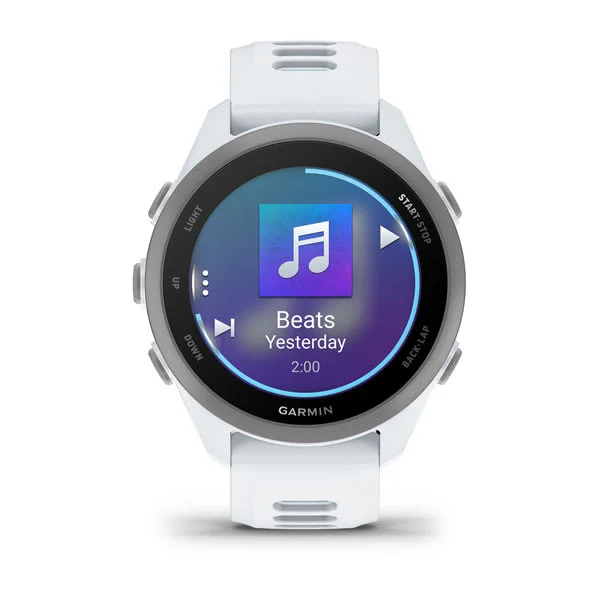
Product images: side, detail, and angle views
Running performance: what actually matters
A running watch is useful only if it reduces friction. It should find GPS quickly, start workouts without menu digging, show pace and heart rate clearly, mark laps reliably, sync without drama, and help you understand the run afterward. A giant feature list does not matter if the watch is annoying at mile six.
Current reviews say Forerunner 170 Music launched in May 2026 as a mid-tier GPS running watch. That gives Garmin Forerunner 170 Music a specific role in the current watch market. The question is whether that role matches your phone, training level, battery expectations, and the amount of coaching detail you actually want.
Display, controls, and workout usability
Display quality matters because runners rarely stare at the watch for long. You need a quick glance to show pace, lap time, distance, heart rate, and workout prompts. A bright AMOLED display can be excellent, but always-on settings, gesture wake, and sunlight readability affect battery life and usability.
Controls matter just as much. Touchscreens are convenient for maps and menus, but buttons are usually better for sweaty hands, rain, gloves, and interval workouts. The best watch for training is the one you can control while tired.
Garmin Forerunner 170 Music should be judged by whether it makes the main training actions easy: start, stop, lap, back, scroll, resume, save, and sync. Those basics matter more than obscure features buried three menus deep.
Battery life and charging reality
Battery claims depend on GPS mode, always-on display, notifications, music, maps, cellular, sensor use, and how often you train. Treat official battery estimates as mode-specific guidance, not a promise that every runner will get the same result.
Reported features include 1.2-inch AMOLED, up to 10 days battery, Garmin Pay, 4 GB storage, and offline music support. For most runners, the practical question is whether the watch survives your normal week without anxiety. If you run three or four times per week and charge during showers, many watches can work. If you travel, race long, hike, or hate charging, battery should move near the top of your decision list.
Choose a sports-first watch when training reliability, battery, and buttons matter more. Choose a smartwatch-first device when app integration, notifications, calls, payments, and everyday convenience matter more.
Health, recovery, and training metrics
Recovery scores, sleep scores, HRV trends, training readiness, stress tracking, wrist heart rate, and oxygen or temperature features can be helpful, but they are trend tools. They should not replace common sense or medical care.
The best use is pattern recognition. If sleep drops, resting heart rate rises, HRV trends down, and easy pace feels harder, back off. If the watch says you are ready but your body feels flat, trust the warmup and adjust.
For runners, the best metrics are the ones that change behavior: easy pace discipline, heart-rate zone awareness, recovery balance, long-run consistency, workout completion, and weekly training load. Buy Garmin Forerunner 170 Music only if its metrics help you make better decisions.
Garmin Forerunner 170 Music vs the closest alternatives
Watch comparisons are ecosystem decisions. Garmin buyers often want training depth. Apple buyers often want the best iPhone integration. Samsung buyers often want Android smart features. Suunto and COROS buyers often value endurance, battery, simplicity, and navigation.
- Garmin Forerunner 170 Music vs Forerunner 70
- Garmin Forerunner 170 Music vs Forerunner 165
- Garmin Forerunner 170 Music vs Forerunner 265
- Garmin Forerunner 170 Music vs Forerunner 970
Choose Garmin Forerunner 170 Music if its strengths match your daily phone use and training priorities. Choose a rival if you need better battery life, more advanced maps, stronger sport analytics, a lighter race-day feel, or better compatibility with your phone.
Accuracy, privacy, and health caution
GPS and heart-rate accuracy can vary by buildings, trees, cloud cover, wrist fit, tattoos, skin contact, cold weather, cadence lock, and software. For best wrist heart-rate results, wear the watch one finger above the wrist bone and tighten it during workouts.
If heart-rate precision matters for intervals or threshold training, pair the watch with a chest strap or reliable optical arm band. If a watch shows a health warning or unusual reading, treat it as a prompt to investigate, not as a diagnosis.
How it fits into a smart training setup
Beginner runner: use Garmin Forerunner 170 Music to build consistency, understand pace, and follow basic workouts without overthinking data.
Improving runner: use workout structure, recovery trends, and weekly load to avoid doing every run too hard.
Advanced runner: compare battery, mapping, sport profiles, sensor support, and training metrics before choosing it over a more specialized endurance watch.
60-second buying checklist
| Phone ecosystem | Confirm iPhone/Android compatibility before buying. Some smartwatch features are limited outside the intended phone ecosystem. |
|---|---|
| Battery routine | Match the watch to how often you are willing to charge, not only the longest advertised mode. |
| Training depth | Buy more advanced metrics only if you will use them to adjust training. Otherwise, a simpler watch may be better value. |
| Accuracy setup | For hard sessions, improve heart-rate accuracy with correct fit or a chest strap. |
Editorial evaluation method
This review is built around the questions runners and active buyers actually ask before purchasing: fit, comfort, durability, training role, feature usefulness, alternatives, price/value, and whether the product solves a real problem. Specifications and official features were checked against product pages and current hands-on coverage listed below.
The recommendation is intentionally practical. It avoids fake lab claims, fake long-term testing claims, and unsupported medical promises. For shoes, the safest final decision still depends on your foot shape, gait, surfaces, and return policy. For watches, it depends on phone compatibility, battery routine, sensor expectations, and training needs.
Garmin Forerunner 170 Music vs 70, 165, 970, and Apple Watch
| Watch | Best for | Why choose it | Why skip it |
|---|---|---|---|
| Garmin Forerunner 170 Music | Midrange Garmin with music | Music, Garmin Pay, and training convenience | Not the flagship maps choice |
| Garmin Forerunner 70 | Budget Garmin beginners | Lower cost and simpler setup | No music/payments if needed |
| Garmin Forerunner 165 | Discount midrange Garmin | Could be better value on sale | Pricing may overlap |
| Garmin Forerunner 970 | Advanced runners | Maps and premium training stack | Much more expensive |
| Apple Watch | iPhone smartwatch users | Apps, calls, and daily smartwatch experience | Less Garmin-style training ecosystem |
FAQ
Is Garmin Forerunner 170 Music good for beginner runners?
Yes, Garmin Forerunner 170 Music can be good for beginners if the price, phone compatibility, battery life, and training features match what you will actually use.
Can Garmin Forerunner 170 Music replace a phone for running?
It can reduce phone dependence for GPS tracking and workout guidance. Whether it fully replaces your phone depends on music, LTE, maps, payments, safety features, and your phone ecosystem.
How accurate is Garmin Forerunner 170 Music?
Accuracy depends on GPS mode, route conditions, wrist fit, heart-rate sensor contact, temperature, tattoos, and software. Use trends for training decisions and consider a chest strap for high-intensity heart-rate precision.
Is Garmin Forerunner 170 Music better than Garmin for runners?
It depends on the model and ecosystem. Garmin often leads in training depth, Apple and Samsung often lead in smartwatch integration, and Suunto/COROS often appeal to runners who value battery and endurance features.
Who should avoid Garmin Forerunner 170 Music?
Skip it if you need full mapping, longest GPS battery life, dual-frequency GNSS, or Apple Music support as your main music requirement.
What is the best alternative to Garmin Forerunner 170 Music?
The best alternative depends on your priority: battery life, maps, music, LTE, training metrics, phone compatibility, or price. Use the comparison section to choose the closest rival.
Final recommendation
Garmin Forerunner 170 Music is worth considering when its strengths match your actual use case. It is not a universal best choice for every runner or active person. It is strongest for the buyer described in the quick verdict and weakest for the buyer described in the skip section.
Best next step: compare your training needs against the checklist above, then confirm current sizing, color, seller, and return policy before buying.
Check Amazon availabilityView official product page
Sources checked
- https://www.garmin.com/en-US/p/2014513/
- https://www.runnersworld.com/gear/a71617389/garmin-forerunner-170-music-review/
- https://www.techradar.com/health-fitness/garmin-reveals-its-garmin-forerunner-70-and-garmin-forerunner-170-easy-to-use-running-watches-just-after-its-predecessor-was-used-to-break-the-2-hour-marathon-world-record
