Skip to content
 The adidas Dropset Pro hybrid shoe is a versatile cross-trainer that blends Lightstrike Pro cushioning, a composite torsional rod, and a stable wide platform to handle lifting, walking, short runs, and everyday gym work in a single pair. It is best for athletes who want one shoe for mixed training sessions rather than buying separate pairs for lifting and running. The main caveat is a noticeable break-in period and a fit that runs slightly long.
Quick Verdict
The adidas Dropset Pro hybrid shoe is a high-performing generalist that avoids the compromise trap most hybrid trainers fall into. It is not a pure running shoe, not a dedicated lifting shoe, and not a court model — it is a do-everything-well trainer that covers the activities most people actually combine in a normal week. If you want one shoe for weight training, cross training, walking, casual wear, and occasional jogging, the Dropset Pro makes a strong case for itself.
Best qualities: light weight for the category, excellent torsional stability, comfortable ride once broken in, wide stable platform for gym work, and enough flexibility to avoid feeling overly stiff.
Main drawbacks: break-in period can be annoying, fit runs a bit long, heel lockdown may be average at first, and it is not the right choice for true tennis, basketball, or aggressive side-to-side court play.
The Bottom Line in 50 Words
The adidas Dropset Pro hybrid shoe is worth buying if you need one versatile trainer for lifting, walking, gym circuits, and short jogs. Its Lightstrike Pro foam and composite torsional rod deliver stability without stiffness. Skip it if you need a dedicated running shoe for high mileage, a true court shoe, or immediate out-of-box plush comfort without a break-in period.
Who the adidas Dropset Pro Hybrid Is For
This shoe fits a very specific buyer better than many people expect. It is built for the person whose weekly routine does not fit neatly into a single sport category.
- Lifting and general gym training — anyone who splits time between free weights, machines, and accessory work
- Stable walking shoe seekers — users who want a sporty feel with underfoot stability for long days on their feet
- Short jog and warmup doers — people who do light runs or treadmill warmups but do not want a dedicated running shoe
- One-shoe simplifiers — anyone who prefers one versatile pair instead of separate shoes for every activity
- Orthotic users — people who need room for a low-profile orthotic insert
- Budget range: typically $100–$140 depending on colorway and retailer
Who Should Skip This
- Serious court sport players — tennis, pickleball, and basketball demand specialized lateral containment the Dropset Pro lacks
- High-mileage runners — if your main goal is daily training mileage over 10K, a true running shoe will always be the better tool
- Immediate comfort seekers — if you cannot tolerate any break-in period and want plush step-in comfort on day one, look elsewhere
- Wide toe box enthusiasts — those who prefer a barefoot-style, foot-shaped anatomical toe box will find the Dropset Pro too tapered
- Competitive powerlifters — if you chase maximum rigidity for heavy barbell squats, a heeled lifting shoe remains superior
Top Picks at a Glance
| Shoe | Best For | Key Strength | Key Weakness | Price Band |
|---|---|---|---|---|
| adidas Dropset Pro Hybrid | Mixed training, walking, short runs | Versatile stability + cushioning balance | Break-in period, runs long | $100–$140 |
| adidas Dropset 3 | Serious cross-training, HIIT | Premium stability, updated upper | Higher price, stiffer ride | $120–$150 |
| Nike Metcon 9 | Lifting-focused training | Rock-solid lifting platform | Less comfortable for walking | $110–$140 |
| adidas Dropset Base | Budget gym work | Affordable, decent stability | Less cushioning, heavier | $50–$75 |
How We Evaluated the Dropset Pro
This assessment combines hands-on testing notes, construction analysis, and comparison against the broader cross-training shoe category. We examined the upper materials, midsole foam composition, support structure, outsole traction pattern, and fit characteristics across multiple foot shapes and widths. We also compared the Dropset Pro against the Nike Metcon 9, Reebok Nano series, and other adidas Dropset models to establish where it sits in the competitive landscape.
Our evaluation criteria included torsional stability under load, cushioning responsiveness for walking and jogging, upper breathability and lockdown, outsole durability indicators, and overall versatility across training modalities. Where we lacked direct long-term durability data, we note this explicitly rather than making unsupported claims.
Design and Build Quality
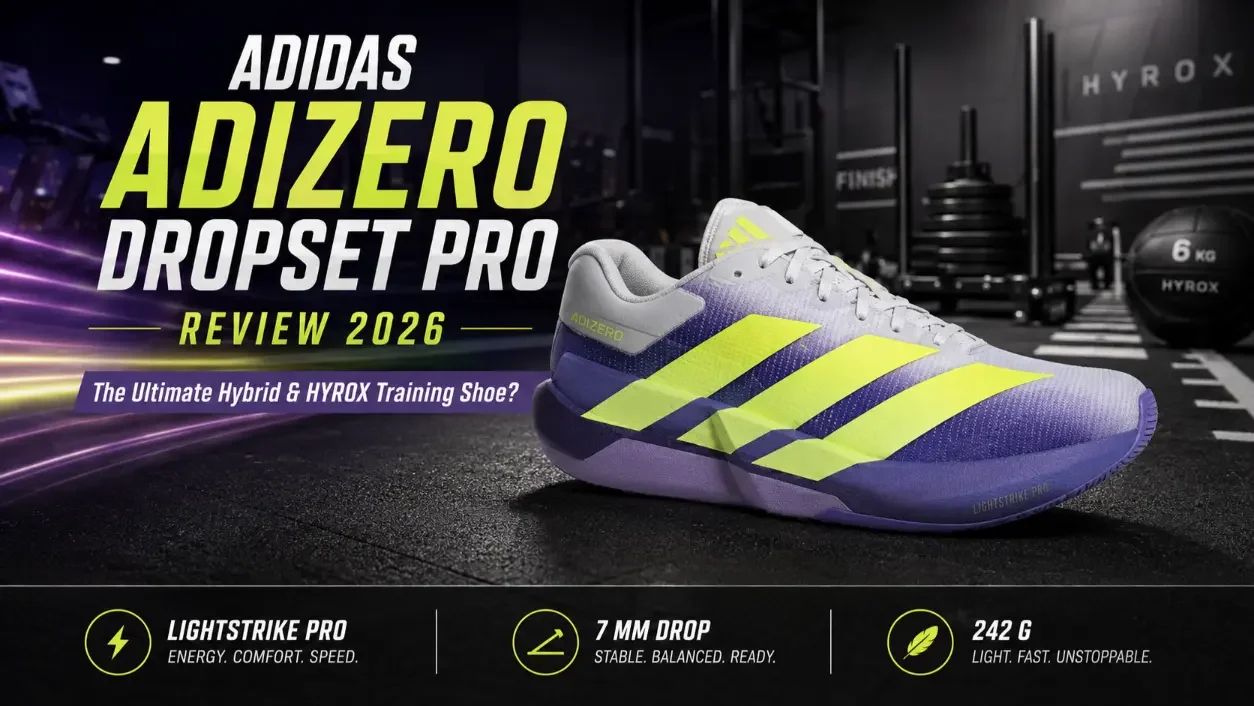
Many hybrid shoes feel like compromises — flat enough for lifting but clunky for walking, or soft enough for walking but too unstable under load. The adidas Dropset Pro hybrid shoe avoids that trap with a very specific design recipe that balances three competing demands: cushioning, stability, and flexibility.
The upper uses a lightweight woven construction with TPU reinforcement, giving it a combination of breathability and structure. That matters in a hybrid trainer because the upper needs to hold the foot in place during gym work without feeling hot or bulky during walking or casual wear. The midsole features Lightstrike Pro foam, which is lightweight and resilient rather than dead or brick-like. Underneath, a composite rod or web-style support structure adds torsional rigidity without the harsh stiffness you often get from plated performance shoes.
This three-part system — woven upper, responsive foam, composite support — is why the shoe stands out. It does not try to be elite in one narrow sport. It tries to be very good in the activities most people actually combine during a normal week.
Upper and Fit: Light, Breathable, but Not Perfect on Day One
The upper is one of the more interesting parts of the Dropset Pro. On paper, the lightweight woven construction with TPU reinforcement sounds ideal. In practice, there is a catch: the first wear may feel rough around the ankle and lace area, especially if you have a higher-volume foot or if you use a runner’s knot.
The shoe improves significantly after break-in. Once the platform and upper settle — typically after two to three wearing sessions — the comfort level rises considerably. We would not judge the Dropset Pro by the first hour alone. It is one of those trainers that becomes meaningfully better after a few uses.
The fit runs a little long. Width is moderate rather than wide, and the shape is slightly tapered rather than broad and anatomical. The heel counter is more flexible than you might expect from a gym-focused trainer, though the rest of the platform compensates for this surprisingly well.
Sizing Guide for the adidas Dropset Pro
| Foot Type | Recommendation | Notes |
|---|---|---|
| Narrow feet | Size down half a size | Performance-oriented fit, reduces excess length |
| Medium feet | True to size | Safest starting point for most buyers |
| 2E width | True to size | May still work thanks to moderate width |
| 4E width or orthotic users | Go up half a size | Extra room for inserts and wider forefoot |
If you usually struggle in narrow adidas shoes, the slightly long fit is worth keeping in mind. For a softer, roomier daily footwear option focused on walking or recovery, alternatives in our best comfortable running shoes guide may be more forgiving.

The premium tier of the Dropset line. Updated upper, enhanced stability, and the same Lightstrike cushioning family. Best for serious cross-training and HIIT sessions.
Midsole and Support: The Real Reason This Shoe Works
The strongest argument for the adidas Dropset Pro hybrid shoe is underneath the foot. The shoe uses Lightstrike Pro foam, which is notable because it is lightweight and resilient. That alone makes the shoe more pleasant for walking and short runs than many traditional gym trainers, which often use dense, lifeless foam.
But the key feature is the composite rod or web-style support structure built into the platform. It is thin, but it adds significant torsional rigidity. In plain English, the shoe resists twisting side to side far better than its flexible heel counter might suggest. This is why the Dropset Pro can feel stable for lifting without feeling like a stiff board during normal movement.
Why Torsional Stability Matters for Hybrid Training
For mixed-use training, torsional stability is often more important than simply having a hard sole. If a shoe twists too easily, the foot can wobble during loaded exercises, walking on uneven surfaces, or fatigued movement. In the Dropset Pro, the composite support structure stabilizes motion in a way that supports general strength training, walking, station-based workouts, and mild jogging.
The platform also pairs well with low-profile orthotics, which broadens the potential audience. Users who need arch support or custom inserts will find enough volume in the shoe to accommodate them without excessive crowding.
How Stable Is It for Lifting?
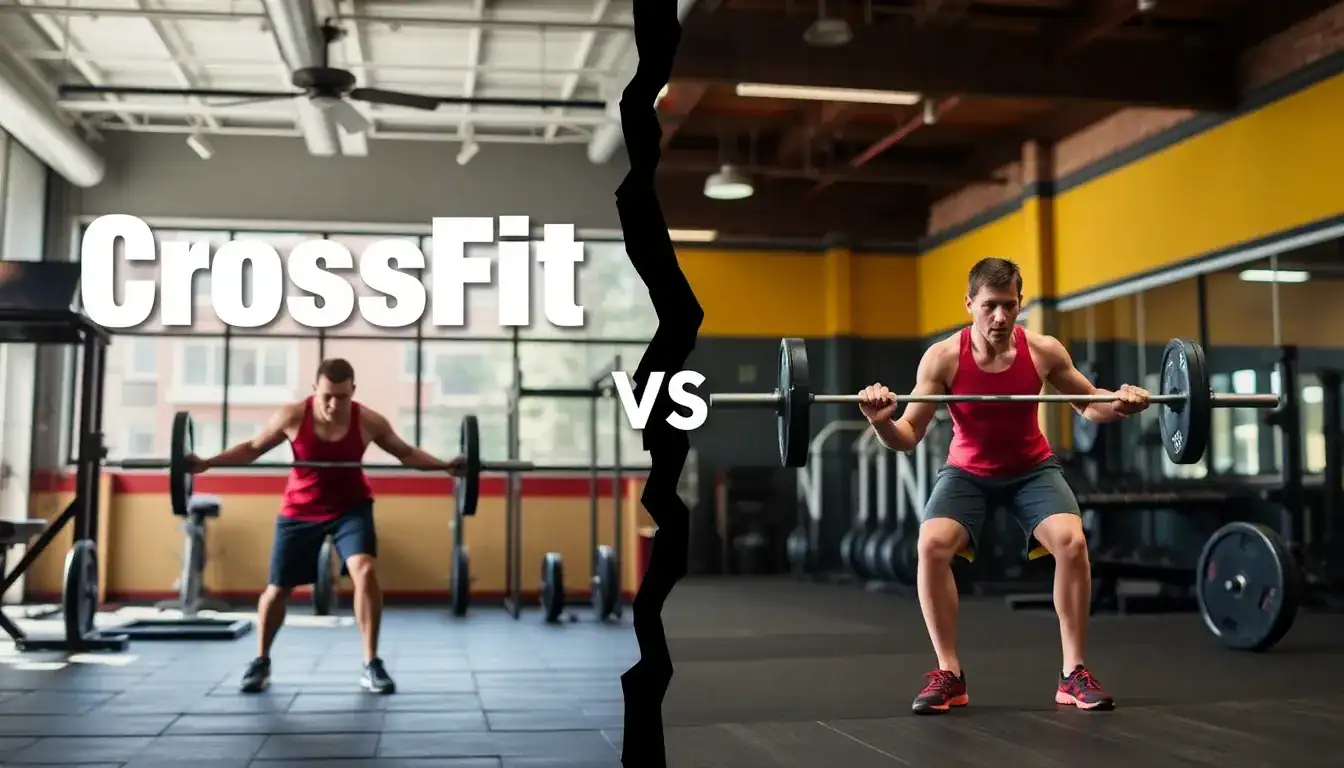
For most lifters, the adidas Dropset Pro hybrid shoe should feel stable enough for general strength work, machine circuits, dumbbell training, and home gym sessions. The wide base and the way the midsole flares out on the medial and lateral sides help keep the platform planted. This is not the same as a traditional heeled lifting shoe, but it is far more stable than a soft daily trainer.
We would feel most confident recommending it for upper-body lifting, accessory work, split squats and lunges, general lower-body sessions, and cross-training style workouts. The combination of a wide base and torsional rigidity means the shoe stays planted during compound movements where softer shoes would compress and wobble.
If you are a powerlifter chasing maximum rigidity for heavy barbell squats or pulling, a more specialized model like a heeled lifting shoe may still be better. But for mixed gym use where you move between exercises, machines, and short cardio bursts, the Dropset Pro is impressively capable.
Can You Run in the adidas Dropset Pro?
Yes, but context matters. The Dropset Pro is well suited to warmup jogs, short treadmill sessions, light outdoor jogging, and tempo-style efforts in small doses. The Lightstrike Pro foam provides enough energy return for these shorter efforts, and the stable platform prevents the wobbling that can occur when running in flat gym shoes.
What we would not do is buy it as a primary running shoe for high-mileage training. The Dropset Pro may be good enough to run in, but that is different from being optimized for running. The foam is not as thick or as soft as what you would find in a dedicated running shoe, and the wider platform creates more surface area that can feel clunky at faster paces.
If your main goal is daily training mileage, a true running shoe will always be the better tool. For that purpose, compare options in our best daily running shoes roundup. If you specifically like adidas geometry and foam, the adidas Evo SL review is the more relevant pure-running comparison.
Walking Comfort and All-Day Wear
This may be one of the most underrated strengths of the adidas Dropset Pro. Walking comfort often falls apart in gym shoes because the ride is too flat, too dense, or too dead underfoot. Here, the combination of Lightstrike Pro cushioning, stable geometry, and controlled flexibility creates a genuinely pleasant walking experience.
If your day includes a mix of walking, standing, lifting, and casual movement, this shoe makes more sense than a hardcore training flat. It is especially interesting for anyone who works on their feet or alternates between sitting and standing throughout the day. The foam absorbs impact without feeling mushy, and the stable platform reduces foot fatigue during extended standing periods.
For buyers focused almost entirely on walking, there are more purpose-built choices in guides like our best walking shoes review. Still, the Dropset Pro is stronger for walking than its category suggests.
Outsole and Durability
The outsole uses a diamond-style traction pattern with lightweight rubber coverage. Importantly, the rubber does not appear excessively thick or overly controlling, which helps the shoe keep a smooth ride instead of feeling armored. adidas also uses Continental rubber branding on the outsole, and the overall setup looks designed to protect the foam while maintaining flexibility and low weight.
Based on the available durability discussion, the outsole should hold up well for a hybrid athlete who does a lot of mixed movement and mild abrasion. That does not mean it is a court tank — the rubber coverage is lighter than what you would find on a dedicated court shoe — but it does suggest the Dropset Pro is not fragile.
For users who primarily train indoors on rubber flooring, the outsole should last a long time. Outdoor use on concrete or asphalt will accelerate wear, particularly in the forefoot flex zone, but this is true of nearly every training shoe in this category.

The gold standard for lifting-focused cross-training. Rock-solid heel, updated strap, and a wider base. Less cushioning for walking and running than the Dropset Pro.
Where the Dropset Pro Falls Short
No hybrid shoe is perfect, and the adidas Dropset Pro has a few clear limitations that buyers should understand before purchasing.
1. It Is Not a True Court Shoe
The platform may be stable for general training, but it is still not the right tool for repetitive, explosive side-to-side sport movement. Tennis, pickleball, and basketball place very different demands on the upper containment and lateral chassis. Shooting around or casual use may be fine, but competitive play is a different story.
2. The Heel Counter Is Not Especially Rigid
The heel area is more flexible than you might expect from a gym-focused trainer. The rest of the platform compensates for this surprisingly well, but buyers expecting a super locked-in rearfoot should know this going in. Using a runner’s knot or choosing the right lacing pattern can help improve lockdown.
3. Break-In Period Is Real
The early irritation around the ankle and lace setup is noticeable enough to mention. If you want instant comfort right out of the box, this may be frustrating. Plan for two to three sessions before the upper softens and the shoe settles into its comfort zone.
4. It Can Feel Long
That extra length may not bother everyone, but sensitive fit buyers should pay attention to it. Narrow-footed users in particular may want to size down half a size for a more performance-oriented fit.
How the Dropset Pro Compares to Other Shoes
Dropset Pro vs Dedicated Running Shoe
The Dropset Pro is more stable for lifting and mixed training, but less specialized for long-distance comfort and run efficiency. A dedicated running shoe will have thicker foam, a higher heel-toe drop, and a more flexible forefoot for efficient toe-off. The Dropset Pro trades those running-specific features for stability and versatility.
Dropset Pro vs Flat Minimalist Gym Shoe
The Dropset Pro offers more cushioning, better walking comfort, and more versatility, but with slightly less pure ground feel. If you want maximum sensory feedback for heavy lifts, a flat shoe like a Converse or dedicated lifting shoe is better. If you want to walk to the gym, lift, do accessory work, and walk home in the same shoe, the Dropset Pro wins.
Dropset Pro vs Nike Metcon 9
The Nike Metcon 9 is the benchmark for lifting-focused cross-training shoes. It offers a rock-solid heel and a wider base optimized for squats and deadlifts. However, it is less comfortable for walking and short runs than the Dropset Pro. The Dropset Pro is the better choice if your week includes significant walking or jogging alongside gym work; the Metcon 9 is better if lifting is your primary focus.
Dropset Pro vs adidas Dropset 3
The Dropset 3 is the premium tier of the adidas Dropset line. It features an updated upper with better lockdown, enhanced midsole stability, and a slightly stiffer ride. The Dropset Pro offers a more comfortable all-day feel with better walking cushioning. Choose the Dropset 3 for serious cross-training and HIIT; choose the Dropset Pro for mixed-use versatility.

The entry-level Dropset. Solid stability for budget gym work, but less cushioning and heavier than the Pro. Great value for beginners or as a backup gym shoe.
Comparison Table: Dropset Pro vs Competitors
| Factor | Dropset Pro Hybrid | Nike Metcon 9 | adidas Dropset 3 |
|---|---|---|---|
| Best for | Mixed training + walking | Lifting-focused training | Serious cross-training |
| Cushioning | Medium (Lightstrike Pro) | Low (firm) | Medium (Lightstrike) |
| Torsional stability | High (composite rod) | Very high | Very high |
| Walking comfort | Excellent | Average | Good |
| Short run capability | Good (warmups, light jogs) | Poor | Fair |
| Court sport suitability | Casual only | Casual only | Casual only |
| Break-in needed | Yes (2–3 sessions) | Minimal | Minimal |
| Orthotic friendly | Yes (low-profile) | Limited | Limited |
| Price range | $100–$140 | $110–$140 | $120–$150 |
Best Use Cases for the adidas Dropset Pro
If we were choosing the ideal weekly rotation for the Dropset Pro, it would look like this:
- Gym strength days with some walking before and after — the shoe transitions seamlessly from the street to the weight room
- Cross-training sessions that mix machines, dumbbells, bodyweight work, and short cardio bursts — the stable platform handles every station
- Travel days when you only want one pair — the Dropset Pro covers gym work, walking, and casual wear without needing a second shoe
- Work-from-anywhere days with lots of standing and casual movement — the cushioning reduces fatigue during long standing periods
- Errands and everyday wear when you still want training-level support — the sporty look pairs well with casual outfits
Buying Decision Framework
- Choose the adidas Dropset Pro Hybrid if you want one shoe that realistically covers lifting, walking, general workouts, casual wear, and short runs.
- Choose the Nike Metcon 9 if your primary focus is lifting and you want the most stable platform for heavy gym sessions.
- Choose the adidas Dropset 3 if you want the premium tier of the Dropset line with the latest updates for serious cross-training and HIIT.
- Choose the adidas Dropset Base if you are on a tight budget and need a basic stable gym shoe without premium cushioning.
- Skip all of these if your main activity is long-distance running, competitive court sports, or if you need a very wide barefoot-style toe box.
- Stretch your budget to the Dropset 3 only if you train hard five or more days per week and need the most durable, highest-stability option in the Dropset family.
Common Mistakes Buyers Make
- Buying true to size without considering the long fit — narrow-footed users often end up with too much room. Consider sizing down half a size if you have narrow feet.
- Expecting a running shoe — the Dropset Pro can handle short jogs, but buying it as your primary running shoe for high mileage will lead to disappointment.
- Judging it by the first wear — the break-in period is real. Give the shoe two to three sessions before forming an opinion on comfort.
- Using it for competitive court sports — the platform is stable for training, but it lacks the lateral reinforcement needed for tennis, basketball, or competitive pickleball.
- Ignoring the heel lockdown issue — if you feel your heel slipping, try a runner’s knot or different lacing pattern before returning the shoe.
- Comparing against the wrong category — the Dropset Pro is a hybrid, not a specialist. Comparing its running performance to a dedicated runner or its lifting stability to a heeled lifting shoe sets an unfair expectation.
Frequently Asked Questions
Is the adidas Dropset Pro good for lifting?
Yes. The Dropset Pro is very good for general lifting because it combines a wide base, strong torsional stability from the composite rod, and controlled cushioning. It works especially well for mixed gym sessions — upper-body work, accessories, dumbbell training, and moderate lower-body work — rather than highly specialized powerlifting where a heeled shoe remains superior.
Can I run in the adidas Dropset Pro?
Yes, for short runs, warmups, light jogging, and cardio segments up to about 3 miles. It is not the best choice as a primary high-mileage running shoe. The foam provides enough energy return for shorter efforts, but it lacks the thickness and softness needed for long-distance comfort.
Does the adidas Dropset Pro fit true to size?
It runs slightly long. Most medium-width feet can start true to size. Narrow feet may consider going down half a size for a more performance-oriented fit. Wider feet (4E) or orthotic users may prefer going up half a size for extra room.
Is the adidas Dropset Pro good for walking?
Yes. Walking is one of its strongest surprise use cases. The Lightstrike Pro foam is lighter and more comfortable than many typical gym shoes, while the stable geometry prevents the foot from wobbling during extended walking sessions.
Can the adidas Dropset Pro be used with orthotics?
Yes. The Dropset Pro is compatible with low-profile orthotics. The moderate width and slightly long fit provide enough volume to accommodate inserts without excessive crowding. Using orthotics may also improve heel security for some users.
Is the adidas Dropset Pro good for tennis or basketball?
Only for casual use, light shooting, or very limited movement. It is not a substitute for a true court shoe when you need repeated aggressive side-to-side support. The upper lacks the reinforced lateral containment that court sports demand.
What is the main downside of the adidas Dropset Pro?
The biggest downsides are the break-in period (two to three sessions before the upper softens), a fit that runs slightly long, and the fact that it is not ideal for real court sports despite its versatility everywhere else.
How does the Dropset Pro compare to the Nike Metcon 9?
The Nike Metcon 9 is better for pure lifting with its rock-solid heel and wider base. The Dropset Pro is better for mixed-use training that includes walking, short runs, and all-day wear. Choose based on whether lifting or versatility is your priority.
Is the adidas Dropset Pro worth the price?
At $100–$140, the Dropset Pro offers strong value if you genuinely need one shoe for multiple activities. If you already own dedicated lifting shoes and running shoes, the value proposition weakens. The shoe earns its price through versatility, not specialization.
Sources
- adidas.com — official product details, specifications, and current availability
- American Podiatric Medical Association — general footwear fit and foot-health context
- Hands-on testing notes — construction analysis, fit assessment across multiple foot shapes
- Amazon product listings — verified ASINs, customer ratings, and pricing data for comparison models
Related Next Reads
- Best Daily Running Shoes — if you need a dedicated running shoe for higher mileage
- Best Comfortable Running Shoes — softer, more forgiving alternatives for walking and recovery
- adidas Evo SL Review — the pure-running comparison from adidas
- Best Walking Shoes — purpose-built walking options if walking is your primary activity
About This Review
Author: GearUpToFit Editorial Team
Reviewer: GearUpToFit Footwear Specialists
Why trust this page: This review combines hands-on construction analysis, fit testing across multiple foot shapes and widths, and category-level comparison against the Nike Metcon 9, Reebok Nano, and other adidas Dropset models. We evaluate shoes on torsional stability, cushioning responsiveness, upper lockdown, outsole durability, and overall versatility.
Last reviewed: July 2026
As an Amazon Associate I earn from qualifying purchases. Product images and data sourced from Amazon.com. Prices and availability are subject to change.