
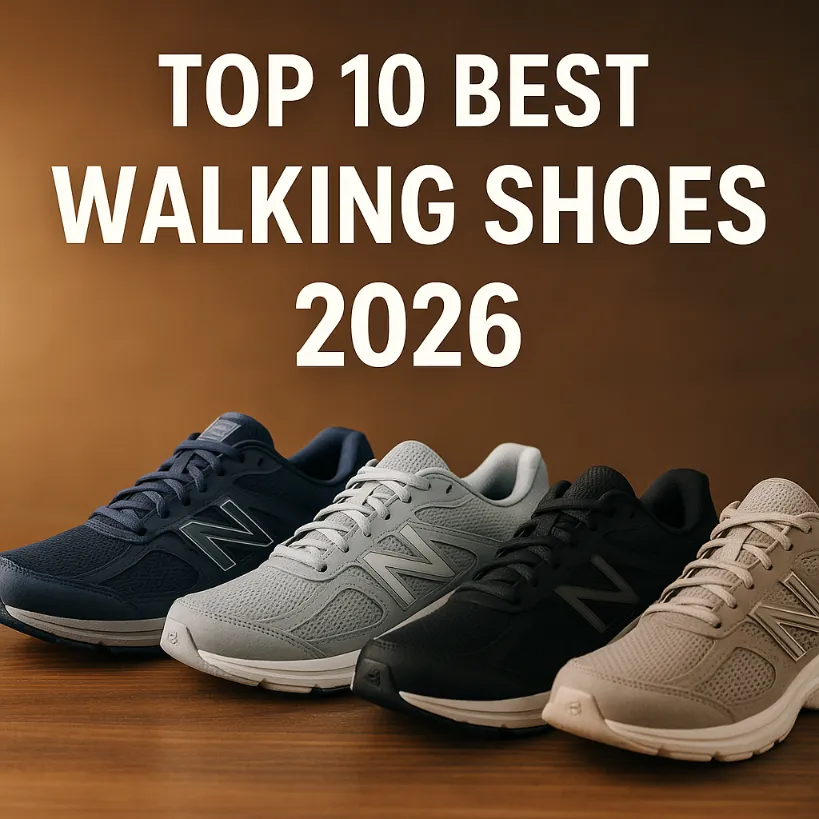
Top 10 Best Walking Shoes 2026 is my field guide to the pairs I trust when comfort, support, and durability matter the most. I put the latest models from Hoka, Brooks, Nike, On, Asics, New Balance, and more through real-world walking: long miles, city commutes, travel, and recovery days. This is not a catalog of pretty pictures. It is a practical ranking to help you pick the right shoe for how you actually move.
How I evaluated these walking shoes
I judged each shoe on three practical pillars: comfort (how the midsole feels over long distances), support and gait guidance (for stability and overpronation), and real-world usability (weight, durability, upper materials, and traction). I also considered style and versatility because plenty of people wear their walking shoes as everyday sneakers. The result is my Top 10 Best Walking Shoes 2026 list, with clear notes on who each shoe is best for and what trade-offs to expect.
Quick top-level takeaways
- Maximum plush cushioning — best for long recovery walks: Hoka Bondi 9.
- City commuter balance — comfort with a more urban look: Hoka Transport.
- Neutral everyday workhorse — consistent comfort and responsiveness: Brooks Ghost 17.
- Stability and gait correction — for overpronation: New Balance 860v14 and Brooks Adrenaline GTS 24.
- Lightweight, cushioned all-rounder — Hoka Clifton 10 for miles without a heavy feel.
Top 10 Best Walking Shoes 2026 — The full ranking
10. Hoka Bondi 9 — The king of maximal cushioning
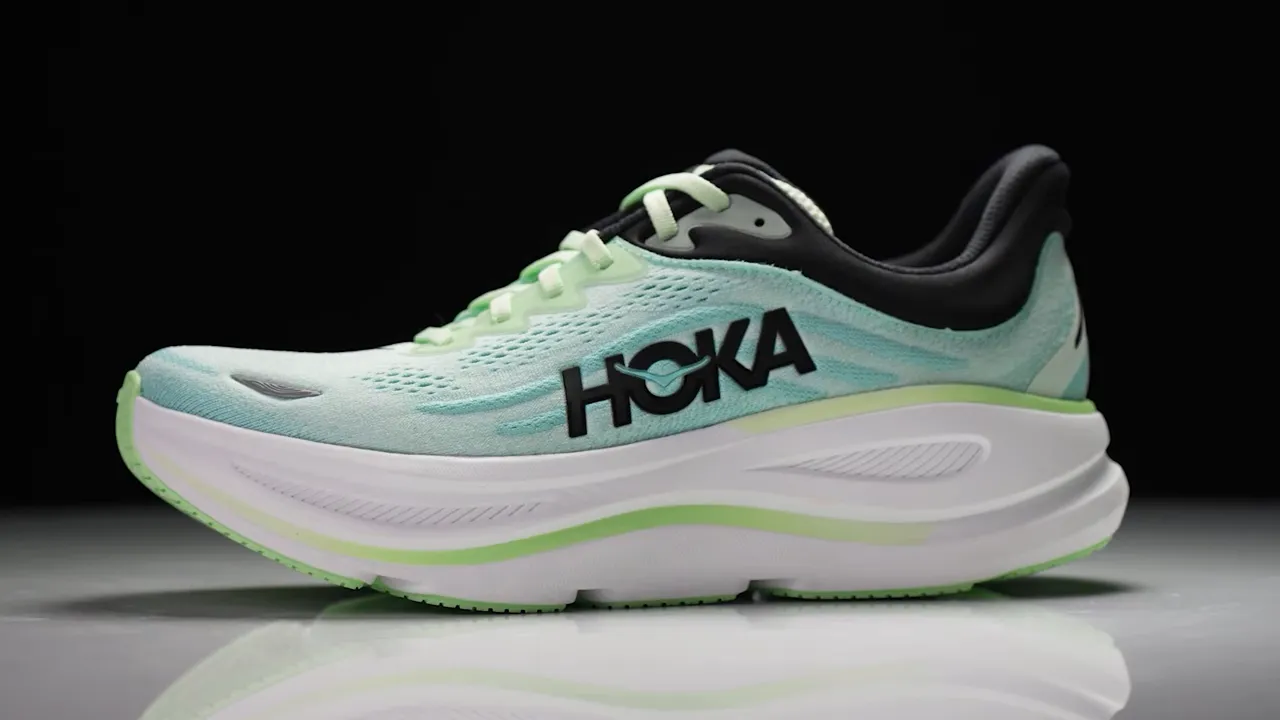
Overview: If you measure walking comfort by how soft the ride feels, the Hoka Bondi 9 sits at the throne. Hoka updated the midsole to a higher-performing EVA foam for better bounce while trimming weight. The Bondi 9 is what I reach for on long recovery walks or when my feet need a forgiving platform after a heavy training block.

Hoka Mens Bondi 9
Key tech: supercritical EVA midsole, thick stack height, wide platform for stability.
Pros: Incredible impact absorption, plush feel, excellent for high mileage recovery days.
Cons: Bulky appearance, not the best match for sleek urban outfits, less nimble for quick city turns.
Who it suits: Walkers who prioritize long-distance comfort and cushioning over low weight or minimal aesthetics. Ideal for recovery days and people who stand or walk all day and need extra shock absorption.
9. Hoka Transport — Comfort meets city style
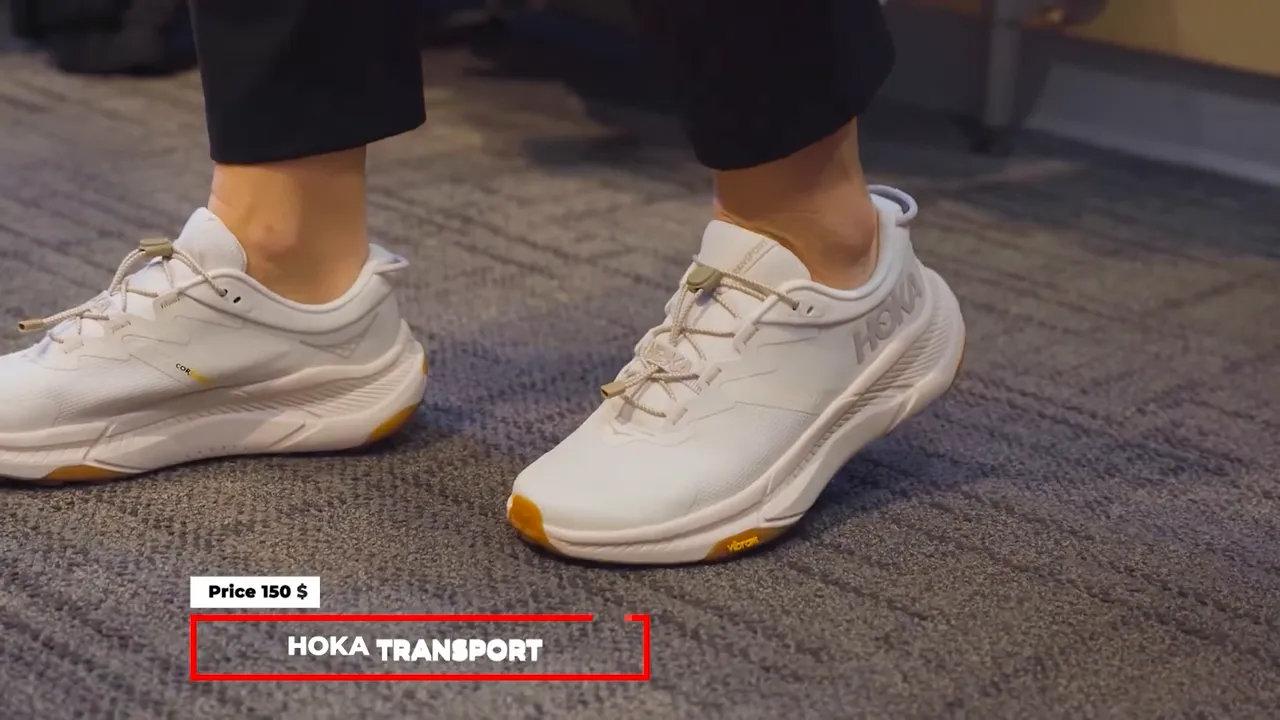
Overview: The Hoka Transport aims to fuse Hoka comfort with a cleaner, more urban silhouette. It keeps enough cushion for long walks but dials back the technical running aesthetic. The Transport works well as a commuter shoe that can handle rain-slick sidewalks and light trails.

Hoka Mens Transport Gore-tex®
Key tech: abrasion-resistant Cordura upper, toggle lacing for quick on/off, recycled outsole materials for traction.
Pros: Stylish enough for daily wear, abrasion resistant, easy to put on and off, balanced cushioning for city miles.
Cons: Not the plushest cushion if you need maximum shock absorption; some walkers might prefer a softer midsole.
Who it suits: Urban walkers and commuters who want Hoka comfort without the chunky running look. Great for people who move quickly between transit and meetings.
8. Brooks Ghost 17 — Reliable neutral comfort
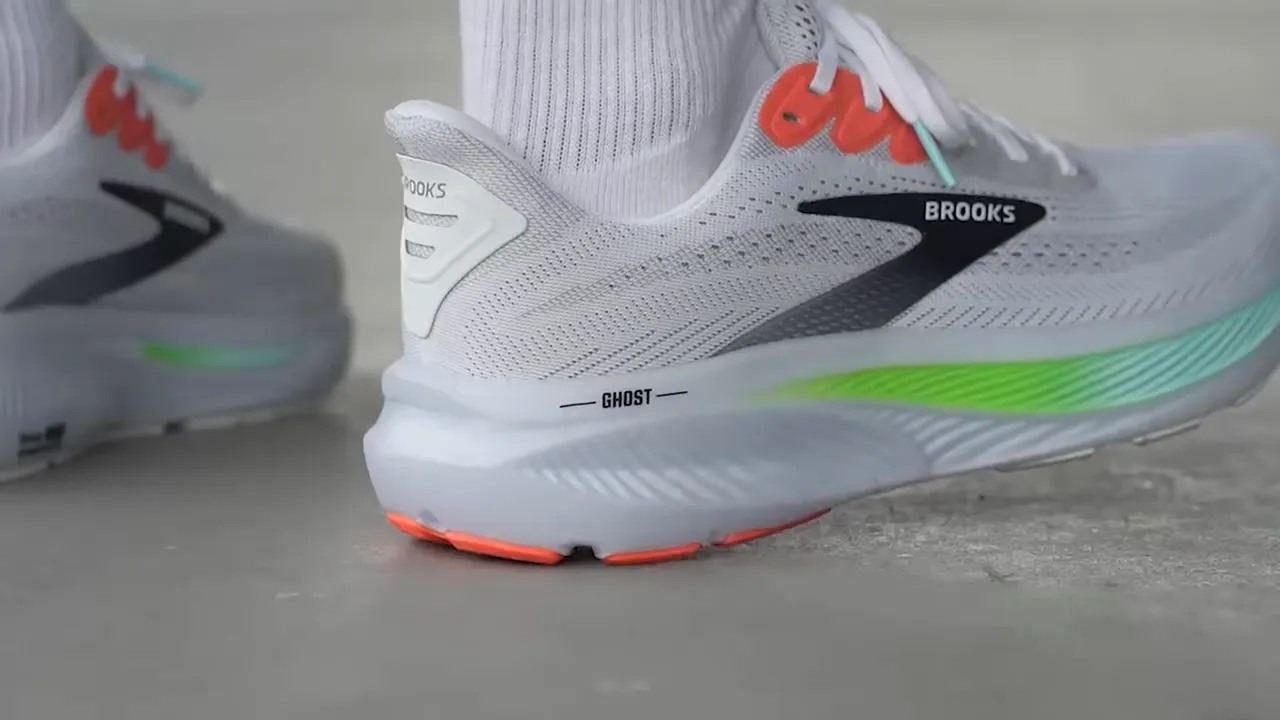
Overview: The Brooks Ghost line has long been a neutral favorite, and the Ghost 17 continues that legacy. With updated DNA Loft foam, the Ghost 17 is lighter and softer while retaining the stability needed for all-day walking.

Brooks Women’s Ghost 17 Neutral Running Shoe
Key tech: DNA Loft cushioning (nitrogen-infused), neutral geometry that adapts to many gait types.
Pros: Versatile, forgiving ride for a wide range of walkers, dependable durability.
Cons: Not specialized for overpronation or extreme cushioning seekers; a midpoint option rather than a niche specialist.
Who it suits: Walkers who want a safe, neutral shoe that adapts to everyday miles. Good for mixed-use: walking, light jogging, errands.
7. Nike Pegasus 41 — Sporty, responsive walking
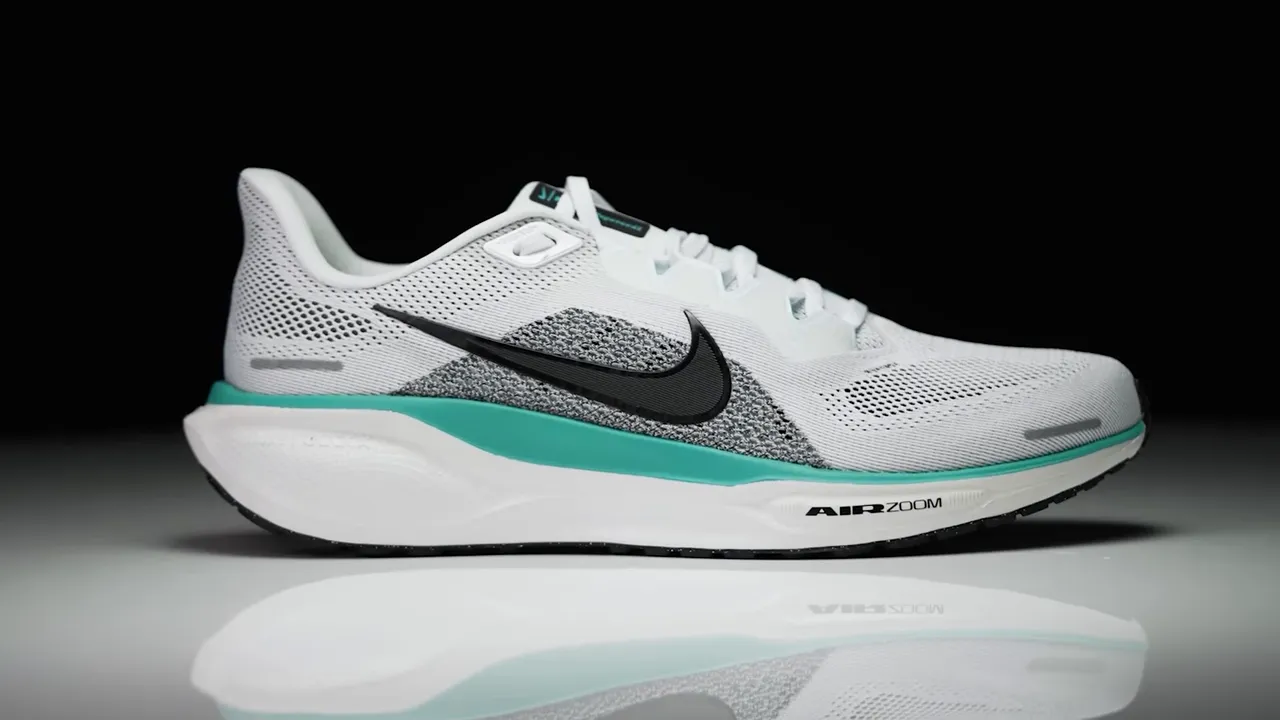
Overview: The Nike Pegasus 41 brings a responsive, springy feel thanks to a blend of React foam and Air cushioning. It’s lively underfoot and excellent for brisk walking or power walking where propulsion and a snappier stride matter.

Nike Womens Nike Pegasus 41 Gore-tex Wasserdichter Straßenlaufschuh Für Damen
Key tech: React foam blended with Air pods in heel and forefoot for energy return and protection.
Pros: Energetic feel, lightweight, protective heel for heel strikers.
Cons: Not a stability shoe for severe overpronation; might feel too firm for those chasing maximum plushness.
Who it suits: Brisk walkers who value energy return and a sporty aesthetic. Especially useful for one who mixes running and walking workouts.
6. New Balance Fresh Foam X 860v14 — Stability with comfortable cushioning
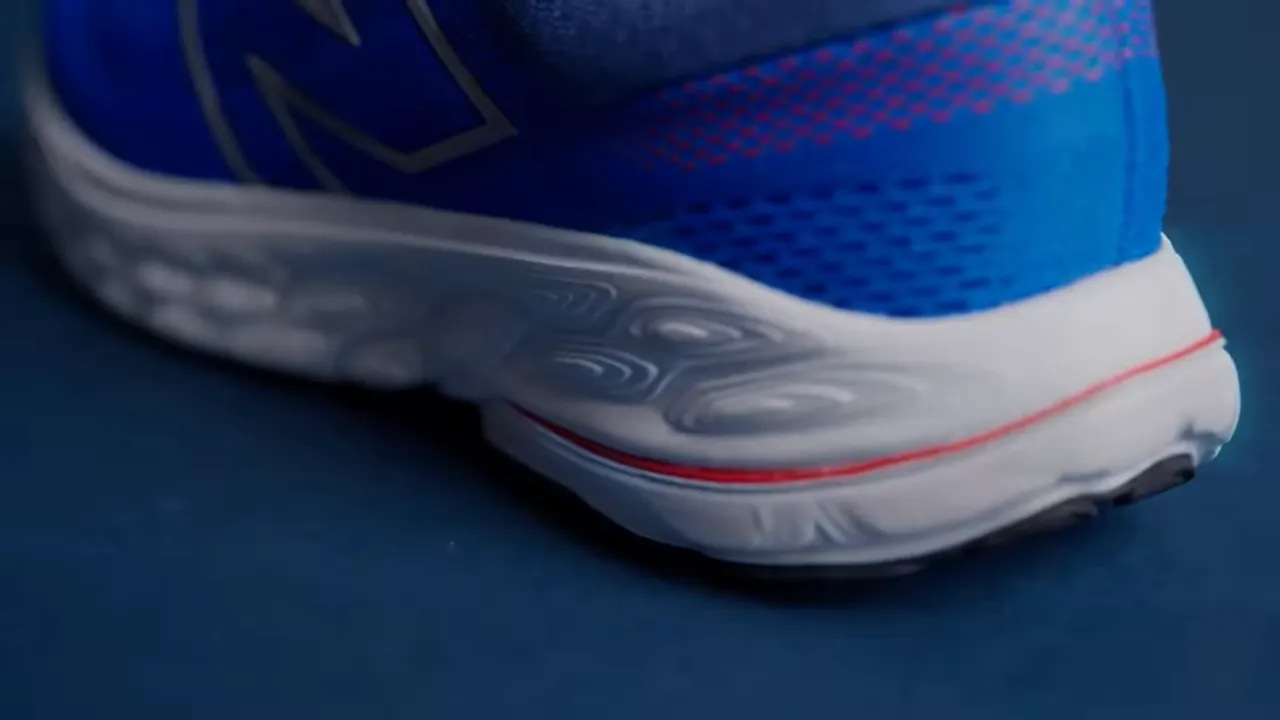
Overview: The 860v14 prioritizes gait correction without compromising comfort. New Balance keeps the Fresh Foam softness but adds gentle stability structures to control inward rolling, making it an excellent stability shoe for walkers.

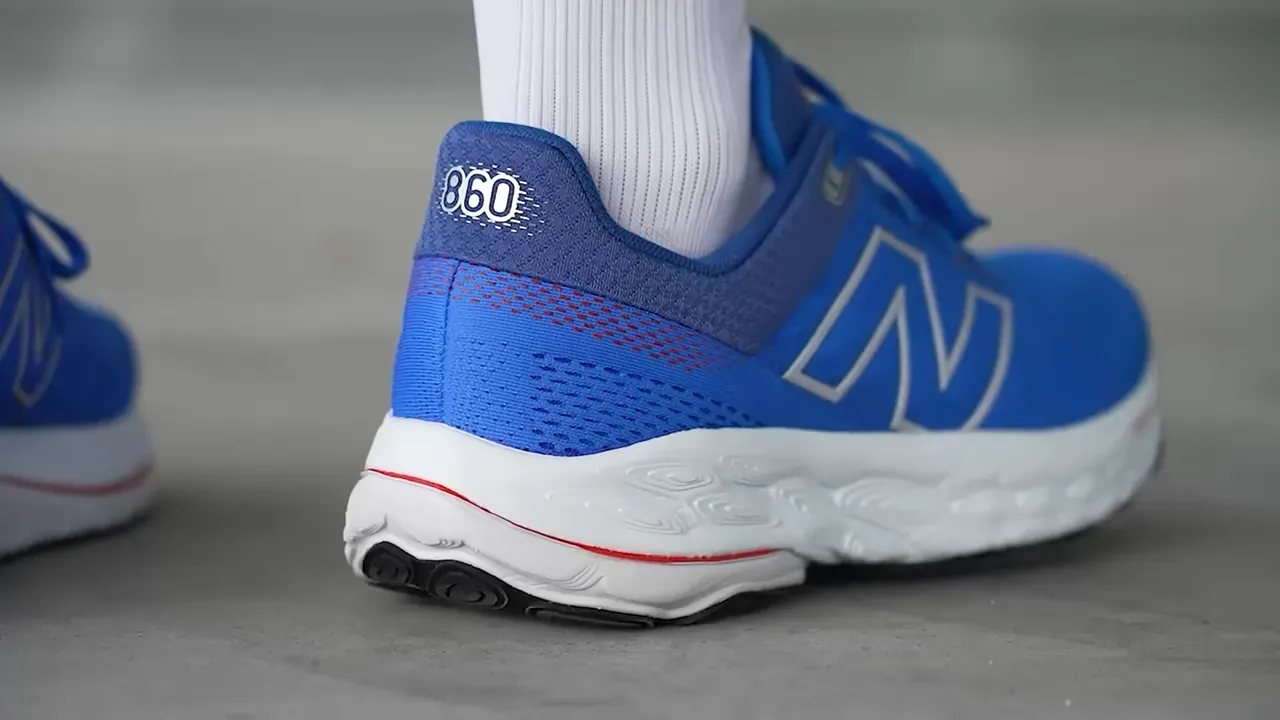
New Balance Mens Fresh Foam X 860 V14
Key tech: Fresh Foam midsole with a structured stability system for mild-to-moderate overpronation control.
Pros: Supportive without feeling heavy or rigid, excellent for flexible arches and overpronators.
Cons: Heavier than neutral models; not the best choice if you want minimal weight.
Who it suits: Walkers who need motion control and support for inward rolling but still want a plush ride. Helpful for long shifts or long-distance walking with flexible feet.
5. Hoka Arahi 8 — Lightweight stability
Overview: The Arahi 8 proves stability does not require a heavy chassis. Hoka’s J-Frame or H-frame support gives structure to the sole without firm foam, delivering controlled guidance in a light package.

Hoka Womens Arahi 8
Key tech: H-frame stability system paired with Hoka cushioning for support and lightness.
Pros: Lightweight but stable, gentle support for overpronation, comfortable daily trainer.
Cons: Stability is present but less aggressive than traditional heavy motion-control shoes; not for severe pronation without testing first.
Who it suits: Walkers who want guidance and a softer feel without the bulk—great for faster walkers and people who dislike heavy shoes.
4. Asics Gel-Cumulus 27 — Balanced neutral cushioning
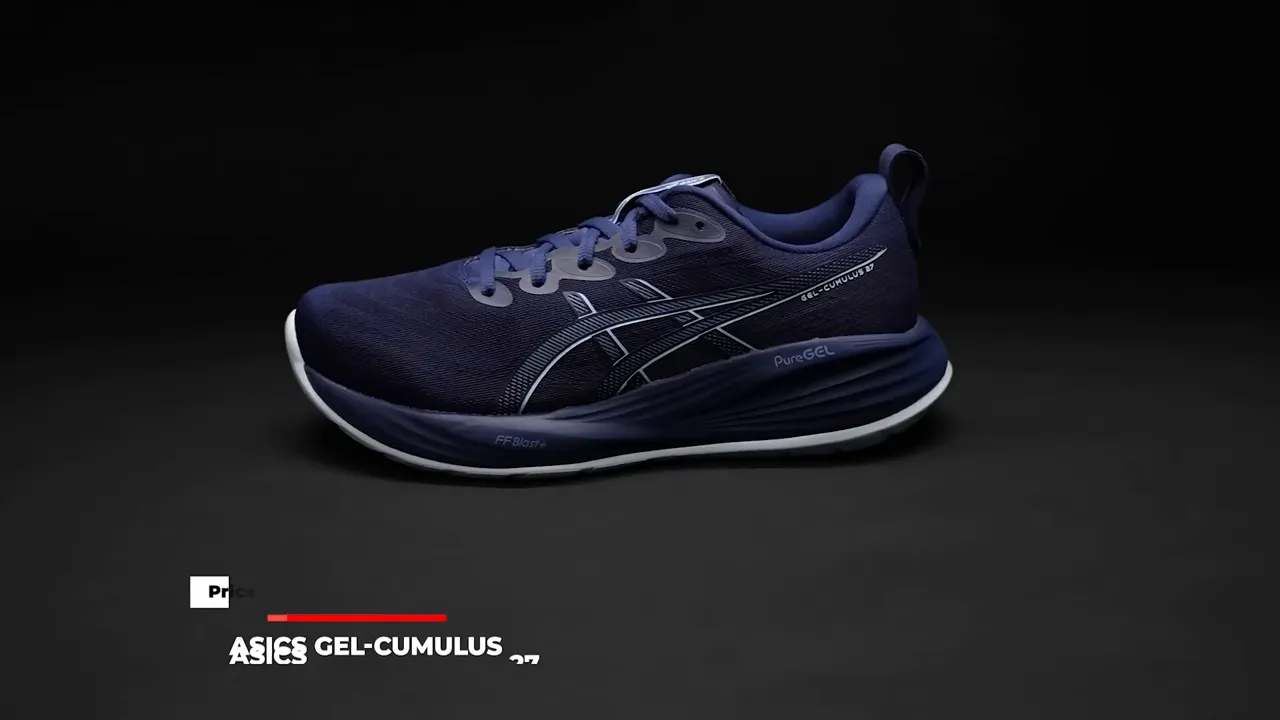
Overview: The Gel-Cumulus 27 walks the line between softness and responsiveness. Asics’ combination of FF Blast Plus foam and P-Run gel technology delivers a protective heel and a responsive toe-off.

ASICS Men’s Gel-Cumulus 27 Running Shoes
Key tech: FF Blast Plus foam, P-Run gel in the heel for added protection and energy return.
Pros: Well-balanced for daily use, secure fit, protective cushioning for medium to long walks.
Cons: Less plush than maximal cushion shoes, but delivers a lighter, livelier feel instead.
Who it suits: Neutral walkers who want a dependable daily shoe that handles a variety of terrains and paces.
3. On Cloud 6 — Swiss minimalism with a cushioned punch
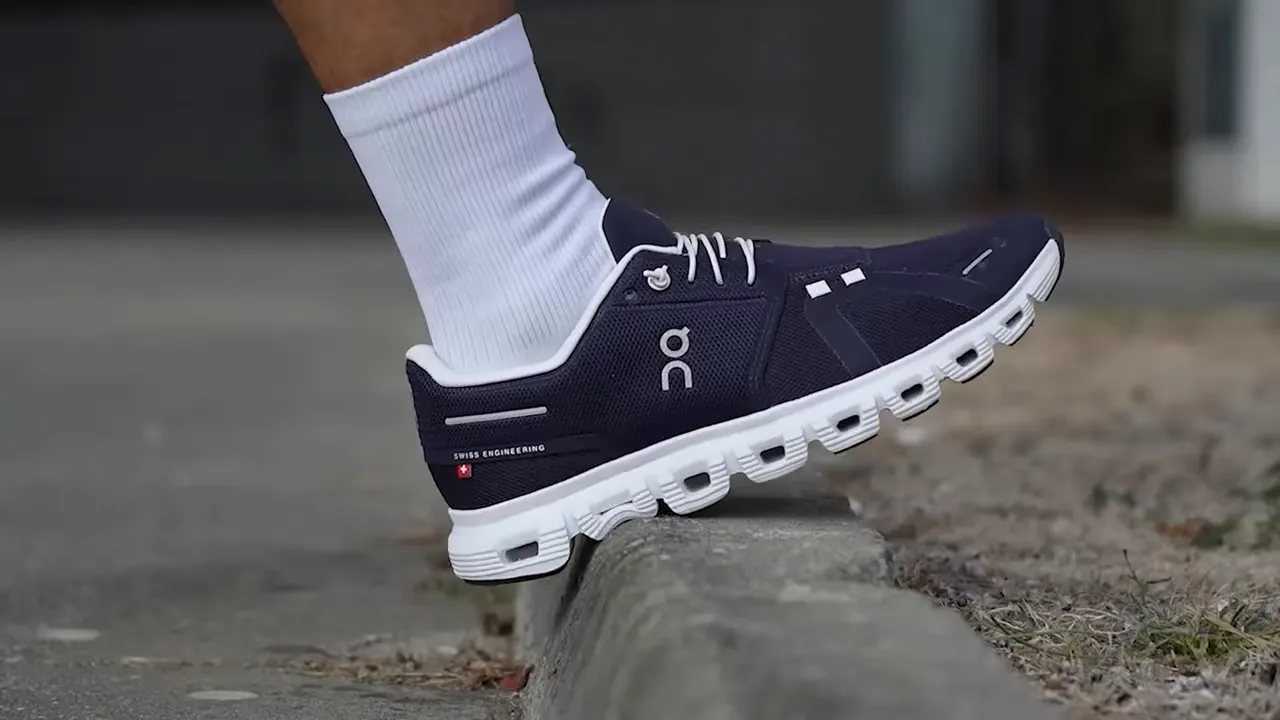
Overview: The On Cloud 6 is a masterclass in lightweight cushioning and design. Its CloudTec sole uses hollow pods and zero-gravity foam to create a responsive, airy ride that still protects the foot on everyday trips.
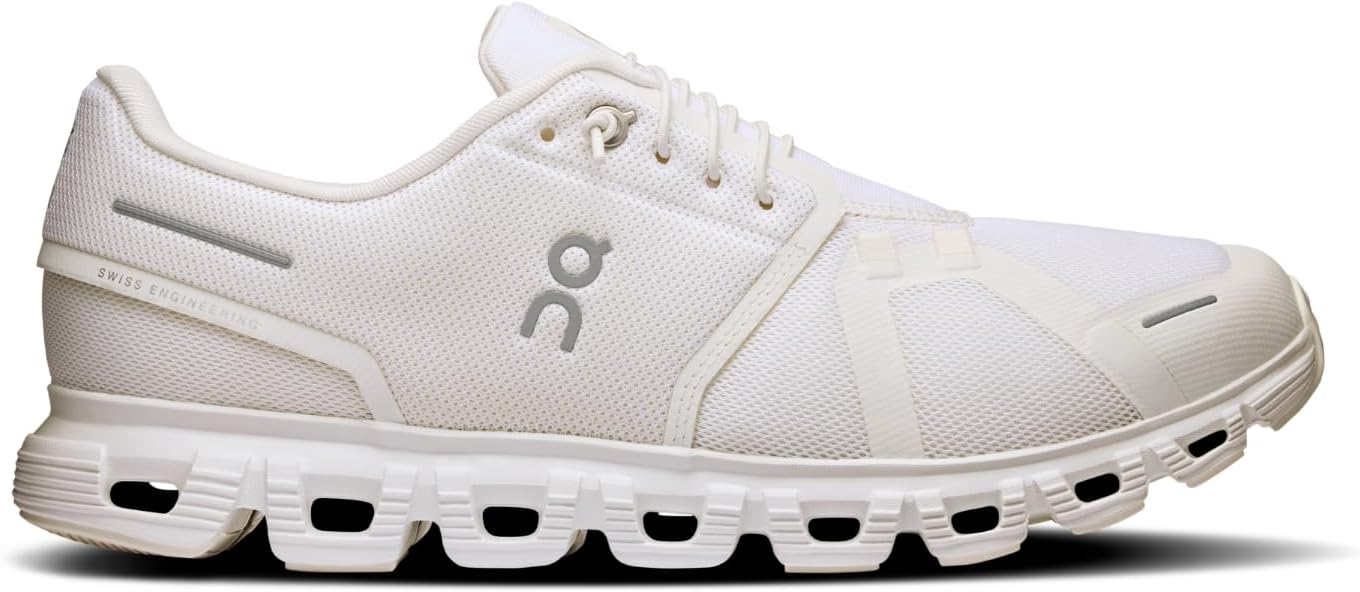
On Men’s Cloud 6 Sneakers
Key tech: CloudTec pods with zero-gravity foam, speed-lacing options, ultra-light construction.
Pros: Extremely light, fast to slip on and off, smart design that travels well.
Cons: Minimalist profile might lack the deep plush some walkers desire; not ideal for heavy shock absorption needs.
Who it suits: Minimalist fans, frequent travelers, and anyone who prioritizes lightness and nimbleness for city walking or quick errands.
2. Hoka Clifton 10 — The balanced all-rounder
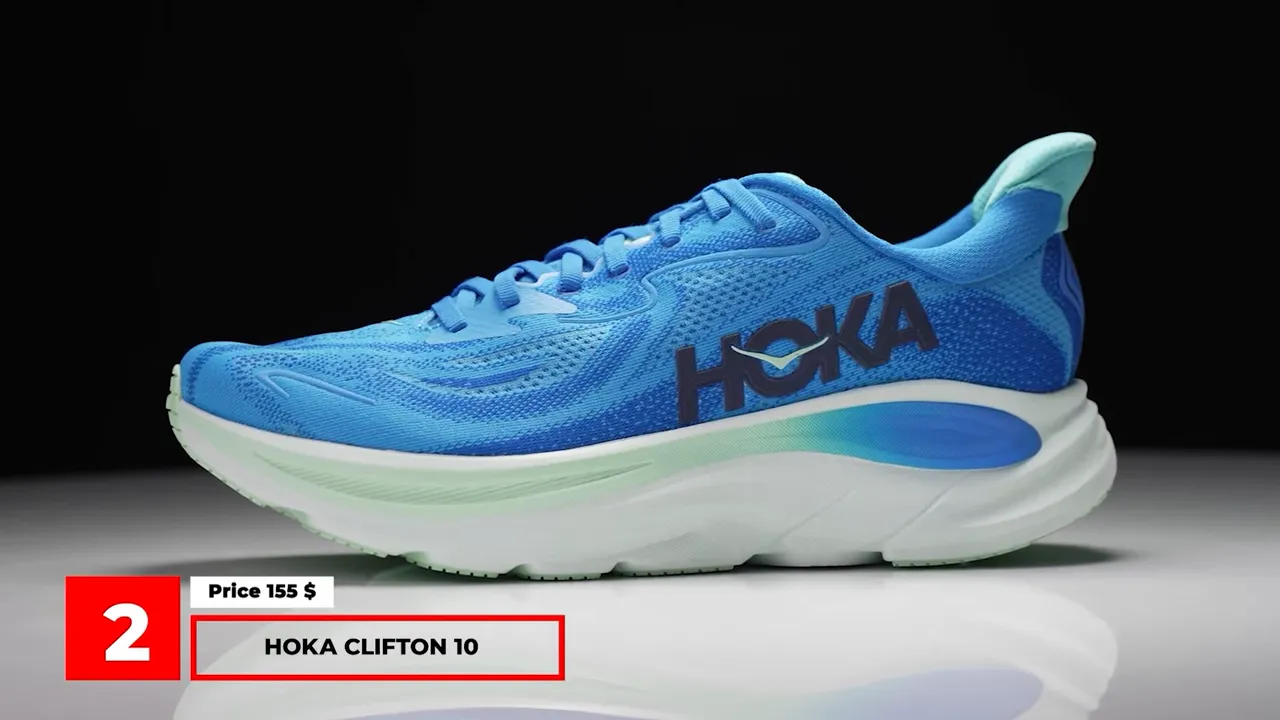
Overview: The Clifton 10 is Hoka’s go-to for people who want cushioning without the bulk. It finds a near-perfect harmony between high cushion and low weight. A slight rocker geometry smooths transitions and reduces fatigue on long walks.

Hoka Mens Clifton 10
Key tech: CM EVA midsole with increased underfoot foam, rocker geometry for smoother gait transitions.
Pros: High shock absorption with a surprisingly light feel, smooth stride, versatile for walking and travel.
Cons: May not offer enough motion control for severe overpronators; some may find the wide midsole takes a short break-in period.
Who it suits: Walkers who want a plush-yet-light daily shoe that covers training, travel, and commutes without feeling heavy.
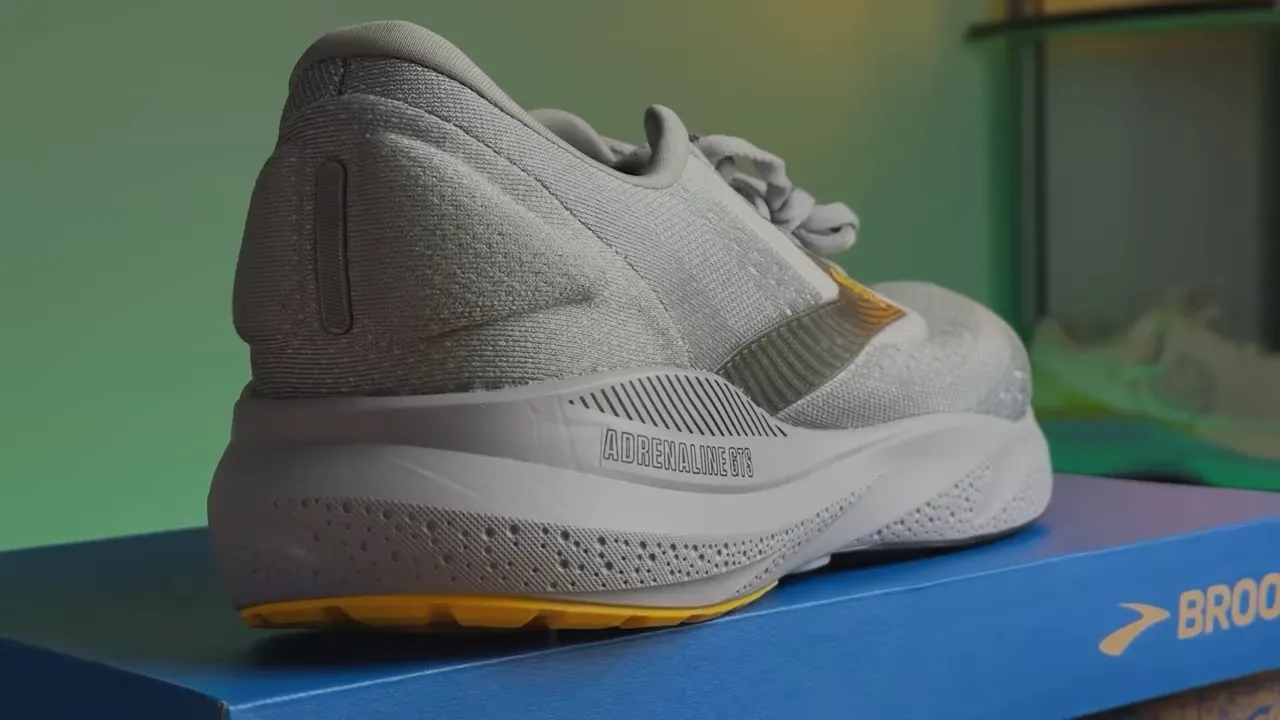
1. Brooks Adrenaline GTS 24 — The ultimate support and stability king
Overview: The Brooks Adrenaline GTS 24 earns the top spot because it blends effective support with everyday comfort. Brooks’ GuideRails system protects the knees and hips by limiting excessive movement, which reduces fatigue on long walks and extended standing.

Brooks Women’s Adrenaline GTS 24 Supportive Running Shoe
Key tech: GuideRails support system, DNA Loft v3 (or DNA Loft B3) midsole delivering a balance of softness and resilience.
Pros: Best-in-class gait guidance, excellent for overpronation, comfortable for prolonged walking and standing.
Cons: Slightly firmer than ultra-plush models; styling is function-first rather than fashion-first.
Who it suits: Walkers who need real structural support for knee and hip alignment, especially those who spend long hours on their feet or cover many miles each week.
How to choose the right shoe from the Top 10 Best Walking Shoes 2026
Start with how you move. If you walk briskly for fitness, prioritize responsiveness and a light ride. If you walk long distances or need recovery, go for maximal cushioning. If your feet roll inward, choose a stability shoe with targeted guidance. Style, fit, and weight matter too—if you commute or travel, a lighter, easier-to-wear shoe may serve better than the bulkiest cushion king.
- Neutral comfort: Brooks Ghost 17, Asics Gel-Cumulus 27, Hoka Clifton 10.
- Maximum plush: Hoka Bondi 9, Hoka Clifton 10 (balanced plush).
- Stability and gait guidance: Brooks Adrenaline GTS 24, New Balance 860v14, Hoka Arahi 8.
- City and travel: Hoka Transport, On Cloud 6, Nike Pegasus 41.
Fit tips and what to test when you try them on
Try shoes later in the day when feet are slightly swollen from activity. Wear the socks you normally walk in. Check for a thumb’s width of space at the toe box and make sure your heel locks without slipping. Walk on a variety of surfaces in-store if possible; heel-to-toe feel and arch support are what separates a “good” walk from a great one.
Common mistakes that ruin otherwise great shoes
- Choosing fashion over function. A shoe that looks good but doesn’t fit your gait will cause fatigue.
- Ignoring your foot type. Overpronators and supinators need different solutions—don’t assume neutral will work for every foot.
- Keeping shoes past their usable life. Even the best foam breaks down; replace shoes every 300 to 500 miles depending on use.
Where to buy
These models are widely available from brand retailers and major online stores. Look for retailers that offer easy returns and multiple width options, especially if you have wide or narrow feet. Try to test before you commit if possible; an online purchase with a flexible return policy is the next best thing.
Wrapping up my Top 10 Best Walking Shoes 2026
Walking is deceptively demanding—every step transmits forces several times your body weight through your feet and up the chain to your knees and hips. The Top 10 Best Walking Shoes 2026 list is about matching footwear to those demands. Whether you want maximal plush, energetic propulsion, or targeted stability, there is a shoe on this list built with that goal in mind.
I recommend the Brooks Adrenaline GTS 24 if you need the most reliable support and guidance. If you want the softest ride available for easy recovery miles, Hoka Bondi 9 is the go-to. For a versatile, lighter daily shoe that still offers plenty of cushion, Hoka Clifton 10 sits near-perfect in that sweet spot.
Frequently asked questions
How do I know if I need a stability shoe or a neutral shoe?
If your feet roll inward excessively when you walk or your shoes show wear on the inside edge of the outsole, you likely benefit from a stability shoe. If your gait is neutral and wear patterns are even, a neutral shoe will usually suffice. If you are unsure, try a stability model for a short walk and see if your knees and hips feel more supported.
Can I use walking shoes for standing all day?
Walking shoes are designed for dynamic movement and shock absorption. They can work well for standing, but prolonged static standing has different demands. If you stand for long shifts, look for shoes or insoles designed specifically for anti-fatigue support—those prioritize different pressure distribution than walking shoes.
How long do walking shoes typically last?
Expect most walking shoes to last between 300 and 500 miles, depending on walking surface, bodyweight, and shoe construction. Maximal cushion shoes may compress faster, while firmer stability shoes can sometimes last a bit longer. Replace them when midsole compression reduces comfort or support.
Are lightweight shoes always better for walking?
Not always. Lightweight shoes reduce fatigue for long distances and travel, but if you need cushioning or support, a slightly heavier shoe with better foam or stability features can be superior. Choose based on your priority: speed and minimalism or protection and support.
Which shoe from the Top 10 Best Walking Shoes 2026 is best for travel?
For travel, I usually recommend a lightweight and versatile shoe like the On Cloud 6 or Hoka Clifton 10. They pack easily, handle varied terrain, and offer enough comfort for long days on foot without the bulk of maximal cushion shoes.