Skip to content
 Affiliate disclosure: GearUpToFit may earn from qualifying purchases. Product relevance, fit, limitations and reader value—not commission rate—determine inclusion.
Who this is for—and who should skip it
Best for
buyers who want useful GPS, workouts, sleep and heart-rate trends while controlling cost.
Not the best fit for
athletes expecting premium mapping, laboratory accuracy or every flagship feature in a low-cost watch.
What budget smartwatches for fitness tracking means in this guide
A good budget fitness watch keeps the core workflow reliable—comfortable wear, readable data, stable GPS and a usable app—while omitting premium materials or advanced analytics.
The purpose of this budget smartwatches for fitness tracking page is to turn specifications and category labels into a decision a reader can explain. It does not assume that the newest, softest, most expensive or most feature-rich budget smartwatches for fitness tracking option is automatically better. The correct answer depends on the job, the non-negotiable limitations and what can be verified on the exact product or measurement being used.
Before narrowing budget smartwatches for fitness tracking to one answer, use the free GearUpToFit Watch Match tool and compare fitness-tracking watches by use case so that the purchase or training decision starts with the correct category rather than a popular model name.
Decision table: best choices by situation
| Option | Best role | Why it stands out | Choose it when | Skip it when |
|---|---|---|---|---|
| Amazfit Active Max | Best large-screen value | Long battery, bright display and broad feature set | General fitness users | Athletes needing the most mature training analytics |
| Garmin Forerunner 55 | Best simple running value | Clear run tracking and training suggestions | New runners | Users wanting AMOLED or maps |
| Garmin Forerunner 165 | Best discounted AMOLED runner | Strong run features and bright display | Regular runners who find a good sale | Users needing full maps or triathlon tools |
| Apple Watch SE | Best budget iPhone smartwatch | Apps, safety and phone integration | iPhone owners who charge often | Android users and battery-first buyers |
| Samsung Galaxy Watch previous generation | Best sale-value Android watch | Good apps and health ecosystem when discounted | Samsung and Android users | Multi-day battery seekers |
| Amazfit Bip family | Best basic battery option | Simple tracking and long battery | Walkers and first-time users | People needing advanced training |
Evidence, methodology and limitations
What to consider: supported phone, software support period, GPS quality, battery, case size, app usability, and replacement-band availability.
For budget smartwatches for fitness tracking, the editorial method separates advertised battery and sensor features from settings-dependent use. Phone compatibility, wrist fit, GPS environment, mapping, external-sensor support and regional software restrictions are purchase criteria rather than footnotes.
This budget smartwatches for fitness tracking guide is a research synthesis. It does not claim undocumented laboratory testing, mileage totals, participant data, clinical accuracy, or personal hands-on testing. Manufacturer specifications are used for identity and stated capabilities; practical recommendations are tied to the use cases and exclusions shown on this page. When model names, regional functions or marketplace variants differ, the exact part number and current manufacturer listing take priority.
The main limitation in a budget smartwatches for fitness tracking guide is measurement context. Wrist heart rate can lag during intervals, GPS changes with buildings and trees, battery depends on settings, and health features may be unavailable in some regions. Wearable data should guide trends, not replace medical diagnosis. These limits belong in the decision itself because they determine how confidently a reader can act.
Detailed recommendations and who each one suits
1. Amazfit Active Max — Best large-screen value
Why it made the list: Amazfit Active Max earns this role because long battery, bright display and broad feature set. In a budget smartwatches for fitness tracking comparison, that strength is useful only when it matches the reader’s primary job; popularity and launch recency are not enough.
Choose it when: General fitness users. In this budget smartwatches for fitness tracking guide, confirm phone ecosystem, wrist fit, GPS mode and battery settings before keeping it. A successful choice should remain comfortable and understandable after the novelty of the first session or first week has passed.
Skip it when: Athletes needing the most mature training analytics. For budget smartwatches for fitness tracking, that exclusion is not a minor disclaimer—it identifies the reader most likely to regret the purchase or underuse the feature set.
Closest decision fork for budget smartwatches for fitness tracking: Compare Amazfit Active Max with Garmin Forerunner 55. Choose between them by removing the option that fails a non-negotiable requirement first; use price only after both options can perform the same job.

Verified Amazon listing
Amazfit Active Max
A budget-friendly smartwatch featuring a large screen, long battery life, and broad fitness tracking modes.
Check current Amazon availability
Confirm selected size, color, seller and return terms before ordering.
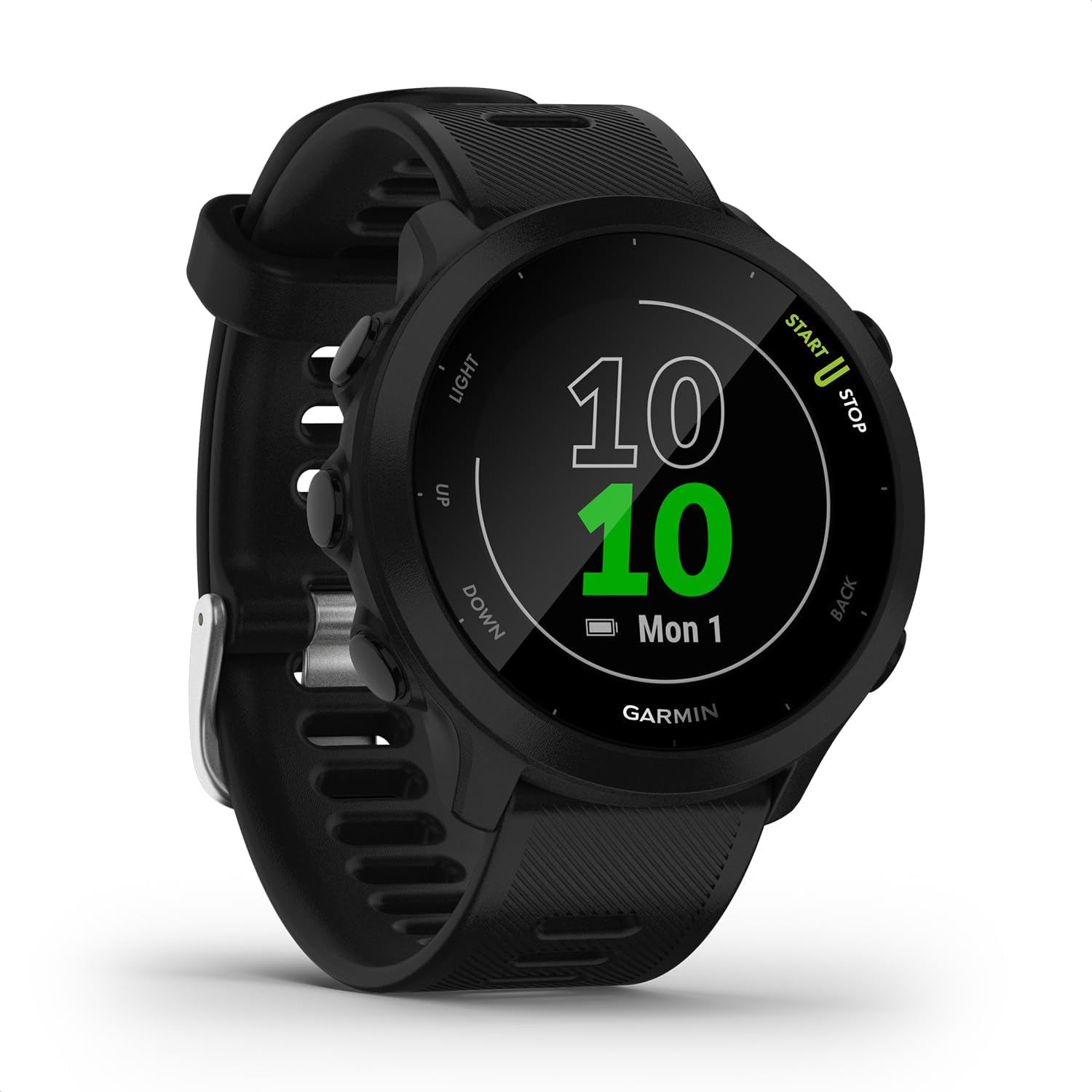
2. Garmin Forerunner 55 — Best simple running value
Why it made the list: Garmin Forerunner 55 earns this role because clear run tracking and training suggestions. In a budget smartwatches for fitness tracking comparison, that strength is useful only when it matches the reader’s primary job; popularity and launch recency are not enough.
Choose it when: New runners. In this budget smartwatches for fitness tracking guide, confirm phone ecosystem, wrist fit, GPS mode and battery settings before keeping it. A successful choice should remain comfortable and understandable after the novelty of the first session or first week has passed.
Skip it when: Users wanting AMOLED or maps. For budget smartwatches for fitness tracking, that exclusion is not a minor disclaimer—it identifies the reader most likely to regret the purchase or underuse the feature set.
Closest decision fork for budget smartwatches for fitness tracking: Compare Garmin Forerunner 55 with Garmin Forerunner 165. Choose between them by removing the option that fails a non-negotiable requirement first; use price only after both options can perform the same job.
Verified Amazon listing
Garmin Forerunner 55
A simple, run-focused GPS watch delivering clear tracking metrics and daily workout suggestions.
Check current Amazon availability
Confirm selected size, color, seller and return terms before ordering.
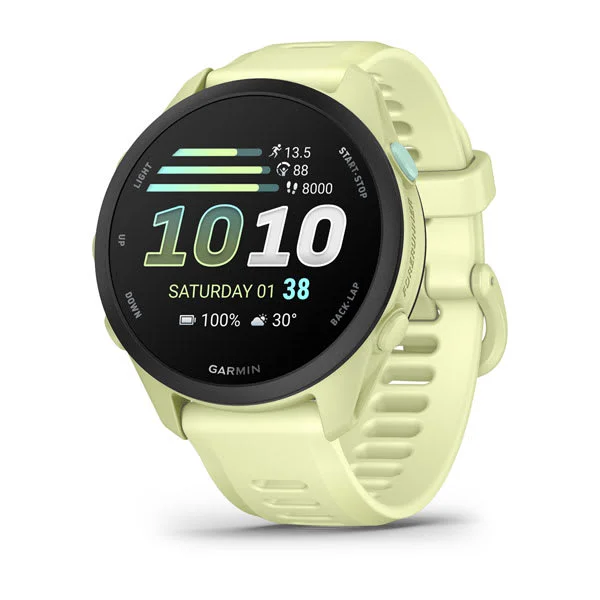
3. Garmin Forerunner 165 — Best discounted AMOLED runner
Why it made the list: Garmin Forerunner 165 earns this role because strong run features and bright display. In a budget smartwatches for fitness tracking comparison, that strength is useful only when it matches the reader’s primary job; popularity and launch recency are not enough.
Choose it when: Regular runners who find a good sale. In this budget smartwatches for fitness tracking guide, confirm phone ecosystem, wrist fit, GPS mode and battery settings before keeping it. A successful choice should remain comfortable and understandable after the novelty of the first session or first week has passed.
Skip it when: Users needing full maps or triathlon tools. For budget smartwatches for fitness tracking, that exclusion is not a minor disclaimer—it identifies the reader most likely to regret the purchase or underuse the feature set.
Closest decision fork for budget smartwatches for fitness tracking: Compare Garmin Forerunner 165 with Apple Watch SE. Choose between them by removing the option that fails a non-negotiable requirement first; use price only after both options can perform the same job.
Verified Amazon listing
Garmin Forerunner 165
A budget running watch with a bright AMOLED screen, structured workouts, and useful training analysis.
Check current Amazon availability
Confirm selected size, color, seller and return terms before ordering.
4. Apple Watch SE — Best budget iPhone smartwatch
Why it made the list: Apple Watch SE earns this role because apps, safety and phone integration. In a budget smartwatches for fitness tracking comparison, that strength is useful only when it matches the reader’s primary job; popularity and launch recency are not enough.
Choose it when: iPhone owners who charge often. In this budget smartwatches for fitness tracking guide, confirm phone ecosystem, wrist fit, GPS mode and battery settings before keeping it. A successful choice should remain comfortable and understandable after the novelty of the first session or first week has passed.
Skip it when: Android users and battery-first buyers. For budget smartwatches for fitness tracking, that exclusion is not a minor disclaimer—it identifies the reader most likely to regret the purchase or underuse the feature set.
Closest decision fork for budget smartwatches for fitness tracking: Compare Apple Watch SE with Samsung Galaxy Watch previous generation. Choose between them by removing the option that fails a non-negotiable requirement first; use price only after both options can perform the same job.

Verified Amazon listing
Apple Watch SE
The best budget watch for iPhone owners, offering essential smart features and accurate workout tracking.
Check current Amazon availability
Confirm selected size, color, seller and return terms before ordering.
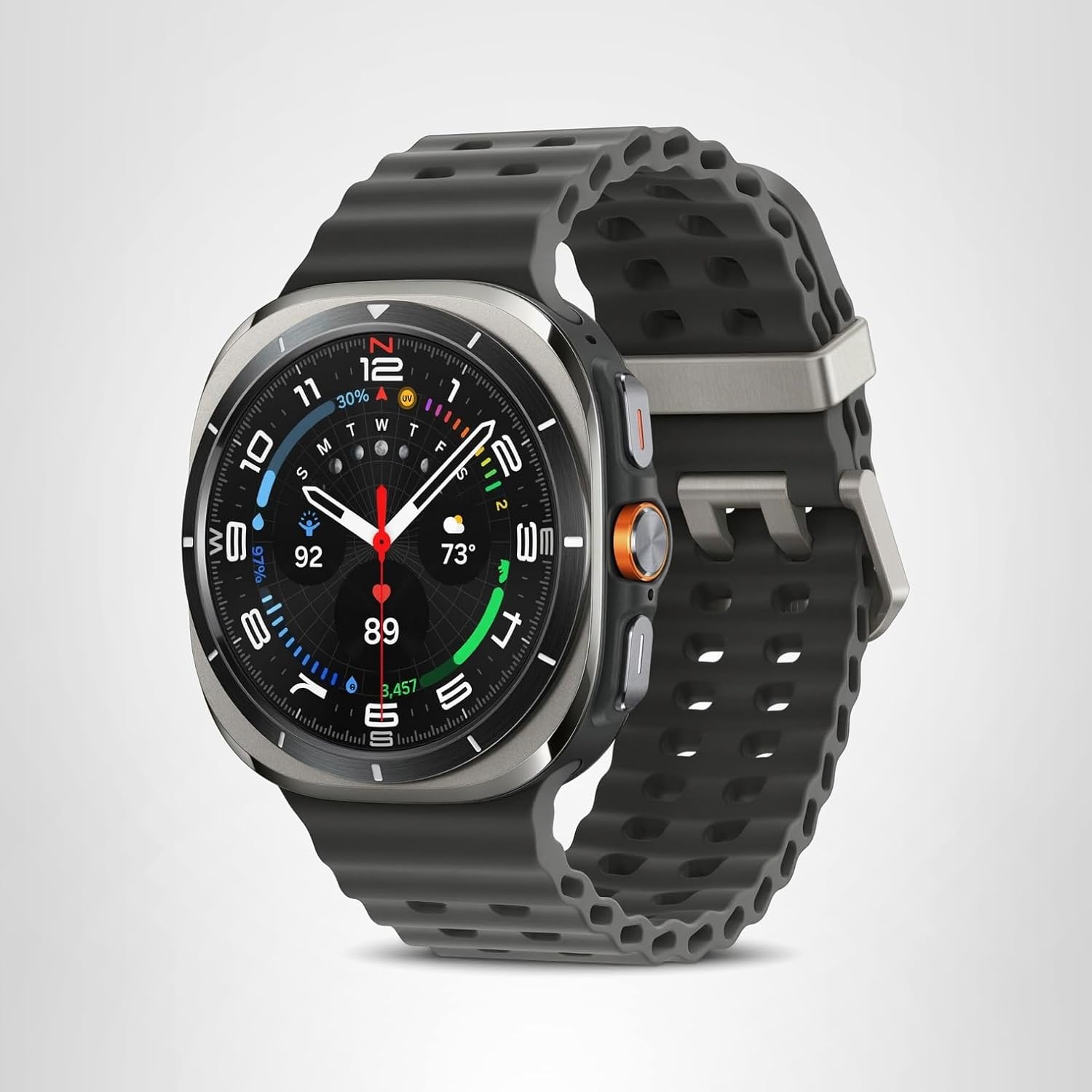
5. Samsung Galaxy Watch previous generation — Best sale-value Android watch
Why it made the list: Samsung Galaxy Watch previous generation earns this role because good apps and health ecosystem when discounted. In a budget smartwatches for fitness tracking comparison, that strength is useful only when it matches the reader’s primary job; popularity and launch recency are not enough.
Choose it when: Samsung and Android users. In this budget smartwatches for fitness tracking guide, confirm phone ecosystem, wrist fit, GPS mode and battery settings before keeping it. A successful choice should remain comfortable and understandable after the novelty of the first session or first week has passed.
Skip it when: Multi-day battery seekers. For budget smartwatches for fitness tracking, that exclusion is not a minor disclaimer—it identifies the reader most likely to regret the purchase or underuse the feature set.
Closest decision fork for budget smartwatches for fitness tracking: Compare Samsung Galaxy Watch previous generation with Amazfit Bip family. Choose between them by removing the option that fails a non-negotiable requirement first; use price only after both options can perform the same job.
Verified Amazon listing
Samsung Galaxy Watch 6
A feature-rich Android smartwatch providing excellent health ecosystem access when found on sale.
Check current Amazon availability
Confirm selected size, color, seller and return terms before ordering.
6. Amazfit Bip family — Best basic battery option
Why it made the list: Amazfit Bip family earns this role because simple tracking and long battery. In a budget smartwatches for fitness tracking comparison, that strength is useful only when it matches the reader’s primary job; popularity and launch recency are not enough.
Choose it when: Walkers and first-time users. In this budget smartwatches for fitness tracking guide, confirm phone ecosystem, wrist fit, GPS mode and battery settings before keeping it. A successful choice should remain comfortable and understandable after the novelty of the first session or first week has passed.
Skip it when: People needing advanced training. For budget smartwatches for fitness tracking, that exclusion is not a minor disclaimer—it identifies the reader most likely to regret the purchase or underuse the feature set.
Closest decision fork for budget smartwatches for fitness tracking: Compare Amazfit Bip family with Amazfit Active Max. Choose between them by removing the option that fails a non-negotiable requirement first; use price only after both options can perform the same job.
When the main trade-off in budget smartwatches for fitness tracking becomes clearer, compare smartwatches built for runners and compare GPS watches for first-marathon training for the next comparison that logically follows from the evidence above.

Verified Amazon listing
Amazfit Bip 5
An affordable, basic fitness tracker offering multi-day battery life and simple activity metrics.
Check current Amazon availability
Confirm selected size, color, seller and return terms before ordering.
Examples by situation
1. The safest starting point
Start with Amazfit Active Max when general fitness users. Its main advantage is long battery, bright display and broad feature set, but confirm fit, compatibility and the return policy before treating it as the default.
budget smartwatches for fitness tracking takeaway: This is the baseline case. Choose for the repeated weekly job first, because a product or method that works only for an occasional best-case scenario is unlikely to deliver good value.
2. When the top pick is the wrong pick
Move to Garmin Forerunner 55 when the first option’s limitation matches your use. It is better suited to new runners, while people who are users wanting amoled or maps should keep comparing.
budget smartwatches for fitness tracking takeaway: This situation introduces a trade-off. Decide which requirement is non-negotiable, remove the option that fails it and compare the remaining choices on comfort, usability and cost.
3. A value-focused decision
Use Garmin Forerunner 165 as the comparison point when value matters more than prestige. The relevant strength is strong run features and bright display; the trade-off is that it is less suitable for users needing full maps or triathlon tools.
budget smartwatches for fitness tracking takeaway: This is where context matters most. Test the exact setting described rather than assuming that success in a different workout, meal pattern or route will transfer automatically.
4. Conflicting needs
When comfort, price and performance point to different products, rank the criteria in this order for budget smartwatches for fitness tracking: safety and compatibility, fit or usability, the primary job, durability, then optional features.
budget smartwatches for fitness tracking takeaway: Use this as the fallback case. Start with the smallest reversible change and keep an alternative ready when the first choice creates new friction.
Step-by-step practical method
- Verify model identity: Match budget smartwatches for fitness tracking to the official part number, case size, display type and regional feature list.
- Pair and update: Use the intended phone, install current firmware and review permission settings before judging reliability.
- Configure battery variables: Choose always-on display, brightness, GNSS mode, notifications, music and health sampling before measuring battery.
- Record two GPS routes: Use one open route and one difficult route; compare track shape, laps and usability rather than chasing a perfect distance match.
- Check heart-rate context: Compare steady exercise and intervals, and use a chest strap when precision changes a training decision.
- Wear it overnight: Confirm case comfort, strap fit and whether sleep data is consistent enough to be useful as a trend.
- Review the first week: Keep the watch only when its data leads to clearer action and the ecosystem does not create daily friction.
Common mistakes and troubleshooting
1. Treating the number-one budget smartwatches for fitness tracking pick as universally best
Why this causes trouble with budget smartwatches for fitness tracking: It lets appearance, hype or a category label replace the test that matters for the primary job.
What to do instead: Repeat the fit check for budget smartwatches for fitness tracking with the exact socks, strap, orthotic or lacing setup. Do not solve pressure by adding excessive length or solve wrist movement by overtightening a sensor.
2. Comparing products designed for different jobs
Why this causes trouble with budget smartwatches for fitness tracking: It hides an early fit, compatibility or measurement problem until the return window or useful adjustment period has passed.
What to do instead: Reset the budget smartwatches for fitness tracking comparison to the exact model, phone and use case, then verify the feature in the current manufacturer documentation.
3. Ignoring fit, width, ecosystem or regional feature differences
Why this causes trouble with budget smartwatches for fitness tracking: It evaluates the choice in a setting it was not designed to handle, so the result says little about normal use.
What to do instead: Repeat the fit check for budget smartwatches for fitness tracking with the exact socks, strap, orthotic or lacing setup. Do not solve pressure by adding excessive length or solve wrist movement by overtightening a sensor.
4. Buying from a listing without checking the exact model and variant
Why this causes trouble with budget smartwatches for fitness tracking: It changes behavior around the product or metric instead of checking whether the product or metric supports the original plan.
What to do instead: Return to the primary job for budget smartwatches for fitness tracking. Remove any option that fails a must-have requirement, then compare total value; do not use launch date, award position or price as a substitute for suitability.
5. Keeping a product after the first meaningful warning sign
Why this causes trouble with budget smartwatches for fitness tracking: It treats one observation as a stable pattern and encourages a larger change than the evidence supports.
What to do instead: Reset the budget smartwatches for fitness tracking comparison to the exact model, phone and use case, then verify the feature in the current manufacturer documentation.
Frequently asked questions
What is the best budget smartwatches for fitness tracking overall?
Answer for budget smartwatches for fitness tracking: Amazfit Active Max is the strongest starting point for the use case described in the table, but the best choice changes when fit, budget, phone compatibility, training role or comfort priorities change.
Practical takeaway: Practical check: test budget smartwatches for fitness tracking with the exact socks, strap or orthotic you use and reject repeatable pressure, sliding or numbness.
How did you choose these budget smartwatches for fitness tracking recommendations?
Answer for budget smartwatches for fitness tracking: The shortlist was evaluated using supported phone, software support period, GPS quality, battery, case size, app usability, and replacement-band availability. Each product received a specific job plus explicit buy and skip conditions.
Practical takeaway: Practical check: test budget smartwatches for fitness tracking with the exact socks, strap or orthotic you use and reject repeatable pressure, sliding or numbness.
Should I choose the newest model?
Answer for budget smartwatches for fitness tracking: Not automatically. A newer model is worthwhile only when its changes solve a real problem for you. A discounted previous version can be the better purchase when fit and core performance remain suitable.
Practical takeaway: Value check: pay more for budget smartwatches for fitness tracking only when the added feature changes a repeated task, not because the model is newer.
How should I compare two close options?
Answer for budget smartwatches for fitness tracking: Compare them on the same primary task and remove any option that fails a non-negotiable requirement. Then use comfort, usability, durability and total cost to break the tie.
Practical takeaway: Final check: verify the exact budget smartwatches for fitness tracking model, input or context before applying this answer to your own decision.
Are online reviews enough to make the final decision?
Answer for budget smartwatches for fitness tracking: Reviews can narrow the field, but they cannot reproduce your body, phone, routes, climate, workday or training history. Use a return window and test the exact product in a realistic setting.
Practical takeaway: Final check: verify the exact budget smartwatches for fitness tracking model, input or context before applying this answer to your own decision.
How often should this guide be updated?
Answer for budget smartwatches for fitness tracking: A commercial guide should be reviewed whenever a major model changes, a product is discontinued, important software changes, or a retailer listing no longer matches the described item.
Practical takeaway: Final check: verify the exact budget smartwatches for fitness tracking model, input or context before applying this answer to your own decision.
Can the most expensive option still be poor value?
Answer for budget smartwatches for fitness tracking: Yes. Price is justified only when the added features improve the task you actually perform. Paying for unused sensors, premium materials or specialist geometry reduces value.
Practical takeaway: Value check: pay more for budget smartwatches for fitness tracking only when the added feature changes a repeated task, not because the model is newer.
What should I verify before using an Amazon link?
Answer for budget smartwatches for fitness tracking: Confirm the exact model name, generation, size or width, color, seller, return policy and final price. Amazon may group multiple variants on one parent listing, so the selected option matters.
Practical takeaway: Final check: verify the exact budget smartwatches for fitness tracking model, input or context before applying this answer to your own decision.
After applying the checks in this budget smartwatches for fitness tracking guide, compare GPS watches for first-marathon training to continue through the GearUpToFit decision path without restarting the research process.
Sources, editorial note and review date
Best Budget Smartwatches for Fitness Tracking Without Flagship Prices was reviewed on 2026-07-10. The page uses the sources below for product identity, formulas or topic context. Specifications, software, marketplace variants and availability can change; health and nutrition information is educational and does not replace individualized care.
Editorial accountability for Best Budget Smartwatches for Fitness Tracking Without Flagship Prices: Written by Alexios Papaioannou and reviewed under the GearUpToFit Editorial Review process. Corrections should identify the exact sentence, source and current product or clinical context.