Skip to content

What is Best Manuka Honey?
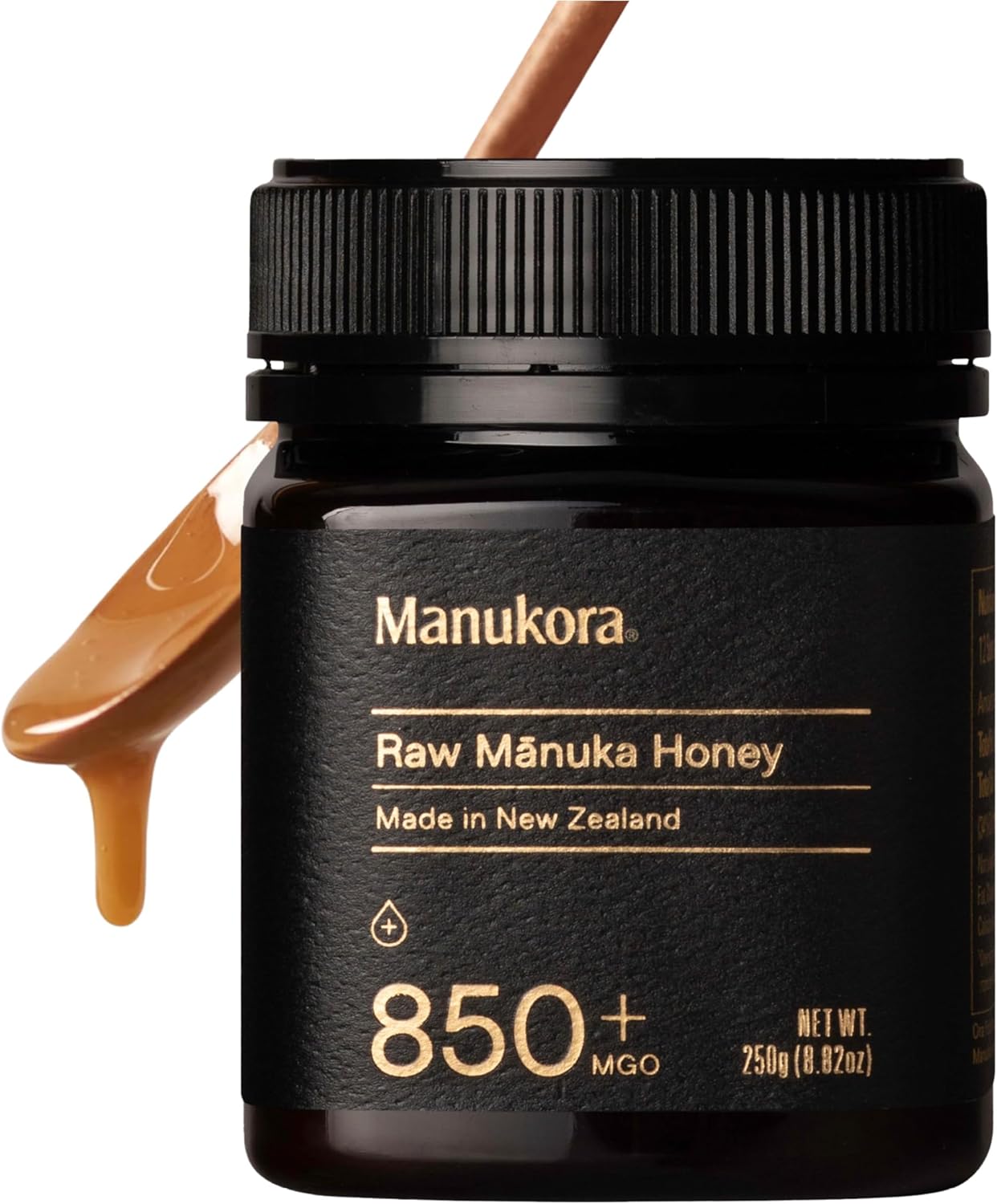
Manuka honey isn’t your average grocery store honey. This dark, thick honey comes from bees that pollinate the Manuka bush (Leptospermum scoparium) native to New Zealand and Australia. What makes it special? The high concentration of methylglyoxal (MGO) – the compound responsible for its powerful antibacterial properties.
The story starts with Dr. Peter Molan in the 1980s. He discovered that Manuka honey had unique healing properties beyond regular honey. Fast forward to today, and it’s become a premium product with strict grading systems to verify authenticity.
Real talk: not all Manuka honey is created equal. The grading systems – UMF (Unique Manuka Factor) and MGO – tell you exactly how potent the honey is. Higher numbers mean stronger antibacterial activity. A UMF 5+ might be fine for daily consumption, while UMF 20+ is medical-grade stuff.
“Data doesn’t lie — but it does require the right context to be useful.”
Look, I’ll be honest – the price tag can be shocking. We’re talking $30 for a small jar of the basic stuff, and $150+ for the high-grade medical versions. But here’s the thing: people pay for results. Whether it’s healing wounds, fighting infections, or just boosting immunity, Manuka honey delivers where regular honey doesn’t. You might also find our resource on Best Manuka Honey helpful.
Always check for certification marks on the label. Genuine Manuka honey will have either UMFHA (Unique Manuka Factor Honey Association) or MGO certification from New Zealand. Related reading: Vegetarian Protein Sources Effective Ways To Get.
Best Manuka Honey Features Comparison
Choosing the right Manuka honey comes down to understanding what those numbers on the label actually mean. Let me break it down for you.
The UMF rating system measures multiple compounds: MGO (methylglyoxal), DHA (dihydroxyacetone), and leptosperin. A UMF 5+ is considered table grade – good for daily consumption. UMF 10+ is antibacterial grade. UMF 15+ and above enters therapeutic territory. UMF 20+ and higher? That’s medical-grade honey used in hospitals.
MGO ratings work differently but correlate to UMF. MGO 83+ roughly equals UMF 5+. MGO 263+ is about UMF 10+. MGO 514+ matches UMF 15+. MGO 829+ is UMF 20+. The higher the number, the stronger the antibacterial punch.
“The difference between good and great often comes down to the details most people overlook.”
Texture matters too. High-grade Manuka honey is thick, almost gel-like. It shouldn’t pour easily – it should slowly ooze. The color ranges from dark cream to dark brown. And that distinctive earthy, slightly bitter taste? That’s the Manuka signature. If it tastes like regular honey, something’s off. Learn more in our detailed breakdown of The Best Ways To Get The Most Out Of Leg Day.
Packaging plays a role in preservation. Dark glass jars protect the honey from light degradation. Some premium brands use Miron violet glass – supposedly the best for preserving bioactive compounds. Plastic containers are cheaper but can affect quality over time.
Rating Systems Explained
UMF (Unique Manuka Factor) is the gold standard. It’s a trademarked system that guarantees the honey contains the unique Manuka markers. Only licensed producers can use the UMF mark. The rating starts at 5+ and goes up to 20+ and beyond.
MGO (Methylglyoxal) is simpler – it just measures the concentration of the main antibacterial compound. MGO 100+ means 100mg of MGO per kilogram of honey. But here’s the catch: MGO alone doesn’t guarantee other beneficial compounds are present.
Some brands use DHA (Dihydroxyacetone) ratings. DHA converts to MGO over time, so young honey might have high DHA but low MGO. It’s like buying green bananas – they’ll ripen, but you want them ripe now.
Then there’s KFactor, used by Wedderspoon. It measures pollen count and purity but doesn’t directly measure antibacterial activity. It’s more about authenticity than potency.
Quality Markers to Look For
Certification is non-negotiable. Look for UMFHA license number on the label. Check if the batch number can be traced on the producer’s website. Genuine Manuka honey from New Zealand will have traceability from hive to jar.
The texture test: real high-grade Manuka honey is thixotropic – it firms up when still and softens when stirred. Try the water test: drop a spoonful in water. Pure Manuka will hold its shape longer than regular honey. We cover this in more detail in How To Live Longer Ways To Increase Your Life Expectancy.
Price is actually a quality indicator. If you see “Manuka honey” for $10 a jar, it’s either fake or so low-grade it might as well be regular honey. Genuine UMF 15+ costs $60-100 for a small jar. That’s just the reality.
Origin matters. New Zealand produces about 1,700 tons of genuine Manuka honey annually. Australia produces another 1,800 tons. Yet global sales claim 10,000+ tons. Do the math – a lot of “Manuka honey” isn’t the real deal.
Pros and Cons of Best Manuka Honey
Let’s get real about what you’re actually getting into with Manuka honey. The benefits are impressive, but there are some downsides you need to know about.
The antibacterial properties are the main selling point. We’re talking about honey that can fight MRSA, H. pylori, and other nasty bacteria that laugh at antibiotics. The MGO compound disrupts bacterial cell walls – it’s like sending microscopic wrecking balls into bacterial colonies.
Wound healing is another major benefit. Medical-grade Manuka honey is used in hospitals for burns, ulcers, and surgical wounds. It creates a protective barrier, reduces inflammation, and promotes tissue regeneration. Some studies show it can speed healing by 50-70% compared to standard dressings.
For digestive health, Manuka honey can help with H. pylori infections (a common cause of ulcers), IBS symptoms, and general gut inflammation. The antibacterial action combined with prebiotic effects makes it a gut health powerhouse.
📋 Quick Summary
The bottom line? Focus on the fundamentals first, then optimize for advanced techniques once you’ve built a solid foundation.
But here’s what they don’t tell you: the taste is an acquired thing. It’s earthy, medicinal, and can be quite bitter, especially the high-grade stuff. If you’re expecting sweet, floral honey, you’ll be disappointed.
The price is the biggest con. We’re talking premium pricing for a food item. A 250g jar of UMF 15+ can cost $80-100. That’s $320-400 per kilogram. For comparison, premium regular honey costs about $50-80 per kilogram.
There’s also the authenticity issue. With Manuka honey being one of the most counterfeited food products globally, you need to be careful about where you buy. That cheap “Manuka honey” on Amazon? Probably not the real deal.
“Manuka honey’s unique antibacterial properties come from its high methylglyoxal content, which is up to 100 times higher than regular honey. This makes it particularly effective against antibiotic-resistant bacteria.”
Health Benefits Breakdown
Let’s talk about what the science actually says. Multiple studies have shown Manuka honey’s effectiveness against H. pylori, the bacteria responsible for most stomach ulcers. One study found that Manuka honey at UMF 12+ eradicated H. pylori in 84% of cases.
For wound care, the evidence is solid. A 2026 meta-analysis of 27 studies found that honey dressings (mostly Manuka) reduced healing time by an average of 4 days compared to standard care. The antibacterial effect continues working even when diluted by wound exudate.
Sinus infections? Manuka honey nasal rinses have shown promise in small studies. The antibacterial action helps clear chronic sinusitis, especially when standard treatments fail. Some ENT specialists now recommend it as an adjunct therapy.
But wait – before you start slathering Manuka honey on everything, know this: high-grade Manuka honey (UMF 15+) can cause temporary blood sugar spikes. If you’re diabetic, start with small amounts and monitor your response. The benefits might outweigh the risks, but you need to be smart about it. For a deeper dive, check out our guide on Everything You Need To Know About Leptin And Weight Loss.
Potential Drawbacks
The cost-to-benefit ratio is the main issue for most people. Are you really getting $80 worth of benefit from a jar of honey? For therapeutic use, maybe yes. For general wellness? Probably not.
Allergies can be a problem. If you’re allergic to bees or pollen, Manuka honey can trigger reactions. Start with a tiny amount and watch for symptoms like itching, swelling, or difficulty breathing.
Drug interactions are possible. Manuka honey can enhance the effects of certain antibiotics, which sounds good but can lead to unexpected side effects. If you’re on medication, check with your doctor before using therapeutic-grade Manuka honey.
The environmental impact is worth considering. Manuka honey production requires specific conditions – native bush, healthy bee populations, and sustainable harvesting practices. Not all producers follow these principles.
Never give any honey to infants under 12 months due to botulism risk. The spores can survive in honey and cause serious illness in babies.
Top Alternatives to Best Manuka Honey
Manuka honey isn’t the only game in town. Several alternatives offer similar benefits at different price points. Let’s explore your options.
Regular raw honey is the obvious first alternative. While it doesn’t have Manuka’s specific antibacterial punch, quality raw honey still offers antimicrobial properties, antioxidants, and wound healing benefits. The key is “raw” – processed honey loses most of its beneficial compounds during heating.
Sidr honey from Yemen is sometimes called “Middle Eastern Manuka.” It comes from the Sidr tree and has potent antibacterial properties. The grading system is less standardized, but high-quality Sidr honey can rival mid-grade Manuka in effectiveness.
Jarrah honey from Australia is another strong contender. It has high TA (Total Activity) ratings and contains hydrogen peroxide, which provides antibacterial action. Some studies suggest Jarrah honey may be even more effective than Manuka against certain bacteria. You might also find our resource on Fun Ways You Can Be More Active This Year helpful.
📌 Important Note
Don’t skip this step — it’s one of the most common mistakes that leads to subpar results.
For wound care specifically, medical-grade honey products are worth considering. These are standardized, sterile preparations of various honey types, often blended for optimal antibacterial activity. They’re regulated as medical devices, so you know exactly what you’re getting. For practical examples, see What Is The Best Time To Eat Flaxseed For Weight Loss.
Royal jelly and propolis are bee products with different benefits. Royal jelly is more about immune support and skin health, while propolis is a powerful antimicrobial agent used in tinctures and extracts. Neither replaces Manuka honey but can complement it.
Raw Honey Comparison
Not all raw honey is equal. Buckwheat honey has high antioxidant levels and dark color similar to Manuka. It’s more affordable and widely available but lacks the specific MGO compound.
Acacia honey is light and mild – almost the opposite of Manuka. It’s great for daily consumption but doesn’t offer the same therapeutic benefits. Think of it as the daily driver versus Manuka’s specialized sports car.
Wildflower honey varies by region and season. Local raw wildflower honey can help with seasonal allergies through gradual exposure to local pollen. It’s more about prevention than treatment.
The processing method matters more than the flower source for most benefits. Honey that’s been heated above 118°F loses enzymes and antioxidants. Look for “raw” and “unfiltered” on the label, regardless of the type.
Medical Honey Products
Medihoney is the most well-known medical honey brand. They use standardized blends of honey with guaranteed antibacterial activity. It’s used in hospitals worldwide for wound care and burns.
These products undergo gamma irradiation to ensure sterility while preserving antibacterial properties. They’re regulated as medical devices, so they meet strict quality standards. The downside? They’re even more expensive than high-grade Manuka honey.
Algivon is another medical honey product, using Manuka honey in alginate dressings. The honey is impregnated into seaweed-based fibers that conform to wound shape. It’s particularly effective for deep wounds and ulcers.
For home use, look for medical-grade honey dressings available online. These are sterile, ready-to-use, and specifically formulated for wound care. They’re easier to apply than straight honey and less messy.
Best Manuka Honey Pricing
Let’s talk money. Manuka honey pricing follows a clear pattern: the higher the grade, the higher the price. But there’s more to it than just the UMF or MGO number.
UMF 5+ to UMF 10+ (MGO 83+ to 263+): $30-60 for 250g. This is entry-level Manuka honey. Good for daily consumption, adding to tea, or general wellness. The antibacterial activity is present but not therapeutic strength.
UMF 12+ to UMF 15+ (MGO 354+ to 514+): $60-100 for 250g. This is the sweet spot for most people. Strong enough for therapeutic use – wound care, digestive issues, immune support – without breaking the bank completely.
UMF 16+ to UMF 20+ (MGO 572+ to 829+): $100-150 for 250g. Medical-grade territory. Used for serious wounds, chronic infections, or when standard treatments aren’t working. Most people don’t need this strength for general use.
🔑 Key Insight
Understanding this concept is what separates beginners from experts in this field.
UMF 20+ and above (MGO 829+ and higher): $150+ for 250g. This is the premium stuff. Used in clinical settings, for severe burns, or by people with serious health conditions. The price reflects both rarity and potency.
Size affects pricing too. Larger jars usually offer better value per gram, but the high cost means most people buy smaller sizes. A 500g jar might cost only 1.8x what a 250g jar costs, but that’s still $180 for mid-grade honey.
Brand premiums exist. Well-known brands like Comvita, Manuka Health, and Wedderspoon charge more than smaller producers. Sometimes you’re paying for marketing, sometimes for consistent quality. Research the brand’s reputation before paying top dollar.
Price Per Gram Analysis
Breaking it down to price per gram helps compare value. UMF 5+ might cost $0.12 per gram. UMF 10+ jumps to $0.20 per gram. UMF 15+ hits $0.32 per gram. UMF 20+ can reach $0.48 per gram or higher.
Is the jump from UMF 10+ to UMF 15+ worth double the price per gram? For therapeutic use, probably yes. The antibacterial activity increases exponentially, not linearly. But for daily consumption, UMF 10+ might give you 80% of the benefits for 60% of the price.
Watch for sales and bulk discounts. Some retailers offer 10-15% off when buying multiple jars. Given Manuka honey’s long shelf life (5+ years when stored properly), buying in bulk can save significant money.
Subscription services exist for regular users. Companies like Manuka Health offer subscription discounts of 10-20%. If you use it daily for health reasons, this can add up to substantial savings over time.
Where to Buy and Price Differences
Direct from New Zealand producers often offers the best prices. Companies like Manuka Health, Comvita, and New Zealand Honey Co sell directly to consumers with shipping to most countries. You cut out the middleman markup. We cover this in more detail in The Best Sports To Play For A Good Workout.
Amazon and other marketplaces vary wildly in pricing. Some sellers offer genuine products at competitive prices, others sell counterfeits or misrepresent grades. Check seller ratings and verify certification before buying.
Health food stores typically charge 20-30% more than online prices. The convenience of immediate purchase and expert advice might justify the markup for some buyers, but price-conscious shoppers should compare online first.
Specialty honey shops sometimes offer tasting samples and expert guidance. While prices might be higher, you get the benefit of trying before buying and learning about different grades and uses.
Best Manuka Honey Cost
The true cost of Manuka honey goes beyond the price tag. Let’s break down the complete picture of what you’re really paying for.
Initial purchase cost is just the start. A 250g jar of UMF 15+ at $80 might seem expensive, but consider the concentration. You typically use 1-2 teaspoons (5-10g) per serving. That’s 25-50 servings per jar, or $1.60-3.20 per serving.
Compare that to supplements. A month’s supply of high-quality probiotics might cost $30-50. Manuka honey at therapeutic doses could cost similar amounts but offers broader benefits – not just gut health, but also immune support, wound healing, and antibacterial properties. Learn more in our detailed breakdown of What Are The Health Benefits Of Honey.
Storage costs are minimal but worth noting. Manuka honey should be kept below 77°F and away from direct sunlight. That might mean dedicated pantry space or refrigeration in hot climates. The cost is negligible but part of the total ownership cost.
Pro Tip
Keep this principle in mind as you implement these strategies — consistency beats perfection every time.
Shipping adds significant cost for international buyers. A $80 jar might cost $100-120 with shipping from New Zealand. Some companies offer free shipping over certain order values, making bulk purchases more economical despite the higher upfront cost.
The opportunity cost matters too. Money spent on Manuka honey isn’t available for other health investments. If you’re on a tight budget, you might need to prioritize – is Manuka honey the best use of your health dollars? Related reading: What Is The Best Method To Burn Fat.
Long-term cost savings can offset the high price. If Manuka honey helps you avoid antibiotics for recurrent infections, that’s hundreds of dollars in medical savings. If it speeds wound healing and reduces doctor visits, the ROI improves dramatically.
Cost Per Use Calculation
Let’s do the math. Therapeutic use typically requires 2-3 teaspoons daily (10-15g). At $0.32 per gram for UMF 15+, that’s $3.20-4.80 per day, or $96-144 per month.
For wound care, you might use more – 1-2 tablespoons (15-30g) per application. If treating a wound twice daily, that’s $9.60-19.20 per day. Expensive, yes, but potentially cheaper than prescription treatments and doctor visits.
Daily maintenance doses are lower – 1 teaspoon (5g) per day. That’s $1.60 daily, or $48 monthly. Compare that to your daily coffee habit or other wellness supplements.
The key is matching the grade to the use. Don’t use UMF 20+ for daily maintenance when UMF 10+ would suffice. Save the expensive stuff for when you really need the extra potency.
Value Proposition Analysis
Value isn’t just about price per gram. It’s about results per dollar. If Manuka honey prevents one costly infection or speeds healing of a chronic wound, it pays for itself many times over.
Consider the convenience factor. A jar of Manuka honey in your pantry is immediately available for various uses – sore throat, minor cuts, digestive issues. That versatility adds value beyond the specific antibacterial properties.
The placebo effect is real and valuable. If using Manuka honey makes you feel better and improves your quality of life, that’s worth something. Just be honest about whether the benefits are physiological or psychological.
Environmental and ethical considerations factor into value. Supporting sustainable beekeeping and New Zealand’s indigenous communities adds intangible value for many buyers. You’re not just buying honey; you’re supporting a ecosystem.
Frequently Asked Questions
FAQ
What will I learn?
This guide covers Best Manuka Honey: Top Picks for 2026 – Expert Reviews. Read for detailed advice.
Is this up to date?
Yes, updated with the latest 2026 information.