Skip to content
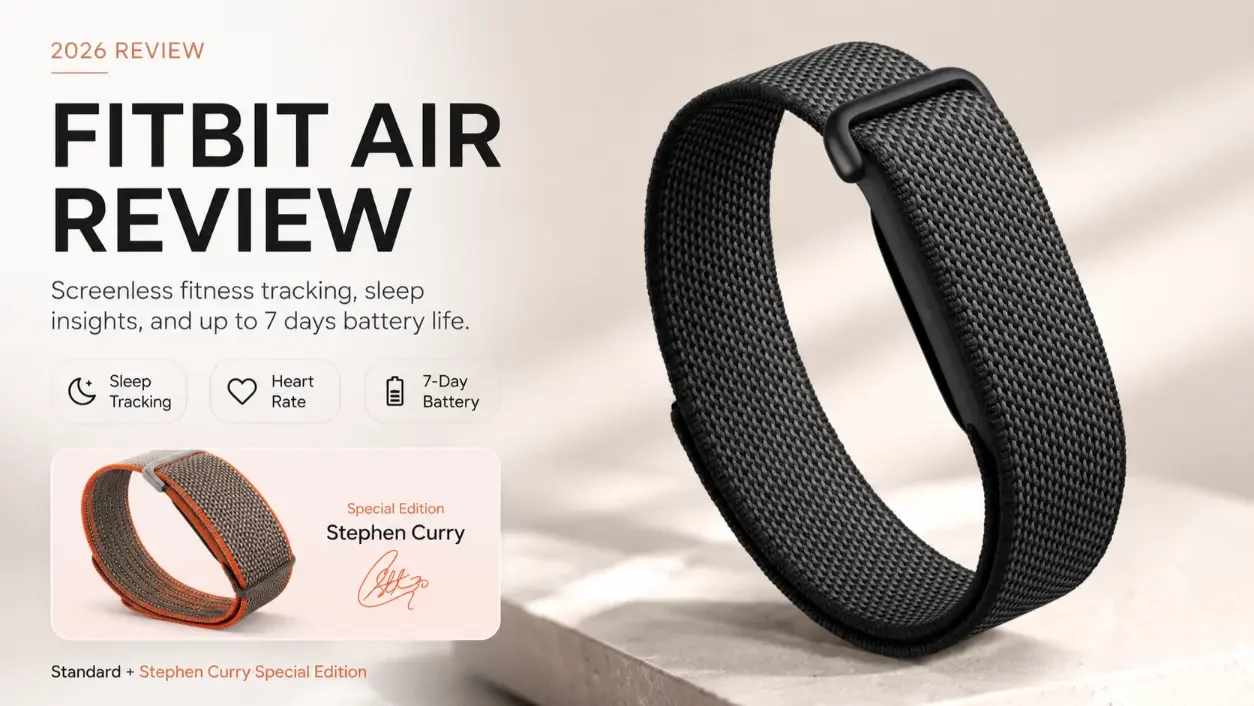
 Fitbit Air is Google’s new screenless activity tracker for people who want sleep tracking, heart-rate trends, activity data, recovery insights, and AI-powered coaching without wearing another tiny phone on their wrist. This review explains who should buy it, who should skip it, how accurate the promise looks, and whether it is the right fitness tracker for weight loss, sleep, and everyday health.
Quick verdict: should you buy Fitbit Air?
Fitbit Air is worth buying if you want a comfortable, low-distraction fitness tracker for daily activity, heart rate, sleep, recovery trends, and app-based coaching. It is not the best choice if you need a screen, smartwatch apps, built-in GPS maps, music controls, or live workout stats on your wrist.
Think of Fitbit Air as a health-awareness band, not a full sports watch. It is designed for people who want to improve consistency, understand their sleep, move more, and build better habits without obsessing over every notification.
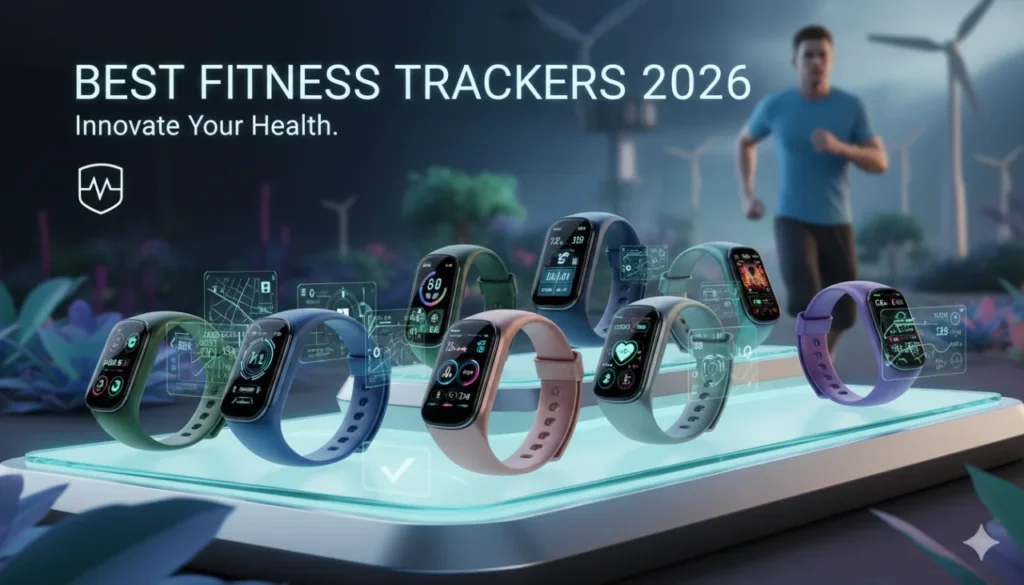
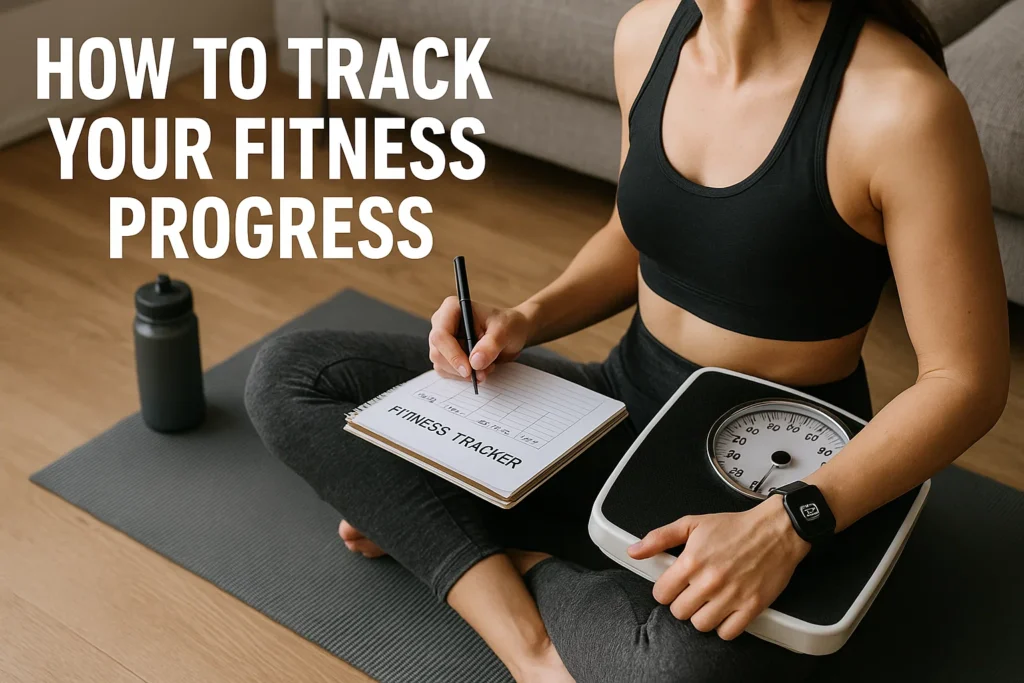
If you want a traditional tracker with a display, start with our best fitness trackers guide. If your goal is fat loss, pair Fitbit Air with our fitness progress tracking system so the data actually changes your behavior.
GearUpToFit early review score
early score
Fitbit Air looks like one of the most useful beginner-friendly wearables because it focuses on the behavior that matters most: wearing the tracker consistently.
The screenless design is not a limitation for everyone. For the right person, it is the point. No scrolling. No notification fatigue. No tiny menus. Just health tracking, sleep data, heart-rate trends, and coaching in the app.
What is Fitbit Air?
Fitbit Air is a screenless fitness tracker from Google Fitbit. Instead of showing your stats on a wrist display, it quietly tracks your health and activity in the background and sends the data to the Google Health app.
That makes Fitbit Air different from Fitbit Charge, Fitbit Inspire, Fitbit Sense, Fitbit Versa, Apple Watch, Pixel Watch, Garmin watches, and Samsung Galaxy Watch models. Those devices are built around screens. Fitbit Air is built around consistency.
This matters because the best fitness tracker is not always the one with the longest feature list. The best tracker is the one you actually wear when you walk, train, sleep, recover, and live your normal life.
Who Fitbit Air is best for
Fitbit Air is not trying to be the most advanced sports watch. It is trying to be a simple, comfortable, low-friction tracker that helps regular people understand their sleep, movement, heart rate, and recovery.
If you are new to fitness tracking, Fitbit Air avoids feature overload and gives you the core metrics that actually matter.
A small screenless band is easier to wear overnight than many smartwatches.
Steps, Active Zone Minutes, sleep consistency, and resting heart rate can help you build better routines.
No screen means fewer alerts, fewer glances, and less wearable anxiety.
Buy Fitbit Air if you want:
- A screenless fitness tracker that does not feel like another smartwatch.
- 24/7 heart-rate tracking, sleep tracking, activity tracking, and recovery trends.
- A tracker that works with both iOS and Android.
- Better awareness of steps, distance, calories burned, Active Zone Minutes, resting heart rate, breathing rate, HRV, skin temperature variation, and SpO2.
- Google Health app insights and Google Health Coach guidance.
- A cheaper alternative to some premium screenless wearables.
Skip Fitbit Air if you want:
- A display for checking time, pace, notifications, or workout stats.
- Built-in GPS maps or advanced running metrics.
- Music controls, apps, calls, texts, or contactless payments.
- A sports watch for marathon training, triathlon, hiking navigation, or performance analytics.
- A wearable that gives all feedback directly on the wrist without opening an app.
Fitbit Air specs and features that actually matter
The headline feature is obvious: no screen. But the real question is whether Fitbit Air collects enough useful data to help you improve your health and fitness decisions. For most everyday users, the answer looks like yes.
| Feature | What it does | Why it matters |
|---|---|---|
| Screenless design | No on-device display. You review insights in the Google Health app. | Less distraction, less wrist-checking, and better focus on long-term trends. |
| 24/7 heart-rate tracking | Tracks heart rate throughout the day and during activity. | Useful for activity intensity, resting heart-rate trends, and recovery context. |
| Sleep tracking | Tracks overnight sleep patterns and recovery-related signals. | Sleep consistency is one of the most important foundations for fat loss, energy, and training progress. |
| SpO2 | Estimates blood oxygen saturation trends. | Useful as a wellness signal, but not a replacement for medical testing. |
| HRV | Tracks heart-rate variability trends. | Can help show how stress, sleep, alcohol, illness, and hard training affect recovery. |
| Skin temperature variation | Tracks changes from your usual temperature pattern. | May help you notice recovery changes, poor sleep, or unusual body stress. |
| Active Zone Minutes | Tracks time spent at meaningful exercise intensity. | More useful than steps alone for people trying to improve cardiovascular fitness. |
| Up to 7 days of battery | Designed for week-long tracking between charges. | Better battery life means fewer missed nights of sleep data. |
| Google Health Coach | AI-powered coaching inside the Google Health ecosystem. | Helps turn wearable data into more understandable next steps. |
If you are comparing trackers by goal, read GearUpToFit’s best fitness trackers for weight loss and fitness tracker optimization guide.
What Fitbit Air should feel like in real life
The biggest advantage of Fitbit Air is psychological. Many people buy a fitness tracker because they want accountability, then end up overwhelmed by charts, notifications, battery anxiety, badges, scores, and constant wrist-checking.
Fitbit Air takes a calmer approach. You wear the tracker, live your day, and check your trends later. That makes it a better fit for people who want a healthier relationship with data.
For daily activity
Fitbit Air should work well for steps, distance, calories burned, Active Zone Minutes, walking, general workouts, and daily movement awareness. It is especially useful if your main goal is to become less sedentary.
For sleep
Sleep tracking may be the strongest reason to choose Fitbit Air over a smartwatch. A small band is easier to tolerate overnight, and longer battery life means you are less likely to charge it right when you should be collecting sleep data.
For workouts
Fitbit Air should be fine for walking, gym sessions, general cardio, cycling workouts, HIIT-style sessions, and beginner fitness tracking. It is less ideal for people who need to see pace, lap time, heart-rate zones, intervals, or route data during the workout itself.
For recovery
HRV, resting heart rate, skin temperature variation, sleep patterns, and breathing rate can help you see how your body responds to stress, training, and poor recovery. These are trend metrics, not perfect daily judgments.
How accurate is Fitbit Air?
Fitbit Air should be treated as a trend tracker, not a medical device. That is true for nearly all consumer wrist wearables. The value comes from patterns over time: your weekly sleep consistency, average resting heart rate, activity volume, workout frequency, and recovery signals.
Wrist-based sensors can struggle during rapid intervals, heavy lifting, cold weather, loose fit, tattoos, darker lighting conditions, and workouts with a lot of wrist movement. That does not make the tracker useless. It means you should avoid overreacting to one weird reading.
Can Fitbit Air help with weight loss?
Fitbit Air can help with weight loss, but not because it magically burns fat. It helps by making your behavior visible. You can see whether you are walking enough, sleeping enough, training consistently, and maintaining a realistic weekly activity baseline.
For fat loss, the most useful Fitbit Air metrics are step trends, Active Zone Minutes, sleep consistency, resting heart rate, and workout frequency. Calorie burn estimates should be treated carefully because wearable calorie estimates are never perfectly accurate.
The best Fitbit Air weight-loss workflow
- Set a weekly step goal instead of obsessing over one perfect day.
- Track Active Zone Minutes to make sure your workouts have enough intensity.
- Use sleep data to identify recovery problems before they hurt motivation.
- Watch resting heart-rate trends during dieting, stress, and hard training blocks.
- Use body weight as a weekly average, not an emotional daily grade.
- Pair wearable data with a nutrition plan, protein target, and strength training.
For the complete system, use our fitness and nutrition journal guide and free fitness calculators.
Best Fitbit Air Amazon options
These are the most relevant Fitbit Air Amazon listings to check if you want Google’s screenless fitness tracker for sleep tracking, heart-rate monitoring, activity tracking, recovery trends, and Google Health coaching.

Google Fitbit Air Screenless Activity Tracker
Best for low-distraction health tracking, sleep insights, heart-rate trends, daily activity, and simple app-based coaching.

Fitbit Air Alternative Listing
A second Fitbit Air Amazon listing worth checking for color, bundle, band-size, preorder status, stock, or pricing differences.
Helpful video: official Fitbit Air overview
This official Google video is useful because it shows the concept behind Fitbit Air: a lightweight, screenless wearable designed around passive health tracking and Google Health insights.
Fitbit Air vs Fitbit Charge, Fitbit Inspire, Pixel Watch, WHOOP, and Oura
The most important comparison is not “which wearable has the most features?” The better question is: “Which wearable matches the way I want to use health data?”
| Device type | Best for | Why choose it | Main drawback |
|---|---|---|---|
| Fitbit Air | Minimalist health tracking | Screenless, lightweight, affordable, strong passive tracking promise. | No on-wrist display or smartwatch features. |
| Fitbit Charge | Classic fitness band | Better if you want a slim tracker with a screen. | More wrist interaction and less minimalist. |
| Fitbit Inspire | Budget Fitbit tracking | Simple, familiar, and usually easy to use. | Less premium health and coaching experience. |
| Google Pixel Watch | Android smartwatch users | Apps, screen, notifications, Google tools, Fitbit health features. | More expensive and more distracting. |
| WHOOP-style bands | Recovery-focused athletes | Deep recovery and strain-style tracking. | Often subscription-heavy and more expensive long term. |
| Oura Ring | Sleep and recovery ring users | Comfortable ring form factor and strong sleep focus. | Not ideal for everyone during lifting, sizing matters, subscription may apply. |
For more comparisons, read our smartbands review hub, Fitbit Sense 2 review, and best budget smartwatches for fitness tracking.
Fitbit Air pros and cons
No screen means no constant wrist-checking, fewer interruptions, and less wearable fatigue.
A small screenless band is easier to wear overnight than many full-size watches.
Heart rate, sleep, SpO2, HRV, breathing rate, resting heart rate, and skin temperature variation cover the essentials.
The product makes sense for users who want focused health tracking instead of smartwatch complexity.
You cannot glance at workout stats, pace, time, notifications, or heart-rate zones.
The product depends heavily on the Google Health app and coaching experience.
Serious runners should choose a dedicated GPS watch or screened fitness tracker.
Some deeper insights and coaching features may require Google Health Premium after the included trial.
Should you preorder Fitbit Air?
Preordering Fitbit Air makes sense if you already know you want a screenless tracker and you are comfortable using your phone for insights. It also makes sense if you want a simpler, more affordable wearable for sleep, steps, heart-rate trends, and recovery awareness.
Waiting makes sense if you want real-world accuracy testing, comfort reports, long-term battery testing, Google Health Coach reviews, subscription details, and comparisons against Fitbit Charge, WHOOP, Oura, Garmin, Apple Watch, and Pixel Watch.
Fitbit Air FAQ
Is Fitbit Air a smartwatch?
No. Fitbit Air is a screenless fitness tracker, not a smartwatch. It is designed for passive health and activity tracking through the Google Health app.
Does Fitbit Air have a screen?
No. Fitbit Air does not have a display. This is the main difference between Fitbit Air and traditional Fitbit trackers like Fitbit Charge or Fitbit Inspire.
What does Fitbit Air track?
Fitbit Air tracks core health and fitness metrics such as heart rate, steps, distance, calories burned, Active Zone Minutes, sleep, SpO2, HRV, breathing rate, skin temperature variation, and resting heart rate.
Does Fitbit Air work with iPhone?
Fitbit Air is listed as working with iOS and Android. Before buying, confirm the latest phone and app requirements on the official retailer page.
Does Fitbit Air require Google Health Premium?
Fitbit Air includes 3 months of Google Health Premium. Basic tracking and premium coaching features may differ, so check the latest Google Health Premium terms before purchasing.
Is Fitbit Air good for weight loss?
Yes, Fitbit Air can help with weight loss by improving awareness of steps, activity, sleep, and consistency. It does not cause fat loss by itself. Nutrition, training, daily movement, and adherence still matter most.
Is Fitbit Air good for running?
Fitbit Air can support general running activity, but it is not the best option for runners who need live pace, distance, GPS maps, lap alerts, or advanced training metrics on the wrist.
Is Fitbit Air better than Fitbit Charge?
Fitbit Air is better if you want a screenless, low-distraction tracker. Fitbit Charge is better if you want a slim fitness tracker with a display.
Final verdict: Fitbit Air is for people who want health data without smartwatch noise
Fitbit Air is one of the most interesting fitness trackers because it does less on your wrist and asks you to focus on the bigger picture: better sleep, more movement, steadier habits, and clearer recovery trends.
Choose Fitbit Air if you want a simple, comfortable, screenless tracker for everyday health. Choose a traditional fitness tracker or smartwatch from our best fitness trackers guide if you need live workout stats, a display, GPS tools, or smartwatch features.