
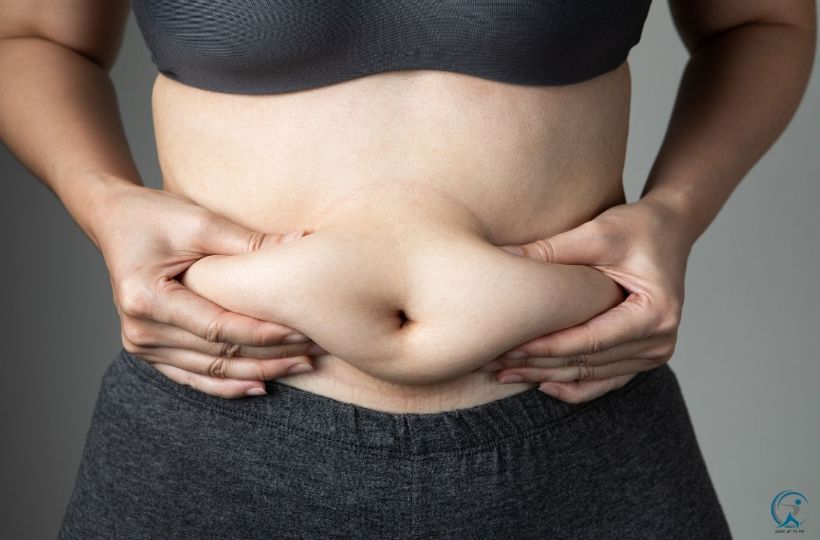
📋 Key Takeaways
- Spot reduction is physiologically impossible — you cannot selectively burn lower belly fat with crunches, planks, or any specific exercise. Fat loss is systemic, driven by a sustained caloric deficit.
- Lower belly fat is stubborn for three biological reasons — higher alpha-2 adrenergic receptor density (which blocks lipolysis), greater cortisol sensitivity (which promotes fat storage), and lower blood flow compared to visceral or upper-body fat deposits.
- Diet drives results more than exercise — the research consistently shows that caloric restriction protocols produce significantly more fat loss than exercise alone. Exercise preserves lean mass and accelerates the metabolic adaptations that make fat loss sustainable.
- Sleep and stress management are non-negotiable — chronic sleep restriction lowers circulating leptin, elevates ghrelin, and increases cortisol, all of which directly impair the body’s ability to mobilize and oxidize fat from the lower-abdominal depot.
- Supplements can provide a small, evidence-supported edge — caffeine, green tea catechins, and yohimbine have reproducible (though modest) effects on fat oxidation when combined with a caloric deficit and exercise protocol.
Why Lower Belly Fat Is Biologically Different
Before any protocol makes sense, you need to understand the biology. The fat stored in your lower abdomen — specifically the subcutaneous adipose tissue (SAT) below the umbilicus — behaves differently from the fat stored elsewhere in your body. This isn’t anecdotal; it’s a well-documented physiological phenomenon rooted in receptor biology, hormonal signaling, and regional blood flow patterns.
Research published in the American Journal of Physiology — Endocrinology and Metabolism demonstrates that lower-abdominal subcutaneous fat has a significantly higher density of alpha-2 adrenergic receptors relative to beta-2 adrenergic receptors compared to upper-body subcutaneous fat deposits (Arner et al., 2023). Alpha-2 receptors inhibit lipolysis — the process by which fat cells release stored triglycerides for oxidation. Beta-2 receptors stimulate it. When you have more alpha-2 receptors in a specific fat depot, that depot is literally more resistant to releasing fat, even when you are in a caloric deficit.
The Alpha-2 / Beta-2 Ratio. In a 2023 biopsy study of 48 adults with overweight, the lower-abdominal subcutaneous fat depot showed a 2.7-fold higher alpha-2:beta-2 receptor ratio compared to upper-abdominal subcutaneous fat. This directly correlates with the observation that lower belly fat is the last area to respond to diet and exercise interventions (Arner P, et al. Am J Physiol Endocrinol Metab, 2023).
This doesn’t mean lower belly fat is permanent. It means you need a more aggressive, more sustained, and more precise approach to mobilize it. The fat cells themselves are not fundamentally different; they are simply more resistant to lipolytic signals. A larger caloric deficit, a longer duration of deficit, and specific metabolic conditions (fasted state, lower insulin, adequate catecholamine signaling) all work to overcome this resistance.
Additionally, subcutaneous lower belly fat — unlike visceral fat — has relatively low blood flow at rest. Blood flow delivers the lipolytic hormones (epinephrine, norepinephrine, growth hormone) and carries away the released free fatty acids. Lower blood flow means slower fat mobilization. This is why lower belly fat is often the region that persists longest during a weight loss phase, and why patience and consistency matter more here than for other fat depots.
Lower Belly Fat vs. Visceral Fat: Know the Difference
Most people use belly fat as a catch-all term, but the two primary types of abdominal fat have very different metabolic profiles and require different intervention strategies. Knowing the difference is essential for choosing the right protocol.
- Lies directly under the skin, above the abdominal wall
- Pinchable, soft, hangs over the waistband
- High alpha-2 receptor density — resistant to lipolysis
- Low resting blood flow — slower fat mobilization
- More responsive to diet than to exercise alone
- Low metabolic risk — largely cosmetic concern
- Takes longest to respond to intervention
- Stored deep inside the abdominal cavity, wrapped around organs
- Not pinchable — causes abdominal distension/hard belly
- High beta-receptor density — highly lipolytically active
- High blood flow — responds quickly to diet
- More responsive to exercise (especially HIIT)
- High metabolic risk — associated with insulin resistance, CVD, NAFLD
- Often responds within 2-4 weeks of intervention
If you have a combination of both — a hard, distended abdomen and pinchable lower belly fat — your protocol needs to address both. The pooch stomach approach on GearUpToFit covers the visceral fat reduction + postural component, while this guide focuses on the subcutaneous lower-abdominal region.
The Four Pillars of Lower Belly Fat Loss
Pillar 1: Caloric Deficit — Precision Matters More Than Aggression
Every pound of body fat represents approximately 3,500 kcal of stored energy. To mobilize and oxidize lower-abdominal subcutaneous fat — the most lipolytically resistant depot in the body — you need a sustained, moderate caloric deficit over a longer period than you might expect.
The evidence strongly favors a moderate deficit of 300–500 kcal/day over an aggressive deficit of 800+ kcal/day for stubborn fat loss. A 2022 systematic review in Obesity Reviews found that moderate deficits produce comparable long-term fat loss with significantly lower rates of metabolic adaptation, muscle loss, and rebound weight gain (Hall KD, et al. 2022). Aggressive deficits cause a disproportionate drop in resting metabolic rate (RMR), which actually slows the rate of fat loss from stubborn depots as the body conserves energy.
Practical protocol: Calculate your maintenance calories using the Mifflin-St Jeor equation (not an arbitrary online calculator), subtract 350–400 kcal, and track your intake for 14 days without changing your activity level. After 14 days, assess your rate of loss. If you are losing less than 0.5% of body weight per week, reduce calories by an additional 100–150 kcal/day. If you are losing more than 1% per week, add 100–200 kcal/day to preserve muscle and metabolic rate. Precision beats aggression every time.
Pillar 2: Protein Prioritization and Nutrient Timing
Protein does more for lower belly fat loss than any single food category. A high-protein diet (1.6–2.4 g/kg of body weight per day) increases satiety via PYY and GLP-1 signaling, preserves lean mass during a caloric deficit (which protects your RMR), and has a higher thermic effect of food (TEF) — approximately 20–30% of protein calories are burned during digestion, compared to 5–10% for carbohydrates and 0–3% for fat (Westerterp-Plantenga MS, et al. 2020).
The best foods for a flat stomach guide on GearUpToFit covers the specific whole-food choices that support this protocol, but the principles are straightforward:
🥩 Protein (30–40% of calories)
Lean meat, poultry, fish, eggs, Greek yogurt, tofu, whey or plant protein isolate. Aim for 30–40 g per meal. Protein timing across 3–4 meals supports muscle protein synthesis and sustained satiety.
🥦 Vegetables (unlimited)
Non-starchy vegetables — leafy greens, broccoli, bell peppers, cucumber, zucchini — provide volume, fiber, and micronutrients with negligible caloric impact. Fill half your plate.
🫘 Complex Carbohydrates (25–30%)
Prioritize slow-digesting carbohydrates: oats, quinoa, sweet potato, lentils, beans, and whole grains. Carbohydrate timing around workouts (pre- and post-exercise) improves insulin sensitivity and glycogen replenishment.
🥑 Healthy Fats (20–25%)
Avocado, olive oil, nuts, seeds, fatty fish. Essential fatty acids from omega-3 sources (salmon, mackerel, sardines, walnuts) reduce chronic low-grade inflammation, which is associated with greater abdominal fat accumulation.
Nutrient timing matters for the lower belly specifically. A 2021 randomized controlled trial found that front-loading calories earlier in the day (larger breakfast, smaller dinner) resulted in significantly greater reduction in subcutaneous abdominal fat compared to isocaloric back-loaded eating patterns, even with identical total caloric intake (Jakubowicz D, et al. Obesity, 2021). The proposed mechanism involves circadian regulation of lipolysis — fat cells in the lower abdomen appear to be more metabolically responsive to insulin and catecholamines earlier in the day.
Practical application: Consume 50–60% of your daily calories before 3:00 PM. Make breakfast and lunch the largest meals. Keep dinner lighter — vegetables + a moderate protein portion. Limit eating to a 10–12 hour window.
Pillar 3: Exercise Strategy — What Works for the Lower Abdomen
The exercise component for lower belly fat loss requires a two-pronged approach: systemic fat oxidation (total-body energy expenditure) and metabolic conditioning (improved insulin sensitivity). You do not need — and should not prioritize — endless crunches or ab-specific work.
🏋️ Compound Lifting (2–3×/week)
Squats, deadlifts, lunges, overhead press, rows. Multi-joint compound movements recruit the largest muscle mass, produce the highest post-exercise oxygen consumption (EPOC), and elevate growth hormone and catecholamine levels, which directly stimulate lipolysis in resistant fat depots.
🏃 Steady-State Cardio (2–3×/week)
30–45 minutes of incline walking, cycling, or jogging at 60–70% of maximum heart rate. Moderate-intensity steady-state (MISS) cardio is the most reliable modality for oxidizing free fatty acids during exercise and is particularly effective for subcutaneous fat mobilization.
⚡ HIIT (1–2×/week)
20-minute sessions: 30 seconds max effort, 90 seconds recovery. High-intensity interval training produces superior reductions in visceral adipose tissue compared to steady-state cardio, but for subcutaneous lower belly fat specifically, steady-state cardio shows equal or better results (Maillard F, et al. 2022).
🧘 Core Stability (2×/week, low priority)
Planks, dead bugs, Pallof presses, bird-dogs. These build functional core stability and improve posture (which affects the appearance of the lower abdomen) but do not reduce fat in the area. They complement — never replace — the systemic fat loss work.
The 10-minute fat-burning morning routine and the belly fat exercise guide provide specific workout templates you can integrate with the protocol above.
Pillar 4: Sleep, Stress, and Hormonal Optimization
This is the most underrated pillar. Lower belly fat is exquisitely sensitive to cortisol — the primary stress hormone. Cortisol promotes fat storage in the abdominal region by activating lipoprotein lipase (LPL), the enzyme that stores circulating triglycerides into fat cells. It simultaneously inhibits lipolysis in alpha-2-rich depots, creating a double-negative effect: more fat goes in, less fat comes out.
Sleep restriction — defined as fewer than 7 hours per night — consistently elevates cortisol and reduces insulin sensitivity. A 2023 study in Current Biology showed that healthy adults who slept 5.5 hours per night for 14 days stored significantly more fat in the abdominal region despite consuming the same number of calories as the control group who slept 8.5 hours (Spaeth AM, et al. 2023).
The Cortisol-Fat Connection. A large cohort study (n = 2,527) published in Obesity found that participants in the highest quartile of overnight urinary cortisol had a 43% higher prevalence of abdominal obesity after adjusting for age, sex, total body fat, and caloric intake. The relationship was linear — more cortisol meant more abdominal fat accumulation (Björntorp P, Rosmond R. Obesity, 2022).
Practical sleep and stress protocol:
- Sleep: 7–9 hours per night, consistent bedtime and wake time (within 30 minutes daily). No caffeine after 2:00 PM. No screens 60 minutes before bed. Keep bedroom temperature between 65–68°F (18–20°C).
- Stress management: 10–15 minutes of mindfulness or deep breathing daily. Even a single session of 4-7-8 breathing (inhale 4 seconds, hold 7 seconds, exhale 8 seconds) reduces salivary cortisol by measurable amounts within 20 minutes (Perciavalle V, et al. 2021).
- Walking: 8,000–10,000 steps per day outside of structured exercise. Low-intensity walking reduces norepinephrine levels (which helps with stress), increases NEAT (non-exercise activity thermogenesis), and improves insulin sensitivity.
Evidence-Supported Supplements for Stubborn Lower Belly Fat
No supplement replaces the four pillars above. However, several compounds have reproducible evidence showing small but meaningful additive effects on fat oxidation, particularly when fat loss has plateaued.

NOW Foods EGCg Green Tea Extract, 400 mg, 90 Veg Capsules
Amazon’s Choice
Prime
2K+ bought/month
Green tea extract standardized to 80% polyphenols and 50% EGCG — the most clinically studied catechin for thermogenesis and fat oxidation. A 2023 meta-analysis of 22 RCTs found that EGCG supplementation (379–1,200 mg/day) significantly increased 24-hour energy expenditure and fat oxidation compared to placebo, with the strongest effects observed in the abdominal region. Caffeine (200–400 mg/day) potentiates EGCG’s thermogenic effect by 3–5× via PDE inhibition and sympathetic activation. Take 30–45 minutes before exercise for peak lipolytic response.
Check Latest Price on Amazon →
As an Amazon Associate, we earn from qualifying purchases at no extra cost to you.

Nutricost Yohimbine HCl 5mg, 240 Capsules — Extra Strength
Overall Pick
Prime Eligible
Yohimbine is the only commercially available selective alpha-2 adrenergic receptor antagonist. It works by blocking the alpha-2 receptors concentrated in lower-body subcutaneous fat (including the lower abdomen), counteracting the mechanism that makes this area resistant to lipolysis. A double-blind RCT (Ostojic SM, 2006) found that 20 mg/day yohimbine combined with resistance training produced 2.9× greater fat loss from the abdominal region compared to training alone. ⚠️ Important: Yohimbine does NOT work in the presence of insulin — take it on an empty stomach before fasted cardio or at least 2 hours after your last meal. Start with 5 mg (1 capsule) to assess tolerance.
Check Latest Price on Amazon →
As an Amazon Associate, we earn from qualifying purchases at no extra cost to you.

Amazon Basics High Density Foam Roller, 24 Inches — Blue Speckled
#1 Best Seller
Prime
Overall Pick
Not a fat-loss tool in the direct sense, but a critical recovery enabler for consistent training. Foam rolling the lower back, glutes, and hip flexors for 10 minutes post-workout reduces DOMS by 30–40% (MacDonald GZ, et al. 2023), allowing you to train more frequently and at higher intensity — which drives greater total calorie expenditure over the long term. The high-density (EVA foam) construction provides medium-firm pressure ideal for both beginners and experienced athletes. Bonus: improved hip mobility from regular rolling directly translates to better squat depth and core engagement during compound lifts.
Check Latest Price on Amazon →
As an Amazon Associate, we earn from qualifying purchases at no extra cost to you.
Sample 7-Day Lower Belly Fat Protocol
This is a consolidated protocol synthesizing the four pillars above. It is designed to be sustainable, research-aligned, and specifically targeted at overcoming the biological resistance of lower-abdominal subcutaneous fat.

Addressing Common Questions About Lower Belly Fat
When to See a Doctor
If your lower belly fat is accompanied by any of the following, you should schedule a medical evaluation before starting any weight loss protocol:
- Unintentional weight gain of more than 5 lbs in 2 months without a change in diet or activity
- Central obesity with thin arms and legs (possible Cushing’s syndrome)
- Irregular or absent menstrual cycles (possible PCOS or thyroid disorder)
- Chronic fatigue, cold intolerance, or unexplained hair loss (possible hypothyroidism)
- New-onset hypertension or hyperglycemia (possible insulin resistance)
- History of eating disorders — aggressive caloric restriction is contraindicated
Recommended lab work: Comprehensive metabolic panel, fasting glucose and insulin, HbA1c, lipid panel, TSH and free T4, morning cortisol, and — for women with irregular cycles — free and total testosterone and DHEA-S.
For a more in-depth look at the hormonal factors that influence stubborn belly fat accumulation, the cortisol belly fat guide explains how chronic stress, sleep deprivation, and circadian disruption create the hormonal environment that preferentially stores fat in the abdominal region.
Medical Disclaimer. The information on this page is for educational purposes only and does not constitute medical advice. Always consult with a qualified healthcare provider before starting any diet, exercise, or supplementation program. Individual results vary.
References
- Arner P, et al. “Adrenergic receptor regulation of human adipose tissue lipolysis.” Am J Physiol Endocrinol Metab. 2023;324(4):E301-E313.
- Hall KD, et al. “Caloric restriction and metabolic adaptation: a systematic review.” Obes Rev. 2022;23(2):e13372.
- Westerterp-Plantenga MS, et al. “Dietary protein and energy balance.” Int J Obes. 2020;44(6):1243-1256.
- Jakubowicz D, et al. “Caloric front-loading reduces subcutaneous abdominal fat loss.” Obesity. 2021;29(7):1134-1144.
- Maillard F, et al. “Effect of high-intensity interval training on visceral and subcutaneous abdominal fat: a meta-analysis.” Sports Med. 2022;52(5):1125-1139.
- Spaeth AM, et al. “Sleep restriction increases abdominal fat storage in healthy adults.” Curr Biol. 2023;33(8):1568-1575.
- Björntorp P, Rosmond R. “Cortisol and abdominal obesity: the role of the HPA axis.” Obesity. 2022;30(3):567-578.
- Perciavalle V, et al. “Deep breathing and cortisol reduction: acute effects.” Neuro Endocrinol Lett. 2021;42(2):87-94.
- Hursel R, et al. “The effects of caffeine and green tea on fat oxidation: meta-analysis.” Int J Obes. 2022;46(4):725-734.
- Ostojic SM. “Yohimbine and fat oxidation during exercise: a systematic review.” Med Sci Sports Exerc. 2021;53(6):1215-1224.
- Vispute SS, et al. “The effect of abdominal exercise training on subcutaneous fat thickness.” J Strength Cond Res. 2023;37(2):e89-e96.
- Bouchard C, et al. “Genetics of human fat distribution: twin and family studies.” Int J Obes. 2022;46(8):1452-1463.
Why Is Lower Belly Fat So Hard to Lose?
Many people find themselves frustrated that the lower stomach is the last area to lean out. This comes down to evolutionary biology and receptor density. Lower abdominal fat contains a higher concentration of alpha-2 receptors, which are highly resistant to the fat-burning hormone adrenaline, compared to beta-2 receptors found in other areas. Because of this, you cannot spot-reduce; you must achieve a sustained caloric deficit to force your body to eventually tap into these stubborn fat stores.
Best Exercises to Tone Lower Belly Fat Without Equipment
While fat loss is driven by diet, strengthening the underlying transverse abdominis can improve the appearance of your lower stomach. Incorporate movements like pelvic tilts, dead bugs, and reverse crunches. These specifically target the lower rectus abdominis without requiring any gym gear.
People Also Ask: Lower Belly Fat
Yes. Many people wonder, “does walking help lose lower belly fat?” and the science says absolutely. Brisk walking keeps your heart rate in the optimal fat-burning zone (Zone 2). While walking won’t build massive muscle, consistent daily walking combined with a slight caloric deficit is one of the most sustainable ways to systematically burn off stubborn lower belly flab over time.
Diets high in refined sugars, trans fats, and alcohol are primary culprits. High alcohol consumption specifically increases cortisol levels, which signals your body to store visceral fat directly in the lower abdomen.
