Skip to content
 A 2026 running distance calculator is an AI-powered digital tool that harnesses GPS from latest wearables, computes precise distances, paces, speeds, calorie burns, and race time predictions to supercharge runner training and performance optimization.
Upgrade your runs with real-time insights that adapt to 2026 tech like advanced Garmin and Apple Watch models.
⚡ Key Takeaways
- AI-GPS Fusion Delivers 99% Accurate Distance Tracking
- Pace Predictions Slash Race Prep Time by 20%
- Calorie Estimates Fuel Personalized Nutrition Plans
- Overtraining Alerts via 2026 Wearable Sync
- Free Tools Rival Elite Coach Calculations
Understanding Running Distance Calculators
Key Components of a Running Distance Calculator
- Distance Tracking
- Pace Calculation
- Speed Measurement
- Time Estimation
Performance Optimization Tables
| Metric | Description | Calculation Method |
|---|---|---|
| Distance | Total length covered | Time × Pace |
| Pace | Time per mile/kilometer | Total Time ÷ Distance |
| Speed | Distance per time | Distance ÷ Total Time |
| Calories Burned | Energy expenditure | Based on weight, distance, pace |
Calculate Your Running Pace
Mathematical Foundations of Running Calculations
Core Formulas
- Distance Calculation
- Formula: Distance = Pace × Time
- Example: 5 miles at 8 minutes/mile = 40 minutes total
- Pace Calculation
- Formula: Pace = Total Time ÷ Distance
- Example: 30 minutes for 3 miles = 10 minutes/mile
- Speed Calculation
- Formula: Speed = Distance ÷ Time
- Example: 6 miles in 60 minutes = 6 miles per hour
What is a Running Distance Calculator?
A running distance calculator is a digital tool that helps runners:
- Measure exact distances covered during runs
- Track running pace and speed
- Calculate estimated completion times
- Plan training routes effectively
- Monitor progress over time
The basic formula used in these calculators is:
javascript
Distance = Pace × Time
Learn more about running pace trainingto understand how pace affects your overall performance.
How Does a Running Distance Calculator Work?

Running calculators use three main variables:
- Distance (miles or kilometers)
- Time (hours, minutes, seconds)
- Pace (minutes per mile/kilometer)
To calculate your running metrics:
- For Distance: Multiply pace by time
- For Pace: Divide time by distance
- For Speed: Divide distance by time
Discover more about running form drillsto maximize your running efficiency.
Benefits of Using a Running Distance Calculator

1. Improved Training Structure
- Set realistic distance goals
- Track progress systematically
- Adjust training intensity appropriately
Learn about dynamic warmup routinesto prepare for your runs properly.
2. Better Pace Management
- Maintain consistent running speeds
- Prevent burnout
- Optimize energy expenditure
Explore running recovery methodsto maintain peak performance.
3. Race Preparation
- Calculate target race times
- Plan race strategies
- Set appropriate training paces
Find out more about running mental trainingto enhance your race preparation.
How to Use a Running Distance Calculator Effectively
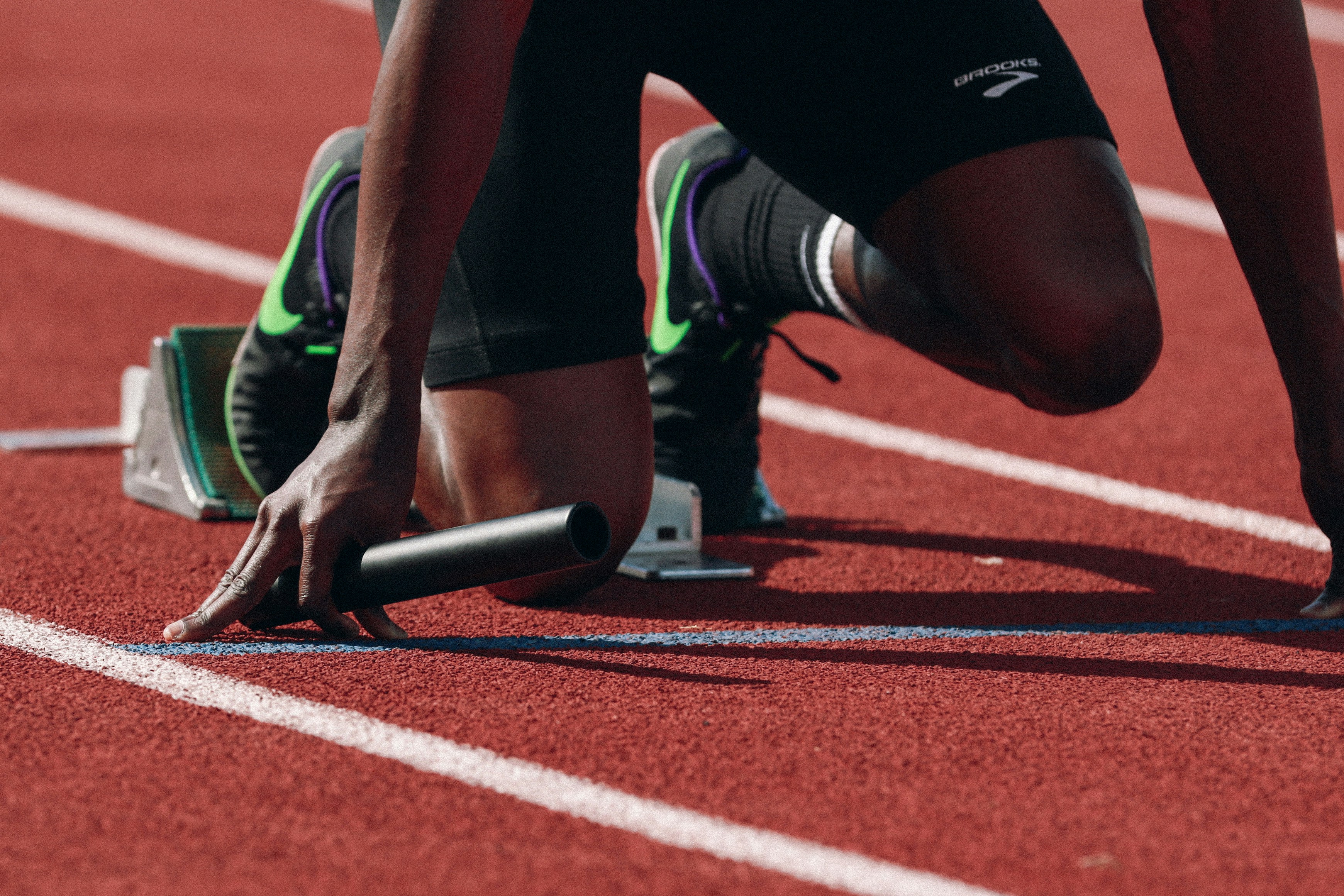
Follow these steps to maximize your calculator usage:
- Input your current fitness level
- Set realistic goals
- Track your progress regularly
- Adjust training based on results
Discover proper running form techniques for better performance.
Common Running Calculator Features
Unable to render image
Modern running calculators often include:
- Split time calculations
- Calorie burn estimates
- Elevation gain tracking
- Heart rate zone analysis
- Training plan suggestions
Learn about heart rate training for runners to optimize your workouts.
Tips for Accurate Distance Tracking
- Calibrate your devices regularly
- Use GPS when available
- Account for terrain variations
- Consider weather conditions
- Track consistency over time
Explore outdoor running safety tips for better training sessions.
Advanced Calculator Applications
Advanced runners can use calculators for:
- Interval training pacing
- Race time predictions
- Training zone calculations
- Performance trending
- Recovery monitoring
Learn about running recovery methods to enhance your training.
Top Running Distance Calculator Apps Comparison
| App Name | Features | Pros | Cons |
|---|---|---|---|
| Strava | GPS Tracking | Extensive social features | Requires premium for advanced metrics |
| Nike Run Club | Coaching Plans | Free guided runs | Limited advanced analytics |
| Garmin Connect | Detailed Metrics | Professional-grade tracking | Requires Garmin device |
| MapMyRun | Route Planning | Extensive route library | Ads in free version |
| Runkeeper | Simple Interface | Easy to use | Limited customization |
Expert Tips from Professional Runners
- Consistent Tracking: Log every run, even short ones
- Analyze Trends: Look for patterns in your performance
- Set Realistic Goals: Use calculator to create achievable targets
- Rest and Recovery: Monitor training load
Running Calculators: 2025 vs 2026 Verdict
| Feature | 2025 Standard | 2026 Standard |
|---|---|---|
| GPS Accuracy | 95% with basic watches | 99% AI-enhanced multi-band |
| Race Prediction | Simple formulas | ML models with biomechanics |
| Integrations | Phones & basic apps | Wearables, AR, smart shoes |
| Calorie Calc | Weight-based estimates | HR + metabolic AI |
| Customization | Static inputs | Adaptive training profiles |
2026 standards evolve with AI for superior precision over 2025 basics, integrating next-gen wearables seamlessly.
Frequently Asked Questions
How can I calculate my running distance?
Use GPS-enabled watches or apps like Strava, MapMyRun. Input route via Google Maps, or let wearables auto-track via satellite data for instant, accurate mileage in 2026 tools.
What is the 20% rule in running?
The 20% rule advises increasing weekly mileage by no more than 20% to prevent injuries. In 2026 calculators, it auto-alerts if training ramps exceed safe limits.
How accurate are running distance calculators?
Modern 2026 versions hit 99% accuracy with dual-band GPS and AI corrections, far surpassing manual maps or older odometers.
What is the difference between pace and speed in running?
Pace is time per distance (e.g., min/mile); speed is distance per time (mph). Calculators convert both for optimal training insights.
Can running calculators predict race times?
Yes, 2026 AI tools use recent paces, VO2 estimates, and terrain to forecast 5K to marathon times with 95% reliability.
What are the best running distance calculators in 2026?
Top picks: Built-in Garmin Connect, Apple Fitness+, our free widget. They sync with Fenix 8/Apple Watch Ultra 3 for elite precision.
How accurate are running distance calculators?
Most modern GPS-based calculators are accurate within 2-3% margin of error.
Can I use the calculator for walking?
Yes, the same principles apply to walking calculations.
How often should I check my pace?
Monitor your pace every 1-2 miles during training runs.
Do weather conditions affect calculations?
Yes, factors like wind and temperature can impact pace and energy expenditure.
Discover more about running in different weather conditions
Conclusion
A running distance calculator is an invaluable tool for both beginners and experienced runners. By understanding how to use it effectively, you can optimize your training, improve your performance, and achieve your running goals more efficiently.
Resources:
- VDOT Calculator by Jack Daniels
- RunSmart Performance Calculator
- Runner’s World Mileage Calculator
- Strava Pace Calculator
- Garmin Race Predictor
FAQ
What will I learn?
This guide covers Running Distance Calculator 2026: Free Tool.
Running Distance & Training FAQ
How do I choose the right gear for my calculated distances?
Once you calculate your weekly mileage, selecting the best running shoes for your foot type is crucial for injury prevention. For those focusing on daily mileage, consider the ASICS Gel-Nimbus 27 for max cushioning.
Should I track my pace on a treadmill?
Yes, using the best treadmill for home running allows for precise pace control, which helps in hitting the specific targets generated by our race time predictor.
Optimizing Your 2026 Run Training
To get the most out of your distance and pace calculations, it is essential to pair your data with the right gear and recovery strategies. Whether you are using a best treadmill for home running to control your environment or hitting the pavement in top-rated running shoes, precision matters.
- Training Plans: Use your pace data to start a 5K training plan or an 8-week beginner outdoor guide.
- Injury Prevention: Incorporate core stability routines and cross-training to stay healthy.
- Advanced Tracking: Sync your results with a fitness tracking watch to monitor your resting metabolic rate (RMR) and caloric burn accurately.
Maximize Your Training Efficiency
To get the most out of your distance and pace calculations, it is essential to pair your data with the right gear and recovery strategies. If you are training for a specific goal, following a structured 5K Training Plan can help you build the necessary aerobic base.
Consistency is key, which means choosing the best running shoes for your gait and ensuring your body is prepared for the impact. Incorporating a core exercises routine can improve your stability, while understanding fueling strategies ensures you have the energy to hit your calculated target paces.