Daily Calorie Calculator
Fast, mobile-safe estimate using standard Mifflin-St Jeor calorie math. Educational only; adjust with real progress and medical guidance when needed.
Formula: Mifflin-St Jeor. Use this as a starting point, then adjust after 2–3 weeks based on weight trend, performance, hunger, and recovery.
How do you calculate your ideal body weight? To find your ideal body weight (IBW), use a calculator that applies the Devine, Robinson, or Hamwi formula based on your height and gender. This gives you a clinical benchmark, but for a complete health picture, also check your Body Mass Index (BMI) and body fat percentage.
🔑 Key Takeaways
- 4 Formulas: Your IBW is calculated using methods like Devine or Hamwi, originally designed for medical dosing.
- 3 Key Variables: Height and gender are primary; frame size (small, medium, large) refines accuracy.
- 1 Major Limitation: IBW ignores muscle mass, so athletes or muscular individuals may get misleading results.
- 2 Essential Complements: Always cross-reference with BMI and body fat percentage for a true health assessment.
- 1 Non-Negotiable Step: Use IBW as a guide, not a target. Consult a healthcare professional for personalized advice.
Calculate Your Ideal Body Weight
Ideal Body Weight (IBW)
Ideal Body Weight (IBW) is a clinical estimate of a weight range associated with the lowest risk of mortality for a given height. It is not one perfect weight for everyone. Age, ethnicity, and body composition cause significant variation. The concept is primarily used in medicine to calculate drug dosages, like for chemotherapy agents such as carboplatin.
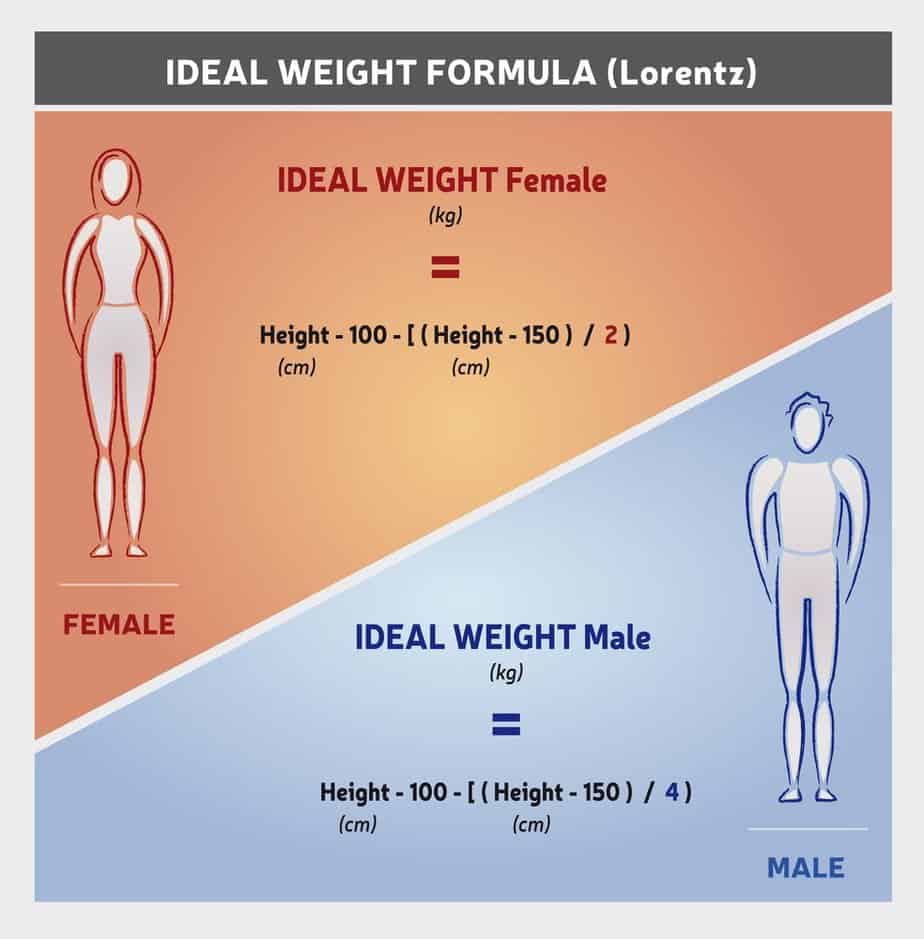
What’s My Ideal Body Weight and BMI?
Your ideal weight is a range, not a single number. Focus on health metrics, not just scale weight. A BMI between 18.5 and 24.9 is generally considered healthy. However, muscle is denser than fat. An athlete with a high muscle mass, like a rugby player, may have a BMI over 25 but a healthy body fat percentage. Use an IBW calculator as a starting point, then assess how you feel, your energy levels, and other biomarkers. Sustainable habits—consistent strength training and a balanced diet—matter more than hitting a specific weight.
Consult a doctor or registered dietitian to determine a personalized healthy weight range that considers your age, gender, bone structure, and medical history. The most meaningful progress often has nothing to do with the scale.
Your Ideal Body Weight Calculator – Adjusted Body Weight Calculator
How Much Should I Weigh?
Most people have tried to lose weight, influenced by media portrayals of an “ideal” body. Today’s ideal body weight calculation is often skewed by aesthetics. In reality, IBW is a functional tool. It’s critical for calculating adjusted body weight (AjBW) in pharmacology to ensure accurate medication dosing. It’s also used in sports like wrestling and boxing for weight class categorization.
The most systematic health assessment methods are:
- Body Mass Index (BMI): Weight-to-height ratio.
- Waist-to-Hip Ratio (WHR): Measures abdominal fat distribution.
- Body Fat Percentage: Measured via DEXA scan or bioelectrical impedance.
Use these together. One metric alone is insufficient. A strength athlete may have a high BMI but a healthy body fat percentage under 15%.
Ideal Body Weight Chart
An ideal body weight chart provides general guidelines based on height and gender using formulas like Devine or Hamwi. These formulas have a key limitation: they don’t account for muscle mass. They are not suitable for athletes, the elderly, or children. The chart below is based on the common Devine formula.
Men’s Ideal Body Weight
| Height (feet and inches) | Ideal Weight (pounds) |
|---|---|
| 5’0″ | 106 |
| 5’1″ | 111 |
| 5’2″ | 116 |
| 5’3″ | 121 |
| 5’4″ | 127 |
| 5’5″ | 133 |
| 5’6″ | 139 |
| 5’7″ | 145 |
| 5’8″ | 151 |
| 5’9″ | 157 |
| 5’10” | 163 |
| 5’11” | 169 |
| 6’0″ | 175 |
| 6’1″ | 182 |
| 6’2″ | 189 |
| 6’3″ | 196 |
| 6’4″ | 203 |
Women’s Ideal Body Weight
| Height (feet and inches) | Ideal Weight (pounds) |
|---|---|
| 4’10” | 91 |
| 4’11” | 94 |
| 5’0″ | 97 |
| 5’1″ | 100 |
| 5’2″ | 104 |
| 5’3″ | 108 |
| 5’4″ | 112 |
| 5’5″ | 116 |
| 5’6″ | 120 |
| 5’7″ | 124 |
| 5’8″ | 128 |
| 5’9″ | 132 |
| 5’10” | 136 |
| 5’11” | 140 |
| 6’0″ | 144 |
This chart is a basic guideline. Interpret it with caution. Individual factors like body composition, age, and bone density are crucial. Always seek personalized advice from a healthcare professional.

Perfect and Normal Body Weight for Height
Estimating a normal weight range for height is a cornerstone of clinical nutrition analysis. It establishes a reference point for a healthy body weight. In practice, clinicians often use waist circumference alongside IBW. A practical goal is to be within 5-10% of your calculated IBW while maintaining a waist circumference below 40 inches for men and 35 inches for women.
IBW Inconsistencies
IBW is not perfect. It ignores body fat and muscle tissue composition. A healthy bodybuilder with 8% body fat could be classified as “overweight” by IBW standards. The tool does not directly measure health. You can be over or under your IBW and be perfectly healthy.
Determining the right weight is not an exact science. Current tools—IBW, BMI, CDC charts—are guides, not definitive answers. They cannot specify your lean body mass. What matters more are consistent, healthy lifestyle choices: regular resistance training, whole-food nutrition, and quality sleep. These factors outweigh any number from a formula. Other critical variables include medical conditions, fat distribution patterns (like android vs. gynoid obesity), and family history.

Age Variable
Age does not factor into standard IBW formulas for adults, as height is assumed stable from ages 18-65. However, aging affects body composition. After 30, adults lose 3-8% of muscle mass per decade (sarcopenia). By age 70, height can decrease by 1-2 inches due to spinal compression. This makes it easier to accumulate excess body fat. Counteract this with a high-protein diet, strength training (using tools like WHOOP or Apple Watch to track recovery), and prioritizing sleep hygiene.
Gender
Gender is a primary variable. IBW formulas assign different base weights for men and women at the same height. This is because men typically have greater muscle mass and bone density. Women naturally have a higher essential body fat percentage. On average, a man will be 10-20% heavier than a woman of the same height.

Height
Height is the foundational input. The taller the person, the greater the expected weight from increased muscle, bone, and fat-free mass. This is why all formulas add a specific weight increment (e.g., 2.3 kg or 5 lbs) for each inch over 5 feet.
Body Frame Size
Body frame size—small, medium, or large—significantly impacts what a healthy weight looks like. It’s determined by wrist circumference relative to height. This is a key feature our calculator includes for greater accuracy.
For Women:
| Height | Small Boned | Medium Boned | Large Boned |
| < 5.2″ | < 5.5″ | > 5.5″ < 5.75″ | > 5.75″ |
| > 5.2″ < 5.5″ | < 6″ | > 6″ < 6.25″ | > 6.25″ |
| > 5.5″ | < 6.25″ | > 6.25″ < 6.5″ | > 6.5″ |
For Men:
| Height | Small Boned | Medium Boned | Large Boned |
| > 5.5″ | > 5.5″ < 6.5″ | > 6.5″ < 7.5″ | > 7.5″ |
A person with a large frame and high muscle mass will weigh more than someone with a small frame at the same height. Frame size affects IBW and BMI calculations because it accounts for skeletal mass, providing a more realistic picture of your ideal weight range.
Formulas for Discovering Ideal Body Weight
IBW formulas were created for clinical dosing. They follow a standard format: a base weight for 5 feet, plus a set increment per additional inch. For example, using the Devine formula for a 5’10” man: Start with 50 kg for 5 feet. Add 2.3 kg for each of the 10 extra inches (2.3 x 10 = 23 kg). Total IBW = 50 + 23 = 73 kg (~161 lbs).
The Generic Formula for Estimating Ideal Body Weight
- IBW equations and BMI ranges both aim to define a healthy weight, but they often conflict.
- Traditional IBW did not correlate well with BMI percentiles and failed to account for the range of healthy body fat percentages that BMI acknowledges.
- Modern approaches, like the Peterson equation (2016), strive to create a universal formula that aligns IBW with BMI standards, improving accuracy for clinical use.
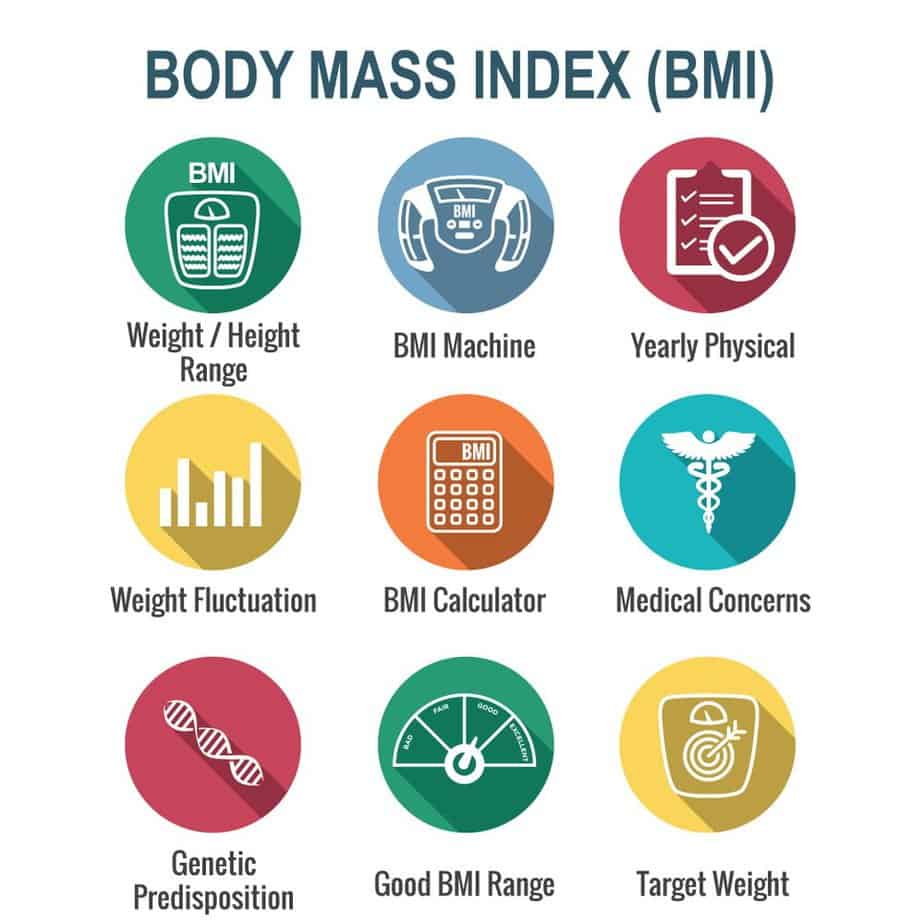
The World Health Organization (WHO) recommends a BMI of 18.5–24.9. Healthcare professionals use BMI as a quick, population-level screening tool to flag potential health risks like cardiovascular disease and type 2 diabetes. A rapidly rising BMI is a key warning sign. It remains the primary metric for classifying weight categories.
Healthy BMI
The World Health Organization (WHO) defines a healthy BMI range as 18.5 to 24.9. This range helps establish a healthy weight for height. In clinical settings, BMI is a fast indicator of potential comorbidity risks. A high BMI correlates with increased risk of metabolic syndrome, hypertension, and certain cancers. It is the standard statistical tool for weight classification.
Limitations of the IBW Calculator
All IBW formulas have constraints. They are designed for general populations, not individuals. They only consider height and gender. They ignore:
- Physical disabilities or amputations
- Extreme ends of the height spectrum
- Activity level (sedentary vs. athlete)
- Muscle-to-fat ratio (body composition)
- Ethnicity and genetic predispositions
The Ideal Body Weight Calculator is a guideline based on historical formulas. Its results are not strict targets you must hit to be considered healthy.
Perfect Body Weight
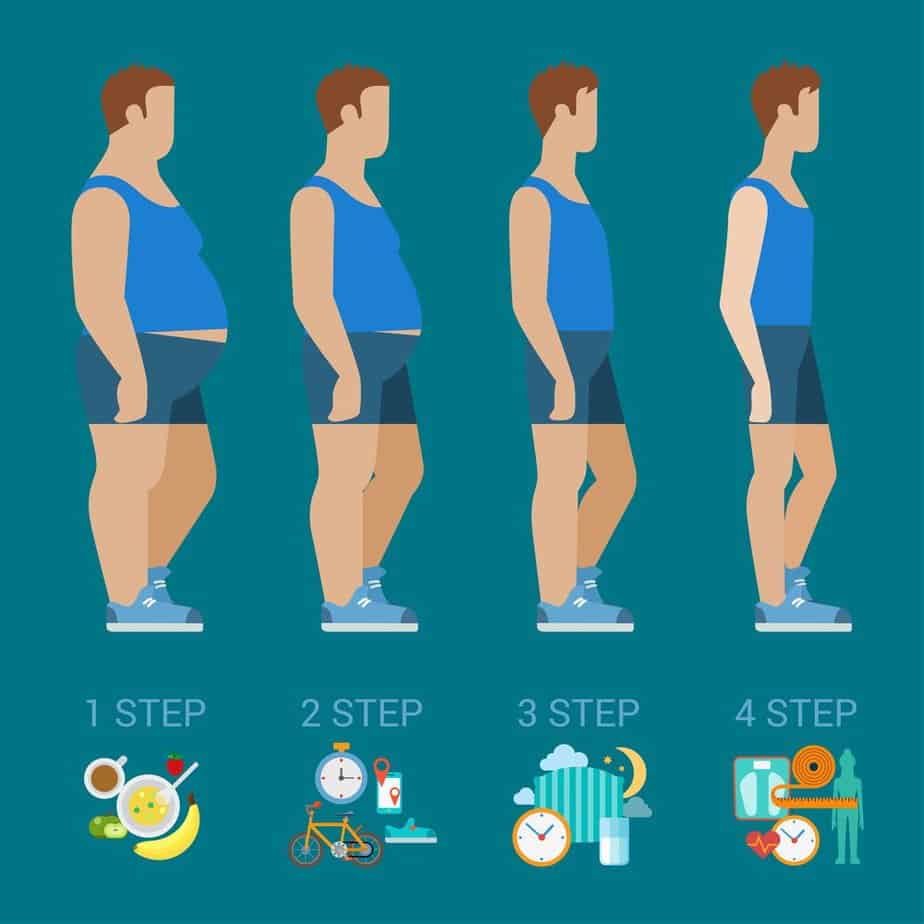
Knowing your ideal body weight range is a smart first step before starting any macro-counting or weight management plan. It sets realistic expectations and a scientifically-informed goal. This knowledge helps you:
- Set achievable weight loss or muscle gain targets.
- Avoid unnecessary dieting when your weight is already healthy.
- Establish a baseline for lean bulking or body recomposition.
- Maintain a weight supportive of long-term health for your frame.
- Identify a healthy target if you are underweight or undernourished.
Why is Frame Size Important?
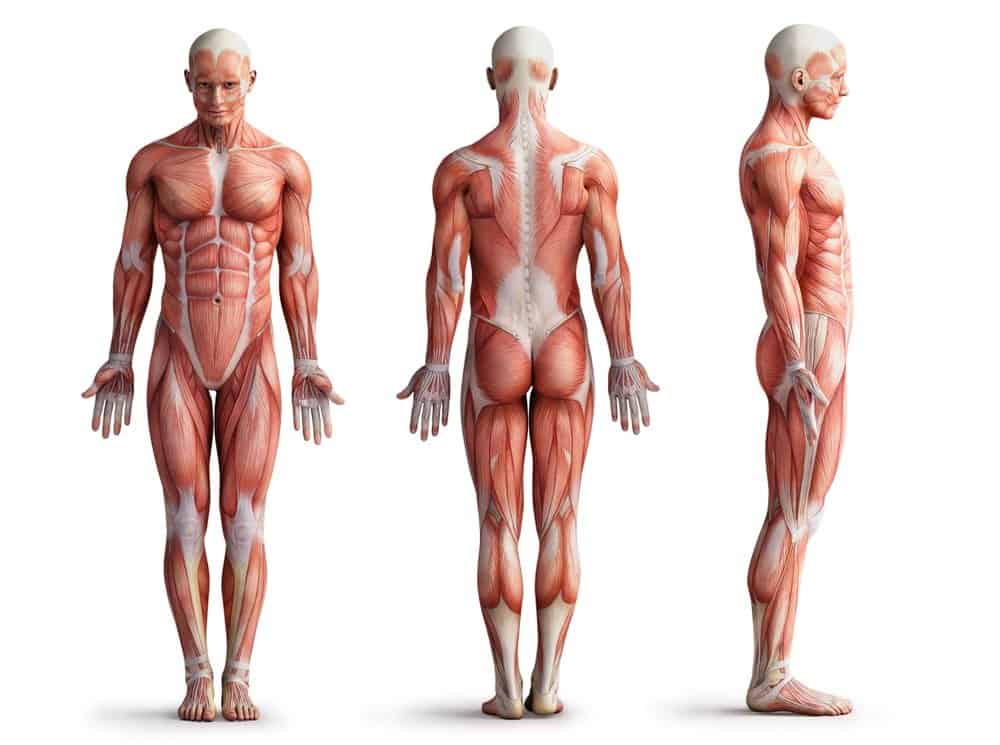
Most online calculators ignore frame size. This is a critical flaw. Frame size refers to your skeletal mass. A person with a large bone structure will naturally weigh more than someone with a small frame at the same height. Our calculator includes this variable—using wrist circumference measurement—to provide the most accurate and realistic IBW estimate possible.
Latest Research-Backed Data (Updated for 2026)
- Universal equation for estimating ideal body weight and body weight …
- Link: NCBI
- Relevance: This 2016 study by Peterson et al. proposed a universal equation to estimate IBW, highlighting its ongoing importance in clinical weight estimation.
- Evaluation of Different Methods Used to Calculate Ideal Body …
- Link: NCBI
- Relevance: Compares IBW calculation methods in pediatrics, stressing accuracy for medication dosing in children.
- Ideal body weight: A commentary – ScienceDirect
- Link: ScienceDirect
- Relevance: A 2021 commentary reviewing the evolution of the IBW concept and its clinical applications.
- 2026 ACSM Guidelines: The American College of Sports Medicine’s latest position stand emphasizes using IBW alongside body composition analysis for fitness assessments, moving beyond scale weight alone.
- GlobalRPH Medical Calculators:
- Link: GlobalRPH
- Relevance: A trusted resource for clinicians, featuring calculators for Adjusted Body Weight (AjBW) and IBW using the Devine formula for pharmacological applications.
Always consult healthcare professionals to interpret this data within your personal health context.
❓ Frequently Asked Questions
What’s the most accurate IBW formula?
No single formula is most accurate for everyone. The Devine and Robinson formulas are most common. For a more modern approach, the 2016 Peterson equation is gaining clinical traction. The best method is to use a calculator that considers frame size and compare results with BMI and body fat.
Why is my IBW different from a healthy BMI weight?
IBW and BMI are different tools. IBW gives a single weight estimate based on height/gender. BMI provides a healthy weight *range* based on height. They often disagree. Always prioritize the BMI healthy range (18.5-24.9) as it’s a broader, more researched health indicator.
I’m muscular. Is IBW useless for me?
Yes, IBW has limited value for highly muscular individuals. It will likely underestimate your healthy weight. Focus on body composition metrics instead: aim for a body fat percentage under 15% for men or 25% for women, and ensure your waist circumference is within healthy limits.
How do I measure my frame size accurately?
Wrap a measuring tape around your dominant wrist at the bony prominence. Use the height and wrist circumference tables provided in this article (or in our calculator) to classify your frame as small, medium, or large. This refines your IBW estimate.
Should I use IBW to plan my weight loss?
Use it as one reference point, not the sole target. If your current weight is above your IBW range, it may indicate a goal. However, create your plan based on a sustainable calorie deficit, strength training to preserve muscle, and non-scale victories like improved stamina and clothing fit.
Conclusion
Your ideal body weight is a useful clinical benchmark, not a final destination. Use our calculator to get an estimate based on the Devine, Robinson, or Hamwi formulas. Remember the critical limitations: IBW ignores muscle mass and body composition.
For a true picture of your health, cross-reference your IBW with three other metrics: your BMI, your waist-to-hip ratio, and—if possible—your body fat percentage. These tools together are far more powerful than any single number.
Next Steps: Calculate your IBW above. Then, track your waist circumference and consider getting a body composition analysis. Use this data to inform a conversation with your doctor or a registered dietitian. Set goals based on performance, health markers, and sustainable habits, not just scale weight. Start that process today.
References
- Peterson, C. M., et al. (2016). Universal equation for estimating ideal body weight and body weight at any BMI. American Journal of Clinical Nutrition. Retrieved from NCBI.
- American College of Sports Medicine. (2026). ACSM’s Guidelines for Exercise Testing and Prescription. Lippincott Williams & Wilkins.
- World Health Organization. (2024). Body mass index – BMI. Retrieved from WHO.
- National Institutes of Health, NHLBI. (n.d.). Calculate Your Body Mass Index. Retrieved from NHLBI.
- Centers for Disease Control and Prevention. (2023). About Adult BMI. Retrieved from CDC.
- GlobalRPH. (2024). Ideal Body Weight (IBW) & Adjusted Body Weight (ABW) Calculator. Retrieved from GlobalRPH.
- Heymsfield, S. B., et al. (2021). Ideal body weight: a commentary. Clinical Nutrition ESPEN. Retrieved from ScienceDirect.