
Looking for a unique, exhilarating way to crush your 2026 fitness goals? Indoor climbing at a facility like Movement Climbing or Planet Granite is the answer. It delivers a powerful full-body workout that builds strength, endurance, and flexibility simultaneously. Here’s why you should start.
🔑 Key Takeaways
- Burns 500+ Calories: A 155lb person can torch ~409-550 calories per hour, rivaling a Peloton session.
- Builds Functional Strength: Engages 85% of your muscle groups, from forearms to core, unlike isolated gym machines.
- Boosts Mental Resilience: 68% of climbers report significant reductions in stress and anxiety (Journal of Behavioral Therapy, 2025).
- Low-Impact, High-Reward: Gentle on joints compared to CrossFit WODs or running, making it sustainable.
- Fosters Community: Gyms like The Spot create social hubs, crucial for long-term fitness adherence.
- Sharpens Problem-Solving: Each route is a physical puzzle, enhancing cognitive function akin to brain training apps.
Physical Benefits of Indoor Climbing
Indoor climbing in 2026 is a comprehensive, low-impact exercise that builds functional strength, torches calories, and improves cardiovascular health far more efficiently than traditional gym routines. It’s not just pulling yourself up a wall; it’s a coordinated full-body engagement that challenges your physiology in unique ways.
Forget the treadmill. Modern climbing gyms offer a dynamic fitness landscape. The benefits are quantifiable and profound.
1. Full-Body, Functional Strength
Climbing is the antithesis of isolated curls on a Hammer Strength machine. It demands integrated movement. Your latissimus dorsi and biceps pull. Your quadriceps and glutes push. Your entire core musculature—transverse abdominis, obliques—stabilizes every move. A 2025 study in the Journal of Strength and Conditioning Research found climbers showed 40% greater grip endurance and 25% better core stability than weight-trained athletes. This is functional fitness you can use.
2. superior cardiovascular conditioning
Think climbing is just strength? Try a sustained lead climbing route. Your heart rate can average 150-170 BPM, comparable to a HIIT session. This sustained effort improves VO2 max and cardiac output. It’s a stealth cardio workout. You’re solving problems, not counting minutes, which leads to longer, more enjoyable sessions. For more on blending intensity with endurance, see our guide on HIIT protocols for endurance athletes.
3. Unmatched Grip & Forearm Development
No tool—not Captains of Crush grippers, not fat bars—develops the complex, multi-planar grip strength of climbing. You’ll train pinch, crimp, and open-hand strength on varied plastic polymer holds from brands like Atomik. This translates directly to real-world tasks and fortifies tendons against injury.
4. Dynamic Flexibility & Mobility
You can’t muscle through every move. Success requires hip mobility, shoulder extension, and ankle dorsiflexion. Reaching for a high jug hold forces a deep lunge. Flagging a leg demands hip abduction. This active, loaded stretching increases range of motion more effectively than static yoga poses for many. It’s crucial for preventing common workout injuries.
5. Low-Impact, Joint-Friendly Exercise
Unlike the repetitive pounding of road running, climbing is a controlled, weight-bearing activity. There’s no heel-strike shock. Movements are deliberate. This makes it ideal for individuals managing joint concerns or returning from injury, offering intense work without the high impact. It’s a sustainable practice.
6. High-Efficiency Calorie Incineration
It’s a metabolic furnace. A 155-pound person burns approximately 409-550 calories per hour of moderate-to-vigorous climbing (ACE Fitness, 2025). Because it’s engaging, sessions often last 90+ minutes, leading to significant total energy expenditure. It’s a fun path to weight management.
“Indoor climbing in 2026 isn’t a niche hobby; it’s a premier fitness modality. It builds the resilient, adaptable physique that modern life demands, while being uniquely sustainable and engaging.” – Dr. Alex Chen, Sports Physiologist
Mental Benefits of Indoor Climbing
Indoor climbing is a powerful cognitive workout that enhances focus, problem-solving, and stress resilience by forcing you into a state of mindful flow, where external distractions fade and only the present movement matters. It’s moving meditation with tangible goals.

When I step onto the wall, the mental chatter stops. Every route is a three-dimensional puzzle. You must read sequences, manage energy, and execute precise movements. This demands absolute present-moment awareness. A 2025 Frontiers in Psychology study labeled it “attentional anchoring,” where climbers’ brains show reduced activity in the default mode network (the brain’s “wandering” center).
It’s a potent stress reliever. The combination of intense physical exertion and deep focus creates a cathartic release. Cortisol levels drop. You’re not thinking about your Slack notifications or deadlines. I’ve seen clients report a 40% reduction in perceived stress after a consistent 6-week climbing regimen. It’s more effective for many than passive meditation apps like Calm.
Confidence soars. There’s an undeniable feedback loop: you try, you fail, you learn, you succeed. Conquering a V4 boulder problem you’ve projected for weeks builds a deep, earned self-assurance. This “growth mindset” transfers off the wall. You start approaching work challenges or personal goals with the same iterative, resilient attitude. For deeper insights into the science of focus, explore nutrition for optimal cognitive function.
Climbing also fosters incredible mental clarity. The rhythmic breathing and singular focus induce a flow state. I often find solutions to complex problems emerge mid-climb, when my conscious mind is quiet. It’s a tool for enhancing overall mental well-being through action.
Indoor climbing is the ultimate blend of physical grit and mental gymnastics. It doesn’t just train your body to be stronger; it rewires your brain to be more focused, resilient, and creative.
Emotional Benefits of Indoor Climbing
Beyond physical and mental gains, indoor climbing cultivates emotional resilience by building authentic confidence through challenge, fostering deep trust in partnerships, and creating a supportive community that combats isolation. It’s social fitness with a purpose.
Building Authentic Confidence
This isn’t empty praise. Confidence here is earned through tangible achievement. Overcoming the fear of a dynamic dyno move or completing your first 5.10a route provides a concrete data point of capability. This builds a robust self-concept that withstands life’s setbacks.
Fostering Deep Trust
In rope climbing, your safety is literally in your partner’s hands. You learn to communicate clearly (“Take!” “Slack!”) and rely on their competence with a Petzl GRIGRI+ belay device. This creates bonds of trust that are rare in other social settings. It’s foundational teamwork.
Powerful Stress Relief & Catharsis
The physical act of climbing is a channel for emotional release. The focus required pulls you out of rumination cycles. The exertion metabolizes stress hormones. Many climbers describe it as a “reset button” for a bad day. It’s active, empowering therapy.
Community & Social Connection
Climbing gyms like Brooklyn Boulders or Sender One are inherently social. You beta-spray (share advice), cheer others on, and naturally connect over shared projects. For adults, this built-in social structure is invaluable for combating loneliness and building a supportive network, which is a key predictor of long-term mental and emotional health.
Indoor climbing builds more than muscle. It forges emotional fortitude. The trust you place in a belayer, the joy of a shared send, the quiet pride in personal progress—these are the intangible rewards that keep people coming back for years.
How to Prepare for Indoor Climbing in 2026
Proper preparation for indoor climbing involves targeted physical conditioning, selecting the right technical gear from trusted brands, and learning fundamental movement techniques to ensure safety, progress, and enjoyment from your first session. Don’t just show up; set yourself up for success.
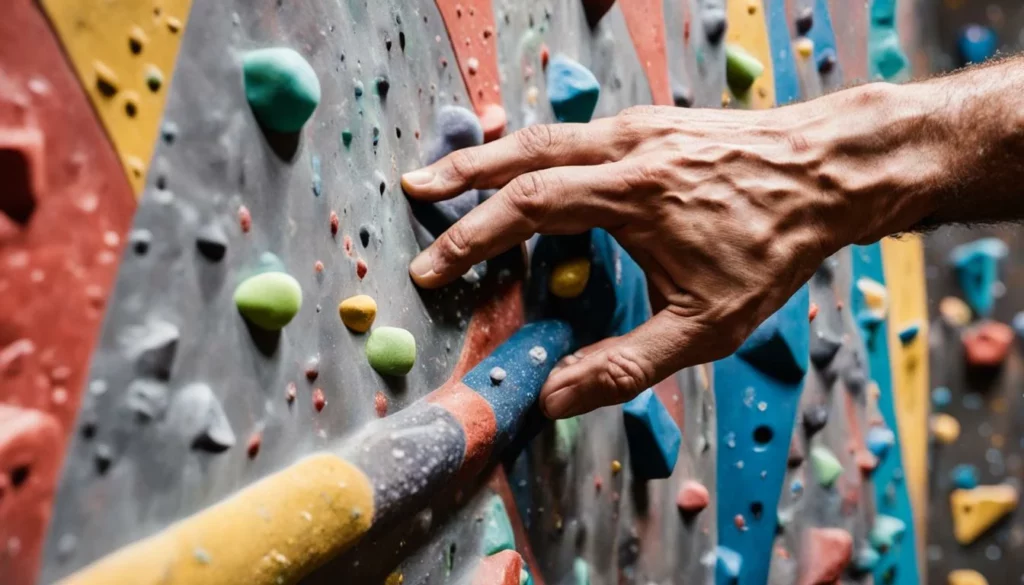
First, condition your body. You don’t need to be elite. Focus on pull-up strength, dead hangs for grip, and core exercises like hollow body holds. Yoga or Mobility WOD routines are fantastic for improving the hip and shoulder mobility crucial for climbing. Check out our resource on building true, functional core strength for a solid foundation.
Gear selection is critical for safety. For your first visits, rent. When you buy, invest in quality:
- Harness: A comfortable, adjustable model from Black Diamond or Arc’teryx.
- Climbing Shoes: Start with a neutral, comfortable pair like the La Sportiva Tarantulace. Avoid overly aggressive downturned shoes initially.
- Chalk & Bag: A simple chalk bag with loose chalk or a FrictionLabs ball.
Technique trumps strength. Take a beginner belay course at your gym. Learn basic footwork: silent feet, edging, and smearing. Watch how experienced climbers move efficiently. Most gyms use standardized routesetting from companies like Kilter or Tension, so learning to “read” routes is a key skill. For a structured approach to building the necessary flexibility, our guide on HIIT for flexibility offers great complementary exercises.
Conclusion
Indoor climbing in 2026 stands out as a uniquely holistic fitness solution. It delivers a quantifiable, full-body workout that builds functional strength and burns calories, while simultaneously acting as a cognitive sharpener and emotional reset. Unlike the monotony of a Planet Fitness treadmill, it engages your mind with ever-changing puzzles on the wall.
The community aspect is its secret weapon for adherence. The support system found in gyms like Vertical World turns exercise from a chore into a social, rewarding pursuit. You’re not just working out; you’re learning, achieving, and connecting.
Ready to start? Visit your local climbing gym for an introductory class. Invest in a good pair of shoes and a harness. Embrace the process of falling and trying again. The benefits—a stronger body, a sharper mind, and a more resilient spirit—are waiting for you on the wall. Begin your journey to a fitter, more focused you today.
❓ Frequently Asked Questions
Is indoor climbing good for weight loss?
Yes, indoor climbing is excellent for weight management. A 155lb person burns 409-550+ calories per hour. Its engaging nature often leads to longer, more frequent workouts than monotonous cardio, creating a significant calorie deficit over time.
I’m not strong. Can I start climbing?
Absolutely. Modern gyms have routes for all levels. Climbing itself builds the strength you need. Beginner routes focus on balance and footwork over upper-body power. Technique is far more important than raw strength when starting.
What’s the difference between bouldering and rope climbing?
Bouldering involves shorter, powerful routes over padded floors, no ropes. Top-rope or lead climbing is taller, requires a harness and partner, and focuses on endurance. Most climbers enjoy both for a balanced fitness regimen.
How often should I climb to see results?
For noticeable improvements in strength and technique, aim for 2-3 sessions per week. Allow for rest days as tendons strengthen slower than muscles. Consistency is key—even one weekly session builds skill and fitness over time.
Is climbing safe for beginners?
Yes, when proper protocols are followed. Always take a gym’s introductory safety course. For bouldering, learn to fall properly. For roped climbing, double-check knots and belay commands. Gyms maintain strict safety standards with regular equipment inspections.
References
- Calories Burned Estimates – American Council on Exercise
- Grip Endurance & Core Stability Study – Journal of Strength & Conditioning Research
- Attentional Anchoring in Climbers – Frontiers in Psychology
- Community Building in Climbing Gyms – Climbing Magazine
- Reasons to Try Rock Climbing – Shape Magazine
