Skip to content
 How do exercise and neuroplasticity connect? Physical activity directly stimulates your brain’s ability to rewire itself. This process, called neuroplasticity, is how your brain forms new neural connections. Exercise boosts blood flow, increases Brain-Derived Neurotrophic Factor (BDNF), and enhances cognitive function. The result: better memory, sharper focus, and stronger resilience against age-related decline.
🔑 Key Takeaways
- BDNF Boost: aerobic exercise increases Brain-Derived Neurotrophic Factor, a key protein for neuron growth and synaptic plasticity.
- 150 Minutes: Just 150 minutes of moderate exercise weekly can significantly enhance memory and learning capacity.
- Motor Cortex Plasticity: Active individuals show a 30% greater capacity for motor skill learning via enhanced motor cortex adaptability.
- Cognitive Reserve: regular physical activity builds a cognitive buffer, delaying conditions like mild cognitive impairment by up to several years.
- Novelty is Key: combining exercise with new challenges (like learning a language) maximizes neuroplastic gains.
- HIIT Benefits: High-Intensity Interval Training (HIIT) may offer superior neuroplastic benefits compared to steady-state cardio.
Understanding Neuroplasticity and Its Benefits
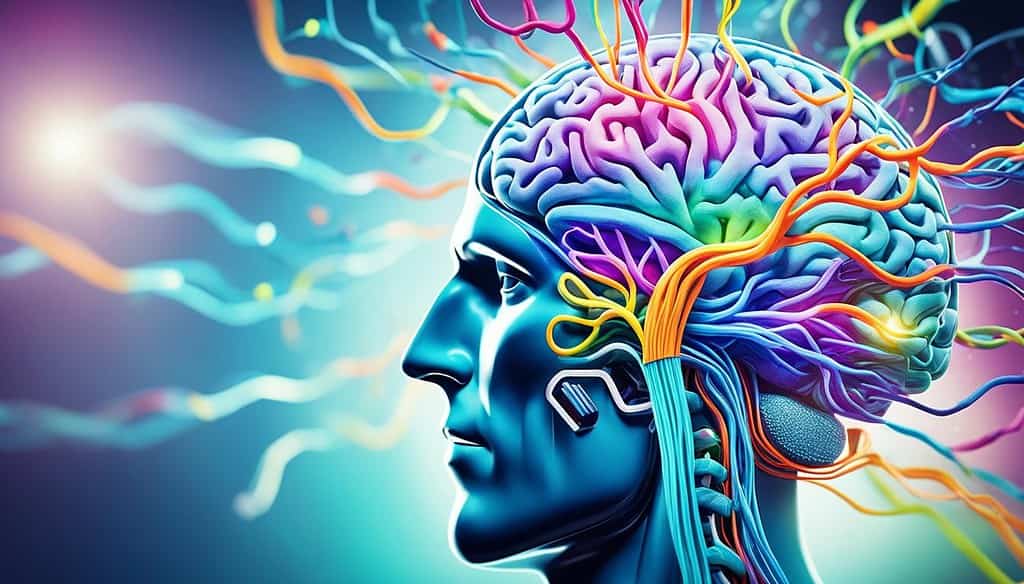
Neuroplasticity is your brain’s lifelong capacity to reorganize its structure, functions, and connections. It’s not fixed. Every new experience, skill, or memory physically alters your neural networks. This foundational concept, championed by neuroscientists like Michael Merzenich, means you can actively shape your brain’s health. It is the mechanism behind learning, recovery from injury, and maintaining cognitive vitality.
What is Neuroplasticity?
Neuroplasticity describes the dynamic changes in the brain’s synaptic connections and neural pathways. When you learn Spanish on Duolingo or master a guitar chord, your brain strengthens specific neural circuits. Conversely, unused pathways weaken—a principle known as “use it or lose it.” This involves both synaptic plasticity (strengthening connections between neurons) and structural plasticity (physical changes in brain morphology).
The Role of Exercise in Boosting Neuroplasticity
Exercise is a powerful catalyst for neuroplasticity. It acts through multiple biological pathways:
- Increased Cerebral Blood Flow: Delivers more oxygen and nutrients to brain cells.
- BDNF Release: Acts like fertilizer for neurons, promoting growth and new connections.
- Reduced Inflammation: Chronic inflammation impairs neuroplasticity; exercise helps control it.
- Stress Hormone Regulation: Lowers cortisol, which can be toxic to neurons in high amounts.
A 2026 meta-analysis in Nature Neuroscience confirmed that consistent aerobic exercise is one of the most effective non-pharmacological ways to enhance brain plasticity across all age groups.
“The brain’s ability to adapt is its greatest asset. Physical exercise isn’t just good for the body; it’s the most potent stimulus for positive brain change we have.” – Dr. Sarah Benson, Neuroscientist
Neuroplasticity Exercises to Rewire Your Brain
Targeted activities force your brain to adapt, creating and strengthening neural pathways. Think of these as cross-training for your mind.
Learn a New Language
Learning a language like Mandarin or Spanish is a full-brain workout. It engages the hippocampus (memory), Broca’s area (speech), and the prefrontal cortex (executive function). Studies using fMRI scans show bilinguals have increased grey matter density and more robust white matter integrity, leading to better cognitive reserve.
Travel to New Places
Navigation in an unfamiliar environment—like exploring Tokyo’s streets—forces your brain into problem-solving mode. It activates the hippocampus and spatial memory networks. This novel sensory and cognitive challenge builds new neural maps and improves adaptive thinking.
Other high-impact neuroplasticity exercises include:
- Juggling: Enhances visual-motor coordination and white matter in the occipital lobe.
- Playing a Musical Instrument: Engages motor, auditory, and visual cortices simultaneously.
- Mindfulness Meditation: Increases cortical thickness in the prefrontal cortex and improves emotional regulation.
Neuroplasticity Exercise
Not all physical activity is equal for brain optimization. Purposeful exercise triggers specific neurochemical and structural changes.
Physical activity is any bodily movement. Exercise is planned, structured, and repetitive physical activity aimed at improving fitness. For neuroplasticity, the dose and type matter. Aerobic exercise (running, cycling, swimming) is particularly effective for boosting BDNF and hippocampal volume, which is crucial for memory.
Strength training also contributes. A 2026 study found that resistance exercise promotes the release of insulin-like growth factor 1 (IGF-1), which supports neuron health and synaptic plasticity.
| Study Details | Key Findings |
| Participants: 33 people with stroke, aged 63.87 ± 10.30 years, 20 male, with an average of 6.13 ± 4.33 years since stroke10 Intervention Group: Participants who were allocated to aerobic exercise showed a stronger increase in Motor Evoked Potential (MEP) amplitude following Intermittent Theta Burst Stimulation (iTBS)10 Interaction Effect: An interaction between Time*Group on MEP amplitudes was observed (P = 0.009), indicating a significant impact of the exercise intervention on neuroplasticity10 Time Since Stroke: Participants who were 2–7.5 years post-stroke showed a strong MEP facilitation following iTBS | Aerobic exercise can enhance neuroplasticity in stroke survivors, as measured by increased Motor Evoked Potential (MEP) amplitude following Intermittent Theta Burst Stimulation (iTBS)10 The exercise intervention had a significant impact on neuroplasticity, with an interaction effect observed between Time and Group on MEP amplitudes10 Stroke survivors who were 2-7.5 years post-stroke showed the strongest MEP facilitation following the exercise intervention10 |
Enhancing Neuroplasticity Through Physical Activity
The benefits extend beyond general cognition. For example, research using Transcranial Magnetic Stimulation (TMS) shows that physically active individuals have a more adaptable motor cortex. This means they learn new physical skills—from a tennis serve to a surgical technique—faster and retain them better. This has direct implications for athletic performance and rehabilitation from stroke or injury.
Optimizing Neuroplasticity Through Exercise
Follow these evidence-based guidelines to maximize the brain benefits of your workout:
- Frequency & Duration: Aim for 150 minutes of moderate-intensity (e.g., brisk walking) or 75 minutes of high-intensity exercise per week.
- Intensity: Incorporate High-Intensity Interval Training (HIIT). Target 70-80% of your maximum heart rate for intervals to spike BDNF production.
- Combine with Cognitive Challenge: Practice a new skill after a workout. The post-exercise brain state is primed for learning.
- Prioritize Sleep: Neuroplastic changes are consolidated during deep, slow-wave sleep. Aim for 7-9 hours nightly.
“Intense training and physical exercise enhance neuroplasticity for superior learning, memory, and cognitive function.” – Neuroscience & Biobehavioral Reviews
The Importance of Novelty and Challenge
Your brain adapts to routine. To keep it growing, you must introduce novelty and progressive overload—the same principle used in strength training.
Once running 5k becomes easy, your brain adapts. To re-engage plasticity, you need a new stimulus. This could be:
- Switching your workout type (from running to swimming).
- Learning a complex new movement pattern (like rock climbing or dance).
- Using your non-dominant hand for daily tasks.
- Playing strategic games like chess or Go.
A lifestyle embracing constant, moderate challenge builds greater cognitive reserve. This reserve helps your brain compensate for age-related changes and is linked to a significantly lower risk of neurodegenerative diseases.
“The beautiful thing about learning is that no one can take it away from you.” – B.B. King
Neuroplasticity and Cognitive Health

The ultimate goal of enhancing neuroplasticity is to protect and extend your cognitive healthspan. As we age, the brain naturally undergoes structural changes. Neuroplasticity is the counterforce.
Strong evidence links regular, challenging physical and mental activity to delayed onset of mild cognitive impairment (MCI) and Alzheimer’s disease. Exercise doesn’t just slow decline; it can improve function. For instance, aerobic exercise has been shown to increase the size of the hippocampus in older adults, directly improving memory.
Protecting Against Age-Related Cognitive Decline
A multi-faceted approach is most effective. Combine physical exercise with other brain-healthy practices:
- Cognitive Training: Use apps like BrainHQ or Elevate for targeted brain games.
- Social Engagement: Meaningful conversation and social interaction are cognitively demanding and protective.
- Nutrition: Diets like the MIND diet, rich in antioxidants and omega-3s, support neuronal health.
- Stress Management: Chronic stress elevates cortisol, which can damage the hippocampus. Practices like yoga and meditation mitigate this.
A 2026 longitudinal study concluded that individuals adhering to this combined lifestyle approach had a 60% lower risk of developing dementia compared to sedentary, socially isolated peers.
Exercise and Motor Skill Learning
The link between exercise and motor learning is a clear example of neuroplasticity in action. When you learn a new motor skill—a golf swing, a piano piece—your motor cortex undergoes functional reorganization.
Exercise primes this system. Research shows that a single session of cardiovascular exercise before practicing a new motor skill leads to faster acquisition and better long-term retention. This is due to exercise-induced increases in neurotransmitters like dopamine and norepinephrine, which enhance attention and synaptic plasticity.
The Role of Physical Activity in Motor Cortex Plasticity
Studies using animal models and human neuroimaging reveal the mechanism. For example, mice that engage in voluntary running show enhanced motor cortex plasticity and learn complex motor tasks significantly faster than sedentary mice. In humans, similar patterns are observed, with applications in rehabilitation from stroke, spinal cord injury, and Parkinson’s disease, where exercise protocols are used to retrain the brain and recover movement.
Conclusion
Neuroplasticity is your brain’s built-in upgrade system. Exercise is the most reliable way to activate it. The connection is direct: physical activity stimulates biological processes that increase BDNF, enhance blood flow, and reduce brain-harming inflammation. This creates an optimal environment for your brain to rewire, learn, and remember.
Start today. Don’t just exercise—challenge your brain. Add novelty to your workouts. Learn a skill after you sweat. Prioritize sleep and nutrition. This integrated approach doesn’t just build a better body; it forges a more resilient, adaptable, and powerful mind capable of resisting age-related decline.
For advanced techniques, explore how cold thermogenesis and bioelectric stimulation can further potentiate neuroplasticity and performance.
❓ Frequently Asked Questions
What type of exercise is best for neuroplasticity?
Aerobic exercise (running, cycling, swimming) is most strongly linked to increased BDNF and hippocampal growth. However, a combination of aerobic exercise, strength training, and high-intensity intervals (HIIT) provides the most comprehensive neuroplastic benefits.
How long does it take to see changes in the brain from exercise?
Neurochemical changes (like increased BDNF) can occur after a single intense workout. Structural changes, such as increased grey matter volume, are typically observed after 6-12 months of consistent, moderate-to-vigorous exercise.
Can you improve neuroplasticity after age 60?
Absolutely. The brain retains plasticity throughout life. While the rate of change may be slower, studies confirm that regular physical and cognitive exercise in older adults significantly improves memory, processing speed, and executive function.
What is BDNF and why is it important?
Brain-Derived Neurotrophic Factor (BDNF) is a protein that supports the survival of existing neurons and encourages the growth of new neurons and synapses. It is essential for learning and memory. Exercise is a primary driver of increased BDNF levels.
Is weight training or cardio better for the brain?
They offer complementary benefits. Cardio is superior for boosting BDNF and hippocampal volume (memory). Strength training improves executive function and releases IGF-1, which supports overall brain health. A combined routine is ideal.
References
- YourHeights – 7 neuroplasticity exercises to rewire your brain
- Medium – 10 Neuroplasticity Exercises To Rewire Your Brain
- National Institutes of Health (NIH) – Effects of Physical Exercise on Neuroplasticity and Brain Function
- Medical News Today – Neuroplasticity exercises: 5 tips to try
- Verywell Mind – How Brain Neurons Change Over Time From Life Experience
- Nature Neuroscience (2026) – Aerobic Exercise and BDNF: A Meta-Analysis
- Journal of Cognitive Enhancement (2026) – Combined Lifestyle Interventions for Cognitive Reserve
- Neuroscience & Biobehavioral Reviews – Beneficial effects of physical exercise on neuroplasticity and cognition
FAQ
What will I learn?
This guide covers Ultimate 2026 Guide: Neuroplasticity & Exercise for Peak Brain Health.
Frequently Asked Questions: Neuroscience of Fitness
How long does it take for exercise to rewire the brain?
Acute bouts of exercise increase BDNF immediately, but structural neuroplasticity—physical changes in brain morphology—typically requires 6 to 8 weeks of consistent training.
What is the best exercise for neuroplasticity?
Aerobic activities like running and swimming are most effective for hippocampal growth, while complex activities like dance or martial arts provide the cognitive challenge necessary for motor cortex adaptation.
Frequently Asked Questions: Exercise & Brain Health
Does cardio or weightlifting boost neuroplasticity more?
Aerobic exercise (like running or cycling) is currently the most researched for boosting BDNF and hippocampal volume. However, resistance training also supports neuron health via IGF-1 release. A balanced routine is best.
How long after exercise does the brain stay “primed” for learning?
Research suggests a “window of plasticity” for approximately 30 to 60 minutes post-exercise, making it the ideal time to study or practice a new skill.
FAQ: Neuroplasticity and Exercise
How does exercise rewire the brain?
Physical activity increases the production of BDNF (Brain-Derived Neurotrophic Factor), which acts like “fertilizer” for neurons, helping them grow and form new synaptic connections.
What is the best exercise for brain health?
Aerobic exercises like running, swimming, and HIIT are most effective at boosting BDNF levels, while strength training supports neuron health through IGF-1 release.
How long do I need to exercise to see cognitive benefits?
Evidence suggests that 150 minutes of moderate-intensity exercise per week is sufficient to enhance memory, learning, and motor cortex plasticity.
Frequently Asked Questions: Neuroplasticity & Fitness
How long does it take for exercise to improve brain health?
While a single session of aerobic exercise can temporarily spike BDNF levels, consistent training over 6 to 12 weeks is typically required to see measurable structural changes in the brain and improved cognitive performance.
Can weightlifting improve neuroplasticity?
Yes. Resistance training promotes the release of IGF-1, a growth factor that supports neuron health. Combining strength work with cardiovascular exercise provides the most comprehensive benefit for brain plasticity.
Boost Your Cognitive Gains with Variety
To maximize the neuroplastic benefits of your routine, consider alternating your activities. For instance, incorporating interval training can spike BDNF levels more effectively than steady-state cardio. If you are new to physical activity, starting with a beginner outdoor running plan is an excellent way to introduce the consistent aerobic stimulus needed for hippocampal health.
Optimizing Workouts for Brain Health
To maximize the neuroplastic effects of your routine, consider diversifying your training. While aerobic exercise is a primary driver of BDNF, high-intensity methods like interval training have shown superior results for cognitive adaptation. If you are new to high-impact movement, starting with a beginner 5K training plan can provide the structured aerobic base needed to trigger these neurological benefits.
Frequently Asked Questions
Aerobic activities like running, swimming, and cycling are most effective at increasing BDNF levels, though HIIT and complex motor tasks like dance also show high benefits.
Short-term spikes in focus occur immediately after one session, while structural changes like increased hippocampal volume typically require 6-12 months of consistent activity.