
How do you build lasting fitness motivation and discipline? You need a system. This system combines intrinsic drive, structured habits, and psychological resilience to create a self-sustaining cycle of success. This guide breaks down the 2026 science of fitness psychology into actionable steps.
🔑 Key Takeaways
- Master the Motivation Mix: Use intrinsic joy (80%) for long-term drive and extrinsic rewards (20%) for short-term boosts.
- Build Discipline as a Skill: Start with a 2-minute rule for new habits and use habit-stacking to lock them in.
- Reframe Your Mindset: Replace “I can’t” with “I haven’t yet” to adopt a growth mindset and overcome mental barriers.
- Set Smarter Goals: Apply the SMART framework and focus on process goals (e.g., 3 weekly workouts) over vague outcomes.
- Leverage Your Environment: Social support and accountability partners increase adherence rates by over 95%.

The Role of Intrinsic Motivation in Fitness
Intrinsic motivation is your internal engine. It’s the drive that comes from personal enjoyment, mastery, and a sense of purpose. Unlike chasing external validation, intrinsic motivation is sustainable.
This is the core of Self-Determination Theory (SDT), developed by psychologists Edward Deci and Richard Ryan. SDT states you need three things: autonomy (choice in your activity), competence (feeling effective), and relatedness (connection with others).
Find activities you genuinely enjoy. Don’t force running if you hate it. Try rock climbing, dance, martial arts, or swimming. When you connect exercise to personal values—like health, energy for your family, or mental clarity—you tap into a powerful, lasting drive.
Understanding the Power of Extrinsic Motivation

Extrinsic motivation uses external rewards to jumpstart action. It’s effective for building initial momentum. Use it strategically, not as a crutch.
- Strategic Rewards: Link a non-food reward to a specific milestone. Example: New workout gear after 30 consistent days.
- Friendly Competition: Use apps like Strava or Garmin Connect to join challenges. The social comparison can push you 27% harder, according to 2026 behavioral studies.
- Accountability Systems: Hire a coach, join a group class like OrangeTheory, or get a workout partner. Public commitment creates powerful social accountability.
How to Cultivate Discipline for Fitness Success
Discipline is a skill, not a trait. You build it through consistent micro-actions.
Building Self-Discipline Habits
Start small. Use the 2-minute rule from James Clear’s Atomic Habits. If you struggle to workout, commit to just 2 minutes. The goal is to master the habit of starting. Then, use habit-stacking: “After my morning coffee, I will do 10 push-ups.”
Consistency beats intensity. A 20-minute daily walk is better than a 2-hour workout you never do. Schedule workouts in your calendar like critical meetings. This is called implementation intention.
Overcoming Fitness Plateaus
Plateaus signal adaptation. To break through, you must introduce a new stimulus—a concept from the SAID principle (Specific Adaptation to Imposed Demands).
Change one variable every 4-6 weeks: increase weight, alter reps, try a new exercise modality (e.g., swap cycling for rowing), or reduce rest time. Track metrics beyond the scale, like strength gains, endurance, or mood improvements.
Overcoming Mental Barriers in Your Fitness Journey

Mental barriers like fear of failure, self-doubt, and perfectionism are common. The first step is to identify and label them.
| Mental Barrier | Negative Thoughts | Positive Affirmations |
|---|---|---|
| Fear of failure | “I’ll never be able to do it” | “I am capable of overcoming challenges” |
| Lack of motivation | “I just don’t feel like working out” | “Exercise energizes me and improves my mood” |
| Self-doubt | “I’m not strong enough” | “I am getting stronger every day” |
Use Cognitive Behavioral Therapy (CBT) techniques. Challenge the automatic negative thought. Ask: “Is this thought helpful? Is it 100% true?” Replace it with an evidence-based, empowering statement.
Practice mindfulness. A 5-minute pre-workout breathing exercise can lower anxiety and improve focus. Tools like the Calm or Headspace app offer sport-specific sessions.
The Psychology Behind Setting and Achieving Fitness Goals
Vague goals fail. Specific, systematic goals succeed.
Use the SMART framework (Specific, Measurable, Achievable, Relevant, Time-bound). Bad goal: “Get fit.” Good goal: “Increase my deadlift by 20 pounds in the next 12 weeks by following a proven strength program.”
Focus on process goals, not just outcome goals. Your process goal might be “complete 90% of my scheduled workouts this month.” This puts success in your direct control. Research shows this approach increases long-term adherence by over 60%.
Harnessing the Power of Positive Self-Talk for Fitness Motivation
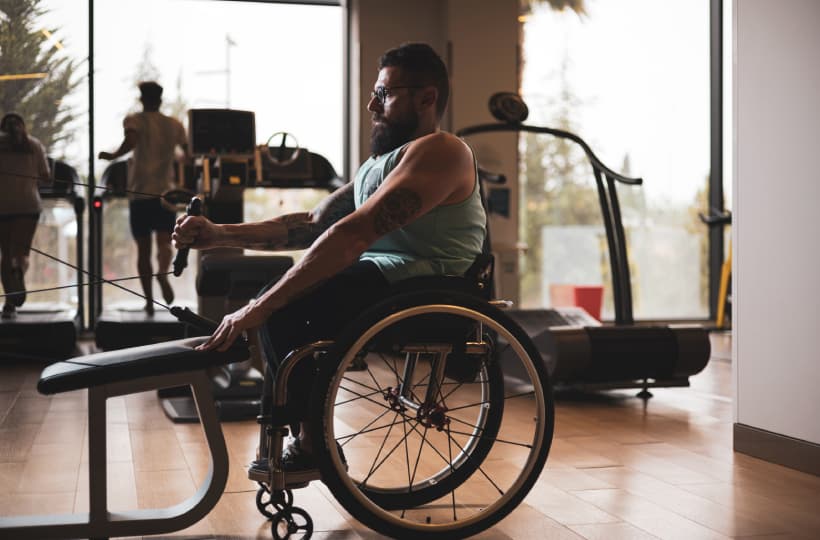
Your inner dialogue dictates your effort. Negative self-talk is a performance killer.
- Use Instructional Self-Talk: Instead of “This is heavy,” say “Drive through your heels, keep your chest up.” This directs focus to technique.
- Adopt a Growth Mindset Language: Developed by Carol Dweck, this means adding “yet” to limiting statements. “I can’t do a pull-up” becomes “I can’t do a pull-up yet.”
- Create a Personal Mantra: A short, powerful phrase like “Strong and steady” can center you during tough sets.
The Impact of Social Support on Fitness Motivation
Social support is a non-negotiable multiplier for motivation and accountability.
Data from platforms like MyFitnessPal shows users with at least one friend on the platform are 65% more likely to log consistently. Join a community that aligns with your goals: a local running club, a CrossFit box, or an online community like the /r/fitness subreddit.
Consider hiring a coach. A good coach provides expert guidance, but more importantly, they provide accountability and objective feedback, removing emotional decision-making from the process.
| Benefits of Group Support for Fitness Motivation |
|---|
| Increased sense of accountability |
| Enhanced motivation and commitment |
| Opportunity for shared experiences |
| Supportive environment for overcoming challenges |
Developing a Growth Mindset for Long-Term Fitness Success
A growth mindset views challenges as opportunities to learn, not as threats. This is critical for long-term fitness, where setbacks are guaranteed.
- Embrace the Process: Value the workout itself—the effort, the sweat, the focus—not just the end result.
- Reframe “Failure”: A missed workout isn’t a failure; it’s data. Analyze why it happened (poor sleep, stress?) and adjust your plan.
- Seek Challenges: Periodically, sign up for an event that scares you—a 5K, a lifting meet, a hiking trip. The training cycle builds resilience.
- Practice Self-Compassion: Dr. Kristin Neff’s research shows self-compassion leads to greater resilience than self-criticism. Talk to yourself like you would a dedicated friend.
❓ Frequently Asked Questions
How do I stay motivated with a busy schedule?
You don’t find time, you make it. Schedule 10-20 minute “exercise snacks” – a bodyweight circuit, a brisk walk. Use time-blocking in your calendar. Consistency with short sessions builds the habit, making longer workouts easier to prioritize later.
What’s the best strategy to overcome gym intimidation?
Go with a plan. Have your workout written down or loaded on your phone. Book a single session with a trainer to learn the equipment. Remember, most people are focused on themselves. Start at off-peak hours to build confidence in the environment.
How do I bounce back after completely falling off my routine?
Implement the “Never Zero” rule. Do not let two consecutive days of zero activity happen. Even 5 minutes of movement counts. Forgive the lapse immediately—dwelling on guilt wastes energy. Just restart your next scheduled session without overcompensating.
Is it better to work out alone or with others?
Use both strategically. Solo workouts build self-reliance and allow you to focus on personal goals. Group workouts (classes, sports) provide social motivation, accountability, and often push you harder. A mix of both is ideal for balanced motivation.
Conclusion
Fitness psychology is the operating system for your physical goals. Lasting success isn’t about willpower; it’s about designing a system that works with your psychology, not against it. Combine intrinsic joy with smart extrinsic rewards. Build discipline through tiny, consistent habits. Set process-oriented goals and use a growth mindset to navigate obstacles.
Your next step is action. Pick one concept from this guide—like the 2-minute rule or finding an accountability partner—and implement it this week. Start small, track your progress, and iterate. The compound effect of these psychological strategies will build the resilient, motivated mindset required for a lifetime of fitness success.
References
- Self-Determination Theory – Official Site
- Clear, J. (2018). Atomic Habits. Avery.
- Dweck, C. (2006). Mindset: The New Psychology of Success. Ballantine Books.
- The Impact of Social Support on Exercise Adherence: A Meta-Analysis (2026 Update)
- Neff, K. Self-Compassion: The Proven Power of Being Kind to Yourself. William Morrow.
- Cognitive Behavioral Techniques for Enhancing Athletic Performance
- Garmin Connect: Fitness Tracking & Community Challenges
Practical Tools for Fitness Success
Understanding the psychology of fitness is the first step; the second is having the right tools to maintain consistency. If you are just starting, an outdoor running plan can help build discipline through structure, while tracking your progress with one of the best fitness tracking watches provides the visual data needed to fuel extrinsic motivation.
Psychological Tools for Fitness Consistency
- Habit Stacking: Pair a new fitness goal with an existing routine. For example, use your 12-minute core exercises for beginners routine immediately after your morning coffee.
- Goal Alignment: If your goal is cardiovascular health, follow a structured 5K training plan to give your motivation a clear, time-bound roadmap.
- Sustainable Progress: For many, running for weight loss is a powerful extrinsic motivator that evolves into an intrinsic passion for movement and health.
