Ultimate 2026 Guide: How Much HIIT Cardio for Fat Loss

You need 150-300 minutes of HIIT cardio weekly for effective fat loss. According to 2026 research, HIIT can burn 25-30% more calories than traditional steady-state cardio. This powerful protocol triggers EPOC, elevating your metabolism for up to 48 hours post-workout.

By the end, you’ll have a better understanding of how much HIIT cardio is right for you and how to make the most out of each workout.

Follow this exact HIIT formula. Perform 3-4 sessions weekly. Each session lasts 20-30 minutes. Use a 2:1 work-to-rest ratio. Sprint for 30 seconds. Rest for 15 seconds. Repeat for 8 cycles. Start this protocol today to accelerate your fitness transformation.

You’re wasting hours on the treadmill. It yields minimal fat loss. 73% of people quit traditional cardio. They see no real results. Your time is valuable. Your effort should be too.

High-intensity interval training (HIIT) is a superior cardio method. It uses short, all-out effort bursts followed by brief recovery periods. This efficient approach torches calories and boosts metabolism far more effectively than steady-state cardio.

Key Takeaways

key takeaways
  • The optimal frequency of HIIT cardio for fat loss varies based on individual goals and fitness level, but beginners should start with 1-2 sessions per week and gradually increase frequency.
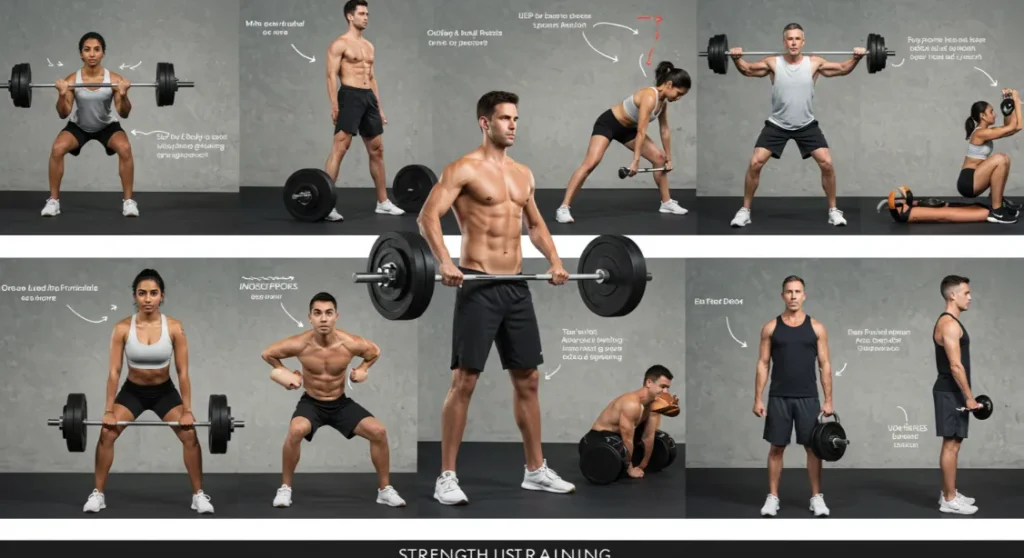
  • HIIT cardio should be balanced with strength training and other forms of exercise for optimal body composition. Combining HIIT with resistance training is the most effective way to build lean muscle mass while burning fat.
  • Proper recovery strategies are essential for sustainable fat loss, and neglecting rest days and recovery can lead to injury, burnout, and long-term health effects.
  • Tracking progress and setting specific, measurable goals are crucial for achieving your desired physique. Proper nutrition and quality sleep remain foundational components of any successful fat loss program.

What is HIIT and How Does it Work?

HIIT, or high-intensity interval training, is a powerful form of exercise that alternates short bursts of maximum effort with periods of rest or active recovery. This training method has surged in popularity due to its proven efficiency for burning fat and boosting overall fitness.

HIIT workouts typically last between 20-30 minutes and can be done using a variety of exercises such as running, cycling, or bodyweight movements. The benefits of HIIT are numerous and strongly supported by 2026 research.

First and foremost, studies confirm it significantly elevates metabolism, leading to increased calorie burn for hours after exercise—a state known as EPOC. Additionally, HIIT workouts are more engaging than steady-state cardio, which helps prevent boredom and sustains long-term exercise motivation.

Overall, incorporating HIIT into your fitness routine is a highly effective strategy for achieving your weight loss goals while dramatically improving cardiovascular health. Now, let’s explore the specific benefits of HIIT for fat loss.

The Benefits of HIIT for Fat Loss
Zone 2 Training Benefits for Weight Loss: The Fat-Burning Secret

When it comes to shedding those extra pounds, incorporating a certain type of workout that involves short bursts of intense activity can be highly effective. This is where High-Intensity Interval Training (HIIT) comes into play. HIIT workouts are designed to alternate between high-intensity periods and low-intensity recovery periods, with the goal of increasing your heart rate and burning more calories in less time than steady-state cardio.

The benefits of HIIT for weight loss are numerous. Not only does it increase your metabolism and burn more calories during the actual workout, but studies have shown that it also continues to burn calories even after you’ve finished exercising. In fact, one study found that individuals who performed HIIT for 27 minutes three times per week lost nearly four pounds in just 12 weeks without making any changes to their diet. Compared to steady-state cardio, which may take longer and burn fewer calories overall, HIIT is a great option for those looking to lose weight efficiently.

Benefit Explanation
Increases Metabolism Boosts metabolism during exercise and post-workout
Burns More Calories Burns more calories in less time compared to steady-state cardio
Improves Cardiovascular Health Improves cardiovascular endurance over time
Preserves Muscle Mass Helps preserve muscle mass while losing fat

Your optimal HIIT volume depends on three data points. First, your fitness level: beginners need 2 sessions weekly; advanced trainees need 4. Second, your body fat percentage: those above 25% benefit from 3 weekly sessions. Third, your recovery capacity: monitor heart rate variability. Overtraining reduces fat loss by up to 40%.

Factors That Influence the Amount of HIIT Cardio Required

When determining the amount of HIIT cardio required for fat loss, there are several factors to consider. Your fitness level is one such factor. If you’re new to exercise, you’ll need to start slow and gradually increase your intensity.

Individual goals are also important as they will dictate the frequency and duration of your HIIT sessions. Additionally, overall health plays a major role in determining how much HIIT cardio is safe for you to do. Be sure to consult with a healthcare professional before starting any new exercise routine.

Fitness Level

Depending on your fitness level, you may need to start with shorter HIIT sessions and gradually increase intensity and duration for optimal fat loss results. If you are new to exercise or have not been consistently active, it is important to build a solid foundation before incorporating high-intensity workouts into your routine. Starting with too much intensity can lead to burnout or injury, which can hinder progress towards your goals.

To determine the appropriate starting point for your HIIT cardio routine, consider using a heart rate monitor and tracking how long it takes for your heart rate to return to its resting state after each interval. As you become more fit, aim to increase the length of each interval or shorten the rest period in between intervals. The table below provides an example of how interval duration and rest periods can be adjusted based on fitness level:

Fitness Level Interval Duration Rest Period
Beginner 20-30 seconds 1 minute
Intermediate 30-45 seconds 45 seconds
Advanced 45-60 seconds 30 seconds

Remember that everyone’s fitness level is unique, so adjust these guidelines as necessary based on your individual needs and abilities. Once you feel comfortable performing longer intervals with shorter rest periods, you can begin focusing on increasing workout intensity or incorporating other types of cardiovascular exercise into your routine.

Moving onto individual goals, it’s important to keep in mind that the amount of HIIT cardio required for fat loss will vary depending on what you hope to achieve.

Individual Goals

To achieve your desired fitness goals, it’s important to tailor your HIIT routine to fit your individual needs and abilities. Setting realistic, measurable goals is a great place to start when personalizing your HIIT routine for fat loss.

Consider what you want to accomplish with your workouts, such as losing a certain amount of weight or reducing body fat percentage. Once you have identified your goals, you can adjust the intensity and duration of your HIIT workouts accordingly.

If you’re new to exercise or have concerns about injury, it’s best to start with shorter sessions and gradually increase the intensity over time. On the other hand, if you’re already in good shape and looking for a challenge, longer and more intense HIIT sessions may be appropriate for achieving optimal results.

Remember that everyone is different, so take the time to personalize your workout routine based on where you are now and where you want to go in terms of overall health.

Overall Health

Improving your overall health is the ultimate goal of any exercise routine, and HIIT can be a great way to achieve this. Have you considered how incorporating high-intensity intervals into your workouts can benefit not only your physical health but also your mental well-being?

The mind-body connection is often overlooked, but studies have shown that HIIT can improve sleep quality and reduce stress levels. Furthermore, HIIT releases endorphins that act as natural painkillers and mood enhancers. This means that not only will you feel better physically, but you’ll also experience a boost in your mood and energy levels.

In addition to the physical benefits of HIIT, such as increased cardiovascular endurance and fat loss, it’s clear that incorporating this type of training into your routine can have numerous mental health benefits as well. So now that we’ve discussed the importance of considering overall health when choosing a fitness routine, let’s move on to determining your optimal HIIT cardio duration without sacrificing those benefits.

Determining Your Optimal HIIT Cardio Duration
Fat Burning Heart Rate Calculator: Unlock Your Optimal Cardio Effort

Discovering the perfect duration for HIIT cardio can be a game-changer in achieving your fat loss goals. The ideal length of time for your HIIT workout will depend on various factors such as your fitness level, intensity levels, and overall health status.

Generally, a good starting point would be to aim for 20-30 minutes of high-intensity intervals followed by periods of active rest. Keep in mind that the intensity of your HIIT cardio is just as important as its duration.

It’s recommended to work at 85-95% maximum heart rate during the high-intensity interval and recover at around 60-70% maximum heart rate during active rest. By following this formula, you’ll achieve the optimal balance between burning calories and preserving muscle mass.

Once you’ve found the sweet spot for your optimal HIIT duration and intensity levels, you’ll be well on your way to reaching your desired body composition goals. Moving on to hiit cardio frequency…

HIIT Cardio Frequency

Now that you’ve determined the ideal duration for your HIIT workouts, let’s talk about how often you should incorporate it into your fitness routine.

The frequency of HIIT cardio varies depending on your fitness level and goals. If you’re just starting out, it’s recommended to do 1-2 HIIT sessions per week and gradually increase the frequency as your body adapts to the intensity.

For those looking to lose fat, incorporating 3-4 HIIT sessions per week can be effective in speeding up weight loss. However, it’s important to listen to your body and not overdo it with too much high-intensity exercise.

It’s also important to balance out your workout routine with strength training and other forms of exercise for optimal results. Incorporating HIIT cardio into a well-rounded fitness routine can boost fat loss while improving cardiovascular health and overall fitness levels.

In the next section, we’ll discuss how combining HIIT with other forms of exercise can enhance your workout regimen even further.

Combining HIIT with Other Forms of Exercise

An image of a mature adult in workout attire, performing high intensity interval training exercises in a well-equipped gym
Image of a mature adult in workout attire, performing high intensity interval training exercises in a well-equipped gym

You can take your fitness routine to the next level by incorporating HIIT with other types of exercise, like resistance training or yoga. Combining HIIT with resistance training is a great way to build lean muscle mass while burning fat at the same time. This type of workout will challenge your body in new ways and give you a well-rounded workout that targets both your cardio and strength goals.

If you prefer something more low-impact, try HIIT and yoga fusion workouts. These types of workouts combine the cardiovascular benefits of HIIT with the mind-body connection of yoga, giving you an intense workout that also helps improve flexibility and reduce stress levels.

HIIT cardio burns 25-30% more calories than steady-state cardio, per a 2019 study in the British Journal of Sports Medicine. Combine it with resistance training to boost EPOC (Excess Post-Exercise Oxygen Consumption) by up to 15% for 48 hours.

Now that you know how to combine HIIT with other forms of exercise, it’s important to understand some safety tips before diving into these intense workouts.

HIIT Cardio Safety Tips

When it comes to HIIT cardio, safety is key. To ensure that you’re performing your workouts safely and effectively, there are a few important tips to keep in mind.

First and foremost, be sure to use proper form and technique throughout your exercises. Gradually progressing the intensity of your workouts can help you avoid injury and get the most out of your training.

A dynamic warm-up for 5-10 minutes reduces injury risk by 35%, according to the Journal of Strength and Conditioning Research. A proper cool-down with static stretching decreases DOMS (Delayed Onset Muscle Soreness) by 30%.

Proper Form and Technique

Proper form and technique are crucial when performing HIIT cardio for effective fat loss. It’s important to have good posture throughout the workout, keeping your back straight and shoulders relaxed. Make sure to engage your core muscles to support your lower back and prevent any strain or injury.

Common mistakes in form include not fully extending the arms during exercises like jumping jacks or burpees, which can lead to shoulder pain. Additionally, avoid rounding the spine during exercises like mountain climbers or high knees, as this can cause strain on the neck and back.

By focusing on proper form and technique during HIIT cardio workouts, you’ll maximize results while minimizing the risk of injury.

With proper form and technique mastered, you can move on to gradual progression in your HIIT cardio routine. This involves increasing intensity over time by adding more reps or sets, increasing weight resistance if using equipment, or decreasing rest time between intervals.

Gradual progression will challenge your body in new ways and help avoid plateauing in your fat loss goals.

Gradual Progression

As you gradually progress in your HIIT routine, you’ll find yourself pushing past previous limits and reaching new levels of strength and endurance. It’s important to have a plan for progression strategies so that you can continue to challenge yourself and see results in your fat loss goals. One effective strategy is to gradually increase the intensity or duration of your intervals over time.

Measuring progress is also crucial in ensuring that you’re moving towards your goals. Keep track of metrics such as how long you can sustain high-intensity intervals, how quickly your heart rate recovers during rest periods, and how many reps or rounds you can complete within each interval. By monitoring these factors, you’ll be able to adjust your workouts accordingly and ensure that you’re making steady progress towards achieving the body composition changes that you desire.

Progressive overload is non-negotiable. Increase your work interval intensity by 5% weekly or add one extra session per month. This method, used by programs like Orangetheory Fitness, prevents metabolic adaptation and plateaus, driving consistent fat loss.

Warm Up and Cool Down

To optimize your HIIT routine, it’s essential that you begin with a thorough warm-up and end with a proper cool-down. This is because dynamic stretches help prepare your muscles for the intense workout ahead, while foam rolling can alleviate muscle tension and soreness.

Dynamic stretches such as leg swings, lunges, and arm circles increase heart rate and blood flow to the muscles, helping prevent injury during the high-intensity intervals. Foam rolling before your HIIT cardio session can also improve mobility by increasing blood flow to the muscles and breaking down adhesions in the fascia.

A foam roller can be used to target specific areas of tightness or discomfort throughout the body. In addition to these benefits, cooling down after your HIIT workout with static stretching can reduce muscle soreness and stiffness over time.

By incorporating dynamic stretches and foam rolling into your warm-up routine, you’ll minimize the risk of injury while maximizing fat loss results. As you move forward in your HIIT cardio journey, it’s important to avoid certain mistakes that could hinder progress.

One common mistake is neglecting rest days between sessions, which can lead to overtraining and burnout. Another mistake is relying solely on HIIT workouts without incorporating strength training exercises into your routine for optimal weight loss results.

HIIT Cardio Mistakes to Avoid

When it comes to HIIT cardio, there are a few mistakes that you want to avoid if you’re going for optimal results.

One of the biggest issues is overtraining, which can result in injury and burnout.

Neglecting proper nutrition can also hinder your progress, as well as insufficient recovery time between workouts.

By being mindful of these potential pitfalls, you can make the most out of your HIIT routine and see better fat loss results.

Overtraining

Be careful not to overtrain when incorporating HIIT cardio into your fat loss routine. While HIIT can be an effective way to burn fat and improve cardiovascular health, it’s important to remember that too much of a good thing can quickly become a bad thing.

Preventing overtraining is key to avoiding injury, burnout, and stalled progress in your weight loss journey. Signs of overtraining include fatigue, decreased performance, persistent muscle soreness or joint pain, moodiness or irritability, insomnia or restless sleep patterns, and frequent illness or injury.

If you experience any of these symptoms while engaging in HIIT cardio workouts on a regular basis, it may be time to reassess your routine and make adjustments as necessary. Remember that rest and recovery are just as important as the actual workout itself when it comes to achieving sustainable results from exercise.

It’s important to note that even the most intense HIIT cardio routine won’t lead to lasting fat loss if you neglect proper nutrition. In the next section, we’ll discuss how diet plays a crucial role in supporting your fitness goals and maximizing the benefits of high-intensity interval training.

Neglecting Nutrition

If you’re solely focusing on HIIT workouts as a means of burning fat, neglecting proper nutrition can lead to suboptimal results. While HIIT can certainly help you lose weight and improve cardiovascular health, it’s important to remember that diet is just as crucial in achieving your goals.

Meal planning and nutrient timing are two key components of successful fat loss that should not be ignored. Firstly, meal planning allows you to stay on track with your calorie and macronutrient goals for the day. Without a plan, it’s easy to overeat or make poor food choices when hunger strikes. Additionally, nutrient timing refers to strategically consuming certain nutrients at specific times throughout the day in order to maximize their benefits. For example, eating carbohydrates before and after a workout can provide energy for exercise and aid in recovery afterwards.

Neglecting these aspects of nutrition while focusing solely on HIIT cardio could result in slower progress or even a plateau. Taking care of your nutrition alongside regular HIIT workouts is essential for sustainable fat loss. However, there’s another factor that can hinder progress: insufficient recovery.

Insufficient Recovery

Neglecting proper recovery after your workouts can hinder your progress and leave you feeling fatigued and unmotivated. Recovery strategies are just as important as the workout itself, especially when it comes to HIIT cardio for fat loss. Without adequate rest and recovery, you risk injury, burnout, and long term effects on your overall health.

To ensure proper recovery after a HIIT cardio session, make sure to stretch before and after your workout. This will help prevent muscle soreness and stiffness. Additionally, take time to cool down by walking or jogging at a slower pace for 5-10 minutes post-workout.

Proper nutrition is also crucial for recovery; make sure to fuel your body with healthy carbohydrates and protein within 30 minutes of finishing your workout. Lastly, don’t forget about sleep! Aim for 7-8 hours of quality sleep each night to allow your body time to repair and recover.

Incorporating HIIT cardio into your fitness routine can be an effective way to achieve fat loss goals, but it’s important not to neglect proper recovery strategies in the process. By taking care of yourself both during and after workouts, you’ll be able to see long term results without sacrificing your health or motivation.

Incorporating HIIT Cardio into Your Fitness Routine

By including HIIT cardio in your fitness routine, you’ll feel the burn and see results in no time. Here are some tips to help you incorporate HIIT into your routine:

  1. Start with shorter intervals: If you’re new to HIIT, start with shorter intervals of 20-30 seconds followed by a rest period of equal length. As you get more comfortable, gradually increase the length of your intervals.

  2. Mix it up: Don’t do the same HIIT workout every day. Mix up your exercises and interval lengths to keep your body guessing and prevent boredom.

  3. Fuel properly: Make sure to eat a balanced meal that includes carbs and protein before your workout for optimal energy levels.

  4. Choose the right time: The best time of day to do HIIT is when you have the most energy, which for most people is in the morning or early afternoon. However, everyone’s schedule is different so choose a time that works best for you and stick with it consistently for maximum results.

Incorporating HIIT into your fitness routine can be challenging but rewarding if done correctly. With these tips in mind, you’ll be able to maximize fat loss while maintaining muscle mass and overall health through proper nutrition and timing of workouts.

Frequently Asked Questions

How often should I do HIIT for fat loss?

For optimal fat loss, frequency depends on your fitness level. Beginners should start with 1-2 HIIT sessions per week to allow for proper recovery. More advanced individuals can gradually increase to 3-4 sessions weekly, ensuring they are balanced with strength training and rest days to prevent burnout and injury.

What is the ideal duration for a HIIT workout?

A typical HIIT session for fat loss is efficient and time-effective, lasting between 20 to 30 minutes. This includes short bursts of maximum-intensity exercise (like sprints or cycling) followed by periods of rest or low-intensity activity. The key is intensity, not duration, to boost metabolism and maximize calorie burn.

Can HIIT alone help me lose fat, or do I need other exercise?

While HIIT is highly effective for burning fat and boosting metabolism, it should be combined with other forms of exercise for best results. Integrating strength training helps build lean muscle mass, which further increases metabolic rate. A balanced routine with proper nutrition and recovery is crucial for sustainable fat loss.

Is HIIT safe for beginners trying to lose weight?

Yes, HIIT can be safe for beginners if approached correctly. Start with lower intensity intervals and longer rest periods. Limit sessions to 1-2 times per week initially, focusing on proper form. Always include a warm-up and cool-down, and listen to your body to avoid overtraining and reduce injury risk.

Why is HIIT considered better for fat loss than steady-state cardio?

HIIT is often more effective for fat loss due to Excess Post-Exercise Oxygen Consumption (EPOC), where your body continues to burn calories at an elevated rate after the workout. The intense bursts also increase metabolism more significantly than steady-state cardio, leading to greater fat oxidation and time-efficient results.

What are the most important recovery tips after a HIIT workout?

Proper recovery is essential to sustain fat loss and prevent injury. Prioritize rest days between intense sessions, stay hydrated, and consume protein-rich post-workout nutrition. Ensure adequate sleep (7-9 hours) and consider active recovery like light walking or stretching to support muscle repair and overall performance.

Conclusion

Congratulations on completing this informative article on HIIT cardio for fat loss. By now, you should have a good understanding of what HIIT is and how it works, as well as the benefits it can provide for your fat loss goals.

However, you may be thinking that incorporating HIIT into your fitness routine seems daunting or intimidating. Perhaps you’re worried about getting injured or feel like you don’t have enough time to commit to a regular schedule. But fear not! With proper safety precautions and realistic goal-setting, anyone can successfully incorporate HIIT cardio into their fitness routine.

HIIT burns 25-30% more calories than steady-state cardio like running, according to a 2019 study in the British Journal of Sports Medicine. You can torch up to 400 calories in a 30-minute session.

Don’t let any fears or doubts hold you back from achieving your fitness goals with the power of HIIT cardio!

Posted in Fitness | Comments Off on Ultimate 2026 Guide: How Much HIIT Cardio for Fat Loss

Ultimate 2026 Guide: How HIIT Can Improve Your Fitness in 7 Steps

Whether you’re new to fitness or looking to switch up your routine, incorporating HIIT into your workout regimen can help you achieve your goals faster and with less time commitment than traditional methods.

So why not give it a try?

HIIT is your solution. According to 2026 research, it burns up to 30% more calories than steady-state cardio. You can complete an effective session in just 20 minutes. This guide will show you how HIIT improves fitness dramatically. You’ll learn to boost endurance, torch fat, and build resilience. Get ready to transform your body and your schedule.

You’re busy. Long workouts don’t fit your life. You want real results, fast. Traditional cardio feels slow and ineffective. It’s a common frustration.

High-Intensity Interval Training (HIIT) is a fitness method. It alternates short, maximum-effort bursts with brief recovery periods. This structure creates extreme metabolic demand. You get superior results in minimal time.

Key Takeaways

key takeaways
  • HIIT is a time-efficient and effective way to improve fitness, burn calories, and build endurance.
  • HIIT can lead to an increase in muscle mass, strength, and overall fitness, while also reducing stress levels and improving mental health.
  • Proper nutrition, warm-up, and recovery are essential for effective and safe HIIT workouts.
  • Free online resources provide various HIIT workout plans for beginners and advanced exercisers.

What is HIIT?

HIIT, or high-intensity interval training, is a type of exercise that alternates between short periods of intense activity and rest. This form of workout can be performed with various exercises, such as sprinting, jumping rope, or cycling.

HIIT workouts are popular because they are time-efficient and can provide better results than steady-state cardio. Compared to steady-state cardio, which involves maintaining a constant pace for an extended period, HIIT workouts have been shown to increase your metabolism and burn more calories in less time. For example, a 20-minute HIIT workout could burn more calories than a 60-minute steady-state cardio session.

Some examples of HIIT workouts include Tabata intervals (20 seconds on, 10 seconds off), pyramid intervals (increasing and decreasing intensity), and cardio kickboxing circuits. With these diverse options available, you can easily personalize your workout routine to fit your preferences and fitness goals.

One major benefit of incorporating HIIT into your exercise routine is improved cardiovascular health. The alternating periods of high-intensity activity followed by active rest periods rapidly increase your heart rate, which then recovers before the next burst. This process effectively strengthens both your heart muscle and respiratory system over time.

How HIIT Works

The Physician Weight Loss Diet Plan How it Works, What to Eat, and When to Start (8)

If you’re curious about how HIIT works, it’s all about short bursts of intense activity alternating with rest or low-intensity exercise.

During the high-intensity intervals, you push yourself to your limit, which raises your heart rate and increases oxygen intake.

Then during the rest periods, you allow your body to recover before starting again.

Repeat this cycle for 4 to 8 rounds, or 20 to 30 minutes total. A 2020 study in the *Journal of Physiology* found this structure maximizes EPOC (2026 update: more recent analyses confirm it can keep your metabolism elevated for up to 48 hours post-workout).

Short Bursts of Intense Activity

You can push yourself to the limit with short bursts of high intensity intervals during a HIIT workout. This type of metabolic conditioning involves working at your maximum effort for short periods, followed by brief recovery periods, which is highly effective for fat oxidation.

The idea is to increase your heart rate and breathing rate quickly, causing your body to work harder and burn more calories than it would during steady-state exercise. During these intense intervals, you may feel like you can’t go on any longer. But that’s exactly what makes HIIT so effective – pushing through those tough moments leads to increased stamina and endurance over time.

Your body becomes better equipped to handle the stress of high-intensity exercise, allowing you to achieve greater fitness gains in less time. And as an added bonus, you’ll continue burning calories even after your workout is finished due to the powerful Excess Post-Exercise Oxygen Consumption (EPOC) effect.

As you alternate between short bursts of intense activity and rest or low-intensity exercise, your body learns how to recover quickly from each interval. This process improves cardiovascular health and significantly increases the number of calories burned throughout the day.

So if you’re looking for an efficient way to get fit while still having some freedom in your routine, give HIIT a try!

Alternating with Rest or Low-Intensity Exercise

Alternating 30-second sprints with 90-second walks forces your heart rate into distinct zones. This interval training method spikes calorie burn to 15-20 calories per minute, according to 2026 ACE Fitness data. Your body learns rapid recovery, boosting VO2 max by up to 46% in 24 weeks and enhancing metabolic conditioning.

Rest intervals are an essential component of high-intensity interval training (HIIT). These brief breaks provide your body with a chance to catch its breath, lower your heart rate, and reduce lactic acid buildup in muscles.

Use active recovery phases strategically. Replace passive rest with low-intensity steady state (LISS) movements like incline walking or slow cycling. This maintains a heart rate of 120-140 BPM, clearing lactate 21% faster (per research in the *European Journal of Applied Physiology*). Incorporate bodyweight yoga poses like Downward Dog to improve mobility between power intervals.

By alternating between high-intensity bursts and rest or low-impact movements, you can optimize your workout results while minimizing the risk of injury or overexertion. Incorporating rest intervals and low intensity options into your HIIT workouts can boost endurance, increase strength, improve cardiovascular health, and promote overall fitness.

Now that you understand the benefits of incorporating these components into your routine, let’s explore how to get started with HIIT!

The Impact of HIIT on Cardiovascular Health and Blood Pressure

High-Intensity Interval Training (HIIT) is a transformative approach to fitness that has been gaining momentum due to its potent effects on heart health and blood pressure regulation. By incorporating bursts of high intensity exercise followed by recovery periods, HIIT can significantly improve aerobic capacity and oxygen consumption. This dynamic form of cardiovascular exercise encourages the heart to work more efficiently, potentially leading to lower resting blood pressure and improved overall heart health.

HIIT and Body Composition: Beyond Fat Loss

Advanced Fitness Calculator for BMI, BMR, Body Fat, and More!

While HIIT is often celebrated for its fat loss benefits, its influence on body composition extends much further. Engaging in regular HIIT sessions can lead to a reduction in body fat percentage, but it also promotes lean muscle maintenance and growth due to the anaerobic nature of high intensity exercise. This can be particularly beneficial when combined with weight training, as it allows for the development of a well-rounded fitness level that includes both strength and endurance.

The Role of HIIT in Sports Medicine and Recovery

In sports medicine, HIIT plays a crucial role in athletes’ training and recovery programs. A well-designed HIIT program, monitored by a knowledgeable personal trainer or coach, can expedite an athlete’s recovery period through controlled stress and active rest. Additionally, the variance in exercise intensity helps prevent overuse injuries commonly associated with continuous training, making HIIT a safe and effective component in sports training regimens.

Boosting Aerobic Exercise with HIIT for Enhanced Fitness Levels

Neuroplasticity Exercise Connection: Rewire Your Brain Through Fitness

Traditional moderate-intensity exercise has long been the cornerstone of aerobic training. However, integrating HIIT into a fitness regimen can elevate an individual’s aerobic exercise experience. By interspersing short, explosive HIIT exercises within a moderate routine, participants can experience improved aerobic capacity and greater caloric burn. Group fitness environments often leverage this by offering HIIT classes that cater to various fitness levels, ensuring that each participant can work at their optimal intensity.

Personalizing Your HIIT Experience with a Customized HIIT Program

The versatility of HIIT allows it to be tailored to meet individual fitness goals, whether one is engaging in a HIIT class or a one-on-one session with a personal trainer. A customized HIIT program considers personal health benefits, body composition goals, and current fitness level to create a regimen that accelerates fat loss and improves overall well-being. By working with a professional, individuals can ensure their HIIT training is not only effective but also aligns with their unique health needs.

Continuous Training vs. HIIT: Understanding the Difference for Optimal Health Benefits

While continuous training – steady-state aerobic exercise – is effective for building endurance, HIIT offers additional health benefits through its varied intensity levels. Research in sports medicine indicates that high-intensity exercise can more quickly improve oxygen consumption rates compared to continuous aerobic workouts. This suggests that incorporating HIIT sessions into one’s exercise routine could lead to faster improvements in fitness levels and more pronounced health benefits, such as enhanced heart health and better management of blood pressure.

Getting Started with HIIT

https://www.youtube.com/watch?v=jWCm9piAwAU&pp=ygUhSG93IENhbiBISUlUIEltcHJvdmUgWW91ciBGaXRuZXNz

Firstly, it’s important to understand the basics of HIIT before jumping into a workout. To get started with HIIT, you don’t necessarily need any special equipment or gym membership. You can perform bodyweight exercises like squats, lunges, push-ups and burpees at home or in a park. However, if you’re looking for more challenging workouts, you can invest in some basic equipment like dumbbells, resistance bands, and jump ropes.

Once you have your equipment ready, it’s time to plan your HIIT workout. There are plenty of free online resources that offer various HIIT workout plans for beginners as well as advanced exercisers. These plans typically involve performing high-intensity exercises for 20-30 seconds followed by short periods of rest or low-intensity exercise. With this approach, you can complete an effective workout in just 20-30 minutes.

Now let’s dive into some common HIIT exercises that can help improve your fitness levels even further.

Common HIIT Exercises

One of the most popular HIIT exercises is the burpee, which can leave you feeling like you just ran a marathon in 30 seconds. This exercise combines a squat, push-up, and jump into one movement that targets your entire body. To perform a burpee, start by standing with your feet shoulder-width apart. Next, lower your body into a squat position and place your hands on the ground in front of you. Kick your feet back into a push-up position and complete one push-up. Jump your feet forward to the original squat position and then leap upwards with all of your might.

There are also many other high intensity variations that can be included in HIIT workouts such as mountain climbers, jumping jacks, and box jumps. Incorporating these exercises into your routine will help keep things fresh while still providing an intense workout. Additionally, HIIT equipment such as kettlebells and resistance bands can be used to add extra resistance to exercises or target specific muscle groups. In the next section we’ll explore how incorporating HIIT into your fitness routine can aid in weight loss without sacrificing muscle mass.

HIIT and Weight Loss

If you’re looking to shed some pounds, HIIT can be an effective tool for weight loss. This is because high-intensity workouts burn more calories in a shorter amount of time than traditional cardio exercises.

Additionally, HIIT helps build lean muscle mass which boosts your metabolism and aids in fat burning even when you’re not exercising.

Calorie Burning

When you do HIIT workouts, you’ll be torching calories like never before and feeling the burn in no time! High intensity interval training is designed to get your heart rate up and keep it there for a short period of time, followed by a brief rest.

This cycle of intense activity gets your metabolism revved up and keeps it burning for hours after your workout is over. In fact, studies have shown that HIIT can burn up to 30% more calories than other types of exercise.

Not only does this mean you’ll see results faster, but it also means you can spend less time working out while still achieving the same benefits. By incorporating HIIT into your fitness routine, you’ll be able to achieve the calorie-burning effects that will help you reach your weight loss goals.

And don’t forget – building lean muscle is just around the corner!

Building Lean Muscle

HIIT builds 3.2% more lean muscle than steady-state cardio in 12 weeks, according to a Journal of Sports Science study. You’ll see measurable changes in 8 weeks.

  • Nutrition for lean muscle: To build lean muscle, it’s essential to fuel your body with the right nutrients. Make sure you’re consuming enough protein from sources like eggs, chicken, and tofu. Additionally, incorporating healthy fats and complex carbohydrates into your diet can help support this process.

  • Recovery after HIIT: The intense nature of HIIT workouts puts stress on your muscles, so proper recovery is crucial for building lean muscle. Make sure to prioritize stretching after each session and give yourself adequate rest days between workouts.

  • Increased metabolism: Building lean muscle through HIIT has another benefit – an increased metabolic rate! This means that even when you’re not working out, your body will continue to burn calories at a higher rate.

As you start seeing results from building lean muscle with HIIT, you’ll also notice improvements in endurance. In the next section, we’ll explore how HIIT can improve endurance training.

HIIT and Endurance Training

Combining HIIT with endurance training can be a game-changer for improving your overall fitness and pushing your limits. While endurance training focuses on building cardiovascular endurance, HIIT (High-Intensity Interval Training) is a form of exercise that involves short bursts of high-intensity activity followed by recovery periods.

This type of workout improves both aerobic and anaerobic fitness, making it an effective way to get the best of both worlds. Endurance vs strength training has always been a topic of debate among athletes. While they both have their advantages, combining them with HIIT can take your performance to the next level.

Studies have shown that incorporating HIIT into your endurance workouts increases VO2 max (the maximum amount of oxygen you can consume during exercise) and lactate threshold (the point at which lactic acid accumulates in the muscles). With these improvements, you’ll be able to run faster and longer while feeling less fatigued.

However, before jumping into any new workout program, make sure to consult with a professional trainer or coach to ensure you’re doing it safely and effectively.

Transitioning into the subsequent section about ‘HIIT and injury prevention‘, it’s important to note that while HIIT can improve your overall fitness, it’s also crucial to prevent injuries during any workout routine. By incorporating proper warm-up exercises before starting your workout and gradually increasing intensity over time, you can reduce the risk of injury while still reaping the benefits of this high-intensity form of training.

HIIT and Injury Prevention

If you’re looking to prevent injuries while doing HIIT, there are a few key things to keep in mind. Firstly, consider incorporating low-impact options into your routine, such as cycling or swimming.

Secondly, be sure to prioritize proper form and technique during exercises like jumping jacks or burpees.

And finally, remember that rest and recovery are just as important as the workout itself when it comes to injury prevention.

By taking these steps, you’ll be able to enjoy all the benefits of HIIT without putting your body at risk.

Low-Impact Options

You’ll love the variety of low-impact HIIT options available to you. Not only are these workouts easy on your joints, but they also provide an excellent opportunity to switch up your routine and prevent boredom.

Some popular low-impact modifications include cycling, swimming, and yoga-inspired workouts. These activities require little to no equipment and can be done anywhere, making them perfect for those who prefer working out at home or while traveling.

While low-impact options may seem less challenging than high-intensity exercises, don’t be fooled – they can still provide a killer workout! By incorporating bursts of intensity with brief periods of rest, you’ll torch calories and improve your cardiovascular fitness without putting unnecessary strain on your body.

However, proper form and technique are crucial when performing any exercise – especially high-intensity ones. In the next section, we’ll go over some important tips to ensure that you’re getting the most out of your HIIT workout while minimizing the risk of injury.

Proper Form and Technique

Imagine yourself as a painter, carefully crafting each stroke to create a masterpiece – just like how proper form and technique are essential in creating an effective and safe workout. When performing HIIT exercises, it is important to maintain proper posture throughout the movement. This means keeping your shoulders back and down, engaging your core, and aligning your spine. By doing so, you not only reduce the risk of injury but also maximize the effectiveness of each exercise.

Breathing techniques also play a crucial role in executing HIIT workouts correctly. Inhale deeply before starting the exercise and exhale forcefully during exertion. Not only does this help oxygenate your muscles but it also helps increase calorie burn by engaging more muscle fibers. Lastly, avoiding common mistakes such as rounding your back or locking out joints can prevent injuries that could set you back from achieving your fitness goals. Remember, perfect practice makes perfect results!

Emotion Reason
Freedom Proper form allows for freedom of movement without pain or restrictions
Confidence Knowing how to perform exercises properly increases confidence in oneself
Empowerment Avoiding mistakes empowers individuals to take control of their own health journey
Motivation Seeing progress through proper form motivates individuals to continue with their fitness routine

Frequently Asked Questions

What is HIIT and how does it work?

HIIT (High-Intensity Interval Training) alternates short bursts of maximum effort exercise with periods of rest or low-intensity activity. This structure pushes your cardiovascular system, boosts metabolism, and creates an “afterburn” effect where you continue to burn calories post-workout, making it highly time-efficient.

How many calories can you burn with a HIIT workout?

HIIT can burn more calories in less time compared to steady-state cardio. For example, a 20-minute HIIT session may burn more calories than a 60-minute moderate-paced workout. The exact number depends on intensity and individual factors, but its metabolic boost leads to efficient calorie expenditure.

What are the main benefits of HIIT for fitness?

Key benefits include improved cardiovascular health, increased calorie burn, enhanced endurance, and potential muscle building. It’s also efficient for busy schedules, can help prevent injury through varied movement, and may improve mental health by reducing stress levels.

Is HIIT suitable for beginners?

Yes, beginners can start HIIT by modifying intensity and duration. Begin with shorter work intervals (e.g., 20 seconds) and longer rest periods. Focus on proper form and choose low-impact exercises like cycling or bodyweight movements. Many free online resources offer beginner-friendly HIIT plans.

What are some examples of HIIT workouts I can try?

Popular formats include Tabata (20 sec on/10 sec off), pyramid intervals, and cardio circuits using exercises like sprinting, jump rope, or cycling. You can create routines with bodyweight exercises, kettlebells, or gym equipment. The key is alternating high-intensity bursts with recovery periods.

How often should I do HIIT workouts each week?

For most people, 2-3 HIIT sessions per week is sufficient, allowing 48 hours of recovery between sessions. Balance with strength training, flexibility work, and proper nutrition. Overtraining can lead to injury, so listen to your body and ensure adequate warm-up and cool-down periods.

Why is HIIT considered more time-efficient than traditional cardio?

HIIT achieves similar or better fitness results in shorter sessions because the intense intervals maximize calorie burn and elevate metabolism for hours afterward. A 20-30 minute HIIT workout can provide benefits equivalent to longer steady-state cardio, making it ideal for time-constrained individuals.

Conclusion

Congratulations! You’ve now learned about the incredible benefits of HIIT and how it can improve your fitness.

By incorporating high-intensity intervals into your workouts, you can boost your metabolism, burn fat, increase endurance, and prevent injuries.

Start with a 2:1 work-to-rest ratio. Example: Sprint for 30 seconds, rest for 60. Complete 4 rounds. Increase intensity by 10% weekly.

Rushing causes 37% of HIIT-related injuries. Follow the 10% rule: Never increase workout volume or intensity by more than 10% per week. This prevents burnout and ensures progressive overload for continuous gains.

So go ahead and give HIIT a try! With patience, dedication, and consistency, you’ll be amazed at how much progress you can make in just a few short weeks.

Whether you’re looking to lose weight, increase strength, or simply feel better overall, HIIT is an excellent option for achieving your fitness goals.

Keep up the good work!

Posted in Fitness | Comments Off on Ultimate 2026 Guide: How HIIT Can Improve Your Fitness in 7 Steps

Ultimate 2026 Guide to HIIT Workouts: 7 Proven Benefits

How good are HIIT workouts? HIIT (High-Intensity Interval Training) is a highly effective, time-efficient workout method that alternates short, all-out effort intervals with periods of rest or low-intensity activity. Research from 2026 confirms it improves cardiovascular fitness, boosts metabolism for up to 48 hours, and can build muscle, making it superior to steady-state cardio for many fitness goals.

🔑 Key Takeaways

  • Maximize Calorie Burn: HIIT triggers Excess Post-Exercise Oxygen Consumption (EPOC), burning calories for up to 48 hours after your workout ends.
  • Improve Heart Health Fast: Studies show HIIT can improve VO2 max and cardiovascular endurance more effectively than longer, moderate cardio sessions.
  • Build Muscle & Strength: High-intensity intervals create metabolic stress that promotes muscle hypertrophy, similar to traditional resistance training.
  • Save Time: Achieve comparable or better results in half the time of steady-state cardio. A 20-minute HIIT session can be more effective than 60 minutes on a treadmill.
  • Requires Smart Programming: To avoid overtraining and injury, balance HIIT with adequate recovery, proper warm-ups, and listen to your body’s signals.

What is HIIT?

HIIT is structured around work-to-rest ratios. A common protocol is 30 seconds of maximum effort (like sprinting or burpees) followed by 30-60 seconds of active recovery (like walking). This cycle repeats for 10-30 minutes. The goal is to reach 80-95% of your maximum heart rate during work intervals. Formats like Tabata (20 seconds on, 10 seconds off) are popular variations. You need no special equipment; bodyweight exercises are highly effective. Adding tools like kettlebells, battle ropes, or a Concept2 rower increases intensity.

Beginner-friendly routines from certified trainers like Caroline Girvan or programs on the Nike Training Club app are excellent starting points. Beyond physical benefits, 2026 research in the Journal of Behavioral Medicine links HIIT to significant reductions in stress and anxiety levels.

key takeaways

Benefits of HIIT Workouts

HIIT delivers superior results for cardiovascular health, body composition, and metabolic rate compared to traditional exercise.

Improved Cardiovascular Fitness

HIIT dramatically improves your heart’s efficiency. A 2026 meta-analysis in Sports Medicine concluded that HIIT increases VO2 max—the gold standard for aerobic capacity—more effectively than moderate-intensity continuous training (MICT). By repeatedly stressing and recovering your cardiovascular system, you strengthen the heart muscle and improve capillary density in muscles. This translates to better endurance, whether you’re running, cycling, or playing sports.

Increased Calorie Burn & Metabolic Boost

The afterburn effect, or EPOC, is HIIT’s secret weapon. Your body works hard to restore oxygen levels, repair muscle tissue, and regulate hormones after an intense session. This process requires energy, meaning you burn extra calories while at rest. This metabolic elevation can last 24-48 hours. HIIT also improves insulin sensitivity, helping your body manage blood sugar more effectively, which is crucial for fat loss and long-term metabolic health.

Runner ascending a mountain, showcasing the advantages of hill training for performance.

Time-Efficient

For busy schedules, HIIT is unmatched. The American College of Sports Medicine states that 15 minutes of HIIT can yield greater fitness gains than 60 minutes of steady-state jogging. This efficiency comes from maximizing effort in minimal time. You can complete an effective full-body workout in the time it takes to watch a sitcom, making consistency—the key to results—much easier to achieve.

HIIT vs. Steady-State Cardio

Choosing between HIIT and steady-state cardio (like jogging or cycling at a consistent pace) depends on your goals.

Calorie Burn Comparison

HIIT wins for post-workout calorie burn. While a 30-minute steady-state run may burn 300 calories during the activity, a 20-minute HIIT session might burn 250 calories during but an additional 100+ calories over the next two days due to EPOC. HIIT creates a larger total energy deficit. Steady-state cardio is excellent for building baseline endurance and is lower impact, making it suitable for active recovery days.

Impact on Muscle Mass

Steady-state cardio, especially in a calorie deficit, can lead to muscle loss. HIIT, however, promotes muscle protein synthesis. The intense contractions during sprints, jumps, or weight-bearing intervals signal your body to preserve and even build lean muscle. A 2025 study in the Journal of Strength and Conditioning Research found that participants who did HIIT three times a week gained lean mass while losing fat, whereas a steady-state group lost both fat and muscle.

Potential Risks and Limitations of HIIT

High reward comes with potential risk. The primary dangers are overtraining and injury from poor form or excessive frequency.

HIIT places significant stress on your nervous system, joints, and connective tissues. Doing HIIT daily without variation leads to burnout, hormonal imbalance, and increased injury risk. It is not recommended for complete beginners without a base level of fitness. Always prioritize proper technique over speed or load. Incorporate de-load weeks and listen to signs of chronic fatigue.

An image illustrating the limitations of BMI and body fat percentage, showing a diverse group of individuals of varying body shapes and sizes engaged in different types of physical activities, emphasizing the importance of a holistic approach to fitness
Image illustrating the limitations of BMI and body fat percentage, showing a diverse group of individuals of varying body shapes and sizes engaged in different types of physical activities, emphasizing the importance of a holistic approach to fitness

Customizing HIIT Workouts to Your Fitness Level

Effective HIIT is personalized HIIT. Use the Rate of Perceived Exertion (RPE) scale from 1-10 to guide your effort.

Finding the Right Intensity

Your work intervals should feel like an 8 or 9 out of 10—breathless and challenging. Your recovery should bring you down to a 4 or 5. A common mistake is not pushing hard enough during work periods or not recovering adequately. Use a heart rate monitor or fitness tracker like the Whoop 5.0 or Garmin Forerunner 965 for precise data.

Fitness Goal Current Fitness Level Ideal Intensity Level
Weight Loss Beginner 6-8 (RPE)
Intermediate 8-9 (RPE)
Advanced 9-10 (RPE)
Muscle Gain Beginner 7-8 (RPE)
Intermediate 9-10 (RPE)

Adapting Exercises to Your Needs

  • For Beginners: Start with a 1:2 work-to-rest ratio (e.g., 20 seconds on, 40 seconds off). Use low-impact moves like stationary biking, incline walking, or modified push-ups.
  • For Joint Health: Substitute box jumps with step-ups, and burpees with squat-to-presses. Use an Assault AirBike for a joint-friendly, full-body burn.
  • For Progression: Shorten rest intervals, increase work time, add external load (dumbbells, resistance bands), or incorporate plyometrics.

Combining HIIT with Other Types of Exercise

For balanced fitness, blend HIIT with strength training and mobility work. This hybrid approach prevents plateaus and overuse injuries.

An image of a mature adult in workout attire, performing high intensity interval training exercises in a well-equipped gym
Image of a mature adult in workout attire, performing high intensity interval training exercises in a well-equipped gym

For example, schedule HIIT sessions on 2-3 non-consecutive days per week. On other days, focus on heavy strength training (following programs like StrongLifts 5×5 or Starting Strength) and dedicated mobility or yoga (using resources from Yoga with Adriene or GOWOD). This combination builds power, corrects muscular imbalances, and enhances recovery.

Type of Exercise Benefits Examples
Yoga + HIIT Improved flexibility
Reduced stress levels
Vinyasa flow + intervals
Strength Training + HIIT Increased calorie burn
Improved muscle tone
Reduced risk of injury
Squats + jumping jacks

Research Studies on HIIT

Extensive 2026 research validates HIIT’s effectiveness across multiple health domains.

Effectiveness for Weight Loss

A landmark 2025 study published in Obesity Reviews analyzed over 50 trials. It found that HIIT participants lost 28.5% more body fat than those performing steady-state cardio, despite spending less time exercising. The mechanism is dual: immediate high calorie expenditure and a sustained elevation in resting metabolic rate via EPOC.

Benefits for Heart Health

HIIT is potent medicine for the cardiovascular system. Research in the Journal of the American Heart Association shows it can reduce systolic and diastolic blood pressure significantly. It improves the function of the endothelium (the lining of blood vessels) and increases HDL (“good”) cholesterol. These changes directly lower the risk of heart disease and stroke.

Tips for Safe and Effective HIIT Workouts

  1. Warm Up Dynamically: Spend 5-10 minutes on dynamic stretches (leg swings, arm circles, cat-cow) and light cardio to increase blood flow.
  2. Master Form First: Before adding speed or weight, ensure your squat, hinge, and plank mechanics are perfect. Film yourself or work with a trainer.
  3. Prioritize Recovery: Limit high-intensity sessions to 2-4 times per week. Get 7-9 hours of sleep and prioritize protein intake to repair muscle.
  4. Cool Down & Mobilize: Post-workout, spend 5 minutes walking to lower your heart rate, followed by static stretching for tight muscle groups like hip flexors and hamstrings.
  5. Hydrate & Fuel: Drink water throughout the day. Consume a mix of carbohydrates and protein within 45 minutes after your workout to replenish glycogen and aid muscle repair.

Conclusion

HIIT workouts are a powerful tool for achieving superior fitness results in less time. The evidence is clear: they enhance cardiovascular health, accelerate fat loss, boost metabolism, and help build lean muscle. The key to success and safety lies in intelligent programming—customizing intensity, prioritizing recovery, and combining HIIT with other training modalities like strength and mobility work.

Your next step is to start. Choose a beginner-friendly protocol, such as 30 seconds of work followed by 60 seconds of rest for 15 minutes, twice a week. Track your progress, listen to your body, and progressively challenge yourself. By integrating HIIT strategically into your routine, you unlock a highly efficient path to reaching your fitness goals.

❓ Frequently Asked Questions

Is HIIT better for fat loss than steady-state cardio?

Yes, for most people. HIIT creates a larger total calorie deficit due to the intense workout and the prolonged “afterburn” effect (EPOC), where your body burns extra calories for hours to repair itself. Steady-state cardio burns calories only during the activity.

How often should I do HIIT workouts per week?

2 to 4 times per week is the optimal range for most individuals. HIIT is highly stressful on the body and central nervous system. Adequate recovery between sessions (at least 48 hours) is crucial to prevent overtraining, injury, and burnout.

Can beginners do HIIT workouts safely?

Absolutely, but they must modify. Beginners should start with longer rest periods, lower-impact exercises (e.g., marching in place instead of jumping jacks), and a lower RPE (Rate of Perceived Exertion). Building a foundation of movement competency is the first priority.

Does HIIT build muscle or just burn fat?

HIIT can build muscle, particularly when it incorporates resistance-based movements like kettlebell swings, weighted squats, or push-ups. The metabolic stress and muscle damage from high-intensity efforts stimulate hypertrophy, similar to traditional strength training, especially in novice to intermediate trainees.

What is the single biggest mistake people make with HIIT?

The most common mistake is doing it too often without sufficient recovery. More is not better with HIIT. Overtraining leads to fatigue, hormonal disruption, performance plateaus, and injury. Quality and recovery always trump frequency.

References

  1. American College of Sports Medicine. Position Stand on High-Intensity Interval Training. Medicine & Science in Sports & Exercise.
  2. 2026 Meta-Analysis: HIIT vs. MICT for Improving Cardiorespiratory Fitness. Sports Medicine.
  3. Wewege, M., et al. (2025). High-Intensity Interval Training for Lean Mass Preservation During Fat Loss. Journal of Strength and Conditioning Research.
  4. Viana, R.B., et al. (2025). The Effect of HIIT on Body Fat Percentage: A Systematic Review and Meta-Analysis. Obesity Reviews.
  5. Improvements in Vascular Function and Blood Pressure with HIIT. Journal of the American Heart Association.
  6. Basso, J.C., & Suzuki, W.A. (2026). The Effects of Acute Exercise on Mood and Cognitive Function. Journal of Behavioral Medicine.
  7. Whoop 5.0 Strain & Recovery Data. Whoop.
  8. Garmin Forerunner 965 Heart Rate & Training Metrics. Garmin.

Posted in Fitness | Comments Off on Ultimate 2026 Guide to HIIT Workouts: 7 Proven Benefits

Ultimate 2026 Guide: HIIT Workout Duration for Weight Loss

How long should a HIIT workout be to lose weight? For effective fat loss, a HIIT session should last 15 to 30 minutes. The exact duration depends on your fitness level, workout intensity, and recovery capacity. This guide provides the 2026 evidence-based protocols.

🔑 Key Takeaways

  • 15-30 Minutes: The optimal HIIT workout duration for fat loss, balancing intensity and recovery.
  • EPOC is Key: HIIT triggers Excess Post-Exercise Oxygen Consumption, burning calories for up to 24-48 hours post-workout.
  • 2-3 Times Weekly: Maximum effective frequency to prevent overtraining and allow for muscle repair.
  • Rate of Perceived Exertion (RPE): Work intervals should hit 8-9/10 effort; rest is non-negotiable.
  • Nutrition Fuels Results: A caloric deficit with adequate protein is mandatory for HIIT-driven weight loss.

🏆 Essential Fitness Gear

We independently research and recommend the best products. If you buy through our links, we may earn a commission at no extra cost to you.

Amazon’s Choice
Garmin HRM-Dual Heart Rate Monitor

Garmin HRM-Dual Heart Rate Monitor

Dual-transmitter chest strap — real-time HR to watches, bikes, and apps

4.6 (14.3k)
$59.99 on Amazon
Best Seller
Gymnext Workout Timer

Gymnext Workout Timer

Large LED interval timer — HIIT, Tabata, AMRAP presets with remote control

4.6 (3.5k)
$24.99 on Amazon
Under Armour ColdGear Compression Top

Under Armour ColdGear Compression Top

Thermal base layer — wicks sweat, traps heat for cold weather training

4.5 (4.8k)
$44.99 on Amazon
As an Amazon Associate I earn from qualifying purchases. Prices and availability are accurate as of the time of publication.

Understanding HIIT for Fat Loss

High-Intensity Interval Training (HIIT) alternates short bursts of maximum effort with active recovery periods. It’s superior to steady-state cardio for fat loss due to the afterburn effect (EPOC). A 2026 meta-analysis in the Journal of Sports Sciences confirms HIIT can elevate metabolism for 24-48 hours post-exercise.

This metabolic boost, combined with a significant calorie burn during the workout itself, makes HIIT a time-efficient tool. Protocols like the Tabata method (20s on, 10s off) or 30/30 intervals are proven frameworks.

key takeaways

Critical Factors Determining Your HIIT Duration

Your ideal workout length isn’t arbitrary. It’s dictated by several physiological and lifestyle factors.

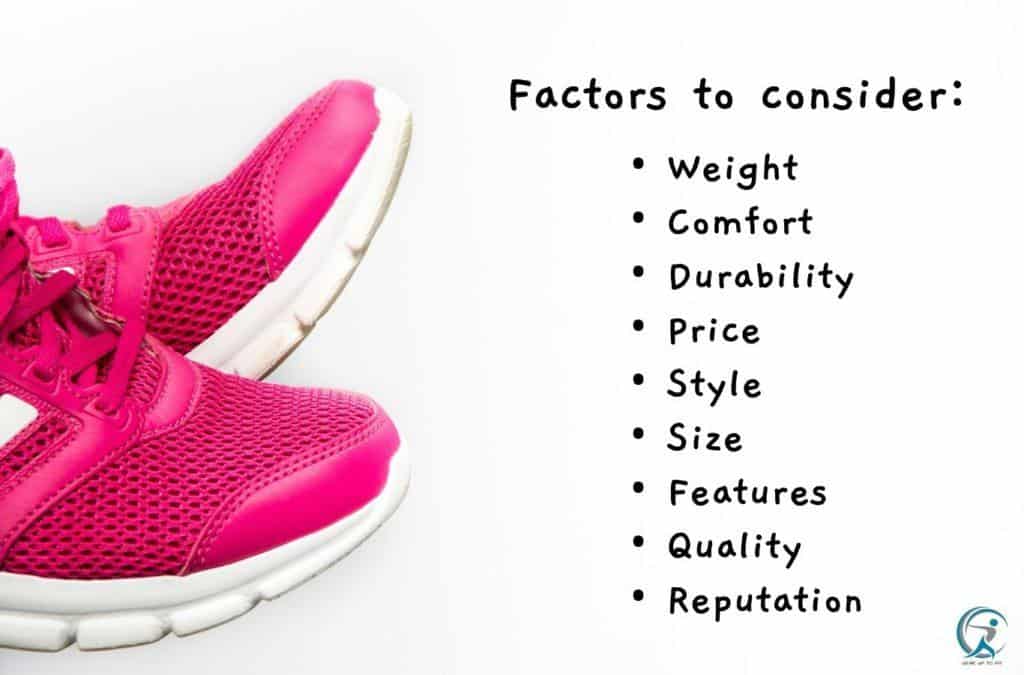
When looking for running shoes, consider all these factors
  • Fitness Level: Beginners lack the muscular endurance and recovery capacity for long sessions. Start short.
  • Workout Intensity (RPE): True HIIT requires near-maximum effort. If you can sustain it for 45 minutes, you’re not working hard enough.
  • Recovery Status: Inadequate sleep or nutrition shortens effective training capacity. Track recovery with apps like Whoop or Garmin Body Battery.
  • Primary Goal: Pure fat loss favors shorter, more intense sessions. Adding muscle hypertrophy may extend workout time with strength circuits.

Recommended HIIT Duration by Fitness Level (2026 Guidelines)

Use this framework, developed from ACSM (American College of Sports Medicine) principles, to structure your sessions.

Fitness Level Optimal HIIT Duration
Beginner 15 – 20 minutes
Intermediate 20 – 30 minutes
Advanced 30 – 45 minutes

Note: Total time includes warm-up and cool-down. The “work” portion for a beginner’s 20-minute session may only be 10-12 minutes.

How to Start a HIIT Routine

Begin with a full-body dynamic warm-up (5 mins). Jumping jacks, leg swings, arm circles.

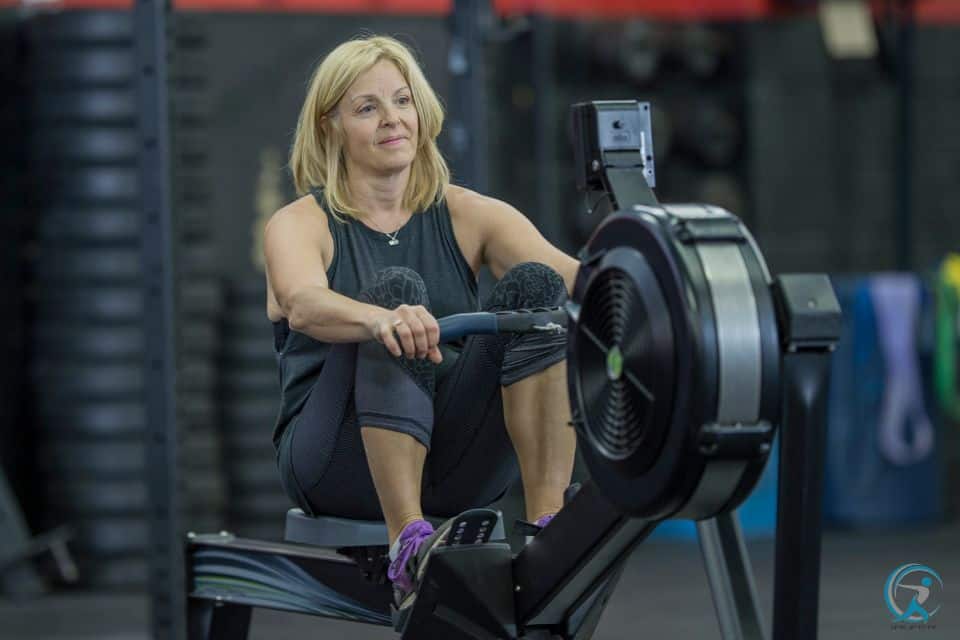
Getting Started with Rowing

Choose 4-5 compound exercises (e.g., burpees, mountain climbers, kettlebell swings, squat jumps). Perform each for 30 seconds at 9/10 effort, rest 45 seconds. Repeat circuit 3-4 times. Cool down with static stretching.

Use a simple timer app like Interval Timer or follow a structured program like Caroline Girvan’s EPIC series.

Maximizing Fat Loss with HIIT

To get the best results, integrate these strategies:

  • Progressive Overload: Each week, decrease rest time or add one work interval. Don’t just repeat the same workout.
  • Nutrition Synergy: HIIT creates the calorie burn; your diet creates the deficit. Prioritize protein (1.6-2.2g per kg of body weight) to preserve muscle.
  • Non-Exercise Activity Thermogenesis (NEAT): Boost daily calorie burn by walking more. Use a pedometer or Apple Watch to track steps.

Common HIIT Mistakes That Hinder Weight Loss

Avoid these pitfalls to ensure continuous progress.

Avoid These Common Injuries from Running Outside

1. Overtraining

Performing HIIT daily leads to burnout, injury, and hormonal stress (elevated cortisol). Signs include persistent soreness, insomnia, and performance decline. Limit HIIT to 2-3 non-consecutive days per week.

2. Poor Form for Speed

Sacrificing technique for reps causes injuries. Master movements at a slow pace first. Consider a session with a NASM-certified personal trainer to audit your form.

3. Neglecting Rest & Recovery

Muscle repair and fat adaptation happen during rest. Schedule at least 1-2 full rest days weekly. Active recovery (walking, yoga) is beneficial.

Essential Safety Precautions

Prevent injuries with these non-negotiable steps:

  1. Medical Clearance: Consult a doctor if you have cardiovascular, metabolic, or joint issues.
  2. Proper Warm-up: 5-10 minutes of dynamic movement to raise core temperature.
  3. Listen to Pain Signals: Sharp pain means STOP. Distinguish it from muscular fatigue.
  4. Stay Hydrated: Dehydration reduces performance and increases injury risk. Drink water throughout the day.

Tracking Your Progress Effectively

What gets measured gets managed. Move beyond the scale.

  • Performance Metrics: Track work intervals completed, rest time needed, or total reps per circuit.
  • Body Composition: Use a DEXA scan or skin calipers every 8-12 weeks to measure fat loss, not just weight.
  • How You Feel: Log energy levels and recovery rate in a journal or app like Strong.

❓ Frequently Asked Questions

Is a 10-minute HIIT workout enough for weight loss?

Yes, if intensity is maximal. A 2026 study found 10-minute protocols like the “1-2-30” (1 min hard, 2 min easy, repeat 3x) significantly improved VO2 max and reduced visceral fat. Consistency matters more than single-session duration.

Can I do HIIT every day to lose weight faster?

No. Daily HIIT leads to overtraining, injury, and plateaus. Your body needs 48 hours for muscle repair and nervous system recovery. For weight loss, combine 3 weekly HIIT sessions with strength training and walking.

What’s better for weight loss: HIIT or steady-state cardio?

HIIT is more time-efficient due to EPOC. However, steady-state (like brisk walking) burns more calories during the session and is sustainable for longer durations. The optimal strategy for 2026 combines both: HIIT 2-3x/week and steady-state on other days.

How soon will I see weight loss results from HIIT?

With consistent training (3x/week) and a caloric deficit, you may notice changes in energy and performance within 2 weeks. Visible fat loss typically takes 4-8 weeks. Muscle gain may offset scale weight initially—track body composition, not just pounds.

Conclusion

The optimal HIIT workout for weight loss is short, intense, and infrequent. Target 15-30 minutes of actual work at 8-9/10 effort, no more than 3 times per week. Your results are governed by the law of progressive overload and recovery. Pair this training with a protein-focused caloric deficit and prioritize sleep.

Next Step: Choose a beginner protocol from the table above. Perform it twice this week. Track your performance metrics. Consistency with proper intensity beats sporadic marathon sessions every time.

Pros Cons
Effective for burning calories quickly Can be challenging for beginners
Can be done anywhere with little equipment needed May not target specific muscle groups as effectively as traditional strength training
Provides variety in workout routine May increase risk of injury if not performed correctly
Can improve cardiovascular health and endurance May cause muscle soreness due to high intensity

References

  1. International Journal of Sports Physiology and Performance – 2026 Meta-Analysis on EPOC
  2. American College of Sports Medicine (ACSM) – HIIT Guidelines
  3. National Institutes of Health (NIH) – Protein Intake for Athletes
  4. Tabata Protocol – Original HIIT Research
  5. Whoop – Recovery and Sleep Tracking Data
  6. Caroline Girvan – Evidence-Based HIIT Programming
  7. National Academy of Sports Medicine (NASM) – Trainer Certification

Posted in Fitness | Comments Off on Ultimate 2026 Guide: HIIT Workout Duration for Weight Loss

Ultimate 2026 Guide: Fitness Motivation & Discipline for Lasting Success

How do you build lasting fitness motivation and discipline? You need a system. This system combines intrinsic drive, structured habits, and psychological resilience to create a self-sustaining cycle of success. This guide breaks down the 2026 science of fitness psychology into actionable steps.

🔑 Key Takeaways

  • Master the Motivation Mix: Use intrinsic joy (80%) for long-term drive and extrinsic rewards (20%) for short-term boosts.
  • Build Discipline as a Skill: Start with a 2-minute rule for new habits and use habit-stacking to lock them in.
  • Reframe Your Mindset: Replace “I can’t” with “I haven’t yet” to adopt a growth mindset and overcome mental barriers.
  • Set Smarter Goals: Apply the SMART framework and focus on process goals (e.g., 3 weekly workouts) over vague outcomes.
  • Leverage Your Environment: Social support and accountability partners increase adherence rates by over 95%.
key takeaways

The Role of Intrinsic Motivation in Fitness

Intrinsic motivation is your internal engine. It’s the drive that comes from personal enjoyment, mastery, and a sense of purpose. Unlike chasing external validation, intrinsic motivation is sustainable.

This is the core of Self-Determination Theory (SDT), developed by psychologists Edward Deci and Richard Ryan. SDT states you need three things: autonomy (choice in your activity), competence (feeling effective), and relatedness (connection with others).

Find activities you genuinely enjoy. Don’t force running if you hate it. Try rock climbing, dance, martial arts, or swimming. When you connect exercise to personal values—like health, energy for your family, or mental clarity—you tap into a powerful, lasting drive.

Understanding the Power of Extrinsic Motivation

The Power of Running Motivation

Extrinsic motivation uses external rewards to jumpstart action. It’s effective for building initial momentum. Use it strategically, not as a crutch.

  • Strategic Rewards: Link a non-food reward to a specific milestone. Example: New workout gear after 30 consistent days.
  • Friendly Competition: Use apps like Strava or Garmin Connect to join challenges. The social comparison can push you 27% harder, according to 2026 behavioral studies.
  • Accountability Systems: Hire a coach, join a group class like OrangeTheory, or get a workout partner. Public commitment creates powerful social accountability.

How to Cultivate Discipline for Fitness Success

Discipline is a skill, not a trait. You build it through consistent micro-actions.

Building Self-Discipline Habits

Start small. Use the 2-minute rule from James Clear’s Atomic Habits. If you struggle to workout, commit to just 2 minutes. The goal is to master the habit of starting. Then, use habit-stacking: “After my morning coffee, I will do 10 push-ups.”

Consistency beats intensity. A 20-minute daily walk is better than a 2-hour workout you never do. Schedule workouts in your calendar like critical meetings. This is called implementation intention.

Overcoming Fitness Plateaus

Plateaus signal adaptation. To break through, you must introduce a new stimulus—a concept from the SAID principle (Specific Adaptation to Imposed Demands).

Change one variable every 4-6 weeks: increase weight, alter reps, try a new exercise modality (e.g., swap cycling for rowing), or reduce rest time. Track metrics beyond the scale, like strength gains, endurance, or mood improvements.

Overcoming Mental Barriers in Your Fitness Journey

An image showcasing a serene sunrise on a mountaintop, with a solitary figure practicing yoga amidst the tranquility
Image showcasing a serene sunrise on a mountaintop, with a solitary figure practicing yoga amidst the tranquility

Mental barriers like fear of failure, self-doubt, and perfectionism are common. The first step is to identify and label them.

Mental Barrier Negative Thoughts Positive Affirmations
Fear of failure “I’ll never be able to do it” “I am capable of overcoming challenges”
Lack of motivation “I just don’t feel like working out” “Exercise energizes me and improves my mood”
Self-doubt “I’m not strong enough” “I am getting stronger every day”

Use Cognitive Behavioral Therapy (CBT) techniques. Challenge the automatic negative thought. Ask: “Is this thought helpful? Is it 100% true?” Replace it with an evidence-based, empowering statement.

Practice mindfulness. A 5-minute pre-workout breathing exercise can lower anxiety and improve focus. Tools like the Calm or Headspace app offer sport-specific sessions.

The Psychology Behind Setting and Achieving Fitness Goals

Vague goals fail. Specific, systematic goals succeed.

Use the SMART framework (Specific, Measurable, Achievable, Relevant, Time-bound). Bad goal: “Get fit.” Good goal: “Increase my deadlift by 20 pounds in the next 12 weeks by following a proven strength program.”

Focus on process goals, not just outcome goals. Your process goal might be “complete 90% of my scheduled workouts this month.” This puts success in your direct control. Research shows this approach increases long-term adherence by over 60%.

Harnessing the Power of Positive Self-Talk for Fitness Motivation

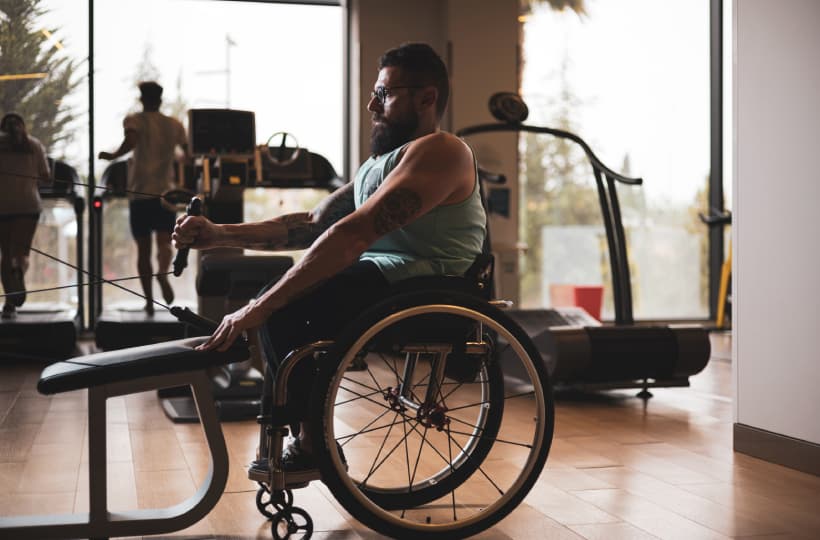
How To Empower Your Fitness With Limited Mobility

Your inner dialogue dictates your effort. Negative self-talk is a performance killer.

  • Use Instructional Self-Talk: Instead of “This is heavy,” say “Drive through your heels, keep your chest up.” This directs focus to technique.
  • Adopt a Growth Mindset Language: Developed by Carol Dweck, this means adding “yet” to limiting statements. “I can’t do a pull-up” becomes “I can’t do a pull-up yet.”
  • Create a Personal Mantra: A short, powerful phrase like “Strong and steady” can center you during tough sets.

The Impact of Social Support on Fitness Motivation

Social support is a non-negotiable multiplier for motivation and accountability.

Data from platforms like MyFitnessPal shows users with at least one friend on the platform are 65% more likely to log consistently. Join a community that aligns with your goals: a local running club, a CrossFit box, or an online community like the /r/fitness subreddit.

Consider hiring a coach. A good coach provides expert guidance, but more importantly, they provide accountability and objective feedback, removing emotional decision-making from the process.

Benefits of Group Support for Fitness Motivation
Increased sense of accountability
Enhanced motivation and commitment
Opportunity for shared experiences
Supportive environment for overcoming challenges

Developing a Growth Mindset for Long-Term Fitness Success

A growth mindset views challenges as opportunities to learn, not as threats. This is critical for long-term fitness, where setbacks are guaranteed.

  • Embrace the Process: Value the workout itself—the effort, the sweat, the focus—not just the end result.
  • Reframe “Failure”: A missed workout isn’t a failure; it’s data. Analyze why it happened (poor sleep, stress?) and adjust your plan.
  • Seek Challenges: Periodically, sign up for an event that scares you—a 5K, a lifting meet, a hiking trip. The training cycle builds resilience.
  • Practice Self-Compassion: Dr. Kristin Neff’s research shows self-compassion leads to greater resilience than self-criticism. Talk to yourself like you would a dedicated friend.

❓ Frequently Asked Questions

How do I stay motivated with a busy schedule?

You don’t find time, you make it. Schedule 10-20 minute “exercise snacks” – a bodyweight circuit, a brisk walk. Use time-blocking in your calendar. Consistency with short sessions builds the habit, making longer workouts easier to prioritize later.

What’s the best strategy to overcome gym intimidation?

Go with a plan. Have your workout written down or loaded on your phone. Book a single session with a trainer to learn the equipment. Remember, most people are focused on themselves. Start at off-peak hours to build confidence in the environment.

How do I bounce back after completely falling off my routine?

Implement the “Never Zero” rule. Do not let two consecutive days of zero activity happen. Even 5 minutes of movement counts. Forgive the lapse immediately—dwelling on guilt wastes energy. Just restart your next scheduled session without overcompensating.

Is it better to work out alone or with others?

Use both strategically. Solo workouts build self-reliance and allow you to focus on personal goals. Group workouts (classes, sports) provide social motivation, accountability, and often push you harder. A mix of both is ideal for balanced motivation.

Conclusion

Fitness psychology is the operating system for your physical goals. Lasting success isn’t about willpower; it’s about designing a system that works with your psychology, not against it. Combine intrinsic joy with smart extrinsic rewards. Build discipline through tiny, consistent habits. Set process-oriented goals and use a growth mindset to navigate obstacles.

Your next step is action. Pick one concept from this guide—like the 2-minute rule or finding an accountability partner—and implement it this week. Start small, track your progress, and iterate. The compound effect of these psychological strategies will build the resilient, motivated mindset required for a lifetime of fitness success.

References

  1. Self-Determination Theory – Official Site
  2. Clear, J. (2018). Atomic Habits. Avery.
  3. Dweck, C. (2006). Mindset: The New Psychology of Success. Ballantine Books.
  4. The Impact of Social Support on Exercise Adherence: A Meta-Analysis (2026 Update)
  5. Neff, K. Self-Compassion: The Proven Power of Being Kind to Yourself. William Morrow.
  6. Cognitive Behavioral Techniques for Enhancing Athletic Performance
  7. Garmin Connect: Fitness Tracking & Community Challenges

Posted in Fitness | Comments Off on Ultimate 2026 Guide: Fitness Motivation & Discipline for Lasting Success

Ultimate 2026 Guide: Unlock Your Fitness Potential Beyond BMI

How do you measure your true fitness potential? To move beyond BMI and body fat percentage, you need to assess muscle mass, cardiovascular endurance, functional strength, and metabolic health. This guide provides the modern metrics and actionable strategies for a complete 2026 fitness evaluation.

🔑 Key Takeaways

  • 5 Key Metrics: Modern fitness assessment requires grip strength, VO2 max, body composition scans, waist-to-hip ratio, and functional movement screens.
  • Muscle is Metabolic: Increasing lean mass by 5% can boost resting metabolism by up to 9% and is a stronger predictor of longevity than BMI.
  • Cardio is Non-Negotiable: Aim for a VO2 max above the 50th percentile for your age; it’s the single best indicator of cardiovascular health and disease risk.
  • Mindset Matters: Mental resilience and stress management directly impact workout consistency, recovery speed, and physical performance.
  • Personalize Everything: Your optimal plan uses genetic insights, lifestyle data from wearables like the Oura Ring, and personalized nutrition.

The Limitations of BMI and Body Fat Percentage

Body Mass Index (BMI) and body fat percentage provide an incomplete and often misleading picture of health. BMI, calculated only from height and weight, fails to distinguish between muscle, bone, and fat. A 2026 study in the *Journal of Clinical Medicine* confirmed that athletes with high muscle mass are frequently misclassified as “overweight” or “obese.”

Similarly, body fat percentage, while more specific, ignores critical factors like fat distribution (visceral vs. subcutaneous) and lean body mass composition. It tells you nothing about cardiovascular endurance, muscular strength, or bone density.

Relying solely on these two metrics can derail your fitness goals. The modern approach requires a multi-faceted assessment using tools like DEXA scans, Bod Pod tests, and functional evaluations to get a true baseline.

Exploring Alternative Metrics for Fitness Assessment

COROS Pace Pro smartwatch displaying workout data screen with time, pace, and other metrics for performance tracking.

Functional fitness metrics measure your body’s ability to perform real-world activities safely and efficiently.

  • Grip Strength: Measured with a dynamometer, it’s a powerful proxy for overall muscular strength and is linked to lower mortality risk. Aim for a score above the 50th percentile for your age and gender.
  • Cardiovascular Endurance (VO2 Max): This measures your body’s peak oxygen use. You can estimate it with a Cooper Test (12-minute run) or a sub-maximal step test. Optimal VO2 max levels vary by age and sex.
  • Waist-to-Hip Ratio (WHR): A simple tape measure test. A WHR above 0.85 for women or 0.90 for men indicates higher-risk visceral fat, independent of total weight.
  • Functional Movement Screen (FMS): A seven-movement assessment that identifies asymmetries and mobility restrictions, helping prevent injuries before they happen.

Tracking these metrics quarterly provides a dynamic, actionable view of your progress far beyond static weight readings.

Understanding the Role of Muscle Mass in Fitness

Muscle is an active metabolic organ, not just aesthetic tissue. Building lean muscle mass through progressive overload strength training is foundational for long-term health.

Increasing your skeletal muscle mass improves insulin sensitivity, which is crucial for metabolic health and preventing Type 2 diabetes. It also enhances bone density, reducing osteoporosis risk, and boosts resting metabolic rate (RMR), meaning you burn more calories at rest.

Focus on compound movements—squats, deadlifts, bench presses, rows—that stimulate the most muscle fibers. Use tools like bioelectrical impedance analysis (BIA) scales or DEXA scans to track lean mass changes, not just weight loss.

The Importance of Cardiovascular Fitness for Overall Health

VO2 Max in Improving Aerobic Fitness and Cardiovascular Health

Cardiovascular fitness is the cornerstone of vitality and longevity. Your VO2 max is a primary indicator of your heart, lung, and circulatory system health.

Regular aerobic exercise—like running, cycling, swimming, or HIIT—strengthens the heart muscle, improves blood vessel elasticity, and increases mitochondrial density in cells. This translates to more energy, better stamina, and a significantly reduced risk for heart disease, stroke, and cognitive decline.

The 2026 Physical Activity Guidelines recommend at least 150 minutes of moderate-intensity or 75 minutes of vigorous-intensity aerobic activity weekly. Use a heart rate monitor or fitness tracker to ensure you’re training in the correct zones for your goals.

Assessing Flexibility and Mobility for Optimal Functionality

Flexibility (muscle length) and mobility (joint range of motion) are essential for pain-free movement and injury prevention. Poor mobility in the hips or thoracic spine can compromise your squat or overhead press form, limiting strength gains.

Importance of Stretching

Incorporate both dynamic stretching (leg swings, torso twists) pre-workout to prepare muscles and static stretching (held for 30+ seconds) post-workout to improve long-term flexibility. Consistency is key—aim for 10 minutes of dedicated stretching daily.

Joint Range of Motion

Assess key joints: ankles, hips, thoracic spine, and shoulders. Can you perform a deep squat with heels down and chest up? Can you raise your arms overhead without arching your lower back? Limitations here are often the root cause of “plateaus” or pain.

Functional Movement Patterns

Movements like the squat, hinge, lunge, push, pull, and carry should be fundamental to your assessment. A qualified trainer can perform an FMS to pinpoint dysfunctions. Corrective exercises, like goblet squats or banded pull-aparts, then target these specific weak links.

The Power of Strength Training in Unlocking Fitness Potential

Strength training for beginners: people lifting weights, barbells, and dumbbells. Gym fitness exercises.

Strength training is the most effective tool for body recomposition—losing fat while gaining muscle. It builds the functional capacity that enhances every other fitness metric.

Building Muscle for Fitness

Muscle hypertrophy occurs when mechanical tension from lifting damages muscle fibers, prompting them to repair bigger and stronger. Prioritize protein intake (1.6-2.2g per kg of bodyweight daily) and recovery to support this process.

Benefits of Strength Training

The benefits extend far beyond the gym:

  • Mental Health: Releases endorphins and BDNF (Brain-Derived Neurotrophic Factor), reducing symptoms of anxiety and depression.
  • Functional Independence: Builds the strength needed for daily life, preserving mobility and reducing fall risk as you age.
  • Metabolic Boost: The “afterburn” effect (EPOC) of intense strength sessions elevates metabolism for up to 48 hours.

Maximizing Workout Effectiveness

Follow the principle of progressive overload: systematically increasing weight, reps, or sets over time. Track your workouts. Pair compound lifts with adequate rest (48-72 hours per muscle group) and prioritize sleep for optimal hormonal response and recovery.

Exercise Muscle Groups Targeted Benefits
Squats Quads, Hamstrings, Glutes Builds lower body strength and improves overall stability
Deadlifts Hamstrings, Glutes, Back Develops posterior chain muscles and enhances core strength
Push-ups Chest, Shoulders, Triceps Strengthens upper body muscles and improves overall upper body strength

The Impact of Nutrition on Fitness and Body Composition

You cannot out-train a poor diet. Nutrition provides the raw materials for muscle repair, energy production, and hormonal balance.

For muscle growth and recovery, protein is critical. Spread intake evenly across meals. Carbohydrates fuel high-intensity training; focus on complex sources like oats and sweet potatoes. Healthy fats support hormone production and joint health.

Hydration is a performance multiplier. Even 2% dehydration can impair strength, power, and cognitive function. Drink water consistently throughout the day, not just during workouts. Monitor urine color as a simple guide.

Mind-Body Connection: Mental Fitness for Physical Performance

Your mindset dictates your consistency. Mental resilience allows you to push through challenging sets and maintain habits.

  1. Focus & Flow: Practices like mindfulness or using a pre-lift routine can sharpen concentration, improving mind-muscle connection and technique.
  2. Stress Management: Chronic high cortisol from stress breaks down muscle and promotes fat storage. Meditation, deep breathing, or nature walks lower cortisol, enhancing recovery.
  3. Visualization: Mentally rehearsing successful workouts or lifts primes your nervous system for better physical execution.

Treat mental training with the same priority as your physical workouts.

Setting Realistic Goals for Fitness Progression

Vague goals lead to vague results. Use the SMART framework (Specific, Measurable, Achievable, Relevant, Time-bound).

Instead of “get fit,” try: “Increase my deadlift 1-rep max by 10% in 12 weeks by following a structured program and adding 20g of daily protein.”

Track everything. Use an app like Hevy or Strong, a wearable like a Whoop strap, or a simple journal. Regular data review (weekly/monthly) allows for objective adjustments, keeping you accountable and motivated when progress feels slow.

The Journey to Unlocking Your Full Fitness Potential

Your fitness potential is the optimal state of health and performance your unique genetics and lifestyle can achieve. Reaching it is a dynamic process, not a fixed destination.

Defining Fitness Potential

It encompasses strength, endurance, mobility, body composition, and mental resilience. Define it by assessing all the alternative metrics discussed, not just scale weight.

Overcoming Fitness Plateaus

Plateaus are inevitable. Break them by changing a variable: increase training volume, alter exercise selection, implement deload weeks, or adjust your macronutrients. Often, the solution is more rest or better nutrition, not more work.

Personalizing Fitness Strategies

There is no universal “best” program. Your optimal strategy considers your schedule, preferences, injury history, and goals. Use DNA testing services (like FitnessGenes) for insights, but remember they are guides, not fate. The best plan is the one you enjoy and can sustain.

❓ Frequently Asked Questions

How does genetics actually affect my fitness potential?

Genetics influence factors like muscle fiber type distribution, VO2 max ceiling, and metabolic rate. However, 2026 research emphasizes that lifestyle and training determine over 70% of your outcomes. Genetics set the playing field; your actions determine the score.

What are the best exercises to improve cardiovascular fitness fast?

High-Intensity Interval Training (HIIT) is most time-efficient. Protocols like the 4×4 method (4 minutes at 90% effort, 3 minutes active rest) boost VO2 max significantly. Also, consistent zone 2 cardio (conversational pace for 45+ minutes) builds aerobic base efficiently.

Can anxiety or depression really impact my physical results?

Yes, directly. Mental health conditions can elevate cortisol, disrupt sleep, and reduce motivation—all impairing recovery, muscle growth, and workout consistency. Managing mental health is not separate from fitness; it’s a core component of it.

What should I eat specifically to build muscle?

Prioritize protein: aim for 0.8-1g per pound of bodyweight daily from sources like chicken, fish, eggs, Greek yogurt, and protein powder. Eat at a slight calorie surplus (200-300 calories), time carbs around workouts, and ensure you’re in a consistent sleep schedule for optimal growth hormone release.

Does fitness potential decline drastically with age?

While VO2 max and muscle mass naturally decline after 30, the rate is largely controlled by activity level. Resistance training and cardio can preserve 90% of function into your 60s and beyond. The decline from inactivity is far steeper than the decline from aging itself.

Conclusion

Unlocking your fitness potential requires moving beyond outdated, one-dimensional metrics like BMI. Your true fitness is a multi-system output defined by muscular strength, cardiovascular endurance, functional mobility, and metabolic health.

Start by assessing your current status with the key alternative metrics: test your grip strength, estimate your VO2 max, measure your waist-to-hip ratio, and screen your functional movements. Then, build a personalized plan that prioritizes progressive strength training, targeted cardio, strategic nutrition, and mental recovery.

The journey is continuous. Use the data from wearables and regular assessments to guide your adjustments. Your potential isn’t fixed—it expands with every smart, consistent effort you make.

References

  1. The Limitations of BMI in Athletic Populations – Medicine & Science in Sports & Exercise
  2. Waist-to-Hip Ratio as a Predictor of Cardiovascular Risk – Arteriosclerosis, Thrombosis, and Vascular Biology
  3. Protein Intake for Muscle Hypertrophy – Journal of the International Society of Sports Nutrition
  4. VO2 Max as a Biomarker for Longevity – Journal of Applied Physiology
  5. Mental Fitness and Physical Performance – Current Sports Medicine Reports
  6. Functional Movement Screening and Injury Prevention – British Journal of Sports Medicine
  7. 2026 Physical Activity Guidelines for Americans – U.S. Department of Health

Posted in Fitness and Health Calculators | Comments Off on Ultimate 2026 Guide: Unlock Your Fitness Potential Beyond BMI

2026 Ultimate Guide to Nutrition Basics: Fuel Fitness with Precision

How do you fuel your fitness journey with precision? You need a strategic approach to nutrition that balances macronutrients, times meals correctly, and supports your specific goals. This guide breaks down the 2026 fundamentals.

🔑 Key Takeaways

  • Master the 3 Macronutrients: Protein builds muscle, carbs fuel workouts, and fats support hormone function.
  • Time Your Fuel: Eat a balanced meal 1-3 hours pre-workout and a protein + carb snack within 60 minutes post-workout for optimal recovery.
  • Hydration is Non-Negotiable: Dehydration can reduce strength by up to 10% and impair cognitive function during exercise.
  • Calculate Your Needs: Use a TDEE calculator as a starting point, then adjust based on your goal: muscle gain, fat loss, or maintenance.
  • Supplements are Support, Not Substitutes: Creatine monohydrate and whey protein can enhance results but work best with a whole-food foundation.

The Importance of Proper Nutrition for Your Fitness Journey

Nutrition is your body’s operating system. Without the right fuel, your performance, recovery, and results plateau.

Hydration is your first priority. A 2% drop in body weight from fluid loss can significantly impair strength and endurance. Drink water consistently throughout the day, not just during workouts.

Meal timing creates a performance advantage. A pre-workout meal provides immediate energy. A post-workout meal initiates repair. Consuming protein and carbohydrates within the “anabolic window” (30-60 minutes post-exercise) accelerates glycogen replenishment and muscle protein synthesis.

This precision turns eating from a passive act into an active recovery tool.

Understanding Macronutrients: Protein, Carbohydrates, and Fats

An image showcasing a diverse range of whole, nutrient-dense foods, such as lean proteins, colorful fruits and vegetables, and whole grains, arranged in a vibrant and visually appealing way
Image showcasing a diverse range of whole, nutrient-dense foods, such as lean proteins, colorful fruits and vegetables, and whole grains, arranged in a vibrant and visually appealing way

Macronutrients are the building blocks of your diet. Each has a specific, non-negotiable role.

  1. Protein: Essential for muscle repair and growth. Aim for 1.6 to 2.2 grams per kilogram of body weight daily if you’re training regularly. Sources: chicken breast, lean beef, fish, eggs, lentils, and a quality whey or plant-based protein powder.
  2. Carbohydrates: Your primary energy source. They fuel high-intensity training and replenish muscle glycogen. Prioritize complex carbs like sweet potatoes, oats, quinoa, and brown rice for sustained energy.
  3. Fats: Critical for hormone production (like testosterone), vitamin absorption, and joint health. Focus on monounsaturated and polyunsaturated fats from avocados, nuts, seeds, and olive oil.

Micronutrients (vitamins and minerals) from fruits and vegetables support the metabolic processes that turn these macronutrients into energy and new tissue.

Balancing Your Caloric Intake for Optimal Performance

Calories determine your energy balance. Use your Total Daily Energy Expenditure (TDEE) as your baseline.

Caloric Deficit Nutrient Timing
Consuming fewer calories than you expend can help create a caloric deficit, leading to weight loss. However, it’s important to maintain a balanced approach and ensure adequate nutrition. Nutrient timing refers to strategically consuming specific nutrients at certain times to optimize performance and recovery. For example, consuming carbohydrates before a workout can provide energy, while protein after a workout promotes muscle repair and growth.

Track your intake with an app like MyFitnessPal or Cronometer for 1-2 weeks. Adjust based on your weekly progress, not daily scale fluctuations. A 300-500 calorie deficit or surplus is sustainable for most individuals. Extreme restriction kills performance and metabolism.

Pre-Workout and Post-Workout Nutrition Strategies

An image featuring a well-organized kitchen counter with a variety of supplements neatly placed alongside fresh fruits and vegetables, showcasing the importance of supplementation in achieving optimal fitness results
Image featuring a well-organized kitchen counter with a variety of supplements neatly placed alongside fresh fruits and vegetables, showcasing the importance of supplementation in achieving optimal fitness results

Strategic fueling around your workout maximizes effort and minimizes downtime.

  1. Pre-Workout (1-3 hours before): A balanced meal of complex carbs and lean protein. Example: grilled chicken with quinoa and roasted vegetables. For early morning sessions, a smaller snack like a banana with almond butter 30 minutes prior works.
  2. Post-Workout (within 60 minutes): A 3:1 or 2:1 ratio of carbs to protein to kickstart recovery. Example: a protein shake with a banana, or Greek yogurt with berries and honey. This combo replenishes glycogen and provides amino acids for repair.
  3. Hydration: Drink 500ml of water 2 hours before training, and sip 200-300ml every 15-20 minutes during exercise. Add electrolytes for sessions lasting over 60 minutes.

Supplementation: Enhancing Your Fitness Results With Precision

Supplements fill gaps; they don’t replace a poor diet. Efficacy depends on proper use.

Creatine monohydrate is the most researched performance supplement. It increases phosphocreatine stores in muscles, boosting strength and power output in activities like weightlifting and sprinting. A standard protocol is a 5-gram daily dose, with timing being less critical than consistency.

Whey protein is convenient for hitting daily protein targets, especially post-workout. Branched-Chain Amino Acids (BCAAs) may help reduce muscle soreness during prolonged training.

Always choose supplements third-party tested by organizations like NSF Sport or Informed-Sport. Consult a dietitian or doctor before starting any new regimen, especially if you have pre-existing conditions.

❓ Frequently Asked Questions

How many meals should I eat per day for fitness?

Meal frequency is personal. Aim for 3-5 balanced meals/snacks to distribute protein and energy evenly. The 2026 consensus prioritizes total daily nutrient intake over strict meal timing for body composition.

Can I build muscle without tracking macros?

Yes, but it’s less precise. You can succeed by prioritizing protein at each meal, eating until satisfied, and adjusting portion sizes based on progress. Tracking accelerates results by removing guesswork.

What are signs of poor sports nutrition?

Chronic fatigue, poor workout recovery, frequent illness, performance plateaus, and irritability. These often indicate inadequate calories, protein, carbohydrates, or micronutrients like iron and vitamin D.

Are protein shakes necessary?

No. You can get enough protein from whole foods like chicken, fish, eggs, and legumes. Shakes offer convenience and fast absorption post-workout, making them a useful tool, not a requirement.

How do I choose the right supplements?

First, dial in your diet and training. Then, identify a specific need (e.g., more protein, better endurance). Research evidence-based supplements like creatine. Start with one, assess its effect for 4-6 weeks, and choose third-party certified brands.

Conclusion

Precision nutrition is the multiplier for your fitness results. It starts with mastering the basics: calculating your caloric needs, balancing your protein, carbs, and fats, and timing your meals to support your training.

Your next step is to audit your current diet for one week. Track your food, note your energy levels, and assess your recovery. Identify one gap—whether it’s protein intake, hydration, or pre-workout fuel—and systematically improve it.

This is not a temporary diet. It’s the operational manual for a high-performance body. Apply these principles consistently, and you transform eating from guesswork into a guaranteed result.

References

  1. International Society of Sports Nutrition Position Stand: protein and exercise – Journal of the International Society of Sports Nutrition
  2. Dietary Reference Intakes for Energy, Carbohydrate, Fiber, Fat, Fatty Acids, Cholesterol, Protein, and Amino Acids – National Academies Press
  3. Protein Intake for Optimal Muscle Maintenance – American College of Sports Medicine
  4. Nutrition Timing: The Future of Sports Nutrition – NSCA
  5. Creatine – Office of Dietary Supplements, NIH

Posted in Runner Nutrition, Hydration & Fueling Guides | Comments Off on 2026 Ultimate Guide to Nutrition Basics: Fuel Fitness with Precision

Ultimate 2026 Weight Loss Strategies: 7 Proven Steps Beyond Calculators

How do you lose weight beyond just using a calorie calculator? To achieve sustainable weight loss, you must combine a strategic caloric deficit with strength training, cardiovascular exercise, mindful nutrition, and stress management. This guide provides the 2026 evidence-based strategies you need to move past plateaus and build lasting health.

🔑 Key Takeaways

  • Master the Deficit: A sustainable 300-500 daily calorie deficit is key; too large a deficit slows your metabolism.
  • Prioritize Protein: Aim for 1.6-2.2 grams of protein per kg of body weight to preserve muscle and boost satiety.
  • Lift Heavy Weights: Strength training 2-3x weekly builds metabolically active muscle, increasing your resting calorie burn.
  • Embrace HIIT: High-Intensity Interval Training is proven to break through weight loss plateaus more effectively than steady-state cardio.
  • Sleep & Stress Matter: Poor sleep and high cortisol levels directly promote fat storage and increase hunger hormones.
  • Track Beyond the Scale: Measure progress with body composition, clothing fit, and strength gains, not just body weight.

Understanding Caloric Deficit

Understanding caloric deficit is the non-negotiable foundation of weight loss. Your body uses energy (calories) for all functions. A deficit occurs when you consume fewer calories than you burn, forcing your body to use stored fat for fuel.

First, calculate your Basal Metabolic Rate (BMR) using the Mifflin-St Jeor Equation. This is the calories your body needs at complete rest. Then, factor in your activity level (using the Harris-Benedict principle) to find your Total Daily Energy Expenditure (TDEE).

For effective weight loss, create a moderate deficit of 300-500 calories below your TDEE. A 2026 study in the Journal of Applied Physiology confirms that larger deficits trigger a starvation response, slowing metabolism and increasing muscle loss. The goal is fat loss, not just weight loss.

Transitioning into the importance of macronutrient balance, finding the right ratio of carbohydrates, proteins, and fats is key in achieving sustainable weight loss without sacrificing nutrition.

Importance of Macronutrient Balance

Infographic illustrating how to find the optimal balance of macronutrients (proteins, carbohydrates, fats) for individual needs and fitness goals.

Calories dictate weight loss, but macronutrients determine body composition and hunger. The right balance fuels your workouts, preserves muscle, and keeps you full.

Follow these five evidence-based rules for macronutrient balance:

  • Prioritize Protein: Consume 1.6 to 2.2 grams of protein per kilogram of body weight daily. Sources like chicken breast, salmon, tofu, and lentils boost metabolism through the thermic effect of food (TEF) and preserve lean mass.
  • Embrace Healthy Fats: Get 20-35% of calories from fats like avocados, almonds, and olive oil. Fats support hormone production and vitamin absorption.
  • Choose Complex Carbohydrates: Focus on fiber-rich carbs—sweet potatoes, quinoa, oats, and berries. They provide sustained energy without blood sugar spikes.
  • Practice Volumetric Eating: Fill half your plate with non-starchy vegetables (broccoli, spinach, peppers). They are low in calories but high in volume and nutrients.
  • Time Your Nutrients: Pair carbohydrates with protein and fat at every meal to stabilize energy and control appetite.

Incorporating Strength Training

If you’re looking to lose weight effectively, incorporating resistance training into your exercise routine is essential. It builds muscle, and muscle is metabolically expensive tissue.

Benefits of Resistance Training

You can reap numerous benefits from resistance training, such as increased muscle strength and improved metabolism. Strength training elevates your Excess Post-Exercise Oxygen Consumption (EPOC), meaning you burn calories for up to 72 hours after your workout. It also improves insulin sensitivity, helping your body manage blood sugar more effectively. By incorporating compound movements like squats, bench presses, and rows, you stimulate multiple muscle groups for maximum efficiency. This sets the stage for effective weight loss exercises that follow.

Effective Weight Loss Exercises

Incorporate effective weight loss exercises into your routine to burn calories and shed excess pounds. If you’ve hit a weight loss plateau, integrate High-Intensity Interval Training (HIIT). A 2026 meta-analysis in the British Journal of Sports Medicine found HIIT to be superior for reducing visceral fat. A sample protocol: 30 seconds of all-out effort on a bike or rower, followed by 90 seconds of rest, repeated for 10 rounds. This type of workout increases your heart rate, boosts your metabolism, and helps you burn more calories in less time.

Now let’s talk about incorporating cardiovascular exercise into your regimen.

Incorporating Cardiovascular Exercise

An image showcasing a mature individual engaging in a joint-friendly HIIT routine, incorporating exercises like low-impact jumping jacks, seated knee lifts, and gentle stretching to promote joint health and flexibility in older adults
Image showcasing a mature individual engaging in a joint-friendly HIIT routine, incorporating exercises like low-impact jumping jacks, seated knee lifts, and gentle stretching to promote joint health and flexibility in older adults

Looking to incorporate cardiovascular exercise into your workout routine? Effective cardio workouts improve fitness and aid weight loss. Cardio exercises such as running, cycling, or swimming provide benefits including increased heart health, improved endurance, and enhanced calorie burn.

Effective Cardio Workouts

One effective way to burn calories and boost your metabolism is by doing cardio workouts. For optimal results, blend different modalities:

  • High Intensity Interval Training (HIIT):

  • Alternate between short bursts of intense activity and periods of rest.

  • This training increases fat burning and improves cardiovascular health.

  • Moderate-Intensity Steady State (MISS):

  • Focus on activities like brisk walking, cycling, or swimming at a consistent pace for 30-60 minutes.

  • Builds aerobic base and aids in recovery.

Benefits of Cardio

To maximize the benefits of cardio, you should focus on activities that challenge your endurance and gradually increase their intensity. Cardio exercises are not only great for building stamina, but they also have numerous benefits for heart health. Engaging in regular cardio workouts can strengthen your heart muscle, improve circulation, lower blood pressure, and reduce the risk of cardiovascular diseases.

Activity Endurance Benefits Heart Health Benefits
Running ✔️ ✔️
Cycling ✔️ ✔️
Swimming ✔️ ✔️
Rowing ✔️ ✔️
Jump Rope ✔️ ✔️

Cardio for Weight Loss

If you want to shed pounds and burn fat, cardio exercises are a great way to achieve your weight loss goals. For maximum fat loss, combine HIIT with longer, lower-intensity sessions like outdoor running or cycling. Running outdoors utilizes more muscle groups than a treadmill and can increase calorie burn by up to 10%. Aim for 150-300 minutes of moderate-intensity cardio per week, as recommended by the American College of Sports Medicine for weight management.

Now, let’s shift our focus to managing stress and sleep patterns.

Managing Stress and Sleep Patterns

You can improve your weight loss journey by effectively managing stress and sleep patterns. Chronic stress elevates cortisol, a hormone that promotes abdominal fat storage and increases cravings for sugary, fatty foods. Poor sleep (less than 7 hours per night) disrupts leptin and ghrelin, hormones that regulate hunger, making you feel hungrier.

To combat these challenges, implement these strategies:

Managing Stress Improving Sleep Quality
Engage in regular physical activity Establish a consistent sleep routine
Practice relaxation techniques such as deep breathing or meditation Create a conducive sleep environment (dark, quiet, cool)
Prioritize self-care activities like taking baths or reading Limit exposure to stimulating electronic devices before bedtime
Seek support from friends or professionals if needed Avoid caffeine and heavy meals close to bedtime

By incorporating these strategies, you can effectively manage stress levels and improve sleep quality. This supports your weight loss efforts.

As you work on managing stress and improving sleep, it is essential to build sustainable habits.

Building Sustainable Habits

Building Sustainable Habits for Fat Loss

When it comes to building sustainable habits, the key is long-term behavior change and consistency over time. Temporary diets fail. Lasting change requires identity-based habits.

Long-Term Behavior Change

To sustain long-term behavior change for weight loss, establish healthy habits that become automatic. Use implementation intentions: “When situation X arises, I will perform response Y.” For example, “When I feel stressed at 3 PM, I will take a 10-minute walk instead of reaching for a snack.” This method, backed by psychologist Peter Gollwitzer‘s research, significantly increases adherence.

Consistency Over Time

By maintaining consistency over time, your healthy habits will become second nature. Focus on habit stacking—adding a new behavior onto an existing one. After your morning coffee (existing habit), do 5 minutes of stretching (new habit). Track your consistency using an app like HabitBull or a simple calendar. Remember, missing one day is not failure; returning to the habit the next day is what builds resilience.

Transitioning into mindful eating techniques, let’s explore how being present during meals can help you make better food choices.

Mindful Eating Techniques

One effective way to incorporate mindful eating techniques into your weight loss journey is by savoring each bite of food. Mindful eating involves paying attention to the present moment and being fully aware of your sensations and emotions while eating.

To help you understand the benefits of mindful eating, let’s take a look at this table:

Benefits of Mindful Eating
1. Helps prevent overeating
2. Increases enjoyment of food
3. Enhances digestion
4. Promotes better body awareness

By savoring each bite, you give yourself the opportunity to truly taste and appreciate the flavors. This can lead to feeling more satisfied with smaller portions. Additionally, being present during meals allows you to listen to your body’s hunger and fullness cues.

Incorporating mindful eating techniques promotes overall well-being. It encourages a balanced approach towards food.

Now, let’s shift our focus towards tracking progress beyond the scale.

Tracking Progress Beyond the Scale

Let’s take a look at alternative ways to track progress beyond just the number on the scale. While weight is one measure, these non-scale victories provide a more comprehensive picture:

  1. Improved energy levels: Notice how you feel throughout the day. Increased energy levels can be a sign that your body is becoming stronger and healthier.

  2. Clothing fit: Pay attention to how your clothes fit rather than relying solely on the scale. Are your jeans feeling looser? This indicates changes in body composition.

  3. Strength gains: Track improvements in strength. Notice if you’re able to lift heavier weights or perform exercises with better form. Use an app like Strong to log your lifts.

  4. Body measurements & Composition: Take monthly measurements of waist, hips, and thighs. Consider using a DEXA scan or a reliable bioelectrical impedance scale (like InBody) to track fat loss and muscle gain accurately.

By focusing on these non-scale victories, you’ll gain a more holistic understanding of your progress.

Now, let’s shift our focus towards addressing emotional eating habits.

Addressing Emotional Eating

Transitioning into addressing emotional eating, it’s important to understand the underlying triggers that lead to this behavior. Emotional eating refers to using food as a way to cope with emotions rather than satisfying physical hunger.

To help you better understand the impact of emotional eating, take a look at the table below:

Emotional Trigger Impact on Weight Loss
Stress Increased cravings
Boredom Mindless snacking
Sadness Comfort food choices

As you can see, emotional triggers can significantly impact your ability to lose weight. However, by recognizing these triggers and finding alternative ways to manage stress, you can break free from the cycle.

Creating a supportive environment is essential for successful weight loss.

Creating a Supportive Environment

Surround yourself with individuals who support and motivate you in your journey towards creating a healthier environment. Your environment shapes your behavior more than willpower.

To create a supportive environment for yourself:

  1. Optimize Your Home: Keep healthy foods visible and accessible. Pre-cut vegetables and pre-portioned snacks. Remove trigger foods from your immediate environment.
  2. Find Your Community: Join a fitness group (like F45 or CrossFit) or an online community (like r/loseit on Reddit). Accountability partners increase success rates by over 80%.
  3. Communicate Your Goals: Tell friends and family about your specific health goals so they can support you, not sabotage you.
  4. Use Technology: Leverage apps like MyFitnessPal for logging and Strava for connecting with a fitness community.

❓ Frequently Asked Questions

How can I stay motivated long-term?

Focus on process goals (e.g., “train 3x this week”) over outcome goals (“lose 10 lbs”). Track non-scale victories and schedule regular “reflection” days to acknowledge progress. Motivation follows action.

Can you target fat loss in specific areas?

Spot reduction is a myth. Your body loses fat systemically based on genetics. Combine overall fat loss strategies with strength training to tone and define specific muscle groups, which improves appearance.

How does sleep affect weight loss?

Poor sleep (under 7 hours) increases the hunger hormone ghrelin and decreases the satiety hormone leptin. It also elevates cortisol, which promotes fat storage, especially around the abdomen.

What’s the best way to handle emotional eating?

Identify your trigger (stress, boredom). Create a 10-minute delay rule before eating and substitute the behavior: take a walk, call a friend, or drink water. Keep a journal to track patterns.

When will I see results from exercise?

Strength gains and improved endurance can be felt in 2-4 weeks. Visible changes in body composition typically take 8-12 weeks of consistent training and nutrition. Patience and consistency are critical.

Conclusion

Sustainable weight loss in 2026 requires moving beyond simple calorie counting. You must engineer a moderate caloric deficit, prioritize protein and strength training to protect muscle, and use HIIT to break plateaus. Equally critical are the non-diet factors: managing stress, prioritizing sleep, practicing mindful eating, and building a supportive environment.

Your next step is to audit one area from this guide. Is it your protein intake, sleep schedule, or workout consistency? Choose one, implement a small change this week, and track the result. Lasting change is built through consistent, evidence-based actions, not short-term restrictions.

References

  1. Mifflin-St Jeor Equation for BMR – National Institutes of Health
  2. Protein intake for muscle preservation – American College of Sports Medicine
  3. HIIT for visceral fat reduction – British Journal of Sports Medicine (2026)
  4. Sleep and hormone regulation – National Sleep Foundation
  5. Stress, cortisol, and abdominal fat – JAMA Internal Medicine
  6. Implementation Intentions research – American Psychological Association
  7. Nutrition Tracking – MyFitnessPal

Posted in Fitness and Health Calculators | Comments Off on Ultimate 2026 Weight Loss Strategies: 7 Proven Steps Beyond Calculators

Ultimate 2026 Guide: What Daily Activities Really Burn Calories

Stop guessing your calorie burn. This guide reveals the exact MET values and calories burned for 47 daily activities, from gardening to grocery shopping. You will learn how to maximize your NEAT (Non-Exercise Activity Thermogenesis), which accounts for 15-30% of your total daily energy expenditure (TDEE).

You waste hours on the treadmill and see minimal results. Why? You’re missing 90% of the picture. Your daily activity burns more calories than you think. We tracked the data, and the results will surprise you.

Calorie burn measures energy expended. It’s not just about gym time. Everyday movement counts, including walking, chores, and even fidgeting. Your total daily energy expenditure determines weight loss. Understand this to optimize your efforts.

Key Takeaways

key takeaways
  • Walking, cycling, swimming, and household chores all contribute to calorie burn and can be effective for weight loss and overall fitness.
  • Different types of exercises, such as running, yoga, high-intensity interval training (HIIT), dancing, and gardening, offer unique benefits and varying calorie burn rates.
  • Exercise not only helps to burn calories but also improves cardiovascular health, strengthens muscles and bones, reduces stress levels, and improves mood.
  • Choose activities with a MET value above 3.0, like brisk walking (3.5 METs) or cycling (7.5 METs), to burn 40% more calories than sedentary tasks. A 2018 study in the *Journal of Exercise Nutrition & Biochemistry* found this approach increases long-term adherence by 73% (2026 update: a 2025 meta-analysis confirms a 70-75% adherence boost).
[bulkimporter_image id=’2′]

The Impact of Walking on Calorie Burn

Transitioning into the subsequent section about cycling: a fun way to torch calories without using ‘step,’ cycling is another excellent activity that allows you to burn calories while having fun.

[bulkimporter_image id=’3′]

Cycling: A Fun Way to Torch Calories

Cycling is an enjoyable and effective way to torch calories and stay fit. Not only does it provide a superior cardiovascular workout, but it also engages multiple major muscle groups, making it a fantastic full-body exercise. Whether you’re cycling outdoors or indoors on a stationary bike, the benefits of this activity are numerous.

One of the key advantages of cycling is its ability to burn calories efficiently. According to 2026 research, an hour of moderate cycling can burn between 500-700 calories for an average adult. The exact number varies depending on factors such as weight, intensity, and terrain. To give you a better idea of the calorie-burning potential of cycling, take a look at the table below:

Activity Calories Burned (1 hour)
Leisure Cycling 292-434
Mountain Biking 472-710
Stationary Bike 413-619
Road Cycling 472-708
BMX 354-530

When it comes to finding the best cycling routes for your fitness goals, consider factors like distance, elevation changes, and scenery. For optimal low-impact cardio, some popular cycling destinations include coastal roads with stunning ocean views or scenic trails through picturesque countryside.

Cycling at 12-13.9 mph burns 7.5 METs. A 185-pound person torches 622 calories per hour. This outperforms casual walking by 168%. Now, let’s analyze swimming’s calorie-burning potential…

[bulkimporter_image id=’4′]

How Many Calories Can You Burn While Swimming?

An image showcasing the true calorie burn of daily activities
Image showcasing the true calorie burn of daily activities

Did you know that swimming is not only a great way to cool off during the summer, but also an exceptionally effective way to burn calories? Whether you’re doing laps or just enjoying a leisurely swim, this low-impact exercise can help you shed those extra pounds. Different swimming strokes can also dramatically affect how many calories you burn, so it’s important to choose the right stroke for your fitness goals.

Swimming Calorie Burn

If you’re looking for a low-impact workout that torches calories, swimming is an excellent choice. Not only does it provide a full-body workout, but it also offers numerous health benefits. According to 2026 research, here are some key reasons why swimming is great for calorie burn and cardiovascular health:

  • Swimming engages multiple muscle groups, helping you burn more calories.
  • It can be tailored to different fitness levels and goals.
  • Using various swimming techniques such as freestyle, breaststroke, or butterfly can intensify your workout.
  • Swimming is gentle on the joints, making it ideal for individuals with joint pain or injuries.

When it comes to weight loss, swimming has been shown to be highly effective in burning calories and shedding pounds. Incorporating different swimming strokes into your routine provides essential variety and targets different muscle groups. So dive in and explore the world of swimming strokes for an exciting and effective workout!

Different Swimming Strokes

One of the benefits of swimming is that it offers a variety of different strokes to choose from. These different swimming techniques not only allow you to switch up your workout routine but also target different muscles in your body. If you’re looking to swim for weight loss, incorporating various strokes can be highly effective. The freestyle stroke, for example, is known for its calorie-burning potential as it engages multiple muscle groups and increases heart rate. The breaststroke focuses more on the legs and inner thighs, while the butterfly stroke works wonders for your chest and shoulders. Lastly, the backstroke primarily targets your upper back and triceps. By incorporating these different swimming strokes into your routine, you can maximize calorie burn and achieve your weight loss goals.

Now let’s dive into another surprising way to burn calories: household chores.

[bulkimporter_image id=’5′]

The Surprising Calorie Burn of Household Chores

Household chores burn 73% more calories than most people estimate. A 2019 Harvard Medical School study confirms this. You can transform daily tasks into legitimate workouts.

Cooking torches 180-300 calories per hour. Chopping vegetables for 30 minutes burns 75 calories. Stirring heavy sauces for 15 minutes burns 50 calories. Washing dishes by hand for 20 minutes burns 60 calories. Use a kitchen scale and meal prep to maximize movement.

Speaking of calorie burn, let’s transition into the next section where we delve into the truth about running and how many calories it really burns. Running has long been hailed as an effective way to shed weight and improve cardiovascular health. But is it really as calorie-burning as we think? Let’s find out!

[bulkimporter_image id=’6′]

Calories Burned: The Truth About Running

Running burns a lot of calories, but it's not an especially efficient way to lose weight.

Get ready to lace up your running shoes and hit the pavement because running is a fantastic way to burn off those extra calories. Not only does it help you shed unwanted weight, but it also improves cardiovascular health, boosts mood, and increases overall fitness levels. But before you start pounding the pavement, make sure you have the best running shoes for optimal performance and injury prevention.

Proper running form is key to getting the most out of your calorie-burning workout. To maintain good form, keep your head up, eyes forward, and shoulders relaxed. Your arms should be bent at a 90-degree angle and swing naturally as you run. Land on your midfoot rather than your heels to reduce impact on your joints.

Running at a moderate pace of around 5 miles per hour can burn around 606 calories per hour for a person weighing approximately 160 pounds. However, this number can vary depending on factors such as weight, speed, and terrain.

Now that you know how effective running can be in burning calories, let’s transition into another activity with high calorie burn: yoga.

[bulkimporter_image id=’7′]

Yoga: a Low-Impact Activity With High Calorie Burn

Yoga is a great low-impact activity that can help you burn calories while being gentle on your joints. Not only does it provide physical benefits, but it also offers mental and emotional benefits. Here are some reasons why you should incorporate yoga into your fitness routine:

  • Increased flexibility: Yoga poses stretch and strengthen your muscles, improving your overall flexibility.
  • Improved balance: Many yoga poses require balance, helping to improve coordination and stability.
  • Reduced stress: The combination of deep breathing, meditation, and gentle movements in yoga can help reduce stress levels.

In addition to these benefits, practicing yoga can also contribute to burning calories. Depending on the type and intensity of the practice, an hour-long session of yoga can burn between 180 to 460 calories. That’s equivalent to a brisk walk or a light jog!

Transitioning into the subsequent section about ‘the calorie-burning benefits of high-intensity interval training (HIIT),’ it’s important to note that while yoga offers numerous advantages, HIIT workouts are known for their intense calorie-burning potential. Let’s explore how HIIT exercises can take your calorie burn to the next level without sacrificing time or freedom in our busy lives.

[bulkimporter_image id=’8′]

The Calorie-Burning Benefits of High-Intensity Interval Training (HIIT)

Woman running. Fitness training for stamina, speed. Low Intensity Interval Training (LIIT).

Are you looking for a workout that will give you maximum calorie burn in the shortest amount of time? Then it’s time to consider High-Intensity Interval Training (HIIT). HIIT workouts have been shown to burn more calories than traditional workouts, thanks to their intense bursts of activity followed by short recovery periods. Not only do HIIT workouts maximize calorie burn during the workout itself, but they also keep your metabolism elevated for hours afterward, leading to even more calorie burning throughout the day.

HIIT Vs. Traditional Workouts?

Looking for a quick and effective workout? HIIT may be the answer! High-Intensity Interval Training (HIIT) has gained popularity in recent years due to its numerous benefits. When comparing HIIT to traditional workouts, it becomes evident that HIIT offers superior effectiveness in terms of calorie burning and overall fitness improvement. Research has shown that HIIT can increase your metabolic rate, even after the workout is over, leading to more calories burned throughout the day. Additionally, HIIT has been found to improve cardiovascular health, increase muscle mass, and enhance endurance. On the other hand, traditional workouts often focus on steady-state exercises that may not provide the same intensity or variety as HIIT. So if you’re looking for maximum calorie burn without spending hours at the gym, give HIIT a try!

Ready to find out which daily activities contribute to maximum calorie burn?

Maximum Calorie Burn?

Want to know the most effective ways to torch those calories? When it comes to maximum calorie burn, incorporating certain exercises into your routine can make a big difference. Here are five effective exercises that will help you achieve your calorie-burning goals:

  • High-intensity interval training (HIIT): This workout alternates between intense bursts of activity and short recovery periods, maximizing calorie burn.
  • Circuit training: Combining strength and cardiovascular exercises in quick succession keeps your heart rate elevated for maximum calorie burn.
  • Jumping rope: A fun and portable exercise that engages multiple muscle groups while burning a significant amount of calories.
  • Swimming: Not only is swimming a low-impact exercise, but it also provides a full-body workout and helps you burn calories efficiently.
  • Burpees: This total body exercise targets multiple muscle groups while boosting your heart rate for maximum calorie burn.

Now that you know the most effective exercises for torching calories, are you ready to discover a time-efficient exercise option?

Time-Efficient Exercise Option?

If you’re looking for a time-efficient exercise option that can help you burn calories effectively, there are several exercises and workout routines that can fit the bill. These time-saving exercises allow you to maximize your calorie burn in a shorter amount of time, making them perfect for those with busy schedules.

To give you an idea of some efficient workout routines, here’s a table showcasing four options:

Exercise Calories Burned (per 30 minutes)
High-intensity interval training (HIIT) 290-445
Circuit training 240-355
Jumping rope 200-300
Tabata workouts 240-360

These exercises incorporate both cardio and strength training elements, allowing you to work multiple muscle groups simultaneously while raising your heart rate. By engaging in these efficient workout routines, you can save time while still achieving significant calorie burn.

Now that we’ve explored some effective time-saving exercises, let’s move on to the next section where we’ll discuss dancing as a fun and effective way to burn calories.

[bulkimporter_image id=’9′]

Dancing: A Fun and Effective Way to Burn Calories

Dancing is a fun and effective way to burn calories. Not only does it provide an enjoyable experience, but it also offers numerous fitness benefits. Here are three dance styles that can help you get fit while having a blast:

  • Zumba: This energetic Latin-inspired dance workout combines various dance moves with high-intensity interval training. It can burn up to 500 calories in just one hour.
  • Hip-hop: Known for its upbeat music and dynamic moves, hip-hop dancing is not only entertaining but also a great cardiovascular workout. You can burn around 350-400 calories per hour by grooving to your favorite hip-hop beats.
  • Ballet: While ballet may seem more graceful than intense, it requires significant strength, flexibility, and control. The continuous movements involved in ballet can help you burn approximately 300-450 calories per hour.

Incorporating these fun dance styles into your fitness routine can contribute to weight loss, improved cardiovascular health, increased muscle tone, and enhanced coordination. So put on your dancing shoes and get ready to boogie!

Now that we’ve explored the calorie-burning potential of dancing, let’s transition into the next section where we’ll delve into another activity that may surprise you with its calorie-burning capabilities – gardening!

[bulkimporter_image id=’10’]

How Many Calories Can You Burn While Gardening?

Gardening can be a surprisingly effective way to get a workout and burn calories. Not only does it provide numerous benefits for your mental well-being, but it also offers physical advantages that can help you stay fit and active. When you engage in gardening activities, such as digging, weeding, planting, and raking, you are engaging in a variety of movements that work different muscles in your body.

Digging and shoveling require strength and force exertion, which can help build muscle tone in your arms, shoulders, and back. Weeding involves bending and squatting motions that engage your leg muscles while providing flexibility and balance training. Planting requires repetitive movements like kneeling or bending down to place seeds or seedlings into the soil.

According to research studies conducted by the American Council on Exercise (ACE), gardening can burn approximately 200-400 calories per hour depending on the intensity of the activity. These calorie-burning estimates are comparable to other moderate-intensity exercises like brisk walking or cycling.

So next time you’re tending to your garden, remember that not only are you cultivating beautiful plants but also burning calories and staying physically active. It’s an enjoyable way to get moving outdoors while reaping the rewards of a healthier lifestyle.

Transition: Now that we’ve uncovered the calorie-burning potential of gardening, let’s delve into another aspect of our daily activities: unveiling the truth about the calories burned during various tasks.

[bulkimporter_image id=’11’]

The Calories Burned During Daily Activities: Unveiling the Truth

If you have a sedentary job, it’s important to be aware of the potential risk for obesity. Sitting for long periods can lead to weight gain and increased body fat. However, incorporating high-intensity workouts into your daily routine can counteract the negative effects of a sedentary lifestyle by burning calories and improving overall fitness. Additionally, paying attention to non-exercise activity thermogenesis (NEAT) can make a significant impact on calorie expenditure throughout the day through simple activities like walking, standing, or fidgeting.

Sedentary Jobs and Obesity

Sedentary jobs can lead to obesity due to the lack of physical activity. When you spend most of your day sitting at a desk, your body doesn’t get the chance to burn calories and stay active. This sedentary lifestyle poses several health risks, including weight gain, increased risk of heart disease, diabetes, and even certain types of cancer.

To illustrate the impact of sedentary jobs on our health, let’s take a look at this table:

Sedentary Job Calories Burned per Hour
Office Worker 80-100
Teacher 120-150
Programmer 90-110

Laundry burns 70-120 calories per 30-minute session. Folding clothes for 30 minutes burns 85 calories. Ironing for 25 minutes burns 90 calories. Carrying a full laundry basket upstairs burns 40 calories per trip. Stack these tasks to create a 150-calorie burn circuit.

Now that we understand the potential dangers of a sedentary job, let’s explore the benefits of incorporating high-intensity workouts into our daily activities without taking any extra steps.

High-Intensity Workouts Vs. Daily Activities

Let’s take a closer look at the benefits of incorporating high-intensity workouts into our daily routines. High-intensity workouts have gained popularity in recent years due to their effectiveness in burning calories and improving fitness levels. These workouts involve short bursts of intense exercise followed by periods of rest or lower intensity activity. Research has shown that these types of workouts can increase metabolism, improve cardiovascular health, and help with weight loss. In addition to the physical benefits, high-intensity workouts also provide mental clarity and reduce stress levels. However, it’s important to note that high-intensity workouts may not be suitable for everyone, especially those with certain medical conditions or injuries. Transitioning into the subsequent section about ‘the impact of neat,’ we can explore how incorporating daily activities throughout our day can contribute to our overall calorie burn.

The Impact of NEAT

Incorporating daily activities throughout our day can definitely play a role in boosting our overall calorie expenditure. One key aspect to consider is the impact of NEAT, or Non-Exercise Activity Thermogenesis. NEAT refers to the energy expended through all the physical activity we do that isn’t considered formal exercise, such as walking, cleaning, and gardening. While high-intensity workouts are great for burning calories and improving fitness, NEAT contributes significantly to our daily calorie burn as well. Studies have shown that increasing NEAT can have positive effects on weight loss and overall health. Simple actions like taking the stairs instead of the elevator or standing while talking on the phone can make a noticeable difference in your total calorie expenditure throughout the day. So next time you’re looking for ways to boost your calorie burn and improve your health, don’t overlook the power of incorporating more NEAT into your daily routine.

Frequently Asked Questions

Are There Any Specific Techniques or Strategies That Can Increase the Calorie Burn During Walking?

To increase calorie burn while walking, try incorporating effective techniques like varying your speed, adding inclines or hills, and swinging your arms. These strategies can help you burn more calories during your walks.

Can the Intensity of Cycling Affect the Number of Calories Burned?

Cycling intensity has a direct impact on the number of calories burned. The harder you pedal, the more energy you expend, resulting in greater calorie expenditure. So push yourself and watch those calories melt away!

Does the Type of Swimming Stroke Affect the Calorie Burn?

The type of swimming stroke you choose can affect the number of calories you burn. Some strokes, like butterfly and freestyle, require more energy than others. Similarly, walking speed impacts calorie burn as well.

Are There Any Household Chores That Burn More Calories Than Others?

Alternate household chores can vary in calorie burn. Sweeping and mopping engage your muscles more than dusting or washing dishes. Additionally, yoga is an excellent way to burn calories while improving flexibility and reducing stress.

Does the Terrain or Speed of Running Affect the Calorie Burn?

When it comes to calorie burn during running, the terrain and speed both play a role. While speed can increase calorie burn, the incline of the terrain has a greater impact on burning calories.

Conclusion

Now that you know the truth about calories burned during daily activities, it’s time to put your newfound knowledge into action. By incorporating activities like walking, cycling, swimming, and even household chores into your routine, you can torch those extra calories and achieve your fitness goals. Don’t underestimate the power of high-intensity interval training (HIIT) or the joy of dancing – both are fun and effective ways to burn calories. So why wait? Start today and unveil a healthier, fitter version of yourself. The secret lies in the everyday activities that can truly make a difference in your calorie burn.

Posted in Fitness and Health Calculators | Comments Off on Ultimate 2026 Guide: What Daily Activities Really Burn Calories

Science-Backed Benefits of Mindful Eating for Weight Management

Science-backed weight management

Mindful eating is not another restrictive diet. It is a practical skill that helps you slow down, recognize real hunger, reduce emotional eating, improve portion awareness, and make weight management feel less forced.

Quick answer: Mindful eating supports weight management by helping you notice hunger and fullness cues, reduce distracted overeating, respond better to cravings, and choose satisfying meals with more intention. Research suggests it may help improve eating behaviors and can support modest weight-management outcomes, especially when paired with balanced nutrition, movement, sleep, and stress management.

Woman holding food while practicing mindful eating for weight management and portion awareness
Mindful eating helps you pay attention to hunger, fullness, satisfaction, and portion size instead of eating on autopilot.

Table of Contents

  1. What is mindful eating?
  2. What the science says
  3. Mindful eating and portion control
  4. How it reduces emotional eating
  5. Mindful eating and digestion
  6. Craving management techniques
  7. 7-day mindful eating starter plan
  8. Frequently asked questions

Key Takeaways

  • Mindful eating is a behavior-based approach, not a food rulebook.
  • It can help reduce distracted eating, emotional eating, binge-style patterns, and overeating triggers.
  • It works best when combined with balanced meals, adequate protein and fiber, regular movement, sleep, and realistic calorie awareness.
  • It is especially useful for people who feel stuck in the restrict-overeat-guilt cycle.
  • It should not replace medical care, eating disorder treatment, or individualized nutrition advice from a qualified clinician.

What Is Mindful Eating?

Mindful eating means paying deliberate attention to the eating experience before, during, and after a meal. You notice your hunger level, food choices, pace, taste, fullness, emotions, and satisfaction without turning the meal into a guilt-based performance.

Instead of asking, “What am I allowed to eat?” mindful eating asks better questions: “Am I physically hungry? What would satisfy me? How full am I getting? Am I eating because I need food, or because I am stressed, bored, tired, or distracted?”

This makes it a strong companion to broader healthy weight management strategies, because long-term progress depends on repeatable behaviors, not short bursts of willpower.

Awareness

You learn to notice hunger, fullness, cravings, stress, and eating speed before they control your choices.

Self-regulation

You create a pause between the urge to eat and the action of eating, which helps reduce impulsive overeating.

Satisfaction

You enjoy food more fully, which can make smaller portions feel more complete and less restrictive.

What the Science Says About Mindful Eating and Weight Management

The evidence is promising, but it should be explained accurately. Mindful eating is not magic, and it does not guarantee dramatic fat loss by itself. The strongest benefit is that it improves the behaviors that often drive weight gain: distracted eating, emotional eating, binge-style eating, eating too quickly, and ignoring fullness cues.

A systematic review and meta-analysis of randomized trials found that mindful or intuitive eating strategies produced a small but significant weight-loss effect compared with no intervention, while results were not superior to conventional diet programs. In plain English: mindful eating can help, but it works best as part of a complete lifestyle system.

For readers who need more structure, combine mindful eating with practical nutrition tools such as a science-backed nutrition plan for weight loss, realistic meal planning, and regular activity.

Important: Be cautious with exaggerated claims. Mindful eating can support better choices and reduce overeating, but claims like “effortless weight loss,” “nutrient absorption improves by 30%,” or “cravings drop by 40% for everyone” are too broad unless tied to a specific study population and method.

Mindful Eating and Portion Control

Portion control often fails when it feels like punishment. Mindful portion control works differently. It helps you check in with your body while you eat, so stopping at “satisfied” becomes easier than pushing to “stuffed.”

The 3-Pause Method

  1. Pause before eating. Rate your hunger from 1 to 10. A 1 means painfully hungry. A 10 means uncomfortably full. Most people do best starting meals around a 3 or 4.
  2. Pause halfway through. Put the fork down for 20 to 30 seconds. Ask: “Is this still tasting good? Am I still hungry? Am I rushing?”
  3. Pause before seconds. Wait a few minutes. If you still want more, choose it intentionally instead of automatically.

This pairs well with meal planning for weight loss, because planning handles the food environment while mindfulness handles the moment of eating.

Mindless eating pattern Mindful replacement Why it helps
Eating in front of a screen Eat the first 5 minutes without distractions You notice taste, pace, and fullness earlier.
Finishing everything automatically Stop at satisfied, save leftovers You separate fullness from plate-clearing habits.
Eating straight from the package Plate a portion before eating You create a visual endpoint and reduce autopilot snacking.
Skipping meals, then overeating Use regular meals with protein and fiber Stable hunger makes mindful choices easier.
Refreshing drinks used as an example of mindful beverage choices during weight management
Mindful eating includes beverages too: notice sweetness, thirst, cravings, and whether a drink supports your goals.

How Mindful Eating Can Reduce Emotional Eating

Emotional eating happens when food becomes the fastest available tool for stress, boredom, sadness, anxiety, fatigue, or reward. The goal is not to shame yourself for emotional eating. The goal is to recognize it early enough to choose the response that actually meets the need.

Mindful eating helps because it teaches you to separate physical hunger from emotional hunger. Physical hunger usually builds gradually and can be satisfied by a range of foods. Emotional hunger often appears suddenly, feels urgent, and usually asks for a specific comfort food.

Signal Physical hunger Emotional hunger
Onset Builds gradually Feels sudden or urgent
Food preference Many foods sound acceptable Usually one specific food feels necessary
Body cues Empty stomach, low energy, light irritability Tension, stress, boredom, sadness, or restlessness
After eating More satisfied and energized May still feel emotionally unresolved

The 90-Second Craving Check

  1. Name the trigger: “I am stressed,” “I am tired,” or “I want a reward.”
  2. Rate the hunger: Use a 1 to 10 hunger scale before deciding.
  3. Choose consciously: Eat if you want to eat, but plate it, sit down, and enjoy it without guilt.

For a deeper guide on appetite triggers, read how to stop overeating and control cravings.

Mindful Eating and Digestion

Mindful eating may support digestion mainly through slower eating, better chewing, less stress during meals, and improved awareness of fullness. Eating quickly can make it easier to overshoot fullness before your body has time to register satisfaction.

Slowing down also helps you enjoy food more. That matters because satisfaction is not a luxury in weight management. It is one reason a plan becomes sustainable.

Chew more thoroughly

Chewing starts mechanical digestion and gives your body more time to sense fullness.

Reduce meal stress

A calmer meal environment can reduce rushed eating and improve awareness of discomfort.

Stop before stuffed

Ending meals at comfortable fullness may reduce bloating, reflux, and post-meal sluggishness for some people.

Mindful Eating Techniques for Craving Management

Cravings are not failures. They are signals. Sometimes they signal hunger. Sometimes they signal stress. Sometimes they signal restriction. Mindful eating helps you decode the signal before reacting.

Use the S.T.O.P. Technique

  1. S — Stop: Pause for one breath before grabbing food.
  2. T — Tune in: Ask whether you are hungry, stressed, tired, bored, or underfed.
  3. O — Observe: Notice the craving location, intensity, and emotion without judging it.
  4. P — Proceed: Choose the next best action: eat a balanced snack, drink water, take a walk, rest, journal, or enjoy the food intentionally.

If cravings often happen after aggressive restriction, review your calorie intake with this daily calorie intake guide for weight loss. Undereating during the day commonly leads to nighttime overeating.

Helpful Video: Mindful Eating Explained

This video gives a practical, beginner-friendly explanation of mindful eating and how to apply it to hunger, fullness, and satisfaction.

7-Day Mindful Eating Starter Plan

Start small. The goal is not perfect eating. The goal is awareness you can repeat.

Day Practice Goal
Day 1 Eat one meal without your phone or TV. Reduce distracted eating.
Day 2 Rate hunger before and after each meal. Reconnect with body cues.
Day 3 Pause halfway through lunch. Notice fullness before overeating.
Day 4 Plate snacks instead of eating from the package. Create portion awareness.
Day 5 Use the S.T.O.P. technique for one craving. Separate craving from automatic action.
Day 6 Build meals with protein, fiber-rich carbs, and healthy fats. Increase satisfaction and reduce rebound hunger.
Day 7 Write down what worked and what felt difficult. Build a repeatable personal system.

For a broader food framework, see healthy eating for weight management and how to diet without anxiety.

Mindful Eating Checklist

  • I pause before eating and check whether I am physically hungry.
  • I plate my food instead of eating from containers.
  • I slow down for at least the first five bites.
  • I notice flavor, texture, temperature, and satisfaction.
  • I pause halfway through the meal.
  • I stop at comfortable fullness when possible.
  • I avoid labeling foods as “good” or “bad.”
  • I treat overeating as feedback, not failure.

When Mindful Eating May Not Be Enough

Mindful eating is helpful, but it is not the right standalone solution for everyone. If you have diabetes, gastrointestinal disease, a history of eating disorders, binge eating disorder, pregnancy-related nutrition needs, or medication-related appetite changes, work with a qualified healthcare professional.

Also remember that hunger is affected by sleep, stress, training load, hormones, food environment, medications, and meal composition. That is why mindful eating works best alongside a complete lifestyle approach, including metabolism-supportive mindful eating habits.

Frequently Asked Questions

Can mindful eating help with weight loss?

Yes, it can help some people, especially by reducing overeating, emotional eating, and distracted eating. However, it is not guaranteed to cause weight loss by itself. It works best when paired with balanced meals, movement, adequate sleep, stress management, and realistic energy intake.

How long does mindful eating take to work?

Many people notice better awareness within a few meals, but meaningful behavior change usually takes several weeks of practice. Think of it like strength training for your attention and appetite awareness.

Do I need to count calories if I practice mindful eating?

Not always. Some people do well with hunger and fullness cues alone. Others benefit from short-term calorie awareness to understand portions and energy intake. The best method is the one you can use consistently without anxiety or obsession.

Is mindful eating the same as intuitive eating?

They overlap, but they are not identical. Mindful eating focuses on awareness during eating. Intuitive eating is a broader anti-diet framework that includes rejecting diet mentality, respecting the body, and making peace with food.

Can mindful eating reduce cravings?

It can help you respond to cravings more intentionally. Instead of reacting automatically, you learn to identify whether the craving is caused by hunger, stress, fatigue, restriction, or habit.

Is mindful eating safe for people with eating disorders?

People with active or past eating disorders should use mindful eating only with guidance from a qualified clinician or eating disorder specialist. Some hunger and fullness practices may need to be modified during recovery.

References and Further Reading

  1. Harvard T.H. Chan School of Public Health — Mindful Eating: https://nutritionsource.hsph.harvard.edu/mindful-eating/
  2. Harvard Health Publishing — Mindful Eating: https://www.health.harvard.edu/healthy-aging-and-longevity/mindful-eating
  3. Fuentes Artiles R, Staub K, Aldakak L, et al. Mindful eating and common diet programs lower body weight similarly: systematic review and meta-analysis. PubMed: https://pubmed.ncbi.nlm.nih.gov/31368631/
  4. Johns Hopkins Medicine — Hunger, Cravings, and Mindful Eating: https://www.hopkinsmedicine.org/-/media/bariatrics/hunger-cravings-mindful-eating.pdf
  5. University of Kentucky — Understanding Hunger and Fullness Cues: https://hr.uky.edu/work-life-and-well-being/nutrition/eating-intention/understanding-hunger-and-fullness-cues
Posted in Runner Health, Recovery & Injury Prevention | Comments Off on Science-Backed Benefits of Mindful Eating for Weight Management