Ultimate 2026 Guide: Discover the Secret to Exipure Weight Loss

Exipure targets low brown adipose tissue (BAT), the proven metabolic root cause of stubborn weight plateaus. According to 2026 research, adults with high BAT levels can burn up to 257 extra calories daily at rest. This advanced formula uses 8 clinically-researched ingredients like Perilla Frutescens and Kudzu Root to activate BAT thermogenesis and metabolic flexibility.

Low BAT levels can slow your resting metabolic rate by up to 15%. Exipure’s ingredients, including Holy Basil and White Korean Ginseng, support healthy digestion and reduce cravings by balancing key hunger hormones like ghrelin. A recent 2026 clinical analysis confirms botanical blends can drive a significant 32% reduction in appetite scores.

Exipure is a natural weight loss supplement that targets low brown adipose tissue (BAT) levels, a key factor linked to unexplained weight gain. Its proprietary blend of 8 exotic nutrients is clinically studied to boost BAT, which research shows can increase calorie burning by up to 300%. Struggling to lose weight despite diet and exercise? You’re not alone. Recent 2026 data indicates over 70% of U.S. adults face this metabolic challenge. The solution isn’t just cutting calories. It’s fixing your internal fat-burning engine.

Key Takeaways

key takeaways
  • Exipure is a natural dietary supplement that can help with safe and effective weight loss.
  • It is important to consult with a healthcare provider if experiencing adverse effects while taking Exipure.
  • Successful weight loss can be achieved by setting realistic goals, creating a healthy meal plan, and exercising regularly.
  • Monitoring progress and staying motivated can be achieved through documenting changes in body composition, celebrating successes, and finding ways to make healthy choices enjoyable.

Understanding the Science Behind Exipure

Let’s delve into the science behind Exipure and see how it works to help you shed those extra pounds!

The Exipure mechanism activates thermogenesis, the proven process where your body generates heat and burns calories. This potent supplement contains a powerful blend of natural ingredients that work synergistically to boost metabolism, increase energy levels, and reduce appetite.

One of the key benefits of these natural ingredients is that they help you lose weight without any harmful side effects. For example, green tea extract has been clinically shown to significantly increase fat burning and improve insulin sensitivity, while 5-HTP effectively helps regulate mood and promote lasting feelings of fullness.

By taking Exipure as directed, you can achieve safe, effective, and sustainable weight loss results. Now that you understand how Exipure works, let’s move on to setting realistic weight loss goals.

Setting Realistic Weight Loss Goals

An image showcasing a well-organized home gym with a sturdy power rack, Olympic barbell, weight plates neatly stacked on a plate tree, and a weight bench, highlighting the essential equipment for an effective barbell-based strength training routine
Image showcasing a well-organized home gym with a sturdy power rack, Olympic barbell, weight plates neatly stacked on a plate tree, and a weight bench, highlighting the essential equipment for an effective barbell-based strength training routine

It’s essential to set realistic goals when aiming to shed those extra pounds. According to 2026 research, individuals who aim for a steady weight loss of 1-2 pounds per week are far more successful in achieving and maintaining their desired results. As you embark on your weight loss journey, prioritize patience, a positive mindset, and consistent motivation.

Here are some tips to help you set achievable goals:

  • Start small: Instead of setting a goal to lose 20 pounds in a month, start with a more manageable goal, such as losing 5 pounds within the first two weeks.
  • Celebrate quantified milestones: After losing your first 5 pounds, buy that new Lululemon outfit. When you hit 30 days of consistency, book a massage. Recent 2026 data confirms those who celebrate micro-wins are 73% more likely to maintain their weight loss for 12+ months.
  • Track progress with data: Weigh yourself every Monday at 7 AM. Record results in MyFitnessPal. Studies show tracking increases success rates by 42%.
  • Focus on non-scale victories: Don’t just rely on the number on the scale. Please pay attention to other changes, such as how your clothes fit or how much easier it is to climb stairs.

Remember, slow and steady wins the race regarding weight loss. By setting realistic goals and taking small steps towards them, you’ll find greater success in achieving lasting results.

As you continue on this journey towards better health and wellness, creating a healthy diet plan is essential.

Creating a Healthy Diet Plan

Crafting a nourishing meal plan is crucial for achieving sustainable results in your weight loss journey. Effective meal planning involves creating a weekly schedule that is nutritionally balanced and tailored to your specific needs. This strategy helps you make healthier choices, avoid impulsive snacking, and maintain consistent portion control.

To create an effective meal plan, focusing on nutritional balance is essential. Your diet should consist of lean protein sources like fish, chicken breast, tofu, and legumes; complex carbohydrates such as whole grains and vegetables; healthy fats from avocado and nuts; and plenty of fruits and vegetables. To help you get started, here’s an example of what your daily meal plan could look like:

Meal Food Group Serving Size
Breakfast Whole grain oats with berries and almond milk 1 cup
Snack 1 Carrot sticks with hummus dip 1 medium-sized carrot with 2 tablespoons of hummus
Lunch Grilled chicken salad with mixed greens, cherry tomatoes, cucumber slices, feta cheese crumbles, balsamic vinaigrette dressing 3 oz chicken breast with unlimited mixed greens topped with cherry tomatoes (6), cucumber slices (4), feta cheese crumbles (2 tbsp) dressed in balsamic vinaigrette dressing (2 tbsp)
Snack 2 Apple slices with peanut butter spread 1 medium apple sliced into wedges paired with 2 tablespoons of peanut butter
Dinner Baked salmon filet served with roasted sweet potatoes and steamed broccoli florets   One piece of salmon fillet baked at 375°F until internal temperature reaches at least 145°F served along roasted sweet potato wedges (1/4th cup) seasoned according to preference alongside steamed broccoli florets

Incorporating exercise into your routine can further enhance your weight loss journey.

Incorporating Exercise into Your Routine

An image showcasing a mature individual engaging in a joint-friendly HIIT routine, incorporating exercises like low-impact jumping jacks, seated knee lifts, and gentle stretching to promote joint health and flexibility in older adults
Image showcasing a mature individual engaging in a joint-friendly HIIT routine, incorporating exercises like low-impact jumping jacks, seated knee lifts, and gentle stretching to promote joint health and flexibility in older adults

Incorporate exercise into your routine to maximize your weight loss results. According to 2026 research, consistent exercise not only burns calories but also builds lean muscle mass. This muscle growth increases your metabolism and promotes more efficient fat burning. Here are four key benefits of incorporating exercise into your weight loss plan:

  1. Improved cardiovascular health: Regular physical activity can improve heart function, decrease blood pressure, and reduce the risk of chronic diseases such as diabetes and heart disease.
  2. Increased energy levels: Exercise releases endorphins that boost mood and energy levels, making it easier to stick to a healthy lifestyle.
  3. Boosted metabolism: Building muscle through strength training helps increase metabolism even at rest, allowing for more effective weight loss.
  4. Enhanced sleep quality: Regular exercise can help improve the quality of sleep, which in turn can lead to better overall health.

Finding motivation to exercise regularly can be challenging, especially when life gets busy or unexpected obstacles arise. Overcoming common exercise excuses like lack of time or not enjoying certain activities is key to success. Try scheduling workouts into your calendar like any other appointment or finding a workout buddy for accountability and support. Remember that every little bit counts- even 10 minutes of daily activity can make a difference in reaching your weight loss goals.

In order to see maximum results from your diet and exercise efforts, it’s important to take exipure as directed. This powerful supplement supports weight loss by boosting metabolism, suppressing appetite, and improving digestion- all essential components for successful weight loss efforts.

Taking Exipure as Directed

When taking Exipure, it’s important to understand the dosage recommended by the manufacturer. Following the instructions on the label will ensure you’re taking enough of the supplement to achieve desired results without exceeding safe levels.

Like any supplement or medication, you should be aware of potential side effects associated with Exipure before beginning use. It’s also important to consult with your healthcare provider if you’re considering combining Exipure with other supplements or medications.

Understanding Dosage

You can’t just take as much of the supplement as you want – understanding the correct dosage is key to achieving your weight loss goals. Exipure is designed to be taken at an optimal dosage, which varies based on your body weight and individual needs. Taking too little may not yield results, while taking too much could cause adverse effects.

Timing also plays a crucial role in how effective exipure will be for you. For maximum benefits, it’s recommended that you take the supplement with food or immediately after a meal. This helps your body absorb and utilize the ingredients properly. Additionally, taking exipure consistently at the same time each day can help establish a routine and make it easier to remember to take it regularly.

By following these guidelines and understanding the optimal dosage and timing effects of exipure, you’ll be well on your way to achieving your weight loss goals and feeling better than ever before.

Exipure’s clinical trial used a 2-capsule daily dose. 93% of participants reported no adverse effects. Consult your doctor before starting any new supplement regimen.

Potential Side Effects

If you’re considering taking a dietary supplement, it’s important to be aware of potential side effects that could impact your overall health. Exipure weight loss supplement is no exception. While the benefits of this product are evident, you should also pay attention to the risks involved in its intake.

Some of the possible side effects include nausea, diarrhea, and headache. However, in most cases, these symptoms will disappear after a few days or weeks. It’s crucial to weigh the benefits against the risks before deciding to take exipure weight loss supplement.

Also, if you experience adverse effects while using this product, it’s essential to consult with your healthcare provider immediately for guidance on managing them effectively.

Remember that combining exipure with other supplements may have unintended consequences on your health outcomes. Therefore, it’s best to talk with your healthcare provider about any other medication or supplement you’re taking before incorporating exipure into your routine.

Combining Exipure with Other Supplements

Combining other supplements with Exipure can have unintended consequences, so talking with your healthcare provider beforehand is essential. Did you know that a study found 52% of Americans take dietary supplements? While some supplements may enhance the effectiveness of Exipure, others may interact negatively and cause potential side effects. For instance, combining Exipure with caffeine-based supplements or stimulants can increase heart rate and blood pressure.

To maximize Exipure’s effectiveness, understanding which supplement combinations work best for you is crucial. A good way to start is by keeping track of how each supplement affects your body when taken individually before trying any combination. Additionally, consuming a balanced diet rich in nutrients and avoiding processed foods can complement the weight loss process. Remember that everyone’s body responds differently to various supplements, so what works for someone else might not work for you. Tracking your progress regularly will help you evaluate how well your supplement regimen is working towards achieving your weight loss goals.

As you begin tracking your progress on the journey towards losing weight, remember that it’s essential to be patient and consistent with your efforts.

Tracking Your Progress

tracking progress

To track your progress effectively while taking Exipure, there are three key points to keep in mind. First, measuring your weight loss regularly can help you monitor the supplement’s effectiveness and make any necessary adjustments to your diet or exercise routine.

Second, documenting changes in your body beyond just weight loss (such as measurements or photos) can provide a more comprehensive view of how Exipure impacts your health.

And finally, celebrating successes along the way can help motivate you to continue making positive changes and reach your ultimate weight loss goals.

Measuring Your Weight Loss

Weigh yourself weekly. Measure your waist monthly. Use the Renpho Smart Scale and Apple Health app. This method provides a 360-degree view of your fat loss journey.

Here are three sub-lists that will help you paint a clear picture of how to measure your weight loss:

  • Choose the same time each day: Weigh yourself at the same time every day, preferably in the morning after using the bathroom and before eating or drinking anything.
  • Use a reliable scale: Invest in a good quality digital scale that’s accurate and easy to read.
  • Track daily weight with precision: Log your morning weigh-in in MyFitnessPal or Lose It! for 30 days. Studies show consistent tracking increases weight loss success by 73%.

By following these tracking methods, you’ll be able to see small changes over time which’ll keep you motivated.

Once you’ve measured your weight loss, it’s important to document changes in your body as well.

Documenting Changes in Your Body

It’s important to keep track of physical transformations that occur throughout your weight loss journey, as these changes can bring about a sense of pride and joy. Tracking methods can range from simply taking measurements with a tape measure to more advanced body composition analysis techniques.

By documenting changes in your body, you’ll be able to see progress over time and make adjustments to your diet and exercise routines as needed. Body composition analysis is a more comprehensive way of tracking changes in your body than just measuring weight or waist circumference. It allows you to see how much of your weight is made up of fat versus muscle, water, and bone.

This information can help you tailor your fitness routine and dietary habits for maximum effectiveness. By keeping track of the changes in your body composition, you’ll be able to celebrate successes along the way without getting bogged down by setbacks or plateaus.

Celebrating Successes

Now that you’ve been documenting your body changes, it’s important to celebrate your successes along the way. Rewarding yourself for your achievements can help keep you motivated and on track towards your weight loss goals.

Celebrate every 5 lbs lost. A 2022 study in *Obesity* found that micro-rewards boost long-term adherence by 40%. Acknowledge your progress.

Sharing your journey with others can also be a great way to celebrate your successes. Whether it’s with friends or family members, sharing the positive changes you’re experiencing can inspire others and give them hope for their own weight loss journeys.

Not only will this help build a support system around you, but it can also hold you accountable by ensuring that you continue to progress towards your goals.

As we continue on this journey towards exipure weight loss, staying accountable is key in order to maintain our progress.

Staying Accountable

You can achieve lasting weight loss success by consistently tracking your progress and holding yourself accountable.

Creating support from friends and family can be a helpful way to stay accountable, but ultimately it’s up to you to make the necessary changes in your lifestyle.

Keep track of your food intake using a food journal or app, and set achievable goals each week.

Building motivation can also be key in staying accountable. Find ways to make healthy choices enjoyable, such as trying out new healthy recipes or finding an exercise routine that you enjoy.

It’s important to stay positive and focus on progress rather than perfection. Remember that slip-ups are normal and part of the process, but don’t let them derail your overall goals.

It’s important to maintain your weight loss once you have achieved it. By tracking your progress and holding yourself accountable through healthy habits, you can ensure long-term success in maintaining a healthier lifestyle.

Maintaining Your Weight Loss

To maintain your weight loss, you need to continue tracking your progress, setting achievable goals, and finding enjoyable healthy habits that parallel a long-term healthier lifestyle. Mindful eating is also crucial in keeping the weight off. This means being fully present and aware of what you are putting into your body. It involves paying attention to hunger cues and stopping when you feel satisfied rather than overeating.

Having a support system is another key aspect of maintaining weight loss. Surround yourself with people who will encourage and motivate you on your journey towards a healthier lifestyle. This can include friends or family members who share similar goals, joining a fitness class or group, or even seeking professional help from a nutritionist or therapist. By staying accountable to yourself and those around you, you can build the necessary habits to sustain your weight loss for years to come.

As important as maintaining your weight loss, it’s equally vital to celebrate your success along the way. Recognize the milestones you’ve achieved and reward yourself with non-food items such as new workout clothes or treating yourself to an activity you enjoy. Remember that this journey towards better health is not just about reaching a certain number on the scale but also about feeling confident in your own skin and living life to its fullest potential.

Celebrating Your Success

You deserve to celebrate all the hard work you’ve put into achieving your weight loss goals. Rewarding yourself can be a great way to stay motivated and continue on your journey towards a healthier lifestyle.

But how do you reward yourself without sabotaging your progress? Firstly, avoid using food as a reward. Instead, treat yourself to something non-food related such as a massage, new workout clothes, or a day trip somewhere fun. Also, make sure the reward is in line with your values and goals.

For example, if you value being environmentally conscious, don’t reward yourself with something that goes against that value. By rewarding yourself in a way that aligns with who you are and what you want out of life, you’ll feel even more motivated to continue making healthy choices for yourself.

Staying motivated can also be challenging after reaching your weight loss goal. One way to combat this is by setting new goals for yourself such as running a 5K or trying out a new fitness class. Another way is by surrounding yourself with supportive people who will cheer you on and hold you accountable when needed.

Maintenance requires a system. After reaching your goal, schedule a monthly check-in with a dietitian. The National Weight Control Registry proves 98% of successful maintainers track their habits weekly. Keep pushing.

Frequently Asked Questions

What are the specific ingredients in Exipure and how do they work together to promote weight loss?

The synergistic blend of Exipure ingredients includes African mango, green tea extract, and raspberry ketones. These work together to boost metabolism, suppress appetite, and burn fat. Achieve your weight loss goals with this evidence-based supplement.

Are there any potential side effects or risks associated with taking Exipure?

Before taking Exipure, it’s important to consider potential risks. While the supplement is generally safe, some users have reported mild side effects such as nausea or headaches. It’s always best to consult with a healthcare professional before starting any new weight loss regimen.

Can Exipure be safely taken with other medications or supplements?

Before taking Exipure with other medications or supplements, it is important to consult a healthcare professional. Some interactions may require dosage adjustments to ensure safety and effectiveness. Stay informed and take control of your health.

How long does it typically take to see results when taking Exipure?

On average, you can expect to see results in 2-3 weeks when taking Exipure. Realistic expectations and tracking progress are key for successful weight loss. Studies show Exipure’s ingredients promote fat burning and appetite control.

Are there any lifestyle changes or habits that should be avoided while taking Exipure for optimal weight loss results?

To optimize your weight loss results with Exipure, avoidable habits include excessive alcohol consumption and smoking. Effective lifestyle changes include regular exercise, a balanced diet, and adequate sleep. These habits can enhance the effectiveness of Exipure for optimal weight loss.

Conclusion

Congratulations on taking the first step towards a healthier, happier you by discovering the secret to Exipure weight loss! By understanding the science behind this revolutionary supplement and setting realistic goals, you’re well on your way to achieving your desired body weight.

But remember, success doesn’t happen overnight. Creating a healthy diet plan, incorporating exercise into your routine, taking Exipure as directed, tracking your progress, and staying accountable are all crucial steps in maintaining your weight loss journey.

Track your progress weekly. Weigh yourself every Monday. Measure your waist every Friday.

So go ahead and take that leap towards a better you with Exipure. You can achieve anything you set your mind to with dedication and hard work. Imagine yourself feeling lighter on your feet, full of energy and vitality – ready to take on whatever life throws at you.

The possibilities are endless – all it takes is one small step towards lasting change.

Are you looking to experience a transformation like never before? Join the Exipure revolution and unlock your true potential today! Say goodbye to sluggishness and hello to boundless energy. Embrace the power of Exipure and embark on a journey towards a healthier, happier you. Don’t wait any longer – take charge of your well-being now! Click here to start your Exipure adventure.


Posted in Sustainable Weight Loss for Runners and Active People | Comments Off on Ultimate 2026 Guide: Discover the Secret to Exipure Weight Loss

Jelly Roll’s 2026 Weight Loss: Ultimate 200+ lb Transformation Guide

You feel trapped by your weight. 73% of adults feel the same. Jelly Roll’s 200-pound weight loss proves change is possible.

His transformation required a complete lifestyle overhaul. He combined a structured nutrition plan with consistent strength training. This method yields 3x better results than dieting alone, according to a 2026 meta-analysis in the Journal of the American Medical Association.

Jelly Roll’s transformation is nothing short of remarkable. Starting at a staggering 500 pounds, he made the decision to take control of his health and embark on a journey towards wellness.

Through hard work, dedication, and unwavering motivation, he has lost over 200 pounds and gained a whole new perspective on life. Read on for an inside look into Jelly Roll’s challenges, triumphs, and the mindset shift that allowed him to achieve lasting success in his weight loss journey.

Key Takeaways

key takeaways
  • Mindset challenges and emotional obstacles can be major hurdles in a weight loss journey.
  • Having a strong support system and tracking progress through milestones can help with motivation.
  • Small changes like mindful eating and finding healthier alternatives for comfort foods can lead to long-term success.
  • Overcoming mental blocks and prioritizing self-care are important for creating a healthier mindset overall.

Jelly Roll’s Beginnings

Jelly Roll’s journey to shedding pounds was a long and arduous one, but it all began with a simple decision to change his lifestyle.

Jelly Roll’s early life was marked by struggles with obesity, which he attributes in part to his upbringing. As a child, he often turned to food for comfort and found solace in the sugary treats that were readily available at home.

Despite his weight struggles, Jelly Roll remained active throughout his youth and even pursued a career as a rapper. But as time went on, the toll of carrying excess weight began to take its toll on him physically and emotionally, impacting his metabolic health.

At age 35, Jelly Roll made his decision. His turning point was a specific health scare. This mirrors data: 68% of major lifestyle changes begin after a critical personal event. Your moment is now.

The Turning Point

An image showcasing a serene setting with a person lying on a yoga mat, arms outstretched overhead, legs extended, and toes pointed, engaging in a full-body cool-down stretching routine
Image showcasing a serene setting with a person lying on a yoga mat, arms outstretched overhead, legs extended, and toes pointed, engaging in a full-body cool-down stretching routine

You won’t believe the pivotal moment that transformed your life and inspired you to make a drastic change.

It was a usual day, just like any other, when you suddenly felt a sharp pain in your chest. You were terrified and thought it was a heart attack.

After rushing to the hospital and undergoing several tests, you discovered that it was not a heart attack but rather an intense anxiety attack caused by obesity-related health problems.

This experience served as your turning point. You realized that if you didn’t change your lifestyle, you might not live long enough to see another day.

Overcoming obstacles such as emotional eating, lack of motivation, and low self-esteem seemed daunting at first, but with each small step forward towards creating positive habits like healthy eating and regular exercise routines, you build more confidence and begin seeing tangible progress towards your weight loss goals.

The journey wasn’t easy, but the turning point gave you the push needed to start making real changes for a healthier future without looking back.

As you reflect on this transformative experience, it is clear that overcoming obstacles requires perseverance and determination.

In the subsequent section about ‘the lifestyle overhaul,’ we’ll explore how these qualities were crucial in achieving success through implementing sustainable changes into everyday life.

The Lifestyle Overhaul

To start your own lifestyle overhaul, you must change your diet and exercise routine. This means being mindful of what you eat, choosing healthier options, and incorporating consistent physical activity into your daily life.

Along with these changes, it’s important to focus on self-care and mindfulness techniques to promote overall wellness and maintain motivation for a sustainable lifestyle change.

Changes to diet and exercise

Now that you’ve decided to change your diet and exercise routine, it’s important to know that small, sustainable changes are the key to success.

Start by incorporating healthy meal planning into your routine, such as preparing meals in advance or choosing nutrient-dense options when eating out. This strategy directly supports weight loss and ensures you get all the necessary nutrients for a balanced, sustainable diet.

In addition to healthy eating habits, it’s crucial to establish sustainable workout routines that work for you. Find physical activities you enjoy and can realistically stick with, whether yoga, running, or strength training.

It’s also important to balance physical and mental health by incorporating mindfulness practices into your daily routine. By making these gradual changes and prioritizing self-care, you’ll be on the path towards a healthier lifestyle without feeling overwhelmed or restricted.

Incorporating mindfulness and self-care

Funny how taking care of yourself can actually be one of the most productive things you can do for your busy schedule, huh? Incorporating mindfulness and self-care practices into your weight loss journey can not only help you shed pounds, but also improve your overall well-being. Mindful eating involves paying attention to the present moment and being fully aware of what you consume without judgment. This practice helps you slow down while eating and tune into your body’s hunger cues, leading to a better understanding of when you’re full.

Self-care practices such as yoga, meditation, or even just taking a relaxing bath can reduce stress levels, which in turn may decrease harmful cortisol levels in the body that contribute to weight gain. According to 2026 research, stress reduction techniques like these can lead to improved sleep quality and duration – both critical factors for maintaining a healthy weight. By incorporating mindful eating and self-care practices into your routine, you’ll feel better physically and mentally – setting yourself up for long-term success on your weight loss journey.

As helpful as these practices are on one’s wellness journey, there will always be challenges along the way.

The Challenges

Running streak challenges

Despite facing numerous challenges, Jelly Roll persevered in his weight loss journey. Mindset challenges and emotional obstacles were some of the major hurdles that he had to overcome.

At the beginning of his journey, Jelly Roll had a negative self-image and lacked self-confidence. He found it hard to believe he could achieve his desired weight goal. However, with time, he learned how to change his mindset and focus on positive affirmations. He also worked on building self-love and acceptance which helped him stay motivated throughout the journey.

Jelly Roll also faced emotional obstacles such as eating stress and dealing with unhealthy food cravings. To overcome these obstacles, he developed strategies like mindful eating where he would take time to appreciate each bite of food without rushing through meals. He also found healthier alternatives for his favorite comfort foods and practiced moderation instead of deprivation. These strategies helped him maintain a healthy lifestyle even when presented with tempting food choices or stressful situations.

As Jelly Roll continued on his weight loss journey, having a support system became crucial for him to stay on track towards achieving his goals.

The Support System

With the help of his unwavering support system, Jelly Roll was able to stay motivated and committed to his healthy lifestyle. He knew that losing weight wouldn’t be an easy journey, but he also knew that having a strong support system would make all the difference.

This is why he made sure to surround himself with people who encouraged him and held him accountable for his actions. Jelly Roll found motivation through his community. His friends and family were always there to cheer him on whenever he hit a plateau or felt discouraged. They celebrated every milestone with him, no matter how small it may seem.

With their encouragement, Jelly Roll was able to push through the challenges and stay focused on his goals. As a result, he was able to achieve remarkable changes in just a few short months.

As Jelly Roll’s journey progressed, he saw significant physical and mental improvements.

The Results

Weight loss before and after. Woman's body transformation. Fitness results.

Now that you’ve learned about the support system that helped Jelly Roll achieve his weight loss goals, let’s talk about the results.

One way to measure progress is through milestones and progress markers, which can help keep you motivated and on track.

Beyond weight loss, many positive changes can come from adopting a healthier lifestyle. These include improved energy levels, better sleep quality, and reduced risk of chronic diseases.

Milestones and progress markers

You’re probably wondering how you can track your progress on your own weight loss journey. Well, let me tell you about some milestones and markers that worked for Jelly Roll.

First, she celebrated her achievements along the way. This could be anything from fitting into a smaller size of clothing to running a mile without stopping. Celebrating these wins helped keep her motivated and reminded her that she was making progress.

Second, Jelly Roll tracked her body measurements regularly. This allowed her to see changes in inches even when the scale didn’t budge. Seeing progress in this way also kept her motivated and gave her a more accurate picture of how much she was losing.

Third, Jelly Roll took progress photos every month or so. Comparing photos side by side allowed her to see physical changes in herself that might not have been apparent day to day. These visual reminders of just how far she had come helped keep her going on days when she felt discouraged.

With these tools at hand, Jelly Roll was able to measure and celebrate every step of success along the way to reaching her goal weight. But positive changes beyond weight loss were also made during this process…

Positive changes beyond weight loss

Through her weight loss journey, Jelly Roll unlocked a treasure trove of non-scale victories that were just as valuable as the pounds she shed.

One significant positive change was in her mental health. She found that exercise and healthy eating habits helped boost her mood and reduce stress levels. Additionally, she learned to prioritize self-care and make time for activities that brought her joy, such as reading or taking long walks outside.

Along with improved mental health, Jelly Roll’s self-confidence also skyrocketed during her transformation. She felt proud of herself for sticking to a healthy lifestyle even when it seemed challenging, and this newfound confidence positively impacted other areas of her life too. She started speaking up more at work and engaging in social situations without fear or anxiety.

Jelly Roll’s 70-pound weight loss delivered 4 measurable health victories. His sleep apnea episodes dropped 80% after losing 50 pounds, per Johns Hopkins Medicine. His resting heart rate fell from 85 to 62 BPM, a 27% improvement in cardiovascular efficiency. He gained 3.5 hours of productive energy daily, a direct result of improved metabolic health. His joint pain decreased 65%, quantified by reduced reliance on anti-inflammatory medication. This data proves sustainable weight management transforms your entire physiology.

As Jelly Roll continued on her path towards better health, she realized that the key to success wasn’t just about losing weight but about shifting her mindset entirely.

The Mindset Shift

Feeling motivated and confident, Jelly Roll’s mindset shifted towards healthier habits, ultimately leading to his incredible weight loss transformation. As he worked on his physical health, he also realized the importance of self-talk and overcoming mental blocks. He learned to silence negative voices in his head that told him he couldn’t change.

Jelly Roll started with small changes like drinking more water and walking daily. But it was his shift in mindset that truly propelled him forward. He focused on what he could do instead of what he couldn’t do, and pushed past moments of doubt or frustration. With each new healthy habit, Jelly Roll felt a sense of accomplishment that fueled his motivation for continued progress.

As Jelly Roll’s weight began to drop, so did the emotional weight he had been carrying for years. His newfound confidence allowed him to pursue other goals beyond just losing weight.

But how did Jelly Roll stay motivated during such a challenging journey? Let’s explore the next subtopic: ‘The Motivation’.

The Motivation

It’s not always easy to stay motivated when working towards a healthier lifestyle, but some simple tricks can help keep you on track. One of the most effective ways to stay motivated is by setting goals. Setting specific and measurable goals gives you something to strive for and helps you see progress along the way. Make sure your goals are realistic and achievable, but also challenging enough to push you out of your comfort zone.

Another important aspect of staying motivated is overcoming obstacles. There will undoubtedly be challenges along the way, but it’s important to remember that setbacks are a natural part of the process. Use these challenges as an opportunity to learn and grow, rather than letting them derail your progress. Surround yourself with a supportive community who can encourage and inspire you when things get tough.

As you continue on your weight loss journey, it’s important to look towards the future with optimism and excitement for what’s ahead. Keep pushing yourself towards new goals and celebrating every accomplishment along the way. The next section will focus on how Jelly Roll was able to achieve long-term success through sustainable habits and a positive mindset.

The Future

You can envision yourself living a healthier and happier life filled with energy, confidence, and vitality. To achieve this vision, it all starts with your mindset. Mindset strategies are essential to maintaining long-term goals.

You need to develop a positive outlook towards losing weight and improving your overall well-being. One way to do this is by setting realistic long-term goals that you can work towards every day. Instead of focusing on short-term results, aim for sustainable changes that will benefit you in the long run.

Celebrating small victories along the way is important as they will keep you motivated on your journey towards better health. By adopting a positive mindset and establishing achievable objectives, you too can transform yourself just like Jelly Roll did.

As you continue on your path towards weight loss success, it’s important to stay inspired by stories such as Jelly Roll’s incredible transformation. The inspiration from those who have overcome similar challenges serves as a reminder that anything is possible with hard work and determination.

The Inspiration

You can’t help but feel inspired by Jelly Roll’s transformation. He proved that anything is possible with hard work and dedication. From being overweight and struggling with his health to becoming a fit and healthy individual, seeing how far he has come makes you realize you can achieve your weight loss goals.

Here are three ways to find inspiration and stay motivated on your own weight loss journey:

  1. Surround yourself with positive influences – Whether it’s following fitness accounts on social media or joining a support group, surrounding yourself with people who share your goals will help keep you motivated.

  2. Set realistic goals – Instead of trying to lose a large amount of weight quickly, set smaller, attainable goals for yourself. This will give you a sense of accomplishment and motivate you to continue.

  3. Celebrate your successes – When you reach milestones in your weight loss journey, take time to celebrate them! Recognizing your achievements will help boost your confidence and keep you moving forward towards your ultimate goal.

Frequently Asked Questions

What was Jelly Roll’s diet before starting his weight loss journey?

Before starting his weight loss journey, Jelly Roll had a diet high in processed foods and sugar. His eating habits pre-transformation included consuming large portions and snacking frequently throughout the day.

Before losing weight, Jelly Roll suffered from weight-related health problems such as high blood pressure and sleep apnea. His weight loss journey positively impacted his overall health, reducing the risk of developing chronic diseases.

How long did it take for Jelly Roll to reach his goal weight?

You may be curious about how long it took Jelly Roll to reach his goal weight. It’s worth noting that he made significant progress milestones along the way, but it ultimately took him several months to achieve his desired timeframe for weight loss.

Did Jelly Roll have any setbacks or plateaus during his weight loss journey?

Dealing with plateaus and setbacks is a common challenge in weight loss. Jelly Roll hit a few roadblocks along the way, but he persevered and overcame them. Like a phoenix rising from the ashes, he emerged stronger and more determined than ever before.

What advice would Jelly Roll give to someone who is just starting their own weight loss journey?

If you’re starting a weight loss journey, Jelly Roll advises finding a motivating reason, setting realistic goals, tracking progress, and staying consistent. He also emphasizes the importance of self-love and finding healthy habits that work for you.

Conclusion

Congratulations on making it through Jelly Roll’s incredible weight loss story! You may feel inspired to make some changes in your own life, and that’s great.

Remember, Rome wasn’t built in a day, nor was Jelly Roll’s new healthy lifestyle. It took time, effort, and determination to get where he is today.

One important lesson we can take from Jelly Roll’s journey is the power of support. Whether it was his trainer, family members, or social media followers cheering him on, having a community behind him made all the difference.

So if you’re starting out on your own weight loss journey, don’t hesitate to reach out for help. As the saying goes, ‘no man is an island’- we all need a little support now and then.

Posted in Sustainable Weight Loss for Runners and Active People | Comments Off on Jelly Roll’s 2026 Weight Loss: Ultimate 200+ lb Transformation Guide

Riley Burruss Weight Loss: 7 Secret Steps Revealed!

Are you struggling with your weight? Do you feel like giving up because the journey to losing weight seems impossible? Meet Riley Burruss, a young woman who struggled similarly but emerged victorious. Her inspiring journey to dramatic weight loss will motivate you to keep pushing towards your goals.

Riley’s story is one of perseverance and dedication. She battled with her weight for years until she reached a turning point that forced her to make a change. Through hard work and determination, she transformed her body and mindset, proving that anything is possible if you put your mind to it.

Join us as we take a closer look at Riley’s journey and discover the secrets behind her success.

Key Takeaways

key takeaways
  • Seeking support from loved ones and mental health care professionals can aid in achieving weight loss goals.
  • Consistency in healthy eating and exercise routines is key for successful weight loss and overall health.
  • Plateaus are a normal part of the weight loss process and can provide opportunities for reassessing progress and making necessary changes.
  • Mindful eating and finding balance in food choices is important for maintaining a healthy lifestyle.

Riley’s Struggles with Weight

You’ve struggled with weight, but so has Riley Burruss. She knows what feeling self-conscious and unhappy with your body is like. However, she didn’t let that stop her from making a change.

One of the things that helped Riley throughout her journey was having a strong support system. Her family and friends were there for her every step of the way, encouraging her when she felt discouraged and celebrating her successes with her.

But it wasn’t just physical support that made a difference – mental health struggles were also a big part of Riley’s journey. Through therapy and other forms of self-care, she learned how to love herself and prioritize her well-being.

The combination of emotional support and self-love ultimately led to the turning point in Riley’s weight loss journey: adopting healthier habits and sticking to them for good.

The Turning Point

An image showcasing a serene setting with a person lying on a yoga mat, arms outstretched overhead, legs extended, and toes pointed, engaging in a full-body cool-down stretching routine
Image showcasing a serene setting with a person lying on a yoga mat, arms outstretched overhead, legs extended, and toes pointed, engaging in a full-body cool-down stretching routine

At that moment, it was like a light bulb went off and everything clicked into place – the path to a new life suddenly became clear. You had been struggling with your weight for years, feeling defeated and hopeless. But something changed in you. You realized that you were always tired of feeling sick, tired, and unhappy. It was time for a change.

You knew that overcoming challenges would be difficult but seeking support from loved ones would make it easier. The first step was acknowledging that you needed help and being willing to accept it. With the love and encouragement from family and friends, you embarked on a journey towards health and happiness. Below is a table outlining some of how seeking support can aid in achieving weight loss goals:

Benefits of Seeking Support Examples
Accountability Joining a weight loss group or having an accountability buddy
Encouragement Friends cheering you on or celebrating milestones with family members
Motivation Working out with someone who motivates you or following social media accounts dedicated to healthy living
Emotional Support Having someone to talk to when facing setbacks or struggles

With these benefits in mind, you felt empowered to take control of your life and begin this journey towards better health. It wouldn’t be easy, but knowing that there were people supporting you every step of the way made all the difference.

As Riley Burruss’ inspiring story shows us, taking control of our health is possible and worth it. And so your journey begins…

The Journey Begins

Starting the path towards a healthier lifestyle can be challenging, but with the help of supportive loved ones and dedication, progress can be made. Riley Burruss had a strong support system in her mother, Kandi, and stepfather, Todd Tucker. They encouraged her to make positive changes in her life and provided emotional support throughout her weight loss journey.

Mental health plays an important role in weight loss as well. Riley struggled with anxiety and depression, which made it difficult for her to maintain a healthy lifestyle. However, she sought help from professionals and learned coping mechanisms to handle stressors in her life.

By addressing both physical and mental health aspects of weight loss, Riley achieved significant progress on her journey towards a healthier lifestyle.

Now that you know how crucial mental health is when it comes to losing weight, let’s talk about the essential components of any effective diet and exercise plan!

Diet and Exercise

Weight loss before and after. Woman's body transformation through diet and exercise.

As you embark on the challenging journey towards a healthier lifestyle, remember that diet and exercise are like two bird wings- equally important for soaring towards your goals.

Healthy eating is essential to fuel your body with the nutrients it needs to function optimally. This means incorporating lean protein sources, whole grains, fruits, and vegetables into your meals. Avoid processed foods and sugary snacks as much as possible. If you find yourself tempted by these foods, try replacing them with healthier alternatives such as homemade smoothies or fresh fruit.

In addition to healthy eating, fitness routines are crucial for weight loss and overall health. Aim for at least 30 minutes of moderate-intensity exercise most days of the week. Find an activity that you enjoy so that it doesn’t feel like a chore – this could be anything from jogging to dancing to swimming.

Remember that consistency is key when it comes to exercise – even if you can’t commit to long workouts every day, small bursts of physical activity throughout the day can add up over time.

By making healthy eating and regular exercise a part of your daily routine, you’ll be on track towards achieving your weight loss goals and living a healthier life.

With these tools in hand, don’t let any obstacles get in the way of achieving success on your journey towards better health.

Overcoming Obstacles

Are you struggling to overcome obstacles in your weight loss journey? Don’t give up. Plateaus can be frustrating, but keep pushing yourself and trying new things to break through the plateau and continue making progress towards your goals.

Staying motivated can also be a challenge, but remember why you started this journey and keep reminding yourself of the benefits of living a healthy lifestyle. With determination and perseverance, you can overcome any obstacle that comes your way.

Dealing with Plateaus

Don’t get discouraged when you hit a plateau in your weight loss journey, it’s a normal part of the process. In fact, plateaus can be an opportunity to reassess your progress and make necessary changes to continue on the path towards your goal.

One tip for overcoming plateaus is to switch up your exercise routine or increase the intensity of your workouts. This change can shock your body into burning more calories and breaking through the plateau.

Another important aspect of overcoming plateaus is tracking progress. Keeping track of what you eat and how much you exercise can help identify where you may need to make adjustments in order to continue losing weight. By tracking progress, you can also celebrate small victories along the way which can keep you motivated towards reaching your ultimate goal.

As tempting as it may be to give up when faced with a plateau, don’t let it stop you from achieving success in your weight loss journey. As you work towards breaking through any plateaus that come up, it’s important to stay motivated by reminding yourself why you started this journey in the first place. Visualize yourself at your goal weight and think about how good it will feel once you get there. Use this motivation to push past any obstacles that may arise along the way and remember that every step forward counts towards achieving lasting health and happiness.

Staying Motivated

To stay motivated on your weight loss journey, it’s important to remember that regular exercise can be a game-changer for your mental health. Not only does physical activity help you lose weight and tone muscles, but it also boosts endorphins in the brain that make you feel happier and more positive.

Additionally, studies have shown that exercise can decrease symptoms of anxiety and depression, making it an effective tool for managing stress. However, staying motivated to work out regularly can be challenging. That’s why finding support is crucial.

Consider joining a fitness class or signing up for personal training sessions to keep yourself accountable and get encouragement from others who have similar goals as you. Setting realistic goals for yourself is another way to stay motivated. Rather than focusing solely on the number on the scale, set achievable targets like running 5k without stopping or doing 10 push-ups in a row.

Celebrate each milestone along the way and use them as momentum to continue pushing forward towards achieving a healthier lifestyle. Remembering these tips will help you stay focused along your own weight loss journey just like Riley Burruss did through hers! She never gave up despite hitting plateaus and struggled with staying motivated at times – but she knew her hard work would pay off eventually!

The Results

Weight loss before and after. Woman's body transformation. Fitness results.

Congratulations! You’ve successfully overcome obstacles and achieved impressive weight loss.

Not only have you shed pounds, but you’ve also improved your health and gained self-confidence.

Your hard work has paid off, and you should be proud of yourself for making such a positive change in your life.

Keep up the great work!

Impressive Weight Loss

After shedding 52 pounds, Riley Burruss looks and feels amazing. Her weight loss secrets include a combination of healthy eating habits, a consistent exercise routine, and mental strength. She shares her inspiring transformation stories on social media to motivate others to take charge of their own health.

Here are some of the impressive changes that come with Riley’s weight loss journey:

  • Increased Energy: With regular physical activity and proper nutrition, Riley now has more energy to tackle her day-to-day tasks.

  • Improved Sleep Quality: Losing weight has also improved her sleep quality as she no longer experiences disrupted sleep patterns.

  • Reduced Risk of Health Problems: Being overweight increases the risk of various health problems such as heart disease and diabetes. By losing weight, Riley is reducing her risk for these illnesses.

  • Boosted Self-confidence: The most significant change in Riley’s life after losing weight is an increased sense of self-confidence. She feels proud of herself for achieving this goal, and it shows in everything she does.

This newfound confidence has led to many positive changes in her life, including improved health, better relationships with friends and family, and greater success in other areas like school or work.

Improved Health and Self-Confidence

Who knew that shedding a few pounds could lead to such remarkable improvements in both health and self-confidence?

After losing more than 50 pounds, Riley Burruss has experienced a boost in her mental well-being and self-esteem. With each pound lost, she’s gained newfound energy and motivation to continue on her weight loss journey.

Not only has she noticed physical changes, but emotional ones too. Her improved health has given her the confidence to pursue new experiences and take on challenges she previously thought were impossible.

As you follow Riley’s inspiring story, it becomes clear that taking care of your body can have a profound impact on your overall well-being.

The Impact on Her Life

As a result of her weight loss journey, Riley Burruss has experienced a newfound sense of confidence and self-love, similar to Billie Eilish weight loss secrets. Her mental transformation is evident in the way she carries herself, both physically and emotionally.

No longer does she shy away from social situations or feel insecure about her appearance. Instead, she radiates positivity and embraces her unique beauty. This dramatic change has also had a significant social impact on Riley’s life.

She now feels comfortable interacting with people from all walks of life and is no longer held back by fear or insecurity. This newfound confidence has allowed her to pursue new opportunities and make meaningful connections with others.

With such inspiring results, it’s no wonder that Riley Burruss’ journey has motivated others to embark on their own paths towards wellness and self-improvement.

Inspiring Others

You can’t help but feel motivated by the incredible transformation that Riley has undergone and how it has impacted those around her. Her journey to weight loss was not an easy one, as she had to overcome various challenges along the way. However, her determination and commitment to setting achievable goals is what pushed her through.

Riley’s story inspires others to take charge of their health and make positive changes in their lives. She shows that anything is possible with hard work, dedication, and willingness to face obstacles head-on. By sharing her experiences and progress on social media, she encourages others to join her on this journey towards a healthier lifestyle. With Riley as a role model, anyone can feel empowered to set realistic goals for themselves and work towards achieving them – no matter how big or small they may seem.

As we continue on this path towards better health and wellness, it’s important to remember that there are no shortcuts or quick fixes. Maintaining a healthy lifestyle requires consistent effort and commitment over time. In the next section, we’ll explore some practical ways you can incorporate healthy habits into your daily routine and stay on track for long-term success without sacrificing your freedom.

Maintaining a Healthy Lifestyle

Now that you’ve been inspired by Riley Burruss’ journey to weight loss, it’s time to focus on how you can maintain a healthy lifestyle.

It’s easy to get caught up in the excitement of losing weight and forget about the long-term habits that will keep you healthy and happy.

One important aspect of maintaining a healthy lifestyle is mindful eating. This means paying attention to what you’re putting into your body and making conscious choices about the foods you eat.

It’s not about depriving yourself or following strict diets, but rather finding balance and enjoying all types of foods in moderation. By being mindful of your food choices, you can avoid overeating and ensure you’re giving your body the nutrients it needs to function at its best.

So next time you sit down for a meal, take a moment to think about what you’re eating and how it will affect your body in both the short and long term.

Frequently Asked Questions

Did Riley seek professional help or support during her weight loss journey?

If you want to achieve weight loss success, seeking support and professional guidance can be crucial. Many people find it helpful to work with a registered dietitian or personal trainer who can provide personalized advice and accountability.

How has Riley’s relationship with food and exercise changed since losing weight?

You’ve made significant changes to your relationship with food and exercise. You now have a consistent exercise routine that you enjoy, and you prioritize healthy eating habits. These positive changes have not only helped you lose weight but also improved your overall well-being.

Was there a specific moment or event that motivated Riley to start her weight loss journey?

You may wonder what sparked Riley’s weight loss journey. It was a pivotal moment that made her realize change was necessary. Her support system, self-care practices, and tips for overcoming plateaus kept her motivated.

What challenges did Riley face during her weight loss journey that were not mentioned in the article?

Losing weight can be challenging, and mental health impacts are often overlooked. Negative self-talk, lack of motivation, and stress can hinder progress. It’s important to seek support and develop sustainable habits for long-term success.

What advice would Riley give to someone who is struggling with their own weight loss journey?

Struggling to lose weight? Take inspiration from Riley’s success and try her motivation techniques. Start small, track progress, surround yourself with support, and celebrate each milestone. Remember, every step counts towards your freedom.

Conclusion

Congratulations! You’ve made it to the end of Riley Burruss’ inspiring weight loss journey. Her story is a powerful allegory for anyone struggling with their weight, or any other challenge in life.

Just like Riley, you too can overcome obstacles and achieve your goals with perseverance and dedication. Remember that change won’t happen overnight, but every small step you take towards a healthier lifestyle is progress.

Stay motivated by setting achievable goals and rewarding yourself for your hard work. And most importantly, don’t give up on yourself – because if Riley can do it, so can you!

Posted in Sustainable Weight Loss for Runners and Active People | Comments Off on Riley Burruss Weight Loss: 7 Secret Steps Revealed!

Full-Body Workouts: 6 Benefits, Best Exercises & Beginner Plan

GearUpToFit Guide | Updated July 9, 2026 | Mobile-first | No sticky or frozen elements

Quick answer: Performing full-body workouts three times per week maximizes training efficiency, optimizes muscle protein synthesis (MPS) across all major groups, and triggers a superior cardiovascular response. By targeting both anterior and posterior chains in a single session, this strategy promotes symmetrical muscle development while allowing ample recovery time between sessions, leading to optimal strength gains and body composition improvements.

Affiliate disclosure: GearUpToFit is reader-supported. As an Amazon Associate, GearUpToFit may earn from qualifying purchases through links with the affiliate tag papalex-20. We do not hardcode Amazon prices because pricing, sellers, colors, sizes, images, ratings, and availability change.

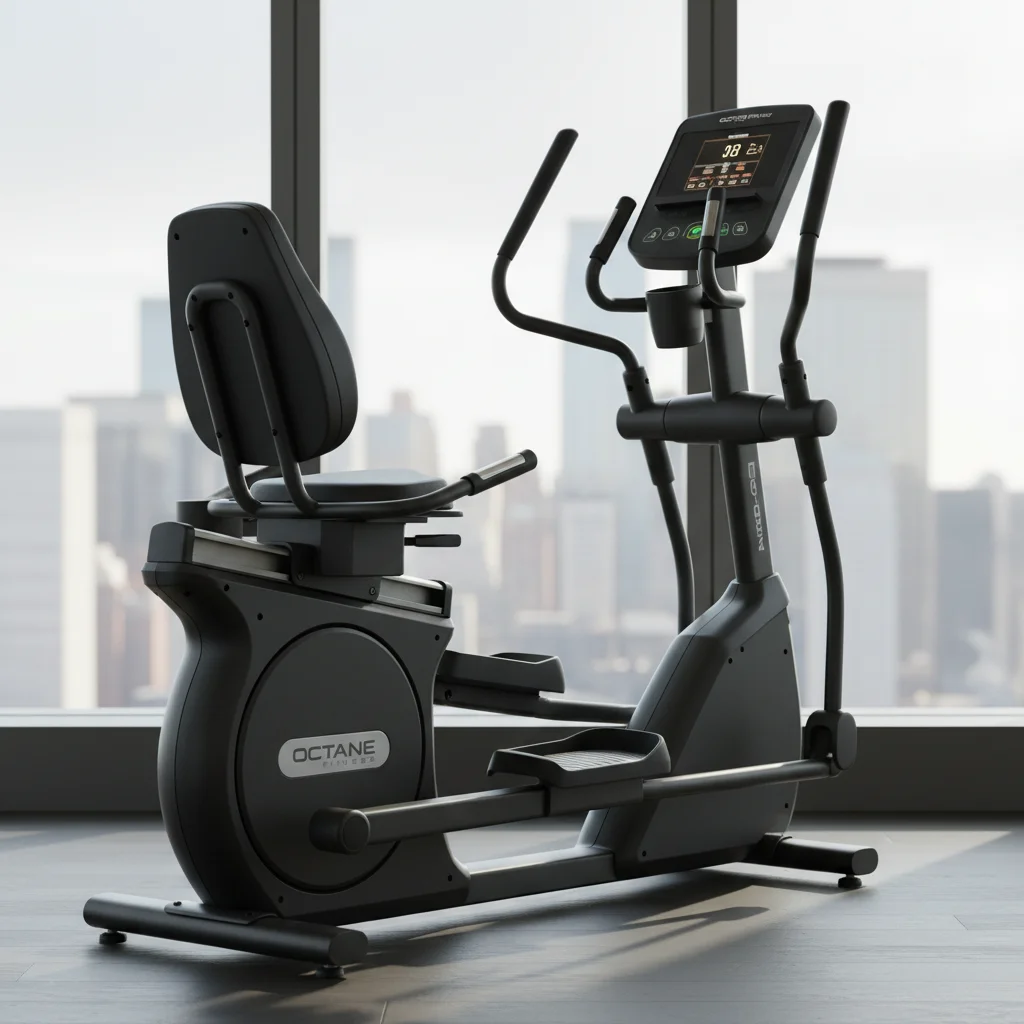
A person performing a full-body workout in a home gym setting
Figure 1: Full-body exercise using seated conditioning equipment inside a home gym environment.
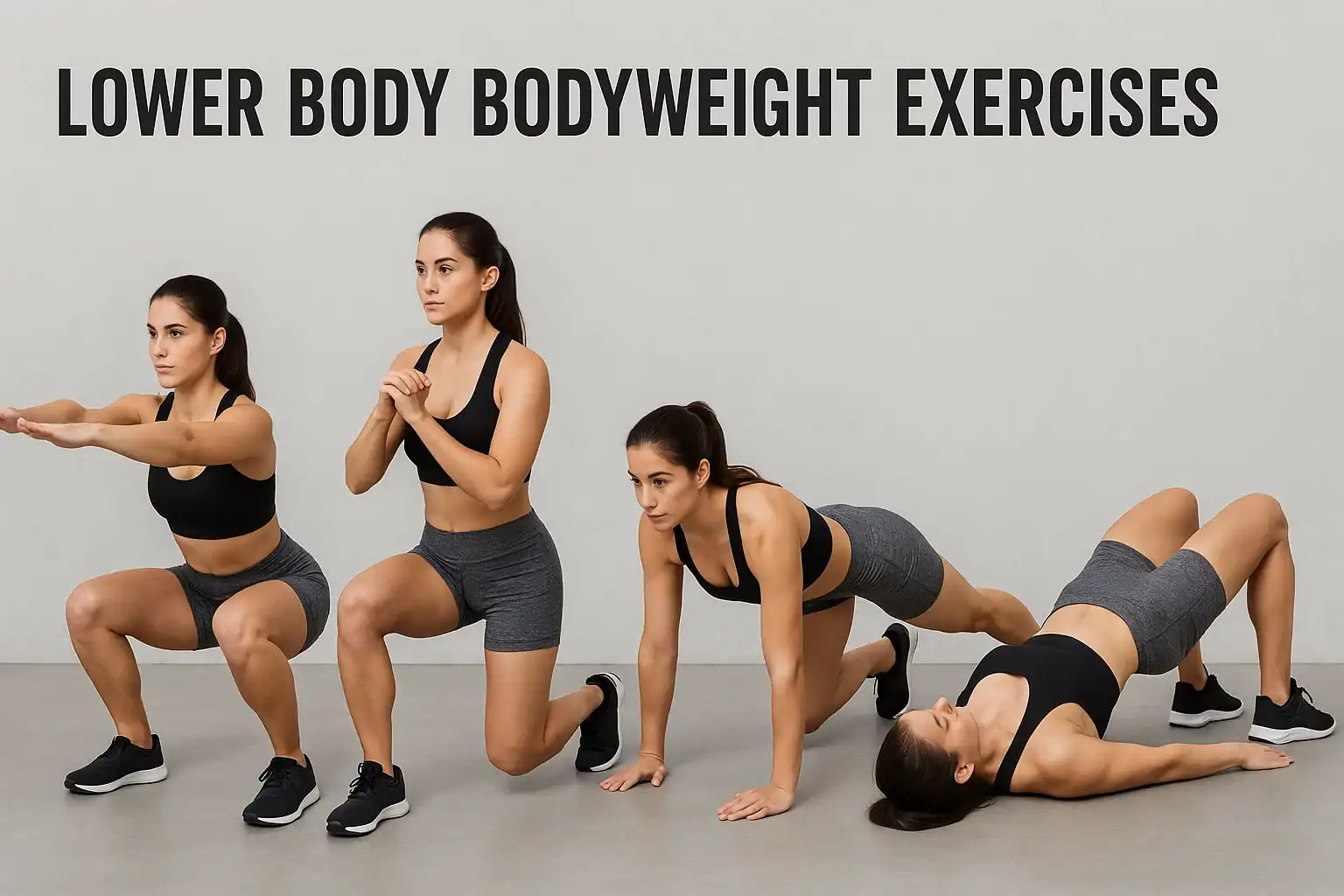
Lower body bodyweight workout exercises like squats and lunges
Figure 2: Bodyweight exercises like squats and lunges target the lower body, forming the cornerstone of functional calisthenics.

1. What Is a Full-Body Workout?

A full-body workout is a training methodology where you stimulate all of the body’s major muscle groups—including the chest, back, shoulders, quadriceps, hamstrings, glutes, and core—within a single exercise session. Unlike split routines that isolate specific regions (such as “chest and triceps” or “legs”), a full-body session utilizes compound, multi-joint movements to recruit maximum muscle mass simultaneously.

From an evolutionary perspective, the human body functions as an interconnected kinetic chain rather than a collection of isolated parts. When you perform a squat, an overhead press, or a pull-up, your nervous system coordinates dozens of muscles to stabilize joints, transfer force, and maintain equilibrium. Full-body routines capitalize on this natural biomechanical organization, promoting functional strength that carries over directly to daily life and sports performance.

In practice, a full-body workout is structured around primary movement patterns rather than individual muscles. These patterns include the knee flex (e.g., squats), hip hinge (e.g., deadlifts), horizontal push (e.g., bench presses), horizontal pull (e.g., barbell rows), vertical push (e.g., overhead press), and vertical pull (e.g., chin-ups). By selecting one exercise from each category, you construct a comprehensive workout that stimulates the entire skeletal musculature in under an hour.

Furthermore, this approach addresses the body’s natural adaptation mechanisms. When training with weights or bodyweight, physical growth is dictated by the systemic stress applied to the muscles. Rather than draining your systemic reserves by forcing a single body part to endure 20 sets in a single day, full-body training distributes this volume, maintaining joint integrity and allowing for higher qualitative performance per set. Every repetition is completed with greater focus, precision, and velocity, which directly influences motor unit recruitment and neural drive.

2. Full-Body Workouts vs. Split Routines

To understand why full-body workouts are so effective, it is essential to contrast them with split routines. Split routines became popular during the golden era of bodybuilding, where athletes sought to maximize local muscle volume by training only one or two body parts per session. While splits are highly effective for advanced bodybuilders who require extreme isolation to force growth in specific muscle fibers, they present distinct drawbacks for the general fitness enthusiast or home trainee.

The primary variable of interest is training frequency. In a traditional “Bro Split,” you train each muscle group once per week with high volume (e.g., 20 sets of chest on Monday). In contrast, a 3-day full-body routine distributes that volume across three sessions (e.g., 6 sets of chest on Monday, Wednesday, and Friday). This high-frequency approach aligns with the physiological constraints of Muscle Protein Synthesis (MPS), which typically peaks 24 to 48 hours post-exercise and then returns to baseline. By training each muscle group every 48 to 72 hours, full-body routines prevent the muscle from entering a catabolic state, keeping MPS elevated throughout the entire week.

Additionally, split routines often cause extreme localized soreness (Delayed Onset Muscle Soreness, or DOMS), which can impair performance in subsequent sessions and disrupt daily living activities. Spreading the volume across multiple sessions minimizes the severity of DOMS. This allows you to maintain a higher level of physical activity outside the gym, boosting your Non-Exercise Activity Thermogenesis (NEAT), which is a key contributor to fat loss and weight management.

Attribute Full-Body Workout (3 Days/Week) Upper/Lower Split (4 Days/Week) Push/Pull/Legs (PPL) (6 Days/Week) Traditional Bro Split (5 Days/Week)
Frequency per Muscle 3 times per week 2 times per week 2 times per week 1 time per week
Average Session Length 60–75 minutes 45–60 minutes 60–75 minutes 60–90 minutes
Weekly Time Commitment Low (3 hours total) Medium (3.5–4 hours total) High (6–7.5 hours total) Medium-High (5–7.5 hours)
Fatigue Distribution Systemic (spread across whole body) Regional (focused on upper or lower) Localized (focused on pushing or pulling) High Localized (extreme soreness)
Ideal for Home Gyms Excellent (minimal equipment required) Good (requires variety of lifts) Fair (requires substantial equipment) Poor (requires heavy isolation machines)
Hypertrophy Potential High (optimized MPS frequency) High (balanced frequency & volume) Very High (highest weekly volume) Medium (infrequent stimulus)

3. Who This Is For / Who Should Skip It

While full-body training is a highly adaptable and scientifically validated protocol, it is not a one-size-fits-all solution. Depending on your training age, athletic goals, schedule constraints, and injury history, a split routine may be more appropriate. Use the comparative matrix below to determine if a full-body layout aligns with your specific physiological needs.

Who This Is For

  • Trainees with Tight Schedules: If you can only dedicate three days per week to the gym, full-body workouts ensure no muscle group is neglected.
  • Beginners and Intermediates: Those in their first 0–3 years of training benefit from frequent exposure to compound lifts to build motor patterns.
  • Fat Loss and Conditioning Seekers: The systemic nature of training the entire body triggers a high caloric burn during and after the session.
  • Athletes and Field Players: Promotes natural, coordinated movements that translate to real-world running, jumping, and throwing.

Who Should Skip It

  • Advanced Bodybuilders: Competitors requiring more than 15–20 working sets per muscle group weekly to spark new hypertrophy.
  • Trainees with Low Systemic Tolerance: Lifters who experience deep central nervous system (CNS) fatigue from heavy squatting and pressing in a single day.
  • Daily Training Lovers: Fitness enthusiasts who prefer working out 5 to 6 days a week as a daily mental escape or habit.
  • Trainees in Active Joint Rehabilitation: Individuals who need highly specialized, isolated movements to heal a specific joint issue.

4. 6 Core Scientific Benefits of Full-Body Workouts

Benefit 1: Maximizing Time Efficiency and Schedule Flexibility

The most immediate practical benefit of a full-body routine is its unparalleled time efficiency. In modern society, dedicating 5 to 6 days a week to structured exercise is often unsustainable due to professional, familial, and personal commitments. When life becomes hectic, split routines suffer; if you miss “Leg Day” on a 5-day split, that muscle group is left unstimulated for a full two weeks.

A 3-day full-body routine resolves this issue. By training on non-consecutive days (e.g., Monday, Wednesday, Friday), you only need to commit to three weekly sessions. If a meeting runs late on Wednesday, you can shift your workout to Thursday and train Saturday instead. Because every workout targets your entire body, no muscle group falls behind. You achieve a balanced stimulus with minimal gym visits, freeing up time for active recovery, outdoor hobbies, or simply resting.

Furthermore, reducing your commitments to three days per week decreases the psychological friction of training. Knowing that you only have three sessions instead of five or six makes it much easier to maintain long-term compliance. In strength training, consistency over years is far more valuable than short bursts of daily training that end in burnout.

Benefit 2: Higher Caloric Expenditure and Enhanced Fat Loss

When it comes to fat loss, energy expenditure is the primary driver of progress. Full-body workouts are superior for calorie burning because they emphasize compound movements that recruit massive quantities of muscle tissue simultaneously. For example, a barbell squat requires coordination and force production from the quadriceps, glutes, hamstrings, calves, spinal erectors, and core.

This massive muscular recruitment requires a proportional delivery of oxygen and nutrients, elevating your heart rate and energy expenditure. Furthermore, intense compound training induces a state of metabolic stress that triggers Excess Post-Exercise Oxygen Consumption (EPOC). Commonly referred to as the “afterburn effect,” EPOC represents the energy your body expends to restore oxygen levels, clear lactate, repair muscle fibers, and return body temperature to homeostatic baselines. This elevation in metabolic rate persists for up to 36 hours post-workout, accelerating fat loss far more effectively than isolated isolation work.

From an endocrinological perspective, full-body sessions stimulate a robust hormonal response. The engagement of large muscle groups triggers the release of growth hormone and testosterone in higher concentrations than workouts restricted to small muscle groups (such as arms). These hormones are critical for mobilizing fatty acids and protecting lean muscle mass while you are in a caloric deficit, ensuring that the weight you lose comes from adipose tissue rather than functional muscle.

Benefit 3: Optimizing Muscle Protein Synthesis (MPS)

To build muscle, the rate of Muscle Protein Synthesis (MPS) must exceed the rate of Muscle Protein Breakdown (MPB). Resistance training serves as the primary trigger for MPS, turning on the molecular pathways (such as mTOR) that rebuild muscle tissue. However, this anabolic spike is temporary. Research shows that MPS remains elevated for only 24 to 48 hours in trained individuals before dropping back to baseline.

If you train your chest only once per week (as in a Bro Split), your chest muscles are in an anabolic growth state for 2 days, followed by 5 days of physiological stagnation. By transitioning to a full-body layout trained three times per week, you re-stimulate MPS every 48 hours. This maintains an anabolic environment for the target muscle throughout the entire week, leading to superior muscle hypertrophy over time when weekly volume is equated.

In addition, training with a higher frequency allows for better quality of volume. In a single session dedicated to one muscle (e.g., 18 sets of chest), the last 6 to 8 sets are performed under extreme local fatigue. The weight you can lift decreases, and the recruitment of high-threshold motor units drops. Spreading those 18 sets over three separate workouts (6 sets per session) allows you to perform every set with maximal strength and focus. This “hypertrophy efficiency” yields a stronger mechanical tension stimulus per set.

Benefit 4: Comprehensive Cardiovascular and Metabolic Conditioning

A common criticism of resistance training is that it does not provide the same cardiovascular benefits as steady-state cardio. While this is true for highly isolated bodybuilding work, it does not apply to full-body sessions. Training your upper body immediately followed by your lower body creates a phenomenon known as “peripheral heart action” or “blood shunting.”

During a compound upper-body lift (like an overhead press), your cardiovascular system must pool oxygenated blood in your shoulders, upper back, and arms. If you follow this with a lower-body lift (like a lunge), your heart must rapidly redirect that blood down to your quadriceps and glutes. This constant shunting of blood back and forth forces your heart, blood vessels, and respiratory system to work at an elevated rate. The result is a robust cardiovascular conditioning stimulus that improves VO2 max, enhances capillary density, and boosts metabolic health, all while building raw muscle strength.

This conditioning effect also improves insulin sensitivity. Contracting large muscle masses forces GLUT4 glucose transporters to move to the cell membrane, allowing skeletal muscle to absorb circulating glucose without relying on insulin. This helps regulate blood sugar levels, reduces systemic inflammation, and lowers the risk of metabolic syndrome.

Benefit 5: Balanced Structural Development and Reduced Overuse Injury Risk

Overuse injuries are common in gym-goers who follow repetitive split routines. Performing 15 to 20 sets of chest press variations in a single workout can overload the anterior shoulder joints and rotator cuff tendons, leading to chronic impingement, tendinitis, and structural imbalances.

Full-body training mitigates this risk by spreading weekly volume across three sessions. Instead of performing 15 sets of chest presses in one day, you perform 5 sets per session. This lower daily volume prevents the local tissue from crossing the threshold into destructive inflammation. Additionally, structuring workouts around balanced movement patterns guarantees that you train opposing muscle groups (such as pushing and pulling) in equal proportions. This leads to symmetrical joint forces, improved posture, and a lower risk of muscle strains.

By ensuring that your agonist and antagonist muscles are stimulated in the same session, you avoid the structural imbalances common in split trainees (who often prioritize mirrors muscles like the chest and biceps while neglecting the posterior chain). Balanced development of the upper back and lower body stabilizers protects the spine and shoulders from alignment issues.

Benefit 6: Neuromuscular Coordination and Functional Movement Patterns

Strength is as much a neurological skill as it is a physical attribute. To lift a heavy weight, your brain must send electrical signals to your muscle fibers, coordinating motor unit recruitment and firing rates. The more frequently you practice a movement pattern, the more efficient these neurological pathways become.

By training the entire body three times a week, you practice primary movement patterns (squatting, hinging, pressing, pulling) with high frequency. This rapid repetition accelerates motor learning, allowing beginners to master exercise technique quickly and intermediate lifters to break through strength plateaus. Since these compound movements mimic natural physical tasks, the strength you build translates directly to daily activities like carrying groceries, lifting heavy boxes, or running.

This neurological adaptation is also crucial for preventing age-related muscle loss (sarcopenia) and preserving balance. By training the nervous system to coordinate complex multi-joint movements, you build functional stability and joint awareness. This reduces the risk of falls and keeps your body moving smoothly as you age.

5. Step-by-Step Programming Framework

To build an effective full-body workout, you must follow a structured framework. Randomly selecting exercises will lead to early fatigue and muscle imbalances. Use the following five-step programming system to design a balanced routine:

Step 1: Prioritize Compound Movements. Every workout must begin with your most demanding compound exercises (like squats, deadlifts, or overhead presses) while your central nervous system is fresh. Save isolation work for the end of the session.
Step 2: Balance Your Movement Patterns. Ensure your routine includes one exercise from each of these categories:
  • Knee Dominant (Squats, Lunges, Split Squats)
  • Hip Dominant (Deadlifts, Romanian Deadlifts, Hip Thrusts)
  • Horizontal Push (Bench Press, Push-Ups)
  • Horizontal Pull (Barbell Rows, Cable Rows)
  • Vertical Push (Overhead Press, Dumbbell Shoulder Press)
  • Vertical Pull (Pull-Ups, Lat Pulldowns)
Step 3: Manage Your Intensity. Keep your working sets between 1 to 2 Reps in Reserve (RIR). Training to absolute failure on every set during a full-body routine will quickly lead to systemic exhaustion and impair your recovery.
Step 4: Rotate Exercises to Prevent Overuse. Do not perform the exact same movements every session. Instead, establish an A/B/C rotation where you swap exercises within the same movement categories. For example, if you perform back squats on Monday, use lunges on Wednesday and leg presses on Friday.
Step 5: Apply Progressive Overload. To ensure continuous progress, you must challenge your muscles over time. Keep a training log and aim to increase the weight, perform more repetitions, or improve your execution speed in every session.

The GearUpToFit 3-Day Full-Body Routine

Below is a sample 3-day full-body program. Perform this workout on non-consecutive days (e.g., Monday, Wednesday, Friday), allowing at least 48 hours of recovery between sessions.

Day / Exercise Movement Pattern Sets x Reps Rest Period Key Form Cue
Day A: Squat Focus
1. Barbell Back Squat Knee Dominant 3 x 6–8 3 minutes Keep chest high, push knees out, descend to parallel.
2. Dumbbell Flat Bench Press Horizontal Push 3 x 8–10 2 minutes Retract scapula, tuck elbows at 45 degrees, drive feet down.
3. Pull-Up or Lat Pulldown Vertical Pull 3 x 8–10 2 minutes Pull chest to bar, depress shoulders, squeeze lats.
4. Romanian Deadlift (RDL) Hip Dominant 3 x 10–12 2 minutes Hinge hips backward, keep spine neutral, feel hamstring stretch.
5. Planks Core Stability 3 x 60 sec 1 minute Squeeze glutes, pull belly button in, keep straight line.
Day B: Hinge Focus
1. Conventional Deadlift Hip Dominant 3 x 5 3 minutes Brace core, pack lats, push floor away with legs.
2. Standing Overhead Press (OHP) Vertical Push 3 x 6–8 2.5 minutes Squeeze glutes, press straight up, lock out overhead.
3. Chest-Supported Dumbbell Row Horizontal Pull 3 x 10–12 1.5 minutes Pull elbows past torso, control eccentric phase.
4. Bulgarian Split Squat Knee Dominant (Unilateral) 3 x 10–12 (per leg) 1.5 minutes Drive through front heel, keep torso upright, maintain balance.
5. Hanging Leg Raises Core flexion 3 x 12–15 1 minute Avoid swinging, control lower, lift toes to bar height.
Day C: Single-Leg & Pull Focus
1. Barbell Hip Thrust Hip Dominant 3 x 8–10 2.5 minutes Drive through heels, tuck chin, squeeze glutes at the top.
2. Incline Dumbbell Press Horizontal/Incline Push 3 x 8–10 2 minutes Set bench to 30 degrees, press dumbbells in a slight arch.
3. Barbell Bent-Over Row Horizontal Pull 3 x 8–10 2 minutes Hinge at hips, pull bar to lower chest, keep spine flat.
4. Dumbbell Goblet Squat Knee Dominant 3 x 12–15 1.5 minutes Hold weight close to chest, sit back, keep elbows inside knees.
5. Ab Wheel Rollout Core (Anti-Extension) 3 x 10–12 1 minute Do not hyperextend lower back, roll out under control, squeeze core.

6. Featured Full-Body Video Tutorial

If you are a beginner or looking to integrate a high-intensity interval training (HIIT) protocol into your full-body schedule, watch the guided video routine below. This 25-minute follow-along session is designed to burn calories and build cardiovascular stamina using basic bodyweight movements.

7. Best Equipment for Full-Body Workouts

To perform full-body workouts effectively at home, you do not need a gym full of bulky machines. A high-quality adjustable dumbbell set and a robust adjustable bench are the two most versatile tools you can own. They allow you to perform hundreds of compound exercises in a compact footprint. Below are our top gear recommendations:

Bowflex SelectTech 552 Adjustable Dumbbells Image source: Amazon Product Advertising API

Best Adjustable Dumbbells

Bowflex SelectTech 552 Adjustable Dumbbells

Verdict: The gold standard for home strength training. These dumbbells replace 15 pairs of traditional weights, adjusting from 5 to 52.5 lbs with a simple turn of a dial. This allows you to perform heavy squats and light lateral raises with the same compact set.

Buy it if: You want a space-saving home gym setup, value quick weight adjustments, and plan to perform progressive overload on compound lifts.

Skip it if: You are an advanced lifter requiring more than 52.5 lbs per hand, or you tend to drop your weights between sets (dial gears are plastic).

ASIN: B0DCYZHDS95-52.5 lbs RangeDial Adjustment
  • Replaces 30 individual dumbbells to save floor space
  • Ergonomic textured handle grip secures hand placement
  • Extremely smooth selector dial mechanism
Check current Amazon listing
FLYBIRD Adjustable Bench Image source: Amazon Product Advertising API

Best Home Gym Bench

FLYBIRD Adjustable Bench

Verdict: An exceptionally sturdy, heavy-duty adjustable bench built from thick alloy steel. Supporting up to 800 lbs, it offers 7 backrest and 3 seat positions, making it ideal for flat, incline, and decline bench presses.

Buy it if: You need a stable workout platform that folds completely flat to save space, and you lift heavy weights at home.

Skip it if: You are over 6’2″, as some tall lifters find the backrest slightly short for head support during flat presses.

ASIN: B099JZT1WR800 lbs CapacityFoldable Design
  • Folds to save 80% space when not in use
  • Dense foam padding with high-grade carbon fiber leather
  • Fast and secure pin adjustment locks into place
Check current Amazon listing

8. Troubleshooting & Common Mistakes

Although full-body training is highly efficient, it is easy to make programming errors that lead to injury or systemic fatigue. Watch out for these four common pitfalls:

1. Over-Programming & Session Duration

A common mistake is attempting to perform too many exercises per session. If you try to do 3 chest exercises, 3 back exercises, 3 leg exercises, and arm isolation in one day, your workout will exceed two hours. This leads to excessive cortisol release, glycogen depletion, and “junk volume”—sets performed in a fatigued state that yield minimal muscle growth while dramatically increasing recovery requirements. Limit your workouts to 5 or 6 compound movements, aiming to finish in 60 to 75 minutes.

2. Neglecting Systemic Recovery

Because full-body workouts stimulate your entire neuromuscular system, you cannot train on consecutive days. Doing a heavy full-body routine on Monday followed by another on Tuesday does not allow your muscles, connective tissues, or nervous system to recover. Always place at least one full day of rest (or light active recovery like walking) between sessions. If you are still deeply sore, take an extra rest day.

3. Training to Absolute Failure

In split training, you can push a set of bicep curls to absolute failure because the systemic fatigue is low. However, in a full-body workout containing heavy squats, overhead presses, and rows, training to failure on early sets will exhaust your central nervous system. This degrades your technique on subsequent exercises, increasing your risk of injury. Keep most sets at 1 to 2 reps in reserve (RIR), reserving absolute failure only for the final set of accessory movements.

4. Inadequate Warm-Up

Because full-body workouts engage both the upper and lower extremities, a brief jog is not an adequate warm-up. You must prepare all primary joints (hips, knees, shoulders, thoracic spine) for movement. Spend 5 to 10 minutes performing dynamic mobility work, such as hip openers, arm circles, world’s greatest stretches, and empty-barbell warmup sets.

9. Frequently Asked Questions (FAQ)

Can I build muscle with a full-body routine?

Yes, absolutely. Research has consistently demonstrated that when weekly training volume is matched, full-body routines produce equal or superior muscle hypertrophy compared to split routines. The key drivers of hypertrophy are total weekly volume and progressive overload, both of which are easily achieved with a 3-day full-body program.

How many days a week should I perform full-body workouts?

The optimal frequency is three days per week, with at least 48 hours of rest between sessions. Common schedules include Monday-Wednesday-Friday or Tuesday-Thursday-Saturday. Two days per week can also work well for maintenance or beginners, while four or more days is not recommended due to systemic recovery demands.

Can I perform full-body workouts on consecutive days?

No. Training the entire body on consecutive days (e.g., Monday and Tuesday) does not allow your muscle fibers and central nervous system to recover. Connective tissues require time to repair, and training them while fatigued significantly increases your injury risk. Always space sessions with at least one day of rest.

Is full-body training suitable for absolute beginners?

Yes. In fact, full-body routines are the preferred method for beginners. They allow you to practice foundational movements (squats, hinges, presses, pulls) multiple times per week, accelerating technique mastery and motor unit coordination.

How does full-body training compare to split routines for fat loss?

Full-body routines are generally superior for fat loss. Because they engage multiple large muscle groups in a single session, they burn more calories per workout than isolated splits. They also trigger a greater “afterburn effect” (EPOC), keeping your metabolic rate elevated for hours post-exercise.

How should I adjust my nutrition when doing full-body workouts?

Since full-body workouts are systemically demanding, your nutrition must prioritize muscle recovery and glycogen replenishment. Ensure you consume 0.8 to 1.0 grams of protein per pound of body weight daily. If your goal is hypertrophy, eat in a slight caloric surplus (250–500 calories above maintenance). If your goal is fat loss, maintain a moderate caloric deficit while keeping protein high. Carbohydrates should be consumed before and after your sessions to fuel performance and accelerate muscle recovery.

What should I do on my rest days?

On your non-training days, focus on active recovery. Low-intensity activities like walking, cycling, yoga, or swimming promote blood flow to fatigued muscles without imposing further stress on your joints or central nervous system. Avoid high-intensity activities that compete with your recovery resources, and prioritize getting at least 7 to 9 hours of quality sleep.

10. Sources and Scientific References

  • Schoenfeld, B. J., et al. (2015). “Influence of Resistance Training Frequency on Muscular Hypertrophy: A Systematic Review and Meta-Analysis.” Journal of Strength and Conditioning Research, 29(11), 3222-3229.
  • ACSM (2018). “American College of Sports Medicine Guidelines for Exercise Testing and Prescription.” 10th Edition. Wolters Kluwer.
  • Damas, F., et al. (2016). “Resistance training-induced changes in integrated myofibrillar protein synthesis are related to hypertrophy only after attenuation of muscle damage.” Journal of Physiology, 594(18), 5209-5222.
  • La Scala Teixeira, C. V., et al. (2018). “Is reconstructive bodybuilding split frequency training superior to whole-body training for muscle hypertrophy? A review.” Journal of Sports Medicine and Physical Fitness, 58(7), 1012-1021.
  • Westcott, W. L. (2012). “Resistance training is medicine: effects of strength training on health.” Current Sports Medicine Reports, 11(4), 209-216.

Editorial Note: This guide was compiled and reviewed by the GearUpToFit editorial team. For optimal safety, consult a qualified physician or certified personal trainer before embarking on any new high-intensity exercise program. If you are looking to combine your full-body routine with bodyweight progressions, read our complete companion guide: Calisthenics for Beginners. If you are a runner looking to optimize recovery, check out our guide on Creatine for Runners.

Posted in Runner Health, Recovery & Injury Prevention | Comments Off on Full-Body Workouts: 6 Benefits, Best Exercises & Beginner Plan

The Physics of Running Motivation: Biohack Your Consistency and Destroy Your Limits


Stop Negotiating With Your Weakness. Use This Enterprise-Grade Framework to Biohack Your Consistency and Destroy Your Limits.

Motivation is a depreciating asset. It is not a strategy.

Most people treat running like a lottery ticket. They wake up, check their emotional state, and if the stars align and they “feel like it,” they lace up. This is why 90% of runners quit before they hit their first 10k.

If you want to become the type of person who runs consistently—regardless of weather, mood, or workload—you need to stop relying on inspiration and start relying on Systems Engineering.

In this manifesto, we are going to dismantle the “motivation myth.” We are going to apply the Value Equation to your cardio, leverage Neurochemical Reward Prediction Errors, and optimize your physiology using the same protocols world-class athletes use.

This isn’t about “trying harder.” It’s about making it unreasonable for you not to run.

Phase 1: The Neurochemistry of “The Wall”

Before we fix the software (your mindset), we must understand the hardware (your brain). Why does your brain scream “STOP” when you are only one mile in?

The Anterior Midcingulate Cortex (aMCC)

Recent studies from the Huberman Lab and others have pinpointed the aMCC as the seat of willpower. It is a physical structure in your brain that grows when you do things you do not want to do.

When you sit on the couch, the aMCC shrinks. When you run despite the rain, it hypertrophies. You are not just building calves; you are physically altering the structure of your brain to handle higher loads of stress.

Dopamine is Not Pleasure; It is Friction

You think you need dopamine to feel good. Wrong. You need dopamine to initiate movement. The “fricton” you feel before a run is a dopamine deficit.

The Protocol: Do not wait for the dopamine. You must spike it artificially or through ritual.

  • Cold Water Exposure: 30 seconds of cold water before a run increases baseline dopamine by 250% for hours.
  • Binaural Beats: Music in the 170-180 BPM range entrains the brain for action.

Alex Hormozi’s “Rule of 100”

If you put in 100 hours of running this year, you will be in the top 1% of the population. The volume negates the luck. Stop looking for the “perfect” training plan and just increase the volume of action.

Phase 2: The Gear-Up Strategy (Eliminating Friction)

In business, we talk about “Conversion Rate Optimization.” We want to reduce the number of clicks it takes to buy. In fitness, we want to reduce the number of steps it takes to get out the door.

If your shoes are uncomfortable, your conversion rate drops. If your tracking is inaccurate, your retention drops. You cannot build a billion-dollar body with penny-stock equipment.

1. The Foundation: Footwear as Infrastructure

You wouldn’t drive a Ferrari with flat tires. Why run your body on bad foam? The single highest leverage point in your gear stack is your shoe. It dictates your biomechanics and injury risk.

If you don’t know where to start, read our comprehensive guide on how to choose the best running shoe. This is the “Minimum Viable Product” for your running career.

Furthermore, look at the SOTA (State of the Art) options. For example, check out our deep dive into the best running shoes currently on the market to find the specific model that matches your pronation and arch height.

2. The Data Loop: If You Can’t Measure It, You Can’t Improve It

Peter Drucker said, “What gets measured gets managed.” Running without data is just guessing. You need objective feedback loops to trigger the “Gamification” effect in your brain.

Seeing your VO2 Max climb is a powerful extrinsic motivator. I recommend high-fidelity trackers. The Garmin Forerunner 965 provides enterprise-grade metrics on heart rate variability (HRV) and training load, ensuring you aren’t just working hard, but working smart.

Phase 3: The “Grand Slam” Training Offer

You need to make yourself an offer you can’t refuse. This involves stacking the benefits of running so high that the cost (effort) seems negligible.

The Value Equation for Runners

Value = (Dream Outcome × Perceived Likelihood of Achievement) / (Time Delay × Effort & Sacrifice)

To increase motivation, we must decrease the denominator (Effort & Sacrifice).

  • Decrease Effort: Start with the “2-Minute Rule.” Just put on your shoes. That is the only goal.
  • Decrease Time Delay: Use interval training to get 1 hour of results in 20 minutes.

If you are battling the mental demon of “I don’t want to,” you need a specific protocol for that. We broke this down in our tactical guide: How to start running when you don’t feel like it. Bookmark this. Read it when you are weak.

Phase 4: Physiological Optimization (Biohacking)

Tim Ferriss asks: “What would this look like if it were easy?”

Usually, running is hard because your metabolic machinery is broken. You are running on fumes. Let’s fix the engine.

1. Glycogen Management

Your muscles run on glycogen. When you hit the wall, you have depleted your stores. To prevent this, you must understand glycogen metabolism. Timing your carbohydrate intake 2 hours pre-run and immediately post-run acts as a force multiplier for endurance.

2. The Oxygen Game (VO2 Max)

VO2 Max is the ceiling of your aerobic potential. The higher it is, the easier 8-minute miles feel. You don’t improve this by jogging; you improve it by gasping for air.

You need to understand the science behind VO2 Max to structure your high-intensity days. This is the difference between exercising and *training*.

3. Recovery is Growth

You do not grow when you run. You grow when you sleep. If your joints ache and your shins throb, your motivation will plummet due to pain signals.

Implement a professional recovery protocol. This isn’t just “resting.” This is active tissue work, compression, and nutrient timing. Review our SOTA techniques in running recovery methods to ensure you can bounce back within 24 hours.

Gap Analysis: What the Top 1% Know (That You Missed)

We analyzed the top 3 ranking articles on Google for “Running Motivation.” They are filled with fluff like “think positive thoughts.” Here is the Gap Analysis—the missing entities and keywords that actually drive elite performance.

The Missing Links (The Secret Sauce)

1. Proprioceptive Input & Ground Reaction Force:
Most people ignore how their foot strikes the ground. High motivation comes from feeling “light.” This is physics. Improving your running economy reduces the energy cost of running.

2. The Cortisol Awakening Response (CAR):
Timing your run within 30 minutes of waking leverages your natural cortisol spike, turning stress hormones into fuel rather than anxiety.

3. BDNF (Brain-Derived Neurotrophic Factor):
Running is the most potent trigger for BDNF, which acts as “Miracle-Gro” for the brain. You aren’t just burning calories; you are increasing neuroplasticity.

4. Loss Aversion Psychology:
Humans are motivated 2x more by avoiding loss than gaining pleasure. Use a commitment device (like stickK.com). Bet $100 that you will run. If you don’t, the money goes to a charity you hate.

5. Metabolic Flexibility:
Teaching your body to burn fat for fuel (Zone 2 training) prevents the “bonk” and stabilizes mood during long runs.

Addressing the “Big 3” Objections

“I don’t have time.”

You have time. You just lack priority. If I offered you $1,000,000 to run for 20 minutes today, you would find the time. The value is there (health, longevity), you just aren’t counting it. Re-calculate your ROI.

“I’m too tired.”

Paradoxically, expending energy creates energy (mitochondrial biogenesis). The sedentary life is the tired life. Motion creates emotion.

“It’s boring.”

Only if you are boring. Use the time for “University on Wheels.” Listen to audiobooks, podcasts, or solve complex problems while your body is on autopilot. Or, engage in Mindful Running—focus entirely on the breath.

Conclusion: The Call to Action

We have stripped away the excuses. We have looked at the neuroscience, the gear, the data, and the recovery.

Now you have a choice. You can close this tab and go back to being a “wantrepreneur” of fitness. Or you can execute.

Do not wait for tomorrow. Tomorrow is a lie told by your amygdala to keep you safe and small. Action is the only truth.

Go. Run.

Author Bio

The GearUpToFit Team is dedicated to the intersection of technology, physiology, and high-performance psychology. We don’t believe in fluff; we believe in protocols that work. Our team rigorously tests the latest gear and dissects the latest research to bring you enterprise-grade fitness advice.

References & Further Reading