ASICS Novablast 6 Review: FF TURBO² Forefoot, FF BLAST MAX, and ASICSGRIP Tested

GearUpToFit Review

ASICS Novablast 6 Review: Bouncy Daily Trainer, Super-Foam Forefoot, and Real-World Buying Advice

A complete ASICS Novablast 6 review for daily training, long runs, tempo miles, fit, cushioning, grip, comparisons, and whether to buy it over Novablast 5, Pegasus 42, Ghost 18, or Clifton 10.

Affiliate disclosure: This article contains affiliate links. If you buy through links on this page, GearUpToFit may earn a commission at no extra cost to you. Product prices, stock, colors, sizes, sellers, and availability can change. Always confirm the exact model before buying.

Quick verdict

Buy it if: you want a bouncy neutral daily trainer for easy runs, long runs, treadmill runs, and occasional faster efforts.

Skip it if: you want a low-stack shoe, firm ground feel, strong stability guidance, or a dedicated race shoe.

Best alternative: Brooks Ghost 18 for a more traditional daily trainer, HOKA Clifton 10 for soft rocker comfort, or Saucony Endorphin Speed 5 for faster workouts.

How I evaluated this product

This is a spec-based review and buying analysis. This review evaluates the ASICS Novablast 6 for the exact reader problem: whether it is worth buying compared with the closest alternatives. I checked official specifications, current marketplace availability, product positioning, fit and use-case signals, competitor comparisons, and GearUpToFit’s running-shoe buying framework.

  • Best-use check: daily trainer, speed shoe, race shoe, walking crossover, and rotation role.
  • Buyer-risk check: sizing, width, return policy, exact model year, seller, and ride limitations.
  • Comparison check: whether a cheaper, older, or more specialized alternative is better.

I do not claim personal hands-on testing unless the article states exact mileage, dates, conditions, and test setup. Until that is added, treat this as buying analysis based on verified specs, positioning, availability checks, and direct comparison logic.

Specs at a Glance: fact-checked update

Editorial update: This review was upgraded to remove generic AI-review ambiguity and lock the buying advice to the exact release details that matter for ASICS Novablast 6. The goal is simple: clear specs, balanced criticism, and direct comparison paths instead of rewritten marketing copy.

Retail price $160 / €160
Primary midsole FF BLAST MAX base with FF TURBO² forefoot trampoline pod
Outsole ASICSGRIP rubber
Best use Daily training, long runs, uptempo aerobic miles
Main rival HOKA Clifton Pro
Key design shift Premium forefoot foam and improved traction versus Novablast 5

Critical fact-check notes

  • First Novablast with FF TURBO² in the forefoot trampoline pod, borrowed from ASICS premium super-foam lineage.
  • FF TURBO² is stacked on an FF BLAST MAX base, so the shoe should be described as a dual-foam update rather than a simple Novablast 5 refresh.
  • ASICSGRIP was added to address the Novablast 5 traction complaints that mattered in wet or dusty conditions.
  • Retail target is $160 / €160.

Who is this for?

Runners who want one energetic daily trainer for easy runs, long runs, and moderate tempo efforts, especially if they liked the Novablast concept but wanted better grip and a more premium forefoot pop.

Who should skip it?

Skip it if you want a firmer, lower, more traditional trainer, need a true plated speed-day shoe, or dislike tall soft platforms. For a direct high-stack rival, read our detailed HOKA Clifton Pro review.

The verdict

The Verdict: The ASICS Novablast 6 is the best fit for runners who want a high-bounce daily trainer with a more premium forefoot feel and a more trustworthy outsole than the Novablast 5. The key upgrade is not cosmetic: FF TURBO² foam in the forefoot sits over an FF BLAST MAX base, while ASICSGRIP directly targets the traction complaints around the previous model.

Pros

  • More premium forefoot response from FF TURBO².
  • ASICSGRIP corrects a real Novablast 5 weakness.
  • Still works as a versatile daily trainer rather than only a fast-day shoe.

Cons

  • Tall, bouncy geometry may feel unstable to runners who prefer ground contact.
  • Not a replacement for a plated racer or dedicated interval shoe.

Where it fits in the GearUpToFit review cluster

Direct rival: compare this shoe with our HOKA Clifton Pro review. Rotation option: pair it with a faster workout shoe like the Saucony Endorphin Speed 5.

Quick verdict

Bottom line: Buy the Novablast 6 if you want a lively, cushioned road shoe that can handle easy miles, medium-long runs, and steady progression workouts without feeling like a stiff plated racer.

Do not buy it if: Skip it if you need a firm stability shoe, a low-stack ground-feel trainer, or a pure interval/race shoe for track work.

Category: Neutral cushioned daily trainerBest for: Daily runs, steady long runs, runners who want bounce without a race plateDrop: 8 mmStack: 41.5 mm heel / 33.5 mm forefootWeight: about 9.2 oz / 261 g in men’s US 10, based on current review dataMidsole: FF BLAST MAX with FF TURBO SQUARED forefoot trampoline pod

Direct product link

ASICS Novablast 6

Best reason to buy: Buy the Novablast 6 if you want a lively, cushioned road shoe that can handle easy miles, medium-long runs, and steady progression workouts without feeling like a stiff plated racer.

  • Category: Neutral cushioned daily trainer
  • Best for: Daily runs, steady long runs, runners who want bounce without a race plate
  • Drop: 8 mm
  • Stack: 41.5 mm heel / 33.5 mm forefoot
  • Weight: about 9.2 oz / 261 g in men’s US 10, based on current review data
  • Midsole: FF BLAST MAX with FF TURBO SQUARED forefoot trampoline pod
  • Upper: Engineered woven upper with tongue wing construction

Price and availability: Expected US launch price around $155; check retailer availability before publishing prices in affiliate blocks. Amazon stock, colorways, sizing, sellers, and delivery windows can change.

Check ASICS Novablast 6 on AmazonView official product page

Buying check: confirm the exact model name, size/case size, color, seller, return policy, and whether the listing is new current-season stock before purchasing.

ASICS Novablast 6 should be judged by one practical question: does it make your normal running week easier to complete? Most runners do not need the loudest shoe, the tallest shoe, or the most expensive shoe. They need the model that fits their foot, handles their weekly mileage, feels stable when tired, and still makes them want to run tomorrow.

This review focuses on real buying decisions: daily mileage, cushioning feel, fit, sizing, width, road and treadmill use, walking comfort, durability, and the closest alternatives. It also explains where ASICS Novablast 6 fits inside a smart shoe rotation so you do not buy two shoes that solve the same problem.

Buy ASICS Novablast 6 if…

  • you want one dependable trainer for most road miles
  • you value comfort and predictable transitions more than race-day aggression
  • your current shoe feels too firm, dead, unstable, or narrow for daily use
  • you want a shoe that can support easy runs, longer runs, treadmill days, and walking without feeling too specialized

Buy the Novablast 6 if you want a lively, cushioned road shoe that can handle easy miles, medium-long runs, and steady progression workouts without feeling like a stiff plated racer.

Skip ASICS Novablast 6 if…

  • you need a structured stability shoe or motion-control platform
  • you want a minimal, low-stack, high-ground-feel shoe
  • you are buying only for short track intervals or race day
  • you already own a very similar daily trainer that still has good midsole life

Skip it if you need a firm stability shoe, a low-stack ground-feel trainer, or a pure interval/race shoe for track work.

Fast facts

  • Official ASICS page describes FF BLAST MAX cushioning paired with an FF TURBO SQUARED forefoot trampoline pod for softer landings and energetic toe-off.
  • The outsole update adds ASICSGRIP in the forefoot with AHAR LO rubber in key areas for grip and durability.
  • Current independent testing reports list a 41.5 mm heel, 33.5 mm forefoot, 8 mm drop, and 9.2 oz men’s US 10 weight.

Specifications

Category Neutral cushioned daily trainer
Best for Daily runs, steady long runs, runners who want bounce without a race plate
Drop 8 mm
Stack 41.5 mm heel / 33.5 mm forefoot
Weight about 9.2 oz / 261 g in men’s US 10, based on current review data
Midsole FF BLAST MAX with FF TURBO SQUARED forefoot trampoline pod
Upper Engineered woven upper with tongue wing construction
Outsole ASICSGRIP forefoot rubber plus AHAR LO rubber in key areas

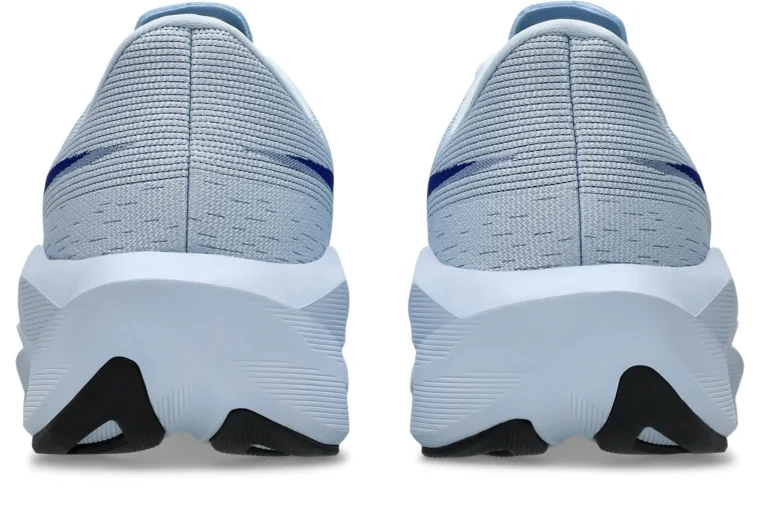
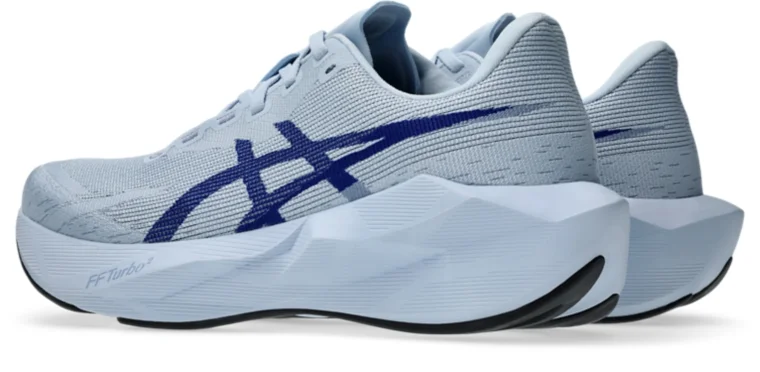
Product images: side, detail, and angle views
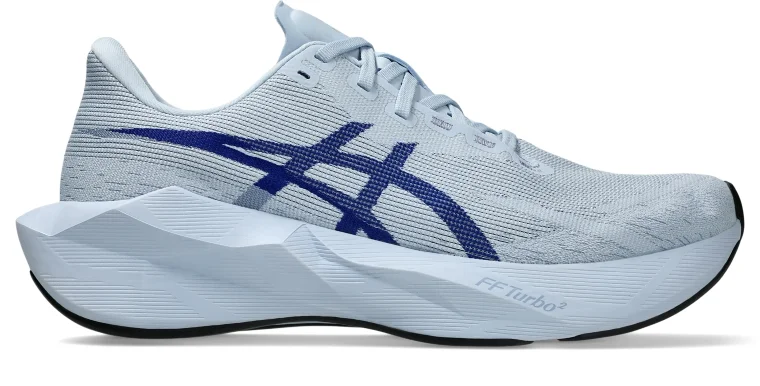
ASICS Novablast 6 running shoe side view showing the midsole shape and upper
ASICS Novablast 6 side view: best for runners comparing a bouncy daily trainer for easy runs, long runs, and faster efforts.
ASICS Novablast 6 outsole and midsole detail showing traction and foam geometry
ASICS Novablast 6 outsole and midsole detail for runners checking durability, grip, and daily-trainer stability.
ASICS Novablast 6 comparison angle for runners comparing it with Novablast 5
ASICS Novablast 6 comparison angle: useful if you are deciding between Novablast 6, Novablast 5, Ghost 18, and Clifton 10.

Ride feel: what ASICS Novablast 6 should feel like underfoot

The most useful way to evaluate ASICS Novablast 6 is to separate first-step comfort from running comfort. First-step comfort is what you feel in the store. Running comfort is what you feel after the warmup, when cadence settles, breathing changes, and small fit problems start to show. A good daily trainer should land smoothly, roll forward without fighting your stride, and stay stable when your form gets tired.

Official ASICS page describes FF BLAST MAX cushioning paired with an FF TURBO SQUARED forefoot trampoline pod for softer landings and energetic toe-off. That matters because midsole behavior is the main reason runners upgrade from an older daily trainer. The goal is not to make every run feel like a race. The goal is to make easy miles feel less punishing and steady miles feel controlled.

Simple ride test: after your first run, ask three questions: did the shoe disappear on foot, did it feel stable at the end, and did your legs feel normal the next morning? If the answer is yes to all three, it is probably doing its job.

Fit, sizing, lockdown, and foot-shape advice

Fit is where most bad shoe purchases happen. Length is only one part of sizing. You also need heel hold, midfoot lockdown, toe-box volume, tongue comfort, lace pressure, and enough room for foot swelling on longer runs.

Start true to size unless you already know this brand runs short or narrow for your foot. Try the shoe in the socks you actually run in. Stand up before judging toe space. Leave about a thumb’s width in front of the longest toe. If the heel slips, try a runner’s knot before sizing down. If the forefoot is pinched while standing, it will usually feel worse after 40 minutes of running.

Runners with wider forefeet should prioritize toe-box comfort over a snug showroom feel. Runners with narrow heels should test lockdown carefully. A shoe that feels secure in the house but slides on corners or downhills can create blisters and wasted energy.

Best uses: easy runs, long runs, treadmill, walking, and speed work

ASICS Novablast 6 makes the most sense when it fills a clear role. For most runners, that role is daily road training. Use it for relaxed runs, aerobic mileage, recovery days, treadmill sessions, and longer steady efforts if the platform stays comfortable as fatigue builds.

It can also work for walking and travel if the heel geometry feels natural at slower speeds. Walking comfort matters because many runners wear their daily trainers outside workouts. If the shoe feels awkward while walking, that does not automatically make it bad for running, but it does reduce all-day value.

For faster sessions, be realistic. A daily trainer can handle strides, progression runs, and moderate tempo work. It should not be expected to replace a lightweight racing shoe or carbon-plated model if your priority is maximum speed.

ASICS Novablast 6 vs the closest alternatives

Most readers comparing ASICS Novablast 6 are not asking whether it is good in isolation. They are asking whether it is better for their body and budget than the shoe already in their cart. These are the comparisons to include in your internal links and comparison snippets:

  • ASICS Novablast 6 vs Novablast 5
  • ASICS Novablast 6 vs Nike Pegasus 42
  • ASICS Novablast 6 vs Brooks Ghost 18
  • ASICS Novablast 6 vs HOKA Clifton 10

Choose ASICS Novablast 6 when its comfort profile, geometry, price, and training role match most of your weekly miles. Choose an alternative when you need more stability, a lower drop, a firmer ride, more speed, a lighter upper, more trail grip, or a different fit shape.

Durability, outsole grip, and replacement timing

Durability depends on body weight, pace, stride, surface, rotation, weather, and how often you use the shoe for walking. A runner on smooth roads may get a very different lifespan from a runner on rough pavement or gravel shoulders.

Do not wait for the upper to look destroyed. Replace the shoe when the midsole feels uneven, the outsole is smooth in high-impact zones, or your normal aches appear earlier than usual. Foam can lose its protective feel before the shoe looks worn out.

To extend life, rotate with another trainer if you run four or more days per week, loosen the laces before removing the shoes, dry them away from direct heat, and avoid turning your main running pair into an all-day errand shoe if you want to preserve training mileage.

How it fits into a smart shoe rotation

One-shoe runner: choose ASICS Novablast 6 if it can handle almost everything you do: easy miles, longer runs, treadmill sessions, and occasional pace changes.

Two-shoe rotation: pair it with a faster workout shoe or a more protective recovery shoe, depending on what ASICS Novablast 6 does not cover for you.

Three-shoe rotation: use it as the reliable daily slot while a plated shoe handles workouts/races and a softer shoe handles recovery days.

60-second buying checklist

Weekly mileage Under 15 miles: prioritize comfort and easy fit. 15–35 miles: durability and midsole consistency matter more. 35+ miles: consider rotating it with another shoe.
Terrain Best for roads, treadmill, smooth paths, or the surfaces listed in the product positioning. Use trail shoes for mud, rocks, steep descents, and technical terrain.
Fit risk Watch heel slip, forefoot squeeze, arch pressure, and tongue movement. These issues usually get worse as runs get longer.
Return test Try one short easy run first if the retailer allows it. Do not start with a long run in a new shoe.

Editorial evaluation method

This review is built around the questions runners and active buyers actually ask before purchasing: fit, comfort, durability, training role, feature usefulness, alternatives, price/value, and whether the product solves a real problem. Specifications and official features were checked against product pages and current hands-on coverage listed below.

The recommendation is intentionally practical. It avoids fake lab claims, fake long-term testing claims, and unsupported medical promises. For shoes, the safest final decision still depends on your foot shape, gait, surfaces, and return policy. For watches, it depends on phone compatibility, battery routine, sensor expectations, and training needs.

ASICS Novablast 6 vs Novablast 5, Pegasus 42, Ghost 18, and Clifton 10

Shoe Best for Why choose it Why skip it
ASICS Novablast 6 Bouncy daily training More energetic ride for easy-to-steady miles Not the lowest, firmest, or most traditional shoe
ASICS Novablast 5 Discount-friendly bounce Often cheaper if still available and already familiar Less fresh if you want the newest upper/geometry
Nike Pegasus 42 Traditional daily trainer fans Familiar road feel and broad availability Less trampoline-like than Novablast
Brooks Ghost 18 Reliable neutral comfort Safer traditional feel for beginners and walkers Less exciting for faster workouts
HOKA Clifton 10 Smooth cushioned daily comfort Rocker feel and soft landings Rocker geometry does not suit everyone

Deep buying notes: fit, use case, alternatives, and buyer risk

The Novablast 6 competes in the most crowded daily-trainer lane: Pegasus, Ghost, Clifton, Ride, and many plated tempo shoes all try to be the one shoe you reach for most often. The reason to choose it is not minimalism or firm ground feel; it is the lively, cushioned personality. If you already own Novablast 5 and love it, upgrade only if the fit, outsole, or upper changes solve a real problem for you. If you want a calmer shoe for walking, standing, and beginner mileage, Ghost 18 is safer. If you want a softer rocker, Clifton 10 is the cleaner comparison. If your weekly training includes frequent tempo runs, Endorphin Speed 5 may be the better second shoe.

Fit and sizing by foot type

Start with your usual running-shoe size, then verify width, toe-box pressure, heel hold, and whether your orthotic changes volume. Narrow feet should check lockdown; wide feet should avoid assuming a standard width will stretch enough. If you are between sizes, buy from a seller with easy returns.

Best pace range

Use this shoe where its geometry makes sense: easy running, steady running, treadmill work, and the role described in the verdict. If you are forcing it into intervals, racing, or long walking shifts, compare the alternatives before buying.

Walking vs running comfort

A running shoe can feel excellent at running cadence and still feel awkward for walking if the rocker, stack, or plate is too assertive. Walkers and standing workers should prioritize stable heel feel, predictable flex, and upper comfort over speed-day marketing.

Who should buy the previous model instead

Buy the previous model when it is meaningfully cheaper, available in your exact size/width, and already solves your problem. Do not upgrade just for freshness. Upgrade when the new model fixes fit, stability, outsole, durability, or ride issues you actually noticed.

Best alternatives by runner type

Beginners should prioritize comfort and return policy. Heavy mileage runners should prioritize durability and a second-pair rotation. Tempo-focused runners should add a speed trainer. Wide-foot runners should verify widths before falling in love with a review score.

Rotation recommendation

Pair it with a calmer daily trainer if this is your faster shoe, or pair it with a plated trainer if this is your easy-day shoe. The best rotation reduces injury risk by spreading load across slightly different geometries.

Durability expectations

Expect outsole wear, midsole softening, and upper creasing to depend on body weight, surfaces, weather, and gait. Rotate shoes and stop using them for quality workouts when the ride feels flat or asymmetric.

Wet grip / treadmill / road use

Road rubber and treadmill belts stress shoes differently. Wet corners, painted lines, and smooth gym floors are the danger zones. If rain grip matters, inspect outsole coverage and avoid assuming every daily trainer behaves like a trail shoe.

Wide-foot and orthotic notes

If you use orthotics, remove the stock insole and test volume indoors before outdoor wear. Wide feet need toe splay and midfoot comfort, not just a longer size.

Return-policy checklist

Before clicking buy, confirm model year, colorway, width, seller, return window, worn-shoe policy, and whether the affiliate link points to the exact product rather than a search page.

FAQ

Is ASICS Novablast 6 good for beginners?

Yes, ASICS Novablast 6 can work for beginners if the fit is comfortable and the shoe matches a neutral running gait. Beginners should prioritize comfort, stable transitions, and enough toe room over aggressive speed features.

Can you use ASICS Novablast 6 for walking?

Yes, it can work for walking if the heel, rocker, and forefoot flex feel natural at slower speeds. If walking is the main use, test heel comfort and arch pressure carefully.

Is ASICS Novablast 6 good for marathon training?

ASICS Novablast 6 can fit into marathon training if it matches the right role in your rotation. Most runners use a daily trainer for easy and long miles, then add a faster shoe for workouts or race day.

Does ASICS Novablast 6 run true to size?

Start true to size, then judge by heel hold, toe space, midfoot lockdown, and forefoot width. Use your running socks and test while standing because feet spread under load.

What runners should avoid ASICS Novablast 6?

Skip it if you need a firm stability shoe, a low-stack ground-feel trainer, or a pure interval/race shoe for track work.

What is the best alternative to ASICS Novablast 6?

The best alternative depends on what you want to change: more stability, a firmer ride, lower drop, softer cushioning, lighter weight, or more speed. Compare it with the closest models listed in the comparison section rather than random best-seller lists.

Final recommendation

ASICS Novablast 6 is worth considering when its strengths match your actual use case. It is not a universal best choice for every runner or active person. It is strongest for the buyer described in the quick verdict and weakest for the buyer described in the skip section.

Best next step: compare your training needs against the checklist above, then confirm current sizing, color, seller, and return policy before buying.

Check Amazon availabilityView official product page

Sources checked


Posted in Review | Comments Off on ASICS Novablast 6 Review: FF TURBO² Forefoot, FF BLAST MAX, and ASICSGRIP Tested

Core Exercises for Beginners: The Only Routine You Need

Quick answer: Beginners need anti-extension, anti-rotation, side stability, and hip control — not endless crunches. Start with simple movements you can repeat consistently.

Editorial note: GearUpToFit may earn from qualifying affiliate links. Recommendations are based on practical runner needs, safety-first guidance, and transparent comparison criteria.

The beginner core mistake

Most beginners train abs like a burn challenge. Runners and everyday athletes need a core that keeps the pelvis, ribs, and hips controlled while the arms and legs move. That means planks, dead bugs, side planks, carries, bridges, and controlled rotation before advanced crunch variations.

The 12-minute beginner routine

  • Dead bug: 2 sets of 6–8 slow reps per side.
  • Side plank from knees: 2 sets of 20–30 seconds per side.
  • Glute bridge: 2 sets of 10–12 reps.
  • Bird dog: 2 sets of 6 slow reps per side.
  • Front plank: 2 sets of 20–40 seconds.

How runners should modify core training

Runners should emphasize side planks, single-leg bridges, dead bugs, and step-down control because running is a series of single-leg landings. Core work should make easy runs smoother, not wreck your stride.

Progression plan

Week one is clean reps. Week two adds one set. Week three adds longer holds or slower tempo. Week four adds carries, Pallof presses, or plank shoulder taps. Progress only when you can breathe and maintain position.

Common form fixes

  • Exhale before lowering a leg in dead bugs.
  • Keep hips stacked in side planks.
  • Do not chase long plank holds with sagging form.
  • Train two to four days per week.

Next steps

Medical and training disclaimer: This article is educational and not medical advice. If you are injured, ill, post-surgery, pregnant, managing a diagnosed condition, or changing medication/supplements, ask a qualified clinician before changing training.

Posted in Fitness | Comments Off on Core Exercises for Beginners: The Only Routine You Need

Best Daily Running Shoes 2026: Comfortable Trainers for Every Mile

Quick answer: The best daily running shoe is not the flashiest super shoe. It is the trainer that matches your mileage, foot shape, pace range, surface, and durability needs.

Editorial note: GearUpToFit may earn from qualifying affiliate links. Recommendations are based on practical runner needs, safety-first guidance, and transparent comparison criteria.

What makes a great daily trainer

A daily running shoe should disappear underfoot. It needs enough cushioning for easy miles, enough stability for tired form, enough outsole for real roads, and enough flexibility that it does not feel awkward on relaxed runs.

How to choose by runner type

  • New runners: choose stable cushioning and a forgiving upper.
  • High-mileage runners: prioritize outsole durability and midsole resilience.
  • Heavier runners: look for stable geometry and foam that does not bottom out.
  • Tempo-focused runners: choose a lighter trainer with rocker or bounce.
  • Wide feet: prioritize toe-box volume over marketing claims.

Daily trainer vs max cushion vs speed shoe

Daily trainers are workhorses. Max-cushion shoes are best when impact reduction matters most. Speed shoes are useful for workouts but can feel unstable or too aggressive for recovery days.

Fit checklist before buying

  • Thumb-width space in front of the longest toe.
  • No pressure across the little toe or big-toe joint.
  • Heel secure without over-tightening.
  • No arch digging while jogging.
  • Stable landing when tired.

When to replace daily running shoes

Most daily trainers last 300–500 miles. Replace earlier if the outsole is smooth on one side, the midsole feels dead, new aches appear, or the upper no longer holds your foot securely.

Next steps

Medical and training disclaimer: This article is educational and not medical advice. If you are injured, ill, post-surgery, pregnant, managing a diagnosed condition, or changing medication/supplements, ask a qualified clinician before changing training.

Posted in Review | Comments Off on Best Daily Running Shoes 2026: Comfortable Trainers for Every Mile

How to Start Running Again After Injury, Illness, Surgery, or a Long Break

Starting again can feel harder than starting for the first time. You remember what your body used to do, but your current body needs time to rebuild tissue tolerance, aerobic rhythm, confidence, and consistency. The safest comeback is not the most aggressive plan. It is the plan you can repeat without another setback.

This guide gives you a practical walk-run progression, readiness checklist, soreness rules, strength routine, shoe guidance, and decision framework for returning after injury, illness, surgery, cancer treatment, burnout, or a long training break.

Medical Safety Note & Clinical Boundaries

This article is educational and not a diagnosis or personal medical plan. Get medical clearance before returning to running after surgery, serious illness, chest symptoms, fainting, cancer treatment, pregnancy or postpartum complications, stress fracture, bone pain, major joint injury, neurological symptoms, or any condition where your clinician told you to limit exercise.

Quick Answer: The Golden Rule of a Safe Return-to-Running Protocol

Return to running with structured walk-run intervals, not your old peak mileage. Begin your comeback program only when baseline walking is completely comfortable, local joint pain is stable or gone, daily metabolic energy is back to normal, and clinical medical clearance has been formally given. Run easy, leave dedicated rest days between early sessions, progress one training variable at a time, and stop immediately if structural pain worsens, local swelling appears, or your natural running gait changes.

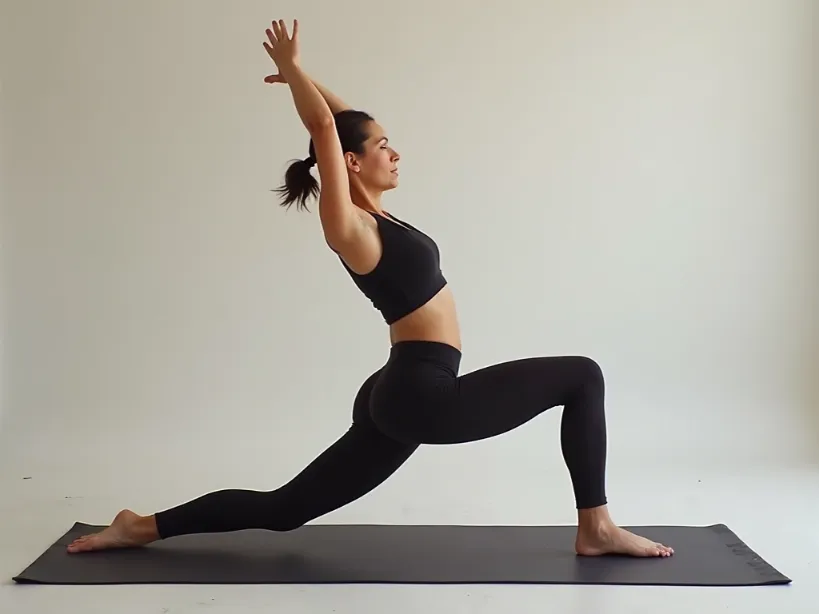
Runner doing a full body stretch before returning to training
A safe athletic comeback relies on controlled structural load, low-intensity aerobic work, and patience.

Affiliate disclosure: Some links are affiliate links. GearUpToFit may earn from qualifying purchases. Product boxes do not include fake prices, fake ratings, or medical promises.

The Real Goal: Rebuild Tissue Tolerance, Not Prove Cardiovascular Fitness

When you return after an extended injury timeout or systemic illness, your metabolic lung capacity will almost always feel ready before your structural muscles, tendons, bones, and nervous system adapt. This critical physiological mismatch is why hasty athletic comebacks often cause secondary overuse patterns. A runner may feel structurally loose and energetic for the first ten minutes, increase their pacing speed, and only realize the loading mistake the following morning when localized pain, soft tissue swelling, or deep systemic fatigue resurface.

The first few weeks are not about setting records or chasing past workout metrics. They are about proving that your musculoskeletal system safely tolerates impact forces again. Running is highly repetitive—each single step is manageable on its own, but thousands of landing impacts create significant cumulative loading. Your return-to-running progression must respect this reality.

Readiness Checklist Before Your First Comeback Run

Use this functional diagnostic checklist before completing your first running step. You do not need to feel in peak shape, but checking off these boxes establishes a safe launchpad for your initial return test.

  • You can complete a continuous 30-minute walk on flat ground without pain or throbbing during or after.
  • You can walk down and up domestic stairs smoothly without limping or favoring one side.
  • You display zero active swelling, sharp joint pain, fever, chest tightness, resting dizziness, or shortness of breath.
  • Your primary physician, orthopedic specialist, or physical therapist has formally cleared you for impact sports.
  • You can perform basic diagnostic movements like bodyweight squats, calf raises, and glute bridges with zero symptom flare-ups.
  • You mentally accept that your first session is a strict structural test, not a performance workout.

Symptom Red Flags: Do Not Try to Run Through These Signs

  • Sharp, stabbing, pinching, or localized worsening pain along bones or joints.
  • Any discomfort that visibly alters your natural running gait, forces a limp, or creates tracking compensation.
  • Visible soft-tissue swelling or localized heat radiating from joints within hours of finishing.
  • Deep bone pain or focal tenderness that raises stress-fracture suspicions.
  • Fever, acute chest pain, fluttering, localized faintness, or systemic breathing distress.
  • Unresolved post-surgery loading limits or clinical soft-tissue restrictions.

If any of these structural warning signs present themselves, abort the running session immediately. A training comeback is only successful when it actively preserves tomorrow’s physical options.

The Structured 6-Week Return-to-Running Plan

This return-to-running progression plan is designed to minimize tendon stress and bone loading. Run at an easy, conversational pace where your breathing remains fully controlled. If you cannot speak full sentences without gasping, slow down your jogging pace. Complete two or three sessions per week maximum, ensuring at least one full day of rest or non-impact cross-training sits between runs.

Training Week Interval Session Structure Total Net Running Time Target Perceived Effort (RPE)
Week 1 Walk 5 mins. Repeat [Run 1 min / Walk 2 mins] x 8 sets. Walk 5 mins. 8 minutes Extremely light; feels almost too easy.
Week 2 Walk 5 mins. Repeat [Run 2 mins / Walk 2 mins] x 7 sets. Walk 5 mins. 14 minutes Controlled, relaxed aerobic rhythm.
Week 3 Walk 5 mins. Repeat [Run 3 mins / Walk 2 mins] x 6 sets. Walk 5 mins. 18 minutes Steady pace with zero structural form breakdown.
Week 4 Walk 5 mins. Repeat [Run 5 mins / Walk 2 mins] x 5 sets. Walk 5 mins. 25 minutes Comfortable, baseline aerobic conditioning.
Week 5 Walk 5 mins. Repeat [Run 8 mins / Walk 2 mins] x 4 sets. Walk 5 mins. 32 minutes Steady movement without local muscle strain.
Week 6 Walk 5 mins. Repeat [Run 12 mins / Walk 2 mins] x 3 sets. Walk 5 mins. 36 minutes Ready to transition safely toward continuous running.

Never feel pressured to progress linearly every single week. If next-day soreness feels elevated, repeat your current week’s structure. If you are rehabbing a severe structural injury (like a tendon tear or bone stress fracture), spend two weeks on each step. If you are coming back from a brief, non-injury layoff, you can move ahead smoothly, provided your next-day biofeedback stays clear.

The Critical Next-Day Soreness Rule

The most accurate structural feedback typically appears the morning after a workout. An interval session can feel perfectly fine while your endorphins are active, but it can reveal localized overload hours later. Apply this rule after every workout:

Next-Day Physical Feedback Physiological Interpretation Required Training Action
Zero pain increase & normal fatigue Your target tissues tolerated the structural load. Maintain current volume or progress slightly.
Mild muscle soreness that goes away with walking Normal muscular adaptation to novel movement. Repeat the exact same step before attempting to progress.
Pain is higher or sharper than before running The cumulative impact load exceeded tissue limits. Take 48 hours of extra rest and drop back one step.
Active joint swelling, limping, or localized bone pain Structural injury strain or inflammatory warning. Halt running entirely and arrange professional guidance.

Rebuilding Cardiovascular Fitness After Systemic Illness

Systemic illness changes your return strategy because your primary limiter is metabolic and immune-based, rather than structural. Internal fevers, upper respiratory tract infections, severe dehydration, and sleep fragmentation dramatically lower your acute exercise tolerance. Do not rush your return simply because you are tired of resting.

Prioritize normal daily domestic activity first. If casual walking, managing stairs, or carrying groceries leaves you feeling breathless or exhausted, your body is still using its energy reserves to heal, meaning running is not appropriate. Once your systemic health returns and casual walking feels effortless, initiate the walk-run interval framework. Keep your effort strictly aerobic for the first week. If you notice unexpected chest fluttering, dizziness, or localized cold sweats, stop immediately and seek medical evaluation.

Navigating Physical Loading Guidelines After Surgery

Surgical recoveries require highly individual timelines because baseline deep tissue healing rates cannot be rushed. Even if your cardiovascular system feels strong, local surgical incisions, deep repaired internal tissues, anesthesia clearout, drop in red blood cell counts, and post-operative orthopedic limits completely redefine what is safe. Always put your primary surgeon’s specific physical timeline ahead of generic plans.

Once you receive formal clearance to exercise, rebuild your athletic base in progressive layers: start with daily walking, move to targeted non-weight-bearing mobility, add light resistance work, step up to short walk-run intervals, progress to longer easy continuous mileage, and finally introduce speed. Never jump straight from medical discharge to intense running efforts. In clinical settings, clearance simply means “you are safe to begin loading,” not “you are ready to handle high-velocity performance work.”

Starting Running Again After a Long Lifestyle Break

If you stepped away from running for months or years due to career, family, or loss of motivation without a specific physical injury, your main structural advantage is muscle memory. Your primary risk, however, is your ego. While your mind clearly remembers previous pacing speeds and long-run routes, your current tendons, plantar fascia, and bones require a progressive ramp-up phase.

Approach your first month with the mindset of a patient beginner. Use those initial weeks to establish a consistent, predictable routine and rebuild confidence. Your previous aerobic capacity and structural durability will often return much faster than a true beginner’s would, provided you do not sabotage your progress with early overuse injuries.

Daily running shoes for safe easy miles
Plush, comfortable daily training shoes are significantly safer than aggressive racing flats during a comeback.

Strength Routine for Lower Limb and Joint Durability

Rehab strength training does not need to feel complicated or require commercial gym setups. Your main goal is to prepare your hips, calves, Achilles tendons, feet, and core for repeated impact forces. Complete this targeted routine two or three times per week on non-consecutive days. Keep every single movement smooth, pain-free, and controlled.

  • Side Plank (From Knees or Feet)
  • Target Exercise Prescribed Dosage How It Protects Returning Runners
    Bodyweight Glute Bridge 2–3 sets of 8–12 repetitions Rebuilds hip extension and controls pelvic alignment.
    Straight-Leg Calf Raise 2–3 sets of 8–15 repetitions Gradually conditions the calf-Achilles complex for impact.
    2 sets of 15–30 seconds per side Stabilizes lateral hip structures and stops knee collapse.
    Supine Dead Bug 2 sets of 8–10 repetitions per side Trains deep core stability without loading the lower spine.
    Supported Split Squat 2 sets of 6–10 repetitions per side Develops single-leg knee tracking control and quad strength.

    How to Choose Pliable running Shoes and Gear When Coming Back

    Do not get overwhelmed by complex footwear technology, but do not ignore what is on your feet either. During an athletic comeback, your absolute best shoe is a highly comfortable daily training shoe that fits securely, offers protective cushioning for slower paces, and does not irritate existing hotspots. Avoid changing multiple gear variables at once. If you purchase new footwear, keep your first few testing runs intentionally short so you can accurately assess how your feet and joints respond.

    Runners recovering from chronic calf tightness, Achilles tendinopathy, plantar fasciitis, or metatarsal stress reactions should avoid aggressive low-drop shoes, rigid carbon-plated racing shoes, and extreme changes in stack height. Those performance options have a place later in your training cycle, but they are rarely the safest choice for a structural comeback.

    Protective Comeback Footwear Comfort-focused daily running shoe search product image

    Comfort-Focused Daily Running Shoes

    Best for: Runners rebuilding base mileage who require reliable heel lock, a spacious toe box, and protective daily cushioning.

    • Look for neutral trainers that support natural foot mechanics without aggressive motion control.
    • Test footwear comfort on short runs before increasing your training duration.
    • Keep specialized racing flats stored away until your base mileage is completely pain-free.
    Search Daily Trainers on Amazon

    Affiliate Note: Dynamic listings can change by region. Verify exact sizing and return policies before purchase.

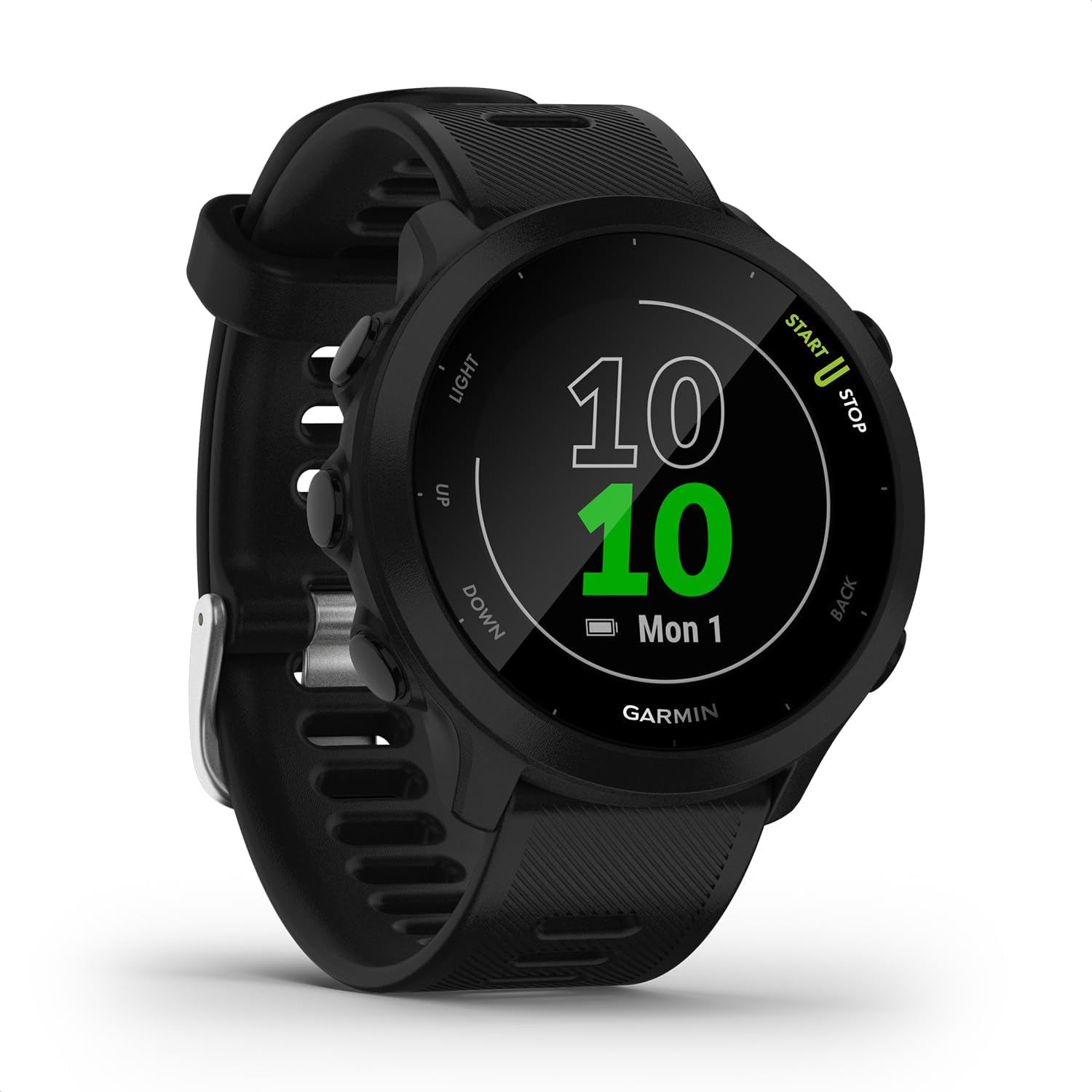
    Pacing Structure Tool Garmin Forerunner 55 product image

    Garmin Forerunner 55

    Best for: Returning athletes who need an accessible GPS watch to time precise walk-run intervals and monitor heart rate trends.

    • Perfect for programming custom interval durations without manual stopwatch tracking.
    • Tracks resting heart rate and daily stress trends to measure systemic recovery.
    • Clean, dependable five-button interface that handles sweat and rain effortlessly.
    Check Current Amazon Price

    Affiliate tracking tag papalex-20 active. Please verify seller ratings and regional warranty details before checkout.

    Home Conditioning Essential Exercise mat for mobility and strength product image

    High-Density Exercise Mat

    Best for: Executing floor mobility routines, bridges, side planks, and low-impact resistance band rehab sessions comfortably.

    • Provides non-slip grip to ensure stable joint positioning during single-leg exercises.
    • Offers thick cushioning to shield sensitive knees and wrists from hard floors.
    • Rolls up tightly for easy storage and regular home use.
    Check Current Amazon Price

    Affiliate Note: Listings, materials, and color availability update dynamically. Double check length details before finalizing.

    Five Common Training Errors to Avoid in Your First Month Back

    • Testing your current 5K speed limits or trying to lock onto your old, pre-injury tempo pace.
    • Stacking complex variables by introducing hill repeats, high volume, and speed intervals in the same training week.
    • Chasing daily smart watch metrics or fitness scores while actively overriding subtle physical pain signals.
    • Using extreme muscular soreness as inaccurate proof that your comeback session was highly productive.
    • Unilaterally adding extra miles midway through a run just because your joints feel loose; always wait for the next-day response.

    How to Safely Rebuild Toward Normal Continuous Training

    Once you can complete 30 minutes of continuous, easy aerobic running with a completely stable next-day symptom profile, protect that baseline for an additional two to four weeks to cement tissue durability. From there, introduce one small training variable at a time. You could add four relaxed strides at the end of an easy run, tackle a gentle, rolling hill route, or slowly lengthen your weekly long run duration. Never introduce all of these variables inside the same training block. Your hierarchy of athletic progression must follow a strict sequence: build consistency first, scale up duration second, introduce light speed third, and layer in intense workouts last.

    If you are returning with the goal of completing a scheduled race, keep your event expectations highly flexible. Treat a comeback race as a pure celebration of your successful return to health, rather than an aggressive performance test. You can chase fast course times down the road. Your primary victory right now is establishing a repeatable, safe training lifestyle.

    Internal GearUpToFit Reading Path

    To construct a balanced return-to-sport ecosystem, connect this guide with these related internal resources:

    Related Questions This Guide Answers

    how to start running again after injury return to running after illness running after surgery recovery start running again after long break walk run plan after injury 20 minute walk run workout resistance band exercises for knee pain running shoes for inner knee pain running shoes for overweight beginners gps watch for beginner runners best running shoes for beginner runners knee pain old running shoes

    Comeback Running Situations and Your Safest First Move

    Athletes attempting to restart their running routine generally face one of four core challenges: managing the fear of reinjury, handling frustration over lost pacing speed, deciphering normal muscle adaptation from dangerous joint pain, or selecting effective footwear. Your best initial strategy is uniform: leave your ego behind, utilize a structured walk-run interval plan, and judge your physical readiness by your next-day structural response.

    Specific Comeback Context Your Safest First Move Critical Pitfall to Avoid
    Running After Injury Recovery Initiate short, flat walk-run intervals and finish before pain patterns change. Do not test top-end sprint speeds, steep hills, or carbon racing shoes.
    Return to Running After Illness Rebuild baseline walking volume and easy breathing patterns before jogging. Never train through lingering fevers, chest congestion, or resting dizziness.
    Running After Surgery Milestones Secure explicit clinical clearance, then rebuild with low-impact loading. Do not let generic training templates override your surgeon’s tissue timeline.
    Restarting After an Extended Layoff Follow a dedicated beginner framework even if you used to be highly fit. Do not compare your current return pacing to past personal records.
    Knee Pain from Worn Out Running Shoes Assess midsole breakdown, scale up hip strength work, and run on flat paths. Do not assume buying a new shoe replaces the need for muscle conditioning.

    The 20-Minute Walk-Run Workout for Your First Two Weeks Back

    A basic 20-minute walk-run framework provides an optimal entry point for your recovery journey. It delivers a meaningful metabolic and loading stimulus to your tendons, bones, and cardiovascular system without pushing your body into an injury zone. Only perform this session if you are completely clear of red-flag symptoms and have obtained medical clearance where required.

    1. The Warm-Up Phase: Walk at a relaxed, intentional pace for exactly 5 minutes to circulate blood flow.
    2. The Interval Set: Alternate between 30 seconds of easy, low-intensity jogging and 90 seconds of recovery walking. Repeat this cycle for 10 minutes total (5 full sets).
    3. The Cool-Down Phase: Complete a relaxed 5-minute walk to bring your heart rate down naturally.
    4. The Next-Day Evaluation: Only repeat this workout if your localized joints, swelling markers, and general fatigue indicators remain clear the next morning.

    If a 30-second jog feels incredibly easy, avoid the urge to accelerate or lengthen the block immediately. Repeat this exact template across three separate sessions first to gauge tissue tolerance. If you experience minor tracking tracking sensations, scale back to 15 seconds of light jogging and 105 seconds of walking recovery. A comeback program works best when it feels almost too easy at the start.

    Knee Pain, Running Footwear, and Strength Metrics: What Actually Matters?

    Frequent search topics like running shoes for inner knee pain, cushioned running shoes knee pain, and knee pain old running shoes highlight a common theme: runners want to know if changing gear can shield them from impact injuries. While appropriate footwear plays a supportive role in managing joint load distribution, it represents just one component of a successful return-to-running strategy.

    If Your Existing Trainers Are Worn Out

    Replace your footwear immediately if the outsole displays uneven wear, the internal foam feels stiff and dead, or the heel counter no longer holds your foot stable. Worn out midsoles alter your natural landing mechanics, amplifying knee and ankle stress on every comeback step.

    If You Are Navigating Active Inner Knee Pain

    Never rely on commercial shoe marketing to diagnose tracking issues. Reduce your training volume immediately, avoid downhill stretches and speed intervals, step up your hip and quadricep strength work, and connect with a physical therapist if pain persists.

    If You Are an Overweight Beginner Runner

    Prioritize step-by-step structural progress over speed. Look for shoes that offer reliable lateral stability and protective cushioning, but remember that your biggest injury-prevention win comes from keeping walk-run splits conservative enough for bone adaptation.

    If You Require Support and Stability Exercises

    Targeted resistance band exercises for knee pain build hip abduction and knee tracking control when executed with controlled form. Focus on pain-free lateral band walks, glute bridges, terminal knee extensions (TKEs), and slow step-downs.

    How to Identify Exactly When Your Body Is Ready to Progress

    You are ready to advance to the next level of training when your current comeback runs feel unchallenging, predictable, and structurally stable. This means you consistently finish workouts feeling like you have plenty of energy left over, your next-day biofeedback stays clear, and your easy pace is relaxed enough to maintain a conversation. Only ever increase one metric at a time: either lengthen your total session duration, add an extra weekly run, or shorten your walking breaks. Never increase all three parameters inside the same training week.

    • Add 5 minutes of easy volume to your weekly pool before modifying your pacing speeds.
    • Keep a minimum of 48 hours of rest or non-impact cross-training between early interval sessions.
    • Use your GPS running watch purely to monitor and hold back your pace, never to chase speed goals.
    • Abort your training session immediately if localized pain patterns alter your running stride.
    • Focus your core strength work on foundational movements: hips, calves, quadriceps, glutes, and deep core.

    Bottom Line

    A smart, highly successful return to running is intentionally simple and controlled. It starts with a base of consistent walking, transitions into brief running intervals, rigorously monitors next-day structural biofeedback, and repeats patterns that prove safe. Your entire plan should feel controlled, manageable, and emotionally reassuring, allowing you to rebuild confidence without putting your long-term recovery at risk.

    Avoid comparing your early comeback efforts to past peak fitness milestones. Instead, look back at your progress relative to yesterday: you moved mindfully, listened to your body’s feedback, and successfully kept tomorrow’s training options wide open.

    Frequently Asked Questions (FAQ)

    How long should I wait before running after a structural injury?

    Your ideal timeline depends on your unique injury profile, active tissue symptoms, and professional medical guidance. Before attempting a jog, you should be completely capable of walking 30 minutes pain-free, managing stairs without a limp, and clearing clinical timelines for bone stress or major tendon injuries.

    Is a structured walk-run plan safer than trying to run continuously?

    Yes. Walk-run interval protocols significantly lower peak impact forces, reduce acute cardiovascular strain, allow tissues to adapt gradually, and give you clear windows to monitor joint soreness and early fatigue markers.

    What level of physical pain is acceptable when returning to running?

    While mild, generalized muscle soreness can be a normal sign of tissue adaptation, any sharp pain, pinpoint bone tenderness, post-run swelling, or discomfort that changes your running stride means you must stop the session immediately and seek professional advice.

    Can I return to running immediately after recovering from systemic illness?

    You should only return to running once your acute symptoms have fully resolved and your energy levels handle standard daily routines without fatigue. Lingering fevers, respiratory distress, resting dizziness, or chest tightness require formal clearance from a physician.

    What running shoes are safest for an athletic comeback?

    Opt for highly comfortable, stable neutral daily training shoes that fit securely and do not create pressure points. Avoid using rigid carbon-plated racing shoes or ultra-minimalist footwear until your body easily handles continuous base miles.

    Sources and Editorial Notes

    This running resource is compiled for educational purposes to help fitness enthusiasts establish healthy training patterns. Footwear options, technical specifications, and global Amazon marketplace listings can change over time.

    Posted in Runner Health, Recovery & Injury Prevention | Comments Off on How to Start Running Again After Injury, Illness, Surgery, or a Long Break

    Garmin Training Readiness Score: What It Actually Means and How to Fix Bad Readings

    Garmin Training Readiness can be useful, but it is not a medical test, a coach, or a perfect statement about your body. It is a watch-generated recovery estimate that combines several signals Garmin can measure: sleep, HRV status, recovery time, acute training load, stress, and recent workout history. When those inputs are clean and consistent, the score can help you decide whether to push, maintain, or back off. When one input is wrong, the final score can feel ridiculous.

    This guide explains the score in plain English, shows why it sometimes looks inaccurate, and gives a practical checklist for using Garmin recovery data without letting the watch override common sense.

    Quick Answer: What Does Garmin Training Readiness Mean?

    Garmin Training Readiness estimates how prepared your body may be for high-intensity training today. Evaluated on a scale of 0 to 100, a high score generally means Garmin sees favorable recovery signals (Prime or Primed states). A low score generally means Garmin sees poor sleep history, high physiological stress, elevated acute training load, an unbalanced HRV status, or incomplete recovery time. The score is most helpful as a multi-day trend across training blocks, not as a single command to train hard or rest.

    Runner checking a GPS smartwatch before a workout
    Use Garmin recovery metrics as an adaptive decision aid, not as an automatic replacement for how your body feels.

    Affiliate disclosure: GearUpToFit may earn a commission from qualifying purchases through affiliate links in this article. This never changes the price you pay and does not allow us to invent product claims, fake prices, or fake ratings.

    How the Garmin Training Readiness Score Calculation Works

    Training Readiness is Garmin’s attempt to turn multiple multi-day recovery signals into one simple daily morning number. It is designed for the exact question runners ask every morning: Am I ready for a hard interval workout, or should I keep today easy? That is a useful question, but it is also a complicated one because operational readiness is affected by sleep duration, stress, training volume, illness, nutrition, heat, travel, and emotional load.

    The most important thing to understand is that Garmin can only score what it can physically detect. A watch can estimate overnight heart-rate variability. It can estimate sleep duration. It can record heart rate during workouts. It can model training load. It cannot know every detail of your work stress, immune system, pain level, food intake, hydration, menstrual cycle, medication, injury history, or motivation. That is why the score is best treated as an input, not a verdict.

    Garmin Metric Input What It Evaluates Why It Becomes Misleading
    Sleep Score & History Quality and duration of sleep over the last 3 nights. The watch overestimates sleep while you are lying still awake, or misses brief wakeups.
    HRV Status Overnight autonomic nervous system tracking against personal baseline. Suppressed by alcohol, oncoming illness, late-night eating, or travel.
    Recovery Time Count Cardiovascular recovery clock using workout EPOC. Cadence lock or loose fit creates high heart rate anomalies.
    Acute Training Load Combined structural impact of recent activities (7-day weight). Misses non-cardio cross-training, heavy lifting, or manual labor.
    Stress History Daytime physiological stress outside recorded workouts. Wrist optical data can miss mental load context entirely.

    What the Metric and Your Score Categories Should Not Do

    The score should not scare you, diagnose you, or force you to abandon a good training plan every time it drops. It should also not convince you to run through sharp pain, illness, fever, chest symptoms, or extreme fatigue just because the number is high. A recovery score is not the same thing as medical clearance.

    For example, a runner may wake up with a high score after a night the watch interpreted as good sleep, but that runner may still feel sick, sore, or mentally drained. Another runner may wake up with a low score because HRV dropped after travel, but feel perfectly fine for an easy aerobic run. Both situations require personal judgment.

    How to Read the Data Without Overreacting

    Use the score in three layers: the number, the trend, and your body check. The number gives a snapshot. The trend shows whether Garmin has been seeing stress or recovery over several days. Your body check catches what the watch cannot: pain, stiffness, mood, motivation, appetite, illness symptoms, and unusual fatigue.

    Score Range & Color Garmin Classification Smart Training Choice
    80–100 (Blue) Prime / Outstanding Recovery Proceed with planned intensity or hard quality sessions.
    60–79 (Green) Primed / Moderate to Hard Ready Good to go; complete standard volume safely.
    40–59 (Orange) Recovering / Accumulating Fatigue Consider light aerobic volume or active recovery.
    20–39 (Red) Strained / Heavy Stress Keep running truly easy, shorten duration, or cross-train.
    0–19 (Dark Red) Very Strained / Recovery Priority Complete rest day, gentle walk, or mobility work.

    Why Your Garmin Training Readiness Can Look Wrong

    1. Wrist Heart Rate Was Inaccurate During a Workout

    Wrist optical heart-rate sensors are convenient, but they can be affected by fit, cold weather, cadence lock, sweat, tattoos, wrist shape, and rapid intensity changes. If the watch records a hard interval session as easier than it was, recovery time may be too low. If it records an easy run as a heart-rate disaster, your recovery metrics may look worse than reality.

    Fix: Wear the watch slightly above the wrist bone and snug enough that it does not bounce. For intervals, races, and threshold workouts, consider pairing a reliable chest strap or arm band if your wrist readings are often wrong.

    2. Sleep Detection Was Optimistic

    Training Readiness depends heavily on sleep. The problem is that sleep tracking is an estimate. If you lie still while awake, the watch may count it as sleep. If you toss and turn, the watch may score the night differently from how you experienced it. That can make the morning score too confident.

    Fix: Compare the score with the simple question: “Did I wake up feeling restored?” If the watch says you slept well but you know you were awake for half the night, downgrade the score manually in your training decision.

    3. HRV Status Needs a Long-Term Personal Baseline

    HRV is not a universal contest. Your normal range is personal. A number that looks low for one athlete may be normal for another. Garmin’s HRV status becomes more useful after consistent overnight wear because the watch needs enough data to understand your baseline.

    Fix: Do not make big decisions based on a single HRV night. Watch the 7-day and multi-week trend. A one-night drop after travel or a stressful day is less important than a persistent downward trend paired with poor performance and fatigue.

    4. Life Stress Can Be Invisible or Exaggerated

    Work deadlines, grief, arguments, travel, dehydration, heat, alcohol, and illness can all affect recovery signals. Sometimes Garmin catches the physiological stress. Sometimes it does not. Emotional stress is especially difficult because two people can experience the same event with very different body responses.

    Fix: Use a short daily journal next to the metrics. Write one sentence about sleep, mood, soreness, illness, and workout quality. Over time, you will learn when the watch is reliable for you and when it misses context.

    5. Your Training Zones May Be Configured Wrong

    If your maximum heart rate, lactate threshold, resting heart rate, or zones are wrong, Garmin may misclassify intensity. That can affect training load, recovery time, and readiness. This is especially common when runners use default age-based zones or never update zones after gaining fitness.

    Fix: Review your heart-rate zones after races, threshold workouts, and structured tests. If your easy runs are always classified as hard, or hard sessions always look moderate, the zones may need adjustment.

    6. You Recently Changed Watches or Stopped Overnight Wear

    Training Readiness improves with consistent data. If you buy a new watch, skip overnight wear, or switch devices often, the baseline can be weaker. That does not mean the watch is useless; it means the model has less personal history to work with.

    Fix: Wear the same Garmin consistently for sleep and training. Give the baseline time to stabilize before treating the score as a serious planning tool.

    7. Oncoming Illness Is Not Checked Correctly

    Sometimes a low readiness score appears before you consciously feel sick. Other times you feel clearly ill while the watch has not caught up. Fever, chest symptoms, dizziness, unusual shortness of breath, or body aches should override the score.

    Fix: If you are sick, treat Training Readiness as secondary. Rest or use medical guidance before returning to training. Do not use a high score as permission to push through illness.

    The 60-Second Morning Decision Rule

    Before looking at your running plan, answer these five questions:

    1. Did I sleep enough to feel restored?
    2. Do I have sharp localized pain, limping, swelling, fever, chest symptoms, or unusual shortness of breath?
    3. Is joint/muscle soreness normal training fatigue or an injury warning sign?
    4. Has Garmin shown a low readiness trend for several days, or is this a single-day dip?
    5. Does today’s intense workout matter, or can it be safely shifted to tomorrow?

    If the answers reveal pain or illness, choose recovery. If the answer reveals normal fatigue after hard training, choose easy. If the answers reveal good recovery and a high score, proceed with the planned quality session.

    How to Fix Misleading Garmin Training Readiness Readings

    Improve Optical Sensor Quality

    Wear the watch snugly, clean the sensor lens regularly, warm up your limbs in cold weather, and pair an external HR chest strap for high-intensity interval training.

    Protect Your HRV Baseline

    Wear the watch overnight consistently. Avoid overreacting to single-night drops. Look for multi-day downward patterns, especially when paired with poor running performance.

    Clean Up Erroneous Training Data

    Correct obvious activity mistakes in Garmin Connect, review sport profiles, update metrics, and delete accidental recordings that skew acute load.

    Match Wrist Data to Reality

    Keep a simple note field: sleep, soreness, stress, illness, and your rate of perceived exertion (RPE). Your personal logs add context the watch cannot see.

    Fitness watches on a table used for comparing running metrics
    Training Readiness is optimized when analyzed alongside baseline data from your Garmin Human Performance Lab dashboard.

    When Should You Trust the Score More?

    Trust the score more when the watch has several weeks of consistent overnight data, your heart-rate readings are believable, your training zones are updated, and the score matches how your workouts feel. It is especially helpful during heavy training blocks when fatigue accumulates slowly and you might be tempted to ignore subtle warning signs.

    For marathon training, the score can help you protect key sessions. If readiness is low after a long run, move the next workout. If readiness rebounds after an easy day, proceed. This prevents the common mistake of stacking intensity on top of fatigue.

    When to Ignore or Override the Watch

    • You experience sharp pain, limping, localized swelling, fever, or dizziness.
    • You know the sleep duration tracking data is wildly wrong.
    • The workout heart-rate graph has clear spikes or drops (cadence lock).
    • You recently set up a brand new watch and the baseline is immature.
    • You are returning from injury, surgery, illness, childbirth, or an extended break.
    • Your coach or medical clinician has provided a safer structured plan.

    Garmin Body Battery vs Training Readiness vs HRV Status

    Garmin metrics overlap, but they answer different physiological questions. Understanding their differences stops you from overanalyzing daily changes:

    • Training Readiness: Asks, “Can my cardiovascular system handle a heavy training load or interval session this morning?” It factors in acute training load weights and recovery time clocks.
    • Body Battery: Asks, “How much general energy do I have left right now?” It updates continuously 24/7, tracking how much your energy drained during activities and recharged during rests.
    • HRV Status: Asks, “Is my autonomic nervous system balanced over a rolling 7-day period?” It compares your current state against a multi-week personal baseline to flag systemic stress or illness.

    Best Garmin Running Watch Setup for 2026

    If recovery analytics are central to your training decisions, choose a Garmin model that features up-to-date optical sensors, strong multi-day battery tracking, and comprehensive sleep analytics. In 2026, Garmin has extended Training Readiness metrics across more value-tier and high-end options:

    Premium AMOLED Pick Garmin Forerunner 970 product image

    Garmin Forerunner 970

    Best for: Serious runners and triathletes looking for advanced recovery metrics, full color map navigation, and multi-band GPS accuracy.

    • Includes Garmin’s latest generation optical heart rate sensor array for clean effort tracking.
    • Generates full Training Readiness, Training Status, and adaptive race-day taper planning tools.
    • Beautiful, lightweight design with a bright AMOLED screen optimized for daylight clarity.
    Check Current Amazon Price

    Affiliate note: Generates commissions via unique tag papalex-20. Verify options and local availability on purchase.

    Best Value 2026 Entry-Level Garmin running watch finder product image

    Garmin Forerunner 170 / 170 Music

    Best for: Budget-conscious or new runners who want essential metrics without paying for flagship prices.

    • Brings premium metrics like Training Readiness down to an accessible price point.
    • Features a bright 1.2-inch AMOLED touchscreen with traditional 5-button layouts.
    • Delivers up to 10 days of battery life in smartwatch mode with continuous sleep monitoring.
    Search Amazon Listings

    Affiliate note: Amazon stock, listings, and colors can change dynamically. Verify exact features prior to checkout.

    How to Use Training Readiness Inside a Weekly Plan

    The best runners do not redesign the entire week every morning. They use readiness to adjust the size of the workout. If Tuesday is an interval day and readiness is high, do the planned workout. If readiness is moderate, reduce the number of repeats or keep the pace controlled. If readiness is low and you feel bad, move the workout to Thursday and run easy today.

    This keeps the structure intact while respecting recovery. It also protects consistency. One skipped or reduced workout rarely hurts fitness. Repeatedly forcing intensity while tired often creates the injury and illness spiral that destroys months of training.

    Practical Workout Decisions by Score

    Readiness Situation Workout Adjustment Strategy Practical Training Example
    High score, body feels fantastic Execute planned session exactly as structured. Proceed with tempo runs, speed intervals, or structured hill repeats.
    High score, but legs feel flat/heavy Start at easy aerobic pace and re-evaluate after 15 mins. Convert intense track repeats into structured, relaxed strides if fatigue stays.
    Moderate readiness score (40–59) Reduce training load risk parameters while keeping mobility. Complete standard base mileage but cap your top-end pacing speed.
    Low score after hard effort Commit to intentional physiological recovery window. Swap planned runs for a low-impact recovery walk, easy spin, or massage.
    Low score paired with localized pain Halt planned run immediately; do not run through anomalies. Prioritize complete rest and seek clinical/medical physical guidance.

    Internal GearUpToFit Reading Path

    To build a stronger running-watch cluster on GearUpToFit, connect this article to these related guides:

    Related Questions This Guide Answers

    Garmin Training Readiness score meaning Garmin Training Readiness not accurate Garmin Body Battery not recovering Garmin HRV status low Garmin recovery time wrong Garmin stress score meaning Garmin Forerunner fitness tracker Garmin vs Apple Watch for running running watch with GPS running watch for interval training most accurate Garmin running watch Garmin race prediction wrong Forerunner 170 training readiness accuracy Garmin Fenix 8 Pro recovery features

    Garmin Recovery Questions Runners Usually Search

    Most runners do not search for Garmin Training Readiness because they want a textbook definition. They search because the watch said something that did not match real life. One runner wakes up exhausted and sees a green score. Another feels strong and sees a low score after one bad night. Someone else sees Body Battery stuck low, HRV status marked unbalanced, recovery time still high, or a race prediction that looks impossible.

    Common Search Query What Your Body Is Signaling Best Troubleshooting Action
    Garmin Training Readiness not accurate One or more data streams (sleep, HRV, load) are broken or inaccurate. Check watch fit, evaluate your sleeping baselines, and confirm your target heart rate zones match current fitness.
    Garmin Body Battery not recovering Overnight autonomic recharge is restricted by systemic internal stress. Evaluate patterns rather than single mornings. Flag late-night eating, alcohol consumption, illness, or travel.
    Garmin HRV status low or unbalanced Your current rolling 7-day HRV average has dropped below your normal baseline. Reduce physical intensity, focus on hydration, and monitor for early sickness indicators. Do not chase overnight fixes.
    Garmin recovery time wrong or high The training algorithm is heavily weighting high aerobic/anaerobic EPOC data. Cross-reference with localized muscle soreness and resting heart rate trends. Treat as a caution buffer.
    Garmin vs Apple Watch for running Deciding between advanced dedicated training ecologies vs smartphone lifestyle tech. Choose Garmin for multi-day battery life, continuous recovery baselines, and structured training metrics.

    When Training Readiness Should Change Your Run

    Use the score to adjust the workout, not to cancel training automatically. A low score before an easy run may simply mean you should keep the run truly easy. A low score before hill repeats, threshold intervals, or a long run is more important because the cost of forcing intensity is higher. A high score is useful only if it agrees with your body.

    • Run as planned when readiness is high, sleep was normal, legs feel good, and the workout is appropriate for your current fitness.
    • Reduce the run when readiness is low but you feel generally healthy: cut volume, remove speed, and run by effort.
    • Rest or walk when readiness is low and you also have illness symptoms, sharp pain, heavy soreness, dizziness, or unusually high fatigue.
    • Check the data when readiness is wildly different from how you feel. Bad sleep detection, loose watch fit, missed workouts, or a new watch can distort the score.

    Bottom Line

    Garmin Training Readiness is valuable when you use it as a recovery signal. It becomes frustrating when you treat it as an absolute truth. If the score looks wrong, check the inputs: heart-rate accuracy, sleep detection, HRV baseline, recent workout load, stress, illness, and watch consistency. Then compare those inputs with how your body actually feels.

    The best rule is simple: let the watch inform your training, but do not let it override obvious fatigue, pain, illness, or common sense. A good runner learns the difference between productive fatigue and warning signs. Garmin can help with that process, but you are still the final decision-maker.

    Frequently Asked Questions (FAQ)

    What does Garmin Training Readiness mean?

    Garmin Training Readiness is a daily performance readiness score scaled from 0 to 100. It calculates whether your acute training load, sleep history, recovery time clock, HRV status, and stress support high-intensity efforts.

    Why does my Garmin Training Readiness look wrong?

    It typically looks inaccurate due to optical wrist heart rate errors during high-intensity training, flawed sleep phase tracking, or an immature HRV baseline if you recently switched watches.

    Should I follow Garmin Training Readiness exactly?

    No. It is a guide, not an absolute command. Always cross-reference your morning score with localized joint pain, resting heart rate checks, and overall physical wellness.

    How do I improve Garmin Training Readiness accuracy?

    Wear your device consistently overnight, secure the strap tightly during training to avoid cadence lock, ensure your max heart rate zones are accurately configured, and clean the optical lens array.

    Which Garmin running watches support Training Readiness features?

    In 2026, features are standard across mid-range and premium lines, including the newly introduced value-tier Forerunner 170 series, mid-tier Forerunner 570, premium Forerunner 970, and Fenix 8 Pro series.

    Sources and Editorial Notes

    This running resource is written strictly for fitness enthusiasts seeking clear training context. Data, firmware features, and Amazon listings can vary dynamically by territory.

    Posted in Review | Comments Off on Garmin Training Readiness Score: What It Actually Means and How to Fix Bad Readings

    Best Budget GPS Running Watch Under $200: What to Buy and What to Skip

    Quick answer: Under $200, prioritize GPS accuracy, battery life, readable screens, heart-rate consistency, physical buttons, and reliable training basics. Skip watches that sell flashy features but fail on tracking.

    Affiliate disclosure: GearUpToFit may earn from qualifying links. We do not publish fake live prices or unverified ratings. Check the retailer page for current price, availability, warranty, and regional model differences.

    What matters most under $200

    A budget GPS running watch should nail the basics: quick GPS lock, accurate distance trends, useful pace display, dependable battery, comfortable strap, and readable data during a run. You do not need every premium recovery metric to train well. You do need a watch that does not make easy pacing, intervals, or long-run tracking harder.

    Features worth paying for

    • GPS modes: stable outdoor distance and pace smoothing.
    • Battery: enough GPS time for your longest run plus margin.
    • Buttons: better than touchscreen-only controls in sweat and rain.
    • Training basics: laps, workouts, heart-rate zones, and simple history.
    • Comfort: light case and strap that works overnight if you track sleep.

    Features you can skip

    Music storage, payments, maps, advanced readiness metrics, and premium materials are useful for some runners, but they are not essential for most beginners. If paying for those features means worse GPS, worse battery, or a bulky case, choose the simpler watch.

    Who should spend more than $200

    Spend more if you need full maps, ultramarathon battery, advanced training load analysis, triathlon mode, or premium smartwatch tools. Otherwise, a budget GPS watch plus the right daily trainer will help more than a flagship watch you barely use.

    Buying checklist

    • Can you read pace at a glance?
    • Can you start, stop, and lap without looking?
    • Does battery cover your longest likely event?
    • Does the app export to Strava or your training platform?
    • Does it fit comfortably overnight?

    Best next GearUpToFit resources

    Posted in Review | Comments Off on Best Budget GPS Running Watch Under $200: What to Buy and What to Skip

    Under Armour Velociti Elite 3 Review 2026: Carbon-Plated Marathon Racer With Real Upside

    Carbon racing shoe review

    The Under Armour Velociti Elite 3 is a carbon-plated road racing shoe for runners who want a fast alternative to the usual Nike, Adidas and Saucony supershoe shortlist.

    Updated May 31, 2026
    Reader-supported review
    Mobile-first guide
    Carbon racing shoe
    Affiliate disclosure: GearUpToFit may earn from qualifying purchases through links on this page. Amazon links use affiliate tag papalex-20. Always confirm the exact model, size, color, seller, price, delivery date and return policy before checkout.
    Under Armour Velociti Elite 3 product image

    Quick answer

    Velociti Elite 3 gives GearUpToFit a clean Under Armour carbon-racing page with strong comparison value and less on-site brand saturation.

    8.5/10Overall
    Race dayBest for
    StrongValue
    CarbonCategory

    Under Armour Velociti Elite 3 actual product image
    Recommended product

    Under Armour Velociti Elite 3

    Best for experienced runners who want a carbon racer outside the obvious brands.

    • Full-length carbon plate
    • HOVR+ SuperFoam platform
    • Race-day geometry

    Under Armour Velociti Elite 3 specs

    Best for Road racing, half marathon, marathon and fast workouts
    Price $250
    Plate Full-length carbon plate
    Foam HOVR+ SuperFoam
    Best alternatives Saucony Endorphin Elite 3, Adidas Evo 3, Nike Vaporfly/Alphafly

    Who should buy the Under Armour Velociti Elite 3?

    Buy it if this product’s main use case matches your training problem, not just because it is new.

    • You match the stated best-for category.
    • You want the specific ride, feature set or technology.
    • You have compared the closest alternatives.
    • You understand the price-to-use-case tradeoff.
    • You will actually use it regularly or on key race days.

    Who should skip it?

    Skip it if your real need is simpler, cheaper, more supportive or more versatile.

    • You need a different support category.
    • You are buying hype instead of fit.
    • You want a cheaper all-rounder.
    • You need a different terrain or workout use case.
    • You already own a product that solves the same problem.

    Performance and real-world use

    This product is strongest when used for its intended role. The key is matching fit, ride, support, surface, pace and budget to the correct buyer instead of treating every new release as an automatic upgrade.

    Check sizing, fit, return policy and product variation before buying. Shoes should have secure heel hold, enough toe room and the right width for your foot.

    Under Armour Velociti Elite 3 comparison table

    Product Best for Why choose it Why skip it
    Under Armour Velociti Elite 3 Race day Best match for its primary use case Skip if fit or price does not match
    Closest cheaper option Value buyers Lower cost and simpler use Less premium technology
    Closest premium option Performance buyers More advanced or specialized Higher cost
    Different category option Different need Better if your use case differs Not the same buying intent

    Best alternatives

    Alternative Best for Why compare it
    Cheaper daily trainer Budget use Better value for easy miles
    Premium competitor Performance use Useful if you want the highest-end option
    Stability/support option Support needs Better if neutral shoes do not work
    Previous model Discount shoppers Potentially better if heavily reduced

    Helpful images from GearUpToFit

    These related visuals help show the training category, use case and buyer scenario behind this review.

    Helpful video review

    This video gives a second format for judging fit, ride, use case and buying tradeoffs before purchasing.

    Frequently asked questions

    Is Under Armour Velociti Elite 3 worth it?

    It is worth it if its use case matches your training, fit and budget. If not, choose a simpler alternative.

    Who should buy Under Armour Velociti Elite 3?

    Buy it if you match the best-for category and understand its tradeoffs.

    Who should skip it?

    Skip it if you need a cheaper, more supportive or more versatile product.

    What is the best alternative?

    The best alternative depends on whether you need value, comfort, stability, speed or different terrain support.

    References

    Under Armour product and launch materials confirm Velociti Elite 3’s carbon-racing positioning and performance platform.

    AP

    About this review

    GearUpToFit reviews focus on practical buying decisions: who should buy, who should skip, what problem the product solves, how it compares with alternatives and whether the price makes sense for real training.

    Posted in Review | Comments Off on Under Armour Velociti Elite 3 Review 2026: Carbon-Plated Marathon Racer With Real Upside

    Nike ACG Pegasus Trail Review 2026: Road-to-Trail Shoe for Dry Gravel, Dirt and Mixed Routes

    Road-to-trail shoe review

    The Nike ACG Pegasus Trail is built for runners who move between pavement, gravel, dirt and light trails without needing a waterproof technical trail shoe.

    Updated May 31, 2026
    Reader-supported review
    Mobile-first guide
    Road-to-trail shoe
    Affiliate disclosure: GearUpToFit may earn from qualifying purchases through links on this page. Amazon links use affiliate tag papalex-20. Always confirm the exact model, size, color, seller, price, delivery date and return policy before checkout.
    Nike ACG Pegasus Trail product image

    Quick answer

    ACG Pegasus Trail is the breathable mixed-route option: better grip than Pegasus 42, more road-friendly than aggressive trail shoes and more distinct than the GTX wet-weather model.

    8.6/10Overall
    Mixed terrainBest for
    StrongValue
    Road-to-trailCategory

    Nike ACG Pegasus Trail actual product image
    Recommended product

    Nike ACG Pegasus Trail

    Best for mixed dry road-to-trail runs.

    • ReactX foam
    • All Terrain Compound 2.0 outsole
    • Wider trail-specific toe box

    Nike ACG Pegasus Trail specs

    Best for Dry mixed routes, gravel, dirt and light trails
    Price $155
    Midsole ReactX foam
    Outsole All Terrain Compound 2.0
    Fit Trail-specific last with wider toe box

    Who should buy the Nike ACG Pegasus Trail?

    Buy it if this product’s main use case matches your training problem, not just because it is new.

    • You match the stated best-for category.
    • You want the specific ride, feature set or technology.
    • You have compared the closest alternatives.
    • You understand the price-to-use-case tradeoff.
    • You will actually use it regularly or on key race days.

    Who should skip it?

    Skip it if your real need is simpler, cheaper, more supportive or more versatile.

    • You need a different support category.
    • You are buying hype instead of fit.
    • You want a cheaper all-rounder.
    • You need a different terrain or workout use case.
    • You already own a product that solves the same problem.

    Performance and real-world use

    This product is strongest when used for its intended role. The key is matching fit, ride, support, surface, pace and budget to the correct buyer instead of treating every new release as an automatic upgrade.

    Check sizing, fit, return policy and product variation before buying. Shoes should have secure heel hold, enough toe room and the right width for your foot.

    Nike ACG Pegasus Trail comparison table

    Product Best for Why choose it Why skip it
    Nike ACG Pegasus Trail Mixed terrain Best match for its primary use case Skip if fit or price does not match
    Closest cheaper option Value buyers Lower cost and simpler use Less premium technology
    Closest premium option Performance buyers More advanced or specialized Higher cost
    Different category option Different need Better if your use case differs Not the same buying intent

    Best alternatives

    Alternative Best for Why compare it
    Cheaper daily trainer Budget use Better value for easy miles
    Premium competitor Performance use Useful if you want the highest-end option
    Stability/support option Support needs Better if neutral shoes do not work
    Previous model Discount shoppers Potentially better if heavily reduced

    Helpful images from GearUpToFit

    These related visuals help show the training category, use case and buyer scenario behind this review.

    Helpful video review

    This video gives a second format for judging fit, ride, use case and buying tradeoffs before purchasing.

    Frequently asked questions

    Is Nike ACG Pegasus Trail worth it?

    It is worth it if its use case matches your training, fit and budget. If not, choose a simpler alternative.

    Who should buy Nike ACG Pegasus Trail?

    Buy it if you match the best-for category and understand its tradeoffs.

    Who should skip it?

    Skip it if you need a cheaper, more supportive or more versatile product.

    What is the best alternative?

    The best alternative depends on whether you need value, comfort, stability, speed or different terrain support.

    References

    Nike’s ACG Pegasus Trail release information confirms ReactX foam, All Terrain Compound 2.0 and the trail-specific fit.

    AP

    About this review

    GearUpToFit reviews focus on practical buying decisions: who should buy, who should skip, what problem the product solves, how it compares with alternatives and whether the price makes sense for real training.

    Posted in Review | Comments Off on Nike ACG Pegasus Trail Review 2026: Road-to-Trail Shoe for Dry Gravel, Dirt and Mixed Routes

    Brooks Glycerin Flex Review 2026: Cushioned Daily Trainer That Lets Your Foot Move

    Cushioned daily trainer review

    The Brooks Glycerin Flex is a comfort-first running and walking shoe for people who want soft cushioning without a stiff, locked-in ride.

    Updated May 31, 2026
    Reader-supported review
    Mobile-first guide
    Cushioned daily trainer
    Affiliate disclosure: GearUpToFit may earn from qualifying purchases through links on this page. Amazon links use affiliate tag papalex-20. Always confirm the exact model, size, color, seller, price, delivery date and return policy before checkout.
    Brooks Glycerin Flex product image

    Quick answer

    Glycerin Flex is not about racing. It is about comfortable movement: soft cushioning that flexes with the foot instead of forcing every runner into a rigid rocker.

    8.8/10Overall
    ComfortBest for
    StrongValue
    CushionedCategory

    Brooks Glycerin Flex actual product image
    Recommended product

    Brooks Glycerin Flex

    Best for easy running, walking and comfort-focused daily movement.

    • DNA Tuned cushioning
    • Podular flexible platform
    • Neutral run/walk support

    Brooks Glycerin Flex specs

    Best for Easy runs, walking and all-day comfort
    Price $170
    Cushioning DNA Tuned
    Support Neutral
    Best alternatives Glycerin Max 2, Ghost, Adrenaline, Pegasus 42

    Who should buy the Brooks Glycerin Flex?

    Buy it if this product’s main use case matches your training problem, not just because it is new.

    • You match the stated best-for category.
    • You want the specific ride, feature set or technology.
    • You have compared the closest alternatives.
    • You understand the price-to-use-case tradeoff.
    • You will actually use it regularly or on key race days.

    Who should skip it?

    Skip it if your real need is simpler, cheaper, more supportive or more versatile.

    • You need a different support category.
    • You are buying hype instead of fit.
    • You want a cheaper all-rounder.
    • You need a different terrain or workout use case.
    • You already own a product that solves the same problem.

    Performance and real-world use

    This product is strongest when used for its intended role. The key is matching fit, ride, support, surface, pace and budget to the correct buyer instead of treating every new release as an automatic upgrade.

    Check sizing, fit, return policy and product variation before buying. Shoes should have secure heel hold, enough toe room and the right width for your foot.

    Brooks Glycerin Flex comparison table

    Product Best for Why choose it Why skip it
    Brooks Glycerin Flex Comfort Best match for its primary use case Skip if fit or price does not match
    Closest cheaper option Value buyers Lower cost and simpler use Less premium technology
    Closest premium option Performance buyers More advanced or specialized Higher cost
    Different category option Different need Better if your use case differs Not the same buying intent

    Best alternatives

    Alternative Best for Why compare it
    Cheaper daily trainer Budget use Better value for easy miles
    Premium competitor Performance use Useful if you want the highest-end option
    Stability/support option Support needs Better if neutral shoes do not work
    Previous model Discount shoppers Potentially better if heavily reduced

    Helpful images from GearUpToFit

    These related visuals help show the training category, use case and buyer scenario behind this review.

    Helpful video review

    This video gives a second format for judging fit, ride, use case and buying tradeoffs before purchasing.

    Frequently asked questions

    Is Brooks Glycerin Flex worth it?

    It is worth it if its use case matches your training, fit and budget. If not, choose a simpler alternative.

    Who should buy Brooks Glycerin Flex?

    Buy it if you match the best-for category and understand its tradeoffs.

    Who should skip it?

    Skip it if you need a cheaper, more supportive or more versatile product.

    What is the best alternative?

    The best alternative depends on whether you need value, comfort, stability, speed or different terrain support.

    References

    Brooks’ official Glycerin Flex page confirms DNA Tuned cushioning and the flexible podular concept.

    AP

    About this review

    GearUpToFit reviews focus on practical buying decisions: who should buy, who should skip, what problem the product solves, how it compares with alternatives and whether the price makes sense for real training.

    Posted in Review | Comments Off on Brooks Glycerin Flex Review 2026: Cushioned Daily Trainer That Lets Your Foot Move

    Saucony Endorphin Elite 3 Review 2026: Softer, Bouncier Carbon Marathon Racer

    Carbon racing shoe review

    The Saucony Endorphin Elite 3 is a premium carbon racing shoe for runners who want a soft, bouncy, high-stack platform for half-marathon and marathon efforts.

    Updated May 31, 2026
    Reader-supported review
    Mobile-first guide
    Carbon racing shoe
    Affiliate disclosure: GearUpToFit may earn from qualifying purchases through links on this page. Amazon links use affiliate tag papalex-20. Always confirm the exact model, size, color, seller, price, delivery date and return policy before checkout.
    Saucony Endorphin Elite 3 product image

    Quick answer

    Endorphin Elite 3 is for runners who want premium carbon propulsion with a softer and more forgiving feel than harsh race shoes.

    8.7/10Overall
    Race dayBest for
    PremiumValue
    CarbonCategory

    Saucony Endorphin Elite 3 actual product image
    Recommended product

    Saucony Endorphin Elite 3

    Best for runners who want Saucony’s softest premium carbon racing feel.

    • IncrediRUN foam
    • Full-length slotted carbon plate
    • Race-day cushioning for longer efforts

    Saucony Endorphin Elite 3 specs

    Best for Half marathon and marathon racing
    Price $290
    Foam IncrediRUN
    Plate Full-length slotted carbon plate
    Use case Race day and key workouts

    Who should buy the Saucony Endorphin Elite 3?

    Buy it if this product’s main use case matches your training problem, not just because it is new.

    • You match the stated best-for category.
    • You want the specific ride, feature set or technology.
    • You have compared the closest alternatives.
    • You understand the price-to-use-case tradeoff.
    • You will actually use it regularly or on key race days.

    Who should skip it?

    Skip it if your real need is simpler, cheaper, more supportive or more versatile.

    • You need a different support category.
    • You are buying hype instead of fit.
    • You want a cheaper all-rounder.
    • You need a different terrain or workout use case.
    • You already own a product that solves the same problem.

    Performance and real-world use

    This product is strongest when used for its intended role. The key is matching fit, ride, support, surface, pace and budget to the correct buyer instead of treating every new release as an automatic upgrade.

    Check sizing, fit, return policy and product variation before buying. Shoes should have secure heel hold, enough toe room and the right width for your foot.

    Saucony Endorphin Elite 3 comparison table

    Product Best for Why choose it Why skip it
    Saucony Endorphin Elite 3 Race day Best match for its primary use case Skip if fit or price does not match
    Closest cheaper option Value buyers Lower cost and simpler use Less premium technology
    Closest premium option Performance buyers More advanced or specialized Higher cost
    Different category option Different need Better if your use case differs Not the same buying intent

    Best alternatives

    Alternative Best for Why compare it
    Cheaper daily trainer Budget use Better value for easy miles
    Premium competitor Performance use Useful if you want the highest-end option
    Stability/support option Support needs Better if neutral shoes do not work
    Previous model Discount shoppers Potentially better if heavily reduced

    Helpful images from GearUpToFit

    These related visuals help show the training category, use case and buyer scenario behind this review.

    Helpful video review

    This video gives a second format for judging fit, ride, use case and buying tradeoffs before purchasing.

    Frequently asked questions

    Is Saucony Endorphin Elite 3 worth it?

    It is worth it if its use case matches your training, fit and budget. If not, choose a simpler alternative.

    Who should buy Saucony Endorphin Elite 3?

    Buy it if you match the best-for category and understand its tradeoffs.

    Who should skip it?

    Skip it if you need a cheaper, more supportive or more versatile product.

    What is the best alternative?

    The best alternative depends on whether you need value, comfort, stability, speed or different terrain support.

    References

    Saucony Endorphin collection materials and launch coverage confirm the Elite 3’s IncrediRUN and carbon-plate positioning.

    AP

    About this review

    GearUpToFit reviews focus on practical buying decisions: who should buy, who should skip, what problem the product solves, how it compares with alternatives and whether the price makes sense for real training.

    Posted in Review | Comments Off on Saucony Endorphin Elite 3 Review 2026: Softer, Bouncier Carbon Marathon Racer