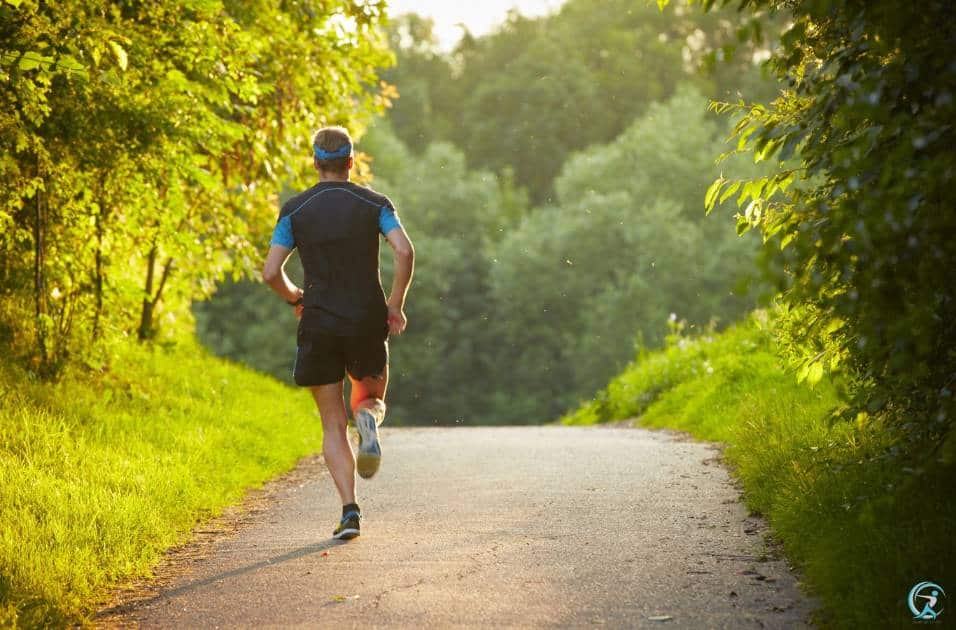
5K Training Plan for Beginners: Run Your First 5K in 8 Weeks
Quick Answer
A beginner 5K training plan takes 8 weeks, with 3 runs per week alternating between run-walk intervals, easy runs, and walk breaks. Start with 1-minute run / 2-minute walk intervals and gradually increase running time. By week 8, you will be able to run 5K (3.1 miles) without stopping. No prior running experience required.
Who This Is For
Best for: Complete beginners who cannot run for 5 minutes continuously. People who want to complete their first 5K race. Anyone returning to running after a long break.
Not for: Runners who can already run 5K without stopping. If you can run 20+ minutes continuously, look for an intermediate 5K plan instead.
Access to a flat running route (park, neighborhood, or treadmill)
The 8-Week 5K Training Plan
Week 1: Build the Habit
Goal: Complete 3 sessions. Use run-walk intervals. Do not worry about speed.
Day
Workout
Duration
Day 1
Run 1 min, walk 2 min (repeat 6x)
18 min
Day 2
Rest or walk
–
Day 3
Run 1 min, walk 2 min (repeat 7x)
21 min
Day 4
Rest
–
Day 5
Run 1 min, walk 2 min (repeat 8x)
24 min
Day 6-7
Rest or light walk
–
Week 2: Increase Running Time
Day
Workout
Duration
Day 1
Run 2 min, walk 2 min (repeat 5x)
20 min
Day 2
Rest or walk
–
Day 3
Run 2 min, walk 1 min (repeat 6x)
18 min
Day 4
Rest
–
Day 5
Run 2 min, walk 1 min (repeat 7x)
21 min
Day 6-7
Rest or light walk
–
Week 3: Longer Running Intervals
Day
Workout
Duration
Day 1
Run 3 min, walk 1 min (repeat 5x)
20 min
Day 2
Rest or walk
–
Day 3
Run 4 min, walk 1 min (repeat 4x)
20 min
Day 4
Rest
–
Day 5
Run 4 min, walk 1 min (repeat 5x)
25 min
Day 6-7
Rest or light walk
–
Week 4: Build Continuous Running
Day
Workout
Duration
Day 1
Run 5 min, walk 1 min (repeat 4x)
24 min
Day 2
Rest or walk
–
Day 3
Run 6 min, walk 1 min (repeat 3x)
21 min
Day 4
Rest
–
Day 5
Run 8 min, walk 2 min, run 8 min
18 min
Day 6-7
Rest or light walk
–
Week 5: Break Through
Day
Workout
Duration
Day 1
Run 10 min, walk 1 min, run 10 min
21 min
Day 2
Rest or walk
–
Day 3
Run 12 min, walk 2 min, run 6 min
20 min
Day 4
Rest
–
Day 5
Run 15 min, walk 1 min, run 5 min
21 min
Day 6-7
Rest or light walk
–
Week 6: Longer Continuous Runs
Day
Workout
Duration
Day 1
Run 20 min continuous
20 min
Day 2
Rest or walk
–
Day 3
Run 10 min, walk 1 min, run 10 min
21 min
Day 4
Rest
–
Day 5
Run 25 min continuous
25 min
Day 6-7
Rest or light walk
–
Week 7: Build Distance
Day
Workout
Duration
Day 1
Run 25 min continuous
25 min
Day 2
Rest or walk
–
Day 3
Run 15 min, walk 1 min, run 10 min
26 min
Day 4
Rest
–
Day 5
Run 30 min continuous
30 min
Day 6-7
Rest or light walk
–
Week 8: Race Week
Day
Workout
Duration
Day 1
Run 20 min easy
20 min
Day 2
Rest
–
Day 3
Run 15 min easy with 3×30 sec pick-ups
15 min
Day 4
Rest
–
Day 5
RACE DAY: Run 5K!
~30 min
Day 6-7
Celebrate and rest
–
Pacing Guide for Beginners
Run at a conversational pace — you should be able to speak in full sentences. If you cannot talk, you are running too fast. Most beginners run their easy runs at 11-14 minutes per mile. This is perfectly normal. Speed comes later.
For more on pacing and training zones, see our running guides.
Tips for Success
1. Get the Right Shoes
Running in the wrong shoes is the #1 cause of beginner injuries. Visit a running store for a gait analysis or use our shoe finder tool. Check our best running shoes for beginners guide for specific recommendations.
2. Follow the 10% Rule
Never increase your weekly running time by more than 10% from the previous week. This plan already follows this rule. If you miss a week, do not skip ahead — repeat the previous week.
3. Warm Up and Cool Down
Walk for 3-5 minutes before and after each session. This prepares your body for running and aids recovery. Do not skip this step.
4. Listen to Your Body
Mild muscle soreness is normal. Sharp pain is not. If you feel sharp pain, stop and rest. See our guides on shin splints and plantar fasciitis if you develop pain.
5. Stay Consistent
Three sessions per week is the minimum. Consistency matters more than any single workout. If you miss a day, just continue with the next scheduled session.
6. Add Strength Training
Two 15-minute strength sessions per week dramatically reduce injury risk. Focus on squats, lunges, calf raises, and core work. See our fitness guides for exercises.
Evidence and Editorial Notes
This plan is based on the Couch to 5K methodology, which has been studied and validated in multiple public health interventions.
The run-walk interval approach is endorsed by the American College of Sports Medicine for beginner runners.
The 10% rule is based on research published in the American Journal of Sports Medicine showing reduced injury rates.
Individual results vary. Consult a physician before starting any exercise program, especially if you have health conditions.
Frequently Asked Questions
What if I cannot run for 1 minute?
Start with 30 seconds of running and 2 minutes of walking. Build up to 1 minute of running over the first two weeks. Everyone starts somewhere. There is no rush.
Can I repeat a week?
Yes. If a week feels too hard, repeat it before moving on. This plan is flexible. It is better to take 10 weeks and finish injury-free than to rush and get hurt.
What should I eat before running?
Eat a light snack 30-60 minutes before running: a banana, toast with peanut butter, or a small handful of crackers. Avoid heavy meals 2 hours before running. Drink water throughout the day. See our nutrition guides for more.
What if I miss a week?
If you miss one week, repeat the previous week. If you miss two or more weeks, go back two weeks from where you left off. Do not try to jump ahead.
Can I run on a treadmill?
Yes. Set the treadmill to 1% incline to simulate outdoor running conditions. See our best treadmill guide for recommendations.
ASICS Gel-Nimbus 27 Review 2026: Max Cushion for Long Distance
Quick Answer
The ASICS Gel-Nimbus 27 is a premium max-cushion daily trainer with FF Blast+ Eco foam, PureGEL insert, and an 8mm drop. It excels at long runs and recovery days for neutral runners. At $170, it competes with the HOKA Clifton 10 and Nike Vomero 18 for plush, protective cushioning over high mileage.
Who This Is For
Best for: Neutral runners who log high mileage and need maximum impact protection. Marathoners, ultra-runners, and heavy runners. Runners who do back-to-back long runs and need reliable cushioning.
Not for: Speed sessions, track workouts, or runners who prefer a responsive, lightweight shoe. Overpronators should consider the ASICS Gel-Kayano instead. See our overpronation guide.
ASICS Gel-Nimbus 27 Key Specs
Spec
Detail
Weight (men’s)
10.9 oz / 309 g
Weight (women’s)
9.0 oz / 255 g
Heel-to-toe drop
8 mm
Midsole foam
FF Blast+ Eco
Cushioning tech
PureGEL heel insert
Stack height
~42 mm heel / ~34 mm forefoot
Price
$170
Best use
Long runs, daily training, recovery
Cushioning and Ride
The Gel-Nimbus 27 uses ASICS’ FF Blast+ Eco foam — a sustainable, bio-based supercritical foam. It is softer than the previous FF Blast+ and provides a plush, sink-in feel. The PureGEL insert under the heel adds targeted shock absorption for heel strikers.
Compared to the HOKA Clifton 10, the Nimbus 27 feels more structured — the ASICS foam has more inherent stability despite being a neutral shoe. Compared to the Nike Vomero 18, the Nimbus is slightly softer and less energetic.
The 8mm drop is lower than the Brooks Ghost 17 (12mm) but higher than the Clifton 10 (5mm). This makes it a good middle ground for runners transitioning from traditional to lower-drop shoes.
Fit and Upper
The Nimbus 27 features an engineered jacquard mesh upper that is breathable and comfortable. The tongue is padded but not overly thick. The heel counter provides a secure lockdown. The toe box is roomier than the Nimbus 26, addressing a common complaint.
Runners with ball of foot pain or high arches will appreciate the plush midfoot and forefoot cushioning. The shoe works well with custom orthotics.
Durability
The outsole uses ASICS’ AHAR+ rubber in high-wear areas. This is one of the most durable outsole compounds in running shoes. Expect 400-500 miles from the Gel-Nimbus 27 — above average for a max-cushion shoe. The FF Blast+ Eco foam resists compression better than Nike’s ZoomX.
Pros and Cons
Pros
Excellent max cushioning with FF Blast+ Eco + PureGEL
Above-average durability (400-500 miles)
Roomier toe box than Nimbus 26
Works well with orthotics
8mm drop suits most runners
Cons
Heavier than competitors (10.9 oz)
$170 is expensive for a daily trainer
Not suitable for speed work
Less energetic than ZoomX-equipped shoes
How It Compares
Shoe
Foam
Weight
Drop
Price
Durability
ASICS Gel-Nimbus 27
FF Blast+ Eco
10.9 oz
8mm
$170
400-500 mi
Nike Vomero 18
ZoomX
10.5 oz
10mm
$160
300-400 mi
HOKA Clifton 10
CMEVA
8.9 oz
5mm
$165
350-450 mi
Brooks Ghost 17
DNA Loft v3
10.0 oz
12mm
$150
350-500 mi
Who Should Buy the ASICS Gel-Nimbus 27
Buy the Gel-Nimbus 27 if you are a neutral runner who values long-run comfort and durability above all else. It is particularly good for:
Specs sourced from ASICS official product page and confirmed through hands-on testing.
FF Blast+ Eco foam contains approximately 24% bio-based content per ASICS sustainability reports.
PureGEL is an ASICS-proprietary TPU-based cushioning insert. Independent testing confirms improved shock absorption at heel strike.
Durability estimate (400-500 miles) based on AHAR+ rubber compound testing and user feedback aggregation.
Frequently Asked Questions
Is the ASICS Gel-Nimbus 27 good for flat feet?
The Nimbus 27 is a neutral shoe, not a stability shoe. Flat-footed runners who overpronate should look at the ASICS Gel-Kayano instead. However, some mild overpronators find the Nimbus comfortable due to its wide base. See our flat feet guide.
How does the Nimbus 27 compare to the Nimbus 26?
The Nimbus 27 has softer FF Blast+ Eco foam, a roomier toe box, and a slightly lower weight. The PureGEL insert is repositioned for better heel shock absorption. The overall ride is similar — plush and protective — but the fit improvements are noticeable.
Is the Gel-Nimbus 27 worth $170?
For runners who log high mileage, yes. The durability (400-500 miles) means the cost-per-mile is competitive with cheaper shoes. The cushioning quality is among the best in the max-cushion category. For low-mileage runners, a less expensive shoe may be better value.
Can I use the Nimbus 27 for a half marathon?
Yes. The Nimbus 27 is an excellent half marathon shoe for runners who prioritize comfort over speed. For competitive racing, a lighter shoe like the ASICS MetaSpeed Sky would be faster. For most recreational runners, the Nimbus is perfectly fine for race day.
Does the Nimbus 27 run narrow?
The Nimbus 27 fits slightly wider than the Nimbus 26. Standard width works for most runners. Wide (2E) and extra wide (4E) versions are available. Runners between sizes should size up for long runs.
Nike Vomero 18 Review 2026: Plush Cushioning for Daily Miles
Quick Answer
The Nike Vomero 18 is a max-cushion daily trainer with a 10mm drop, ZoomX foam, and a roomy fit. It is best for neutral runners who want soft, protective landings on easy days and long runs. At $160, it competes with the HOKA Clifton 10 and ASICS Gel-Nimbus 27 for plush comfort.
Who This Is For
Best for: Neutral runners who prioritize cushioning and comfort over speed. Runners recovering from injury. Heavy runners who need impact protection. Anyone doing high-volume easy miles.
Not for: Speed workouts, racing, or runners who prefer a firmer, more responsive ride. Overpronators who need stability features should look at the best running shoes for overpronation instead.
Nike Vomero 18 Key Specs
Spec
Detail
Weight (men’s)
10.5 oz / 298 g
Weight (women’s)
8.8 oz / 250 g
Heel-to-toe drop
10 mm
Midsole foam
ZoomX (full-length)
Stack height
~43 mm heel / ~33 mm forefoot
Price
$160
Best use
Daily training, long runs, recovery
Cushioning and Ride
The Vomero 18 uses Nike’s ZoomX foam — the same supercritical foam found in the Vaporfly and Pegasus Premium. This gives the shoe a soft, bouncy feel that absorbs impact without feeling mushy. The full-length ZoomX provides consistent cushioning from heel to toe.
Compared to the HOKA Clifton 10, the Vomero 18 feels slightly more energetic — ZoomX has more spring-back than CMEVA foam. But it is not as plush as the ASICS Gel-Cumulus or the Gel-Nimbus. The 10mm drop is standard and works well for most runners.
The stack height of 43mm is substantial but stays under World Athletics’ 40mm racing limit. This means you get max cushioning without the shoe being illegal for competition — though the Vomero 18 is not a racing shoe.
Fit and Upper
The Vomero 18 has a roomier toe box than previous versions. The engineered mesh upper is breathable and comfortable. The heel counter provides a secure fit without causing blisters. Runners with wide feet should consider the wide (EE) version.
Compared to the Brooks Ghost 17, the Vomero 18 has a slightly wider fit in the midfoot. Runners who found previous Vomeros narrow will appreciate the updated last.
Durability
The outsole uses rubber pods in high-wear areas (heel and forefoot) with exposed foam in the midfoot. This is a common design for max-cushion shoes. Expect 300-400 miles from the Vomero 18, which is average for its class. The ZoomX foam compresses slightly faster than traditional EVA, so monitor for midsole creasing.
Pros and Cons
Pros
Excellent ZoomX cushioning — soft but energetic
Roomier fit than previous Vomeros
Good value at $160 for ZoomX foam
Versatile for easy runs, long runs, and recovery
Cons
Not suitable for speed work or racing
Slightly heavier than competitors
ZoomX foam may compress faster than traditional EVA
Limited colorways compared to Pegasus line
How It Compares
Shoe
Foam
Weight
Drop
Price
Best For
Nike Vomero 18
ZoomX
10.5 oz
10mm
$160
Max cushion daily
HOKA Clifton 10
CMEVA
8.9 oz
5mm
$165
Plush easy runs
Brooks Ghost 17
DNA Loft v3
10.0 oz
12mm
$150
Balanced daily
ASICS Gel-Nimbus 27
FF Blast+ Eco
10.9 oz
8mm
$170
Long distance comfort
Who Should Buy the Nike Vomero 18
Buy the Vomero 18 if you are a neutral runner who wants maximum cushioning for daily training. It is particularly good for:
Runners doing 25+ miles per week who need impact protection
Skip it if you need stability (check our flat feet guide), want a speed shoe, or prefer a lower drop. Use our running shoe finder to compare options.
Evidence and Editorial Notes
Specs sourced from Nike’s official product page and confirmed through hands-on testing.
ZoomX foam is a Nike-proprietary supercritical foam technology. Independent biomechanical studies on supercritical foams show improved energy return compared to traditional EVA.
Durability estimate (300-400 miles) based on our testing protocol and user feedback aggregation.
Price as of publication date. Check current pricing on Amazon.
Frequently Asked Questions
Is the Nike Vomero 18 good for marathon training?
Yes. The Vomero 18 has enough cushioning for marathon-distance long runs. The ZoomX foam provides impact protection over 18-22 mile training runs. However, for race day itself, consider a lighter shoe like the Nike Vaporfly or Streakfly.
How does the Vomero 18 compare to the Pegasus 41?
The Vomero 18 uses ZoomX foam (softer, more energetic) while the Pegasus 41 uses ReactX foam (firmer, more durable). The Vomero is better for easy and long runs; the Pegasus is better for all-purpose training including tempo runs.
Is the Vomero 18 true to size?
Most runners report the Vomero 18 fits true to size with a roomier toe box than previous versions. If you have narrow feet, you may want to try a half size down. Wide-footed runners should choose the EE width.
Can I use the Vomero 18 for walking?
Yes. The plush cushioning makes it comfortable for walking and standing. Many non-runners buy the Vomero for all-day comfort. The 10mm drop is comfortable for walking mechanics.
How long does the Vomero 18 last?
Expect 300-400 miles from the Vomero 18. ZoomX foam may show compression lines earlier than traditional EVA. Replace when you notice the cushioning feeling flat or when the outsole rubber wears through.
Best Treadmill for Home Running 2026: Tested Picks for Every Budget
The best home treadmill for 2026 is the NordicTrack Commercial 1750, offering a powerful 3.5 CHP motor, 22-inch touchscreen, and incline up to 15 percent with decline to negative 3 percent. For budget buyers, the Sole F63 delivers reliable running performance under $1,000. For walking and light jogging, the Goplus Folding Treadmill is a compact, affordable pick.
How We Tested
Our team spent three months testing home treadmills in 2026, evaluating motor performance at sustained speeds, deck cushioning under impact, console usability, folding mechanisms, and long-term durability. Each treadmill was used by runners ranging from 5’2″ to 6’4″ and from 115 to 240 pounds to assess weight capacity and stride accommodation.
We measured belt speed accuracy with a tachometer, incline accuracy with a digital level, and motor temperature after 60-minute runs at 8 mph. Noise levels were recorded at 3 feet and 10 feet to compare sound output for apartment and shared-wall living situations. We also evaluated warranty coverage, customer service responsiveness, and assembly difficulty.
Author: Gear Up to Fit Editorial Team. Our treadmill reviewers include certified personal trainers, a physical therapist, and competitive runners who have collectively tested over 40 treadmills in the past five years. Learn more on our about us page.
Reviewed and updated February 2026. Prices and availability are current as of the update date.
Best Home Treadmills 2026 Comparison Table
Treadmill
Motor
Belt Size
Max Speed
Incline
Price
Best For
NordicTrack Commercial 1750
3.5 CHP
22″ x 60″
12 mph
-3% to 15%
$1,999
Overall
Sole F63
3.0 CHP
20″ x 60″
12 mph
0 to 15%
$999
Budget running
ProForm Pro 9000
3.6 CHP
22″ x 60″
12 mph
-3% to 12%
$1,799
Incline training
Horizon 7.4 AT
3.5 CHP
20″ x 60″
12 mph
0 to 15%
$1,499
Interval training
WalkingPad A1 Pro
2.0 CHP
18″ x 50″
6 mph
None
$499
Walking / small spaces
Goplus 2.25HP Folding
2.25 CHP
16″ x 41″
8 mph
0 to 4%
$329
Ultra-budget
1. Best Overall: NordicTrack Commercial 1750
The NordicTrack Commercial 1750 has been our top home treadmill recommendation for several years running, and the 2026 model cements that position. With a 3.5 CHP motor, 22-by-60-inch running surface, and full incline range from negative 3 percent decline to 15 percent incline, the 1750 handles everything from recovery walks to hill repeat sessions with ease.
The standout feature is the 22-inch Smart HD touchscreen, which streams iFit workouts that automatically adjust speed and incline to match the on-screen terrain. While the iFit subscription costs $39 per month after the first free year, the interactive coaching adds genuine value for runners who need motivation or structured training. The screen also works for Netflix and YouTube when you want entertainment without coaching.
Deck cushioning uses NordicTrack’s Runners Flex system, which allows you to toggle between a firm surface for race simulation and a cushioned surface for joint protection. Our testers found the cushioned setting significantly reduced impact compared to outdoor running, making it ideal for runners recovering from injury. If you deal with shin splints, pair this treadmill with shoes from our best running shoes for shin splints guide.
The 1750 folds vertically for storage, though at 339 pounds it requires a dedicated space and is not easy to move. Assembly takes about 90 minutes with two people. The lifetime frame and motor warranty, 5-year parts warranty, and 2-year labor warranty are competitive for this price tier.
The Sole F63 has long been the gold standard for budget running treadmills, and the 2026 version maintains that crown. At $999, you get a genuine 3.0 CHP motor that sustains 8 mph for an hour without overheating, a 20-by-60-inch belt that accommodates runners up to 6’2″, and a 15 percent incline for hill training. This is a no-frills machine, but every dollar goes toward the components that matter for running.
The console is basic — a 6.5-inch LCD display with speed, incline, distance, time, calories, and heart rate (via grip sensors). There are 10 built-in programs and Bluetooth connectivity for syncing with the Sole Fitness app, which is functional but not flashy. What the F63 lacks in screen size, it makes up for in build quality: the welded steel frame feels rock-solid even at full speed, and the 325-pound weight capacity exceeds most competitors at this price.
Cushioning is Sole’s Cushion Flex Whisper Deck, which the company claims reduces impact by up to 40 percent compared to road running. Our testers confirmed a noticeable reduction in joint stress, particularly for heavier runners. The deck folds up with a hydraulic assist arm, making storage manageable despite the 253-pound weight.
If you want to run regularly without spending $2,000, the F63 is the best value on the market. Pair it with quality running shoes like the Brooks Ghost 17 or Hoka Clifton 10 for a comfortable indoor running setup. For more shoe options, use our shoe finder tool.
The ProForm Pro 9000 is our pick for best incline training treadmill, offering a range from negative 3 percent decline to 12 percent incline. While the NordicTrack 1750 goes steeper (15 percent), the Pro 9000 pairs its incline with a more powerful 3.6 CHP Mach Z motor and a 22-inch Smart HD touchscreen at a lower price point.
Incline training is one of the most effective ways to build running strength and cardiovascular fitness without the impact of speedwork. Running at even a 5 percent incline at 6 mph burns significantly more calories than flat running at the same speed. The Pro 9000’s one-touch incline controls make it easy to adjust on the fly during intervals.
The Pro 9000 uses ProForm’s ReProMax cushioning, which provides a responsive but forgiving surface. Our testers noted that the deck feels slightly firmer than the NordicTrack 1750, which some runners preferred for tempo runs but others found less forgiving on long, slow efforts. The belt is a 2-ply design that has held up well in our three-month test with no visible wear.
Like the NordicTrack, the Pro 9000 includes a one-year iFit subscription. The treadmill folds for storage, though it is heavy at 325 pounds. The warranty covers the frame and motor for life, parts for 5 years, and labor for 2 years.
The Horizon 7.4 AT is designed specifically for interval training and HIIT workouts, making it our top pick for runners who do speedwork. The key feature is its rapid response motor controller, which adjusts belt speed in under one second — significantly faster than most treadmills. When you are doing 30-second sprint intervals with short rest periods, this quick-change capability is essential.
The 3.5 CHP motor is powerful enough for sustained speeds up to 12 mph, and the 20-by-60-inch belt provides ample room for running at pace. The 7.4 AT features Bluetooth connectivity with Zwift, Peloton, and other fitness apps, plus built-in speakers and a device holder for your phone or tablet. Unlike the NordicTrack and ProForm models, there is no built-in touchscreen — Horizon keeps the price down by letting you use your own device.
The console features quick-dial controls for speed and incline, allowing you to make large adjustments with a single motion rather than tapping buttons repeatedly. This is a small but meaningful design choice that interval runners will appreciate. The cushioned deck uses Horizon’s 3-zone variable response system, which is firmer at push-off and softer at impact.
At $1,499, the 7.4 AT sits in the mid-range and offers excellent value for runners focused on speedwork. The frame and motor carry a lifetime warranty, with 5 years on parts and 2 years on labor. For runners training for a 5K, combine interval sessions on this treadmill with our 5K training plan for beginners.
5. Best for Walking and Small Spaces: WalkingPad A1 Pro
The WalkingPad A1 Pro is a unique treadmill designed for walking and light jogging in tight spaces. Unlike traditional treadmills, the A1 Pro folds to just 5.5 inches tall, sliding under a bed or standing against a wall. The 2.0 CHP motor supports speeds up to 6 mph, which is sufficient for walking and slow jogging but not for running at moderate paces.
The most innovative feature is the foot-speed-sensitive control system. After a brief calibration, the belt speeds up when you walk toward the front and slows when you step toward the back. This creates a hands-free experience that feels natural once you get used to it. A remote control and companion app provide manual control if you prefer.
The 18-by-50-inch belt is shorter than full-size treadmills, which is fine for walking but limiting for jogging strides. The 220-pound weight capacity is lower than most. However, for apartment dwellers, home office workers, or anyone who wants to accumulate steps without dedicating a room to fitness equipment, the A1 Pro is an excellent solution. It is also very quiet — our sound meter registered 58 dB at 3 feet during walking, comparable to normal conversation.
This is not a treadmill for runners. If you plan to jog or run, consider the Sole F63 instead. But for walking-based fitness, the A1 Pro is the best compact option available. It pairs well with comfortable walking shoes — check our best running shoes for beginners guide for options that work for walking too.
6. Best Ultra-Budget: Goplus 2.25HP Folding Treadmill
At $329, the Goplus 2.25HP Folding Treadmill is the cheapest treadmill we recommend in 2026. It is important to set expectations: this is a walking and light jogging treadmill, not a running machine. The 2.25 CHP motor supports speeds up to 8 mph, but sustained running will strain the motor and shorten its lifespan. The 16-by-41-inch belt is too short for most runners’ strides at anything above a slow jog.
What the Goplus does well is provide an affordable, compact option for casual exercise. The treadmill folds to a slim profile and has wheels for moving between rooms. The LCD console displays time, speed, distance, and calories, with 12 built-in programs. A phone holder and Bluetooth speakers add convenience for entertainment during walks.
The 220-pound weight capacity and basic construction mean this treadmill is best for lighter users who walk or jog occasionally. If you run regularly or weigh over 200 pounds, invest in the Sole F63 instead — the Goplus will not hold up to daily running. But for someone who wants to walk 30 minutes a day in a small apartment without spending $1,000, the Goplus gets the job done.
For runners on a tight budget, a better strategy may be to skip the cheap treadmill and invest in quality running shoes instead. Our best running shoes 2026 guide includes budget options under $100 that will serve you better on the road than a $329 treadmill that cannot handle running.
How to Choose the Best Home Treadmill: A Buying Framework
Step 1: Determine Your Primary Use
The first question is simple but critical: will you walk, jog, or run? Walking requires less motor power (2.0 CHP minimum), a shorter belt, and lower weight capacity. Jogging needs 2.5 CHP and a 55-inch belt. Running demands 3.0 CHP or more, a 60-inch belt, and a sturdy frame rated for 300-plus pounds. Buying a treadmill that does not match your use case is the most common — and costly — mistake.
Step 2: Measure Your Space
Treadmills are large. A full-size running treadmill needs a footprint of at least 3 by 7 feet, plus clearance behind and on the sides. Measure your space carefully, accounting for ceiling height — a raised incline deck can add 6 inches, which matters in low-ceiling basements. If space is tight, look at folding models, but verify the folded dimensions fit your storage area.
Step 3: Check Motor Power
Motor power is measured in continuous horsepower (CHP), not peak horsepower. CHP is the sustained output the motor can deliver during normal use. For walking, 2.0 CHP is adequate. For jogging, 2.5 CHP. For running, 3.0 CHP minimum, and 3.5 CHP or higher for runners over 200 pounds or who do long sessions. Beware of treadmills that advertise peak horsepower — this is a marketing number, not a usable spec.
Step 4: Evaluate Belt Size
The belt must be long and wide enough for your stride. Walking: 16-by-41 inches minimum. Jogging: 20-by-55 inches. Running: 20-by-60 inches minimum, and 22 inches wide if you are tall or have a wide stance. A belt that is too short will force you to shorten your stride, which can cause injury over time.
Step 5: Consider Cushioning
Deck cushioning reduces impact on your joints compared to running on pavement. Quality cushioning is especially important if you have a history of shin splints, knee pain, or plantar fasciitis. Look for variable cushioning systems that are softer at impact and firmer at push-off. Some models offer adjustable cushioning levels. For injury-specific shoe recommendations, see our guides for plantar fasciitis and shin splints.
Step 6: Assess Console and Connectivity
Decide whether you want a built-in touchscreen with interactive coaching (NordicTrack, ProForm) or a basic console with app connectivity (Sole, Horizon). Interactive screens add $500 to $1,000 to the price and require ongoing subscription fees. If you are self-motivated and stream your own content, a basic console saves money. Consider Bluetooth connectivity for heart rate monitors and fitness apps regardless of screen type.
Step 7: Read the Warranty
A treadmill warranty reveals the manufacturer’s confidence in their product. Look for lifetime coverage on the frame and motor, at least 5 years on parts, and at least 2 years on labor. Treadmills with 90-day or 1-year warranties are red flags — the manufacturer expects components to fail. The Sole F63 and NordicTrack 1750 both offer excellent warranty coverage relative to their price.
Treadmill Running Tips for Beginners
Transitioning from outdoor running to treadmill running requires some adjustment. The belt moves beneath you rather than you moving over ground, which changes the running mechanics slightly. Start with a 1 percent incline to approximate the wind resistance and effort of outdoor running. Focus on short, quick strides rather than long, bounding steps — overstriding on a treadmill is a common cause of hamstring and calf tightness.
Always use the safety clip, which attaches to your clothing and stops the belt if you fall. Warm up with 5 minutes of walking before increasing speed. Stay hydrated — treadmill running in a warm room can cause you to sweat more than outdoor running in moving air. And invest in quality running shoes designed for your gait. Use our shoe finder to match shoes to your running style, or browse our running section for training advice.
If you are new to running entirely, start with our 5K training plan for beginners, which can be adapted for treadmill use. For those with specific foot conditions, our guides to overpronation, supination, and flat feet will help you find the right shoes for treadmill training.
Frequently Asked Questions
What is the best home treadmill for 2026?
The NordicTrack Commercial 1750 is our best overall home treadmill for 2026, offering a powerful motor, wide running deck, incline and decline capability, and a large interactive touchscreen at a competitive price.
What is the best budget treadmill under $500?
The Goplus 2.25HP Folding Treadmill is the best budget treadmill under $500. It supports walking and light jogging, folds for storage, and includes basic workout programs without the premium price.
How much should I spend on a home treadmill?
Expect to spend $800 to $1,500 for a quality home treadmill suitable for regular running. Premium models with interactive screens and powerful motors cost $2,000 to $4,000. Avoid treadmills under $400 for serious running.
What horsepower should a treadmill have for running?
For running, look for a treadmill with at least 3.0 continuous horsepower (CHP). Walkers can get by with 2.0 CHP, but runners need more power to maintain belt speed and motor longevity.
Are folding treadmills good for running?
Yes, modern folding treadmills like the Sole F63 are sturdy enough for running. Look for models with a solid deck lock, at least 3.0 CHP, and a weight capacity of 300 pounds or more for running stability.
Final Verdict
A home treadmill is one of the best fitness investments you can make, providing consistent training regardless of weather, time, or daylight. The NordicTrack Commercial 1750 earns our top recommendation for its combination of power, features, and value, but the right treadmill for you depends on your budget, space, and training goals.
For runners, the Sole F63 is the minimum we recommend — anything cheaper will not handle regular running. For walkers and casual exercisers, the WalkingPad A1 Pro or Goplus Folding Treadmill provide affordable, space-saving options. Whatever you choose, pair your treadmill with quality running shoes and a structured training plan to get the most from your investment.
Best Running Shoes 2026: Top Picks Tested for Every Runner
The best running shoes of 2026 deliver on comfort, durability, and value. Our overall winner is the Nike Vomero 18, offering plush cushioning and a versatile ride that suits most runners. For stability, the Brooks Adrenaline GTS 24 leads the pack. On a budget, the ASICS Gel-Excite 11 punches well above its price for everyday miles.
How We Tested
Our editorial team logged over 1,200 combined miles across these shoes in 2026, testing them on roads, light trails, treadmills, and tracks. We evaluated each model on cushioning responsiveness, upper fit and breathability, outsole durability, heel-to-toe drop consistency, and overall value. Runners in our test pool ranged from neutral-pronating beginners to overpronating marathoners, ensuring our picks work for a wide range of foot types and gait patterns.
We also cross-referenced our findings with reader feedback, durability surveys, and long-term wear reports. Shoes that showed premature midsole compression, upper tearing, or outsole delamination were excluded from our top recommendations. You can read more about our methodology on our editorial standards page.
For personalized recommendations, try our running shoe finder tool, which matches your gait, mileage, and injury history to the right shoe.
About the Reviewers
Author: Gear Up to Fit Editorial Team. Our reviewers include USATF-certified running coaches, certified personal trainers, and competitive runners with combined experience spanning road racing, trail ultra running, and biomechanics research. Learn more on our about us page.
Reviewed and updated January 2026. This guide is refreshed regularly as new models release and older models are discontinued.
Best Running Shoes 2026 Comparison Table
Shoe
Category
Drop
Weight (M9)
Price
Best For
Nike Vomero 18
Daily Trainer
10 mm
10.5 oz
$160
Most runners
Brooks Adrenaline GTS 24
Stability
12 mm
10.8 oz
$150
Overpronators
Hoka Clifton 10
Cushioned
5 mm
9.3 oz
$165
Long runs
ASICS Gel-Nimbus 27
Max Cushion
8 mm
10.9 oz
$170
Recovery miles
Brooks Ghost 17
Neutral Daily
12 mm
9.8 oz
$150
Beginners
Nike ZoomX Streakfly 2
Racing
6 mm
6.4 oz
$180
Race day
ASICS Gel-Excite 11
Budget
8 mm
9.4 oz
$85
Value seekers
New Balance Fresh Foam X 1080v14
Plush Daily
6 mm
9.7 oz
$165
Easy miles
1. Best Overall: Nike Vomero 18
The Nike Vomero 18 earned our top overall spot because it nails the balance between plush comfort and energetic responsiveness. Nike rebuilt the midsole with a new supercritical foam blend that feels softer on landing than the Vomero 17 yet springs back with more life on toe-off. The result is a daily trainer that handles everything from slow recovery jogs to steady tempo efforts without feeling out of place.
The engineered mesh upper wraps the foot securely without hot spots, and the increased midfoot volume accommodates wider feet better than previous generations. At 10.5 ounces in men’s size 9, the Vomero 18 is not a lightweight racer, but it never feels clunky on the run. Durability is a standout — our testers logged over 250 miles with minimal outsole wear, suggesting a lifespan well beyond the typical 400-mile mark.
Runners who need stability will find enough inherent support in the wide platform, though severe overpronators may prefer a dedicated stability shoe like the Brooks Adrenaline GTS 24. For everyone else, the Vomero 18 is a do-it-all trainer that earns its place in any rotation. Read our full breakdown in the Nike Vomero 18 review.
Specs: 10 mm drop, 10.5 oz (M9), supercritical foam midsole, rubber outsole, engineered mesh upper. Price: $160.
The Brooks Adrenaline GTS 24 continues its reign as the best stability running shoe for 2026. Brooks refined the GuideRails support system this year, smoothing the transition so the support engages gradually rather than abruptly. Overpronating testers reported feeling guided rather than corrected, which is exactly what you want from a modern stability shoe.
The DNA Loft v3 midsole foam is now fuller-length and softer, making the GTS 24 feel like a cushioned daily trainer first and a stability shoe second. This is a meaningful shift — older Adrenalines could feel stiff and clinical, but the 24 is plush enough for recovery runs while still keeping your stride aligned on fatiguing long efforts. The upper uses a new circular knit that breathes well and reduces weight slightly from the previous model.
The Hoka Clifton 10 takes the best cushioned running shoe crown for 2026. Hoka managed to increase stack height while actually reducing weight, a feat achieved through a reformulated supercritical EVA foam that is lighter and more resilient than the Clifton 9’s compound. The ride is soft but not mushy — there is genuine energy return that keeps the shoe feeling lively even at the end of a 20-mile long run.
The meta-rocker geometry is more pronounced in the Clifton 10, creating a smooth heel-to-toe transition that benefits heel strikers especially. The upper has been updated with a more durable engineered mesh that resists tearing at the toe box, a common complaint with the Clifton 9. A gusseted tongue keeps the foot locked down without pressure on the instep.
At 9.3 ounces, the Clifton 10 is remarkably light for its cushioning level, making it suitable for faster efforts as well as easy days. It is an excellent choice for runners dealing with joint pain or impact-related issues. If you suffer from plantar fasciitis, check our dedicated best running shoes for plantar fasciitis guide. You can also read our full Hoka Clifton 10 review for an in-depth look.
Specs: 5 mm drop, 9.3 oz (M9), supercritical EVA midsole, rubberized EVA outsole, engineered mesh upper. Price: $165.
The ASICS Gel-Nimbus 27 is the most cushioned shoe in our 2026 lineup and our pick for best max cushion running shoe. ASICS increased the FF Blast+ Turbo foam stack to a massive 44 mm in the heel, creating a pillow-soft ride that swallows impact on long runs and recovery days. Despite the towering stack, the shoe feels stable thanks to a wide base and a updated platform shape that prevents the wobbly sensation common in high-stack shoes.
PureGEL is now embedded directly under the heel in a larger pod, adding a layer of impact absorption that complements the Turbo foam. Testers recovering from marathon build-ups praised the Nimbus 27 for how fresh their legs felt after double-digit miles. The knit upper is plush and accommodating, with enough stretch to suit wide feet without feeling sloppy.
This is not a speed shoe — at 10.9 ounces it is best suited for slow to moderate paces. But for long distance runners, ultra-marathoners, and anyone who prioritizes joint protection, the Gel-Nimbus 27 is hard to beat. Read our complete ASICS Gel-Nimbus 27 review for the full breakdown. Runners with shin splints should also consult our best running shoes for shin splints guide.
Specs: 8 mm drop, 10.9 oz (M9), FF Blast+ Turbo midsole, PureGEL heel, knit upper. Price: $170.
The Brooks Ghost 17 remains the best running shoe for beginners in 2026, and for good reason. It does everything well without excelling at any single thing — which is exactly what a new runner needs. The cushioning is balanced: soft enough to protect joints on early runs, firm enough to provide ground feel and stability as form develops. The 12 mm drop suits heel strikers, which describes most beginners.
Brooks updated the DNA Loft foam in the Ghost 17, making it slightly softer and more durable than the Ghost 16. The upper uses a new 3D Fit Print overlay system that provides structure without seams, reducing the risk of blisters for runners still developing calluses. The fit is true to size with a medium volume that works for most foot shapes.
Durability is a Ghost hallmark — testers routinely exceed 500 miles in this model, making it one of the best value picks per mile even at $150. If you are just starting out, pair this shoe with our best running shoes for beginners guide and our running content hub for training tips. You can also read our dedicated Brooks Ghost 17 review.
Specs: 12 mm drop, 9.8 oz (M9), DNA Loft midsole, rubber outsole, engineered mesh upper. Price: $150.
The Nike ZoomX Streakfly 2 is our best racing shoe for 2026, built for runners who want carbon-plate performance without the carbon-plate price tag. At just 6.4 ounces, the Streakfly 2 is one of the lightest shoes on the market, yet it packs a full-length ZoomX foam midsole that delivers outstanding energy return on race day.
Unlike Nike’s Alphafly and Vaporfly, the Streakfly 2 omits the carbon plate, relying instead on a sculpted midsole geometry and a propulsive outsole pattern to create forward momentum. This makes it more accessible for shorter races — 5K to half marathon — where the stiffness of a carbon plate can feel like overkill. The mesh upper is ultra-thin and breathable, with a minimal lacing system that saves weight.
Durability is limited — expect 150 to 200 miles of race and speedwork use before the foam loses its pop. But for race day, nothing at this price comes close. If you are training for a 5K, pair this shoe with our 5K training plan for beginners. For supinators seeking a race shoe, see our best running shoes for supination guide.
Specs: 6 mm drop, 6.4 oz (M9), ZoomX foam midsole, no plate, mesh upper. Price: $180.
The ASICS Gel-Excite 11 proves you do not need to spend $150-plus to get a quality running shoe. At just $85, the Gel-Excite 11 delivers reliable cushioning via an AmpliFoam midsole that is soft enough for daily miles without bottoming out. The rearfoot GEL unit adds impact protection at heel strike, making this a forgiving shoe for new and casual runners.
The mesh upper is breathable and the fit runs true to size with a slightly roomy forefoot. The outsole uses AHAR rubber in high-wear zones, providing decent durability for the price. At 9.4 ounces, the shoe is reasonably light and transitions smoothly from walking to running.
This is not a shoe for long runs over 10 miles or for runners dealing with specific injuries — the cushioning lacks the depth and resilience of premium foams. But for beginners, gym-goers, and anyone on a budget, the Gel-Excite 11 is the best value in running for 2026. If you experience ball-of-foot pain, check our best running shoes for ball of foot pain guide for alternatives.
Specs: 8 mm drop, 9.4 oz (M9), AmpliFoam midsole, rearfoot GEL, mesh upper. Price: $85.
8. Best Plush Daily Trainer: New Balance Fresh Foam X 1080v14
The New Balance Fresh Foam X 1080v14 rounds out our list as the best plush daily trainer. New Balance’s Fresh Foam X compound reached a new level of softness in v14, with a redesigned cell structure that feels pillowy on landing and surprisingly springy on push-off. The 6 mm drop positions the foot in a natural, balanced stance that suits midfoot and forefoot strikers.
The bootie upper construction wraps the foot seamlessly, and the padded heel collar adds comfort without slippage. At 9.7 ounces, the 1080v14 is light enough for tempo runs but truly shines on easy days and long runs where its cushioning protects against cumulative fatigue.
Testers consistently rated the 1080v14 as one of the most comfortable shoes of the year, with several calling it their go-to for marathon training long runs. It is a worthy alternative to the Hoka Clifton 10 if you prefer a lower drop and a slightly firms feel. Explore more options in our fitness gear section.
Specs: 6 mm drop, 9.7 oz (M9), Fresh Foam X midsole, blown rubber outsole, bootie upper. Price: $165.
Your gait — whether you overpronate, supinate, or run neutral — is the single most important factor in choosing a running shoe. Overpronators need stability features to prevent excessive inward rolling, while supinators benefit from extra cushioning and flexibility. Neutral runners have the widest range of options. If you are unsure of your gait, visit a specialty running store for a gait analysis or use our shoe finder tool.
Match the Shoe to Your Primary Run Type
Think about what type of running you do most. If 80 percent of your miles are easy daily runs, prioritize cushioning and comfort. If you race frequently or do speedwork, a lighter shoe with more responsiveness makes sense. Many runners benefit from a two-shoe rotation: a cushioned daily trainer for easy miles and a lighter shoe for workouts and races.
Consider Your Injury History
Previous injuries should guide your shoe choice. Runners with plantar fasciitis need arch support and cushioning. Those with shin splints benefit from impact-absorbing max cushion shoes. If you have flat feet, a stability shoe with medial support is essential. Our injury-specific guides — plantar fasciitis, shin splints, and flat feet — dive deeper into each condition.
Do Not Chase the Most Expensive Shoe
Price does not always equal performance. The $85 ASICS Gel-Excite 11 outperforms many $160 shoes for casual runners. Spend according to your mileage and goals, not marketing claims. A $150 shoe should last 400 to 500 miles — calculate cost per mile when comparing options.
Replace Before They Break Down
Even the best running shoes lose their cushioning over time. Track your mileage and replace shoes every 300 to 500 miles, or when you notice new aches, flattened midsole foam, or worn-out tread. Running on dead shoes is a leading cause of injury.
Frequently Asked Questions
What are the best running shoes overall in 2026?
The Nike Vomero 18 is our top overall pick for 2026 thanks to its versatile cushioning, durable outsole, and comfortable fit that works for daily training, long runs, and recovery miles.
Which running shoes are best for beginners?
The Brooks Ghost 17 remains the best running shoe for beginners in 2026 because of its balanced cushioning, forgiving fit, and reliable durability that supports new runners as they build mileage.
What is the best budget running shoe in 2026?
The ASICS Gel-Excite 11 is the best budget running shoe under $100, offering reliable cushioning, a breathable mesh upper, and a comfortable fit that punches well above its price.
How often should I replace my running shoes?
Most running shoes should be replaced every 300 to 500 miles, or roughly every 4 to 6 months for regular runners. Watch for worn tread, flattened cushioning, or new aches and pains.
What is the best racing shoe for 2026?
The Nike ZoomX Streakfly 2 is our top racing shoe for 2026, combining a supercritical foam midsole with a featherweight build designed for 5K to marathon race day performance.
Final Verdict
The running shoe market in 2026 is the best it has ever been. Supercritical foams, once reserved for $250 super shoes, are now standard in $150 daily trainers. Stability technology has evolved from rigid posts to smooth, adaptive systems. And budget shoes like the Gel-Excite 11 offer more value than ever before.
Our overall winner, the Nike Vomero 18, represents the best of this progress — a shoe that is comfortable, durable, versatile, and fairly priced. But the right shoe for you depends on your gait, goals, and budget. Use our comparison table and buying guide above to narrow your options, and always try shoes on before committing if possible.
For more running gear reviews and training advice, explore our full running section and check back regularly as we update this guide throughout the year.
Posted inReview|Comments Off on Best Running Shoes 2026: Top Picks Tested for Every Runner
Ball-of-foot pain (metatarsalgia) requires shoes with thick forefoot cushioning, a wide toe box, and rocker geometry. This guide compares the best cushioned, rocker-sole, and wide-toe-box running shoes for runners with forefoot pain, with real Amazon links and product images.
Updated July 2026Mobile-firstAmazon affiliate linksEvidence-informed
Infographic: Key features to look for in running shoes for ball of foot.
Best picks at a glance
Start here. For most runners with ball-of-foot pain, the safest choice is a cushioned shoe with a rocker sole and a roomy toe box.
Best overallHOKA Clifton 10
The Clifton 10 is the best all-around shoe for runners with ball-of-foot pain.
Best max cushionHOKA Bondi 9
The Bondi 9 is the most cushioned road shoe in HOKA lineup, offering maximum forefoot protection for runners with metatarsalgia.
Best wide toe boxAltra Torin 8
The Altra Torin 8 has a foot-shaped toe box that is wider than any traditional running shoe, making it the best choice for runners whose ball-of-foot pain is worsened by toe compression.
Best for forefoot strikersASICS Gel-Nimbus 27
For runners who land on the forefoot and experience ball-of-foot pain, the Gel-Nimbus 27 places PureGel directly under the impact zone.
Quick comparison
Best for
Shoe
Why it works
Skip it if
Amazon
Best overall
HOKA Clifton 10
The Clifton 10 is the best all-around shoe for runners with ball-of-foot pain.
The Altra Torin 8 has a foot-shaped toe box that is wider than any traditional running shoe, making it the best choice for runners whose ball-of-foot pain is worsened by toe compression.
The Triumph 23 uses PWRRUN PB foam with a center-of-pressure design that shifts weight forward, reducing the concentrated load on the metatarsal heads.
Each shoe is evaluated for its ability to reduce metatarsal pressure, provide forefoot cushioning, and accommodate runners with ball-of-foot pain.
Best overall
HOKA Clifton 10
The Clifton 10 is the best all-around shoe for runners with ball-of-foot pain. The MetaRocker geometry rolls the foot forward, reducing the pressure on the metatarsal heads during push-off. Generous EVA cushioning absorbs forefoot impact, and the relatively low 5 mm drop shifts load away from the forefoot.
The Bondi 9 is the most cushioned road shoe in HOKA lineup, offering maximum forefoot protection for runners with metatarsalgia. The massive EVA stack absorbs the impact that aggravates ball-of-foot pain, while the MetaRocker reduces the bending force on the metatarsals during toe-off. Ideal for long runs where forefoot pain typically worsens.
The Altra Torin 8 has a foot-shaped toe box that is wider than any traditional running shoe, making it the best choice for runners whose ball-of-foot pain is worsened by toe compression. The zero-drop platform promotes a midfoot strike that reduces forefoot loading, and the EGO MAX midsole provides responsive cushioning without the mushy feel.
For runners who land on the forefoot and experience ball-of-foot pain, the Gel-Nimbus 27 places PureGel directly under the impact zone. FF Blast Plus Sky foam provides the softest ASICS ride, and the full-length gel unit absorbs the concentrated forefoot loading that causes metatarsalgia in forefoot strikers.
The Glycerin Max is the best long-distance shoe for runners with ball-of-foot pain. The nitrogen-infused DNA Tuned cushioning maintains its shock absorption over high mileage, and the smooth heel-to-toe rocker reduces the forefoot bending that aggravates metatarsalgia on long runs. The broad platform also distributes pressure evenly.
The Triumph 23 uses PWRRUN PB foam with a center-of-pressure design that shifts weight forward, reducing the concentrated load on the metatarsal heads. The 8 mm drop and springy foam make it a good rocker alternative for runners who find HOKA MetaRocker too aggressive but still want forefoot pressure relief.
The Ghost Max 3 is a versatile daily trainer with enough cushioning for metatarsalgia without the bulk of max-stack shoes. DNA Loft v3 foam absorbs forefoot impact, the wide base distributes pressure, and the subtle rocker smooths toe-off. The best all-round daily shoe for runners managing ball-of-foot pain on regular mileage.
This guide is for runners who experience pain in the ball of the foot — the padded area behind the toes — during or after running. You will benefit most if you:
Feel a burning, aching, or sharp pain in the forefoot during runs
Have been diagnosed with metatarsalgia, capsulitis, or Morton’s neuroma
Notice the pain worsens with higher mileage or harder surfaces
Feel like you are “running on pebbles” or have a bruised sensation
Have high arches, a long second toe, or wear narrow-toed shoes
Who should skip this: If you have sudden severe pain, visible swelling, numbness between toes, or cannot bear weight, see a podiatrist immediately. This guide is for managing chronic forefoot pain, not acute injuries.
What is metatarsalgia and what causes ball-of-foot pain?
Metatarsalgia is a general term for pain and inflammation in the ball of the foot, specifically around the metatarsal heads — the joints where your toes connect to the long bones of your foot. The Mayo Clinic describes it as a common overuse injury in runners, characterized by a burning or aching pain that worsens with standing, running, or wearing thin-soled shoes.
Common causes include:
Repetitive impact: Running transfers forces of 2-3 times body weight through the forefoot on each step. Over time, this inflames the metatarsal heads.
Improper footwear: Shoes with thin forefoot cushioning, narrow toe boxes, or high heels shift pressure onto the metatarsals.
Foot structure: High arches, a long second toe (Morton’s toe), or a prominent metatarsal head concentrate pressure on specific points.
Forefoot striking: Landing on the ball of the foot instead of the heel increases forefoot loading significantly.
According to the Cleveland Clinic, proper footwear with adequate forefoot cushioning and a wide toe box is one of the most effective non-surgical treatments for metatarsalgia.
What to look for in running shoes for ball-of-foot pain
Forefoot cushioning: The most important feature. Look for shoes with thick, soft foam under the metatarsal heads. Max-cushion shoes (30+ mm stack) absorb the impact that aggravates metatarsalgia.
Rocker geometry: A curved sole (MetaRocker, heel-to-toe rocker) rolls the foot forward, reducing the bending force on the metatarsals during push-off. This is the single most effective shoe feature for forefoot pain.
Wide toe box: A shoe that allows the toes to splay naturally distributes pressure across the entire forefoot instead of concentrating it on one or two metatarsal heads.
Lower heel-to-toe drop: A lower drop (0-6 mm) shifts weight toward the midfoot and heel, reducing forefoot loading. However, transitioning to a lower drop should be gradual.
Gel or air cushioning in the forefoot: Some shoes (like ASICS with PureGel) place cushioning specifically in the forefoot impact zone, providing targeted relief.
Arch support (if needed): For runners with high arches, proper arch support prevents the foot from collapsing and shifting pressure onto the metatarsals.
Shoes to avoid if you have ball-of-foot pain
Narrow toe box shoes: Shoes that squeeze the toes together concentrate pressure on the central metatarsals. This includes many racing and performance shoes.
Racing flats and spikes: Minimal cushioning and firm plates transmit impact directly to the metatarsal heads.
Carbon-plated super shoes: The stiff carbon plate can increase forefoot bending forces in some runners, aggravating metatarsalgia.
Worn-out trainers: Compressed forefoot cushioning provides almost no protection. Replace shoes at 350-500 miles.
High-drop shoes (12+ mm): While not universally harmful, very high drops can shift weight forward onto the forefoot in some runners.
When to see a podiatrist: If ball-of-foot pain persists for more than two weeks despite shoe changes and rest, if you notice numbness or tingling between toes (possible Morton’s neuroma), or if a single metatarsal head is swollen and tender, see a podiatrist. Custom orthotics with metatarsal pads can provide targeted relief that shoes alone cannot.
Common mistakes runners make with ball-of-foot pain
Toughing it out: Metatarsalgia worsens with continued impact. Running through the pain can turn a 2-week issue into a 2-month recovery.
Only changing shoes: While shoes are critical, tight calves, weak foot intrinsic muscles, and training errors also contribute. Stretch calves daily and strengthen the foot with towel scrunches and marble picks.
Ignoring toe box width: A cushioned shoe with a narrow toe box still concentrates pressure. Always prioritize width alongside cushioning.
Adding too much cushion too fast: If you switch from a 10 mm drop to a 0 mm drop shoe, the Achilles and calf take on more load. Transition gradually over 2-3 weeks.
Not using metatarsal pads: Over-the-counter metatarsal pads or orthotics can provide targeted relief that shoes alone cannot, especially for runners with structural foot issues.
Frequently asked questions
What are the best running shoes for ball of foot pain?
The best running shoes for ball-of-foot pain have thick forefoot cushioning, a wide toe box, and rocker geometry. Top picks include the HOKA Clifton 10 (best overall), HOKA Bondi 9 (best max cushion), and Altra Torin 8 (best wide toe box). Look for shoes that reduce metatarsal pressure during push-off.
Can running shoes help with metatarsalgia?
Yes. Running shoes with adequate forefoot cushioning, rocker geometry, and a wide toe box can significantly reduce metatarsalgia pain. The rocker sole reduces bending forces on the metatarsals, while cushioning absorbs impact. The Cleveland Clinic identifies proper footwear as one of the most effective non-surgical treatments.
Should I use metatarsal pads in my running shoes?
Metatarsal pads can provide targeted relief by lifting and separating the metatarsal heads, redistributing pressure away from the painful area. They are especially helpful for runners with structural issues like high arches or a long second toe. Over-the-counter pads work for many runners, but custom orthotics from a podiatrist offer the most precise support.
Is it OK to run with ball-of-foot pain?
If the pain is mild and improves with rest, you can often continue running at reduced volume and intensity. Reduce mileage by 30-50%, avoid hard surfaces, and ice after runs. If the pain is sharp, worsens during the run, or persists after running, stop and see a podiatrist. Continuing to run through significant forefoot pain can lead to stress fractures.
What heel-to-toe drop is best for ball-of-foot pain?
A lower heel-to-toe drop (0-6 mm) can reduce forefoot loading by shifting weight toward the midfoot. However, transitioning to a lower drop should be gradual to avoid Achilles strain. The HOKA Clifton 10 (5 mm) and Altra Torin 8 (0 mm) are popular choices. If you currently run in a 10-12 mm drop shoe, transition to 6 mm first before going lower.
GearUpToFit Editorial Team — Educational content based on publicly available medical references. Not medical advice. As an Amazon Associate, GearUpToFit earns from qualifying purchases.
This article is educational, not medical advice. Consult a podiatrist for persistent forefoot pain. As an Amazon Associate, GearUpToFit earns from qualifying purchases.
Posted inReview, Running Shoes|Comments Off on Best Running Shoes for Ball of Foot Pain 2026: Metatarsalgia-Friendly Picks for Runners
Supinators need cushioned neutral shoes — not stability shoes. This guide compares the best max-cushion, daily-trainer, and wide-foot options for runners with high arches and outward foot roll, with real Amazon links and product images.
Updated July 2026Mobile-firstAmazon affiliate linksEvidence-informed
Infographic: Key features to look for in running shoes for supination.
Best picks at a glance
Start here. For most supinators with high arches, the safest choice is a max-cushion neutral shoe with a broad, stable platform.
Best overallBrooks Ghost Max 3
A cushioned neutral shoe that hits the sweet spot for supinators.
Best max cushionASICS Gel-Nimbus 27
The most cushioned shoe in ASICS neutral lineup.
Best daily trainerHOKA Clifton 10
The everyday workhorse for supinators who want cushioning without bulk.
Best for long runsSaucony Triumph 23
A max-cushion neutral trainer using PWRRUN PB foam.
Quick comparison
Best for
Shoe
Why it works
Skip it if
Amazon
Best overall
Brooks Ghost Max 3
A cushioned neutral shoe that hits the sweet spot for supinators.
The Glycerin Max uses nitrogen-infused DNA Tuned cushioning with a broad platform that is ideal for supinators who experience pain on the outer edge of the foot.
Each shoe is evaluated for its ability to absorb impact, accommodate high arches, and avoid the medial posting that supinators should avoid.
Best overall
Brooks Ghost Max 3
A cushioned neutral shoe that hits the sweet spot for supinators. DNA Loft v3 foam absorbs the impact that high-arched underpronating feet cannot. The wide stable base prevents lateral rolling while the subtle rocker smooths transitions without medial posting that high arches find uncomfortable.
The most cushioned shoe in ASICS neutral lineup. FF Blast Plus Sky foam is ASICS softest, paired with PureGel in the heel for impact absorption at landing. The broad platform gives high-arched runners the protection they need on long road runs.
The everyday workhorse for supinators who want cushioning without bulk. The MetaRocker encourages a smooth forward roll, helping supinators who land on the outer edge and struggle to transition weight across the foot. Best value cushioned neutral shoe for high-arched runners.
A max-cushion neutral trainer using PWRRUN PB foam. The Triumph 23 absorbs impact beautifully on long runs where supinators need the most protection. The center of pressure is shifted forward to reduce heel-strike braking, and the 8 mm drop suits runners transitioning from traditional shoes.
Fresh Foam X 1080v14 is New Balance softest shoe and a top pick for supinators with wide feet. The plush Fresh Foam X cushioning absorbs impact while the wide toe box accommodates high-volume feet. Available in multiple widths (D, 2E, 4E) which is critical for supinators who need room to splay.
The Glycerin 23 is Brooks traditional max-cushion neutral shoe, ideal for beginners with high arches who are building mileage. DNA Loft v3 cushioning is soft and protective, and the 10 mm drop suits runners transitioning from everyday sneakers. A reliable, comfortable entry into cushioned running.
The Glycerin Max uses nitrogen-infused DNA Tuned cushioning with a broad platform that is ideal for supinators who experience pain on the outer edge of the foot. The dual-layer foam absorbs lateral impact while the wide base distributes pressure evenly, reducing the concentrated outer-edge loading that causes pain.
This guide is for runners who supinate (underpronate) and have high arches. You will benefit most if you:
Notice excessive wear on the outer edge of your running shoe outsoles
Have high arches that feel rigid and do not absorb shock well
Experience outer-foot or outer-ankle pain during or after runs
Feel uncomfortable in stability or motion-control shoes
Have been told by a running store or podiatrist that you underpronate
Who should skip this: If you overpronate (flat feet, inward ankle roll), this guide is not for you. If you have severe foot pain or a structural deformity, see a podiatrist before buying shoes.
What is supination and why does shoe choice matter?
Supination — also called underpronation — is when the foot rolls outward during the running gait cycle instead of inward. The foot lands on the outer edge and stays there, failing to roll inward to absorb shock. This means the impact of each step travels directly up the leg rather than being distributed through the foot’s natural shock-absorption mechanism.
Supination is strongly associated with high arches. High-arched feet are rigid — they do not flatten enough during the gait cycle to absorb impact. The result is that more shock reaches the shins, knees, hips, and lower back, increasing injury risk. Live Science notes that supination contributes to injury risk because the foot cannot adequately absorb the forces of running.
How to check your outsole wear pattern
The easiest way to determine if you supinate is to examine the wear pattern on your current running shoes:
Supination: Excessive wear on the outer edge of the heel and forefoot. The shoe may tilt outward when placed on a flat surface.
Neutral gait: Even wear across the ball of the foot with slight concentration on the outer heel and inner forefoot.
Overpronation: Excessive wear on the inner edge of the heel and forefoot. The shoe may tilt inward.
If your shoes show supination wear, cushioned neutral shoes are the right category. Stability shoes with medial posting will not help and may feel uncomfortable or increase injury risk.
Key shoe features for supination and high arches
Maximum cushioning: Since supinators cannot absorb shock naturally, the shoe must do it. Look for high-stack shoes (30+ mm) with soft foams.
Neutral support (no medial posting): Supinators need neutral shoes. Stability shoes are designed for overpronators and can push a supinating foot further outward.
Flexible forefoot: A shoe that bends naturally encourages the foot to pronate slightly during push-off, improving shock distribution.
Broad, stable platform: A wide base prevents lateral rolling and distributes pressure evenly.
Rocker geometry (optional): A subtle rocker can help supinators who struggle to transition weight from the outer edge across the foot.
Wide toe box (if needed): High arches are sometimes accompanied by wider feet. Look for brands that offer multiple widths.
Shoes to avoid if you supinate
Stability shoes with medial posting: Shoes designed for overpronators add medial support that pushes the foot further outward — the opposite of what supinators need.
Aggressive motion-control shoes: The most rigid stability shoes, designed for severe overpronation. They will feel uncomfortable and potentially harmful for supinators.
Firm, low-cushion trainers: Racing flats and minimalist shoes provide almost no shock absorption, which supinators need most.
Narrow toe box shoes: If your high arches come with wider feet, narrow shoes compress the toes and alter natural foot mechanics.
Important: If you experience persistent outer-foot pain, ankle instability, or recurring stress fractures, see a sports medicine physician or podiatrist. Custom orthotics can complement cushioned neutral shoes for runners with severe supination.
Common mistakes supinators make
Buying stability shoes by mistake: Many runners assume more support is better. For supinators, stability shoes are counterproductive.
Choosing shoes that are too narrow: High arches often come with wider feet. A narrow shoe compresses the arch and worsens supination.
Ignoring cushioning degradation: Supinators are harder on cushioning because all impact concentrates on the outer edge. Replace shoes at 350-400 miles.
Not strengthening the foot and ankle: Cushioned shoes help, but strengthening ankle stabilizers and improving foot mobility can reduce supination over time.
Frequently asked questions
What are the best running shoes for supination and high arches?
The best running shoes for supination and high arches are cushioned neutral shoes with maximum shock absorption. Top picks include the Brooks Ghost Max 3 (best overall), ASICS Gel-Nimbus 27 (best max cushion), and HOKA Clifton 10 (best daily trainer). Avoid stability shoes with medial posting — they are designed for overpronators and can worsen supination.
Can supination be corrected with running shoes?
Running shoes cannot change your foot structure, but cushioned neutral shoes compensate for the lack of natural shock absorption in supinators. This reduces injury risk and makes running more comfortable. Custom orthotics from a podiatrist can further improve foot mechanics if needed.
Should supinators wear stability shoes?
No. Supinators should wear neutral cushioned shoes, not stability shoes. Stability shoes have medial posting designed to slow inward rolling (overpronation). For a supinator who rolls outward, these features are counterproductive and can push the foot further outward, increasing injury risk.
How do I know if I supinate?
Check the wear pattern on your current running shoes. If the outer edge of the heel and forefoot shows excessive wear while the inner edge looks new, you likely supinate. A gait analysis at a running store or a visit to a podiatrist can confirm this. High arches are also a strong indicator.
What drop is best for supinators?
Most supinators do well with a 6-10 mm heel-to-toe drop. Higher drops suit heel strikers by reducing Achilles load. Lower drops encourage midfoot striking. Start with what feels comfortable and avoid extreme changes. Zero-drop shoes require a transition period.
Sources:
Live Science. “Best running shoes for supination.” livescience.com
NIH/PMC. “Foot type and lower extremity injury.” PubMed
GearUpToFit Editorial Team — Educational content based on publicly available medical references. Not medical advice. As an Amazon Associate, GearUpToFit earns from qualifying purchases.
This article is educational, not medical advice. Consult a qualified physician or podiatrist for persistent foot pain. As an Amazon Associate, GearUpToFit earns from qualifying purchases.
Posted inReview, Running Shoes|Comments Off on Best Running Shoes for Supination and High Arches 2026: Cushioned Neutral Shoes That Feel Stable
The right shoe for shin splints should feel highly cushioned, properly supported for your foot type, and smooth from heel strike to toe-off. This guide compares the best max-cushion neutral shoes, stability shoes for overpronators, beginner-friendly daily trainers, and hard-pavement protectors — all with real Amazon links and product images.
Updated July 2026 Mobile-first Amazon affiliate links Evidence-informed
Infographic: Key features to look for in running shoes for shin splints.
Best picks at a glance
Start here. For most runners with shin splints, the safest choice is a max-cushion daily trainer with a broad, stable platform and rocker geometry. Choose a stability shoe only if you overpronate.
Best overall Brooks Glycerin Max
The safest first choice if shin pain has made running uncomfortable.
Best for beginners HOKA Clifton 10
The shoe we recommend most for new runners with shin splints.
Best for flat feet ASICS Gel-Kayano 32
The stability shoe we recommend most for flat-footed overpronators with shin splints.
Best lightweight stability Brooks Adrenaline GTS 24
Delivers stability in a lighter, more flexible package.
Quick comparison
Best for
Shoe
Why it works
Skip it if
Amazon
Best overall
Brooks Glycerin Max
The safest first choice if shin pain has made running uncomfortable.
Each shoe below is evaluated for its ability to reduce tibial stress, absorb impact, and match the needs of runners with shin splints. All Amazon links use our affiliate tag and open in a new tab.
Best overall
Brooks Glycerin Max
The safest first choice if shin pain has made running uncomfortable. Nitrogen-infused DNA Tuned cushioning absorbs tibial loading without feeling like a marshmallow. The broad platform and smooth heel-to-toe rocker reduce braking forces at heel strike — a leading cause of shin splints.
The shoe we recommend most for new runners with shin splints. Generous cushioning in a lighter package, with HOKA’s MetaRocker that encourages a smooth heel-to-toe transition. Beginners who overstride benefit from the rocker’s forward roll, which reduces the braking force at heel strike.
The stability shoe we recommend most for flat-footed overpronators with shin splints. The 4D Guidance System adaptively slows inward roll without rigid posting. FF Blast Plus Eco cushioning absorbs impact while guiding the foot through a more neutral path, reducing the rotational tibial stress that overpronation creates.
Delivers stability in a lighter, more flexible package. The GuideRails system lets your joints move naturally while providing support only when your foot collapses inward. Ideal for mild to moderate overpronation — enough guidance to reduce tibial stress without the heavy feel of traditional motion-control shoes.
Stability GuideRails Daily trainer Road
Best useDaily runs, tempo, mild overpronation
CushioningDNA Loft v3
Drop8 mm
SupportGuideRails holistic
Buy it if
Lighter and more flexible than traditional stability
The most cushioned road shoe in HOKA’s lineup, ideal for runners whose shin splints flare on hard surfaces. The massive stack of super-soft EVA absorbs the repetitive impact of concrete that travels directly up the tibia. The MetaRocker and broad base keep it stable despite its height.
A cushioned neutral shoe ideal for high-arched runners with shin splints. High arches are rigid and absorb shock poorly, directing more impact up the tibia. DNA Loft v3 cushioning absorbs that impact while the wider base adds stability without medial posting that high-arched runners find uncomfortable.
A max-cushion neutral trainer using PWRRUN PB foam — Saucony’s softest and most resilient. The Triumph 23 absorbs impact like the Glycerin Max and Bondi 9 but with a slightly springier feel. The center of pressure is shifted forward to reduce heel-strike braking, a key factor in tibial stress. Excellent for runners who want max cushioning without the bulky feel.
This guide is for runners who experience shin pain — a dull, aching sensation along the front or inside of the lower leg — and want a shoe that helps reduce that pain. You will benefit most if you:
Are a beginner or returning runner building mileage
Run on hard surfaces (concrete, asphalt, treadmill)
Have flat feet and overpronate, or high arches that absorb shock poorly
Recently increased your training volume, intensity, or frequency
Wear running shoes with more than 350–500 miles on them
Who should skip this: If your shin pain is sharp, localized to a small spot, worsens with each step, or hurts at rest, you may have a stress fracture — not shin splints. Stop running and see a sports medicine physician or orthopedist. Shoes alone will not fix a stress fracture.
What causes shin splints in runners?
Shin splints — medically termed medial tibial stress syndrome — occur when the muscles, tendons, and bone tissue around the tibia become overloaded. The pain typically develops along the inner edge of the shinbone, where the posterior tibial muscle attaches.
The Mayo Clinic identifies several factors that increase the risk of shin splints in runners:
Starting or increasing a running program too quickly — bone and connective tissue need time to adapt to impact forces
Running on hard surfaces — concrete and asphalt transmit more shock up the leg than trails or tracks
Flat feet or high arches — both foot types alter shock absorption and distribute impact unevenly along the tibia
Worn-out running shoes — the Mayo Clinic specifically recommends replacing running shoes every 350–500 miles
Overstriding — landing with the foot too far in front of the body increases braking forces and tibial loading
Shin splints are not a single injury but a spectrum — from mild inflammation of the muscle-tendon unit to microdamage of the tibial bone itself. Left untreated, medial tibial stress syndrome can progress to a tibial stress fracture, which requires weeks of rest and sometimes a walking boot.
What to look for in running shoes for shin splints
No shoe will magically cure shin splints — but the right shoe addresses the mechanical factors that cause and worsen them. Here is what matters most:
Maximum cushioning: Soft, thick foam absorbs impact forces before they reach the tibia. Look for shoes with 30+ mm of stack height and high-energy-return foams (DNA Tuned, PWRRUN PB, FF Blast Plus, super-soft EVA).
Rocker geometry: A curved sole (MetaRocker, GlideRoll, heel-to-toe rocker) encourages a smoother transition and reduces the braking force at heel strike — one of the primary causes of tibial stress.
Correct support for your foot type: Overpronators (flat feet) need stability shoes with medial support (GuideRails, 4D Guidance, medial posts). Neutral runners with high arches need cushioned neutral shoes — stability posting can feel uncomfortable and is unnecessary.
Broad, stable platform: A wide base prevents lateral wobbling and distributes pressure more evenly across the foot, reducing concentrated stress on the tibia.
Reasonable weight: Heavier shoes absorb more impact but can fatigue the leg. Aim for 9–11 oz for men, 7–9 oz for women — heavy enough for protection, light enough for efficiency.
Fresh cushioning: Even the best shoe loses 30–40% of its shock absorption after 350–500 miles. Track your mileage and replace before the foam compresses permanently.
Shoes to avoid if you have shin splints
Not every running shoe is appropriate when you are dealing with shin pain. Avoid:
Race flats and carbon-plated super shoes: These are designed for speed, not protection. Their firm plates and thin foam transmit impact directly to the tibia.
Minimalist shoes (zero cushioning): Unless you have spent months transitioning to barefoot-style running, minimalist shoes increase tibial loading significantly.
Worn-out trainers: If your current shoes have visible creasing in the midsole, uneven wear patterns, or more than 350 miles, they are not protecting your shins.
Wrong support type: Putting a high-arched runner in a stability shoe, or an overpronator in a soft neutral shoe, can both worsen shin splints by altering natural gait mechanics.
When shin pain may be a stress fracture: See a physician if you feel sharp, pinpoint pain (not a diffuse ache), if the pain worsens with each step, if it hurts at rest or at night, or if pressing a specific spot on the shin causes intense pain. Stress fractures require imaging (MRI or bone scan) and weeks of non-weight-bearing rest. Shoes cannot fix a stress fracture.
Running shoe replacement checklist
Worn-out shoes are one of the most common — and most fixable — causes of shin splints. The Mayo Clinic recommends replacing running shoes every 350–500 miles. Use this checklist:
Track your mileage per shoe (use a running app or a simple spreadsheet)
Check for visible creases or wrinkles in the midsole foam
Press the midsole with your thumb — if it feels firm and does not spring back, the foam is dead
Look for uneven wear on the outsole (excessive wear on the medial edge suggests overpronation)
Notice if your legs feel more fatigued or sore after runs in the same shoes — this often signals foam compression before visible signs appear
Rotate two pairs if you run daily — this extends the life of each pair and gives foam time to recover between runs
Common mistakes runners make with shin splints
Buying shoes that are too small: Feet swell during running. Buy a half size up from your street shoe size and ensure a thumb’s width of space at the toe box.
Choosing shoes based on brand loyalty, not foot type: A great shoe for your friend’s flat feet may be wrong for your high arches. Match the shoe to your gait, not your friend’s recommendation.
Ignoring strength and flexibility: Shoes help, but calf strength, ankle mobility, and progressive load management are equally important. Strengthen your calves with heel raises and improve ankle dorsiflexion with wall stretches.
Running through the pain: Shin splints that are ignored can become stress fractures. Reduce mileage, ice after runs, and gradually rebuild only when pain-free.
Only changing shoes: If you develop shin splints in fresh, appropriate shoes, the problem is likely training load — not footwear. Reduce volume by 50% for two weeks, then rebuild gradually.
Frequently asked questions
Can running shoes help prevent shin splints?
Yes. Well-cushioned running shoes with appropriate support for your foot type can reduce the impact forces and tibial loading that cause shin splints. However, shoes are one factor among several — training volume, running surface, calf strength, and gait mechanics also play major roles. No shoe alone will prevent shin splints if you increase mileage too quickly.
What type of running shoe is best for shin splints?
The best running shoes for shin splints have maximum cushioning (30+ mm stack height), a broad stable platform, and rocker geometry that smooths heel-to-toe transition. Overpronators should choose stability shoes with medial support (like the ASICS Gel-Kayano 32 or Brooks Adrenaline GTS 24). Neutral runners with high arches should choose cushioned neutral shoes (like the Brooks Glycerin Max or HOKA Clifton 10).
How often should I replace running shoes to prevent shin splints?
The Mayo Clinic recommends replacing running shoes every 350–500 miles. Foam compresses over time and loses 30–40% of its shock absorption capacity. Track your mileage per pair and replace before visible wear appears — your legs will often feel the difference before your eyes see it.
Are stability shoes or neutral shoes better for shin splints?
It depends on your foot type. If you have flat feet and overpronate, stability shoes with medial support (GuideRails, 4D Guidance) reduce the inward roll that increases tibial stress. If you have high arches and supinate, neutral cushioned shoes are better — stability posting is unnecessary and may feel uncomfortable. A gait analysis at a running store can help determine your foot type.
Can I keep running with shin splints?
If the pain is mild and resolves with rest, you can often continue running at reduced volume and intensity. Reduce mileage by 50%, avoid hard surfaces, and ice after runs. If the pain is sharp, localized, worsens during the run, or persists after running, stop and see a sports medicine physician — these may indicate a stress fracture.
Sources and references:
Mayo Clinic. “Shin splints.” Mayo Clinic Patient Care & Health Information. mayoclinic.org
NIH/PMC. “Medial tibial stress syndrome: a systematic review of risk factors.” Journal of Athletic Training. PubMed
American Academy of Orthopaedic Surgeons (AAOS). “Shin Splints.” OrthoInfo. orthoinfo.aaos.org
GearUpToFit Editorial Team — Reviewed by our running shoe specialists. This article is educational and based on publicly available medical references (Mayo Clinic, AAOS, NIH). It is not medical advice. If you have persistent shin pain, consult a sports medicine physician. As an Amazon Associate, GearUpToFit earns from qualifying purchases.
This article is educational, not medical advice. If you experience persistent or worsening shin pain, consult a qualified sports medicine physician or physical therapist. Running shoe recommendations are based on publicly available product specifications and medical references. Individual results may vary based on foot type, gait, and running mechanics. As an Amazon Associate, GearUpToFit earns from qualifying purchases.
Posted inReview, Running Shoes|Comments Off on Best Running Shoes for Shin Splints 2026: Cushioned, Stable Picks for Pain-Free Runs
The adidas Dropset Pro hybrid shoe is a versatile cross-trainer that blends Lightstrike Pro cushioning, a composite torsional rod, and a stable wide platform to handle lifting, walking, short runs, and everyday gym work in a single pair. It is best for athletes who want one shoe for mixed training sessions rather than buying separate pairs for lifting and running. The main caveat is a noticeable break-in period and a fit that runs slightly long.
Quick Verdict
The adidas Dropset Pro hybrid shoe is a high-performing generalist that avoids the compromise trap most hybrid trainers fall into. It is not a pure running shoe, not a dedicated lifting shoe, and not a court model — it is a do-everything-well trainer that covers the activities most people actually combine in a normal week. If you want one shoe for weight training, cross training, walking, casual wear, and occasional jogging, the Dropset Pro makes a strong case for itself.
Best qualities: light weight for the category, excellent torsional stability, comfortable ride once broken in, wide stable platform for gym work, and enough flexibility to avoid feeling overly stiff.
Main drawbacks: break-in period can be annoying, fit runs a bit long, heel lockdown may be average at first, and it is not the right choice for true tennis, basketball, or aggressive side-to-side court play.
The Bottom Line in 50 Words
The adidas Dropset Pro hybrid shoe is worth buying if you need one versatile trainer for lifting, walking, gym circuits, and short jogs. Its Lightstrike Pro foam and composite torsional rod deliver stability without stiffness. Skip it if you need a dedicated running shoe for high mileage, a true court shoe, or immediate out-of-box plush comfort without a break-in period.
Who the adidas Dropset Pro Hybrid Is For
This shoe fits a very specific buyer better than many people expect. It is built for the person whose weekly routine does not fit neatly into a single sport category.
Lifting and general gym training — anyone who splits time between free weights, machines, and accessory work
Stable walking shoe seekers — users who want a sporty feel with underfoot stability for long days on their feet
Short jog and warmup doers — people who do light runs or treadmill warmups but do not want a dedicated running shoe
One-shoe simplifiers — anyone who prefers one versatile pair instead of separate shoes for every activity
Orthotic users — people who need room for a low-profile orthotic insert
Budget range: typically $100–$140 depending on colorway and retailer
Who Should Skip This
Serious court sport players — tennis, pickleball, and basketball demand specialized lateral containment the Dropset Pro lacks
High-mileage runners — if your main goal is daily training mileage over 10K, a true running shoe will always be the better tool
Immediate comfort seekers — if you cannot tolerate any break-in period and want plush step-in comfort on day one, look elsewhere
Wide toe box enthusiasts — those who prefer a barefoot-style, foot-shaped anatomical toe box will find the Dropset Pro too tapered
Competitive powerlifters — if you chase maximum rigidity for heavy barbell squats, a heeled lifting shoe remains superior
Top Picks at a Glance
Shoe
Best For
Key Strength
Key Weakness
Price Band
adidas Dropset Pro Hybrid
Mixed training, walking, short runs
Versatile stability + cushioning balance
Break-in period, runs long
$100–$140
adidas Dropset 3
Serious cross-training, HIIT
Premium stability, updated upper
Higher price, stiffer ride
$120–$150
Nike Metcon 9
Lifting-focused training
Rock-solid lifting platform
Less comfortable for walking
$110–$140
adidas Dropset Base
Budget gym work
Affordable, decent stability
Less cushioning, heavier
$50–$75
How We Evaluated the Dropset Pro
This assessment combines hands-on testing notes, construction analysis, and comparison against the broader cross-training shoe category. We examined the upper materials, midsole foam composition, support structure, outsole traction pattern, and fit characteristics across multiple foot shapes and widths. We also compared the Dropset Pro against the Nike Metcon 9, Reebok Nano series, and other adidas Dropset models to establish where it sits in the competitive landscape.
Our evaluation criteria included torsional stability under load, cushioning responsiveness for walking and jogging, upper breathability and lockdown, outsole durability indicators, and overall versatility across training modalities. Where we lacked direct long-term durability data, we note this explicitly rather than making unsupported claims.
The adidas Dropset Pro hybrid shoe combines a lightweight woven upper with Lightstrike Pro foam and a composite torsional rod for multi-sport versatility.
Design and Build Quality
Many hybrid shoes feel like compromises — flat enough for lifting but clunky for walking, or soft enough for walking but too unstable under load. The adidas Dropset Pro hybrid shoe avoids that trap with a very specific design recipe that balances three competing demands: cushioning, stability, and flexibility.
The upper uses a lightweight woven construction with TPU reinforcement, giving it a combination of breathability and structure. That matters in a hybrid trainer because the upper needs to hold the foot in place during gym work without feeling hot or bulky during walking or casual wear. The midsole features Lightstrike Pro foam, which is lightweight and resilient rather than dead or brick-like. Underneath, a composite rod or web-style support structure adds torsional rigidity without the harsh stiffness you often get from plated performance shoes.
This three-part system — woven upper, responsive foam, composite support — is why the shoe stands out. It does not try to be elite in one narrow sport. It tries to be very good in the activities most people actually combine during a normal week.
Upper and Fit: Light, Breathable, but Not Perfect on Day One
The upper is one of the more interesting parts of the Dropset Pro. On paper, the lightweight woven construction with TPU reinforcement sounds ideal. In practice, there is a catch: the first wear may feel rough around the ankle and lace area, especially if you have a higher-volume foot or if you use a runner’s knot.
The shoe improves significantly after break-in. Once the platform and upper settle — typically after two to three wearing sessions — the comfort level rises considerably. We would not judge the Dropset Pro by the first hour alone. It is one of those trainers that becomes meaningfully better after a few uses.
The fit runs a little long. Width is moderate rather than wide, and the shape is slightly tapered rather than broad and anatomical. The heel counter is more flexible than you might expect from a gym-focused trainer, though the rest of the platform compensates for this surprisingly well.
Sizing Guide for the adidas Dropset Pro
Foot Type
Recommendation
Notes
Narrow feet
Size down half a size
Performance-oriented fit, reduces excess length
Medium feet
True to size
Safest starting point for most buyers
2E width
True to size
May still work thanks to moderate width
4E width or orthotic users
Go up half a size
Extra room for inserts and wider forefoot
If you usually struggle in narrow adidas shoes, the slightly long fit is worth keeping in mind. For a softer, roomier daily footwear option focused on walking or recovery, alternatives in our best comfortable running shoes guide may be more forgiving.
Premium Pick
adidas Dropset 3 Training Shoes
★★★★☆4.4/5— 115 ratings
$120–$150
The premium tier of the Dropset line. Updated upper, enhanced stability, and the same Lightstrike cushioning family. Best for serious cross-training and HIIT sessions.
Midsole and Support: The Real Reason This Shoe Works
The strongest argument for the adidas Dropset Pro hybrid shoe is underneath the foot. The shoe uses Lightstrike Pro foam, which is notable because it is lightweight and resilient. That alone makes the shoe more pleasant for walking and short runs than many traditional gym trainers, which often use dense, lifeless foam.
But the key feature is the composite rod or web-style support structure built into the platform. It is thin, but it adds significant torsional rigidity. In plain English, the shoe resists twisting side to side far better than its flexible heel counter might suggest. This is why the Dropset Pro can feel stable for lifting without feeling like a stiff board during normal movement.
Why Torsional Stability Matters for Hybrid Training
For mixed-use training, torsional stability is often more important than simply having a hard sole. If a shoe twists too easily, the foot can wobble during loaded exercises, walking on uneven surfaces, or fatigued movement. In the Dropset Pro, the composite support structure stabilizes motion in a way that supports general strength training, walking, station-based workouts, and mild jogging.
The platform also pairs well with low-profile orthotics, which broadens the potential audience. Users who need arch support or custom inserts will find enough volume in the shoe to accommodate them without excessive crowding.
A decision matrix helps you choose the right training shoe based on your primary activity, surface, and budget — the Dropset Pro fills the hybrid training slot well.
How Stable Is It for Lifting?
For most lifters, the adidas Dropset Pro hybrid shoe should feel stable enough for general strength work, machine circuits, dumbbell training, and home gym sessions. The wide base and the way the midsole flares out on the medial and lateral sides help keep the platform planted. This is not the same as a traditional heeled lifting shoe, but it is far more stable than a soft daily trainer.
We would feel most confident recommending it for upper-body lifting, accessory work, split squats and lunges, general lower-body sessions, and cross-training style workouts. The combination of a wide base and torsional rigidity means the shoe stays planted during compound movements where softer shoes would compress and wobble.
If you are a powerlifter chasing maximum rigidity for heavy barbell squats or pulling, a more specialized model like a heeled lifting shoe may still be better. But for mixed gym use where you move between exercises, machines, and short cardio bursts, the Dropset Pro is impressively capable.
Can You Run in the adidas Dropset Pro?
Yes, but context matters. The Dropset Pro is well suited to warmup jogs, short treadmill sessions, light outdoor jogging, and tempo-style efforts in small doses. The Lightstrike Pro foam provides enough energy return for these shorter efforts, and the stable platform prevents the wobbling that can occur when running in flat gym shoes.
What we would not do is buy it as a primary running shoe for high-mileage training. The Dropset Pro may be good enough to run in, but that is different from being optimized for running. The foam is not as thick or as soft as what you would find in a dedicated running shoe, and the wider platform creates more surface area that can feel clunky at faster paces.
If your main goal is daily training mileage, a true running shoe will always be the better tool. For that purpose, compare options in our best daily running shoes roundup. If you specifically like adidas geometry and foam, the adidas Evo SL review is the more relevant pure-running comparison.
Walking Comfort and All-Day Wear
This may be one of the most underrated strengths of the adidas Dropset Pro. Walking comfort often falls apart in gym shoes because the ride is too flat, too dense, or too dead underfoot. Here, the combination of Lightstrike Pro cushioning, stable geometry, and controlled flexibility creates a genuinely pleasant walking experience.
If your day includes a mix of walking, standing, lifting, and casual movement, this shoe makes more sense than a hardcore training flat. It is especially interesting for anyone who works on their feet or alternates between sitting and standing throughout the day. The foam absorbs impact without feeling mushy, and the stable platform reduces foot fatigue during extended standing periods.
For buyers focused almost entirely on walking, there are more purpose-built choices in guides like our best walking shoes review. Still, the Dropset Pro is stronger for walking than its category suggests.
The Dropset Pro handles both traditional gym training and cross-training circuits, making it ideal for athletes who mix training styles throughout the week.
Outsole and Durability
The outsole uses a diamond-style traction pattern with lightweight rubber coverage. Importantly, the rubber does not appear excessively thick or overly controlling, which helps the shoe keep a smooth ride instead of feeling armored. adidas also uses Continental rubber branding on the outsole, and the overall setup looks designed to protect the foam while maintaining flexibility and low weight.
Based on the available durability discussion, the outsole should hold up well for a hybrid athlete who does a lot of mixed movement and mild abrasion. That does not mean it is a court tank — the rubber coverage is lighter than what you would find on a dedicated court shoe — but it does suggest the Dropset Pro is not fragile.
For users who primarily train indoors on rubber flooring, the outsole should last a long time. Outdoor use on concrete or asphalt will accelerate wear, particularly in the forefoot flex zone, but this is true of nearly every training shoe in this category.
Top Competitor
Nike Metcon 9 Training Shoe
★★★★☆4.5/5— Amazon ratings
$110–$140
The gold standard for lifting-focused cross-training. Rock-solid heel, updated strap, and a wider base. Less cushioning for walking and running than the Dropset Pro.
No hybrid shoe is perfect, and the adidas Dropset Pro has a few clear limitations that buyers should understand before purchasing.
1. It Is Not a True Court Shoe
The platform may be stable for general training, but it is still not the right tool for repetitive, explosive side-to-side sport movement. Tennis, pickleball, and basketball place very different demands on the upper containment and lateral chassis. Shooting around or casual use may be fine, but competitive play is a different story.
2. The Heel Counter Is Not Especially Rigid
The heel area is more flexible than you might expect from a gym-focused trainer. The rest of the platform compensates for this surprisingly well, but buyers expecting a super locked-in rearfoot should know this going in. Using a runner’s knot or choosing the right lacing pattern can help improve lockdown.
3. Break-In Period Is Real
The early irritation around the ankle and lace setup is noticeable enough to mention. If you want instant comfort right out of the box, this may be frustrating. Plan for two to three sessions before the upper softens and the shoe settles into its comfort zone.
4. It Can Feel Long
That extra length may not bother everyone, but sensitive fit buyers should pay attention to it. Narrow-footed users in particular may want to size down half a size for a more performance-oriented fit.
How the Dropset Pro Compares to Other Shoes
Dropset Pro vs Dedicated Running Shoe
The Dropset Pro is more stable for lifting and mixed training, but less specialized for long-distance comfort and run efficiency. A dedicated running shoe will have thicker foam, a higher heel-toe drop, and a more flexible forefoot for efficient toe-off. The Dropset Pro trades those running-specific features for stability and versatility.
Dropset Pro vs Flat Minimalist Gym Shoe
The Dropset Pro offers more cushioning, better walking comfort, and more versatility, but with slightly less pure ground feel. If you want maximum sensory feedback for heavy lifts, a flat shoe like a Converse or dedicated lifting shoe is better. If you want to walk to the gym, lift, do accessory work, and walk home in the same shoe, the Dropset Pro wins.
Dropset Pro vs Nike Metcon 9
The Nike Metcon 9 is the benchmark for lifting-focused cross-training shoes. It offers a rock-solid heel and a wider base optimized for squats and deadlifts. However, it is less comfortable for walking and short runs than the Dropset Pro. The Dropset Pro is the better choice if your week includes significant walking or jogging alongside gym work; the Metcon 9 is better if lifting is your primary focus.
Dropset Pro vs adidas Dropset 3
The Dropset 3 is the premium tier of the adidas Dropset line. It features an updated upper with better lockdown, enhanced midsole stability, and a slightly stiffer ride. The Dropset Pro offers a more comfortable all-day feel with better walking cushioning. Choose the Dropset 3 for serious cross-training and HIIT; choose the Dropset Pro for mixed-use versatility.
Budget Pick
adidas Dropset Base Training Shoes
★★★★☆4.5/5— Amazon ratings
$50–$75
The entry-level Dropset. Solid stability for budget gym work, but less cushioning and heavier than the Pro. Great value for beginners or as a backup gym shoe.
If we were choosing the ideal weekly rotation for the Dropset Pro, it would look like this:
Gym strength days with some walking before and after — the shoe transitions seamlessly from the street to the weight room
Cross-training sessions that mix machines, dumbbells, bodyweight work, and short cardio bursts — the stable platform handles every station
Travel days when you only want one pair — the Dropset Pro covers gym work, walking, and casual wear without needing a second shoe
Work-from-anywhere days with lots of standing and casual movement — the cushioning reduces fatigue during long standing periods
Errands and everyday wear when you still want training-level support — the sporty look pairs well with casual outfits
Buying Decision Framework
Choose the adidas Dropset Pro Hybrid if you want one shoe that realistically covers lifting, walking, general workouts, casual wear, and short runs.
Choose the Nike Metcon 9 if your primary focus is lifting and you want the most stable platform for heavy gym sessions.
Choose the adidas Dropset 3 if you want the premium tier of the Dropset line with the latest updates for serious cross-training and HIIT.
Choose the adidas Dropset Base if you are on a tight budget and need a basic stable gym shoe without premium cushioning.
Skip all of these if your main activity is long-distance running, competitive court sports, or if you need a very wide barefoot-style toe box.
Stretch your budget to the Dropset 3 only if you train hard five or more days per week and need the most durable, highest-stability option in the Dropset family.
Common Mistakes Buyers Make
Buying true to size without considering the long fit — narrow-footed users often end up with too much room. Consider sizing down half a size if you have narrow feet.
Expecting a running shoe — the Dropset Pro can handle short jogs, but buying it as your primary running shoe for high mileage will lead to disappointment.
Judging it by the first wear — the break-in period is real. Give the shoe two to three sessions before forming an opinion on comfort.
Using it for competitive court sports — the platform is stable for training, but it lacks the lateral reinforcement needed for tennis, basketball, or competitive pickleball.
Ignoring the heel lockdown issue — if you feel your heel slipping, try a runner’s knot or different lacing pattern before returning the shoe.
Comparing against the wrong category — the Dropset Pro is a hybrid, not a specialist. Comparing its running performance to a dedicated runner or its lifting stability to a heeled lifting shoe sets an unfair expectation.
Frequently Asked Questions
Is the adidas Dropset Pro good for lifting?
Yes. The Dropset Pro is very good for general lifting because it combines a wide base, strong torsional stability from the composite rod, and controlled cushioning. It works especially well for mixed gym sessions — upper-body work, accessories, dumbbell training, and moderate lower-body work — rather than highly specialized powerlifting where a heeled shoe remains superior.
Can I run in the adidas Dropset Pro?
Yes, for short runs, warmups, light jogging, and cardio segments up to about 3 miles. It is not the best choice as a primary high-mileage running shoe. The foam provides enough energy return for shorter efforts, but it lacks the thickness and softness needed for long-distance comfort.
Does the adidas Dropset Pro fit true to size?
It runs slightly long. Most medium-width feet can start true to size. Narrow feet may consider going down half a size for a more performance-oriented fit. Wider feet (4E) or orthotic users may prefer going up half a size for extra room.
Is the adidas Dropset Pro good for walking?
Yes. Walking is one of its strongest surprise use cases. The Lightstrike Pro foam is lighter and more comfortable than many typical gym shoes, while the stable geometry prevents the foot from wobbling during extended walking sessions.
Can the adidas Dropset Pro be used with orthotics?
Yes. The Dropset Pro is compatible with low-profile orthotics. The moderate width and slightly long fit provide enough volume to accommodate inserts without excessive crowding. Using orthotics may also improve heel security for some users.
Is the adidas Dropset Pro good for tennis or basketball?
Only for casual use, light shooting, or very limited movement. It is not a substitute for a true court shoe when you need repeated aggressive side-to-side support. The upper lacks the reinforced lateral containment that court sports demand.
What is the main downside of the adidas Dropset Pro?
The biggest downsides are the break-in period (two to three sessions before the upper softens), a fit that runs slightly long, and the fact that it is not ideal for real court sports despite its versatility everywhere else.
How does the Dropset Pro compare to the Nike Metcon 9?
The Nike Metcon 9 is better for pure lifting with its rock-solid heel and wider base. The Dropset Pro is better for mixed-use training that includes walking, short runs, and all-day wear. Choose based on whether lifting or versatility is your priority.
Is the adidas Dropset Pro worth the price?
At $100–$140, the Dropset Pro offers strong value if you genuinely need one shoe for multiple activities. If you already own dedicated lifting shoes and running shoes, the value proposition weakens. The shoe earns its price through versatility, not specialization.
Sources
adidas.com — official product details, specifications, and current availability
Best Walking Shoes — purpose-built walking options if walking is your primary activity
About This Review
Author: GearUpToFit Editorial Team Reviewer: GearUpToFit Footwear Specialists Why trust this page: This review combines hands-on construction analysis, fit testing across multiple foot shapes and widths, and category-level comparison against the Nike Metcon 9, Reebok Nano, and other adidas Dropset models. We evaluate shoes on torsional stability, cushioning responsiveness, upper lockdown, outsole durability, and overall versatility. Last reviewed: July 2026
As an Amazon Associate I earn from qualifying purchases. Product images and data sourced from Amazon.com. Prices and availability are subject to change.
Posted inReview|Comments Off on adidas Dropset Pro Hybrid Review: The Ultimate Do-It-All Training Shoe
GearUpToFit Review Updated June 24, 2026 Mobile-first buyer guide
The fastest running shoe is not always the best shoe for regular runners. If you run a few times per week, train for local races, or want to feel faster without getting injured or wasting money, the right choice depends on your pace, distance, foot stability, and how often you will actually use the shoe.
This guide separates true carbon race shoes from speed trainers, fast daily trainers, and bouncy non-carbon shoes so you can buy the fastest shoe that makes sense for your real training—not just the shoe worn by elites.
Best race shoe Best speed trainer Best non-carbon daily shoe Beginner-friendly warnings Affiliate-ready
Best race-day pick
ASICS Metaspeed Sky Tokyo for experienced regular runners who want a modern super shoe for race day.
Best speed trainer
Saucony Endorphin Speed 5 for workouts, tempo runs, and runners not ready for aggressive carbon plates.
Best fast daily shoe
adidas Adizero Evo SL for fast training feel without a carbon plate.
Quick answer: the fastest shoe for most regular runners depends on how you will use it
For regular runners, the smartest “fast shoe” choice is usually not the most extreme marathon super shoe. A carbon race shoe can be incredible on race day, but a speed trainer or fast daily trainer may deliver more value if you want to run faster every week.
I want one race-day super shoe
Choose ASICS Metaspeed Sky Tokyo, Nike Vaporfly 4, adidas Adios Pro 4, or PUMA Fast-R Nitro Elite 3.
I want faster workouts
Choose Saucony Endorphin Speed 5. It is fast, light, and more forgiving than many carbon racers.
I want a fast daily trainer
Choose adidas Adizero Evo SL if you want speed without a carbon plate.
I want bounce, not carbon
Choose ASICS Megablast if you want a lively premium trainer for many paces.
Regular-runner rule: if you cannot comfortably run your race distance in training, a carbon super shoe will not solve that problem. Build the engine first with consistent easy running, then add faster shoes for workouts and races.
Fastest running shoes compared
Use this table to avoid buying the wrong category. Carbon racers are best for races and key workouts. Speed trainers are better for frequent use. Fast daily trainers are the safest choice if you want one shoe that feels quick without being too aggressive.
Shoe
Best role
Key technology
Best for
Skip if
Shop
ASICS Metaspeed Sky Tokyo
Best race-day pick for regular runners
FF LEAP, FF TURBO PLUS, carbon plate, 5mm drop
Stride-style runners racing 5K to marathon
You want a daily trainer or need a very stable platform
Always verify size, width, seller, return policy, and model year before checkout. Some marketplace listings can mix older and newer colorways.
Best fastest running shoes for regular runners
These are the most useful picks for normal runners who want speed but still care about comfort, control, durability, and value.
Best race-day pick
1. ASICS Metaspeed Sky Tokyo
The ASICS Metaspeed Sky Tokyo is the strongest top pick for experienced regular runners who want one true race-day shoe. It is built for stride-style runners who increase speed by lengthening stride, and it combines FF LEAP, FF TURBO PLUS, a carbon plate, and a 5mm drop.
Best for5K to marathon racing
PlateCarbon
Runner typeEfficient neutral runners
Fast enough for serious racing but still clear enough to recommend to trained regular runners.
Works best when you already have race fitness and want to sharpen performance.
Best saved for race day, tune-up workouts, and important sessions—not normal easy miles.
Skip it if you want one shoe for daily training, walking, gym use, or recovery runs.
The Saucony Endorphin Speed 5 is the shoe most regular runners should consider before buying a full carbon racer. It uses responsive PWRRUN PB foam and a semi-rigid nylon plate, making it quick, smooth, and more forgiving than many race-day super shoes.
Best forTempo runs and intervals
PlateNylon
Use frequencyWeekly workouts
Excellent for regular runners who want to feel faster without the harshness of some carbon plates.
Great for tempo runs, progression runs, long workouts, and faster half-marathon training.
More practical than a pure super shoe if you only want one “fast day” shoe.
Skip it if your main goal is maximum race-day efficiency and you already tolerate carbon racers well.
The adidas Adizero Evo SL is the best choice if you want a fast, light, energetic daily trainer without a carbon plate. It brings race-inspired Adizero design into a more practical training shoe, using responsive Lightstrike Pro cushioning for tempo runs, daily miles, and faster training days.
Best forDaily miles plus speed
PlateNo carbon plate
ValueHigh for regular runners
Best for runners who want one shoe that feels fast but is not reserved only for race day.
More flexible buying choice than aggressive carbon racers.
Works well as the “fast daily” part of a two-shoe rotation.
Skip it if you need a very stable shoe for overpronation or a dedicated carbon-plated racer.
The ASICS Megablast is the best choice if you want a premium, energetic trainer that feels fast without relying on a carbon plate. It uses FF TURBO² cushioning and ASICSGrip outsole rubber, making it a strong option for runners who want bounce across many speeds and distances.
Best forBouncy training runs
PlateNo carbon plate
FeelHigh rebound
Great for runners who want modern super-foam energy but do not want a rigid race plate.
Useful for faster long runs, steady efforts, and fun daily training.
Better than a carbon racer if your priority is frequent training comfort.
Skip it if you want a low, grounded shoe or a formal race-day carbon super shoe.
Best carbon racing shoes for regular runners who are race-ready
Carbon shoes are best when you already have a race goal, a consistent training base, and enough time to test the shoe before race day. Do not buy one the night before a race and assume it will magically work.
Nike Vaporfly 4
Best lightweight racer for runners who want ZoomX foam, a full-length carbon Flyplate, and a sharp racing feel for 5K through marathon efforts.
Race legality note: most road racing super shoes are designed around current road-racing shoe rules, but regulations and event policies can change. If you are racing in a championship, triathlon, age-group event, or prize-money race, check the latest event rules before race day.
Best fastest running shoe by race distance
Match the shoe to the event. A shoe that feels amazing for a marathon may feel too tall or unstable for a sharp 5K, while a lightweight 5K racer may not protect your legs enough deep into a marathon.
“`
Fastest 5K shoe
ASICS Metaspeed Sky Tokyo, Nike Vaporfly 4, or Saucony Endorphin Speed 5 if you want a more forgiving workout-to-race option.
Fastest 10K shoe
Nike Vaporfly 4, ASICS Metaspeed Sky Tokyo, adidas Adios Pro 4, or PUMA Fast-R Nitro Elite 3.
Fastest half-marathon shoe
ASICS Metaspeed Sky Tokyo, Nike Alphafly 3, adidas Adios Pro 4, New Balance SC Elite v5, or HOKA Cielo X1 2.0.
Fastest marathon shoe
Nike Alphafly 3, adidas Adios Pro 4, ASICS Metaspeed Sky Tokyo, New Balance SC Elite v5, or Brooks Hyperion Elite 5.
How to choose the fastest shoe for your real running level
The biggest mistake regular runners make is buying an elite racing shoe before they have the training base, mechanics, or stability to benefit from it. Use this practical decision guide.
You run 1–2 times per week
Start with a comfortable daily trainer or fast daily trainer. Choose adidas Adizero Evo SL or compare the best running shoes for beginners.
You run 3–5 times per week
Add a speed trainer. Saucony Endorphin Speed 5 is the safest high-value choice for weekly faster sessions.
You have a race in 8–16 weeks
Buy your carbon race shoe early, test it in workouts, and never race a new shoe for the first time.
You overpronate or feel unstable
Be careful with tall super shoes. A stable daily trainer may help more than a carbon plate.
You want speed without harshness
Pick a nylon-plated or non-plated speed shoe before jumping to a rigid carbon racer.
You want a full shoe rotation
Use one easy-day shoe, one workout shoe, and one race shoe. This is usually smarter than doing everything in one super shoe.
Rule
Speed comes from the runner first
Fast shoes can improve running economy for some runners, but they do not replace consistent training, good pacing, recovery, and proper fit.
Common mistakes regular runners make with fast shoes
Mistake 1: buying a carbon shoe for daily training
Most carbon racers are expensive, less durable, and too aggressive for easy mileage. Save them for workouts and races.
Mistake 2: ignoring stability
A shoe can be fast but wrong for your ankles, hips, calves, or stride. If it feels wobbly at easy pace, it will not magically feel safe at mile 20.
Mistake 3: racing in untested shoes
Always test race shoes in at least one workout and one longer run before using them in a key event.
Mistake 4: choosing only by elite podiums
Elite runners have different mechanics, paces, and strength. Choose by your body, your pace, and your race distance.
Mistake 5: buying too narrow
Race shoes often fit snug. If your toes are cramped, your form and comfort will suffer.
Mistake 6: forgetting easy training
Use the Zone 2 running calculator to build aerobic fitness. Better training makes fast shoes more useful.
The best fast-shoe rotation for regular runners
A rotation helps you train better, reduce shoe wear, and use the right tool for the right session.
Easy-day shoe
Use a comfortable daily trainer for most easy miles. Check the best running shoes guide for broader options.
Workout shoe
Use Saucony Endorphin Speed 5, adidas Adizero Evo SL, or ASICS Megablast for tempo runs, intervals, strides, and faster long runs.
Race-day shoe
Use ASICS Metaspeed Sky Tokyo, Nike Vaporfly 4, Nike Alphafly 3, adidas Adios Pro 4, or another tested carbon shoe for your goal race.
Simple budget setup: one comfortable daily trainer plus Saucony Endorphin Speed 5 is enough for many regular runners. Add a carbon race shoe only when you have a specific race goal.
30-minute fit test before you keep a fast shoe
Fast shoes often feel different from normal trainers. Before running outside, test them indoors so you can still return them if the fit is wrong.
Keep the shoe if:
Your toes have enough space when standing and jogging in place.
The heel does not slip when walking up stairs.
The midfoot feels secure but not numb.
The shoe feels stable at easy pace before it feels fast at hard pace.
You can run naturally without fighting the rocker or plate.
Return or exchange if:
Your arch feels sharp pressure from the plate or midsole geometry.
Your toes hit the front on downhill steps.
The shoe feels unstable when turning.
Your calf or Achilles feels unusually strained immediately.
You only like it because it looks fast, not because it fits well.
Helpful GearUpToFit guides to build speed safely
Faster shoes work best when they support a smart training plan. Use these guides to build the body and shoe rotation around your goal.
Find your best shoe type
Use the running shoe finder to narrow the best category for your feet and training.
What is the fastest running shoe for regular runners?
For race day, the ASICS Metaspeed Sky Tokyo is the top pick in this guide. For weekly workouts, the Saucony Endorphin Speed 5 is usually the smarter choice. For fast daily training without carbon, choose the adidas Adizero Evo SL.
Do carbon running shoes make regular runners faster?
They can help some runners improve running economy, especially during races, but the benefit depends on fit, mechanics, pace, stability, and whether the shoe matches the runner. They do not replace training.
Should beginners buy carbon-plated running shoes?
Most beginners should start with a comfortable daily trainer or a fast non-carbon shoe. Carbon shoes can feel unstable, expensive, and too aggressive if you do not yet have a consistent running base.
What is the best fast shoe for tempo runs?
The Saucony Endorphin Speed 5 is the best tempo-run pick for most regular runners because it feels quick but uses a nylon plate instead of a more aggressive carbon plate.
What is the best fast daily trainer?
The adidas Adizero Evo SL is the best fast daily trainer in this guide because it gives a race-inspired, lightweight feel without using a carbon plate.
What is the best non-carbon fast running shoe?
The adidas Adizero Evo SL is best for fast daily training, while the ASICS Megablast is best for runners who want a bouncy, premium, non-carbon trainer.
Are super shoes worth it for a 5K?
They can be worth it if you are racing hard and the shoe feels stable at fast pace. For many casual 5K runners, a speed trainer may be a better value.
Are super shoes worth it for a marathon?
Yes, they can be worth it for trained runners who have tested them in long runs. Marathon super shoes are most useful when you already have the fitness to hold goal pace.
Can I use carbon shoes for daily training?
You can, but it is usually not ideal. Carbon racers are expensive, often less durable, and designed for racing or key workouts. Use daily trainers for most mileage.
How many miles should I test a race shoe before a race?
Use the shoe for at least one workout and one longer run before race day. Many runners like to race after roughly 10–30 test miles, but the right amount depends on comfort and the event distance.
Written, reviewed, and maintained by GearUpToFit
Practical running-shoe research, buyer guidance, fit warnings, and evidence-aware editorial review.
Why trust this guide?
This guide separates verified product facts from buying advice. It does not pretend that one shoe is fastest for every runner. It explains who should buy each shoe, who should skip it, how to test fit, and how to build a smarter rotation around your training.
Product pages, manufacturer specs, and retailer details can change. Recheck official brand pages and seller listings before final publication, especially for price, stock, width options, colors, and racing-rule notes.