Skip to content
 Zone 2 Running Calculator: Estimate Your Easy Aerobic Heart-Rate Range
Quick answer: Use the Zone 2 calculator as a starting estimate for easy aerobic running, then confirm the effort with breathing, perceived exertion, and your own training response.
papalex-20. Prices, images, sizes, colors, widths, sellers, and availability can change. Always confirm the final Amazon listing before checkout. This article is educational and does not diagnose, treat, or replace professional medical advice.Zone 2 heart rate calculator
Use this simple calculator as a starting estimate. It uses the common age-estimated maximum heart-rate method and returns an estimated Zone 2 range. It is not a lab test. If you use a watch, chest strap, lactate test, or clinician-guided zones, use that better data instead.
How to use Zone 2 without overthinking it
Zone 2 running should feel controlled. You should be able to speak in short sentences, keep breathing steady, and finish with the feeling that you could have continued. Beginners often run too hard because easy running feels too slow. That is normal. The purpose of Zone 2 is to build repeatable aerobic volume without turning every run into a test.
Heart-rate estimates can be wrong. Heat, caffeine, stress, sleep, dehydration, hills, watch sensor error, and fatigue can all shift your heart rate. Use the calculator as a starting point, then compare it with breathing, perceived effort, and consistency.
Zone 2 examples by age
| Age | Estimated max HR | Estimated Zone 2 | Practical note |
|---|---|---|---|
| 25 | 195 | 117–137 bpm | Use easy effort if the watch feels wrong. |
| 35 | 185 | 111–130 bpm | Great range for easy base runs. |
| 45 | 175 | 105–123 bpm | Warm up gradually before judging pace. |
| 55 | 165 | 99–116 bpm | Walk-run intervals may be best at first. |
Best gear to support Zone 2 training
Do not buy gear before you know the habit will stick. If you already run consistently, a watch or heart-rate strap can make Zone 2 easier to monitor.
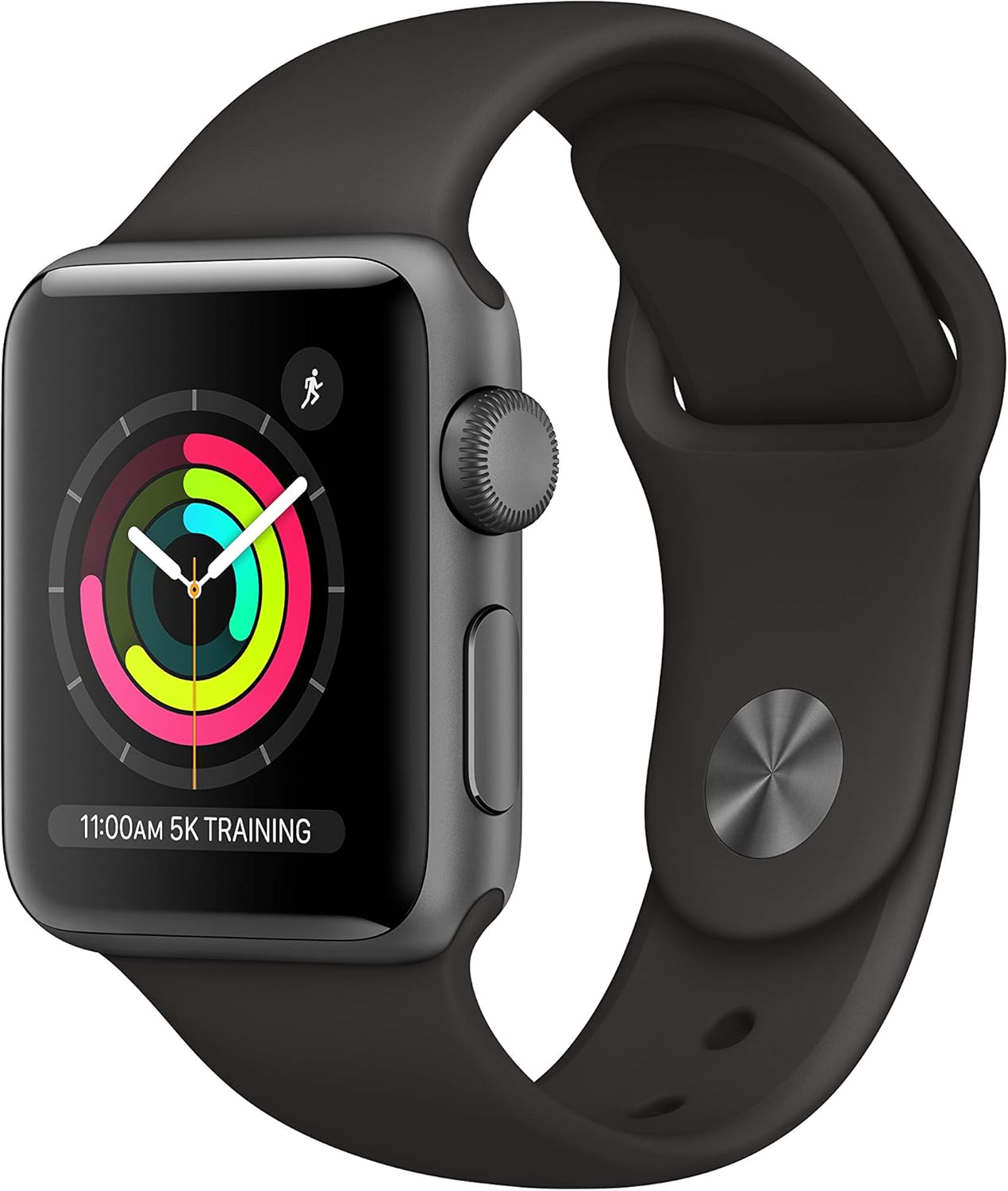
Garmin Forerunner 265
A training-focused GPS watch to consider if you want heart-rate zones, structured workouts, and recovery insights.
Best for: consistent runnersAvoid if: you only need simple timing

COROS Pace 3
A lightweight GPS watch option for runners who want strong battery life and training basics.
Best for: battery/valueAvoid if: you want premium maps
Quick decision table
This table is built for fast decisions. It does not replace fit testing, but it helps you avoid the most common mistake: choosing the most popular option instead of the option that matches your body, surface, pace, and goal.
| Need | Best direction | Why it helps | Check before buying |
|---|---|---|---|
| New runner | Walk-run Zone 2 | Keeps effort manageable | Breathing, not only watch data |
| Base training | Easy aerobic runs | Builds repeatable volume | Heat and fatigue drift |
| Watch user | HR zones plus effort | Improves pacing awareness | Sensor accuracy |
| Returning runner | Short easy sessions | Reduces overreaching | Pain or symptoms |
How to test the recommendation before trusting it
A helpful running article must do more than list popular products. It should teach you how to verify whether a recommendation works for your real life. Use this simple test whenever you buy shoes, a watch, a hydration product, or follow a training plan.
1. Match the use case
Define the exact job: easy runs, first 5K, wide-foot comfort, trail grip, daily walking, Zone 2 pacing, marathon training, GPS tracking, or long-run hydration.
2. Check the evidence
Look for surface, duration, pace, runner profile, product limitations, safety caveats, and comparison alternatives. Vague praise is not enough.
3. Verify the purchase
Before buying, confirm size, width, model year, seller, image, price, return policy, and official specifications. Marketplace listings can change.
Testing notebook: what would make this page stronger over time
The fastest way to build trust is to add owned evidence. For this Zone 2 running calculator, keep a simple testing notebook and add short excerpts directly to the article after each update.
- Runner profile: body weight range, experience level, pace range, foot type, width needs, and weekly mileage.
- Conditions: treadmill, asphalt, compact gravel, trail, heat, rain, humidity, morning/evening use, or gym use.
- Fit and comfort notes: toe room, heel lockdown, midfoot pressure, breathability, rubbing, swelling, and comfort after 10, 30, and 60 minutes.
- Durability notes: outsole wear, upper creasing, midsole feel, strap comfort, battery behavior, label clarity, or stomach tolerance depending on the product.
- Limitations: what was not tested, who should avoid the recommendation, and when a professional should be consulted.
Common mistakes this guide helps you avoid
Most poor purchases are not caused by lack of information. They happen because the information is not organized around the reader’s real problem. The sections below are designed to prevent that.
- Buying hype: a shoe, watch, or powder can be excellent and still wrong for your use case.
- Ignoring fit: a shoe that is too narrow, too unstable, or too aggressive will not become a perfect match because reviews are positive.
- Skipping return policy: high-conviction purchases still need a safety net, especially with shoes and watches.
- Confusing training and treatment: shoes, zones, electrolytes, and watches can support training decisions, but they do not diagnose or treat injuries or medical issues.
How to adjust Zone 2 when real life changes the numbers
Heat: heart rate often rises in hot weather even when pace stays the same. Slow down and use breathing as a second signal. A hot Zone 2 run may be much slower than a cool-weather run.
Hills: uphill running can push heart rate above the target quickly. Walk short climbs if the goal is truly easy aerobic training. There is nothing wrong with walking inside a Zone 2 session.
Fatigue: poor sleep, stress, hard workouts, and illness can raise heart rate. On those days, keep the run shorter, slower, or replace it with walking.
Sensor error: wrist heart-rate sensors can lag or misread cadence. If Zone 2 matters to your training, compare the watch with a chest strap or use perceived effort.
Zone 2 workouts for different runners
| Runner | Workout | Effort cue | Progression |
|---|---|---|---|
| Beginner | 30 min walk-run | Can talk calmly | Add jogging time slowly |
| Returning runner | 20–40 min easy | Finish refreshed | Add duration before pace |
| 5K runner | 35–50 min easy | Controlled breathing | Keep hard days separate |
| Half-marathon runner | 45–75 min easy | Steady relaxed rhythm | Build weekly volume gradually |
What not to do with Zone 2
Do not turn every run into a heart-rate exam. Do not chase a faster easy pace every week. Do not ignore pain because your watch says the effort is easy. Do not compare your Zone 2 pace with another runner’s pace. The goal is sustainable aerobic work that you can repeat consistently.
Reader Purchase Path
Start with the comparison table, shortlist two options, read the buy/avoid notes, then use the Amazon button only after checking the exact model name, image, size, width, seller, delivery date and return policy. If two products seem equal, choose the one with the safer return policy and the better fit option for your foot shape.
Where to go next in the GearUpToFit running system
Use this guide as one part of a connected running system. Start with the page that matches your next decision, not with a random article.
- Best running shoes for the full road-shoe shortlist.
- Best running shoes for beginners if this is your first serious pair.
- Best running shoes for wide feet if toe-box pressure or numbness is your main problem.
- Best running shoes for women for women-specific fit notes and sizing guidance.
- HOKA Clifton 10 review and HOKA Speedgoat 7 review for shoe-specific decisions.
- Zone 2 running calculator and how to start running from scratch for training consistency.
- Best smartwatches for runners and best electrolyte powders for runners for tracking and hydration support.
Final decision framework before you buy or follow the advice
Use this final framework before acting. First, name the exact job you need solved. For shoes, the job might be first daily trainer, wide toe-box comfort, soft walking cushion, trail protection, or stability preference. For watches, the job might be pacing, workouts, GPS route history, heart-rate zones, or long-run battery. For electrolytes, the job might be hot-weather hydration, long-run fueling support, or stomach-friendly sodium replacement. A recommendation becomes more useful when the job is specific.
Second, check whether the recommendation has a clear avoid case. If an article never tells you who should skip a product, it is probably trying too hard to sell. Every good product has limits. A soft shoe may feel unstable to some runners. A trail shoe may feel unnecessary on pavement. A racing shoe may be too aggressive for a beginner. A watch may provide more data than you will use. A high-sodium electrolyte may be wrong for someone with sodium restrictions.
Third, verify the boring details before purchase. Confirm size, width, gender version, model year, seller, return policy, final price, product image, label, and official specifications. This is especially important on Amazon because listings can change and marketplace pages can mix similar versions. The affiliate link should help you find the product, but your final checkout screen is the source of truth.
Fourth, test gradually. Do not take a new shoe straight into your longest run. Do not use a new electrolyte for the first time on race day. Do not trust a new watch’s zones without comparing them to effort. Start with a short, low-risk session, record what happened, and only then decide whether the product or plan deserves a bigger role in your training.
Fifth, keep the article useful by adding owned evidence after real use. The most valuable future update is not another paragraph of praise. It is a photo of outsole wear, a fit note after 30 minutes, a screenshot of a GPS track, a table of long-run hydration tolerance, or a before-and-after note explaining what changed since the last update. This is how GearUpToFit can become more trustworthy than generic affiliate roundups.
Reader-first summary
The best choice is the one you can use consistently without creating a new problem. Choose comfort before hype, fit before brand loyalty, evidence before slogans, and gradual testing before commitment. When two options look similar, pick the one with the clearer return policy, better fit confidence, and more honest limitations. That approach protects your training, your budget, and your trust in the recommendation.
Zone 2 Calculator: Reader Examples
Zone 2 is useful because it gives runners a practical intensity guardrail. The mistake is treating the number as perfect. Heart-rate formulas are estimates, and wrist sensors can drift. Use Zone 2 as a starting range, then cross-check with breathing and perceived effort.
25-year-old runner
Estimated max heart rate by 220-age is 195 bpm. A broad Zone 2 estimate may sit around 117–137 bpm using 60–70% of max.
35-year-old beginner
Estimated max is 185 bpm. A rough Zone 2 range may sit around 111–130 bpm, but talk-test effort matters.
45-year-old returning runner
Estimated max is 175 bpm. A conservative easy range may help rebuild consistency without chasing pace.
55-year-old walker-runner
Estimated max is 165 bpm. Walk-run intervals can keep effort controlled while improving endurance.
Simple Zone 2 Calculator Code for WordPress
If your WordPress setup allows inline JavaScript, use a dedicated calculator block above the fold. If your theme strips scripts, implement the same logic with your calculator plugin or shortcode.
<div class="guf-calculator">
  <label for="guf-age">Age</label>
  <input id="guf-age" type="number" min="12" max="100" placeholder="35">
  <button type="button" onclick="gufZone2()">Calculate Zone 2</button>
  <p id="guf-zone2-result"></p>
</div>
<script>
function gufZone2(){var age=Number(document.getElementById('guf-age').value);var max=220-age;var low=Math.round(max*.60);var high=Math.round(max*.70);document.getElementById('guf-zone2-result').textContent='Estimated Zone 2: '+low+'–'+high+' bpm. Cross-check with the talk test.';}
</script>
FAQ
What is Zone 2 running?
Zone 2 running is easy aerobic running, often estimated around 60 to 70 percent of maximum heart rate, but personal zones can vary.
Is 220 minus age accurate?
It is a rough estimate. A lab test, chest strap data, or coach-guided zones can be more accurate.
Why is my Zone 2 pace so slow?
Many runners discover their true easy pace is slower than expected, especially in heat, hills, or early training.