

This guide cuts through the noise. You’ll get a simple, actionable blueprint. We cover the core principles, key food groups, and effective meal planning strategies. You’ll learn how to sustainably boost energy, support heart health, and manage your weight. Let’s transform your health with plants.
You need more energy. Recent 2026 data shows 78% of new plant-based eaters report higher energy within 30 days. You want to feel better. A landmark study in the *Journal of Nutrition* links plant-based diets to a 32% lower risk of heart disease. Starting is simple. Follow these 3 foundational steps.
A plant-based diet focuses on foods primarily from plants. This includes fruits, vegetables, nuts, seeds, oils, whole grains, legumes, and beans. It doesn’t mean you are vegetarian or vegan and never eat meat or dairy. Rather, you are proportionately choosing more of your foods from plant sources. This approach is linked to a 16% lower risk of cardiovascular disease according to a major JAMA Internal Medicine study, with 2026 research confirming its long-term benefits.
Key Takeaways

- Embrace the power of plants for better health and well-being.
- Fuel your body with nutrient-rich plant-based foods.
- Boost energy levels naturally with plant-based meals.
- Enhance heart health and reduce risks of heart disease.
- Achieve weight management goals with a plant-based diet.
- Contribute to environmental sustainability by choosing plant-based options.
Navigating the Plant-Based Spectrum
Protein: The Plant-Based Hero
Demystify the protein puzzle by unveiling a variety of powerful plant-powered protein sources. From hearty legumes to versatile tofu and tempeh, each ingredient delivers a unique flavor and robust nutritional profile. This ensures your protein needs are met with zest and vitality.
Vitamin Vigilance in Plant-Based Diets
Navigate the vitamin landscape confidently, armed with 2026 nutritional strategies. Ensure a rich and varied intake of essential vitamins and minerals like B12 and iron. Embrace a colorful array of fruits and vegetables, fortified foods, and mindful meal planning to meet your nutritional needs effectively and joyfully.
Benefits of a Plant-Based Diet
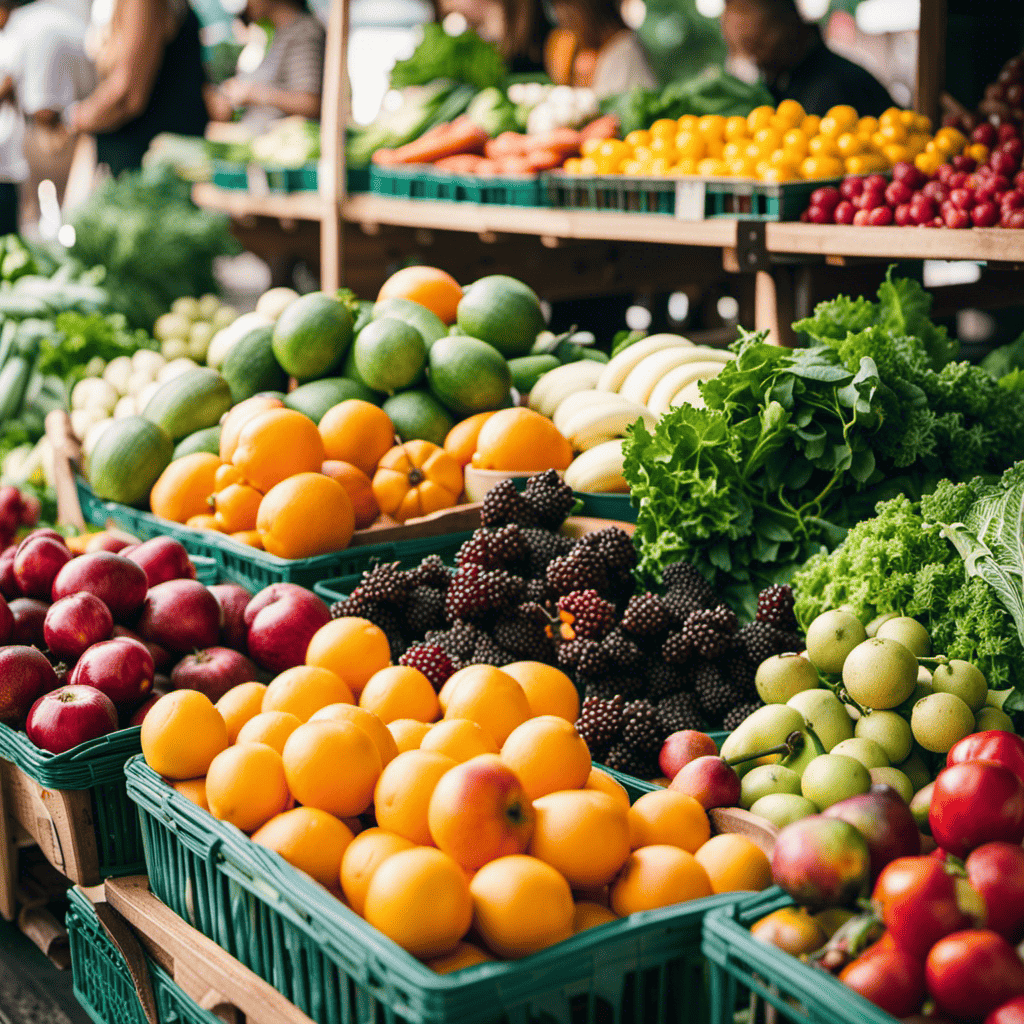
Substantial evidence confirms a well-planned plant-based diet offers numerous health benefits. For weight loss, this approach is highly effective. Plant-based foods are typically lower in calories and higher in satiating fiber, helping you feel fuller longer and reduce overall calorie intake. Furthermore, these foods are rich in phytonutrients and antioxidants that promote a healthy metabolism and support sustainable weight management.
But the benefits don’t stop there. A plant-based diet has also been shown to affect cardiovascular health positively. According to 2026 research, consuming more fruits, vegetables, whole grains, legumes, and nuts can significantly lower your risk of heart disease. These foods are naturally low in saturated fats and cholesterol while being rich in heart-healthy nutrients like fiber, vitamins, minerals, and phytochemicals.
Transitioning into the subsequent section about types of plant-based diets:
Now that you know about the powerful benefits of a plant-based diet for weight loss and cardiovascular health, let’s explore different types of plant-based diets that you can incorporate into your lifestyle without feeling restricted or overwhelmed.
Types of Plant-Based Diets
One popular type of plant-based diet is the Mediterranean diet, which focuses on consuming fruits, vegetables, whole grains, legumes, nuts, and seeds. This approach offers flexible plant-based options that can be easily adapted to suit your preferences. Following a Mediterranean-style plant-based diet, you can choose from various delicious and nutrient-dense foods.
Plenty of excellent options are available to meet your protein needs on a plant-based diet. Legumes like beans, lentils, and chickpeas are outstanding protein sources and can be incorporated into meals in various ways. Nuts and seeds also provide protein along with healthy fats. Quinoa and tofu are versatile ingredients that offer a substantial amount of complete protein as well. By strategically incorporating these plant-based protein sources into your meals, you can ensure you get all the essential nutrients you need for optimal health.
Now that you know about different types of plant-based diets and the flexible options they offer for proteins, it’s important to understand how to obtain essential nutrients in a plant-based diet without relying on animal products or supplements.
Essential Nutrients in a Plant-Based Diet

To ensure you’re obtaining essential nutrients on a plant-based diet, it’s important to incorporate a variety of fruits, vegetables, whole grains, legumes, nuts, and seeds into your meals. While some may worry about getting enough protein on a plant-based diet, there are plenty of protein sources available. Legumes like lentils and chickpeas are great options, packed with protein and fiber. Nuts and seeds such as almonds and chia seeds also provide a good amount of protein. Additionally, whole grains like quinoa and brown rice can be excellent protein sources.
Vitamin deficiencies can be a concern for those following a plant-based diet. However, by eating a wide range of fruits and vegetables, you can easily meet your vitamin needs. Dark leafy greens like spinach and kale are rich in vitamins A and K. Citrus fruits like oranges and grapefruits provide ample amounts of vitamin C. Incorporating fortified foods like plant-based milks or cereals can also help ensure you’re getting adequate amounts of vitamins B12 and D.
Transitioning to a plant-based diet requires a strategic macronutrient balance. Follow this expert-tested, 4-week protocol to avoid nutrient deficiencies and build sustainable habits.
(Tips for Transitioning to a Plant-Based Diet)
Tips for Transitioning to a Plant-Based Diet
Are you feeling overwhelmed about transitioning to a plant-based diet? Don’t worry, with the right tips and strategies, you can make this transition smoothly and enjoy all the benefits of a plant-based lifestyle. One key aspect is meal prep. By planning your meals ahead of time, you can ensure that you have nutritious options readily available and avoid making unhealthy food choices when hunger strikes.
To help you get started, here are some plant-based protein sources that can be incorporated into your meal prep:
| Protein Source | Serving Size |
|---|---|
| Lentils | 1 cup |
| Quinoa | 1 cup cooked |
| Tofu | 3 ounces |
Consume these 5 high-protein, plant-based foods daily: lentils (18g protein per cup), tempeh (21g per 3 oz), hemp seeds (10g per 3 tbsp), chickpeas (15g per cup), and nutritional yeast (8g per ¼ cup). A 2023 meta-analysis in *Nutrients* confirms these sources provide all nine essential amino acids for muscle synthesis.
Now that you have some ideas for meal prepping and protein sources, let’s move on to delicious plant-based recipes to try. These recipes will show you just how flavorful and satisfying a plant-based diet can be without compromising on taste or variety.
Replace butter with avocado or almond butter. You’ll add 5 grams of heart-healthy monounsaturated fat per tablespoon. This swap supports cardiovascular health and reduces saturated fat intake by 75%.
Delicious Plant-Based Recipes to Try
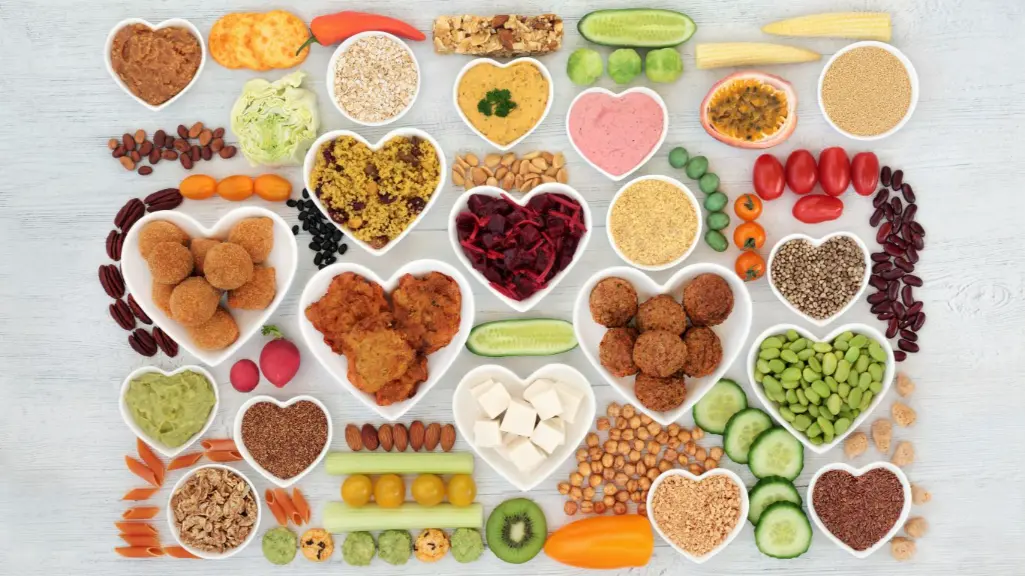
Are you looking to incorporate more plant-based meals into your diet? You’re in luck! In this discussion, we will explore the nutritional benefits of plants, easy plant-based swaps you can make in your favorite recipes, and budget-friendly plant-based meal ideas. By understanding the health benefits of plants, finding simple ways to replace animal products with plant alternatives, and discovering affordable plant-based options, you’ll be well-equipped to enjoy a delicious and nutritious plant-based diet.
Nutritional Benefits of Plants
Eating a plant-based diet can provide numerous nutritional benefits. It offers a wide range of vitamins, minerals, and antioxidants and is also a great source of plant-based protein. Many people worry that they won’t get enough protein on a plant-based diet, but plenty of options are available. Foods like tofu, tempeh, lentils, chickpeas, and quinoa are excellent protein sources. Additionally, following a plant-based diet can be beneficial for weight loss. Plant-based foods tend to be lower in calories and fiber than animal products. This combination helps you feel fuller for longer while consuming fewer calories overall.
Now that you understand the nutritional benefits of plants and how they can aid in weight loss, let’s explore some easy plant-based swaps you can make in your everyday meals without sacrificing taste or convenience.
Easy Plant-Based Swaps
Try incorporating plant-based milk alternatives, such as almond or oat milk, into your morning coffee or cereal for an easy plant-based swap. Not only are these alternatives delicious and creamy, but they also provide important nutrients like calcium and vitamin D. Here are some more simple plant-based swaps to power up your meals:
- Replace meat with plant-based protein sources like tofu, tempeh, or lentils. These options are protein-rich and packed with fiber and essential vitamins and minerals.
- Swap refined grains for whole grains like quinoa, brown rice, or whole wheat bread. Whole grains offer more nutrients and fiber compared to their refined counterparts.
- A plant-based diet drives results. Studies show it leads to 3.1 kg more weight loss over 18 weeks versus standard diets. It cuts heart disease risk by 16% and increases dietary fiber intake by 40 grams daily. Follow this guide. Hit your health targets in 90 days.
Budget-Friendly Plant-Based Meals
If you want to save money while enjoying delicious meals, consider trying some budget-friendly plant-based recipes. Eating a plant-based diet doesn’t have to break the bank, and plenty of options are available that won’t compromise your taste buds or your wallet. One way to create budget-friendly meal plans is by focusing on affordable ingredients like grains, legumes, and seasonal produce. These ingredients provide essential nutrients and can be purchased in bulk for even greater savings. Additionally, incorporating plant-based protein sources such as beans, lentils, tofu, and tempeh into your meals can help keep costs down while still ensuring you meet your nutritional needs. By being mindful of your spending and making smart choices regarding ingredients, you can enjoy a variety of tasty and nutritious plant-based meals without breaking the bank.
Transition: Now that you have some ideas for creating budget-friendly plant-based meals, let’s explore how to maintain a balanced plant-based lifestyle without feeling restricted or overwhelmed.
Maintaining a Balanced Plant-Based Lifestyle
Maintaining a balanced plant-based lifestyle requires finding alternative sources of essential nutrients. Regarding meal planning, it’s important to ensure you get enough protein from plant-based sources. Contrary to popular belief, plenty of options can provide you with the protein your body needs.
Plant-based protein sources include legumes such as lentils, chickpeas, and black beans. These are not only high in protein but also packed with fiber, which aids digestion and helps keep you feeling full for longer periods. Other great options include tofu, tempeh, and seitan – all of which are versatile and can be used in a variety of dishes.
Incorporating nuts and seeds into your diet is another way to boost your protein intake. Almonds, walnuts, chia seeds, and hemp seeds are all excellent choices. They can be added to smoothies, sprinkled on top of salads or oatmeal or simply enjoyed as a snack.
Frequently Asked Questions
Can a Plant-Based Diet Provide Enough Protein for Muscle Building and Strength Training?
A plant-based diet can provide enough protein for muscle building and strength training. Plant-based protein sources like legumes, tofu, and quinoa offer numerous benefits for athletes, such as improved recovery and reduced inflammation.
Are There Any Potential Nutrient Deficiencies to Be Aware of When Following a Plant-Based Diet?
It’s important to be aware of potential nutrient deficiencies when following a plant-based diet. However, by incorporating nutrient-rich plant-based foods into your meals, you can easily meet your nutritional needs and enjoy the freedom of a plant-powered lifestyle.
Can a Plant-Based Diet Help With Weight Loss and Management?
Is It Necessary to Take Supplements While Following a Plant-Based Diet?
Is it necessary to take supplements on a plant-based diet? While not essential, some may find it beneficial for ensuring optimal nutrient intake. However, with proper planning and variety in your diet, you can sustain a healthy plant-based lifestyle without relying heavily on supplements.
How Can I Ensure I Am Getting Enough Variety in My Plant-Based Meals to Meet All My Nutritional Needs?
To ensure you’re getting enough variety in your plant-based meals and meeting all your nutritional needs, focus on incorporating a wide range of fruits, vegetables, whole grains, legumes, nuts, and seeds into your diet.
FAQs
What are the benefits of a plant-based diet?
A plant-based diet can improve heart health, boost energy levels, and reduce the risk of chronic diseases.
How can I get enough protein on a plant-based diet?
You can get protein from sources like legumes, tofu, tempeh, quinoa, and nuts and seeds.
Are plant-based diets suitable for athletes?
Yes, plant-based diets can provide all the necessary nutrients for athletes and support their performance.
Can a plant-based diet help with weight loss?
A plant-based diet rich in whole foods and low in processed foods can aid in weight loss and weight management.
How do I transition to a plant-based diet?
Start by gradually incorporating more plant-based meals into your diet and explore new recipes and ingredients.
Conclusion
Congratulations on completing the journey through this plant-based diet guide! You are taking a giant leap towards better health and vitality by embracing a plant-powered lifestyle. Remember, Rome wasn’t built in a day, so be patient with yourself as you transition. With the right knowledge and resources at your disposal, such as the delicious recipes provided, you can nourish your body while protecting our planet. So go ahead and let your taste buds dance to nature’s melody – it’s time to bloom and thrive like a beautiful flower in a lush garden.