
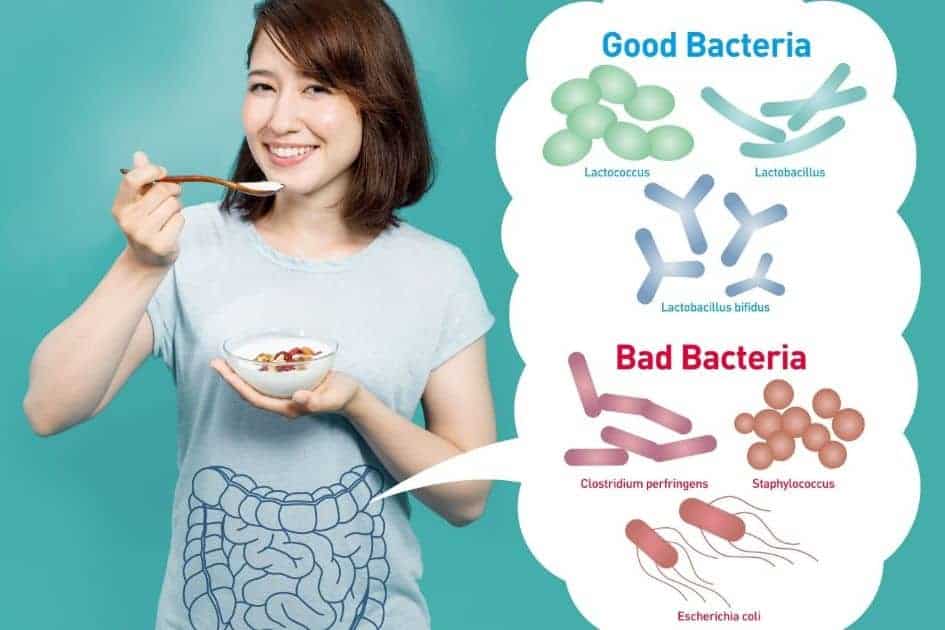
What are probiotics? They are live, beneficial bacteria and yeasts that improve your gut health, boost immunity, and support overall wellness. To get the benefits, you need to consume specific strains like Lactobacillus and Bifidobacterium through foods like yogurt and kefir or high-quality supplements.
🔑 Key Takeaways
- Core Function: Probiotics are live microbes that restore balance to your gut microbiome, crowding out harmful bacteria.
- 10+ Proven Benefits: Research supports their role in improving digestion, strengthening immunity, aiding weight management, and enhancing mood.
- Strain-Specific Results: Benefits depend on the specific strain. Lactobacillus rhamnosus GG is proven for diarrhea, while Bifidobacterium lactis aids digestion.
- CFU Count Matters: Effective supplements typically contain 1 to 10 billion CFUs (colony-forming units). Start low and increase gradually.
- Foods vs. Supplements: Get probiotics naturally from fermented foods like kimchi and kombucha, or use supplements for targeted, high-dose therapy.
- Consult a Professional: Always talk to a doctor or dietitian before starting, especially if you have a compromised immune system or serious health condition.
What Are Probiotics?
Probiotics are living microorganisms that provide a health benefit when consumed. They are often called “good” or “friendly” bacteria. Their primary role is to maintain a healthy balance in your gut microbiome—the community of trillions of bacteria in your intestines. Common and well-researched strains include Lactobacillus acidophilus, Bifidobacterium bifidum, and the yeast Saccharomyces boulardii. You find them abundantly in fermented foods like yogurt, kefir, sauerkraut, and kimchi.
How Probiotics Work

Probiotics work through several key mechanisms. They produce substances like lactic acid and short-chain fatty acids that lower gut pH, inhibiting the growth of pathogens like E. coli. They strengthen the intestinal barrier, reducing inflammation. They also compete with harmful bacteria for space and nutrients, effectively crowding them out. This is crucial for preventing conditions like antibiotic-associated diarrhea and managing Irritable Bowel Syndrome (IBS).
Understanding Your Gut Microbiome
Your gut microbiome is a complex ecosystem. A 2026 review in Nature emphasizes that its diversity is a key marker of health. Probiotics directly influence this system. They increase the population of beneficial bacteria, which supports essential functions: vitamin synthesis, neurotransmitter production, and immune system regulation. An imbalanced microbiome (dysbiosis) is linked to digestive issues, obesity, and even mental health disorders.
Probiotics for Digestive Health
Probiotics are frontline defenders for your gut. They are clinically proven to manage and prevent specific digestive disorders. For example, Saccharomyces boulardii is effective against Clostridioides difficile infection. Strains like Bifidobacterium infantis can reduce bloating and pain in IBS patients. They work by restoring microbial balance disrupted by poor diet, stress, or antibiotics.
Probiotics and Systemic Health
Science continues to reveal wider benefits. Specific strains have documented, targeted effects:
- Immune Support: Lactobacillus casei and Lactobacillus rhamnosus can reduce the incidence and duration of respiratory infections.
- Heart Health: Lactobacillus reuteri has been shown to help lower LDL (“bad”) cholesterol levels.
- Mental Well-being: The gut-brain axis is real. Strains like Lactobacillus helveticus and Bifidobacterium longum may reduce symptoms of anxiety and mild depression.
- Skin Health: Oral and topical probiotics can improve conditions like eczema by modulating systemic inflammation.
How to Integrate Probiotics
You have two main paths: food and supplements.
Probiotic-Rich Foods: Include a variety of fermented foods in your diet: yogurt (with live cultures), kefir, unpasteurized sauerkraut, kimchi, kombucha, miso, and tempeh. These provide a diverse array of natural bacteria.
Probiotic Supplements: Choose these for targeted, high-dose, or specific strain benefits. Look for brands like Culturelle or Align that disclose strain information and CFU count at time of expiration. Pair them with prebiotic fibers (found in garlic, onions, asparagus) to feed the good bacteria.
Critical: Responses vary. Consult a healthcare professional before making significant changes, particularly if you are immunocompromised.
Types of Probiotic Bacteria

Supplements contain specific species and strains. The two most common genera are Lactobacillus (often found in the small intestine) and Bifidobacterium (predominant in the colon). Each strain has unique properties. For instance, Lactobacillus rhamnosus GG is best for traveler’s diarrhea, while Bifidobacterium lactis HN019 supports regularity.
Safety Profile
Probiotics are generally safe for the healthy population. Minor initial side effects like gas or bloating are common as your gut adjusts. However, serious infections are rare but possible in severely ill or immunocompromised individuals. Always check with your doctor if you are pregnant, undergoing surgery, or have a serious medical condition.
Science-Backed Health Benefits of Probiotics

Clinical evidence supports these specific benefits:
- Prevents Antibiotic-Associated Diarrhea: Taking probiotics during antibiotic treatment reduces risk by over 50%.
- Boosts Immune Function: Enhances the activity of immune cells like macrophages and natural killer cells.
- Supports Weight Management: Certain strains may influence hormones related to satiety and reduce fat absorption.
- Enhances Mood: Modulates the production of neurotransmitters like serotonin via the gut-brain axis.
- Reduces IBS Symptoms: Alleviates bloating, gas, and irregular bowel movements.
- Manages Lactose Intolerance: Bacteria produce the lactase enzyme, helping digest dairy.
- Prevents Vaginal Yeast Infections: Lactobacillus crispatus helps maintain a healthy vaginal pH.
- Lowers Inflammation: Chronic inflammation is a root of many diseases; probiotics help regulate it.
Choosing the Right Supplement
Don’t just buy the first bottle you see. Follow this checklist:
- Strain Specificity: The label must list the full strain name (e.g., Lactobacillus acidophilus LA-5).
- High CFU Count: Look for 1 to 10 billion CFUs for general health. Higher counts (50B+) are for targeted therapy.
- Viability Guarantee: The CFU count should be guaranteed “at time of expiration,” not just at manufacturing.
- Reputable Brand: Choose companies with third-party testing and clinical research backing their products.
- Storage Requirements: Some require refrigeration to maintain potency.
How to Use Probiotics Safely and Effectively
Dosage: Start with a lower dose (e.g., 1-2 billion CFUs) and gradually increase over a week. This minimizes initial digestive discomfort.
Timing: For general health, take them with a meal. If on antibiotics, take the probiotic at least 2-3 hours apart from your antibiotic dose.
Duration: Probiotics are not permanent residents. For sustained benefits, you need to take them consistently. Effects typically diminish within weeks of stopping.
Natural Food Sources vs. Supplements

Food Sources: The best natural sources are unpasteurized, fermented foods. Greek yogurt, kefir, kimchi, and kombucha provide a diverse bacterial profile along with other nutrients.
Supplement Sources: These are ideal when you need a specific, high-dose strain for a health goal, or if your diet lacks fermented foods. They come as capsules, powders, and liquids.
Topical Probiotics: Emerging research in 2026 shows promise for topical applications (creams, serums) containing Lactobacillus species for skin health, supporting the skin’s microbiome barrier.
❓ Frequently Asked Questions
What’s the difference between probiotics and prebiotics?
Probiotics are the live beneficial bacteria themselves. Prebiotics (like inulin and FOS) are the specialized plant fibers that feed and stimulate the growth of these good bacteria already in your colon. They work best together (synbiotics).
When is the best time to take a probiotic?
Take probiotics with or just before a meal. The food buffers stomach acid, increasing the number of live bacteria that reach your intestines. Consistency (same time daily) is more important than a specific clock time.
Can probiotics help with weight loss?
Certain strains, like Lactobacillus gasseri and Bifidobacterium lactis, show promise in clinical studies for reducing belly fat and BMI. They are a supportive tool, not a magic solution, and must be combined with diet and exercise.
Are there any people who should avoid probiotics?
Yes. Individuals with compromised immune systems (e.g., from HIV/AIDS, cancer chemotherapy), those critically ill, or with conditions like pancreatitis should avoid probiotics unless specifically prescribed by their doctor due to infection risk.
How long does it take for probiotics to work?
For digestive issues like bloating, some notice changes in a few days. For immune or mood benefits, it may take 3-8 weeks of consistent use. If you see no benefit after 4 weeks, try a different strain.
Conclusion
Probiotics are a powerful tool for modern health. The evidence is clear: specific strains deliver specific benefits, from repairing gut barrier function to modulating immune response. The path forward is strategic. First, assess your goal—general wellness or targeting a condition like IBS. Then, choose your source: diversify your diet with fermented foods or select a high-quality, strain-specific supplement. Finally, commit to consistency and monitor your body’s response. Always partner this knowledge with professional medical advice to ensure safety and efficacy. Your gut microbiome is a foundation of health; investing in it with probiotics is a proven strategy for long-term vitality.
References
- Gut microbiome and health: mechanistic insights – Nature Reviews Gastroenterology & Hepatology
- Efficacy of Probiotics on Antibiotic-Associated Diarrhea: A Systematic Review – NIH
- Probiotics for the Management of Irritable Bowel Syndrome – Gastroenterology & Hepatology
- Probiotics: What You Need To Know – National Center for Complementary and Integrative Health (NCCIH)
- The Gut-Brain Axis: Influence of Microbiota on Mood and Mental Health – Brain, Behavior, and Immunity
- International Scientific Association for Probiotics and Prebiotics (ISAPP)
- Probiotics and prebiotics – Mayo Clinic
- PubMed – National Library of Medicine